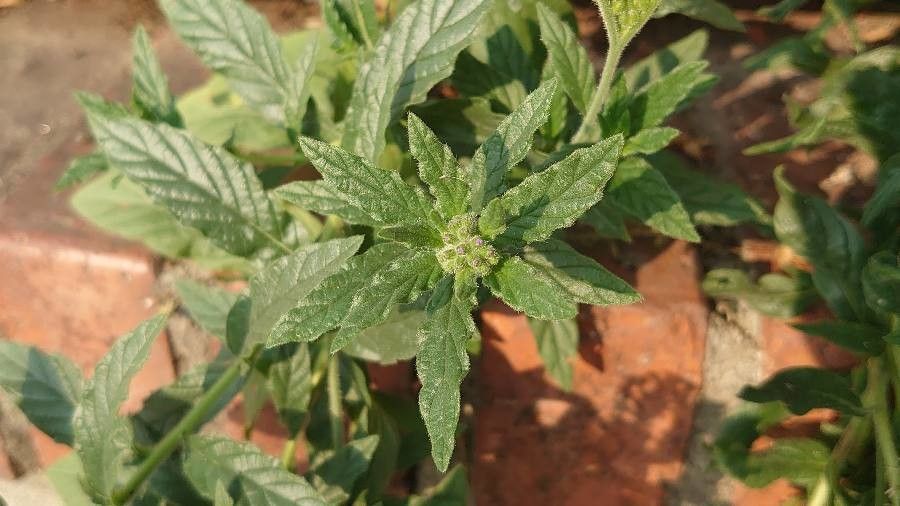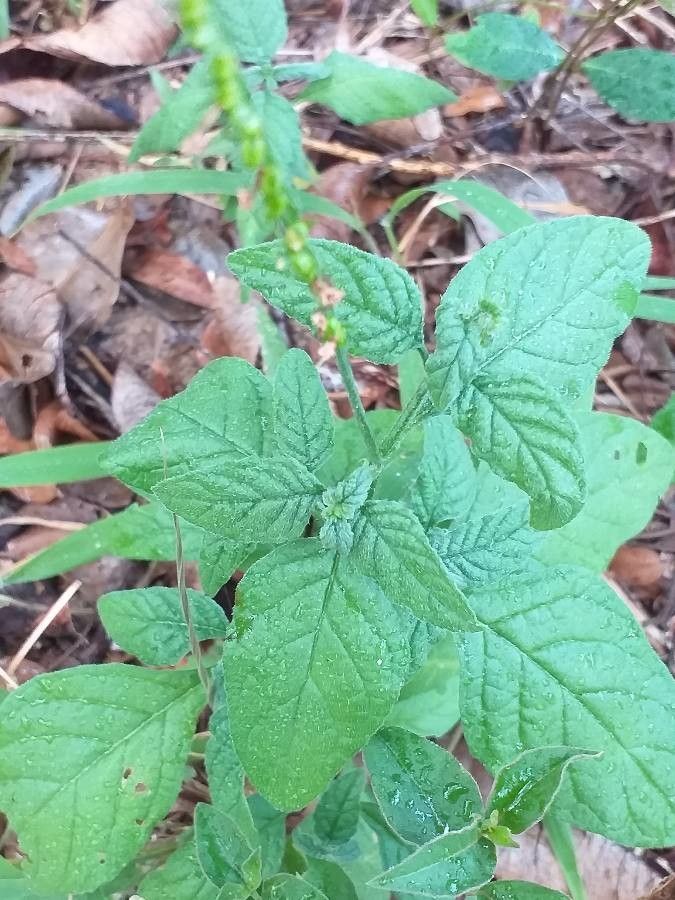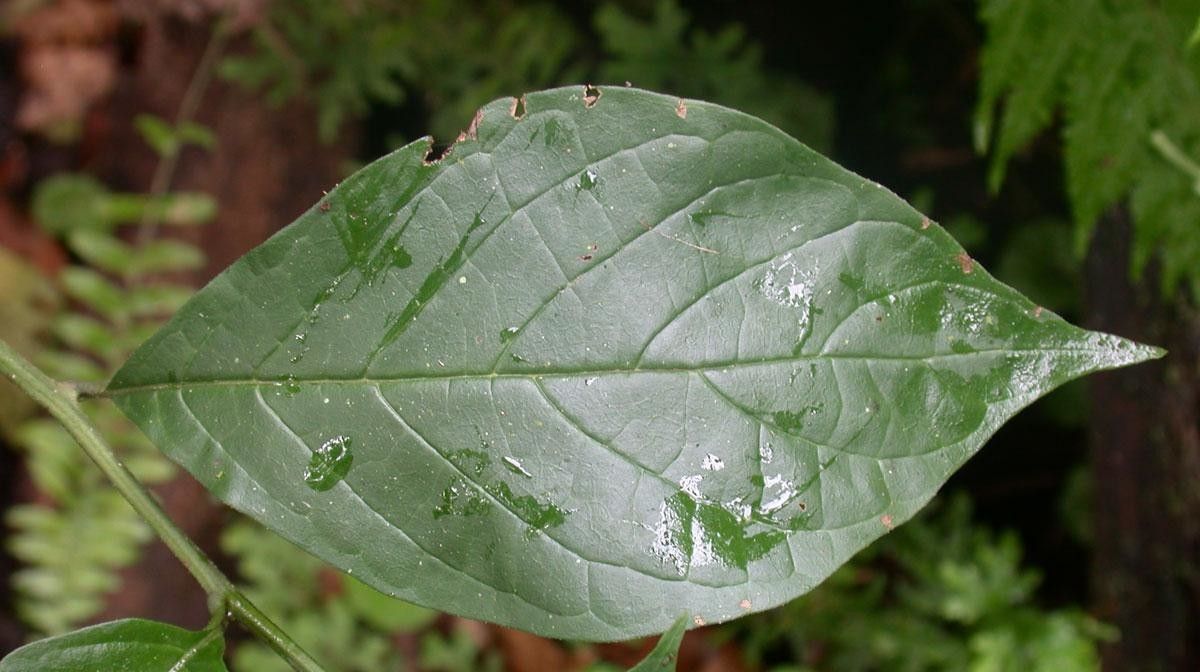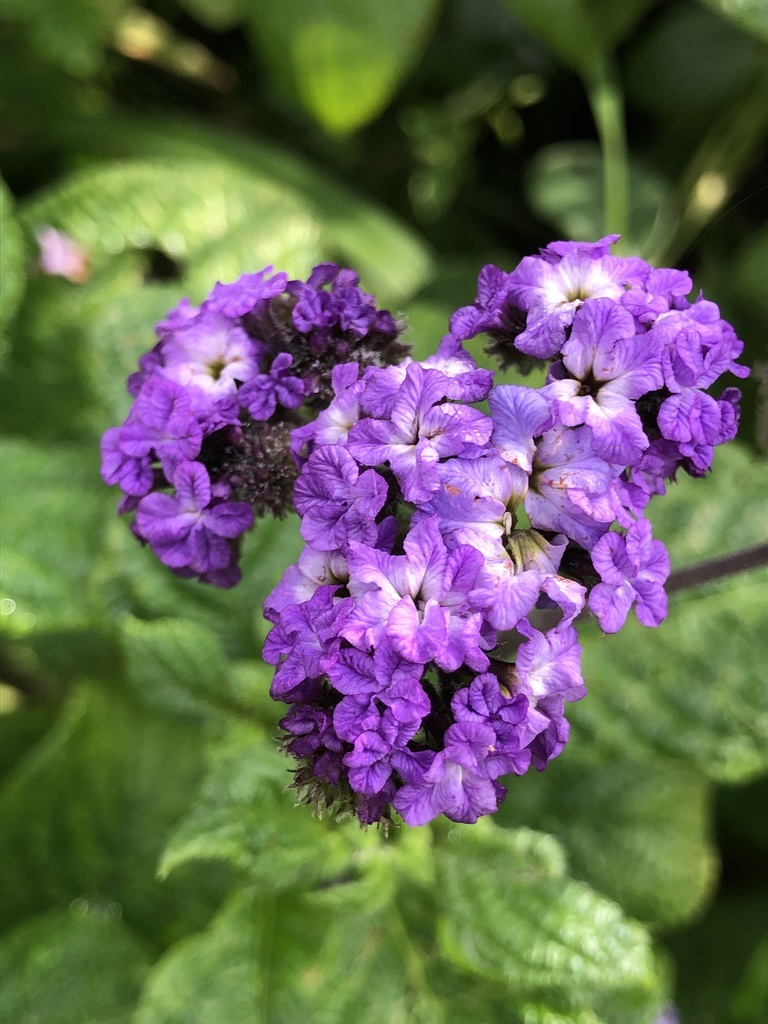
Heliotropium arborescens, commonly known as the garden heliotrope, is a flowering plant from the Boraginaceae family. Native to Peru and Ecuador, it has been widely cultivated worldwide due to its fragrant and attractive flowers.
The plant grows up to 1 meter tall and features dark green, oval-shaped leaves. Its small flowers are clustered in large inflorescences at the top of each stem, typically appearing in shades of purple or blue, but also in white or pink.
Garden heliotrope thrives in full sun or partial shade and requires well-drained soil. It is a hardy plant that can tolerate drought conditions once established, though it benefits from regular watering during dry spells.
Beyond its ornamental appeal, Heliotropium arborescens has been used in traditional medicine for centuries. The leaves were applied as a poultice for skin conditions like eczema and psoriasis, while root extracts served as an anti-inflammatory agent.
Overall, Heliotropium arborescens is an attractive flowering plant with both ornamental and medicinal value, easily grown in gardens around the world with proper care.
Heliotrope shows strong resistance to disease and generally does not tend to suffer from illnesses. Still, it can be vulnerable to pests and diseases present in its environment. Such infections are typically mild. Regarding maintenance, the plant needs moderate care. Regular pruning is necessary to keep a neat appearance and support healthy growth. Fertilizing can also aid in encouraging blooms. Heliotrope is appropriate for anyone with outdoor space, like a garden or patio, and does not demand much prior plant-care experience. It may need additional attention when grown indoors.
How to keep Heliotropium Arborescens.
Light
The heliotrope does best in a spot that receives sunlight for most of the day, though it can adapt to situations where sunlight isn't constant. Both too much and too little light can hinder its growth, reflecting its original habitat's abundant sun exposure.
Water
Heliotrope, which originates from tropical regions, thrives in moist soil and benefits from regular weekly watering. Although it can endure short dry spells, rainwater is particularly beneficial for its growth. Known for its fragrant flowers, heliotrope thrives in environments that mirror the humidity of its native habitat, promoting lush growth and vitality.
Humidity
This plant will thrive in moderate humidity, which is probably the level in your home. However, misting it a few times a week can be very beneficial. Make sure the room has good ventilation.
Temperature
Heliotrope comes from warm temperate areas and prefers temperatures between 68 and 100°F (20 to 38℃). Seasonal adjustments may be needed to keep the temperature within this preferred range.
Fertilizer
Proper fertilization is essential for Heliotrope’s health and appearance. Fertilize Heliotrope during the summer, repeating the application monthly throughout the season. Nutrients power growth and help maintain the plant’s parts. Feeding improves Heliotrope’s floral display, ensuring the best blooms.
Pruning
Heliotrope produces fragrant blooms and grows in a compact form. To maintain its health and appearance, prune the plant in early spring or late winter. Focus on removing dead stems and shaping the plant to improve airflow and light penetration. Regular pruning encourages denser foliage and more blooms. Always use clean tools and avoid excessive pruning to minimize stress on the plant. Additionally, follow specific care guidelines for your region to ensure optimal growth.
Pot & Repot
Repot your heliotrope every 2-3 years in early spring. Choose a slightly larger container and use well-draining soil. After repotting, keep the soil moist and place the plant in partial sunlight to help it recover and stay vibrant and healthy.
Botanical profile.
- Plant Type
- Herb
- Life Cycle
- Perennial, Annual
- Genus
- Heliotropium
- Family
- Boraginaceae
- Hardiness Zone
- 9-11
- Mature Height
- 76 cm
- Mature Spread
- 91 cm
- Leaf Color
- Green
- Leaf Type
- Evergreen
- Flower Color
- Purple, Blue, White, Lavender, Violet
- Flower Size
- 4.06 cm to 10.16 cm
- Bloom Time
- Late spring, Summer
- Planting Time
- Spring
- Harvest Time
- Mid summer, Late summer, Early fall
- Native Area
- Bolivia, Peru
Other names.
Reader questions.
How should I water my Heliotrope plant?
When watering the Heliotrope, it is recommended to use filtered water at room temperature. Tap water may contain harmful particles, so filtered water is a safer choice. The Heliotrope prefers room temperature or slightly warm water because it is accustomed to a warm environment, and cold water can be a shock to its system. It is also best to avoid watering from above, as this can lead to issues with the foliage. Instead, water the soil directly until it is completely soaked. This method of watering is beneficial because it keeps the roots moist and helps them spread and absorb the necessary nutrients from the soil.
Why should I put fertilizer on my Heliotrope?
Fertilizer and soil nutrients are like fuel for your Heliotrope, helping it grow and stay healthy. Plants typically use soil nutrients to grow new material and keep their existing parts in good shape. Specifically for the Heliotrope, fertilization is important for it to produce beautiful flowers, which are its main attraction. Most gardeners will want to maximize the appearance of these flowers, and fertilization is a reliable way to achieve that.
What are the sunlight requirements for Heliotropes?
Heliotropes require specific conditions of sunlight to thrive. They need full sun, which is above 6 hours of direct sunlight daily, or partial sun, which amounts to about 3-6 hours of sunlight. It's crucial to observe how sunlight moves through your garden to select spots that offer a balance of light and shade, supporting the well-being of your plants.
What is the native climate for Heliotrope, and what are its temperature preferences?
Heliotrope is native to warm temperate regions, flourishing in temperatures ranging from 68 to 100°F (20 to 38°C). This plant is extremely heat-loving, requiring seasonal adjustments to maintain the temperature within its preferred range. Cold temperatures can harm it, so it's recommended to bring Heliotrope indoors during autumn, placing it near a bright window but away from direct heat sources. Keeping the temperature above 20°C during the winter promotes healthy growth, while temperatures nearing 0°C can be detrimental.
What do I do if I give my Heliotrope too much or too little water?
Overwatering your Heliotrope can cause wilting, yellowing leaves, and potentially deadly diseases like root rot, mold, and mildew. Underwatering is less common for this plant, but it can result in brittle, brown leaves. Recognizing and addressing overwatering signs is crucial to avoid irreversible damage. Reduce watering immediately and replace poorly draining soil with a loose, well-draining mix. Conversely, if your Heliotrope lacks water, increase watering until signs of dehydration disappear.
When should I put fertilizer on my Heliotrope for the best results?
The Heliotrope undergoes two main phases each year. The first, called the dormant phase, occurs during winter when the plant's growth is minimal. The other phase, known as the active growth phase, happens during spring and fall, and this is when your Heliotrope requires the most fertilization. It is generally recommended to start fertilizing your Heliotrope in spring and continue to do so monthly throughout spring and most of summer. As fall approaches, you can gradually decrease the frequency of fertilization.
What are the essential care tips for Heliotropes?
Heliotropes flourish best when exposed to considerable sunlight throughout the day, similar to their native habitat's conditions. However, they can still adapt if sunlight is not consistent. Both under and overexposure to sunlight can negatively affect their growth. In situations where natural sunlight is not sufficient, especially during winter or in less sunny spaces, artificial lighting can be a great alternative. LED lights are recommended for indoor planting as they can provide the needed wavelengths of light. Depending on the plant's sunlight needs, the wattage per square foot and the duration (8-12 hours per day) should be adjusted accordingly.
How does low temperature affect Heliotrope, and what are the solutions?
Heliotrope is not tolerant of low temperatures, thriving best above 20°C and requiring temperatures to stay above 0°C during winter. Exposure to temperatures below -5°C may cause the leaves to lighten in color, leading to browning or blackening after frost damage, alongside symptoms like wilting and drooping. The solution involves trimming off frost-damaged parts and moving the plant indoors to a warm spot near a south-facing window, ensuring ample sunlight. It's also important to avoid placing the plant near heaters or air conditioning vents, as they can cause the air to become excessively dry.
How frequently should I water my Heliotrope?
If your Heliotrope plant is in a pot, the most precise way to determine if it needs water is to check the soil by inserting your finger into it. If the top two to three inches of soil are dry, it's time to water it. If you are growing your Heliotrope outdoors in the ground, you can use a similar method to test the soil. Once again, if the top few inches of soil have dried out, it's time to water. Usually, during the spring and early fall, you will need to water this plant about once a week using this method. However, during extremely hot weather, you may need to water it twice or more per week. However, it is worth noting that mature, well-established Heliotrope plants have a remarkable ability to tolerate and survive droughts.
When is it not a good idea to fertilize my Heliotrope?
If you want to help your Heliotrope grow without causing root burn, it's important to know when to provide extra nutrients. During the active growth period in spring and summer, your plant will benefit from additional fertilization. However, in the fall and winter when the plant enters its dormancy stage, it's best to stop fertilizing.
What are the symptoms of inadequate light in Heliotropes?
Inadequate lighting can lead to several issues in Heliotropes, such as smaller new leaves, leggy or sparse growth, faster leaf drop, a halt in new growth, paler new leaves, and chlorosis—the loss of leaf green color. Excessive light can cause symptoms like sunscald, leaf curling, wilting, and leaf scorching, indicating damage to the plant's leaves or stems due to intense sunlight exposure. These symptoms reflect the plant's struggle in unfavorable light conditions.
What impact does high temperature have on Heliotrope, and how can it be managed?
During the summer, it's crucial to keep Heliotrope's temperature below 38°C to prevent overheating. Temperatures exceeding 43°C can lighten the color of the leaves and increase susceptibility to sunburn. Managing this involves trimming away sunburned and dried parts of the plant, moving it to a shaded area during the midday and afternoon sun, and ensuring the soil is kept moist by watering the plant in the morning and evening.