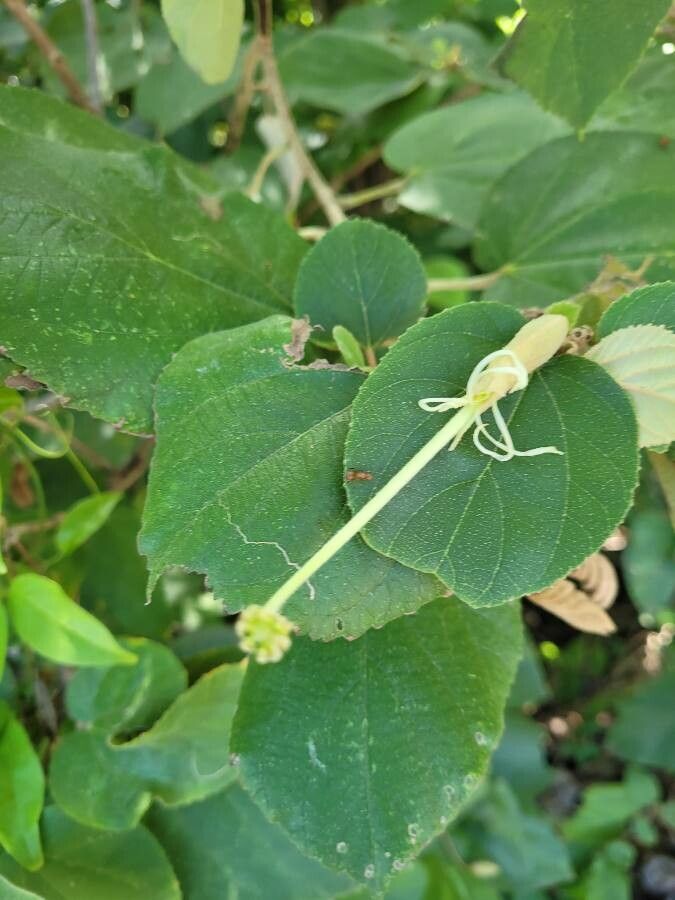
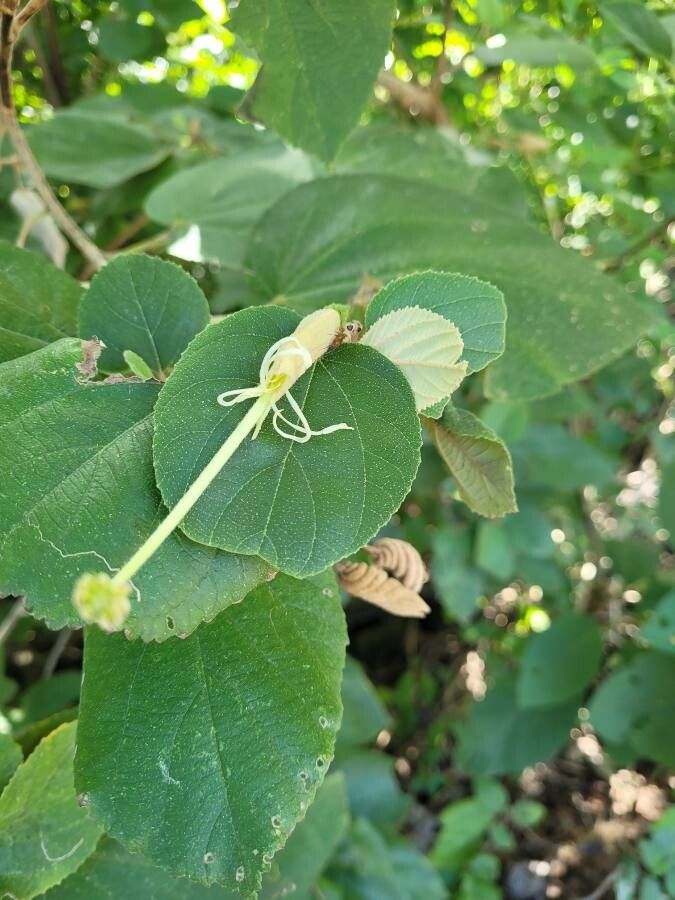
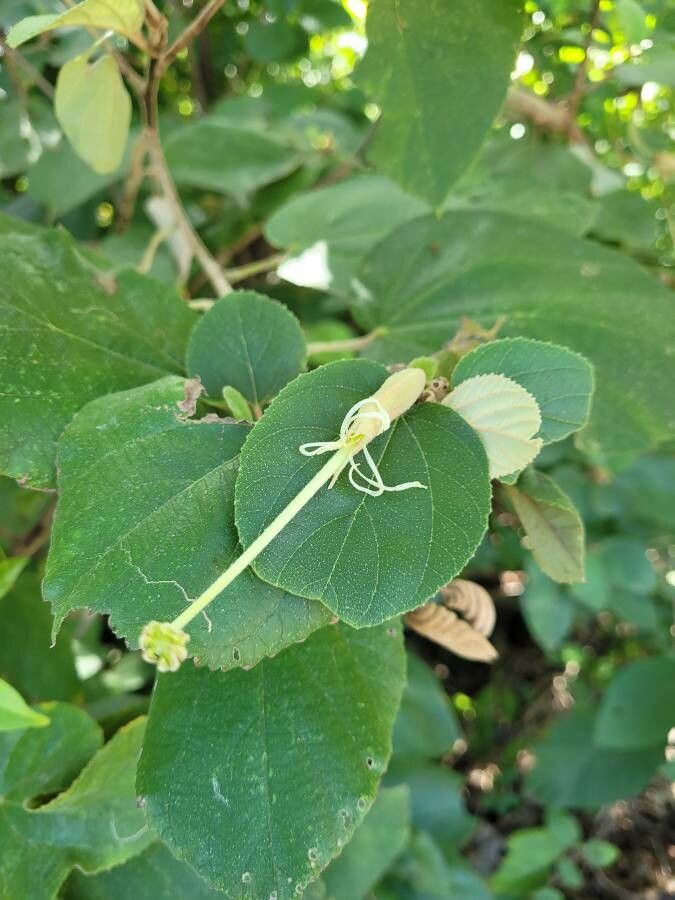
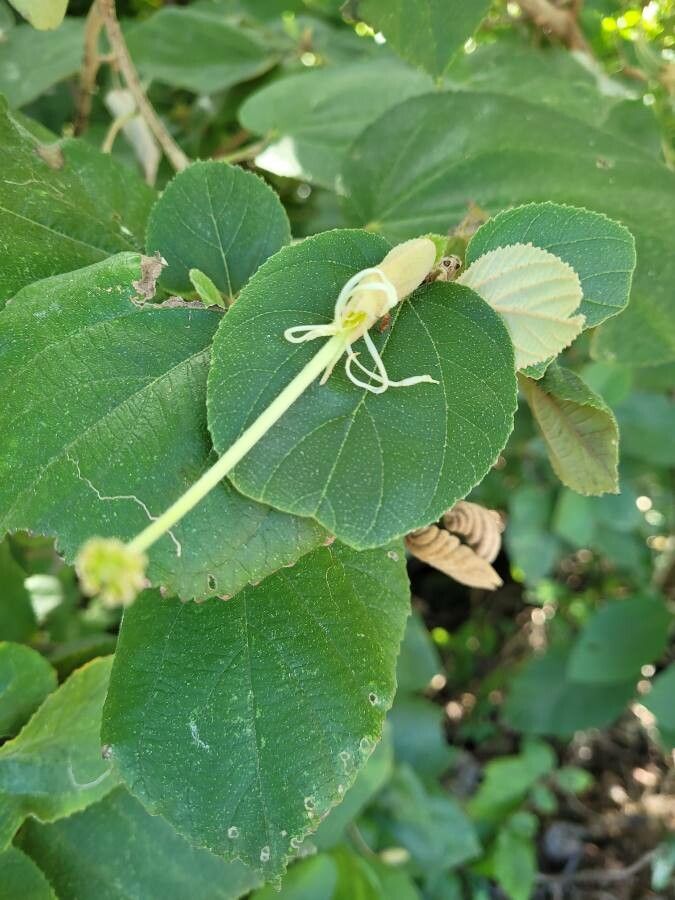
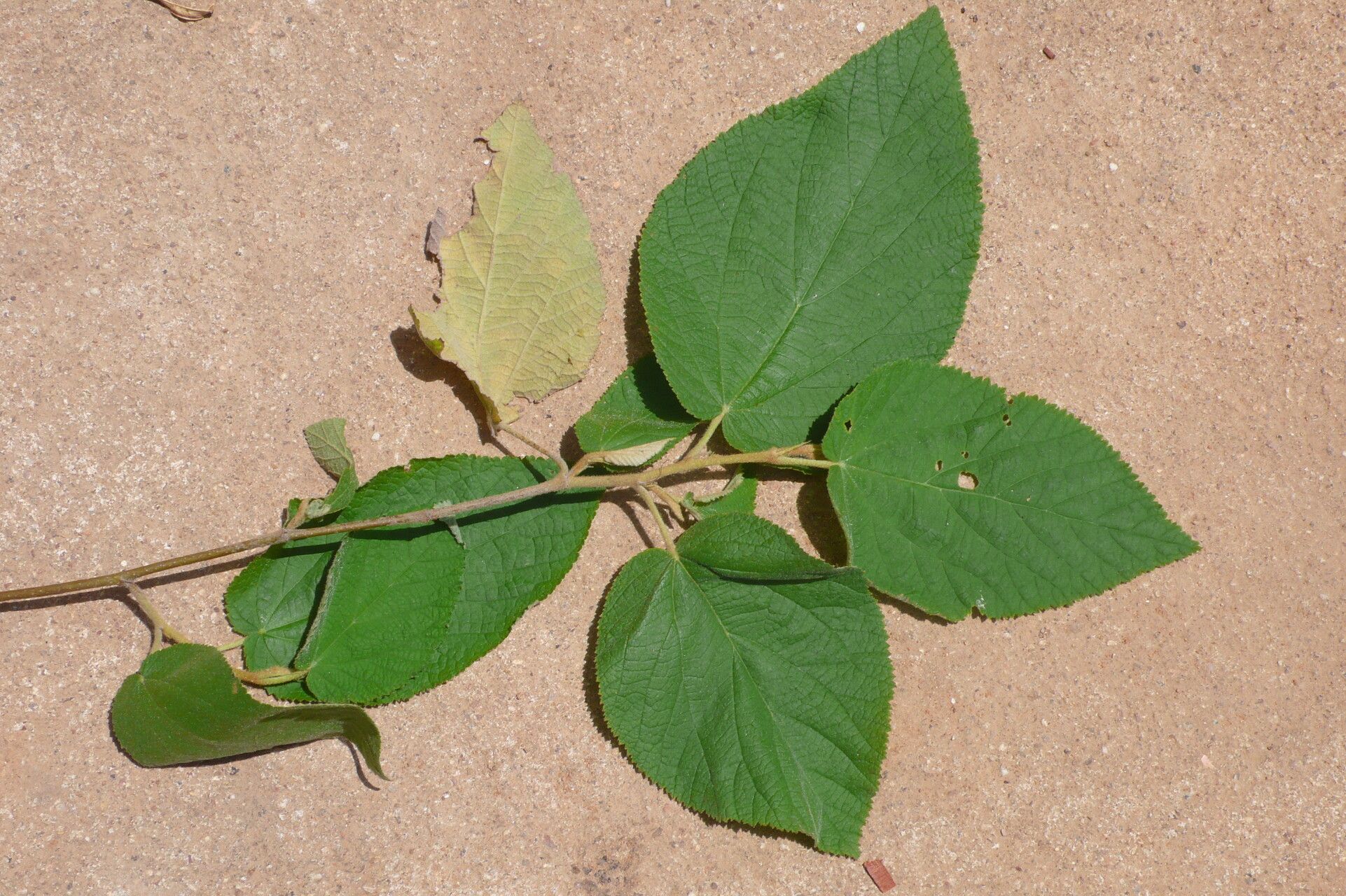
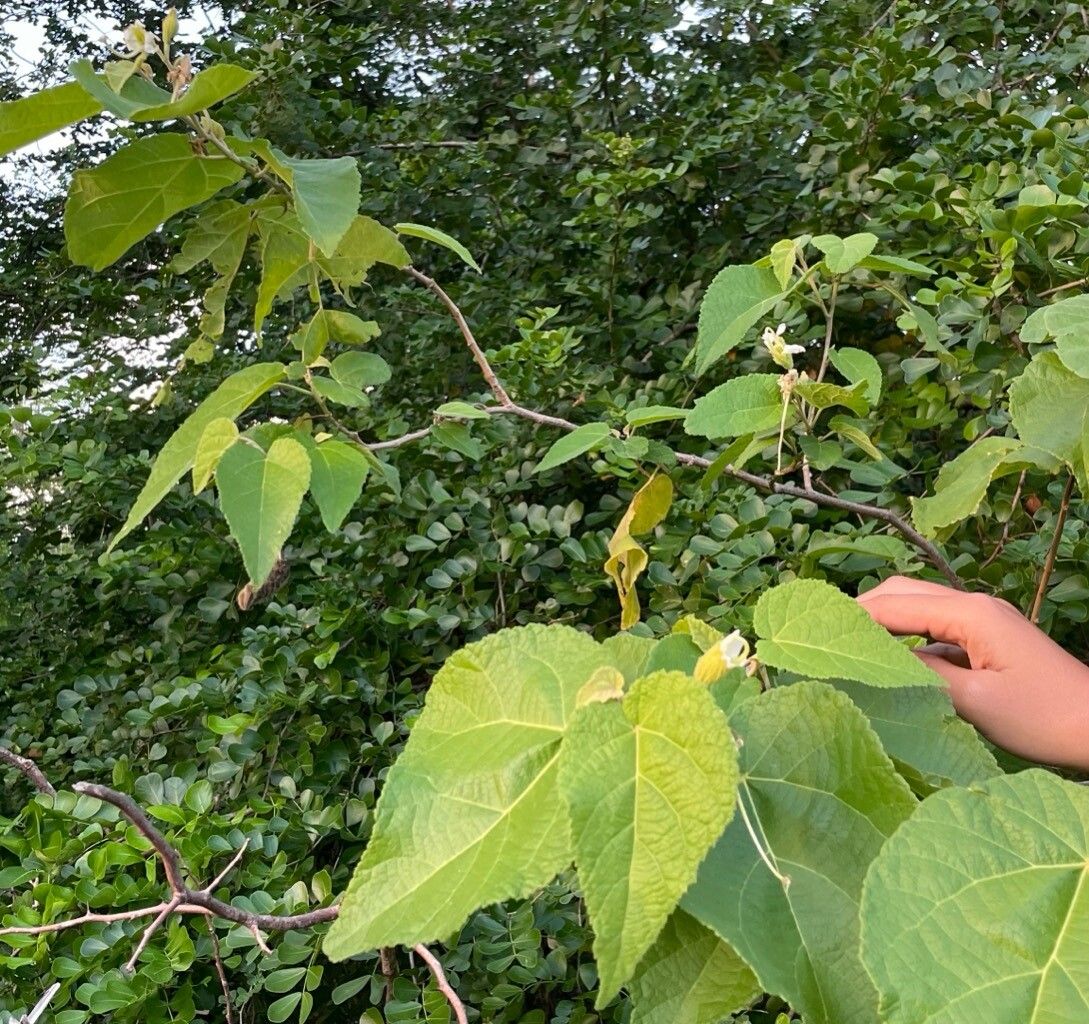
Helicteres isora, commonly known as the East Indian Screw Tree, is a small to medium-sized deciduous tree belonging to the family Sterculiaceae. Native to India and Southeast Asia, this tree is also found in tropical regions worldwide. It can grow up to 10 meters in height and features a distinctive twisted trunk that resembles a screw.
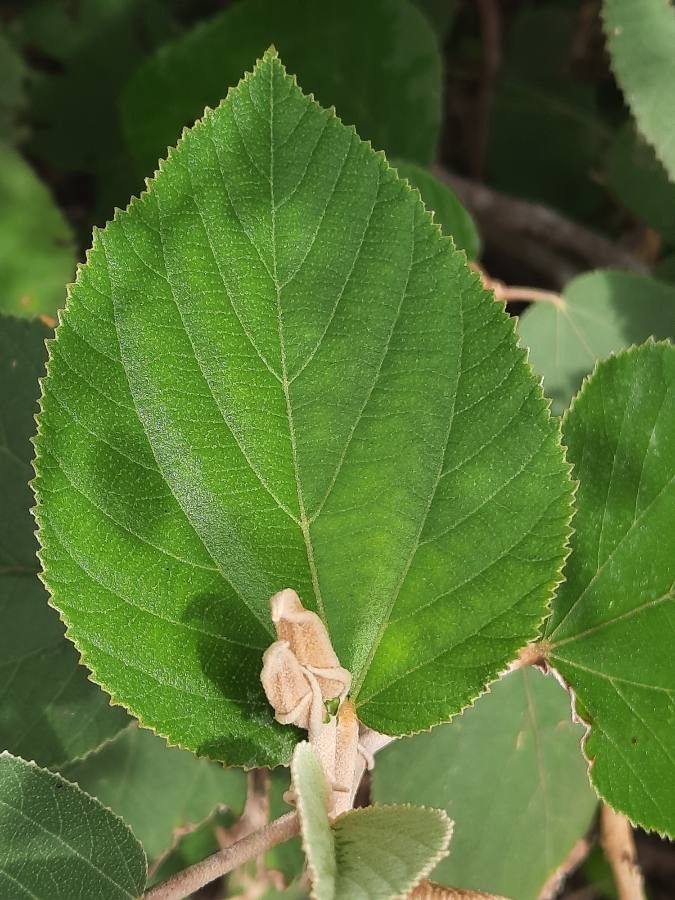
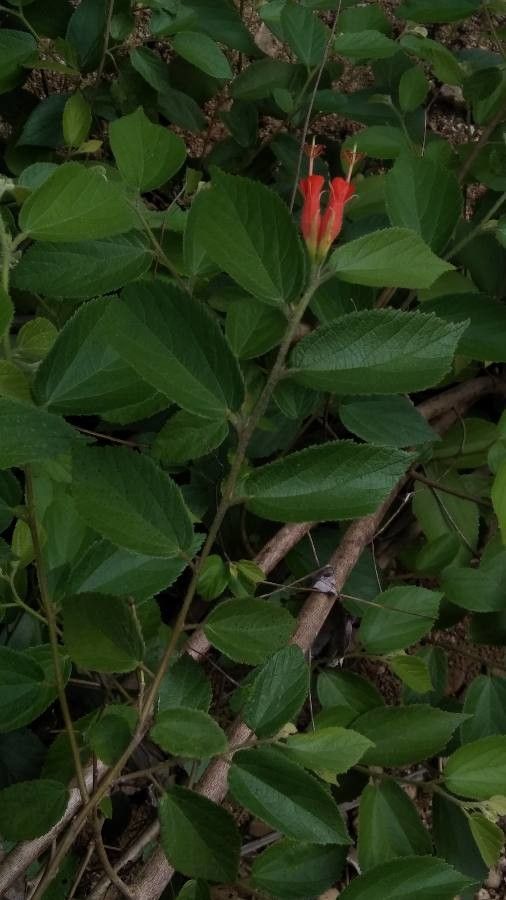
The leaves of Helicteres isora are simple, alternate, and ovate with serrated margins. The flowers are bright yellow and have five petals that form a funnel-shaped corolla. They bloom from March to May, typically appearing before the leaves.
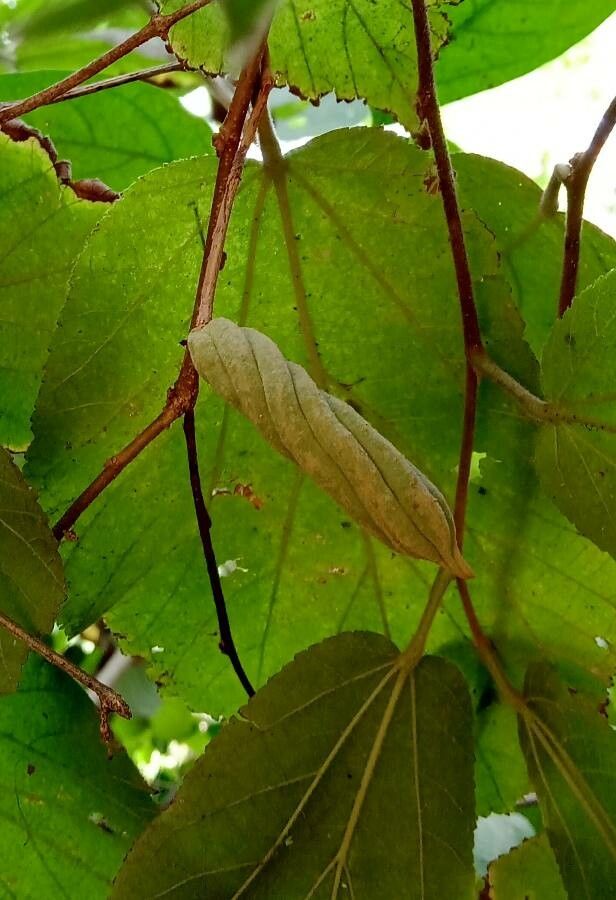
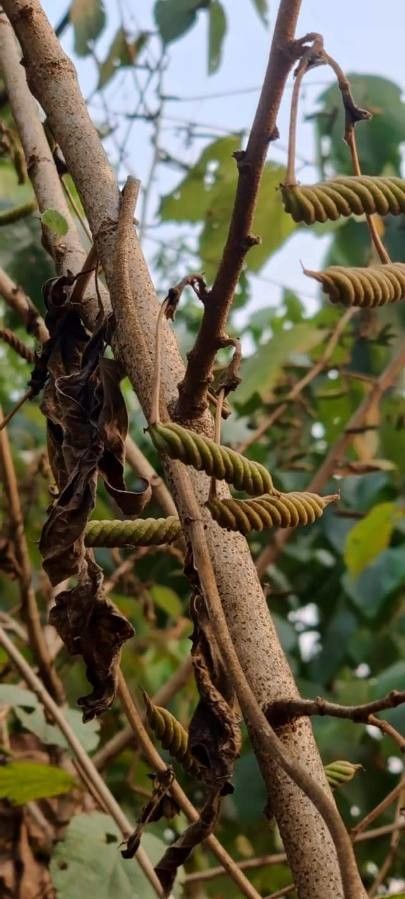
The fruit of Helicteres isora has a fascinating shape that resembles an old-fashioned corkscrew bottle opener, or screw thread, which is why it is commonly known as the "Screw Tree." The fruit contains several seeds that are used in traditional medicine to treat various ailments such as diarrhea, dysentery, and fever.
The Helicteres isora plant has many uses. Its bark is used for tanning leather, while its wood is utilized for making furniture and as fuelwood. Additionally, the tree serves ornamental purposes due to its attractive flowers and unique fruits, making it an interesting addition to gardens and parks.
Overall, the Helicteres isora plant holds significant cultural and medicinal value, making it an important species worth conserving. This urgency is heightened by the threats from habitat loss caused by deforestation and other factors impacting biodiversity conservation efforts globally today.
Indian screw tree has good disease resistance and is generally not prone to diseases. Regarding care, this plant is fairly low maintenance. When grown outdoors, it needs minimal watering and larger plants usually do not require pruning. Smaller plants, however, should be pruned after they have finished blooming. The Indian screw tree is suitable for anyone with an outdoor space, such as a garden or deck, and does not require much care experience.
How to keep Helicteres Isora.
Light
The Indian screw tree thrives in locations that receive uninterrupted sunlight throughout the day. Sunlight supports its healthy growth and it does not necessarily require shade at any stage of development. Its native habitat consists of similarly sun-drenched areas. Both excessive and insufficient light can potentially harm its growth and development.
Water
The Indian screw tree thrives in conditions of high humidity and consistent moisture. It typically needs to be watered twice a week, ensuring that the soil remains moist without becoming waterlogged. Although the tree can handle short periods of dryness, mulching can be particularly beneficial in warm climates, as it helps to retain soil moisture during the growing season.
Temperature
The Indian screw tree is indigenous to regions where temperatures usually fall between 68 and 100 °F (20 to 38 °C). This species performs best in those warm environments. In colder seasons, modifications may be required, such as providing shelter and additional heat.
Fertilizer
The best time to fertilize an Indian screw tree is in early spring, when it comes out of dormancy. This encourages overall growth and flower development. Fertilization improves the foliage, stems, and branches, while encouraging flowers that are larger, more vivid, and longer-lasting. It helps transport nutrients from the roots to the flowers and boosts the plant’s health and resistance to disease.
Pruning
The Indian screw tree is known for its unique twisted fruits and benefits from pruning in early spring. To improve air circulation and light penetration, remove dead branches and thin out crowded areas. Pruning before the growing season promotes better flowering and fruit production. Be sure to use sharp, sterile tools to minimize the risk of disease and enhance the plant's overall vigor.
Botanical profile.
- Plant Type
- Tree, Shrub
- Life Cycle
- Perennial
- Genus
- Helicteres
- Family
- Malvaceae
- Hardiness Zone
- 10-11
- Mature Height
- 4.88 m to 7.92 m
- Mature Spread
- 0.91 m to 2.13 m
- Leaf Color
- Green
- Leaf Type
- Deciduous
- Flower Color
- Red, Pink
- Flower Size
- 3.56 cm to 4.06 cm
- Bloom Time
- Summer, Early fall, Mid fall
- Planting Time
- Spring, Summer, Autumn
- Harvest Time
- Fall, Early winter, Mid winter
- Native Area
- Nepal, Sri Lanka, India, Malaysia, Indonesia, Cambodia, Vietnam, Myanmar, Bhutan, Bangladesh, Pakistan, Laos, Thailand, China
Other names.