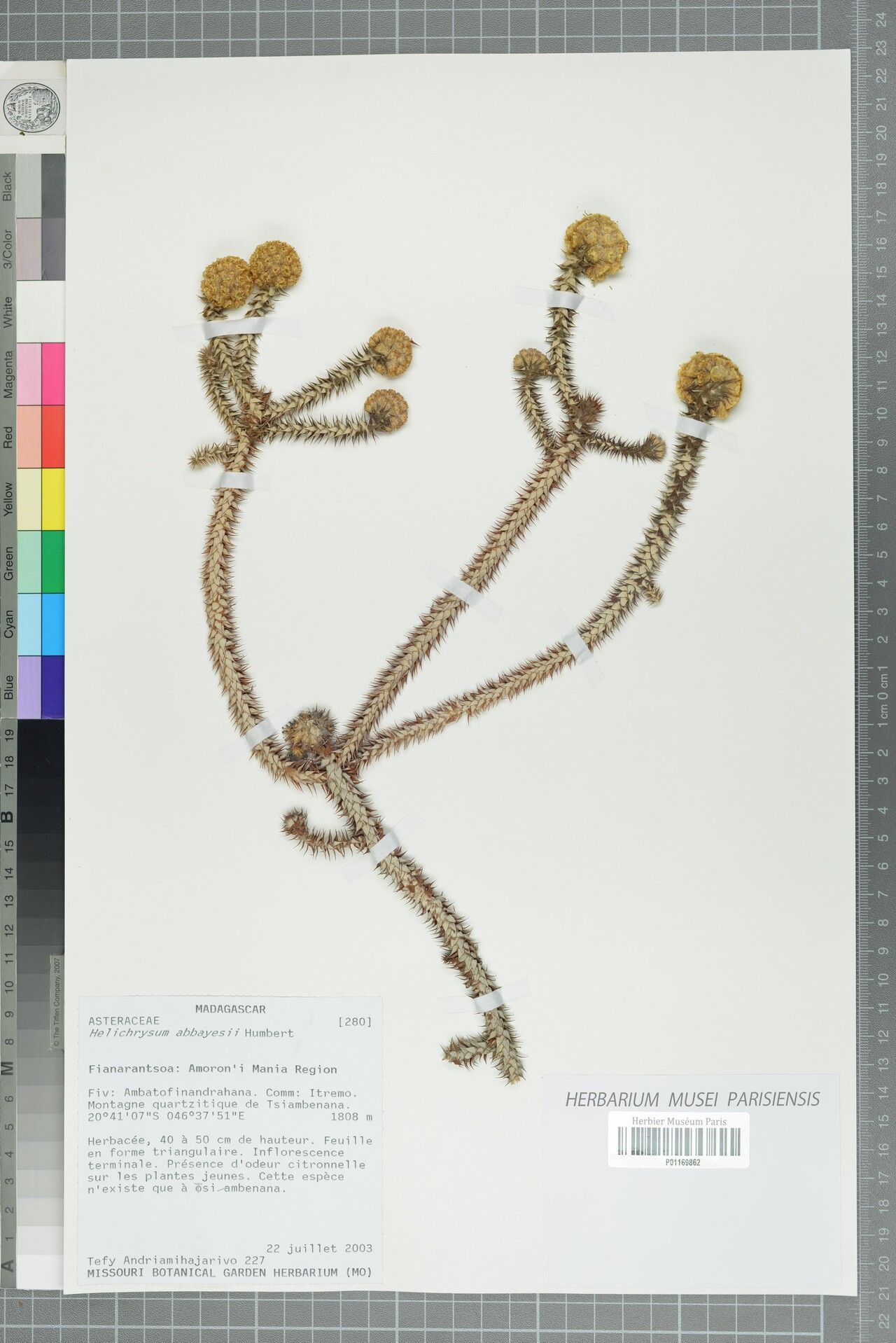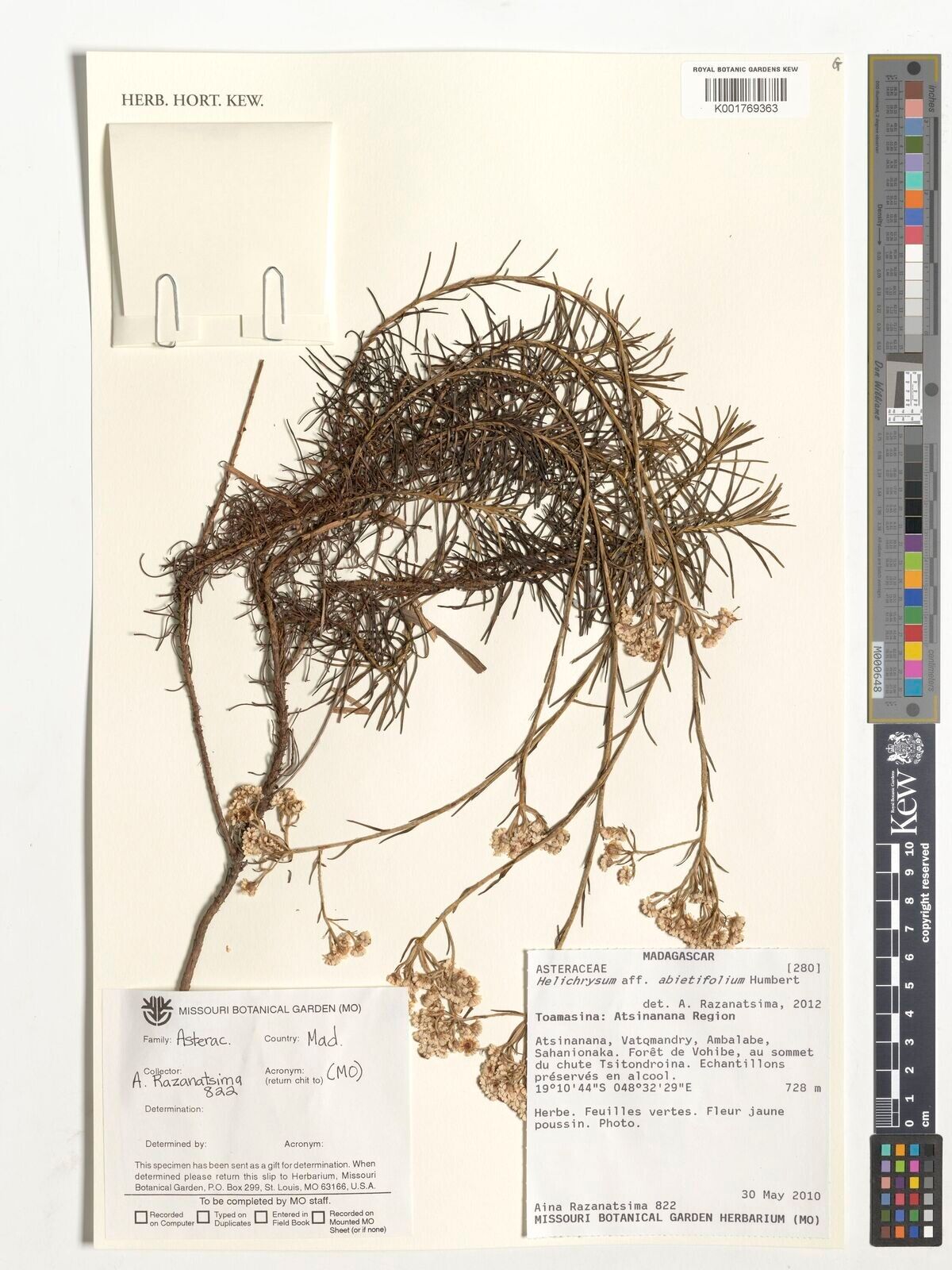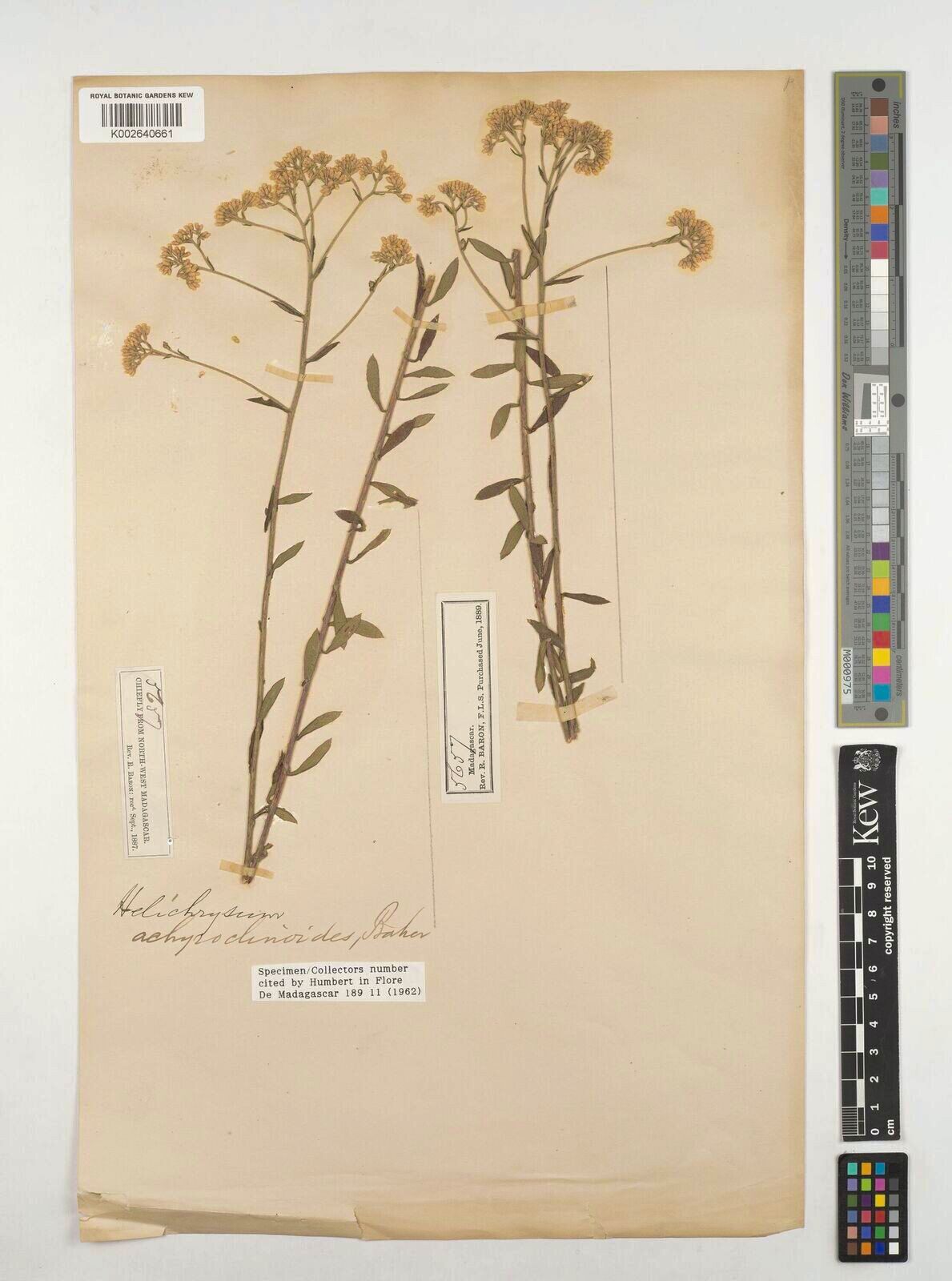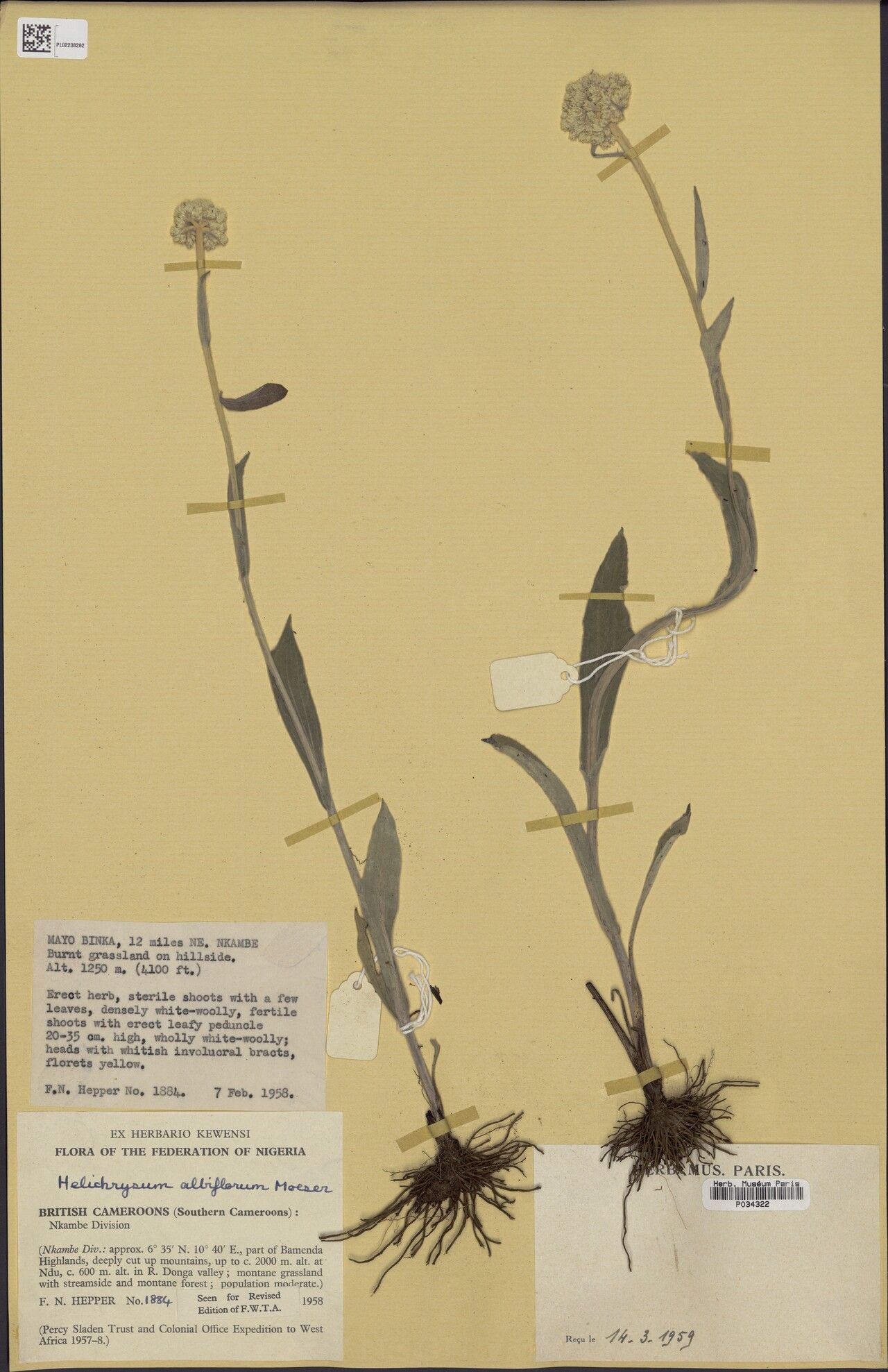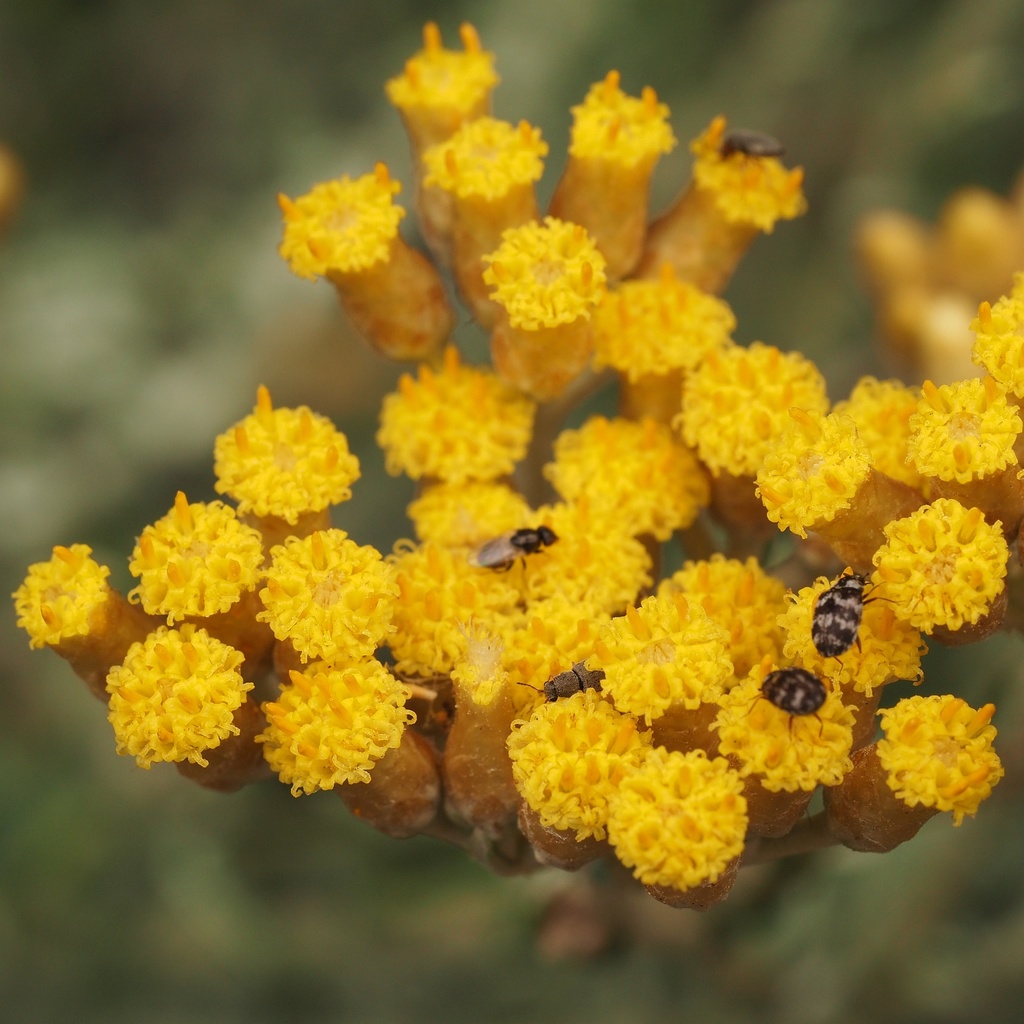
Helichrysum italicum, commonly known as curry plant or immortelle, is a small perennial shrub in the Asteraceae family. Native to the Mediterranean region, this plant can grow up to 60 cm in height. It features narrow, silver-green leaves that are highly aromatic, releasing a strong curry-like scent when crushed.
In late summer and early autumn, Helichrysum italicum produces small yellow flowers. These flowers are prized for their essential oil, which boasts anti-inflammatory, antimicrobial, and antioxidant properties. The oil is often used in aromatherapy for its calming effects on both the mind and body.
The plant thrives in well-drained soil with full sun exposure but can also tolerate partial shade. During its growing season, it requires moderate watering, with the soil allowed to dry out between waterings.
Traditionally, Helichrysum italicum has been used for medicinal purposes, including the treatment of respiratory problems, digestive issues, and skin conditions like eczema and psoriasis, thanks to its anti-inflammatory properties.
Overall, Helichrysum italicum is a versatile herb with numerous applications. Its aromatic leaves can be used to season dishes, and its essential oil is valuable in aromatherapy for its calming effects. This makes the plant an excellent addition to any garden.
The curry plant is resistant to disease and generally not susceptible to illnesses. It is relatively low-maintenance. Planted outdoors it needs little watering, and larger specimens usually do not require pruning; smaller plants should be pruned after they finish blooming. The curry plant is suitable for anyone with outdoor space, such as a garden or a deck, and does not need a lot of gardening experience.
How to keep Helichrysum Italicum.
Light
The curry plant performs best with abundant light, though it can tolerate a mix of sun and shade. Native to bright, sunny habitats, it suffers when light is inadequate, producing weak, leggy stems. Conversely, excessive sunlight can lead to leaf scorch.
Water
The curry plant thrives in dry, rocky environments and is highly tolerant of drought. It requires watering only every 1–2 weeks, allowing the soil to dry out between waterings. Preferring well-draining soil and moderate temperatures, its care reflects its Mediterranean origins, which reduces the need for frequent watering.
Humidity
This plant will thrive in moderate humidity, which is probably the level in your home. However, misting it a few times a week can be very beneficial. Make sure the room has good ventilation.
Temperature
The curry plant originates from temperate regions and does best in temperatures between 59 and 95 °F (15 to 35 ℃). Seasonal adjustments are required to replicate its natural conditions. Insulated coverings might be necessary in cases of extreme low temperatures.
Fertilizer
Timing is vital when fertilizing the Curry plant. Start fertilizing in early spring and continue once a month up to early summer. Fertilizer encourages attractive blooms and supplies energy both during dormancy and periods of active growth.
Pruning
The curry plant is known for its silver-grey foliage and aromatic properties. To encourage bushiness and maintain the plant’s health, prune it after flowering, from early to late winter. Focus on removing dead or damaged stems, but be careful to avoid heavy pruning, as this helps preserve the plant’s natural shape. Using proper pruning techniques will enhance air circulation and overall plant vigor.
Pot & Repot
Repot the curry plant every 2-3 years in early spring, using a larger pot with good drainage. After repotting, place the plant in a sunny spot and water it sparingly. Allow the soil to dry out between waterings. As a Mediterranean native, the curry plant prefers minimal care and should not be overwatered.
Botanical profile.
- Plant Type
- Shrub
- Life Cycle
- Perennial
- Genus
- Helichrysum
- Family
- Asteraceae
- Hardiness Zone
- 7-10
- Mature Height
- 61 cm
- Mature Spread
- 91 cm
- Leaf Color
- Silver, Gray
- Leaf Type
- Evergreen
- Flower Color
- Yellow, Gold
- Flower Size
- 2.54 cm
- Bloom Time
- Early summer, Mid summer
- Planting Time
- Spring, Autumn
- Harvest Time
- Mid summer
- Native Area
- Turkey
Other names.
Reader questions.
How should I water my Curry plant?
Your Curry plant is not picky about how you water it. You can use any common watering tool, such as watering cans, hoses, or even cups. Regardless of the tool, it's important to water the soil directly. Make sure to evenly moisten all areas of the soil to provide water to the entire root system. Filtered water is recommended, as tap water may contain harmful particles. It's also best to use water that is at or slightly above room temperature, as very cold or hot water can be a shock to the Curry plant. However, the plant generally responds well to any type of water.
Why should I add fertilizer to my Curry plant?
If you own a Curry plant, regardless of the type, regular fertilization is essential for its overall health. Providing the right nutrients promotes stronger growth and helps the plant handle difficult growing conditions. It also increases the plant's ability to resist diseases and pests. The foliage of the Curry plant is a standout feature, so it's important to maintain it. This requires following a specific fertilization schedule, which will encourage the development of vibrant, lush leaves.
What are the sunlight requirements for a Curry plant?
Curry plants require a significant amount of sunlight to thrive, with optimal growth seen in conditions of full sunlight, which means they should receive more than 6 hours of sunlight daily. However, they can also tolerate partial sun, receiving about 3-6 hours of sunlight. It's crucial to observe the movement of sunlight through your garden to find spots that offer a balanced mix of light and shade, ensuring the plants' well-being.
What is the native climate for the curry plant?
The curry plant, or Helichrysum italicum, thrives in temperate regions. It flourishes best when the temperature ranges between 59 to 95 °F (15 to 35 °C). To ensure healthy growth, seasonal adjustments may be necessary to replicate its natural living conditions, including providing insulated coverings in areas with extremely low temperatures to mimic its native climate.
What should I do if I give my Curry plant too much water or not enough water?
When planting outdoor plants, especially new plants or seedlings, it is important to remember to water them regularly, especially for the first few months. This is because young plants rely heavily on watering until their roots are established, after which they can rely on rainfall. If you are growing Curry plants in pots, be cautious of overwatering. If you accidentally overwater your Curry plant, take immediate action to address the situation. Stop watering the plant right away to minimize the impact of overwatering. Then, remove the plant from its pot and check the roots for any signs of root rot. If there is no root rot, you can return the plant to its container. However, if you find signs of root rot, trim away the affected roots and consider using a fungicide to prevent further damage. Finally, repot the Curry plant in well-draining soil. In the case of underwatering your Curry plant, simply increase the frequency of watering. Underwatering is usually easy to fix, as the leaves will droop, dry out, and fall off. Once the plant has been properly watered, the leaves should quickly regain their fullness. Make sure to adjust your watering frequency as soon as you notice underwatering occurring.
When should I fertilize my Curry plant for the best results?
To keep your Curry plant healthy and promote growth, it's recommended to fertilize it in late winter or early spring. This provides the plant with the nutrients it needs to thrive as the weather warms up. If you live in a warm climate region, it can be beneficial to also give your Curry plant another round of fertilizer in early fall. This not only adds nutrients to the soil for the upcoming growing season, but it also helps the plant become more resilient to winter cold and prevents foliage damage. By fertilizing earlier, you ensure that new branches have enough time to grow and withstand the harsh winter conditions.
What essentials does a Curry plant need to thrive?
The Curry plant, Helichrysum italicum, flourishes best in full sunlight but can tolerate some shade. Originating from sunny habitats, its growth can be negatively affected by insufficient light, leading to leggy stems and weak growth. Excessive sunlight, however, may lead to leaf scorch. To supplement natural light, especially during winter or in less sunny locations, artificial lighting can be used. LED lights are recommended for their ability to provide specific wavelengths needed by plants. For full sun plants, 30-50W/sq ft is needed; partial sun plants require 20-30W/sq ft, and full shade plants need 10-20W/sq ft. The light should be placed 12-36 inches above the plant for 8-12 hours per day to mimic natural sunlight.
How does the curry plant react to cold temperatures?
The curry plant has strong cold resistance and doesn't usually require special frost protection measures during winter. Nonetheless, if temperatures are forecasted to plunge below -15°C, it is crucial to protect the plant from the cold. This is achieved by wrapping the trunk and branches with insulating materials like non-woven fabric or cloth. Moreover, watering the plant abundantly before the first freeze in autumn helps keep the soil moist and prevents drought and water scarcity problems during winter and early spring.
How frequently do I need to water my Curry plant?
Most plants can grow naturally with rainfall, but if your area lacks rainfall, you should water your plants every 2 weeks during spring and fall. In summer, more frequent watering is needed, while in winter, when growth slows down, water sparingly or not at all. If your Curry plant is young, water more frequently to help it establish and become more adaptable to drought. For potted plants, there are two ways to determine watering frequency. One way is to set a predetermined schedule of once every week or every other week, but this may not consider your Curry plant's specific growing conditions. Another option is to check the soil moisture and water when the top 2 to 4 inches have completely dried out. This is especially important during summer when water needs are highest.
When is it not a good idea to put fertilizer on my Curry plant?
There are a few times during the year when you should avoid fertilizing your Curry plant. The first one is during the early and mid-winter months when the plant is dormant and doesn't need to be fed. Additionally, it's not recommended to fertilize the plant during late spring and summer when the weather is hotter and drier. These conditions can have a negative impact on the plant's response to fertilizers. To avoid problems, it's best to follow a fertilization schedule that only includes feeding in early spring and early fall.
What are the symptoms of improper lighting in Curry plants?
Curry plants show several symptoms when they do not receive adequate sunlight, including smaller new leaves, leggy or sparse growth, accelerated leaf dropping, and a halt in new leaf production. These plants may also develop lighter-colored leaves, a condition known as chlorosis, which indicates a lack of chlorophyll. Other symptoms include sunscald, characterized by bleached areas on plant tissues; leaf curling as a defense against sunlight overexposure; wilting due to excessive water loss; and leaf scorching, where leaf edges turn brown and crispy. These symptoms highlight the plant's struggle with either too little or too much sunlight.
What are the important symptoms and solutions for a curry plant exposed to low temperatures?
When exposed to low temperatures, specifically below 15°C, the curry plant remains cold-tolerant and ideally should be kept above -10°C during winter. Exposure to temperatures below -15°C might not show immediate damage in winter, but come spring, the branches may turn brittle and dry, with no new shoots emerging. To address this, it's recommended to prune away any dead branches in spring that have not produced new leaves.