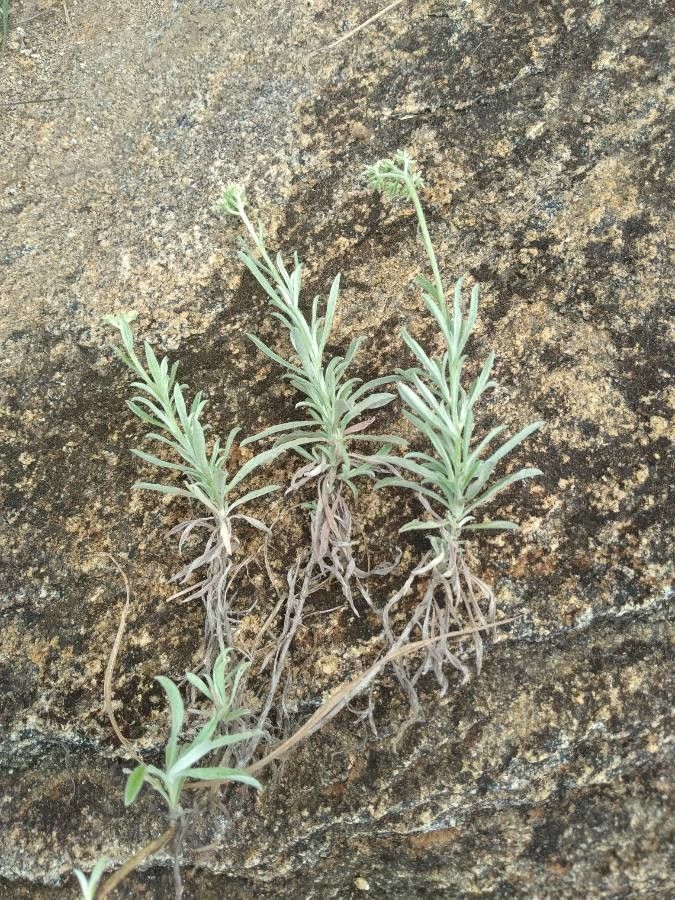
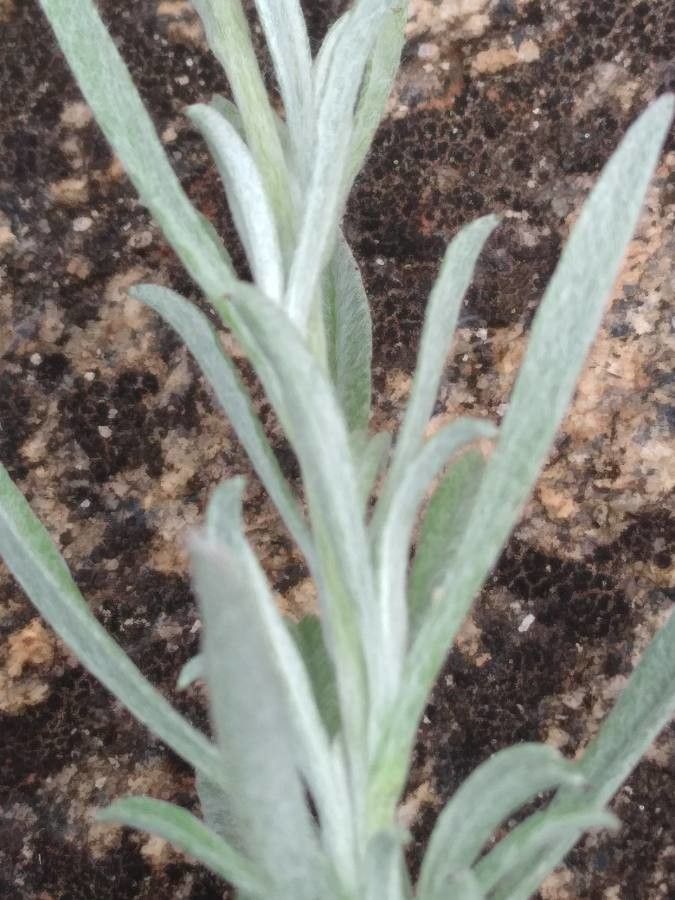
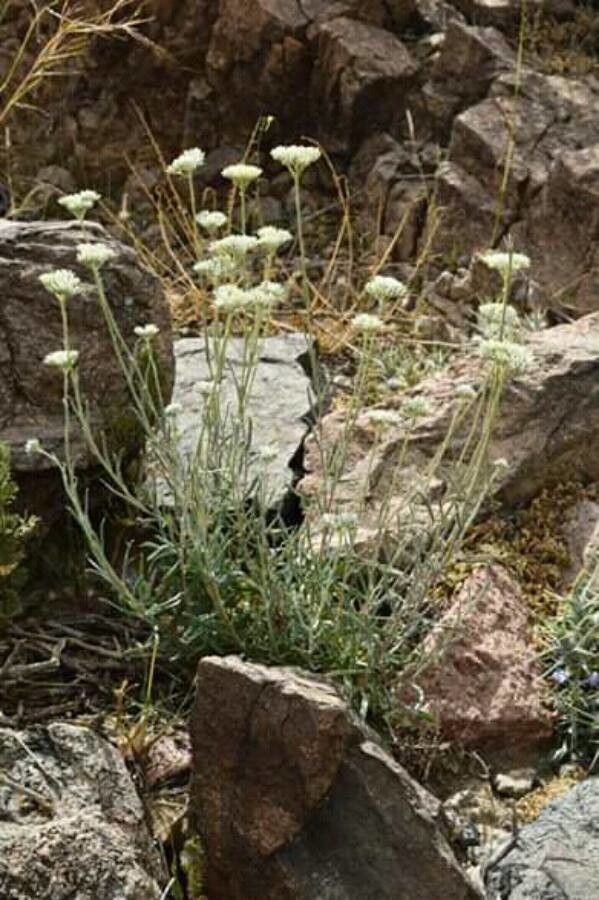
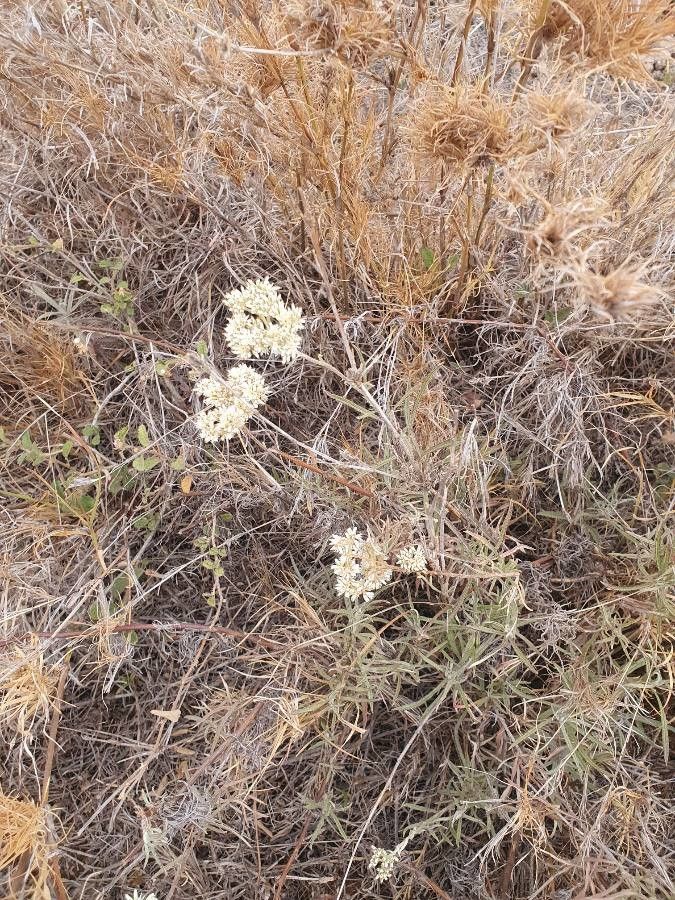
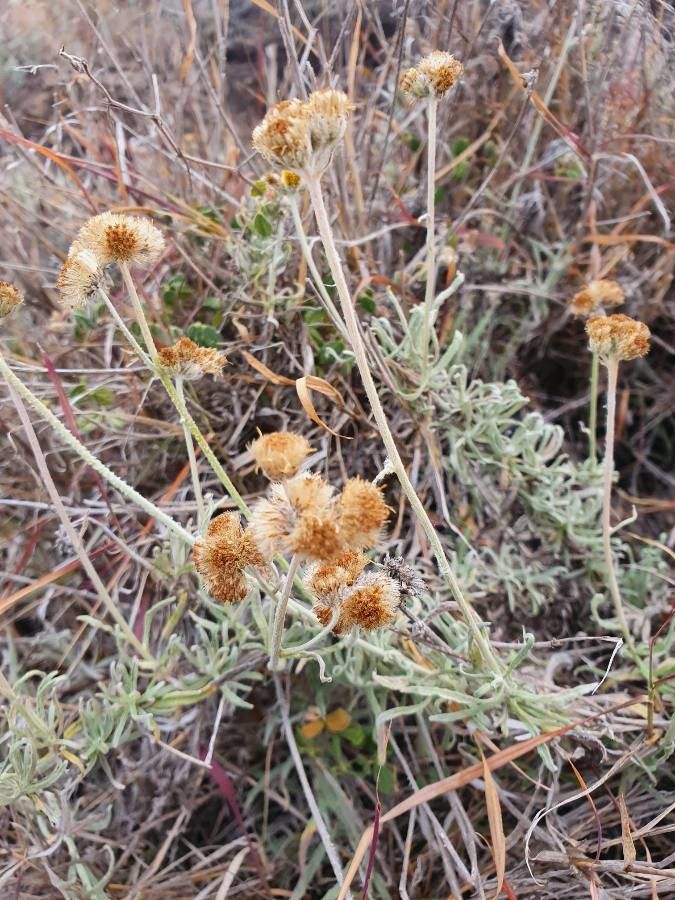
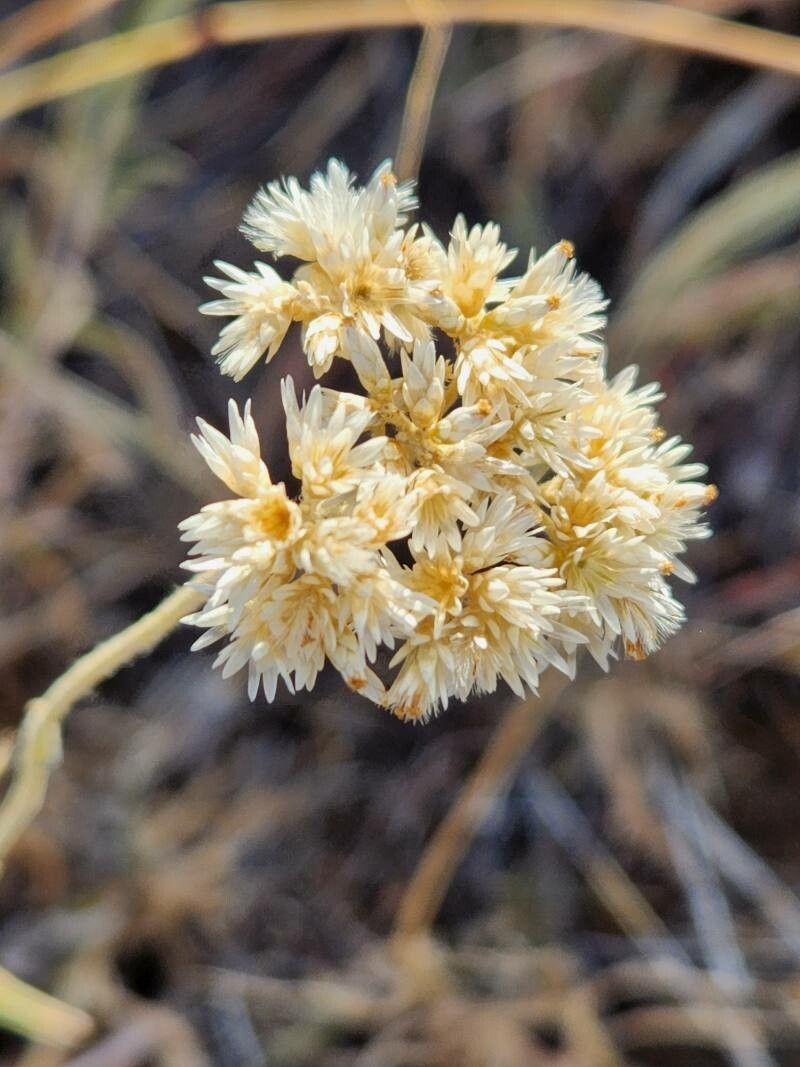
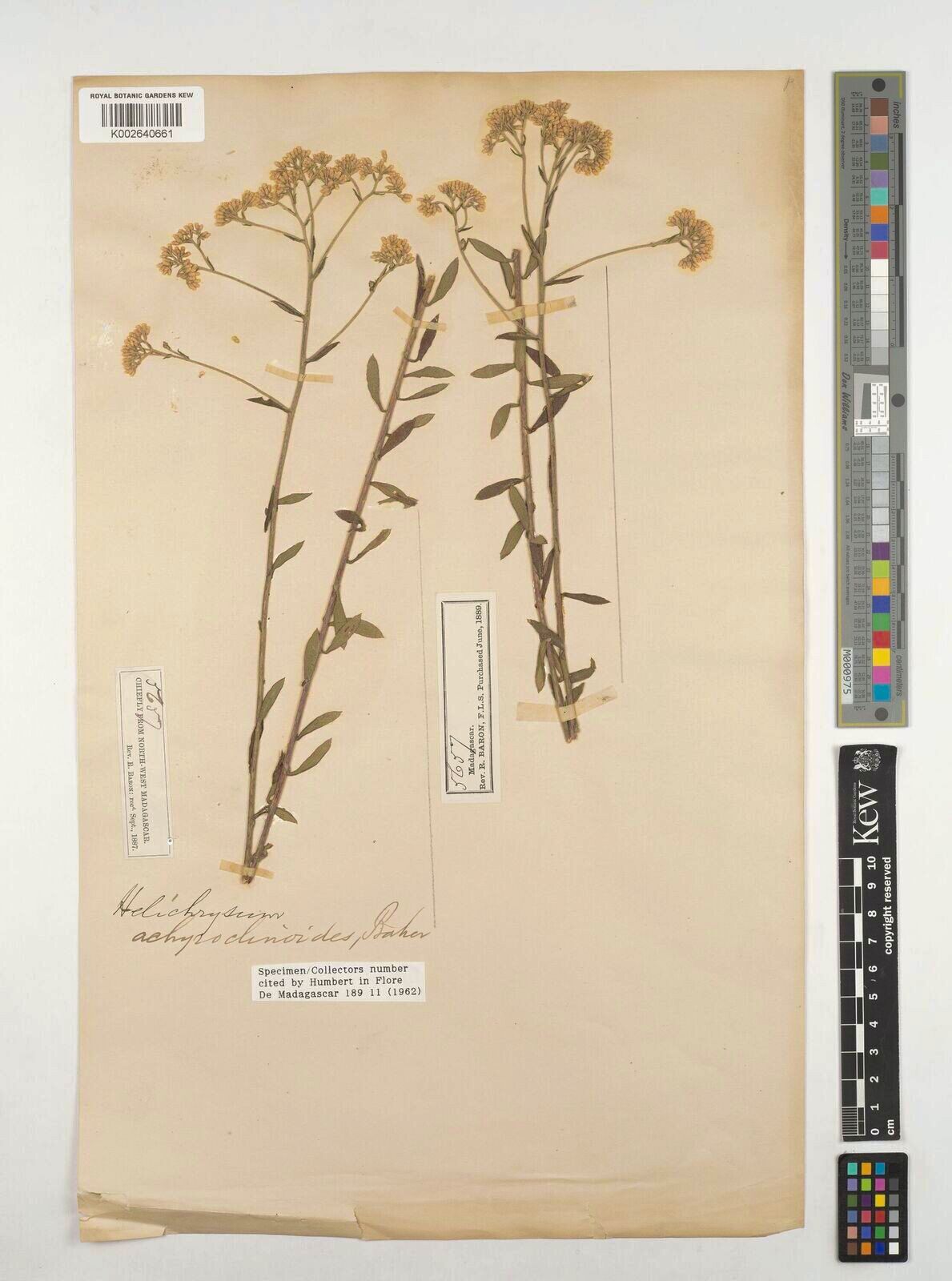
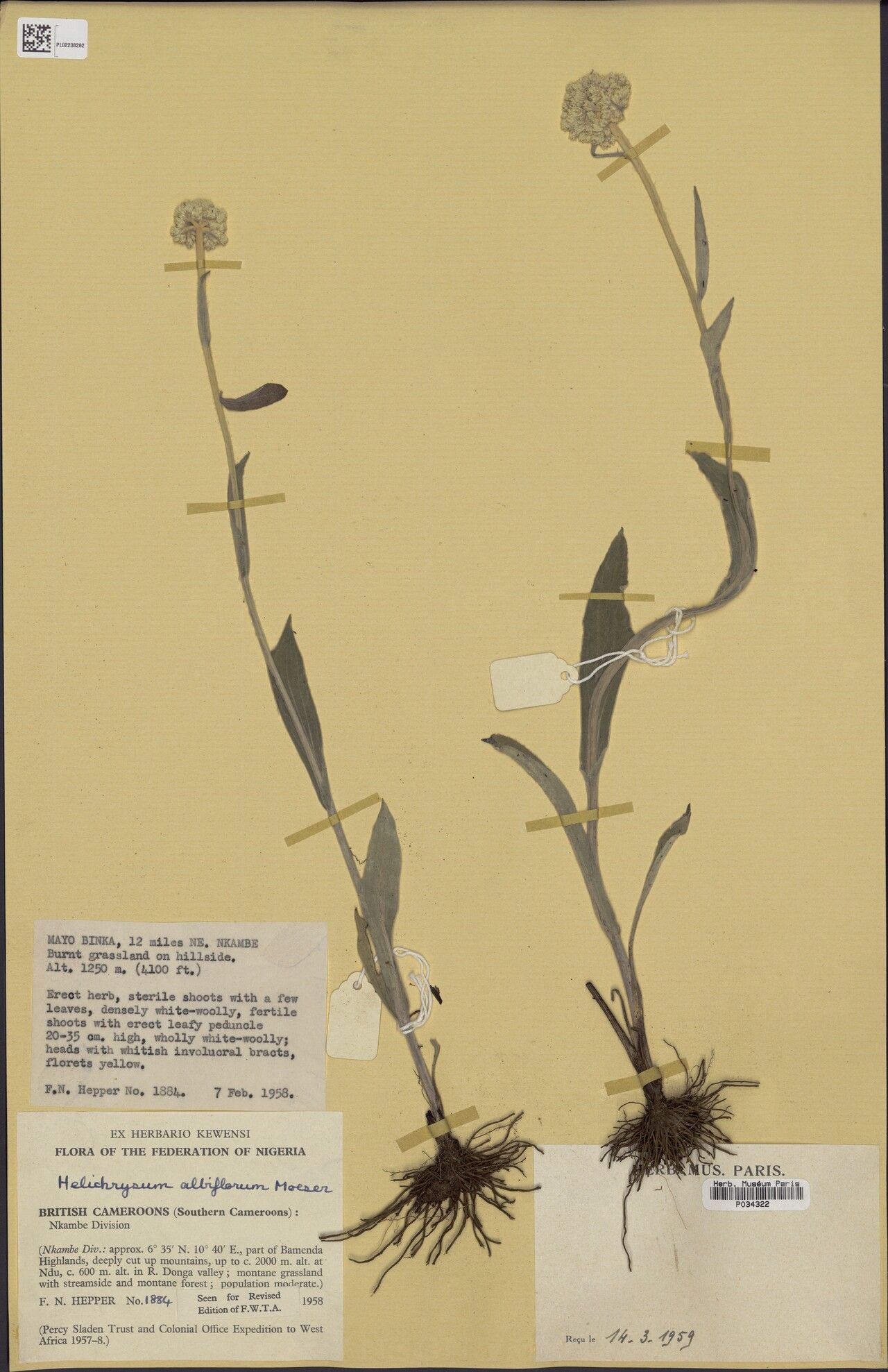
Helichrysum glumaceum is quite resistant to disease and usually does not suffer from serious health problems. Nevertheless, it can be vulnerable to pests or diseases present in its surroundings. When infections do appear, they are generally not severe. Regarding care, this plant has moderate maintenance needs. It should be pruned regularly to preserve an attractive appearance and promote healthy growth. Fertilizing can also help stimulate flowering. Helichrysum glumaceum is appropriate for anyone with outdoor space, such as a garden or patio, and does not demand extensive plant-care experience. It may need more attention if grown indoors.
How to keep Helichrysum Glumaceum.
Light
Helichrysum glumaceum is a perennial, herbaceous plant that favors sunny locations and originates from open habitats, frequently occurring in meadows and grasslands. It prefers full sun but can also tolerate partial sunlight.
Fertilizer
The best time to fertilize Helichrysum glumaceum is in early spring, as it emerges from dormancy and begins active growth. Fertilizing supplies essential nutrients needed for healthy growth. Although Helichrysum glumaceum has fairly low fertilizer requirements, applying fertilizer once a year can improve its survival and encourage better, longer-lasting flowers.
Botanical profile.
- Plant Type
- Herb
- Life Cycle
- Perennial
- Genus
- Helichrysum
- Family
- Asteraceae
- Hardiness Zone
- 9-11
- Mature Height
- 30 cm to 61 cm
- Mature Spread
- 20 cm to 40 cm
- Leaf Color
- Gray, Silver
- Leaf Type
- Evergreen
- Flower Color
- Yellow
- Flower Size
- 1.02 cm to 2.03 cm
- Bloom Time
- Mid spring, Late spring, Early summer
- Planting Time
- Spring, Summer, Autumn
- Harvest Time
- Summer
- Native Area
- Saudi Arabia, Djibouti, Somalia, Egypt, Angola, Sudan, Mauritania, Eritrea, Yemen, Kenya, Uganda, Tanzania, Chad, Mozambique, Senegal, Oman, Ethiopia