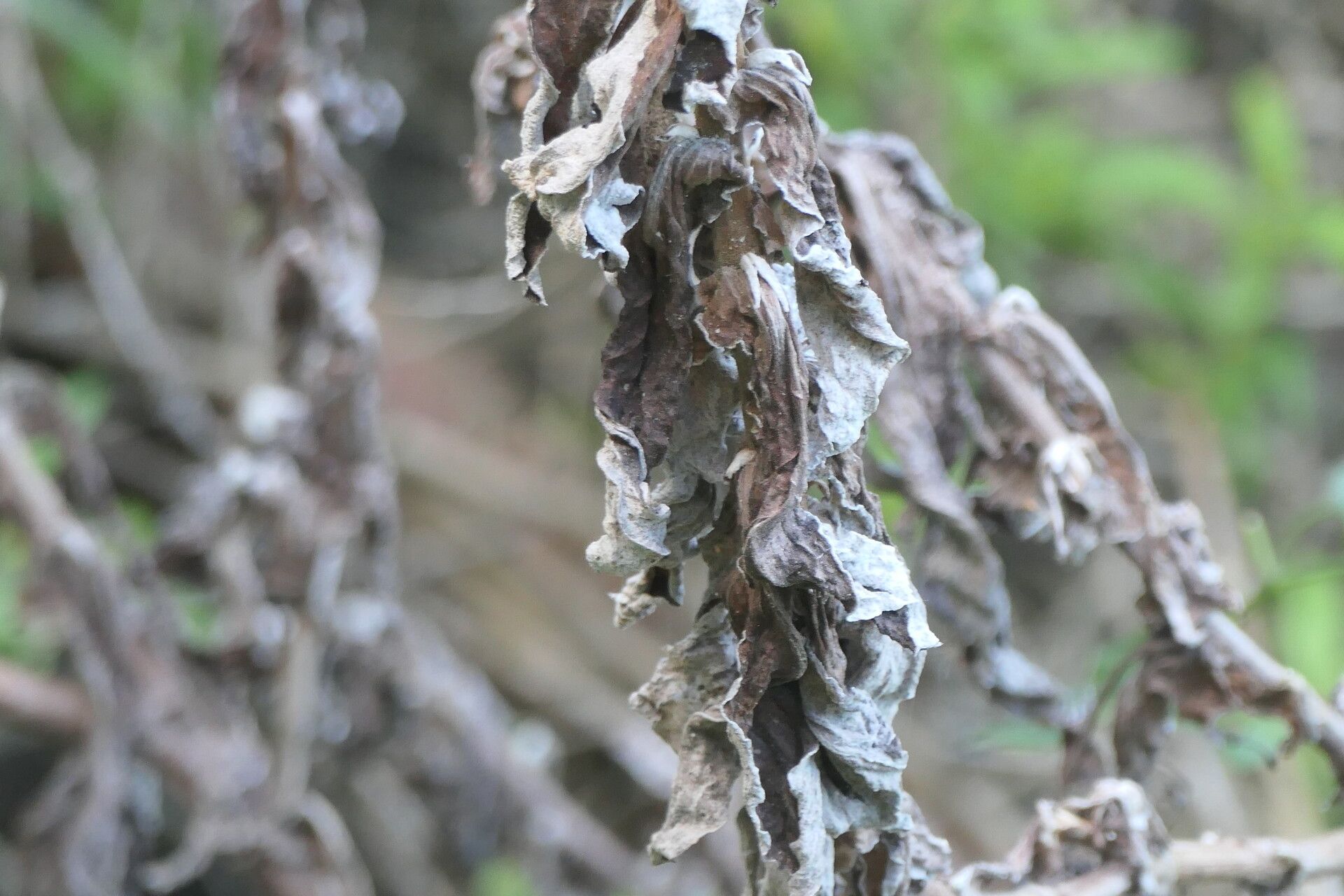
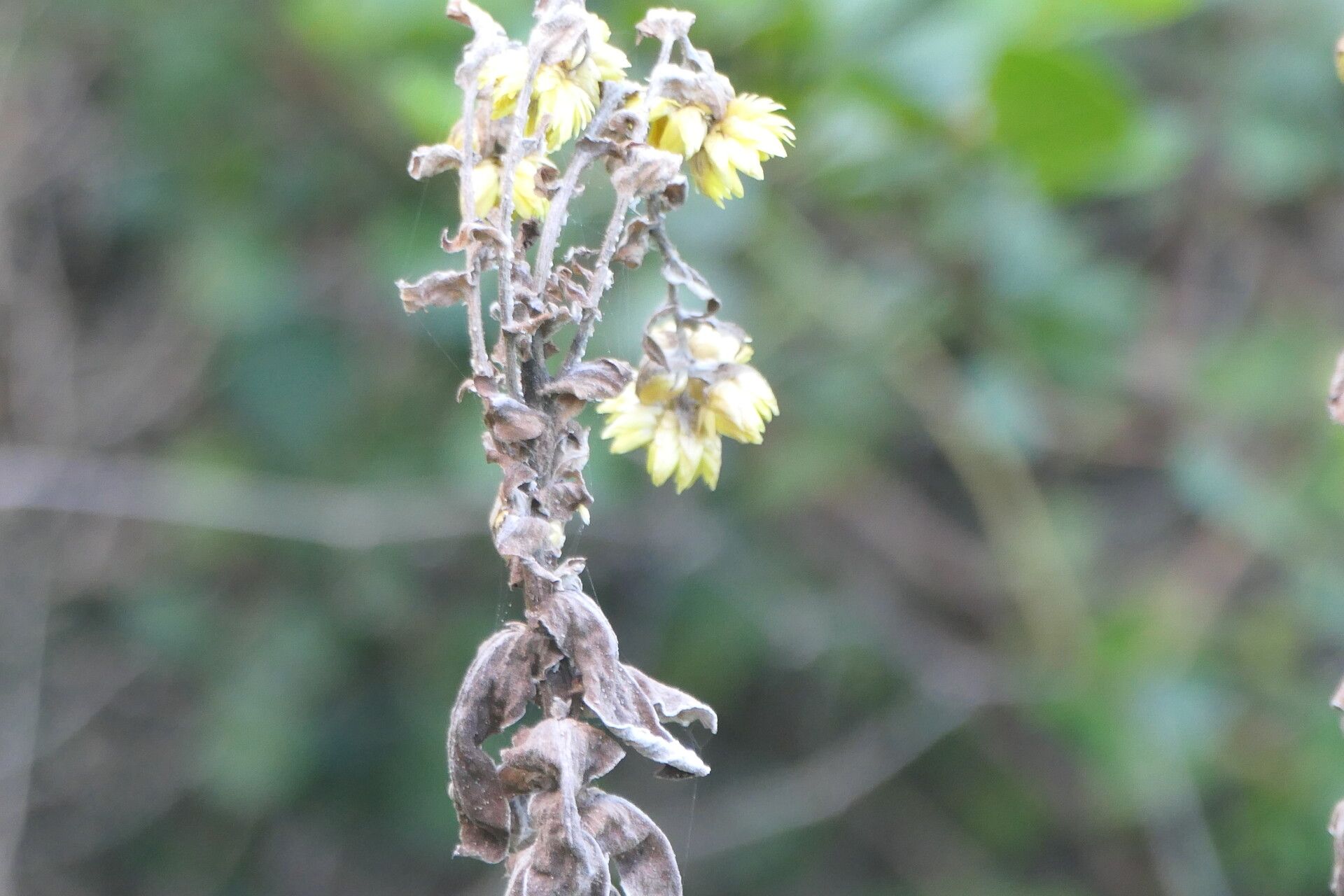
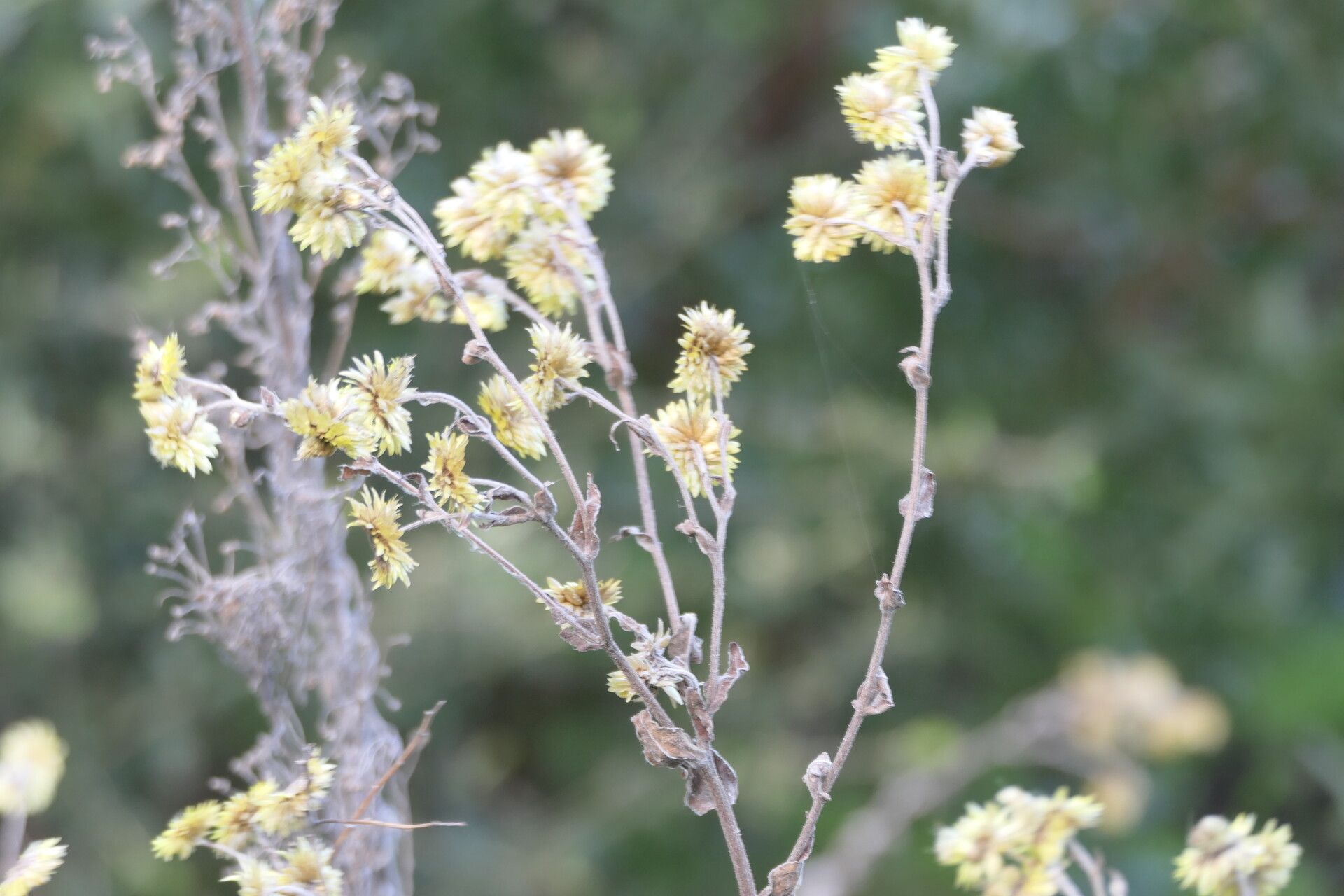
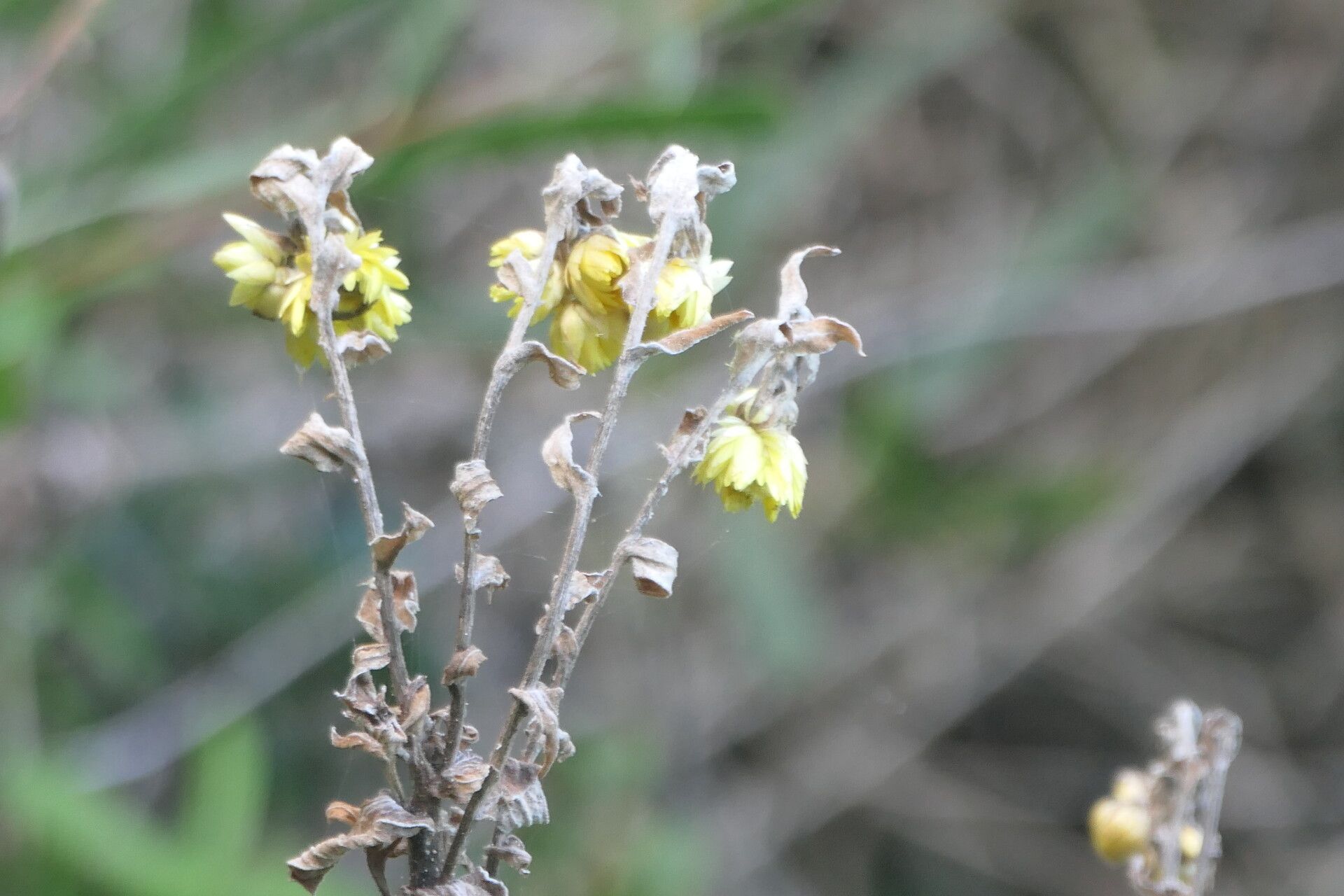
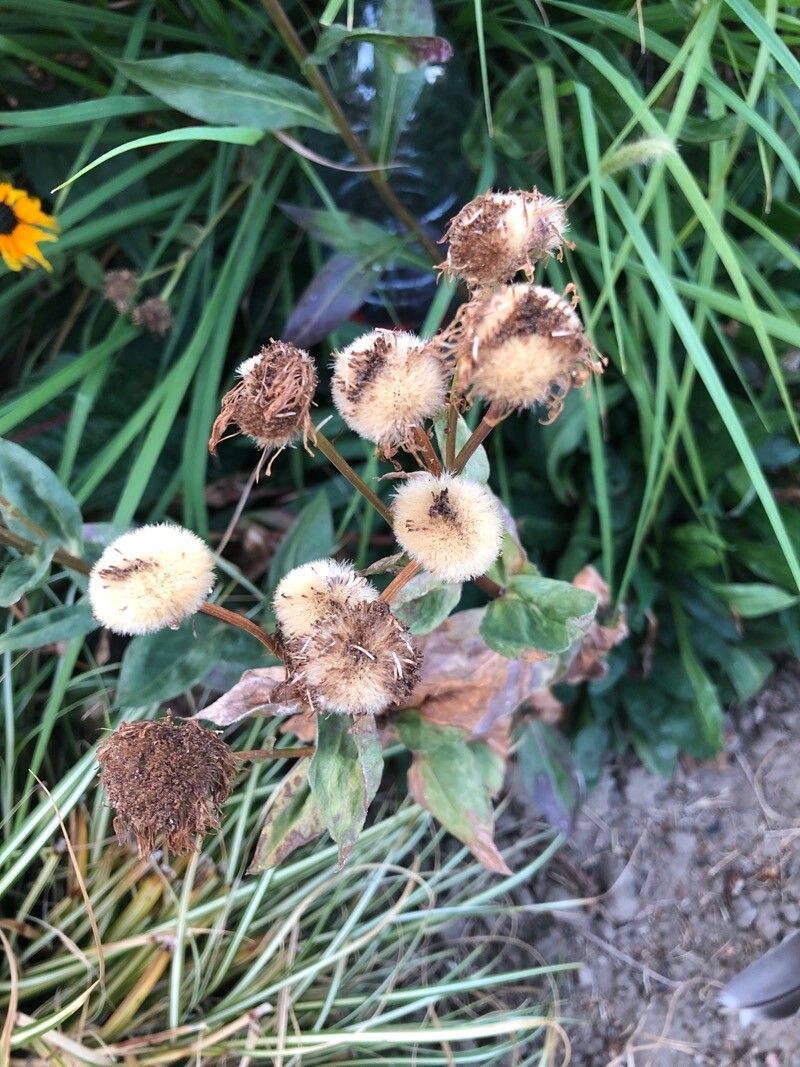
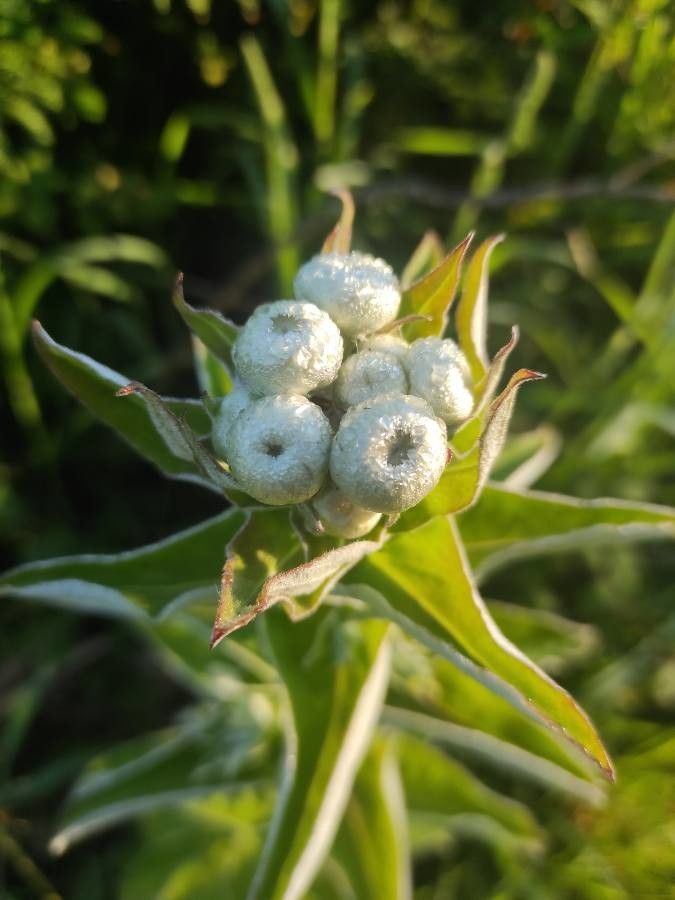
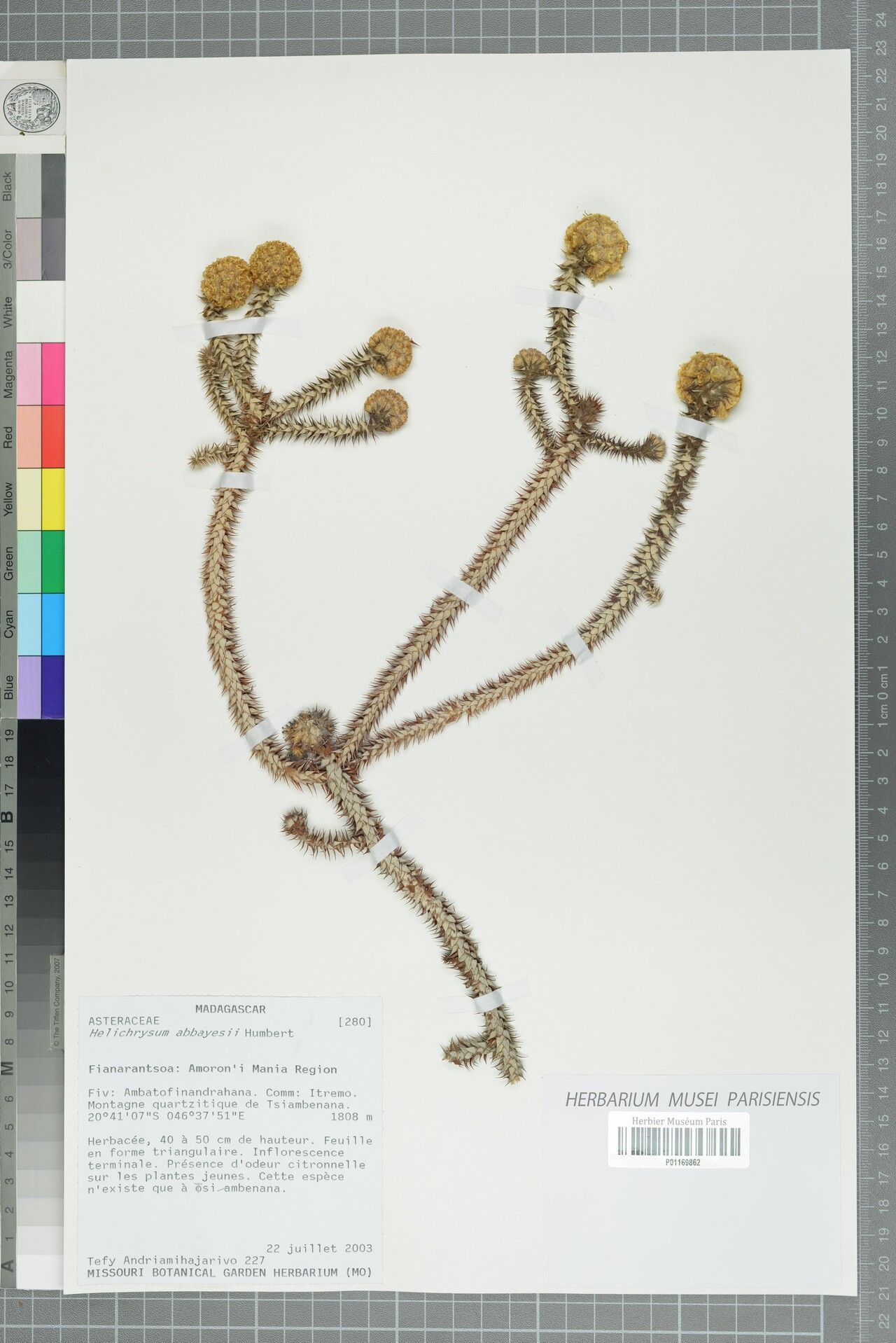
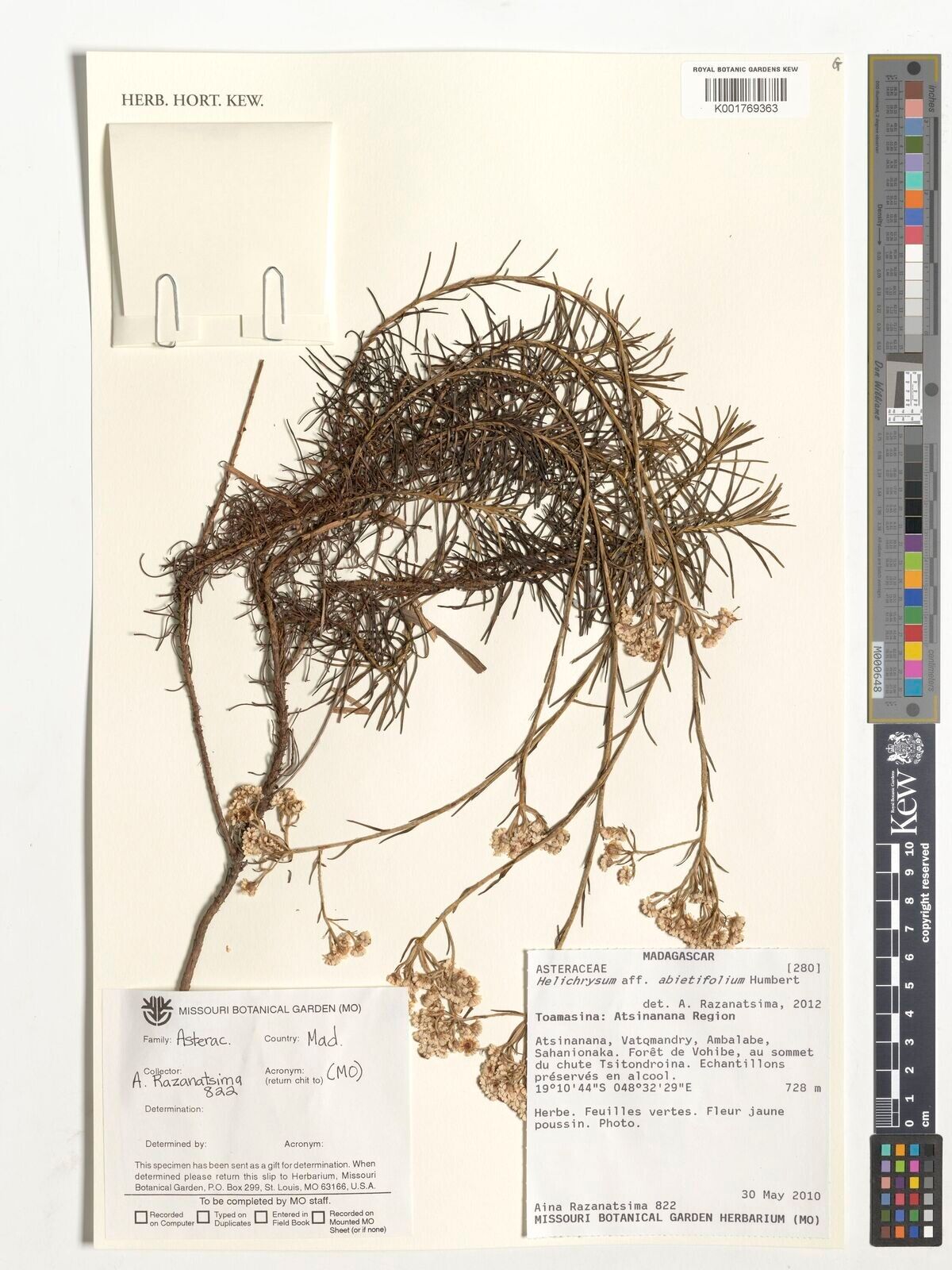
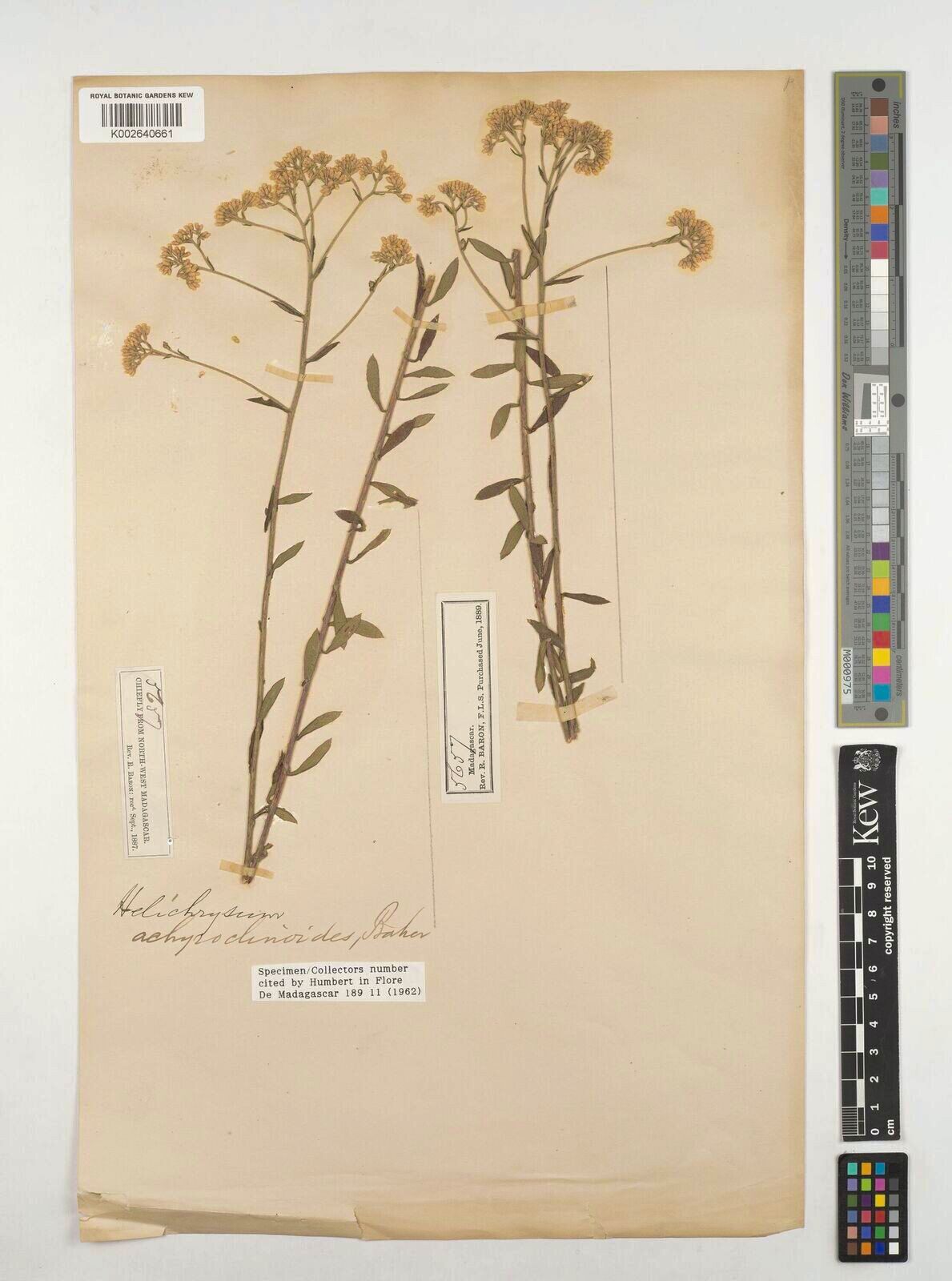
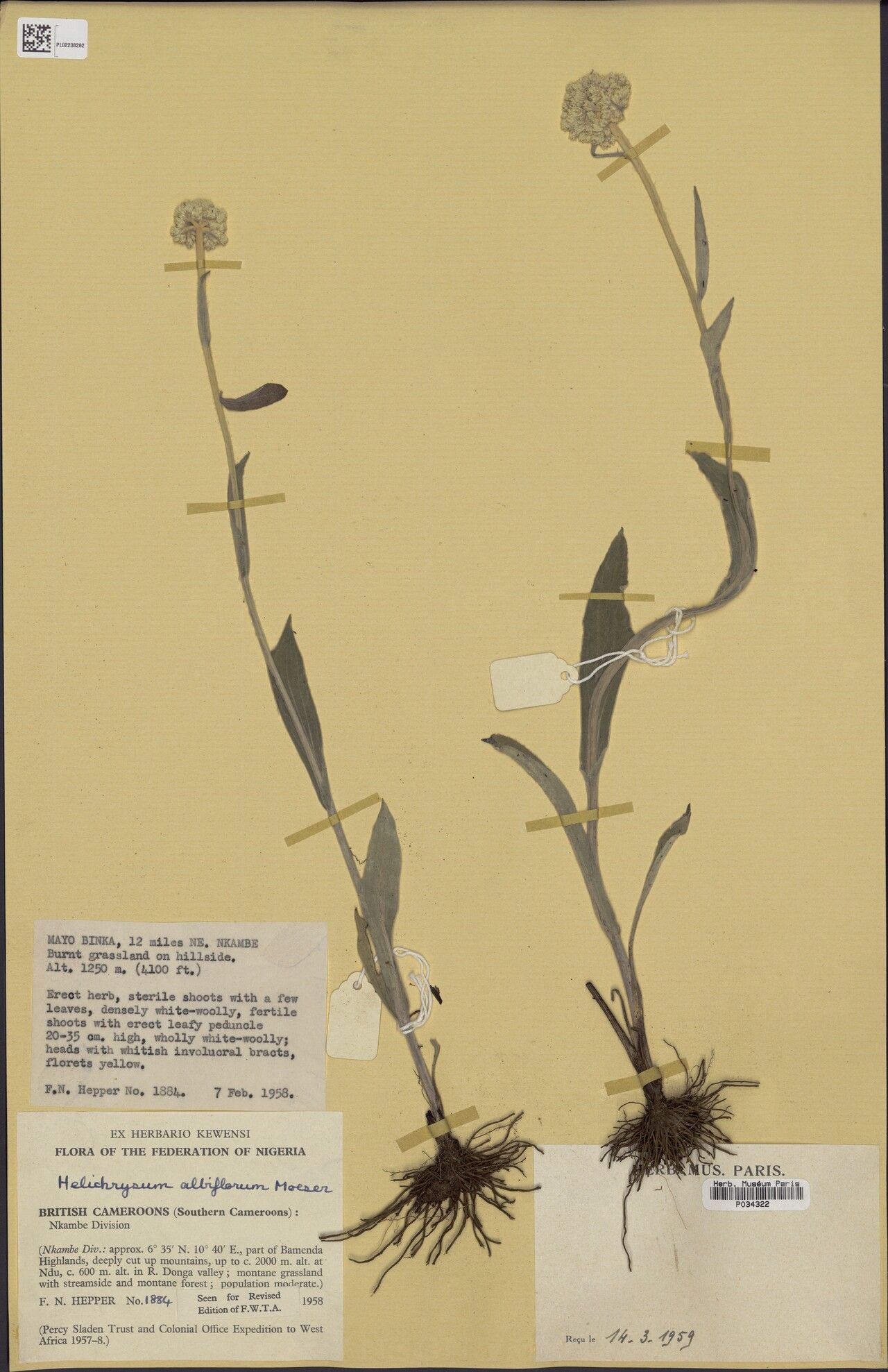
Helichrysum foetidum, commonly known as stinking everlasting or curry plant, is a perennial herb in the Asteraceae family. Native to southern Africa, it can be found in regions including Zimbabwe, Mozambique, and South Africa. This plant can grow up to 60 cm in height and emits a strong, curry-like aroma from its leaves. The leaves of Helichrysum foetidum are narrow and elongated, featuring a grayish-green color. The plant produces small yellow flowers that bloom from summer through fall. It thrives in well-drained soil with full sun exposure but can also tolerate partial shade. For centuries, indigenous people of southern Africa have used Helichrysum foetidum for its medicinal properties. It is believed to possess anti-inflammatory qualities and has been employed to treat various ailments such as coughs, colds, fever, headaches, and stomachaches. Besides its medicinal uses, Helichrysum foetidum is also valued in the culinary world due to its strong curry-like aroma, making it a flavorful addition to dishes like curries and stews. Overall, Helichrysum foetidum is a fascinating herbaceous perennial that not only enhances the flavor of dishes but also offers health benefits, making it a valuable addition to any garden or kitchen.
Stinking strawflower is fairly disease-resistant and generally not prone to illnesses. However, it can be vulnerable to pests and diseases present in its surroundings. These problems are typically not serious. For care, the plant requires moderate maintenance. It should be pruned regularly to maintain a good appearance and healthy growth. Fertilizing can also help encourage flowering. Stinking strawflower is suitable for anyone with outdoor space, such as a garden or patio, and does not demand extensive care experience. It may need more attention when grown indoors.
How to keep Helichrysum Foetidum.
Light
Stinking strawflower comes from bright, open habitats where it thrives in full sun. It tolerates partial sun but prefers direct sunlight for optimal growth. This plant, which can be annual or biennial, is known for its sun-loving nature.
Water
The stinking strawflower is well-suited for arid environments, demonstrating remarkable drought tolerance. Watering it once a week is sufficient for maintaining its health. As an evergreen plant, it has the ability to retain water throughout the year, allowing it to survive during dry periods.
Temperature
Stinking strawflower shows good temperature adaptability, able to withstand high heat and wide temperature fluctuations. In hot conditions, attention should be paid to watering and suitable shading should be provided to avoid sunburn. However, Stinking strawflower is relatively poorly tolerant of low temperatures. It can endure some cold, but excessively low temperatures may cause frost damage.
Fertilizer
Once Stinking strawflower has opened most of its blooms to full size, resume fertilizing. Around the time of peak bloom output, fertilize once every three to four weeks, as weather permits. Then, after Stinking strawflower begins producing fewer new blooms, stop fertilizing; there's no need to fertilize when the plant can't produce any more blooms.
Pruning
The stinking strawflower showcases fragrant yellow blooms and benefits from careful pruning to enhance growth. For optimal results, prune in early spring to encourage vigor and again in late spring to shape the plant. Be sure to remove any dead stems and faded flowers to improve the plant's health and increase blooming. Additionally, using clean tools is crucial to prevent the spread of disease.
Botanical profile.
- Plant Type
- Herb
- Life Cycle
- Annual
- Genus
- Helichrysum
- Family
- Asteraceae
- Hardiness Zone
- 7
- Mature Height
- 30 cm to 91 cm
- Mature Spread
- 30 cm to 46 cm
- Leaf Color
- Green
- Leaf Type
- Evergreen
- Flower Color
- Yellow, Gold
- Flower Size
- 1.52 cm to 2.54 cm
- Bloom Time
- Summer
- Planting Time
- Spring, Summer, Autumn
- Harvest Time
- Late summer, Early fall, Mid fall
- Native Area
- Saudi Arabia, Malawi, Somalia, South Africa, Zambia, Madagascar, Rwanda, Eritrea, Sudan, Nigeria, Yemen, Kenya, Uganda, Cameroon, Burundi, Mozambique, Ghana, Ethiopia, Congo (DRC)
Other names.
Reader questions.
How should I water my Stinking strawflower?
To water Stinking strawflower, you have several options. You can use a garden hose with a spray nozzle, a watering can, or any common watering tool. Stinking strawflower isn't too picky about water sources - it can thrive on rainwater, tap water, or filtered water. However, it's best to avoid watering this plant from above because it can harm the leaves and flowers and potentially cause disease. Instead, consider setting up a drip irrigation system, which applies water evenly and directly to the soil. If you have a container-grown Stinking strawflower, you can still use a similar approach. Just use a cup, watering can, or tap water to water the soil directly.
What are the sunlight requirements for Stinking strawflower?
Stinking strawflower, known botanically as Helichrysum foetidum, thrives best in full sun, requiring over 6 hours of direct sunlight daily for optimal growth. However, it can also tolerate partial sun conditions, defined as about 3-6 hours of sunlight per day. For garden enthusiasts, it's important to watch the movement of sunlight through your garden space, selecting locations that offer a harmonious balance of light and shade to ensure the vitality of your plants.
What is the Stinking strawflower?
The Stinking strawflower is known by its botanical name, Helichrysum foetidum. Unfortunately, this entry does not provide detailed information regarding its essentials, content, or symptoms related to the plant.
What should I do if I give my Stinking strawflower too much water or too little water?
If your Stinking strawflower is not getting enough water, the solution is simple: water it more regularly. However, overwatering can be a serious problem that may lead to diseases and the decline of your plant. To avoid this, choose a suitable location for your Stinking strawflower that gets plenty of sunlight to help dry the soil and has good drainage to prevent water from pooling. If your potted Stinking strawflower is overwatered, you may need to change it to a new pot with better drainage. When repotting, use loose soils and a pot that drains efficiently.
What is essential for the growth of Stinking strawflower?
The Stinking strawflower is an annual or biennial plant that originates from bright, open habitats, making it fundamentally a lover of full sun environments. While it can withstand partial sun, it shows a preference for full, direct sunlight to reach its growth potential. For indoor plants that might not have access to natural sunlight throughout the year, artificial lighting becomes crucial. LED lights, with their customizable light spectrum, are recommended for providing the needed wavelengths. Full sun plants require 30-50 watts per square foot of artificial light, while partial sun plants need 20-30 watts and shade plants 10-20 watts per square foot. The artificial light source should be placed 12-36 inches above the indoor plant and be kept on for 8-12 hours per day to mimic natural daylight conditions adequately.
How frequently should I water my stinking strawflower?
To keep your Stinking strawflower healthy, it's important to water it regularly. In the spring, watering once a week is sufficient. However, as the weather gets warmer, you may need to increase watering to two or three times a week. Be careful not to overwater, as it can harm the plant. Keep the soil moist but not wet. If your Stinking strawflower is in a pot, you'll need to water it more frequently compared to if it were planted in the ground. In most cases, watering a container-grown Stinking strawflower a few times a week is recommended, rather than just once a week like an in-ground plant.
How can you tell if Stinking strawflower isn't getting enough light?
When Stinking strawflower does not receive sufficient light, especially if grown indoors, it will show specific symptoms indicating light deficiency. Such symptoms include the growth of smaller leaves than average once they've matured, leggy or sparse growth resulting in a thin, stretched appearance, earlier shedding of older leaves to conserve resources, slowdown or total halt in new growth, and leaves that emerge with lighter colors or become pale, showcasing a lack of chlorophyll and essential nutrients. When overexposed to sunlight, you might notice chlorosis, sunscald, leaf curling, wilting, and leaf scorching, which negatively affect the plant's health and growth.
How much water does my Stinking strawflower require?
There are a few ways to determine how much water to give your Stinking strawflower. Some gardeners prefer to feel the soil for moisture and water until the top six inches are moist. Alternatively, you can use a set measurement of around two gallons per week, depending on the heat and how quickly the soil dries. However, be cautious of overwatering if your plant needs less than two gallons. For container-grown Stinking strawflower, check the moisture in all layers of soil and water until dry. Another method is to water until you see excess water flowing out of the drainage holes.
What solutions can help Stinking strawflower get adequate light?
To ensure that Stinking strawflower receives adequate light, adjusting its positioning gradually towards more sunlit areas is key. Indoor plants can be moved closer to south-facing windows to benefit from direct sunlight or supplemented with artificial lighting for at least 8 hours a day if relocation isn't feasible. Outdoor plants, similarly, should be moved to brighter spots incrementally to prevent sunburn. For those planted in the ground, minimizing obstructions like overhanging branches can significantly increase sunlight access. If transplanting is necessary, it's best executed during the plant's dormant period, ensuring a location with ample sunlight and proper drainage is chosen. It's important to note that while parts of the plant already affected by insufficient light might not recover, new growth following improved light conditions will be healthier.
How can I know if I am giving enough water to my Stinking strawflower?
Avoiding overwatering your Stinking strawflower can be a challenge. While these plants need weekly watering to keep their deep roots moist, they are also highly susceptible to root rot. Overwatering can also cause browning of the plant. Underwatering is less of a concern as Stinking strawflowers can survive for a while without additional watering. However, if you wait too long to water them, they will start to wilt and develop dry leaves.
How do I water my Stinking strawflower at different times of the year?
The watering needs of your Stinking strawflower will change throughout the seasons. In spring, watering once a week should be sufficient. However, as the summer heat sets in, you'll need to increase the frequency to about three times per week, especially if your Stinking strawflower is potted. The soil in containers tends to dry out faster than ground soil in warm weather. In autumn, when the temperature decreases and the sun is less intense, you may need to water a bit less, knowing that your Stinking strawflower is still blooming.
How do I water my Stinking strawflower as it grows?
Stinking strawflower goes through different growth stages throughout the year, each with varying water needs. When starting as a seed, it is important to provide more water to ensure successful germination. This means watering frequently to keep the soil consistently moist. As the seedling grows above the soil, it will require slightly less water. Once the plant is fully mature, watering once a week is sufficient. During flower development, it may be necessary to give a bit more water to support the process.