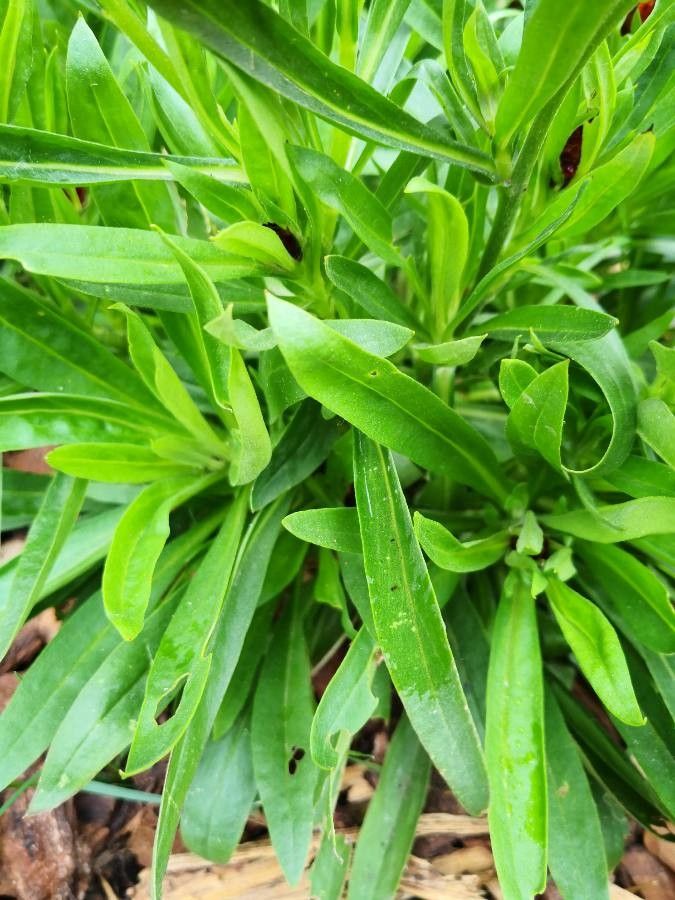
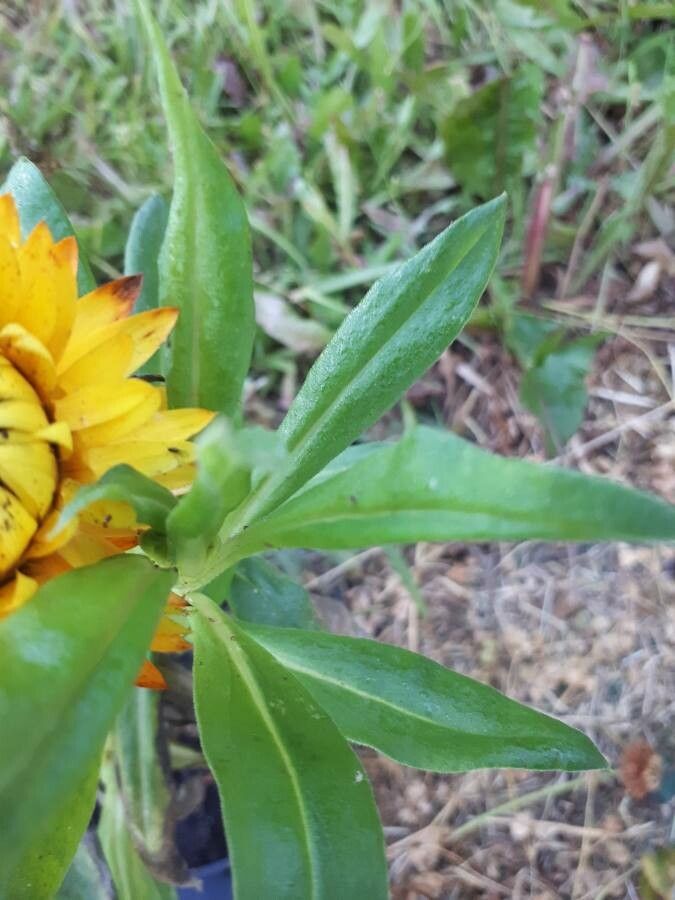
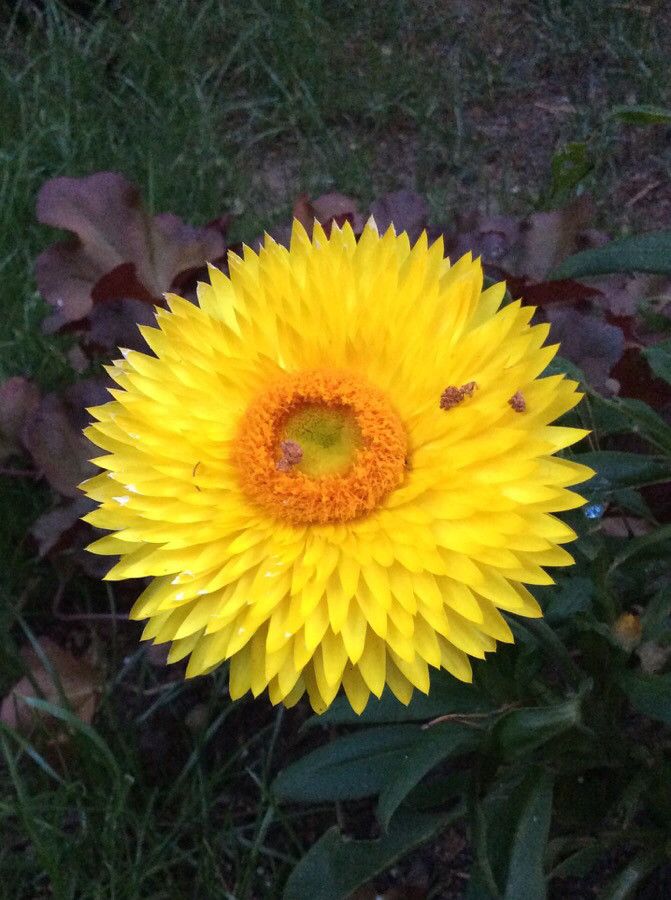
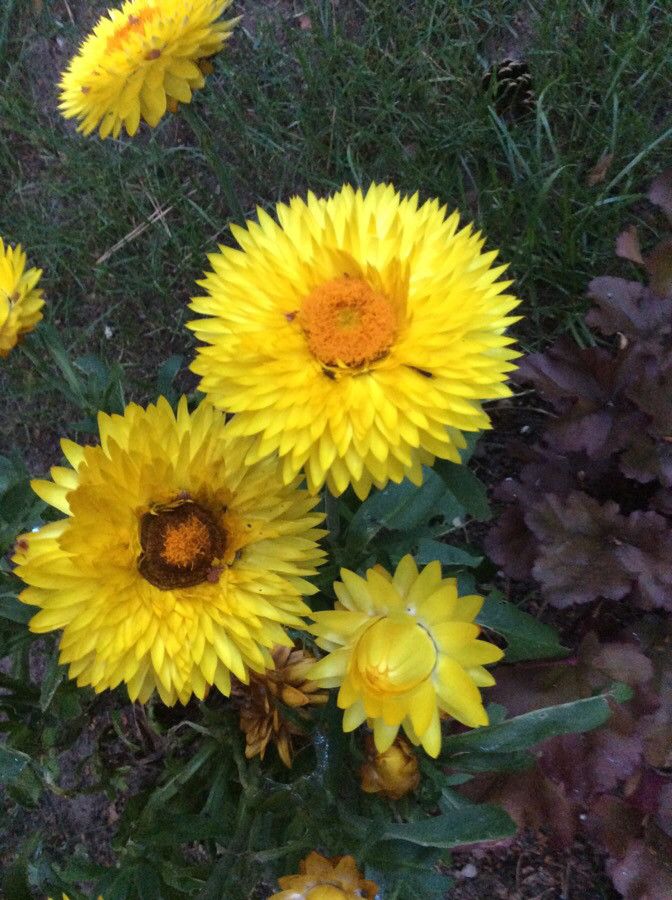
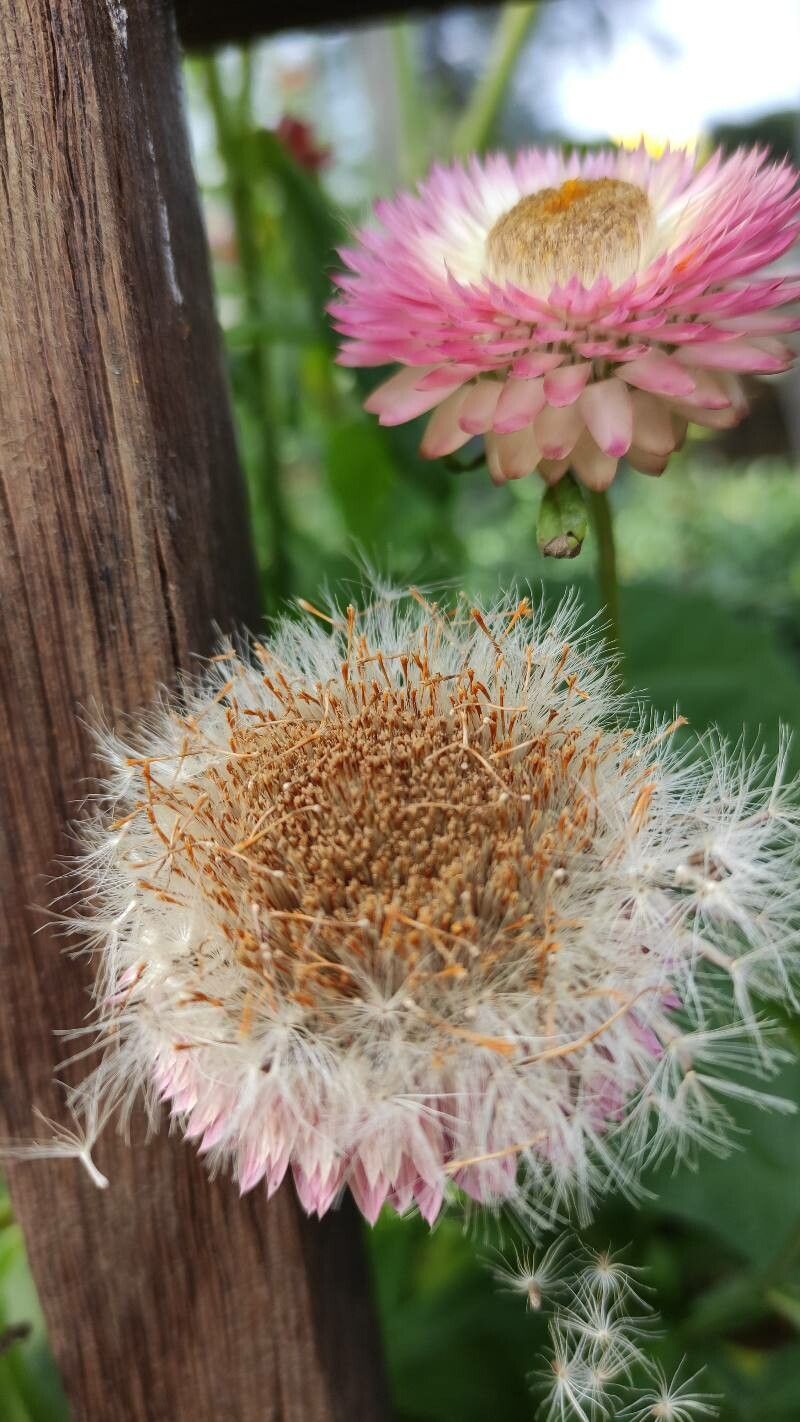
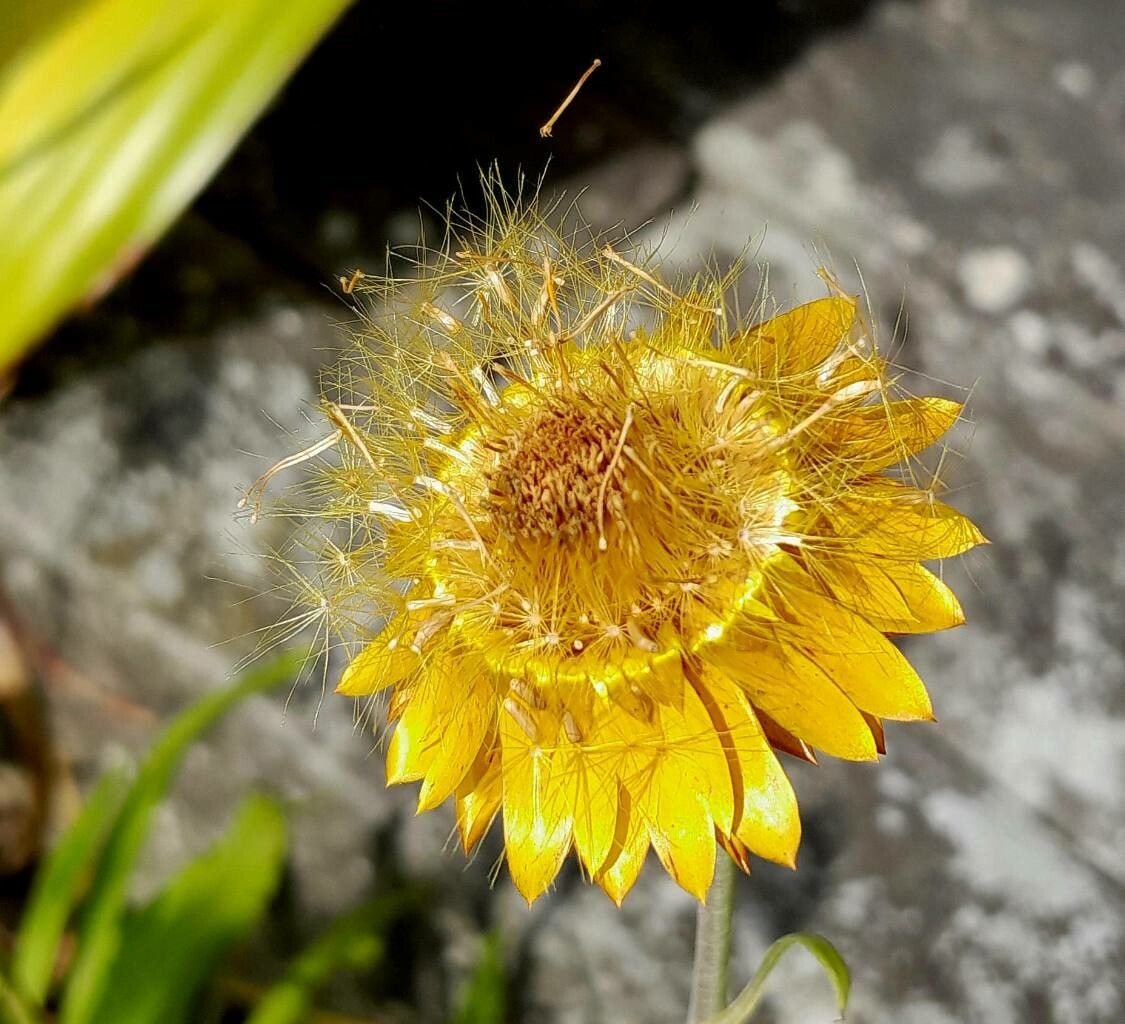
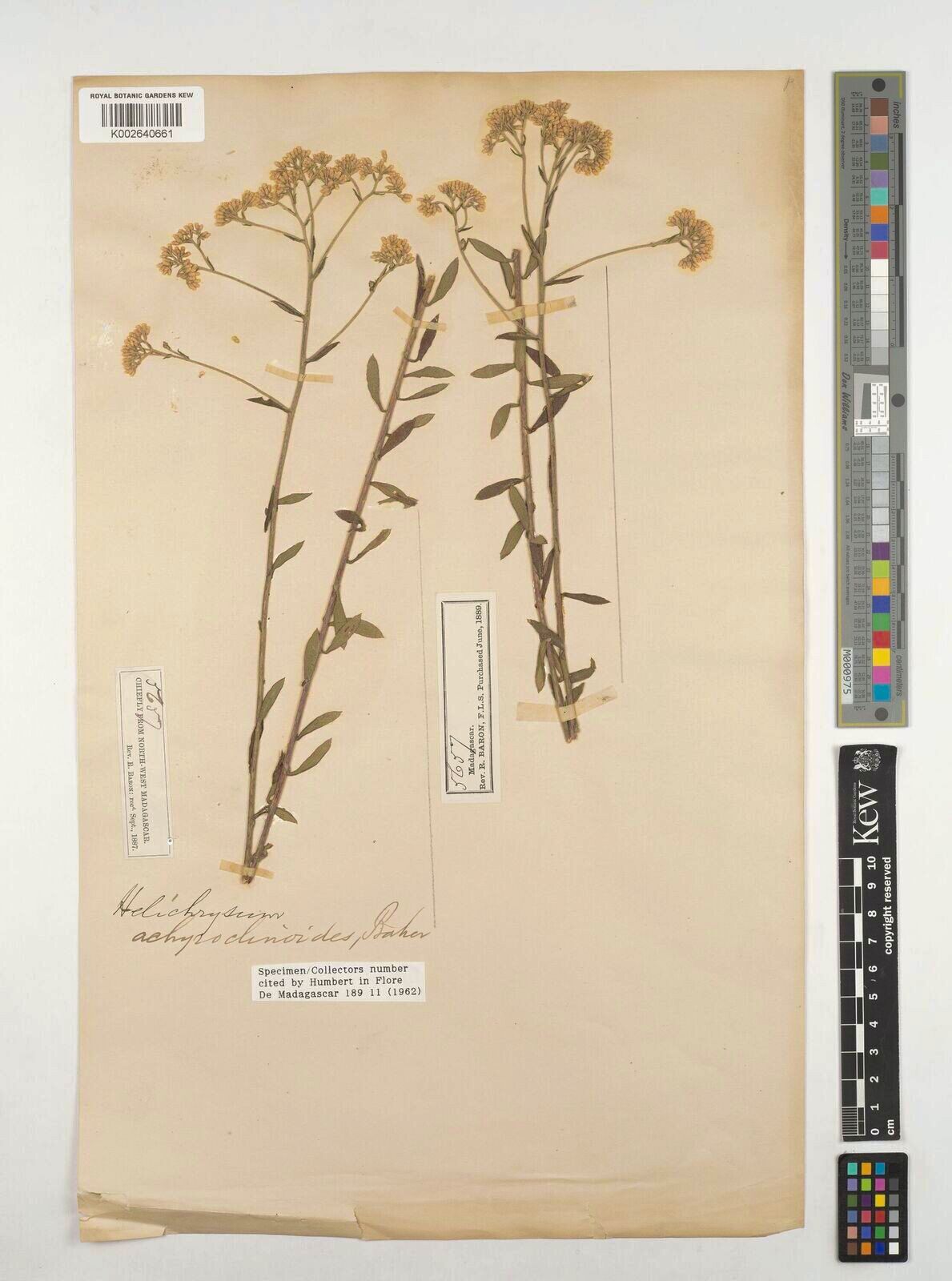
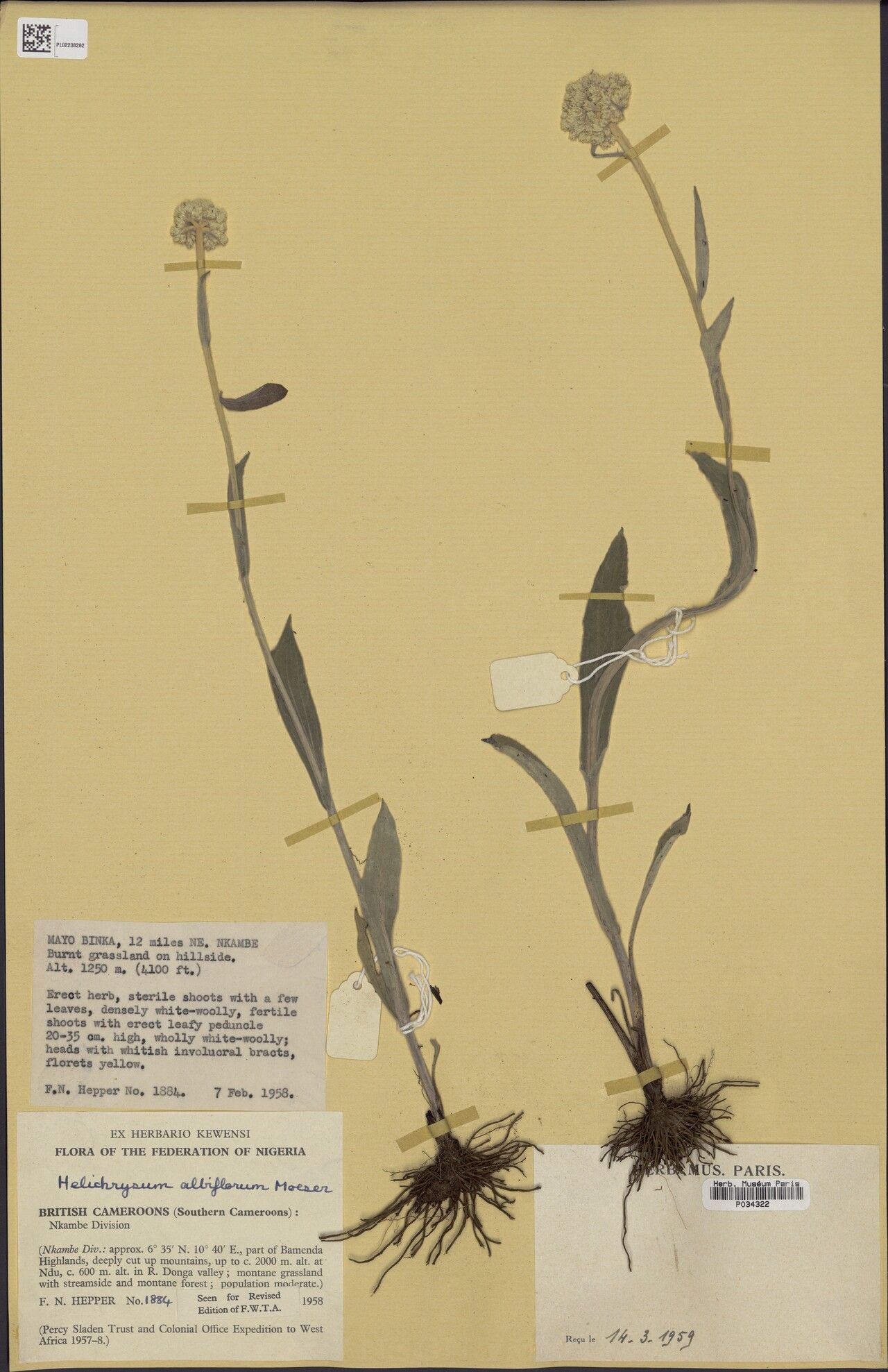
Helichrysum bracteatum, commonly known as the strawflower, is a flowering plant in the Asteraceae family. Native to Australia, it has gained worldwide popularity as a garden plant due to its attractive and enduring flowers. The strawflower can grow up to 60 cm tall and features narrow leaves covered in fine hairs. Its large, daisy-like blooms come in vibrant shades of yellow, orange, pink, red, and white, with papery petals that retain their color even after drying. This characteristic makes strawflowers ideal for dried flower arrangements and cut flower bouquets.
The strawflower thrives in full sun and well-drained soil but can tolerate some shade if necessary. While it is drought-tolerant once established, regular watering is essential during its initial growth period. Overall, Helichrysum bracteatum is an easy-to-grow plant with stunning blooms, making it a wonderful addition to any garden or floral arrangement project!
Strawflower is fairly disease-resistant and generally not prone to illnesses. However, it can be vulnerable to pests and diseases present in its surroundings. These infections are typically mild. For care, this plant needs moderate maintenance. It should be pruned regularly to keep a neat appearance and support healthy growth. Fertilizing can also help encourage flowering. Strawflower is suitable for anyone with outdoor space, such as a garden or patio, and does not demand extensive care experience. It may require more attention when grown indoors.
How to keep Helichrysum Bracteatum.
Light
Strawflower prefers places where it receives plentiful sunlight throughout the day. It can also tolerate areas with only partial sun. In its native habitat it flourished under those conditions, ensuring vigorous growth. Steady, moderate light nourishes it, since either too much or too little can harm its health.
Temperature
Strawflower is native to areas where temperatures fall between 68 to 95 °F (20 to 35 ℃). It thrives in full sun and favors warmth. Seasonal adjustments may include providing shade during extremely hot summers or insulation in chilly winters.
Fertilizer
Once most of the Strawflower’s blooms have opened to full size, resume fertilizing. When the flowers are at peak production, fertilize once every three to four weeks, as the weather allows. Then, when the Strawflower begins producing fewer new blooms, discontinue fertilizing; there’s no need to feed the plant when it can no longer produce additional blooms.
Pot & Repot
When repotting Strawflower, choose a pot that's 1–2 inches (2.5–5.1 cm) larger in diameter and that has good drainage. Use a well-draining potting mix, and consider adding perlite for extra drainage. Repot in spring or early summer, water thoroughly afterward, and place it in a shady spot at first.
Botanical profile.
- Plant Type
- Herb
- Life Cycle
- Annual, Perennial, Biennial
- Genus
- Helichrysum
- Family
- Compositae
- Hardiness Zone
- 8-10
- Mature Height
- 20 cm to 76 cm
- Mature Spread
- 15 cm to 61 cm
- Leaf Color
- Green, Silver
- Leaf Type
- Deciduous
- Flower Color
- Yellow, Gold, White, Pink, Red
- Flower Size
- 3.05 cm to 6.35 cm
- Bloom Time
- Late spring, Summer
- Planting Time
- Spring, Summer
- Harvest Time
- Mid summer, Late summer, Early fall
Other names.