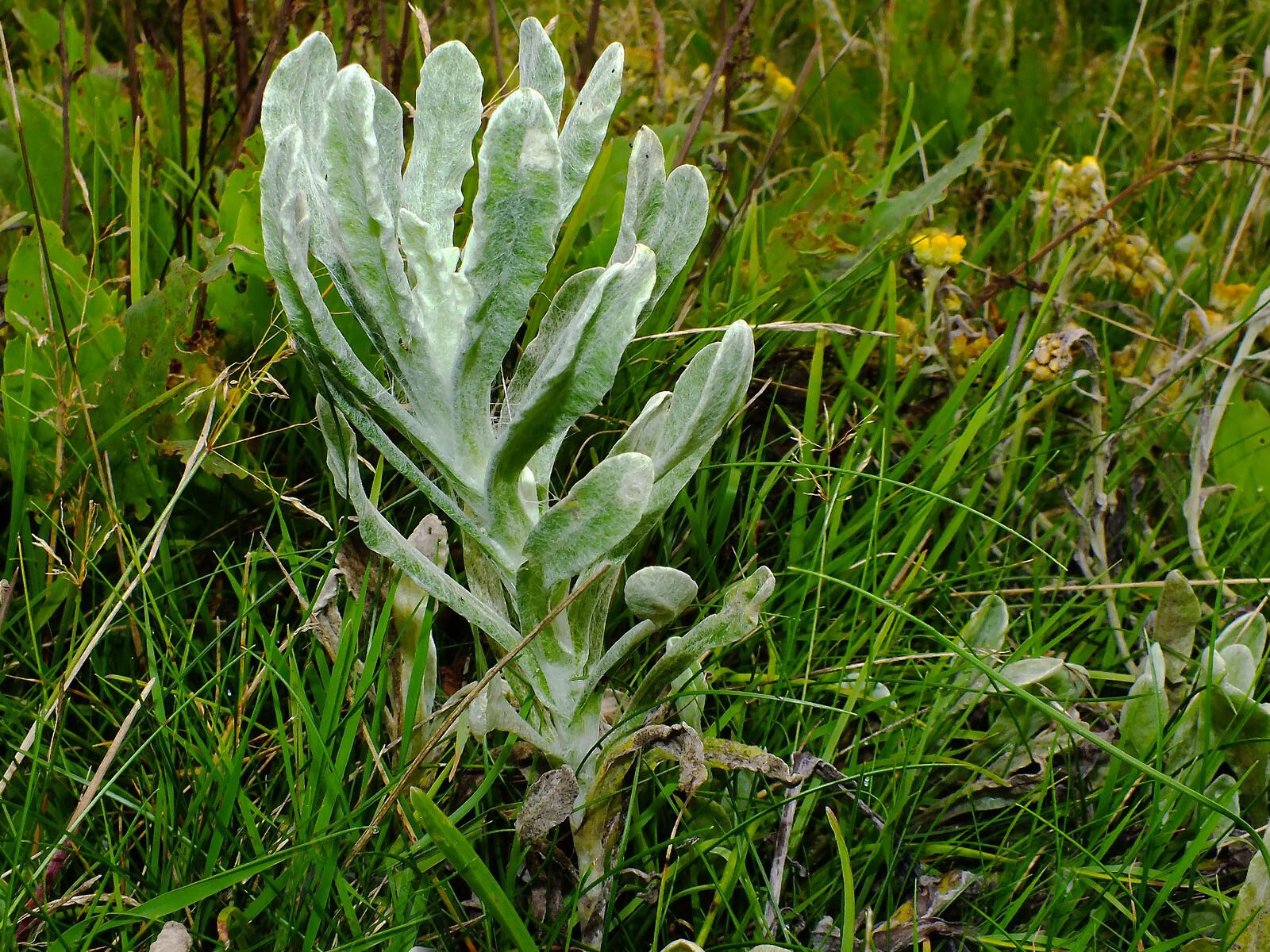
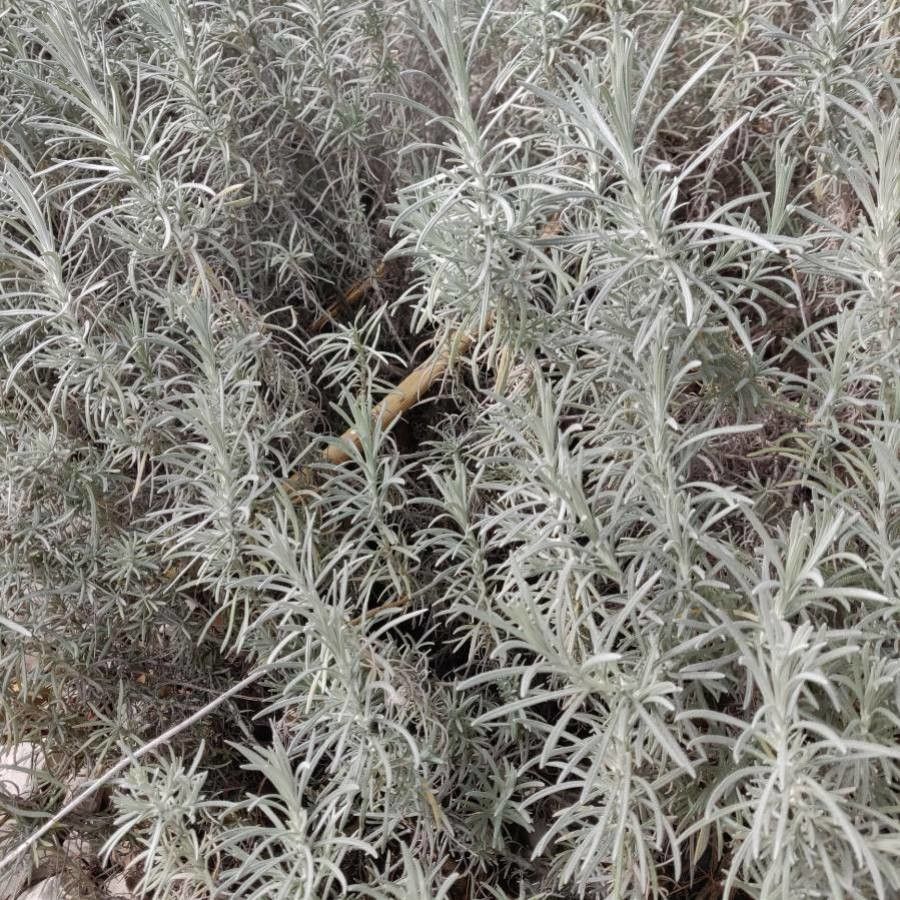
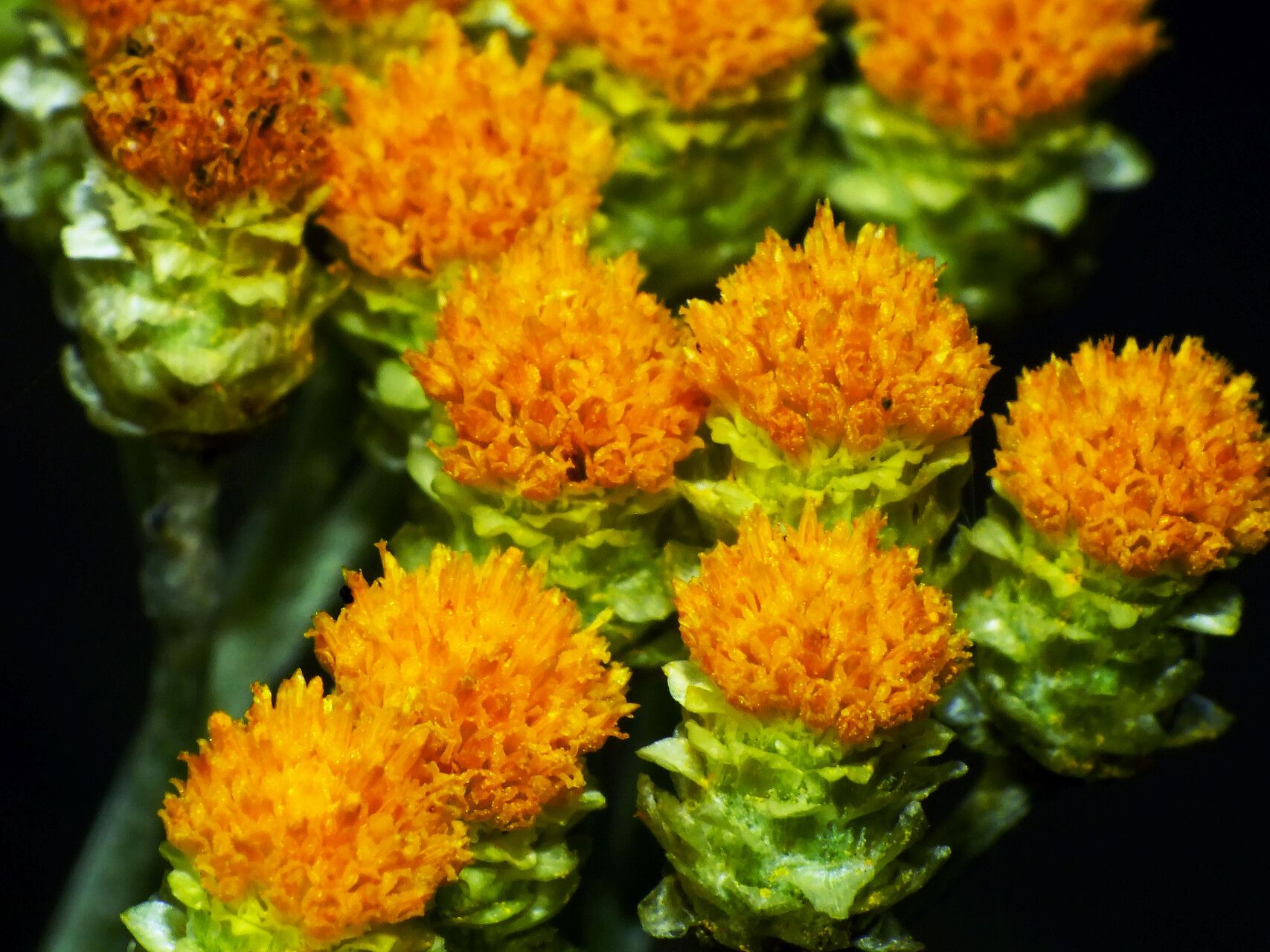
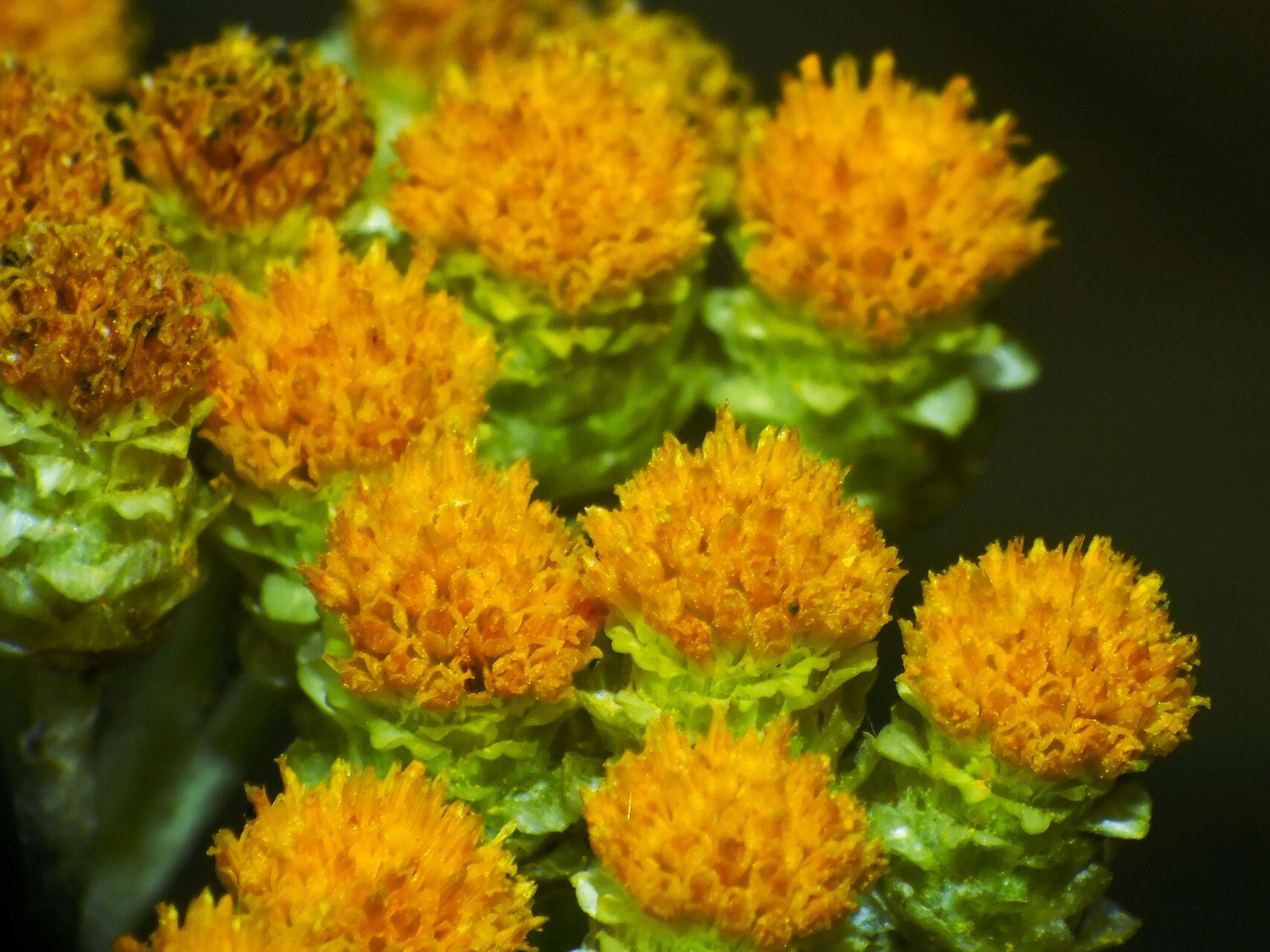
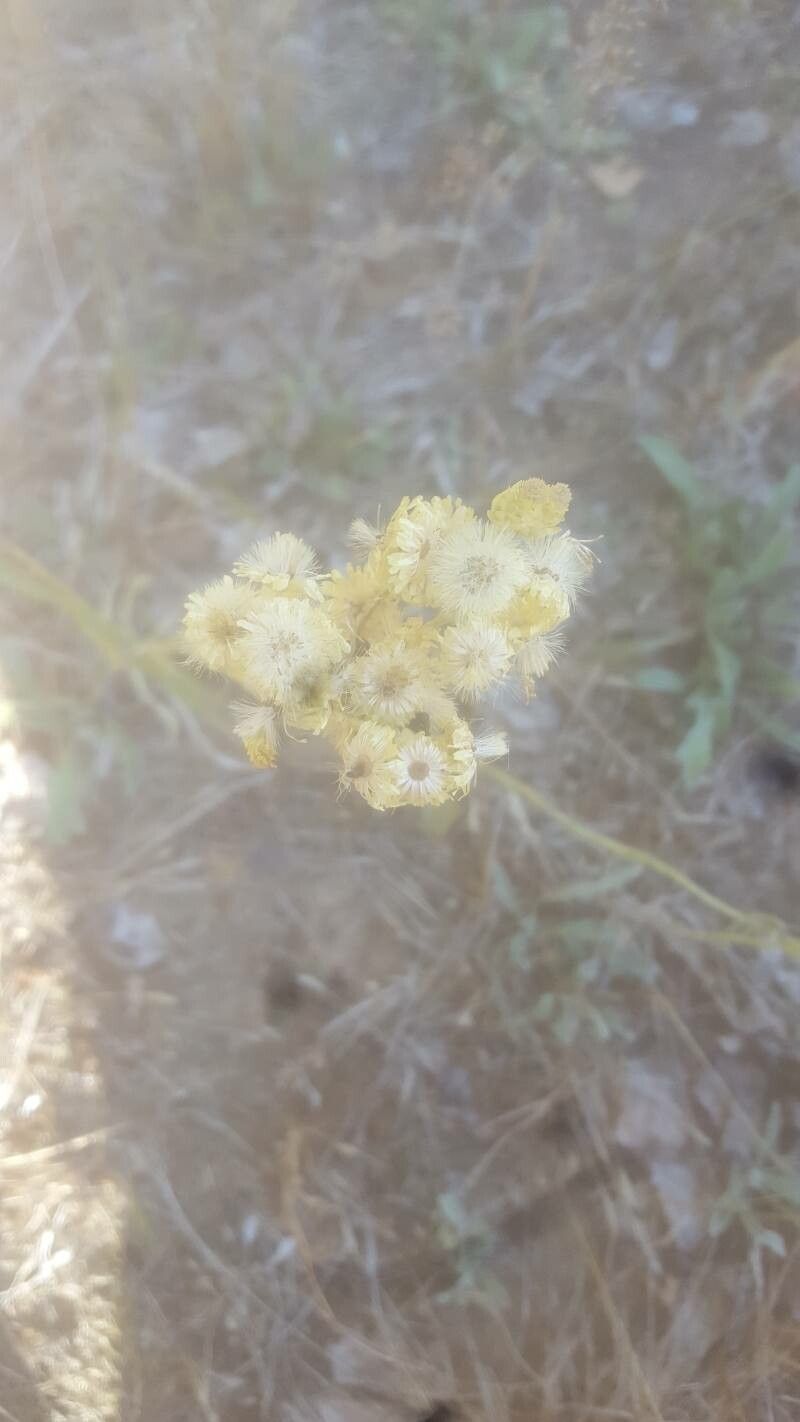
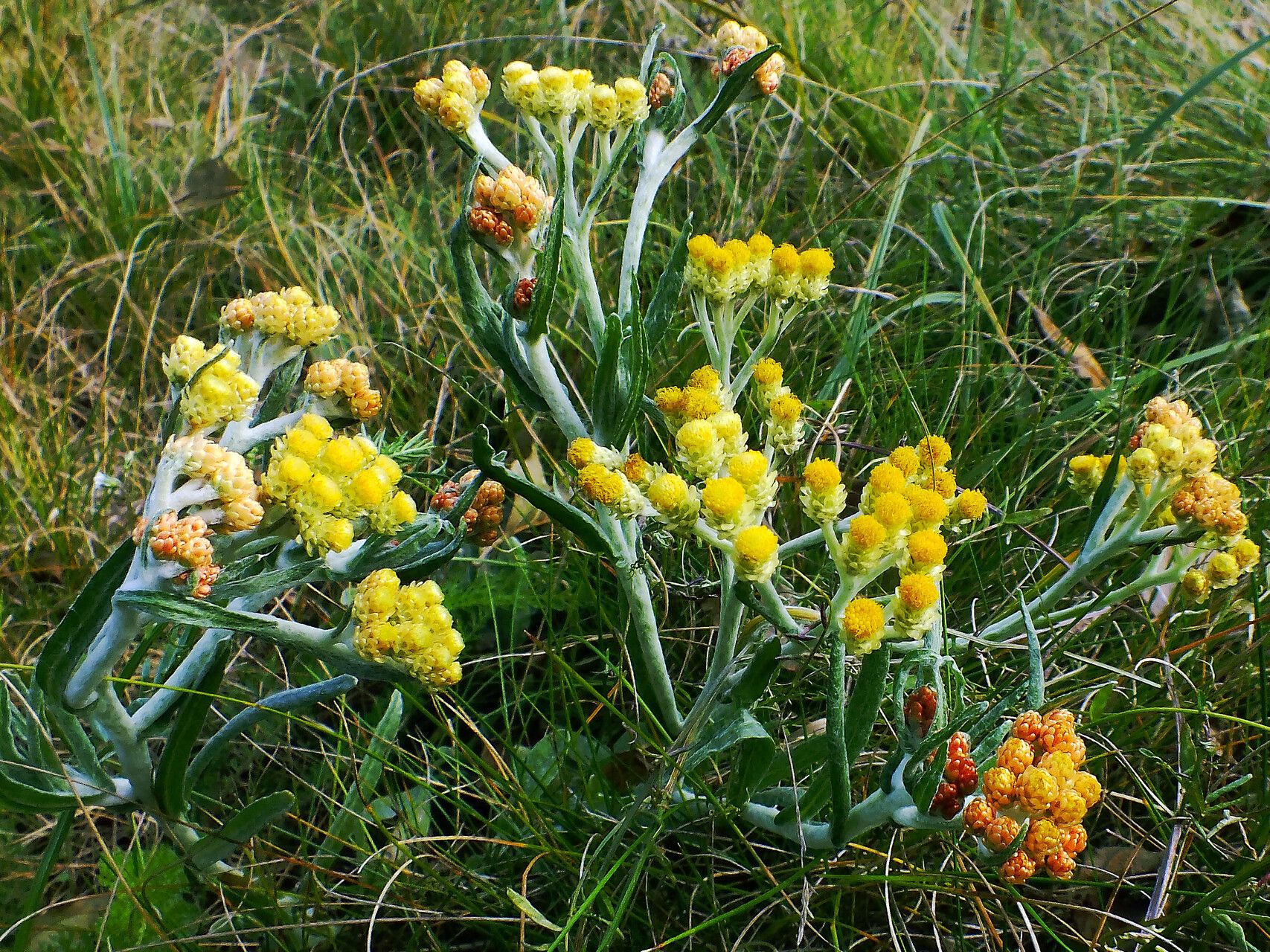
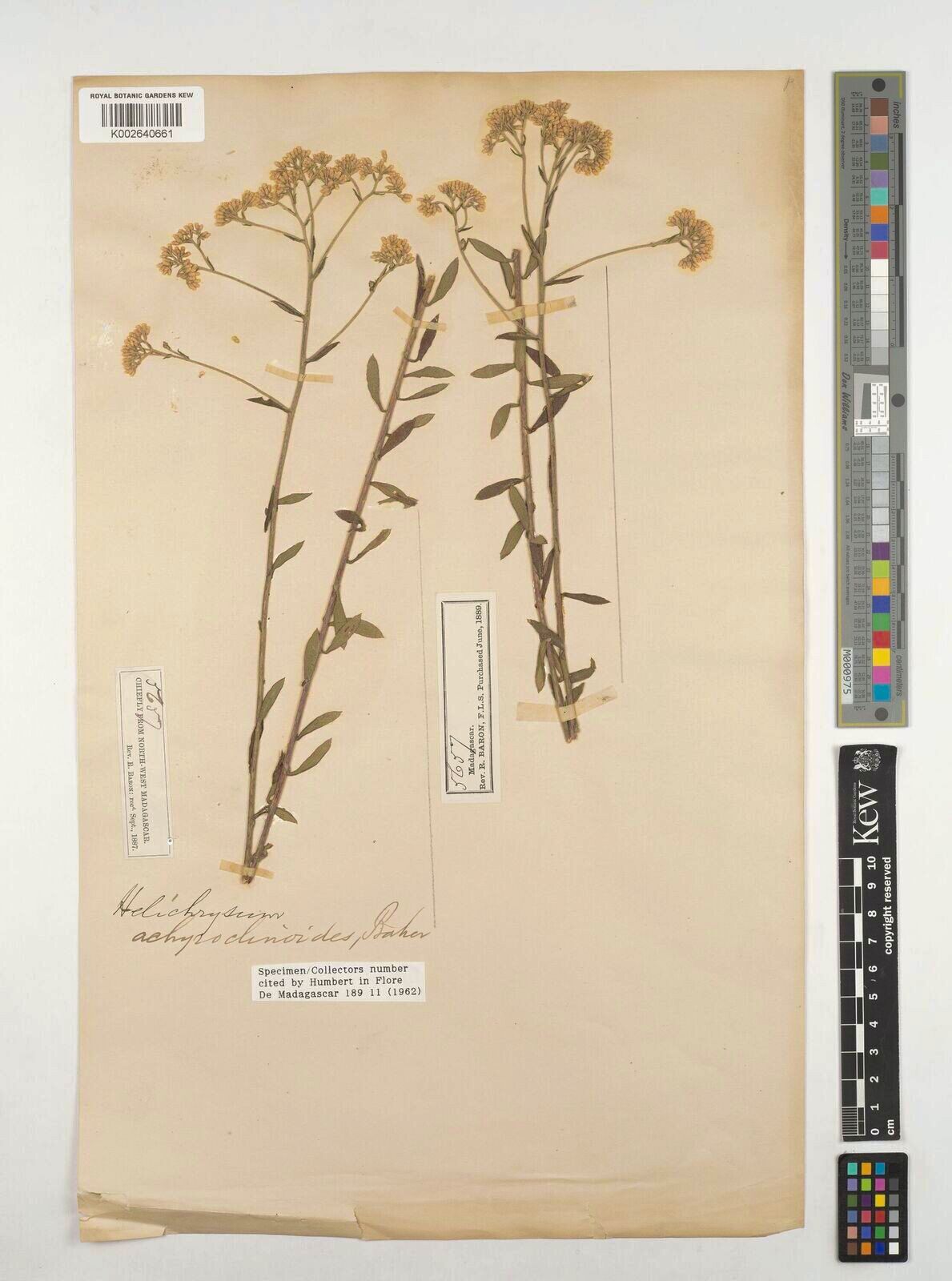
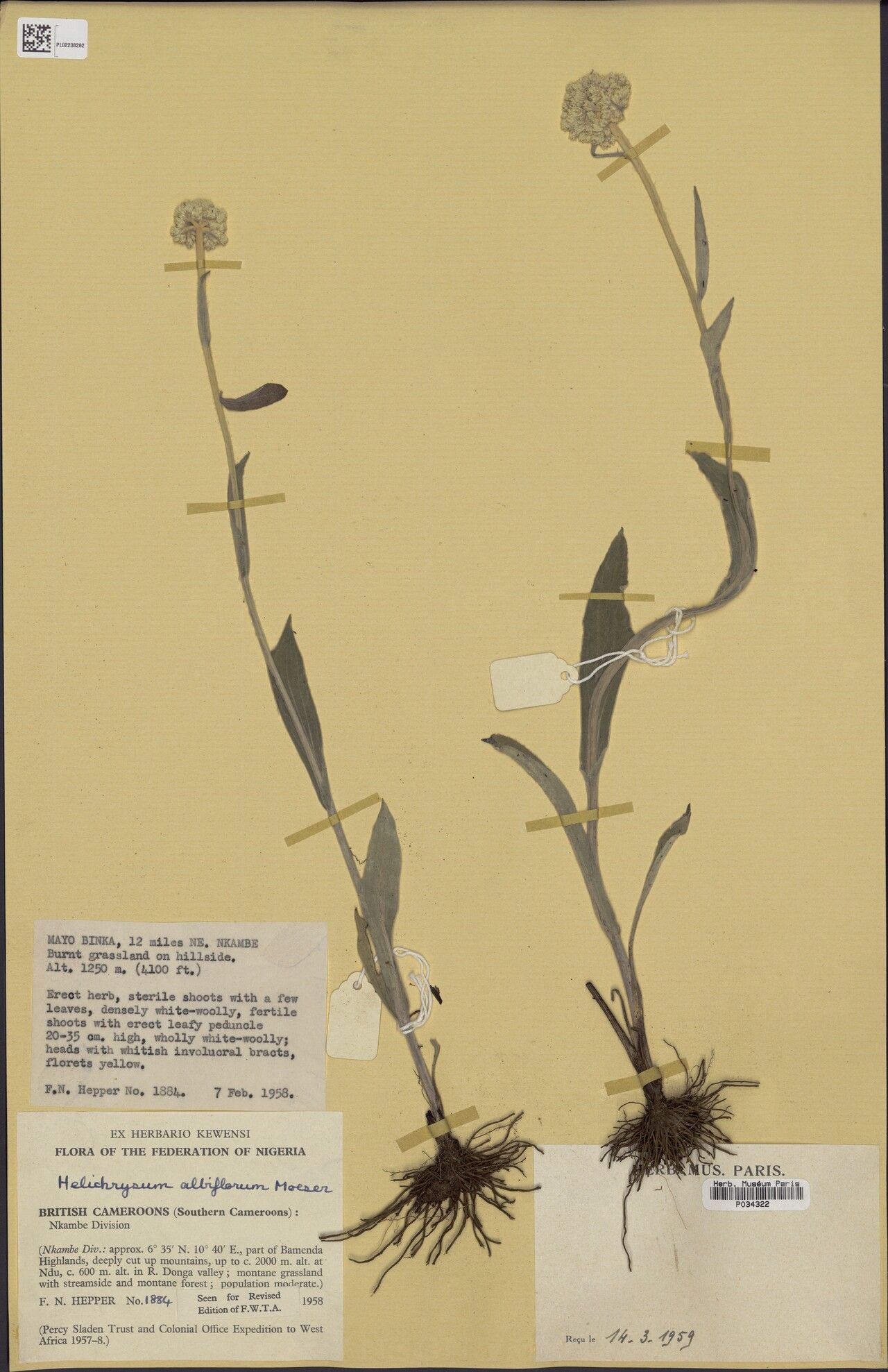
Helichrysum arenarium is also known as dwarf everlast, and as immortelle.
Dwarf everlast has good resistance to disease and is generally not prone to illnesses. However, it can be affected by pests and diseases present in its surroundings; these infections are usually not severe. In terms of care, this plant requires moderate maintenance. It should be pruned regularly to keep a neat appearance and support healthy growth. Fertilizing can also help encourage flowering. Dwarf everlast is suitable for anyone with outdoor space, such as a garden or patio, and does not require extensive care experience. It may need more attention when grown indoors.
How to keep Helichrysum Arenarium.
Light
Dwarf everlast does best with plenty of daylight, preferring uninterrupted sun throughout the day. In its native range, the plant is found in open locations with abundant light. Too little light can slow its growth, while too much can cause the leaves to scorch.
Water
The dwarf everlast originates from sandy habitats and thrives with moderate moisture, needing to be watered once a week. Its resilience enables it to withstand dry spells by effectively managing its water reserves. This makes it suitable for outdoor cultivation, as it can retain water in its foliage throughout the growing season.
Temperature
Dwarf everlast is native to temperate environments; it is comfortable at temperatures from 41 to 89.6 °F (5 to 32 ℃). In warmer seasons, ensure it is well-shaded to prevent overheating.
Fertilizer
The best time to fertilize a Dwarf everlast is in early spring, as it comes out of dormancy and begins active growth. Fertilization supplies essential nutrients for healthy development. Although the Dwarf everlast has fairly low fertilizer requirements, feeding it annually can boost its survival and encourage better, longer-lasting flowers.
Pruning
Dwarf everlast is recognized for its bright yellow flowers and silvery foliage. To help it thrive, prune the plant from late winter to early spring. Remove any dead stems to promote bushier growth and maintain a well-shaped appearance. Be sure to use clean, sharp tools to prevent diseases, and take into account the plant's natural growth habit when trimming.
Pot & Repot
The dwarf everlast should be repotted every 2 to 3 years, preferably in early spring. Use a slightly larger pot with well-draining soil for the best results. After repotting, water the plant moderately and keep it out of direct sunlight for a week. Continue with regular care to keep the plant healthy and thriving.
Botanical profile.
- Plant Type
- Herb
- Life Cycle
- Perennial
- Genus
- Helichrysum
- Family
- Asteraceae
- Hardiness Zone
- 4-8
- Mature Height
- 30 cm
- Mature Spread
- 40 cm
- Leaf Color
- Green, Gray
- Leaf Type
- Evergreen
- Flower Color
- Gold, Yellow
- Flower Size
- 0.51 cm to 1.02 cm
- Bloom Time
- Summer
- Planting Time
- Spring, Summer
- Harvest Time
- Early fall, Mid fall
Other names.
Reader questions.
How should I water my Dwarf everlast plant?
To properly water the Dwarf everlast, it is best to use filtered water at room temperature. Tap water may contain harmful particles, so filtered water is preferred. The water should be at room temperature or slightly warmer because the plant is used to a warm environment and cold water can be a shock. Instead of overhead watering, it is recommended to apply the filtered room temperature water directly to the soil until it is fully soaked. This helps to moisten the roots and facilitate their spread through the soil to collect necessary nutrients.
What are the sunlight requirements for Dwarf everlast?
Dwarf everlast requires a significant amount of sunlight to thrive, preferring full sun which means it needs above 6 hours of sunlight daily. It can also grow in partial sun conditions, where it would receive about 3-6 hours of sunlight daily. Observing how sunlight moves through your garden will help you choose the perfect spots that provide the right balance of light and shade for your plants, ensuring their well-being.
What is the native environment and comfortable temperature range for Dwarf everlast?
Dwarf everlast, botanically known as Helichrysum arenarium, is native to temperate environments, where it thrives in a comfortable temperature range of 41 to 89.6 °F (5 to 32 °C). In the warmer seasons, it is essential to provide adequate shading for the plant to prevent overheating, ensuring its health and vitality.
What do I do if I give my Dwarf everlast plant too much or too little water?
Overwatering is a more common issue with Dwarf everlast plants and can cause wilting, yellowing, and diseases like root rot, mold, and mildew. Underwatering is less common but can result in brittle, brown leaves. It's important to recognize signs of overwatering early, as some diseases may not be fixable if left too long. Reduce watering and check soil drainage if overwatering is detected. If underwatering is evident, simply water more regularly until signs subside.
What are the essentials for growing Dwarf everlast?
The Dwarf everlast plant thrives in conditions where it has liberal access to daylight, preferring unimpeded solar exposure throughout the day. In its native habitat, this plant is accustomed to open areas that receive ample light. A lack of sufficient light can hinder its growth, while too much direct exposure may cause issues like leaf scorch. When natural sunlight is not enough, especially during winter or in less sunny spaces, artificial lighting can be a significant aid. LED lights, providing 30-50W/sq ft for full sun plants, 20-30W/sq ft for partial sun plants, and 10-20W/sq ft for full shade plants, can help maintain optimal growth conditions indoors.
How does Dwarf everlast handle cold temperatures and what measures should be taken during winter?
Dwarf everlast exhibits strong cold resistance, making special frost protection measures generally not necessary. However, in extremely cold winters where temperatures are forecasted to drop below -30°C, it's crucial to protect the plant from cold. This can be done by covering it with insulating materials such as soil or straw. It is also advised to water the plant abundantly before the first freeze in autumn, to keep the soil moist and help prevent drought and water scarcity during winter and early spring.
How often do I need to water my Dwarf everlast?
If your Dwarf everlast plant is in a pot, the best way to determine if it needs water is by checking the soil. Stick your finger into the soil and if the top two to three inches feel dry, it's time to water. If your plant is grown outside in the ground, you can use the same method. Once the top few inches of soil have dried, it's time to water. In the spring and early fall, you'll likely need to water once a week using this method. When it gets very hot, you may need to increase watering to twice or more per week. However, it's worth noting that mature, well-established Dwarf everlast plants are quite resilient and can withstand drought.
What symptoms indicate insufficient or excessive sunlight for Dwarf everlast?
Symptoms of insufficient sunlight include smaller new leaves, leggy or sparse growth, accelerated leaf drop, halted new growth, paler new leaves, indicating a lack of chlorophyll and nutrients. Excessive sunlight can lead to chlorosis, sunscald, leaf curling, wilting, and leaf scorching. These symptoms show the plant's struggles with inappropriate lighting conditions, either weakening due to insufficient light or sustaining damage from too much direct sunlight.
What are the symptoms of Dwarf everlast being exposed to low temperatures?
Dwarf everlast is tolerant to cold and performs best when the temperature remains above 5°C. Should winter temperatures plummet below -25°C, the plant itself may not show noticeable changes but might exhibit a decrease in sprouting or fail to sprout at all come spring. If this happens, it's recommended to remove any parts of the plant that have failed to sprout as a part of its spring care routine.
How much water does my little Dwarf everlast plant need?
To properly water your Dwarf everlast, don't be afraid to give it a generous amount. The soil should be dry about two to three inches deep before watering. Make sure to thoroughly soak the soil, allowing the water to flow out of the drainage holes at the bottom of the pot. If you don't see any excess water coming out, it means you haven't watered enough. However, be careful not to let water accumulate in the soil, as it can harm the plant. Similarly, if the water doesn't drain properly, it may indicate poor soil drainage, which is not good for the plant's health. If the plant is outside, about 1 inch of rain per week should be enough.
What are the solutions for Dwarf everlast struggling with light conditions?
To optimize growth for indoor Dwarf everlast facing light issues, progressively move the plant to sunnier locations weekly until it receives at least 6 hours of sunlight daily. Using south-facing windows and keeping curtains open during the day or utilizing artificial lighting like desk or professional grow lights for at least 8 hours daily can help. For outdoor plants, gradually acclimating them to brighter spots can prevent sunburn. For both settings, reducing obstructions and, for smaller plants, considering transplantation during dormancy to sunnier locations ensures healthier growth. New growth post-adjustment should be healthy, although parts of the plant already affected may not recover.
What are the symptoms of Dwarf everlast being exposed to high temperatures?
During summer, it's crucial to keep Dwarf everlast's temperature below 32°C. Exposure to temperatures over 35°C can result in leaves becoming lighter in color, curling, and becoming prone to sunburn. In severe cases, the plant might wilt and dry out completely. To mitigate these effects, trim away any sunburned or dried parts of the plant, relocate it to a shaded area or use a shade cloth to protect it during the peak sun hours. Additionally, watering the plant in the morning and evening will help maintain soil moisture and protect the plant from heat stress.