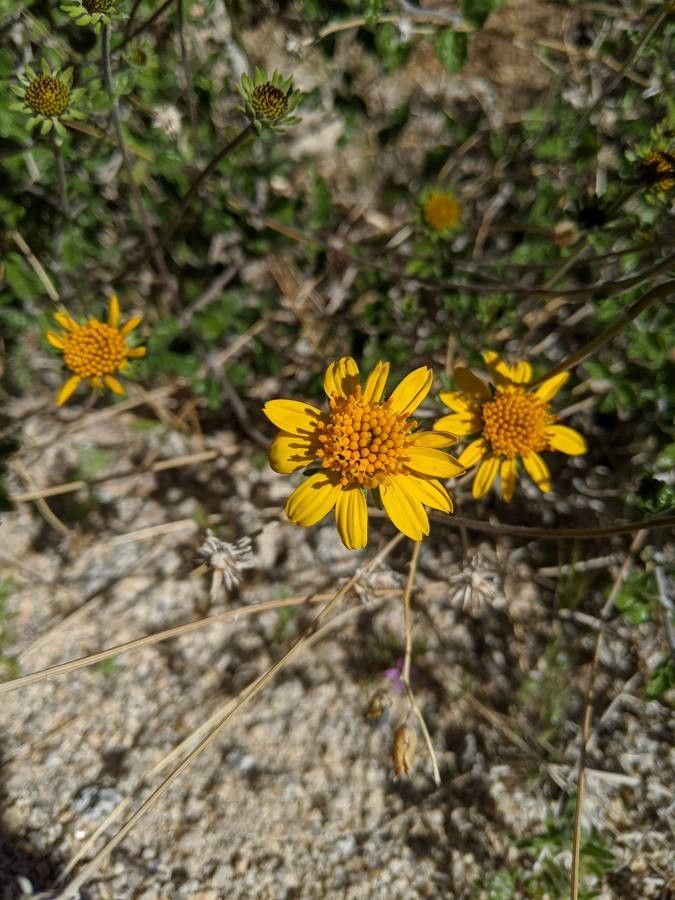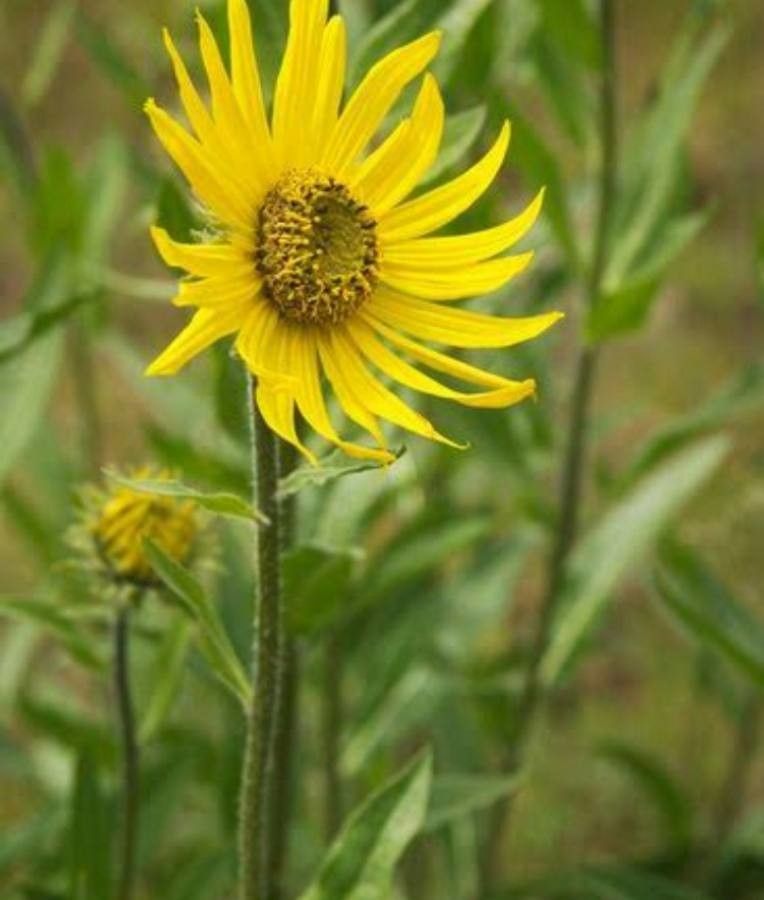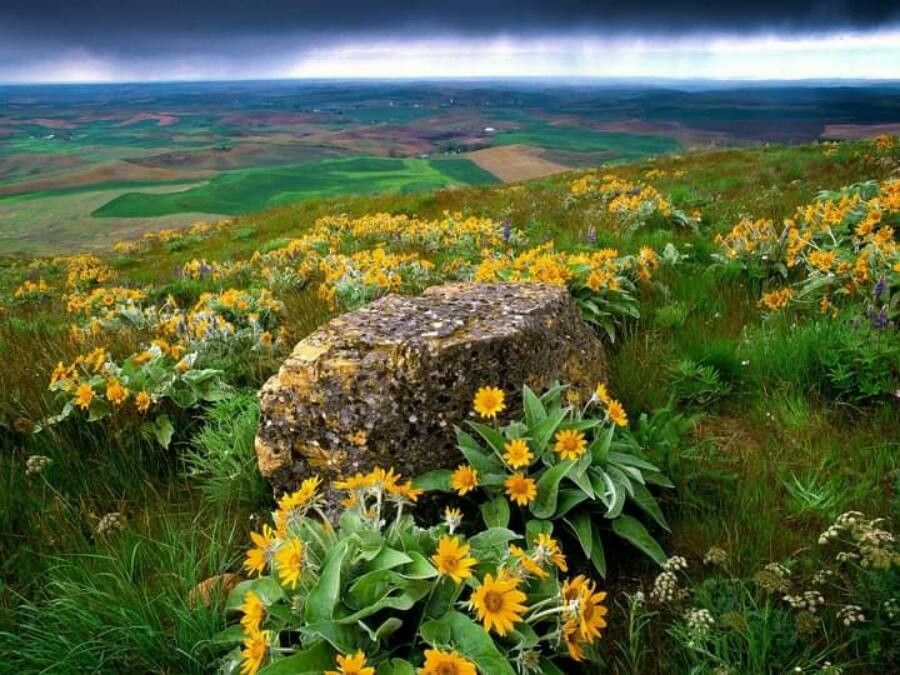
Helianthella castanea, commonly known as the chestnut sunflower, is a perennial plant species belonging to the Asteraceae family. Native to North America, this plant is commonly found in meadows, prairies, and open woodlands. It can grow to a height of 1-2 meters and features a stout stem with numerous branches.
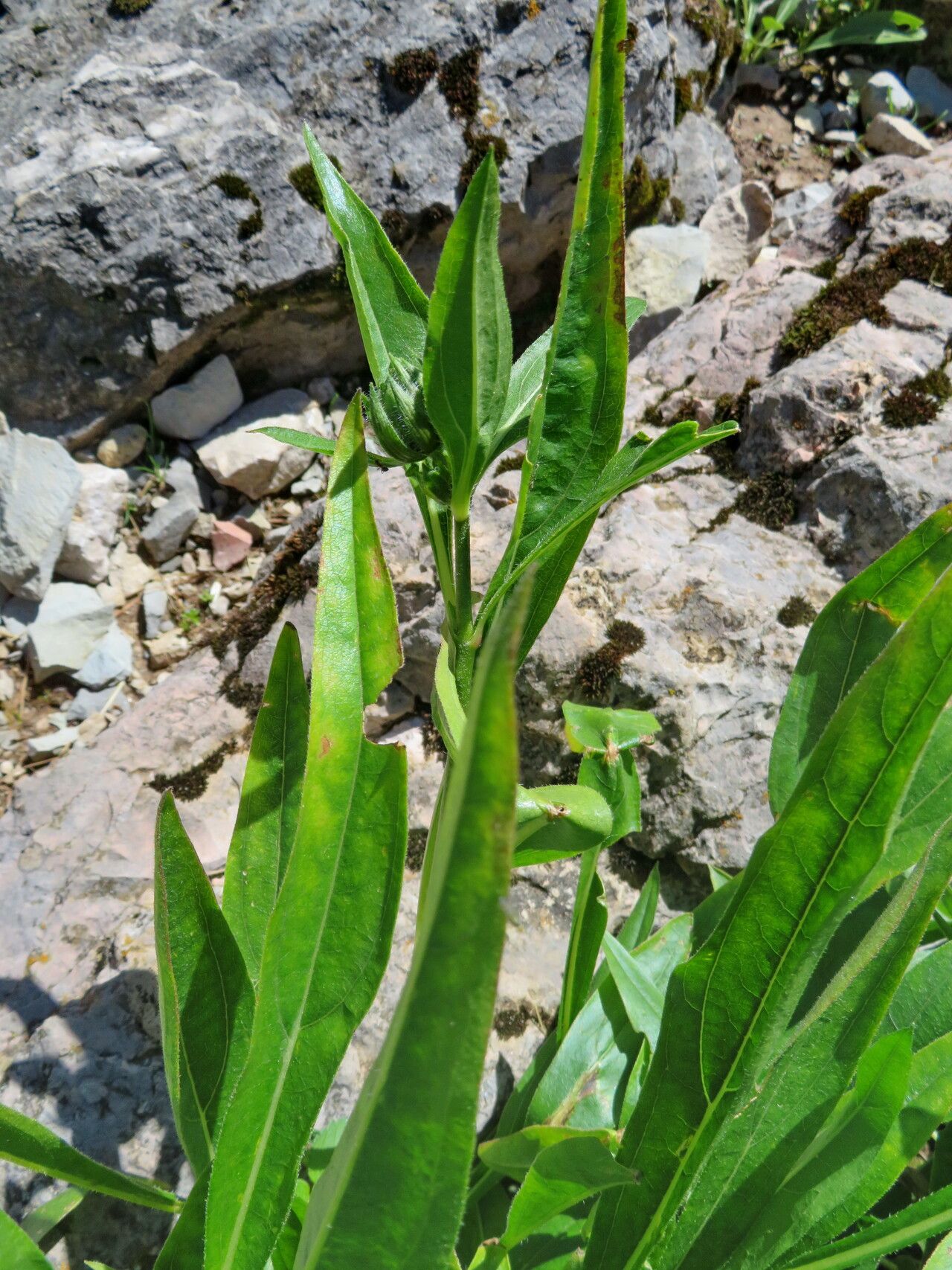
The leaves of Helianthella castanea are alternate, lance-shaped, and have serrated edges. Its flowers are yellow with brown centers, resembling chestnuts, which is the origin of its common name. Blooming from July to September, the flowers attract various pollinators, including bees, butterflies, and moths.
The chestnut sunflower is an important food source for wildlife, especially birds that feed on its seeds during the winter months. Additionally, it possesses medicinal properties and was traditionally used by Native Americans to treat various ailments, including respiratory problems.
Helianthella castanea requires full sun exposure but can tolerate partial shade in some areas. It prefers well-drained soils but can grow in a wide range of soil types, including sandy and clay soils.
Overall, Helianthella castanea is an attractive plant species that provides ecological benefits and has cultural significance due to its traditional medicinal uses by Native Americans. This makes it an essential part of North American flora and a focus of biodiversity conservation efforts today.
How to keep Helianthella Castanea.
Pruning
To encourage growth and maintain shape, it's beneficial to prune Mt. Diablo helianthella in early spring. Start by removing any dead stems, which will improve the plant's health and help prevent disease, as clean cuts are less prone to infection. After the plant has finished flowering, additional pruning can promote more blooms in the future. By evaluating your pruning practices each year, you can ensure that Mt. Diablo helianthella remains an attractive and robust addition to native landscapes.
Botanical profile.
- Plant Type
- Herb
- Genus
- Helianthella
- Family
- Asteraceae