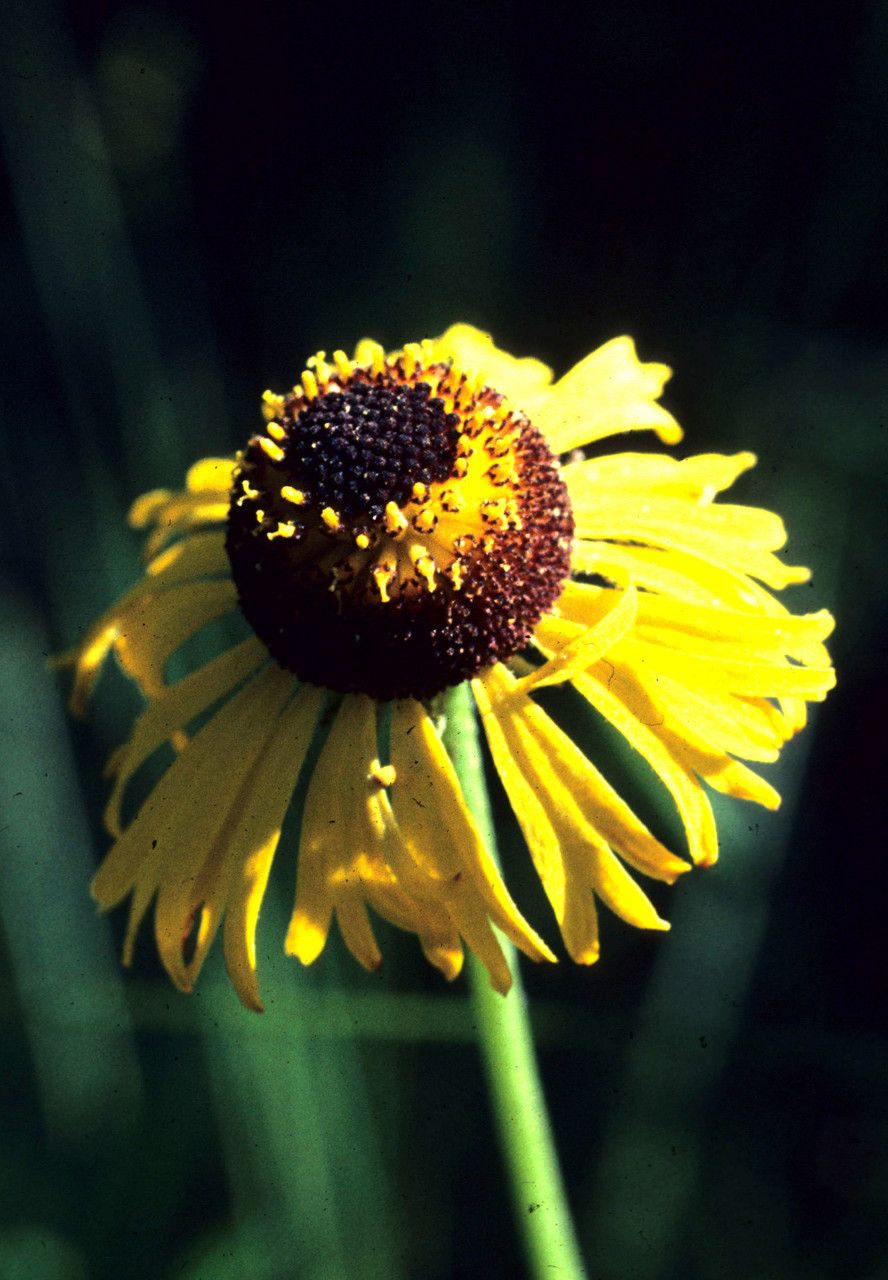
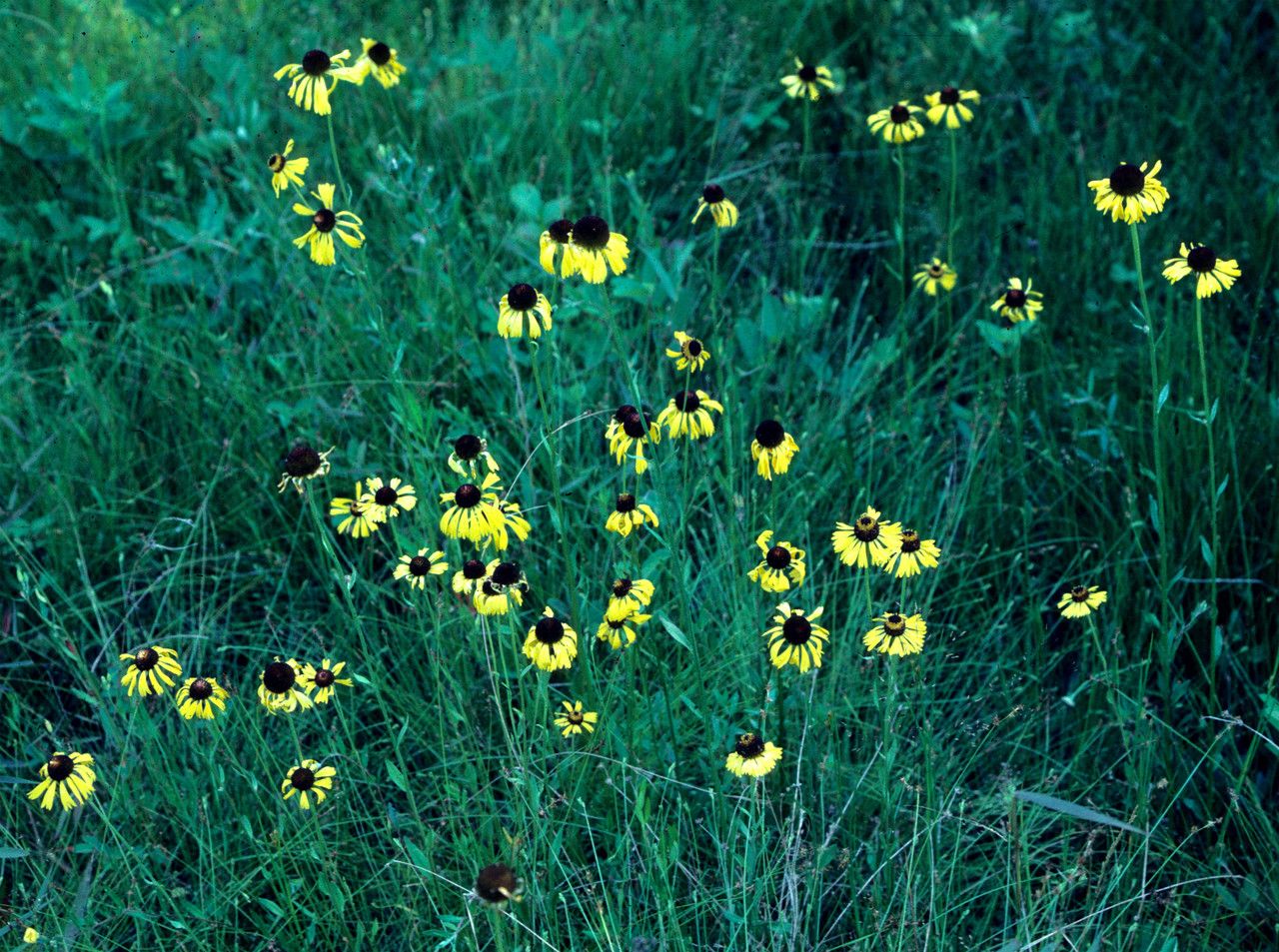
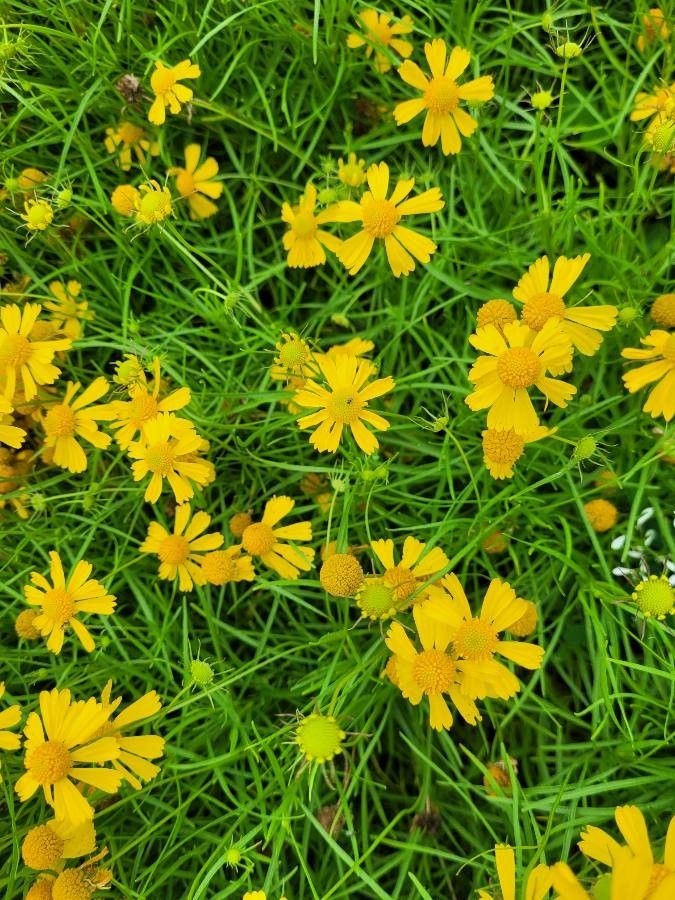
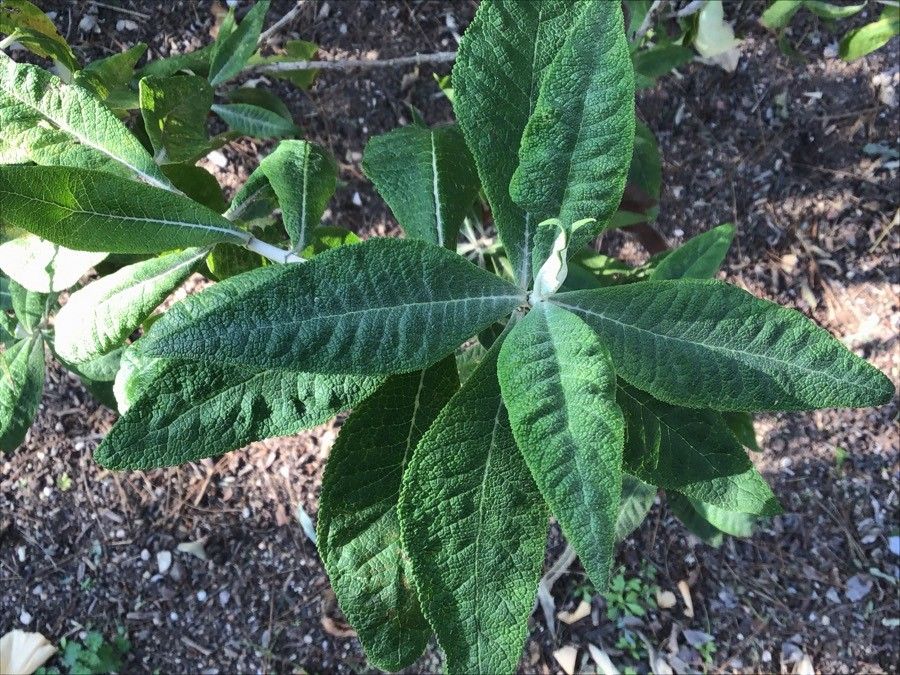
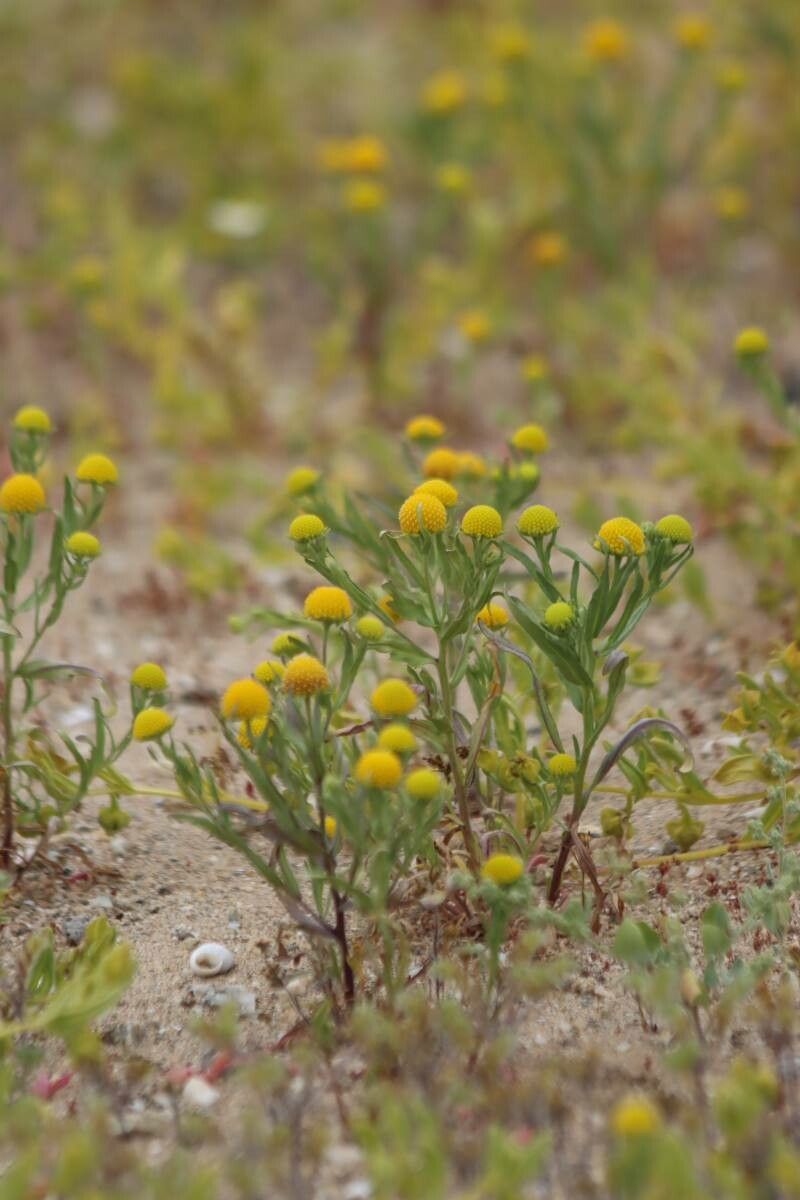
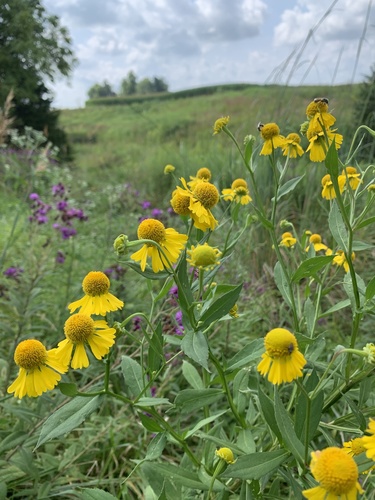
Helenium brevifolium is a North American perennial plant in the sunflower family, commonly known as shortleaf sneezeweed. It is native to the southeastern United States, from Virginia to eastern Louisiana and inland as far as Tennessee.Helenium brevifolium is an perennial herb up to 100 cm (40 inches) tall. One plant can produce as many as 10 flower heads, in branching arrays. The head is spherical or hemispherical, with sometimes as many as 800 disc florets, each floret yellow near the base but purple or brown or yellow towards the tip. There are also 9-24 yellow ray florets. The species grows in bogs, swamps, and other wet places.
Shortleaf sneezeweed is fairly resistant to disease and is generally not highly susceptible. However, it can be affected by pests and diseases present in its surroundings. These infections are typically mild. Care for this plant is moderate. It should be pruned regularly to preserve a neat appearance and encourage healthy growth. Fertilizing can also help boost flowering. Shortleaf sneezeweed is suitable for anyone with outdoor space, such as a garden or patio, and does not demand extensive plant-care experience. It may require more attention when grown indoors.
How to keep Helenium Brevifolium.
Light
Shortleaf sneezeweed is a perennial herbaceous plant that prefers sunny sites and comes from open habitats, frequently found in meadows and grasslands. It favors full sun but can also tolerate partial sun.
Water
Shortleaf sneezeweed naturally grows in moist environments and thrives with regular moisture, while also having a moderate tolerance for drought. For optimal health, it should be watered weekly. As a herbaceous perennial, it grows best outdoors, where it can take advantage of natural rainfall to optimize its growth and water absorption.
Temperature
Shortleaf sneezeweed can withstand a wide range of temperatures, but its distribution may still be restricted by different combinations of moisture and heat. It grows best in warm summer conditions with sufficient rainfall or watering. Long periods of cloudy, rainy weather, as well as prolonged high temperatures, can increase the chances of Shortleaf sneezeweed dying. In winter, adequate protection from the cold can boost the plant's survival rate.
Fertilizer
The best time to fertilize a Shortleaf sneezeweed is in early spring, when it is coming out of dormancy and starting active growth. Fertilization supplies essential nutrients for healthy development. Although Shortleaf sneezeweed has relatively modest fertilizer needs, an annual application can improve its survival and encourage better, longer-lasting blooms.
Pruning
Shortleaf sneezeweed showcases vibrant yellow blooms and should be pruned from early to late spring. To promote bushiness and manage its height, trim the spent flowers and cut the stems back by one-third. Removing dead stems encourages healthy growth and improves airflow, which helps prevent diseases and ensures a robust plant.
Botanical profile.
- Plant Type
- Herb
- Life Cycle
- Perennial
- Genus
- Helenium
- Family
- Asteraceae
- Hardiness Zone
- 4-8
- Mature Height
- 0.61 m to 1.22 m
- Mature Spread
- 30 cm to 61 cm
- Leaf Color
- Green, Dark Green
- Leaf Type
- Deciduous
- Flower Color
- Yellow, Orange
- Flower Size
- 3.05 cm to 5.08 cm
- Bloom Time
- Mid summer, Late summer, Early fall
- Planting Time
- Spring, Summer
- Harvest Time
- Early fall, Mid fall
Other names.