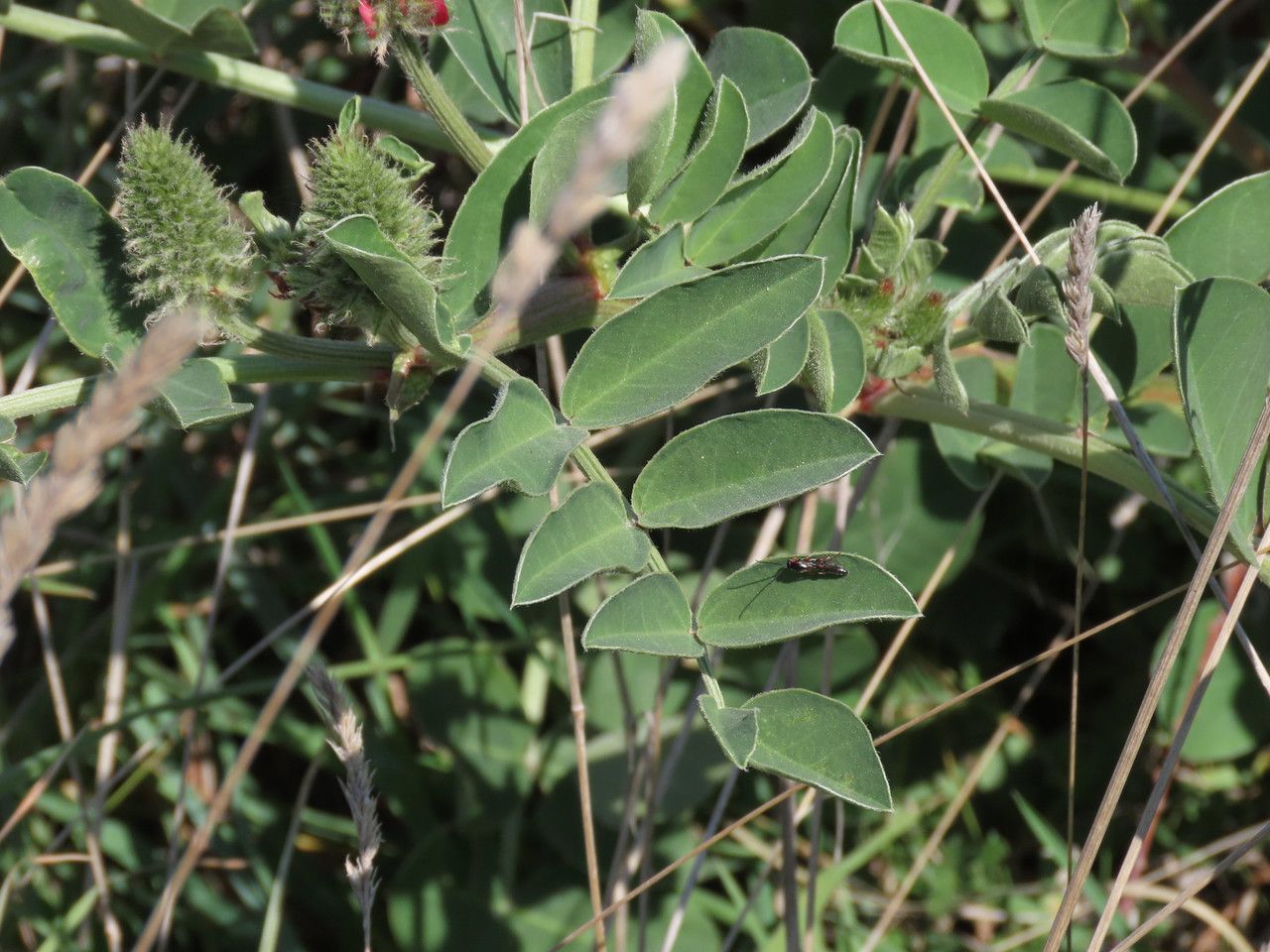
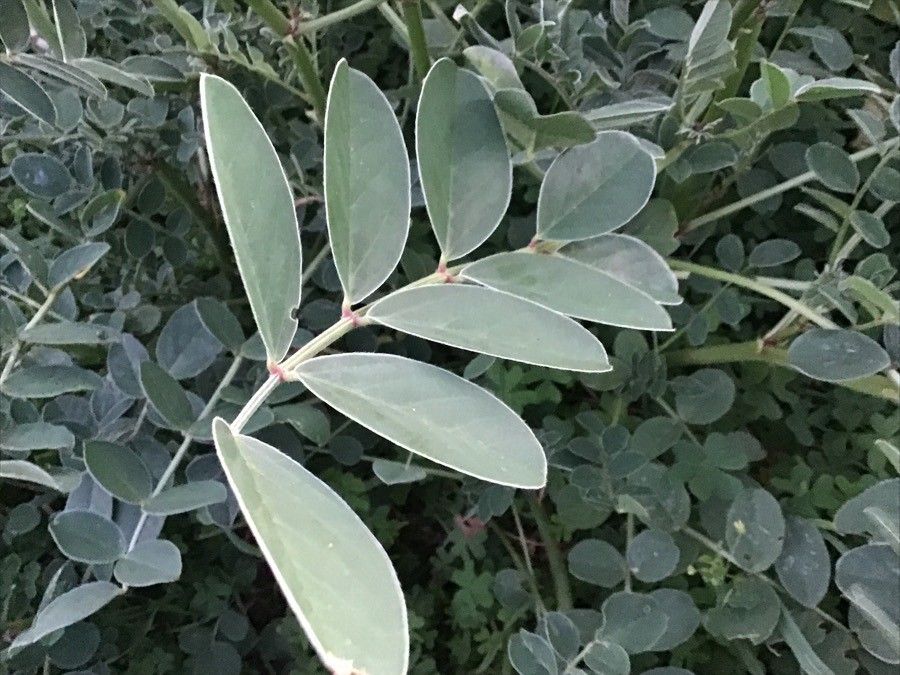
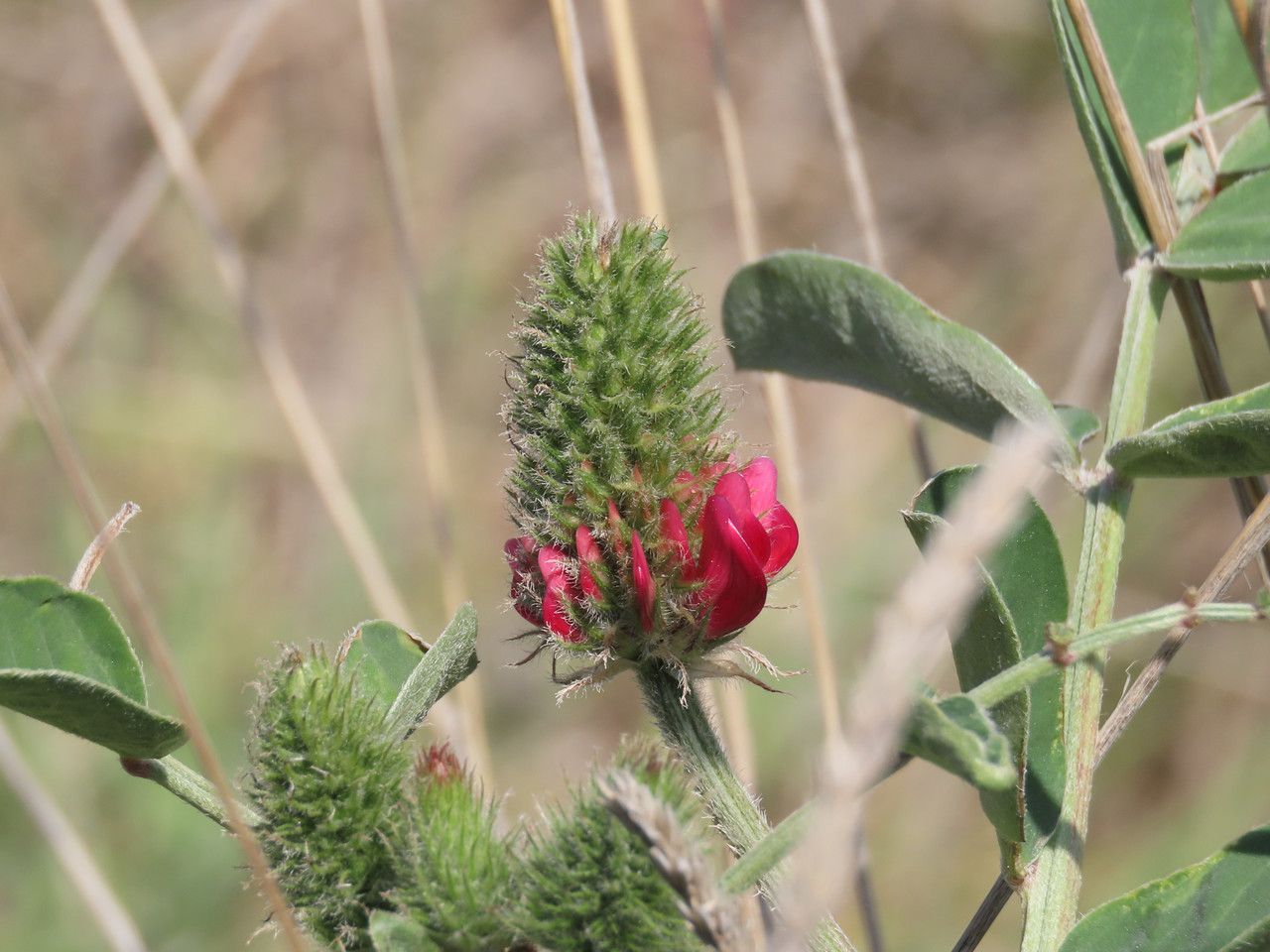
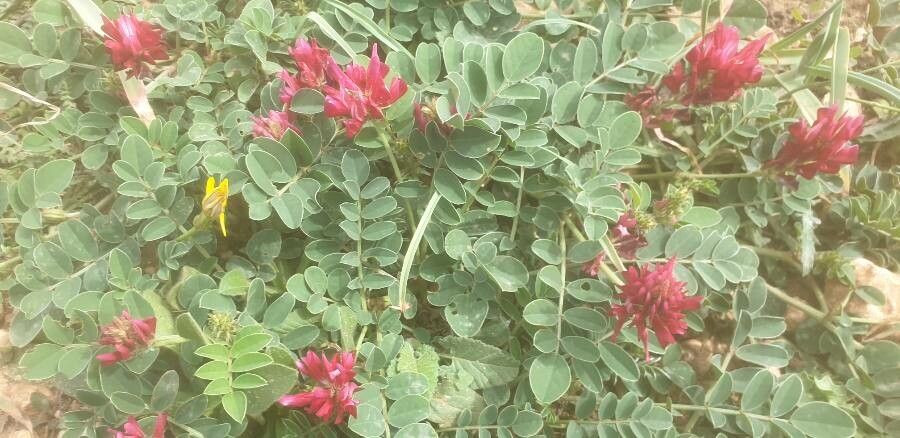
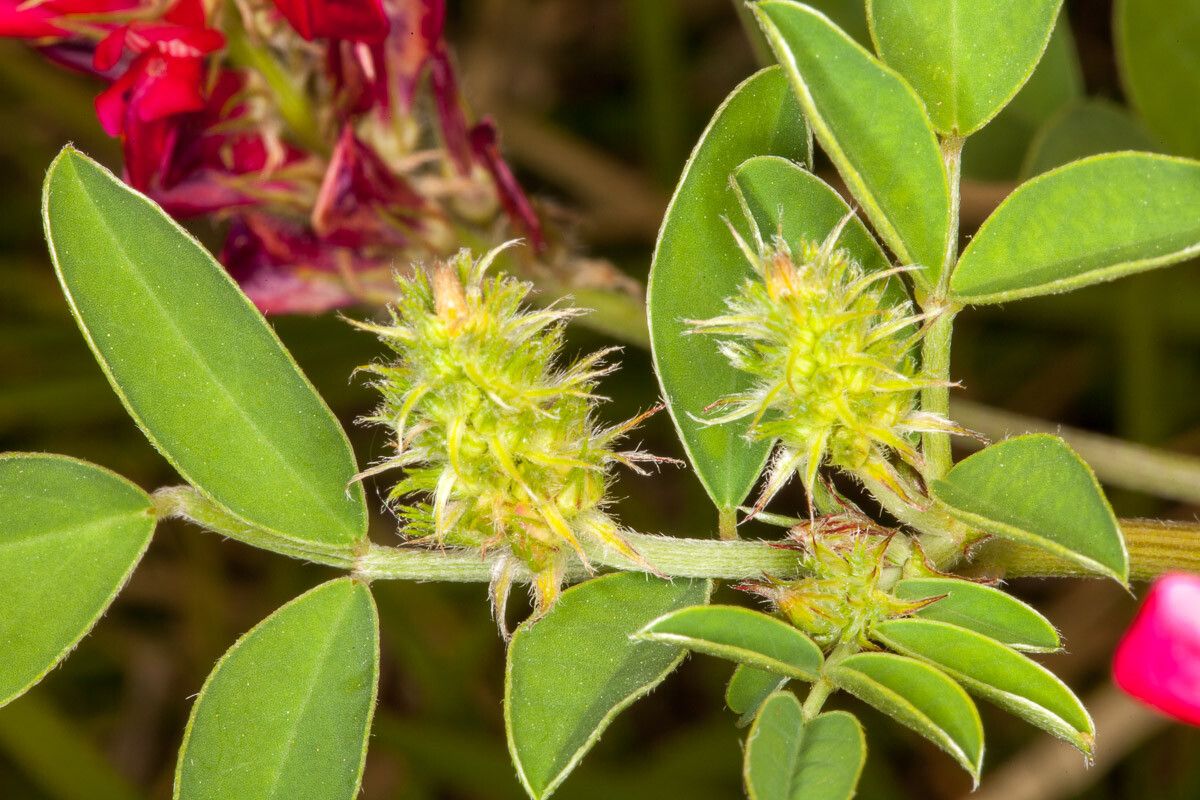
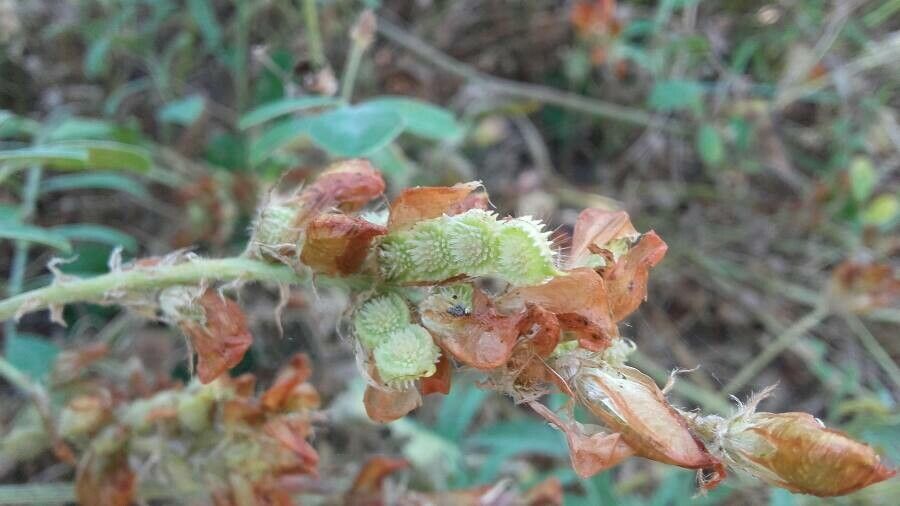
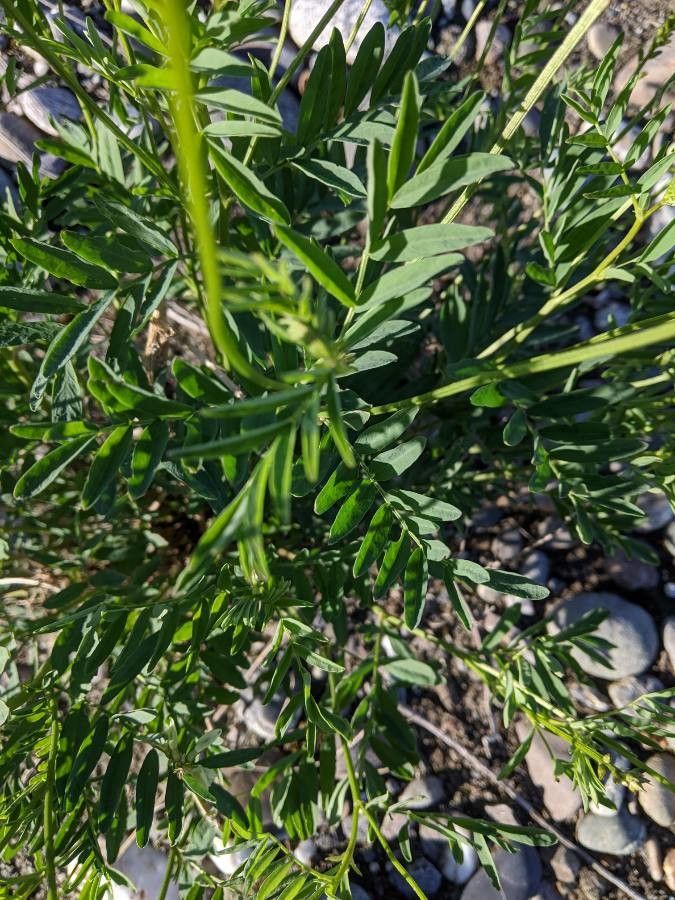
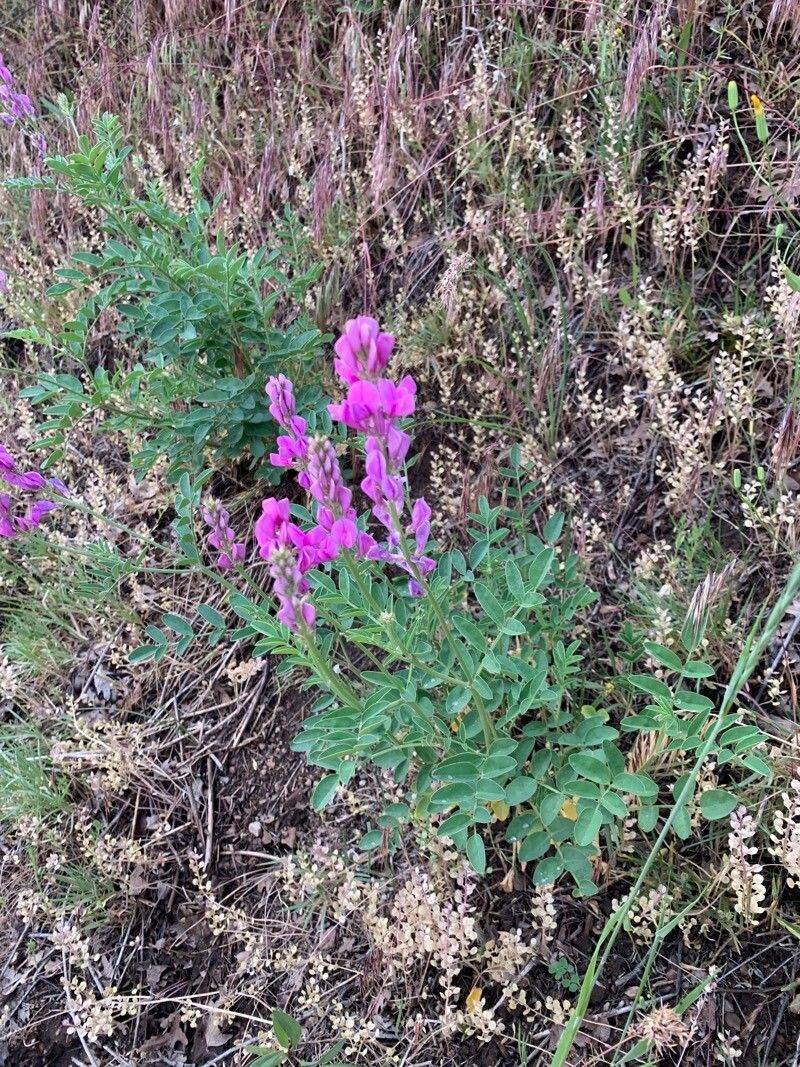
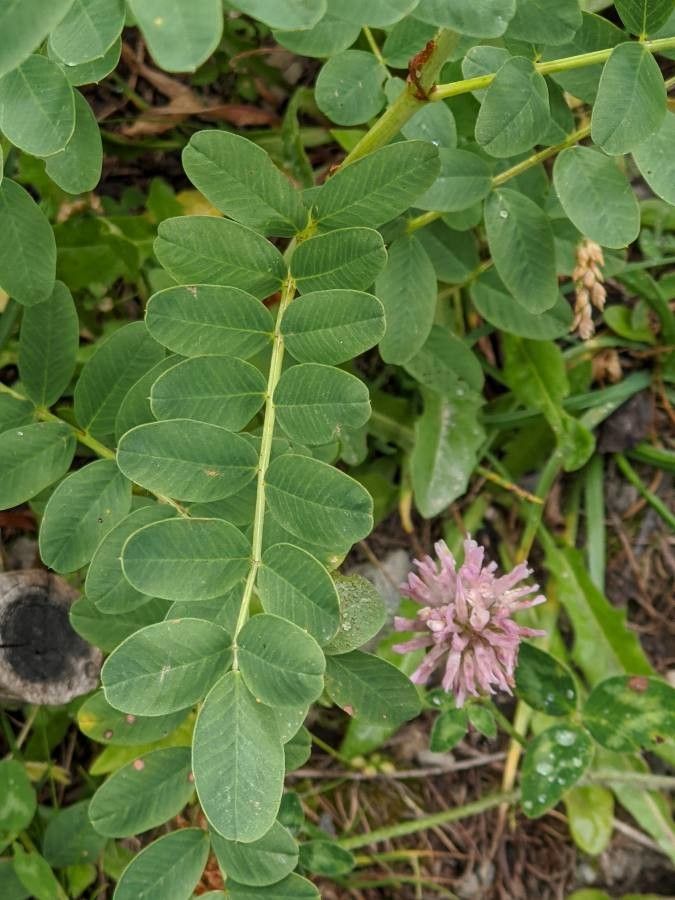
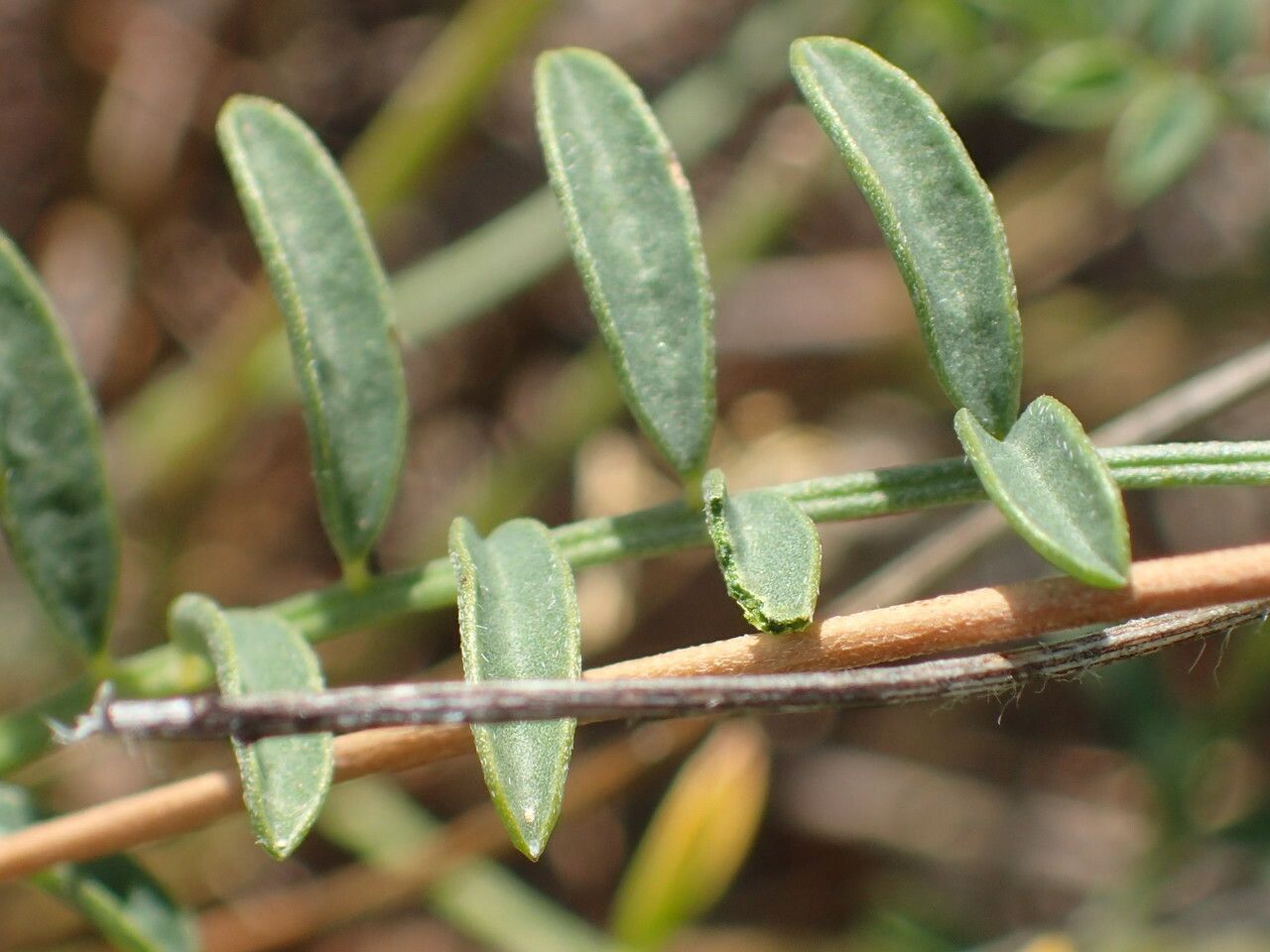
Hedysarum coronarium, commonly known as French honeysuckle or sweet vetch, is a perennial herbaceous plant belonging to the Fabaceae family. Native to the Mediterranean region, it has been widely cultivated in Europe and North Africa for its edible leaves and seeds.
The plant typically grows up to 1 meter in height and has a bushy habit, producing numerous stems covered with small green leaves. During the summer, it bears clusters of pink or purple flowers at the top of each stem.
French honeysuckle is commonly used as a forage crop for livestock because of its high protein content. Additionally, its seeds are edible and can serve as a substitute for lentils or chickpeas.
Hedysarum coronarium has a history of traditional use in herbal medicine due to its anti-inflammatory properties. Recently, it has also been studied for its potential as an alternative source of biofuel, thanks to its high oil content.
Overall, Hedysarum coronarium is a versatile plant with applications ranging from food production to medicinal uses and biofuel potential.
French honeysuckle is relatively disease-resistant and generally not prone to illnesses. However, it can be affected by pests and diseases that exist in its environment. Such infections are typically not serious. Regarding care, this plant needs moderate maintenance. It should be pruned regularly to keep a neat appearance and encourage healthy growth. Fertilizing can also help stimulate flowering. French honeysuckle is suitable for anyone who has outdoor space, like a garden or patio, and does not require extensive experience in plant care. It may need more attention when cultivated indoors.
How to keep Hedysarum Coronarium.
Light
The French honeysuckle flourishes with ample light, which supports its healthy growth and development. Originating from habitats where sunlight is unobstructed, it tolerates conditions without any light shade. However, inadequate light or exposure to excessively intense light can harm its growth.
Water
Originating from the Mediterranean, French honeysuckle thrives in environments with dry summers and wet winters. This plant is drought-tolerant and requires only moderate moisture. To keep it healthy, you should water it weekly; however, during the growing season, rainwater typically meets its moisture needs without being excessive.
Temperature
French honeysuckle is native to areas with mild temperatures, typically between 41 and 77 °F (5 to 25 °C). For best growth, try to keep indoor temperatures within this range, adjusting them as seasons change.
Fertilizer
The best time to fertilize a French honeysuckle is in early spring, when it is coming out of dormancy and starting active growth. Fertilization supplies essential nutrients for healthy growth. Although French honeysuckle has fairly low fertilizer requirements, applying fertilizer annually can improve its survival and encourage better, longer-lasting flowers.
Pruning
French honeysuckle is a perennial plant known for its vibrant red blooms that attract pollinators. To maintain its health and encourage bushy growth, prune the plant in early spring or late winter. During pruning, remove dead stems, thin out crowded branches, and trim back any leggy growth. This will improve air circulation and help prevent diseases. Be sure to use clean, sharp tools to minimize damage to the plant.
Botanical profile.
- Plant Type
- Herb
- Life Cycle
- Perennial
- Genus
- Hedysarum
- Family
- Leguminosae
- Hardiness Zone
- 4-6
- Mature Height
- 0.91 m to 1.22 m
- Mature Spread
- 61 cm
- Leaf Color
- Green, Blue, Gray, Silver
- Leaf Type
- Evergreen, Deciduous
- Flower Color
- Red, Purple
- Flower Size
- 1.02 cm to 1.52 cm
- Bloom Time
- Late spring, Early summer, Mid summer
- Planting Time
- Spring, Summer
- Harvest Time
- Mid summer, Late summer, Early fall
Other names.
Reader questions.
How should I water my French honeysuckle?
To properly water the French honeysuckle, follow these guidelines: 1. Use filtered water at room temperature. Tap water may contain harmful particles that can affect the plant's health. 2. Keep the water at room temperature or slightly warmer. The French honeysuckle is accustomed to warm environments and cold water can be a shock to its system. 3. Avoid overhead watering. This can lead to issues with the foliage. Instead, focus on watering the soil directly. 4. Apply the filtered, room temperature water to the soil until it is completely soaked. This helps moisten the roots and promotes nutrient absorption. 5. Soaking the soil is beneficial as it allows the roots to spread and collect the necessary nutrients for the plant's overall health.
Why should I put fertilizer on my French honeysuckle plant?
Fertilization is important for the French honeysuckle because it provides essential nutrients for its growth both above and below ground. While the fertilization needs of the French honeysuckle are relatively low, annual fertilization can greatly benefit the plant. It can help the plant survive and promote the production of long-lasting, beautiful flowers. Therefore, those wanting their French honeysuckle to look its best should regularly fertilize it.
What are the sunlight requirements for French honeysuckle?
French honeysuckle requires above 6 hours of sunlight daily to thrive. Observing the movement of sunlight through your garden can help in choosing spots that offer the right balance of light and shade, ensuring the plant's growth and happiness. This plant thrives in environments with unhindered sun exposure, contributing to its growth and development. It can endure conditions without light shade, but insufficient light or exposure to overly intense light may negatively affect its growth.
What temperature is best for French honeysuckle?
The French honeysuckle thrives in cooler weather and has a specific temperature range for optimal growth. Keeping the temperature between 65-75℉ (18-25℃) is best for its health. Although the French honeysuckle can tolerate higher and lower temperatures, it's recommended to maintain a temperature within a few degrees of 65-75℉ (18-25℃). If the precise range cannot be achieved, the plant will still continue to grow, but it may experience damage or reduced growth. The upper range is around 75-85℉ (25-30℃), while the lower range can tolerate temperatures as low as 5℉ (-15℃). However, it's important to note that the higher temperature range is crucial for the French honeysuckle's preference for cooler environments. Allowing the temperature to exceed the upper limit can slow growth, and temperatures above 85℉ (30℃) may lead to the plant's death.
What should I do if I give my French honeysuckle too much water or too little water?
Overwatering is a common issue that can harm your French honeysuckle. It causes wilting, yellowing leaves, and can even lead to diseases such as root rot, mold, and mildew. Underwatering is less common, but still possible. It can make the leaves brittle and brown. It's important to notice signs of overwatering early, as some diseases may be irreversible if you wait too long. Reduce watering immediately if you see signs of overwatering and check the soil's drainage. If it drains poorly, replace it with a well-draining potting mix. If you notice signs of underwatering, simply water the plant more regularly until the signs go away.
When should I fertilize my French honeysuckle?
The best time to fertilize a French honeysuckle is in late winter or early spring when the plant is transitioning from its dormant phase to a phase of active growth. Fertilizing at this time promotes healthy growth and helps the plant thrive during the season. Fertilizing in the early spring is generally most beneficial, but it is also acceptable to fertilize in the fall. However, it is not recommended to fertilize in the summer or winter.
How can artificial lighting benefit indoor French honeysuckle plants?
Artificial lighting is essential for indoor French honeysuckle, especially when natural sunlight is insufficient, like in winter or less sunny spaces. Adequate lighting promotes healthier and faster growth. LED lights are popular for providing specific wavelengths needed by plants. For full sun plants, 30-50W/sq ft of artificial light is ideal; partial sun plants require 20-30W/sq ft, and full shade plants need 10-20W/sq ft. The light source should be placed 12-36 inches above the plant to mimic natural sunlight, and most plants benefit from 8-12 hours of light per day.
Does French honeysuckle need different temperatures for different stages of growth?
To ensure the healthy growth of French honeysuckle, it is crucial to maintain a temperature range of 65-75℉ (18-25℃) in the growing space. It is best to stay towards the colder end of this range but avoid going below -5℉ (-20℃). While extremely cold temperatures can impede growth at any stage, they are not as harmful as excessively hot temperatures. If temperatures are too high during the budding stage, French honeysuckle may fail to flower altogether.
How many times should I water my French honeysuckle?
If your French honeysuckle is in a pot, the most precise way to check if it needs water is to put your finger in the soil. If the top two to three inches of soil are dry, it's time to water it. If you have French honeysuckle planted outdoors, you can use the same method. When the top few inches of soil are dry, it's time to water. Typically, during spring and early fall, watering once a week is sufficient. However, when it's very hot, you may need to water twice a week or even more. It's worth noting that mature, well-established French honeysuckle can handle drought quite well.
When is it not a good time to fertilize my French honeysuckle?
To properly care for your French honeysuckle, fertilization should only occur during late winter and early spring. This plant's low fertilizer requirements make one annual feeding sufficient. Fertilizing during spring, summer, and fall can easily result in overfertilization and its associated complications. However, if you missed fertilizing in spring, it is acceptable to feed the plant in the fall. Additionally, refrain from fertilizing during the winter when the French honeysuckle is dormant and not actively growing.
What are the symptoms of insufficient light in French honeysuckle?
Insufficient light can cause various symptoms in French honeysuckle, including smaller new leaves compared to older ones, leggy or sparse growth, faster leaf drop, delayed or halted growth, lighter-colored new leaves, chlorosis (leaves turning yellow), sunscald, leaf curling, wilting, and leaf scorching. These symptoms indicate the plant's struggle with inadequate sunlight exposure.
Here are three ways to keep French honeysuckle from getting too hot.
Here are some tips for growing French honeysuckle indoors: Tip #1: Choose the coldest room: When growing French honeysuckle indoors, select the coldest room in your home. This room should be on the side of your house that doesn't get too hot during the day. However, it's important to ensure the room still receives a healthy amount of sunlight. While you want to protect the plants from the brightest and hottest part of the day, no sunlight at all can hinder their growth. Tip #2: Watch out for high temperatures: During the growing season (spring and early summer), French honeysuckle can struggle with high temperatures. These fluctuations can negatively affect the plant's growth and cause non-flowering buds. These buds may open partially or not at all, leading to a loss of aesthetic quality. To prevent this, maintain a temperature range of 65-75℉ (18-25℃) for optimal flowering. Tip #3: Beware of frost: While French honeysuckle can tolerate temperatures as low as -5℉ (-20℃), it cannot withstand significant frost. If exposed to the cold temperatures of late fall or winter, frost damage may occur. Signs of frost damage include wilting, discoloration, and eventually turning brown or black as the affected parts die. Unfortunately, any parts displaying these colors cannot be saved and need to be pruned to keep the plant alive.