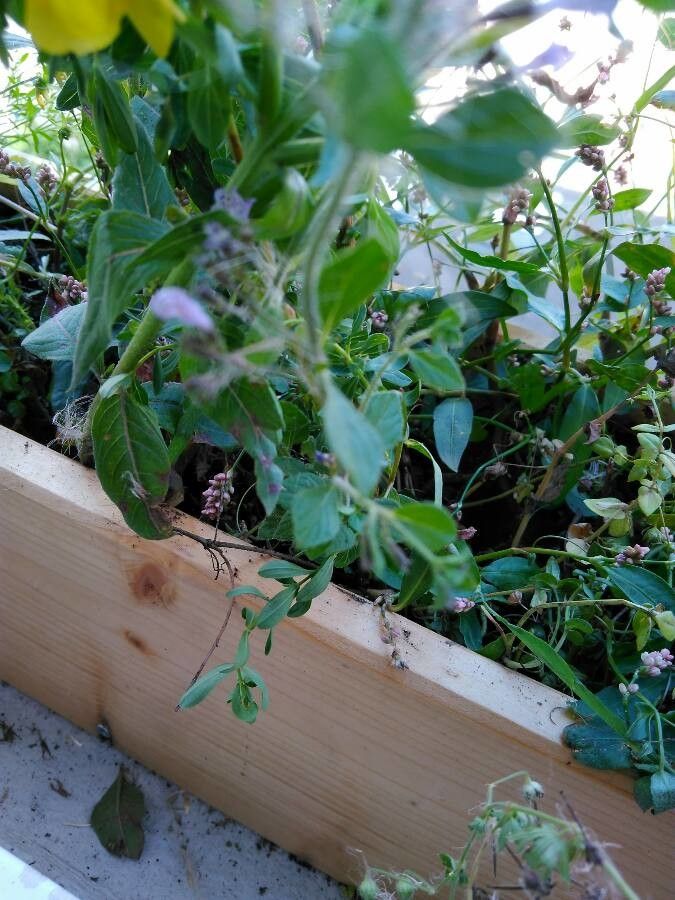
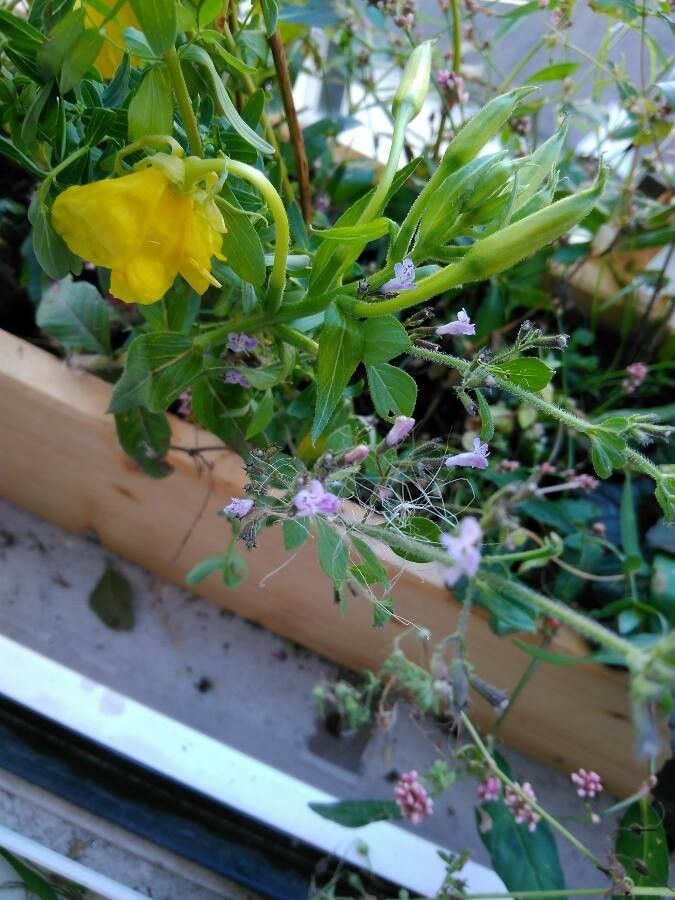
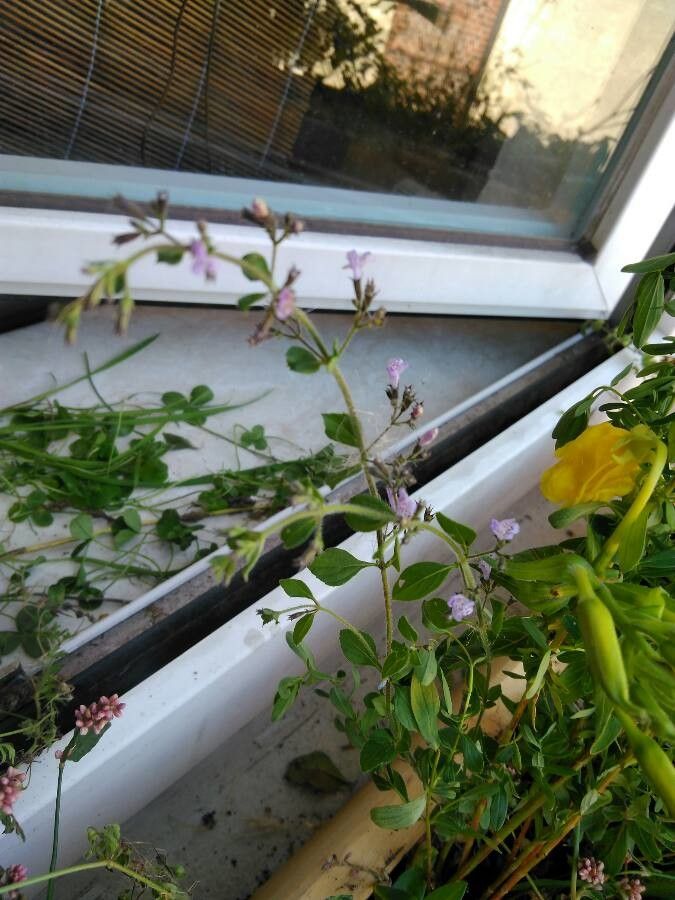
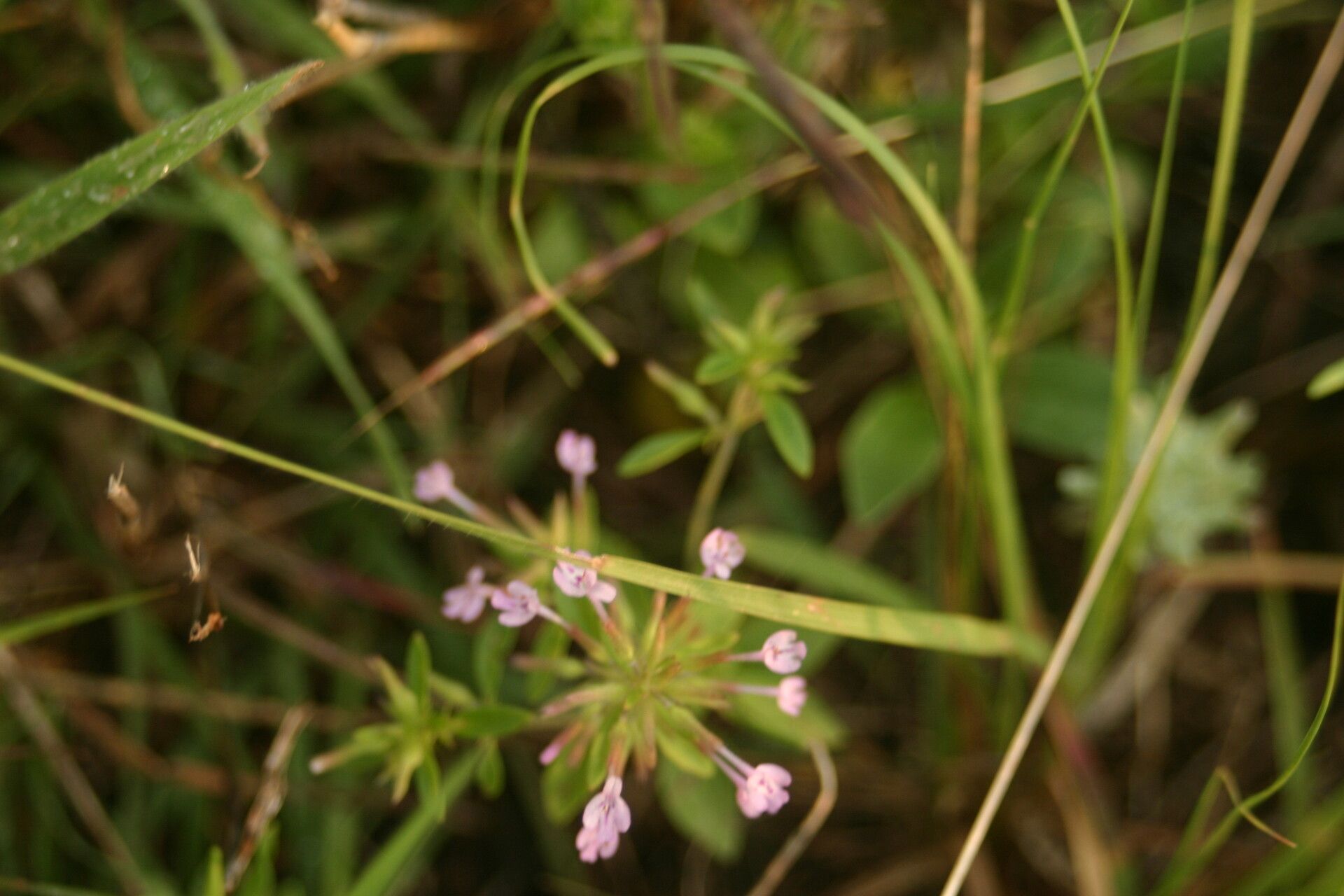
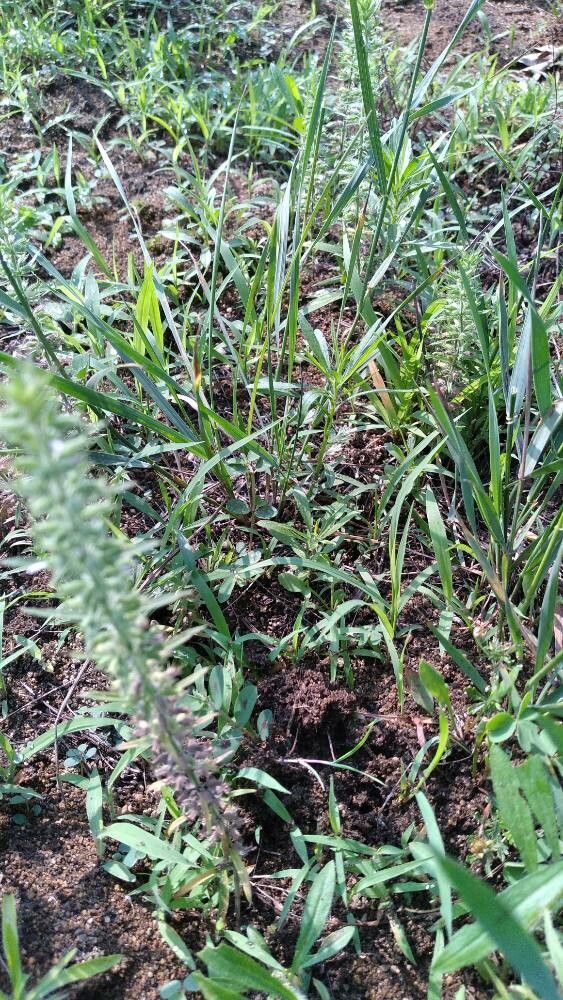
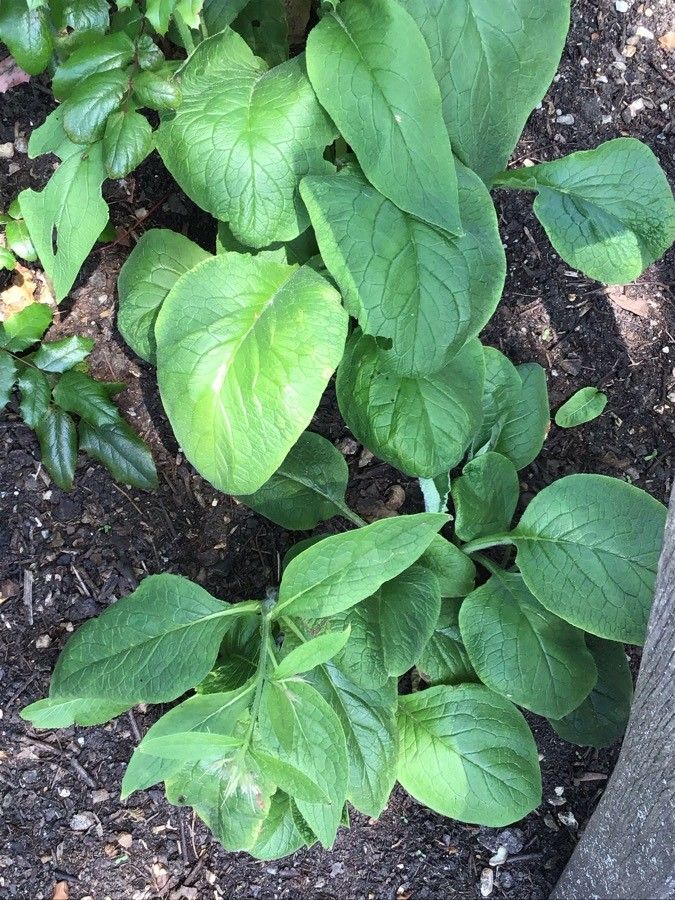
Hedeoma nana, commonly known as dwarf pennyroyal, is a small perennial herb that belongs to the mint family. Native to North America, it thrives in various habitats such as rocky slopes, prairies, and woodlands. The plant grows up to 15 cm tall and features small, oval-shaped leaves arranged in opposite pairs along its stem. When crushed, the leaves release an aromatic, minty scent.
From June to September, Hedeoma nana produces small purple flowers that bloom in clusters at the top of the stem. These flowers attract bees, butterflies, and other pollinators.
For centuries, Native Americans have used Hedeoma nana for its medicinal properties. It has been employed as a natural remedy for digestive issues such as bloating, gas, nausea, vomiting, and diarrhea; respiratory problems like coughs and colds; menstrual cramps; headaches; and even for fever reduction and insect bite relief.
Beyond its medicinal uses, Hedeoma nana is also valued in culinary applications. Fresh or dried leaves can be added to teas or soups, enhancing their flavor.
Overall, Hedeoma nana is a fascinating plant with both medicinal benefits and culinary uses. Its significance in North American flora underscores the importance of biodiversity conservation efforts today.
How to keep Hedeoma Nana.
Pruning
Dwarf false pennyroyal is a low-growing perennial plant known for its aromatic leaves and small flowers. To encourage bushier growth and more blooms, prune the plant in early spring by cutting back one-third of its size. Regularly remove spent flowers and any unhealthy stems to improve air circulation, reduce the risk of disease, and keep the plant healthy.
Botanical profile.
Other names.