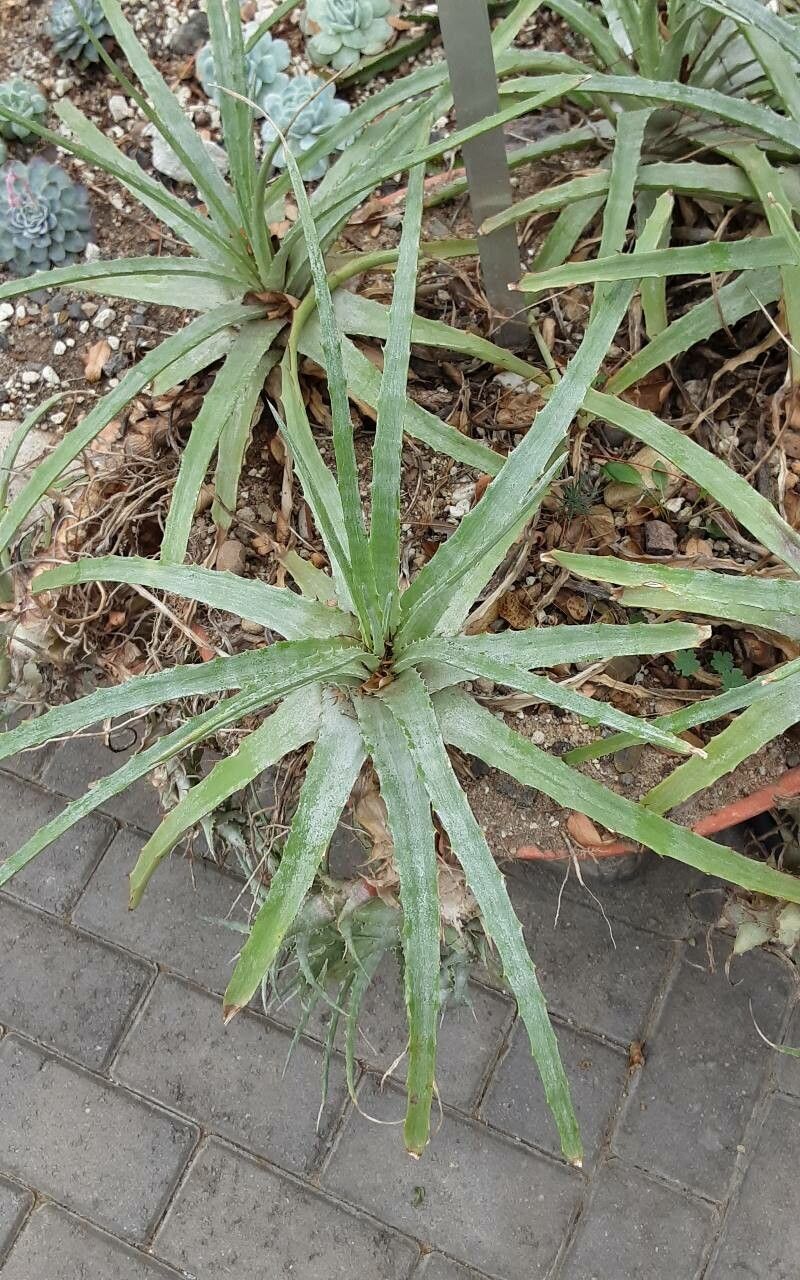
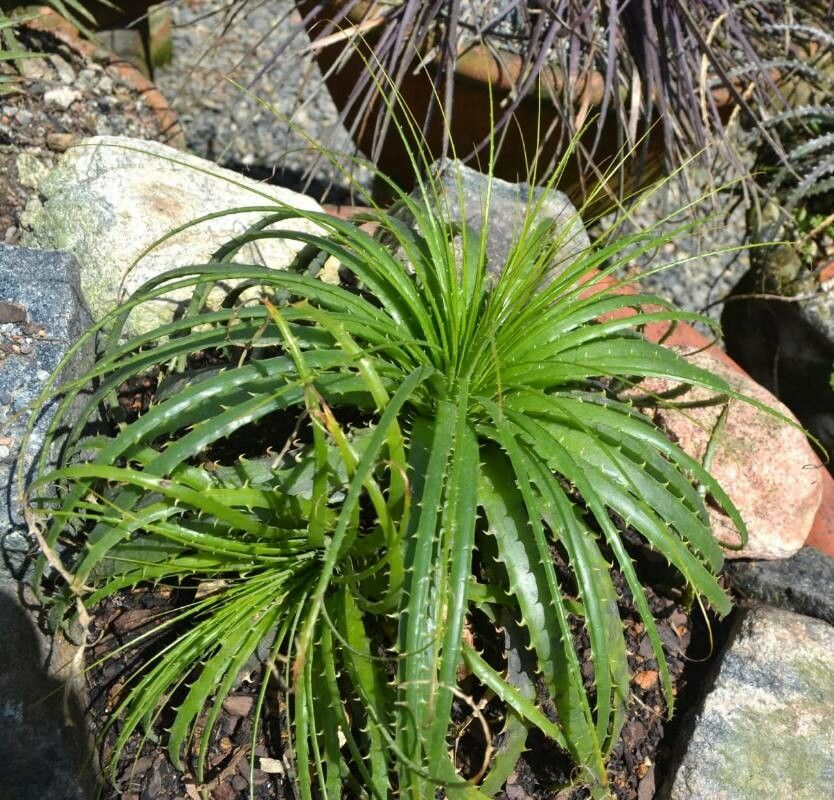
Hechtia texensis, commonly known as Texas false agave, is a species of bromeliad that is native to the Trans-Pecos of Texas in the United States and northeastern Mexico (Chihuahua, Coahuila, Zacatecas).
Texas false agave has moderate disease resistance but is more sensitive to humidity and overwatering. It also becomes more susceptible to disease when it lacks light and is overwatered. In terms of care, Texas false agave is drought-tolerant and can endure long periods without watering. It needs little fertilizer and only occasional pruning. This makes it suitable for people of all experience levels, especially those who prefer to spend less time on plant care and who may occasionally be away from home for long periods. It is a good option for people who do not want to devote a lot of time to caring for plants but still want one that is easy to maintain.
How to keep Hechtia Texensis.
Light
Texas false agave prospers in locations that receive abundant sunlight throughout the day. High light levels encourage healthy growth and vigorous development. Excessive exposure can cause leaf burn, while insufficient light may limit growth. It reflects the traits of its natural sunlit habitat, demonstrating resilience despite having no known tolerance for shaded conditions.
Water
Originating from arid regions, the Texas false agave thrives with minimal moisture and boasts high drought tolerance. To mimic its natural dry environment, water the Texas false agave every 2-3 weeks. Indoors, it prefers drier air and retains its foliage year-round due to its remarkable water retention capabilities.
Temperature
Texas false agave is native to areas where temperatures range from 59 to 100 °F (15 to 38 ℃). It favors a temperate climate and is most comfortable within that span. Seasonal changes may require adjustments to keep the temperature appropriate.
Fertilizer
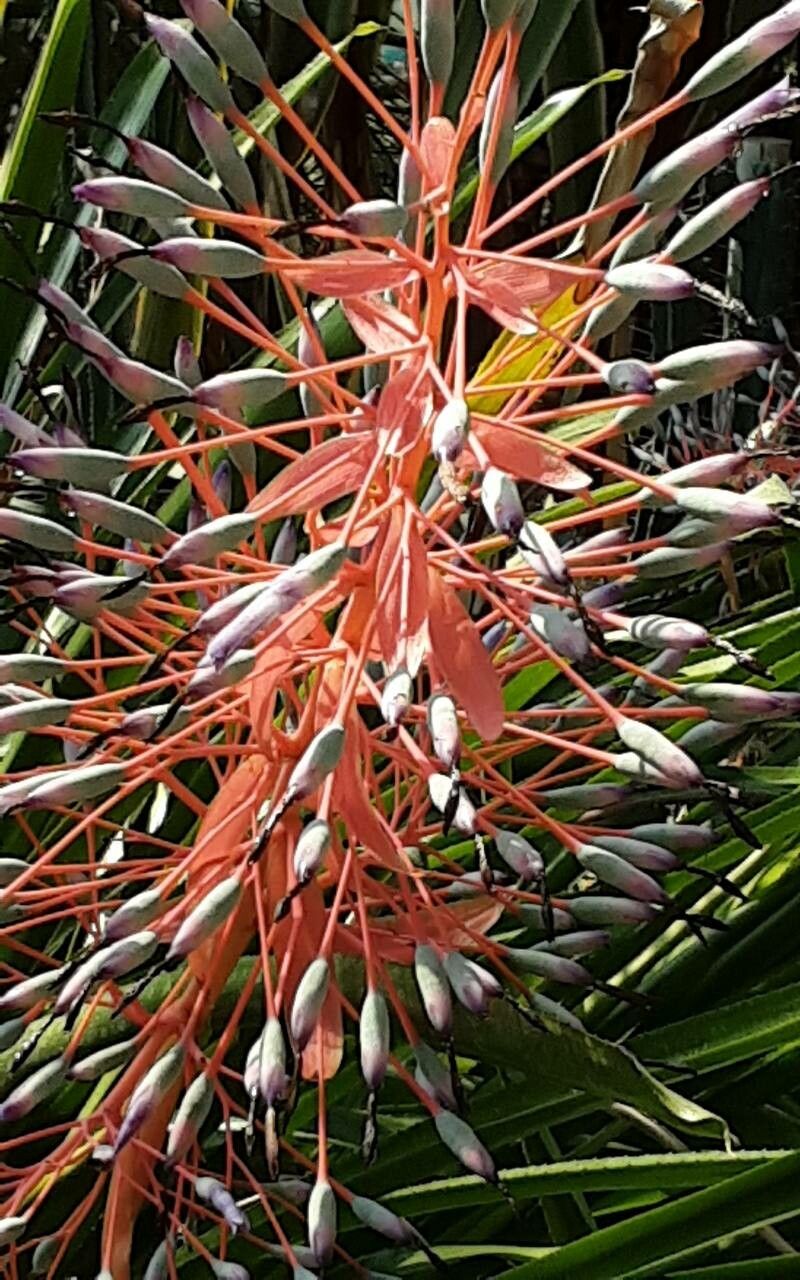
Apply light doses of fertilizer once or twice a year during the growing season for Texas false agave. Do not fertilize in winter or summer when the plant is dormant. Reduce fertilizer for repotted plants and wait a couple of months after repotting before fertilizing. Fertilizing supports healthy growth and encourages blooms.
Pruning
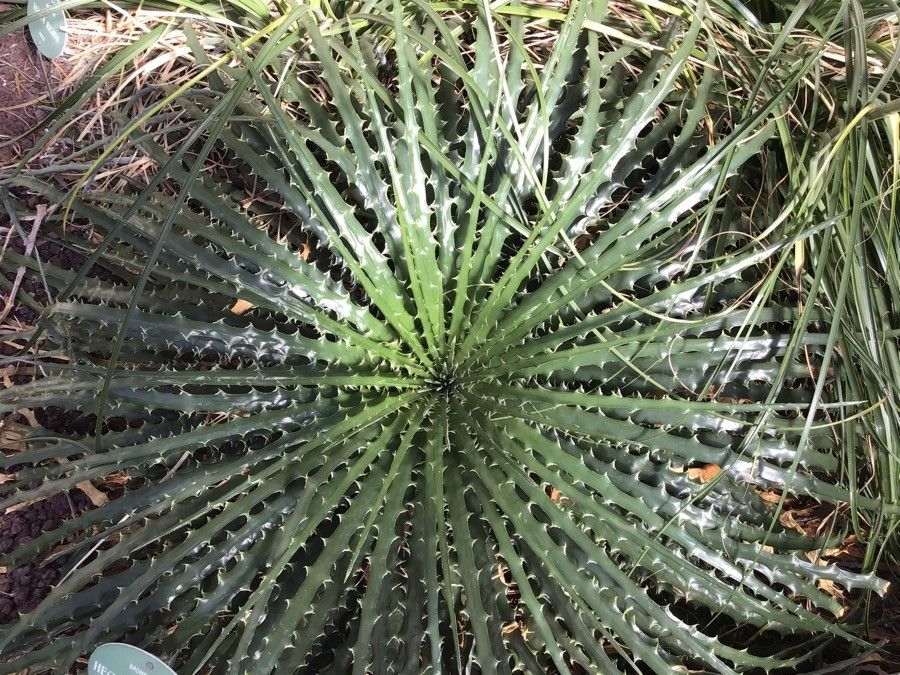
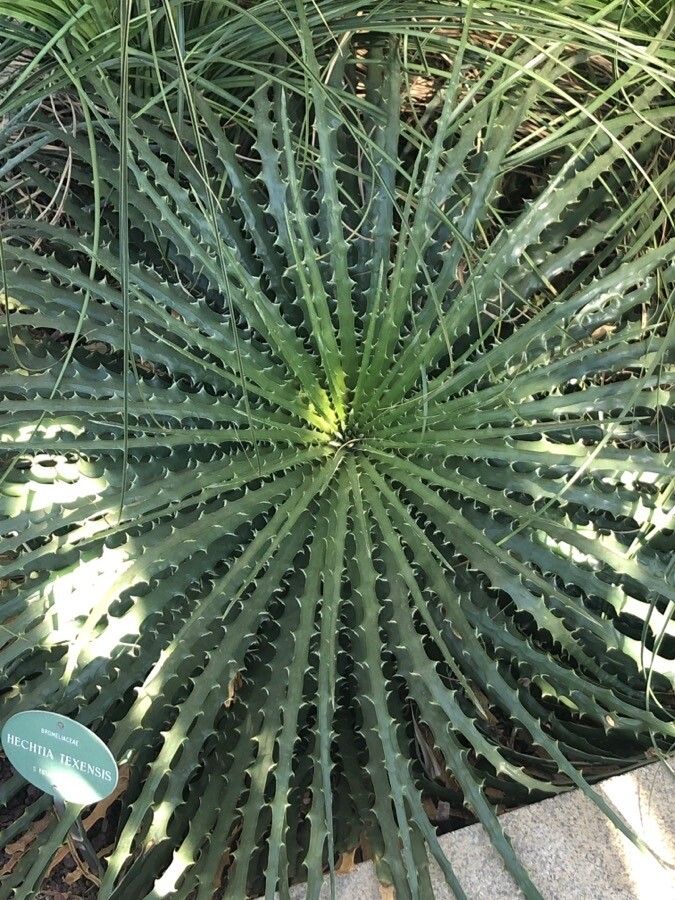
The Texas false agave is characterized by its rosette shape and spiny leaves, and it requires minimal pruning. Focus primarily on removing dead or damaged foliage in early spring. To enhance airflow and aesthetics, also remove spent flower stalks and unattractive leaves. Regular monitoring helps prevent diseases and promotes vigorous growth.
Botanical profile.
- Plant Type
- Herb
- Life Cycle
- Perennial
- Genus
- Hechtia
- Family
- Bromeliaceae
- Hardiness Zone
- 8-11
- Mature Height
- 30 cm to 61 cm
- Mature Spread
- 30 cm to 61 cm
- Leaf Color
- Light Green, Gray
- Leaf Type
- Evergreen
- Flower Color
- Yellow
- Flower Size
- 0.51 cm to 1.02 cm
- Bloom Time
- Mid spring, Late spring
- Planting Time
- Spring, Summer
- Harvest Time
- Early summer, Mid summer
- Native Area
- Mexico
Other names.
Reader questions.
How should I water Texas false agave in the best way?
To produce a healthy Texas false agave, there are two methods you can follow. Firstly, placing a saucer under the potted plant will prevent the roots from sitting in excess water and provide consistent humidity. This setup also allows for water evaporation. Another approach is the soak and dry method. By mimicking the plant's natural habitat of rocky cliffs and crevices, this method encourages the development of a healthy root system that can withstand drought. Just like in their natural environment where they experience heavy rain and flash floods followed by weeks of dry spells, following this pattern can greatly benefit the Texas false agave.
What kind of sunlight does Texas false agave require?
Epiphytic Bromeliads, as jungle plants, can be found in various locations in the rainforest. Some grow on the forest floor and receive only dappled sunlight shining through the tall canopies, while others grow higher up on trees and are exposed to direct sunlight. It is important to know what kind of plant you have because the amount of sun affects their leaves. Generally, epiphytic bromeliads with more sun exposure have thicker, stiffer leaves, while those growing in the shade have thinner, more tender leaves. However, always check the specific needs of each species. For the Texas false agave, it is best to provide bright but mostly indirect light, such as from an east-facing window. Direct sunlight for prolonged periods can lead to sunburn, so it's important to avoid this for all members of the plant family.
What temperature range is best for my Texas false agave?
Texas false agave tends to thrive in a specific range of temperatures. Although it can withstand temperatures as low as 50℉ (15℃), this plant prefers higher temperatures that resemble tropical and subtropical climates. As an epiphytic plant, the Texas false agave primarily relies on air humidity rather than groundwater for its water supply. Therefore, higher temperatures are more conducive to its growth. In order to maintain the preferred humidity level, temperatures over 75℉ (25℃) are ideal. Humidity is generated when water evaporates into warm air, so it is easier to maintain humidity at warmer temperatures. During the warmer months, it is important to avoid exposing these plants to cool drafts when running the air conditioner. The optimal temperature range for Texas false agave is between 75-90℉ (25-32℃), but it can tolerate cooler temperatures down to 50℉ (15℃).
What should I do if I give my Texas false agave too much or too little water?
Overwatering the Texas false agave can harm the plant in several ways. If the soil is constantly wet or the potting mix becomes waterlogged, root rot may develop. Overwatered plants often have yellowing leaves that feel mushy and soft. Drooping, wilting, and yellowing leaves are all signs of excessive watering and indicate that the plants are not receiving enough air. In severe cases, overwatering can lead to the death of the entire root system or even the entire plant. To prevent this, it is important to water the plants correctly and allow the soil to dry out between waterings. On the other hand, underwatering can also have negative effects on the plants. It can lead to stunted growth and a wilted appearance, but the plants can quickly recover once they are given enough water. To promote optimal growth, it is recommended to allow the plant to dry out between waterings. Some symptoms of underwatering include wilting, dead leaf tips, and slow growth. Sagging is a common sign of underwatering, indicating that the plant cells are losing their rigidity. Brown leaf tips can also occur and may eventually cause the entire leaf to die. Additionally, new leaves may exhibit slow growth and be smaller in size, lacking the bright green color of existing leaves.
What could occur if the Texas false agave doesn't get enough sunlight?
Inadequate lighting can have two consequences for Texas false agave. If they receive too much direct sunlight, especially if they are adapted to shady conditions, their leaves may initially appear bleached-out and paler than usual. Eventually, leaf scorching is almost certain to occur. On the other hand, if they do not receive enough sunlight, their foliage will lose its color and turn darker, especially in the case of variegated plants which may lose all their additional colors and turn solid green. Additionally, Texas false agave that do not receive enough sunlight according to their species' needs will grow poorly.
What happens to my Texas false agave when it gets really hot or really cold?
The Texas false agave is a plant that doesn't require a period of dormancy or cold temperatures to bloom and reproduce. It needs to be kept at ideal temperatures all year round. However, if the temperature drops below 50℉(15℃) or goes above 95℉(35℃), it can cause some damage to the plant. The severity of the damage depends on how long the plant was exposed to extreme temperatures, its genetic makeup, and its growth stage. If the temperature drops below 50℉(15℃), the leaves of the Texas false agave can get frostbite, which shows up as black spots or completely blackened leaves. This process may take a few days to become noticeable. The leaves will initially droop and then slowly change color. Saving the plant from this damage is not easy, but sometimes it can grow back over several months. On the other hand, if the Texas false agave is exposed to very high temperatures, it will simply wilt. If the leaves become too dry, they may not recover. However, if the exposure to heat wasn't prolonged, it may have no lasting effect on the plant. The Texas false agave can tolerate heat much better than cold temperatures.
How frequently do I need to water my Texas false agave?
The Texas false agave is a xerographic plant that can survive for weeks without water by going dormant. Unlike succulents, they do not store water in their leaves, so it's important to balance the moisture they receive to keep them happy. When watering, wait until you see that the container is dry but slightly moist. In the fall, watering is not necessary, especially if it's raining regularly. In winter, the plants go dormant and should not be watered. During their growing season in the spring, water deeply and thoroughly once every two weeks to encourage new leaves and growth. In the summer, water once a week when the weather gets hot and dry. Although these plants are drought tolerant, it is not ideal for their growth to go without water for a few weeks.
Does Texas false agave need specific amounts of sunlight at different stages of growth?
False agave, originally from tropical areas in Texas, thrives in consistent conditions and does not require seasonal fluctuations in light. Nevertheless, increasing the amount of light the plant receives can stimulate its blooming, which is highly sought after. However, blooming is not solely dependent on light levels; other factors like temperature and humidity must also be adequately met.
How can I make sure my Texas false agave stays warm?
To keep the Texas false agave warm, you don't necessarily need a heating pad or nearby heater, but if you have one, you can use it. Planting the agave in a terrarium helps maintain optimal temperatures by creating a micro-environment with higher humidity and temperature. If you live in a warm and dry region, you can place the agave near a warm window or exterior wall exposed to full sun, but avoid too much sunlight by using sheer curtains. In tropical or subtropical climates with temperatures between 55-90℉ (13-32℃), you can keep the agave outside year-round. However, if the temperature drops below this range, bring the plants indoors for the night or cover them with a thin cloth to prevent cold damage.
How much water does my Texas false agave plant need?
To help Texas false agave thrive, it requires moisture ranging from 5% to 24%. If you notice that the soil is dry, whether it's in the ground or a pot, make sure to water the plant enough until water starts to drip from the bottom of the pot. Avoid watering the soil until it becomes very dry inside the pot. It's important to note that these plants don't prefer excess water, so only provide a drink when they truly need it. In cases where Texas false agave is planted in the garden during hot weather, ensure to water them at least once a week. Keep in mind that they might be benefiting from natural moisture obtained from surrounding trees or from rainfall. If that's the case, only water the plants during weeks when the soil is significantly dry.
Are there any things to be careful about or any suggestions for sunlight and Texas false agave?
If you recently purchased a Texas false agave from a regular store, it has probably been living in low light for a while. Even if it's a species that thrives in sunlight, you shouldn't immediately expose it to direct, intense sunlight. Instead, you should gradually acclimate it to brighter, natural light. This process is known as "hardening." Begin by placing the plant in indirect window light and move it closer to the light source each day. After a few days, you can let the plant experience some direct morning light, but keep the exposure brief.
Advice for growing Texas false agave inside.
Temperature fluctuations can happen unexpectedly, especially when it comes to Texas false agave. One common way this happens is through windows. If you have your plant by a window, keep in mind that outside temperatures can impact the window's temperature and the amount of cold or hot air that reaches your plant. Air conditioning and heaters are another source of temperature fluctuations in our homes. We often overlook this, but direct drafts from air conditioners can make the Texas false agave much colder than it prefers. Additionally, heaters can quickly dry out the plant, causing the leaves to become hard and eventually wither away.