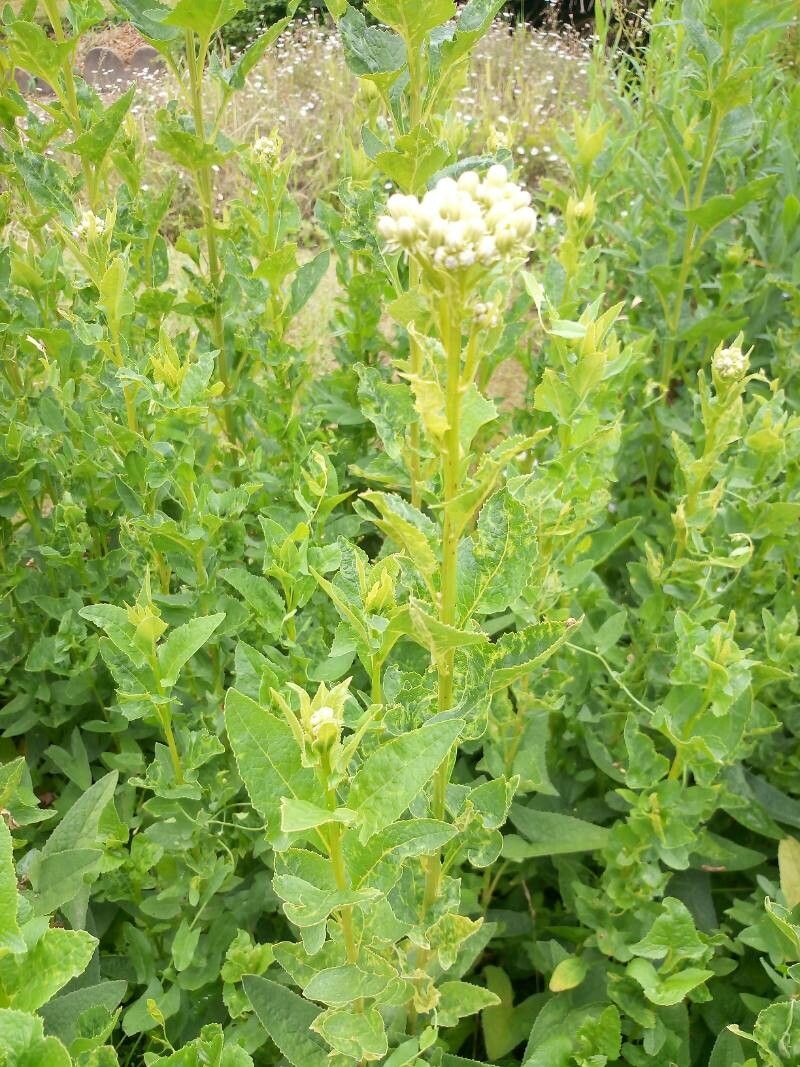
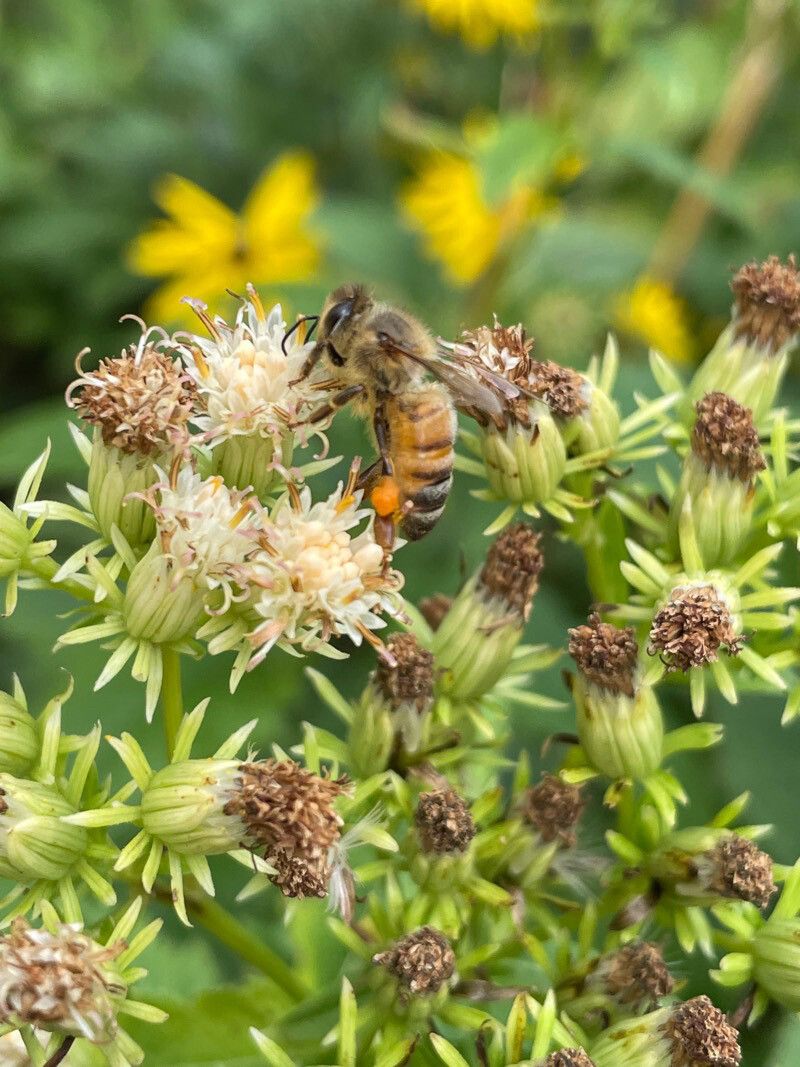
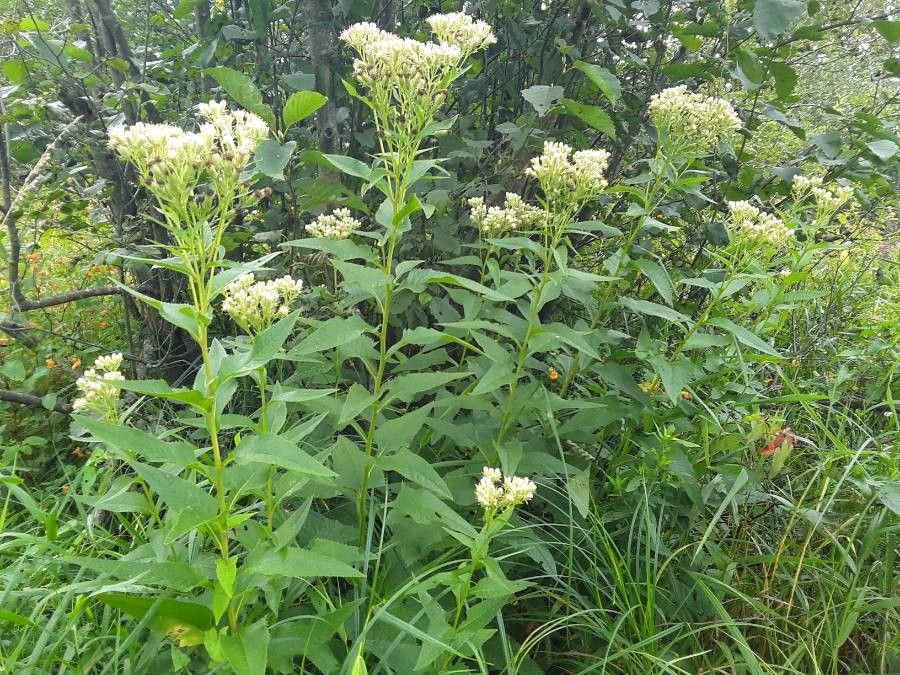
Hasteola suaveolens, known by the common names false Indian plantain and sweet scented Indian plantain, is a perennial forb native to the northeastern and north-central United States. It is found from Massachusetts south to Virginia and North Carolina, and west as far as Minnesota and Minnesota and Missouri.
Hasteola suaveolens displays good resistance to disease and is generally not likely to develop illnesses. Nevertheless, it can be affected by pests and diseases present in its surroundings. Such infections are usually mild. Regarding care, this plant requires moderate maintenance. Regular pruning is needed to maintain a neat appearance and support healthy growth. Fertilizing can also help stimulate flowering. Hasteola suaveolens is well suited for anyone with an outdoor area, like a garden or patio, and does not demand extensive experience in plant care. It may need more attention when kept indoors.
How to keep Hasteola Suaveolens.
Light
Hasteola suaveolens occurs naturally in habitats such as forest understories or rocky areas, where it is exposed to natural shade. It prefers partial sun but can tolerate full sun or full shade, illustrating its versatile and hardy nature.
Water
Hasteola suaveolens thrives in moist woodland environments, preferring consistent moisture without becoming waterlogged. Weekly watering helps support its growth. As an herbaceous perennial, Hasteola suaveolens has adapted to seasonal rainfall, which influences its growth cycles and water needs.
Temperature
Hasteola suaveolens can tolerate a wide range of temperatures, but its distribution may still be restricted by particular combinations of moisture and heat. It performs best in warm summer climates with sufficient rainfall or watering. Extended stretches of cloudy, rainy weather, as well as prolonged high temperatures, can increase the likelihood of Hasteola suaveolens dying. In winter, appropriate protection from cold can boost the plant's survival chances.
Fertilizer
A single fertilizer application in spring is generally enough for Hasteola suaveolens, although repeated feedings can boost growth. Feed once every month to a month and a half. Fertilization improves the leaves’ appearance and function, helping maintain even color and a healthy texture. It also encourages root growth and enhances nutrient uptake for the plant’s long-term health.
Pruning
Hasteola suaveolens features large, aromatic lobed leaves and tall stalks adorned with white to pale purple flowers. To maintain its shape, enhance growth, and remove dead parts, it's best to prune the plant from early to late spring. Be sure to use clean tools, as this helps improve air circulation and enhances the plant's aesthetic appeal.
Botanical profile.
- Plant Type
- Herb
- Life Cycle
- Perennial
- Genus
- Hasteola
- Family
- Asteraceae
- Hardiness Zone
- 4-8
- Mature Height
- 0.91 m to 1.52 m
- Mature Spread
- 49 cm to 91 cm
- Leaf Color
- Green
- Leaf Type
- Deciduous
- Flower Color
- White
- Flower Size
- 0.51 cm to 0.76 cm
- Bloom Time
- Late summer, Early fall
- Planting Time
- Spring
- Harvest Time
- Early fall, Mid fall
Other names.