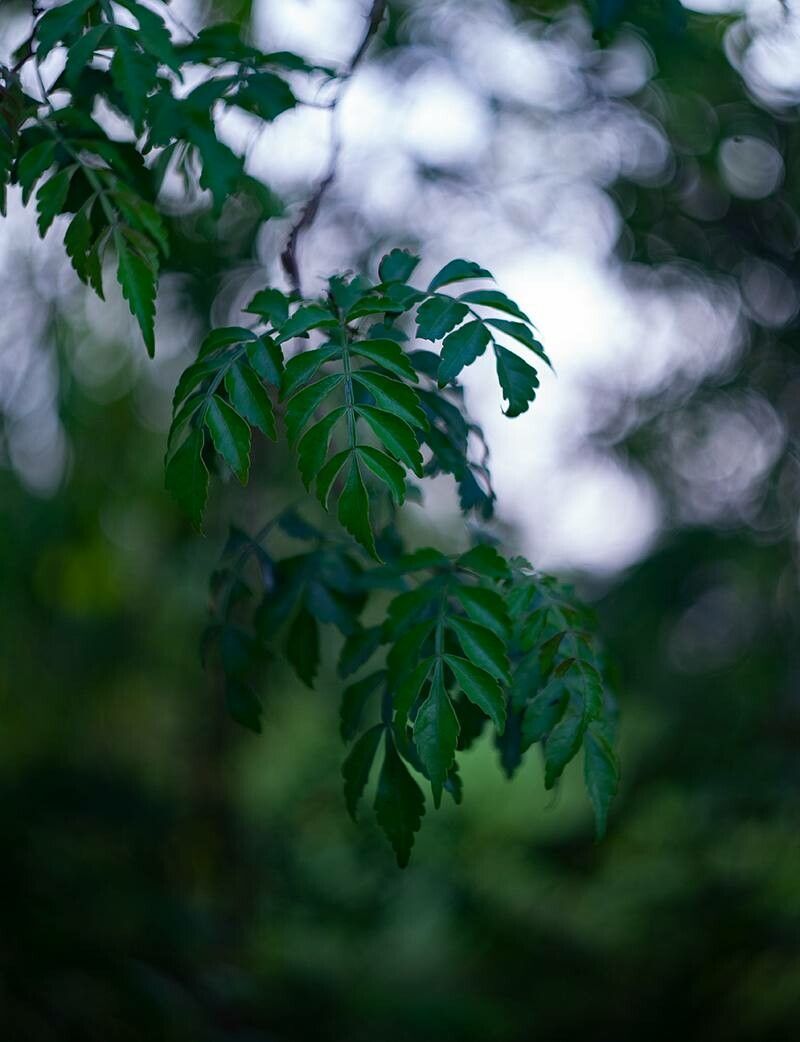
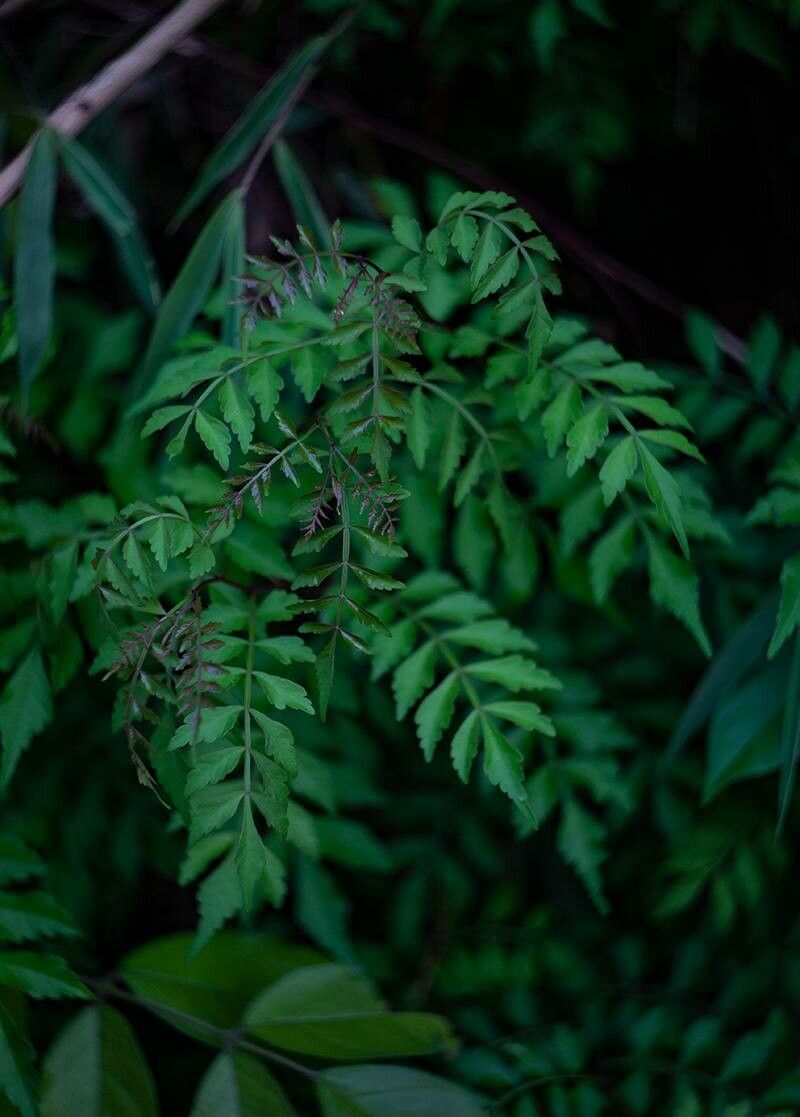
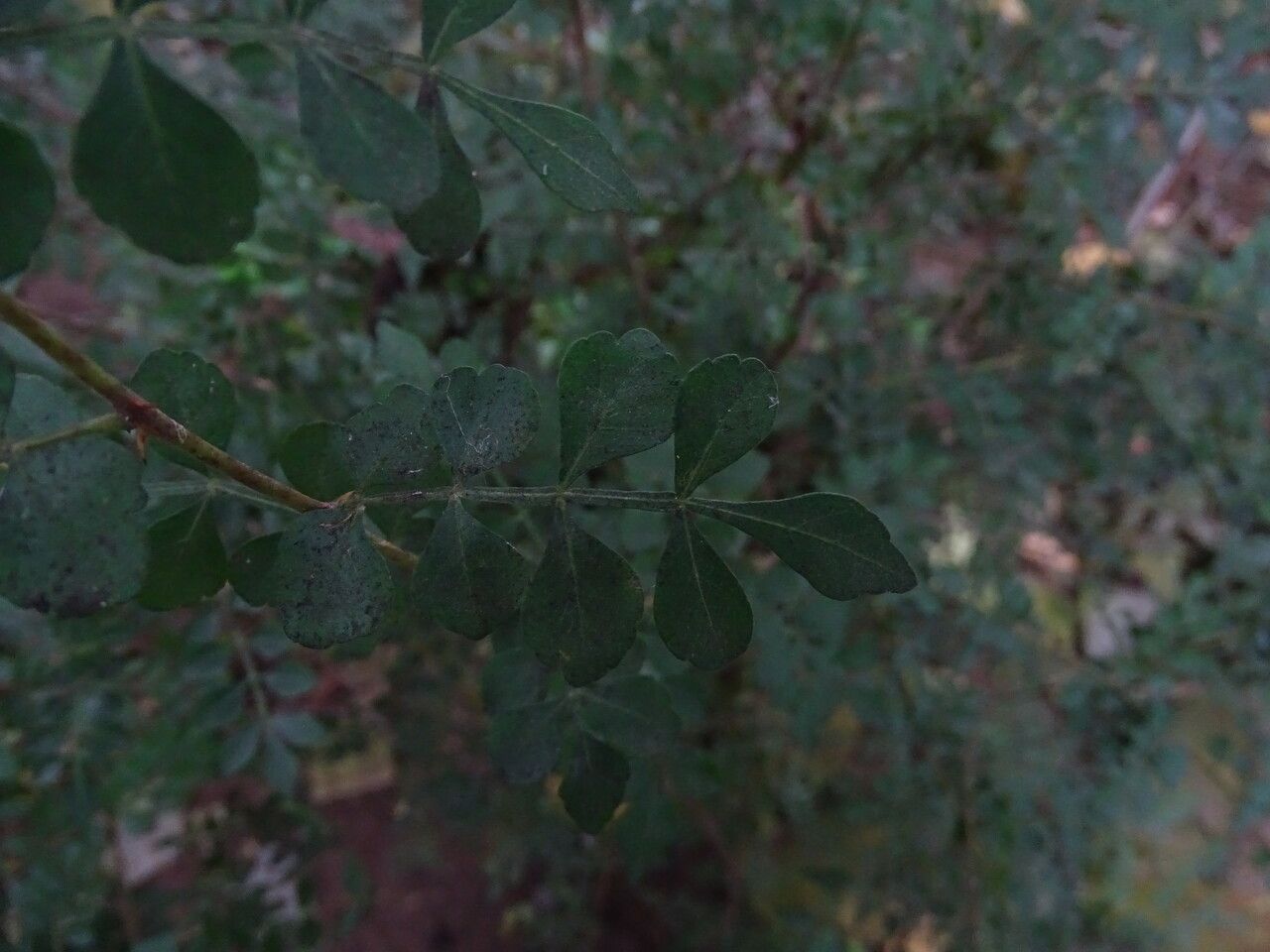
Harrisonia perforata is a species of liana in the family Rutaceae. Its recorded distribution includes: Andaman Islands, Nicobar Islands, Bangladesh, Myanmar, Indo-China, Java and Lesser Sunda Islands, but no subspecies are listed in the Catalogue of Life.
Harrisonia perforata has good resistance to disease and is generally not susceptible to illnesses. As for care, this plant is relatively low-maintenance. Planted outdoors it needs only minimal watering, and larger plants typically do not need pruning. Smaller plants, however, should be pruned after they have bloomed. Harrisonia perforatat is appropriate for anyone with an outdoor area, such as a garden or deck, and does not demand a lot of care experience.
How to keep Harrisonia Perforata.
Light
Harrisonia perforata naturally occurs in habitats like forest understories and rocky areas, where it grows in natural shade. It prefers partial sun but can tolerate both full sun and full shade, indicating its adaptable and hardy character.
Water
Harrisonia perforata, native to arid regions, is exceptionally drought-tolerant and can thrive with very little moisture. It should be watered every 2 to 3 weeks. The plant prefers well-draining soils, making it ideal for xeriscaping or rock gardens where water conservation is crucial.
Temperature
Harrisonia perforata comes from tropical areas, where the climate is generally warm and humid. Consequently, it is adapted to high temperatures and humidity. It is sensitive to sudden temperature shifts and prefers a stable thermal environment, so avoiding indoor temperature fluctuations is important. It typically does not tolerate cold and requires higher temperatures for growth. If the surrounding temperature falls too low, the plant may stop growing or even die.
Fertilizer
Fertilizing is essential for the care of Harrisonia perforata. Consistent feeding during the growing season maintains the energy needed for its showy leaves and supports overall growth. If fertilization is neglected, leaves can become unhealthy, the plant’s ornamental value declines, and growth may be stunted or weak and prone to breakage.
Pruning
Prune Harrisonia perforata from early to late winter to maintain its shape and encourage growth. Remove any dead or diseased wood, and thin overcrowded branches by making clean cuts just above the nodes. Doing so will improve air circulation, reduce pest problems, and preserve the plant’s health and ornamental appeal. Be sure to sterilize your tools to prevent the spread of disease.
Botanical profile.
- Plant Type
- Tree
- Life Cycle
- Perennial
- Genus
- Harrisonia
- Family
- Rutaceae
- Hardiness Zone
- 10-12
- Mature Height
- 3.05 m to 4.88 m
- Mature Spread
- 2.13 m to 3.05 m
- Leaf Color
- Dark Green, Forest Green
- Leaf Type
- Evergreen
- Flower Color
- White
- Flower Size
- 1.02 cm to 1.52 cm
- Bloom Time
- Late spring, Summer, Early fall
- Planting Time
- Spring, Summer, Autumn
- Harvest Time
- Late summer, Fall
- Native Area
- Malaysia, Indonesia, Cambodia, Vietnam, Myanmar, Philippines, Laos, Thailand, China