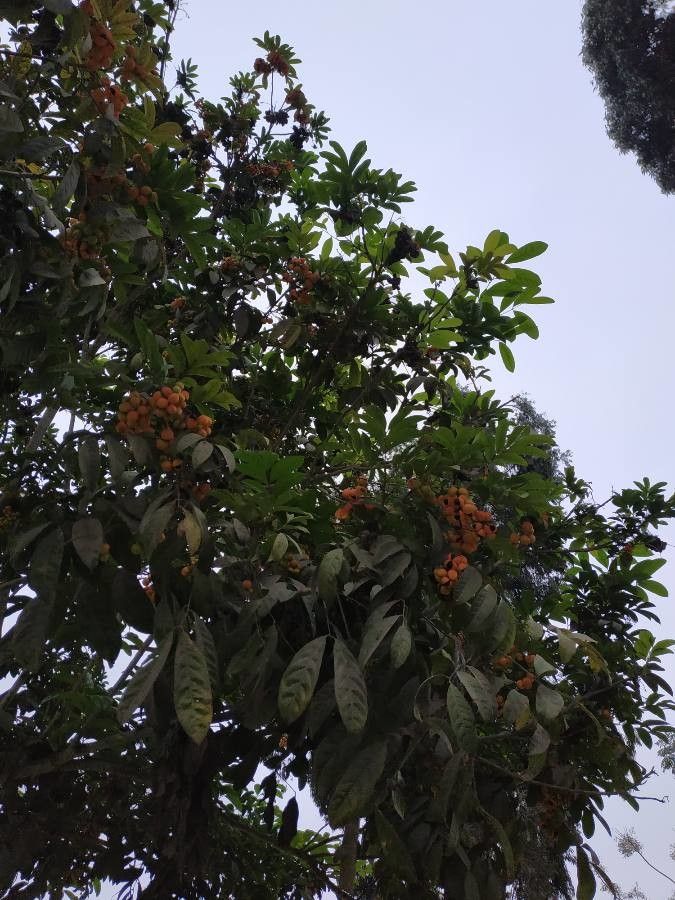
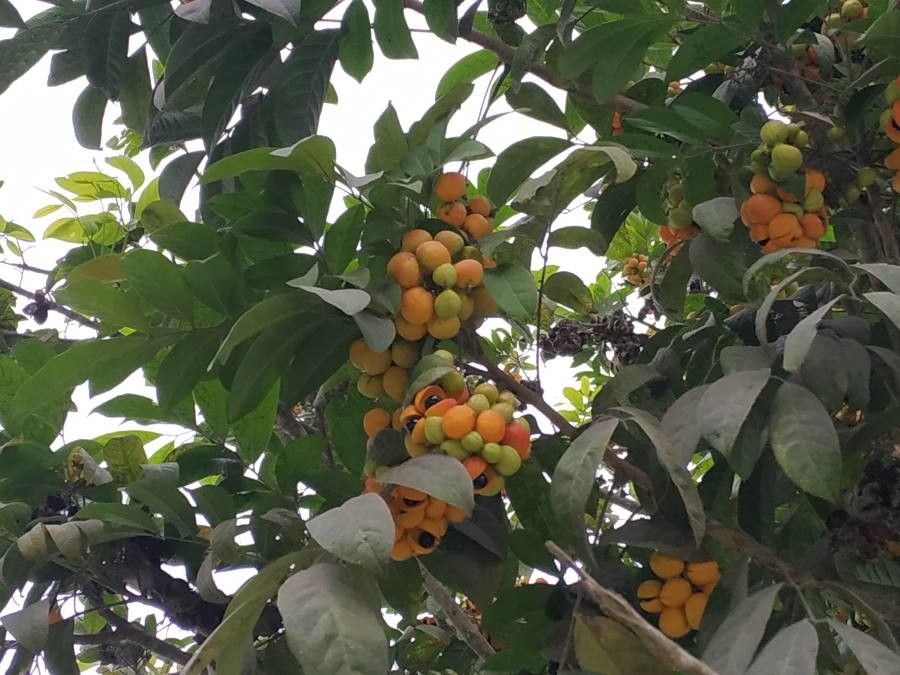
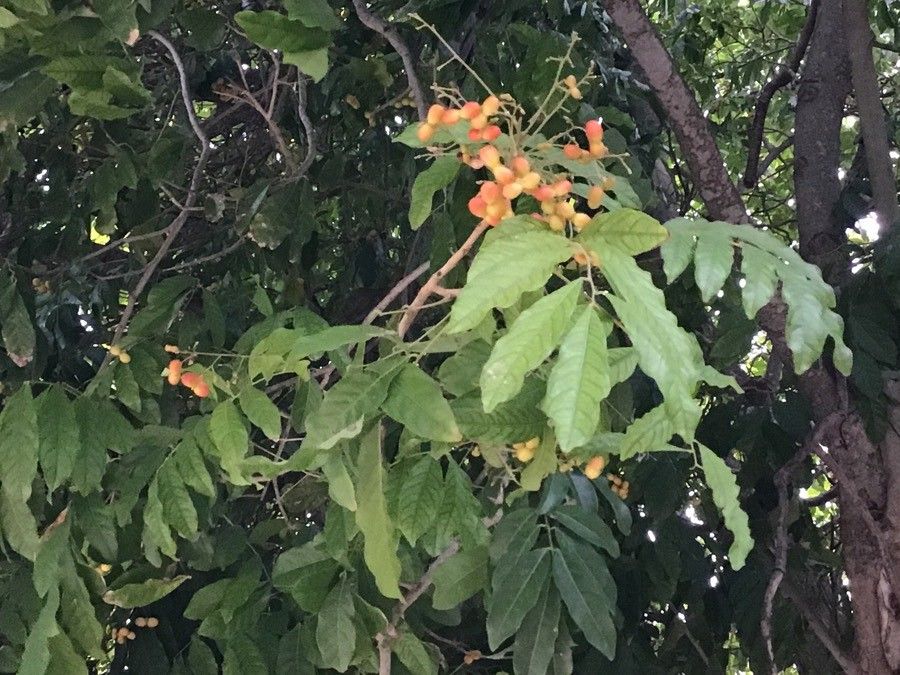
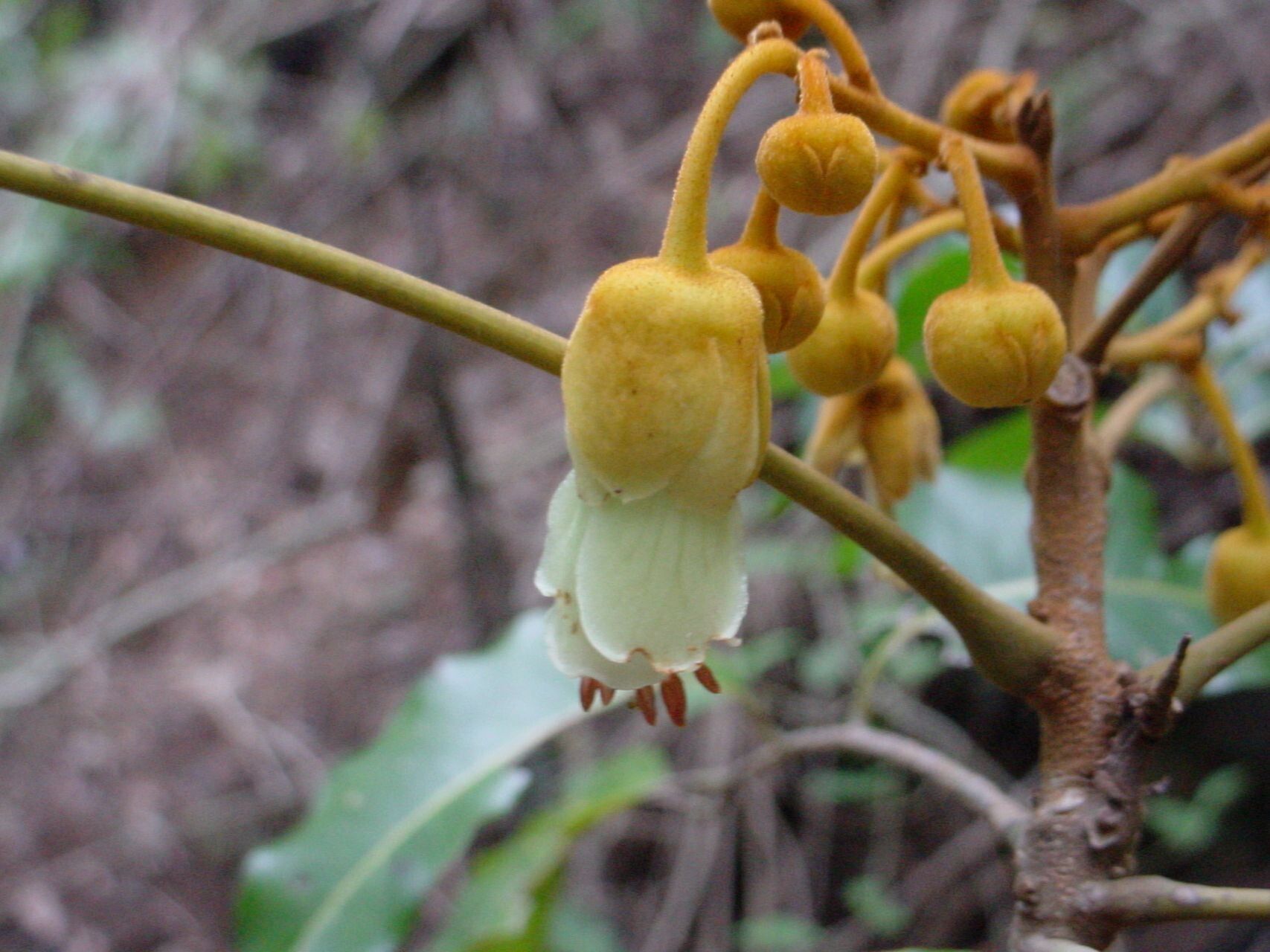
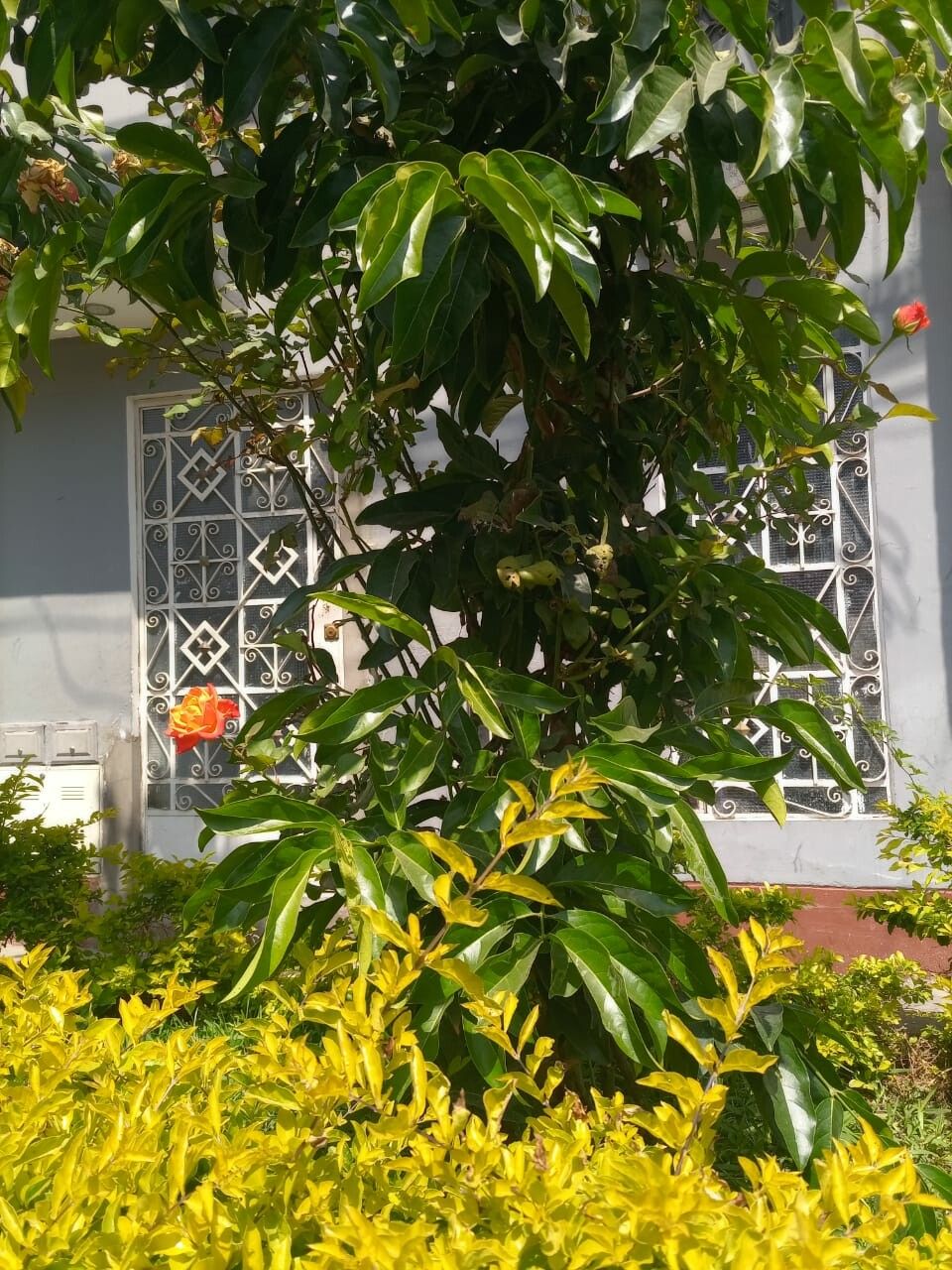
Harpullia cupanioides is a plant in the Sapindaceae family found in south east Asia: in the Andaman Islands, Assam, Bangladesh, Borneo, Cambodia, Yunnan, Hainan, Jawa, Laos, the Lesser Sunda Islands, Malaysia, Myanmar, New Guinea, Nicobar Islands, the Philippines, the Solomon Islands, Thailand, and Vietnam.It was first described by William Roxburgh in 1824, and is the type species for Harpullia.
Harpullia cupanioides has strong disease resistance and is generally not susceptible to diseases. In terms of care, this plant is fairly low-maintenance. When grown outdoors it needs little watering, and larger plants typically do not require pruning. Smaller plants, however, should be pruned after they finish blooming. Harpullia cupanioides is suitable for anyone with an outdoor area, such as a garden or a deck, and does not demand much gardening experience.
How to keep Harpullia Cupanioides.
Light
Harpullia cupanioides naturally occurs in habitats like forest understories or rocky sites, where it is subject to natural shade. It prefers partial sun but can tolerate full sun or full shade, demonstrating its versatility and hardiness.
Water
Harpullia cupanioides, a plant native to rainforests, thrives in high humidity environments. To keep its soil adequately moist, it needs watering every 2-3 weeks. Although it prefers consistent moisture, it can withstand occasional droughts. This evergreen plant is usually grown outdoors and retains its leaf hydration throughout the year, demonstrating resilience to changing conditions.
Temperature
Harpullia cupanioides comes from tropical areas where the climate is generally warm and humid. Consequently, it is well-suited to high temperatures and moisture. It does not tolerate abrupt temperature shifts and favors a consistent thermal environment, so avoiding indoor temperature swings is important. It typically cannot withstand cold conditions and needs relatively warm temperatures to grow. If the ambient temperature falls too far, the plant may stop growing or even die.
Fertilizer
The best time to fertilize a Harpullia cupanioides is in early spring, when it comes out of dormancy. Doing this encourages overall growth and the development of flowers. Fertilization improves the leaves, stems, and branches, and encourages flowers that are large, vivid, and long-lasting. It helps move nutrients from the roots to the blooms and enhances the plant’s health and resistance to disease.
Pruning
Harpullia cupanioides is known for its attractive foliage and growth habits. To encourage healthy growth, prune the plant from early to late winter. Focus on removing dead or damaged branches and thinning out crowded areas. Make clean, angled cuts to prevent water from accumulating, which reduces the risk of rot and disease, while also helping to maintain the plant's shape.
Botanical profile.
- Plant Type
- Tree
- Life Cycle
- Perennial
- Genus
- Harpullia
- Family
- Sapindaceae
- Hardiness Zone
- 10-12
- Mature Height
- 20.12 m
- Mature Spread
- 4.88 m to 10.06 m
- Leaf Color
- Dark Green
- Leaf Type
- Evergreen
- Flower Color
- White
- Flower Size
- 0.51 cm to 1.02 cm
- Bloom Time
- Late spring, Summer
- Planting Time
- Spring, Summer, Autumn
- Harvest Time
- Late summer, Fall
- Native Area
- India, Malaysia, Indonesia, Cambodia, Vietnam, Myanmar, Philippines, Bangladesh, Laos, Thailand, China
Reader questions.
What are the sunlight requirements for Harpullia cupanioides?
Harpullia cupanioides thrives in environments that mirror its native habitat, such as forest understories or rocky areas that receive natural shade. It prefers partial sun, meaning it requires about 3-6 hours of sunlight daily. However, it is also capable of tolerating full shade, showcasing its adaptability as a perennial herbaceous plant. It's important to observe how sunlight moves through your garden and select locations that offer a balanced mix of light and shade, ensuring the plants receive their ideal light conditions without being overexposed.
How can you support Harpullia cupanioides with artificial lighting?
When natural sunlight is not sufficient, especially during winter or in less sunny areas, artificial lighting becomes essential for the well-being of indoor Harpullia cupanioides plants. choosing the correct type of artificial light is crucial, with LED lights often being recommended due to their ability to mimic the specific wavelengths needed by plants. The required wattage varies depending on the plant's sunlight needs: full sun plants require 30-50W/sq ft, partial sun plants need 20-30W/sq ft, and full shade plants require 10-20W/sq ft. The artificial light source should be placed 12-36 inches above the plant to resemble the natural sunlight, and the lighting duration should align with natural daylight hours, typically 8-12 hours per day.
What are the symptoms of light deficiency or excess in Harpullia cupanioides?
When Harpullia cupanioides is grown indoors or under improper light conditions, it might display several symptoms indicative of light deficiency or excess. Symptoms of light deficiency include smaller new leaves, leggy or sparse growth, faster leaf drop, slower or halted growth, and pale or lighter-colored new leaves, signaling a lack of chlorophyll and essential nutrients. Excessive sunlight can cause chlorosis (leaves turning yellow due to chlorophyll breakdown), sunscald (pale, bleached areas on leaves or stems), leaf curling (a defense mechanism to minimize water loss and damage), wilting (loss of turgor pressure leading to drooping leaves and stems), and leaf scorching (brown, dry edges on leaves due to excessive light). These symptoms highlight the plant's sensitivity to its light environment, whether it be too little or too much light.
What solutions can help Harpullia cupanioides adapt to new light conditions?
To alleviate symptoms caused by improper light exposure, gradual adaptation to new light conditions is crucial for the health of Harpullia cupanioides. For indoor plants, gradually shifting them to sunnier spots each week until they receive 3-6 hours of direct sunlight daily or providing additional light using artificial lighting solutions, like keeping a lamp on for at least 8 hours a day or using professional grow lights, can optimize plant growth. Outdoors, plants should be moved gradually to sunnier locations to prevent sunburn, highlighting the importance of avoiding sudden, drastic changes in light intensity. Additionally, reducing obstructions that block sunlight, such as pruning trees and transplanting smaller plants to sunnier locations with ample sunlight and good drainage, can significantly improve a plant’s access to sunlight. It's essential to note that parts of the plant affected by insufficient sunlight may not recover, but newly grown parts after adjusting to increased light exposure will be healthy.