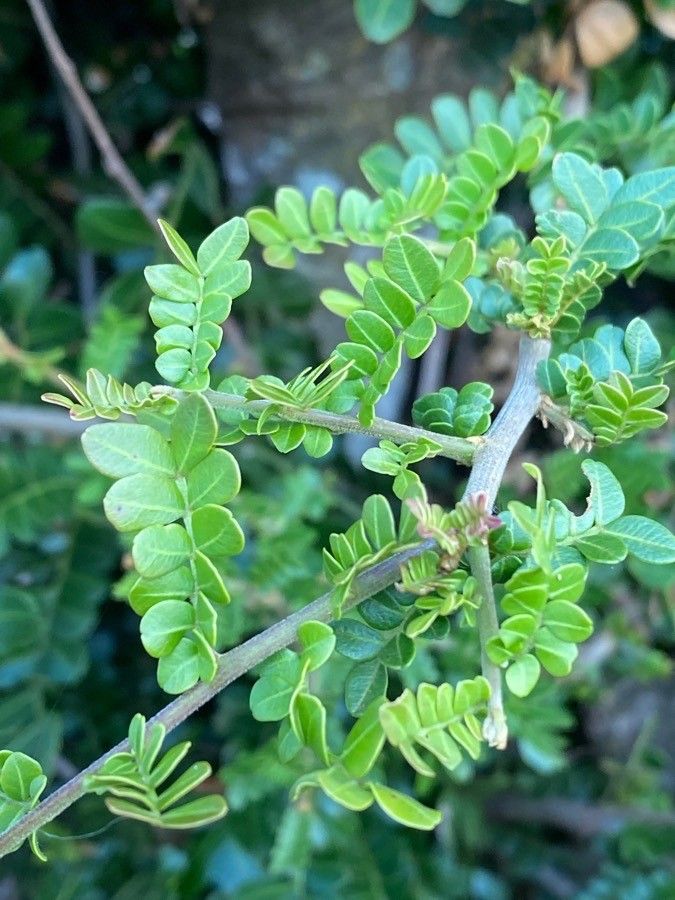
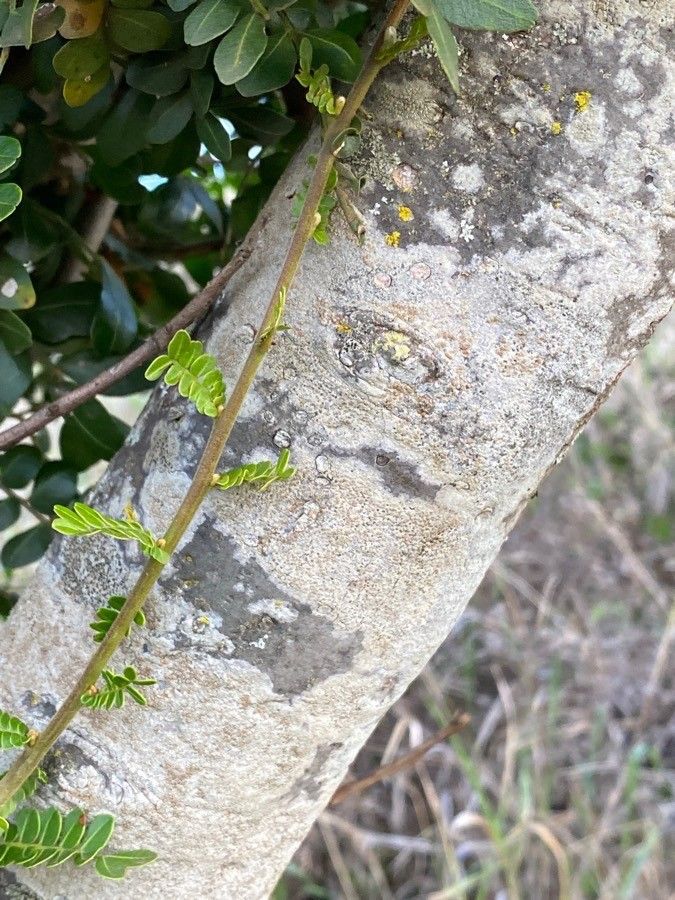
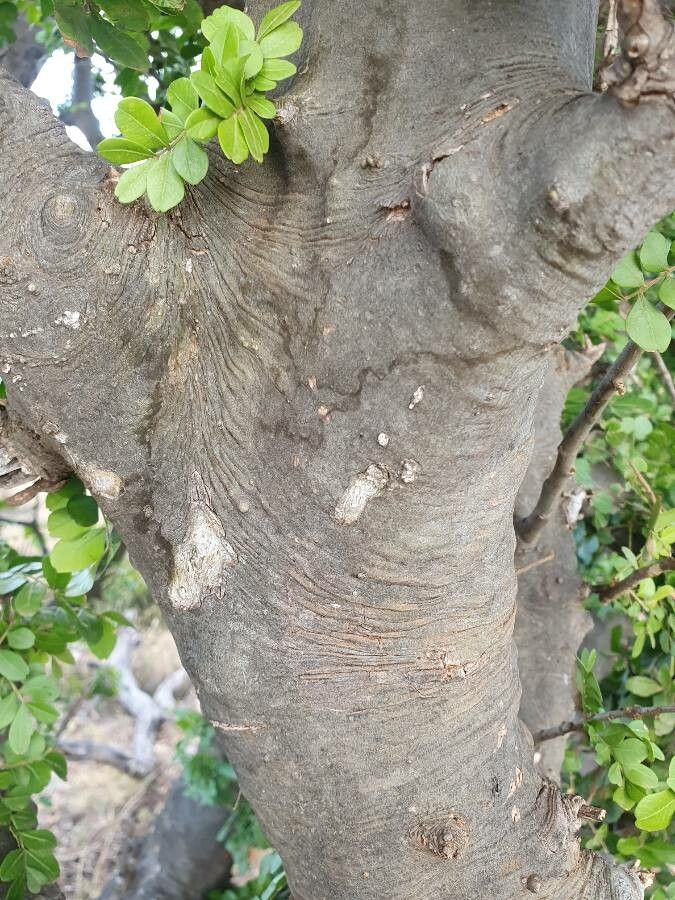
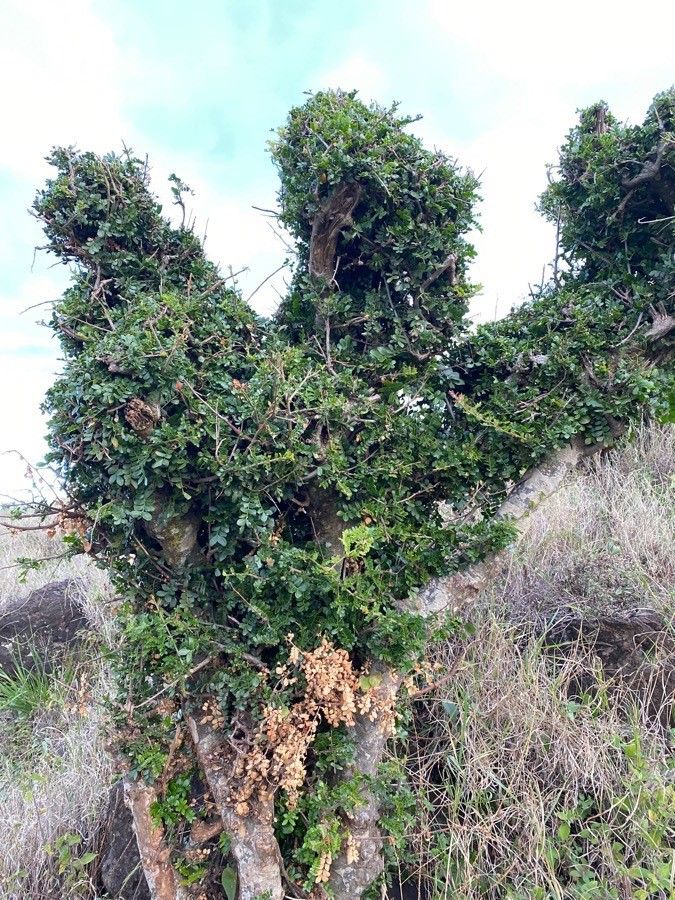
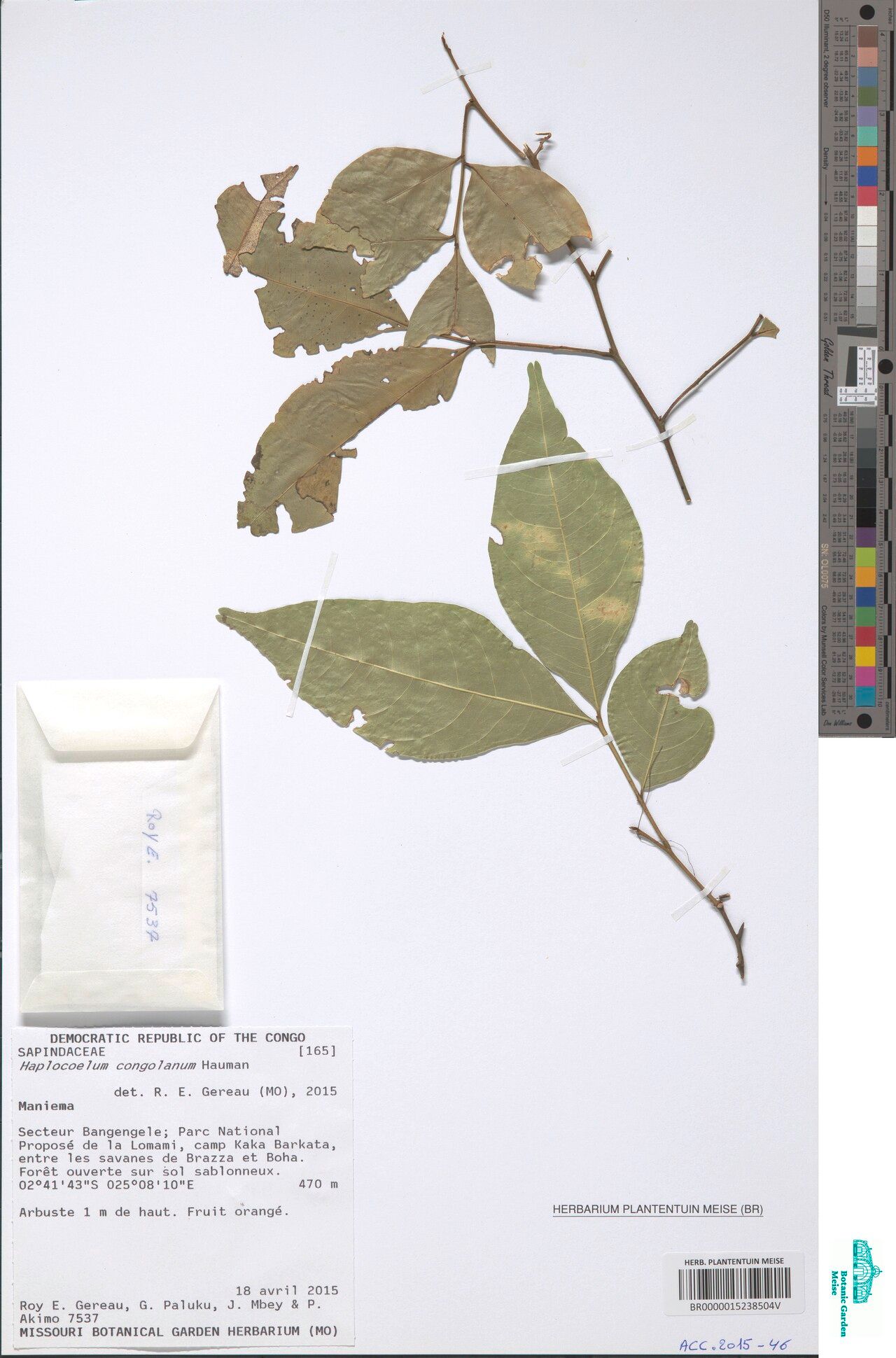
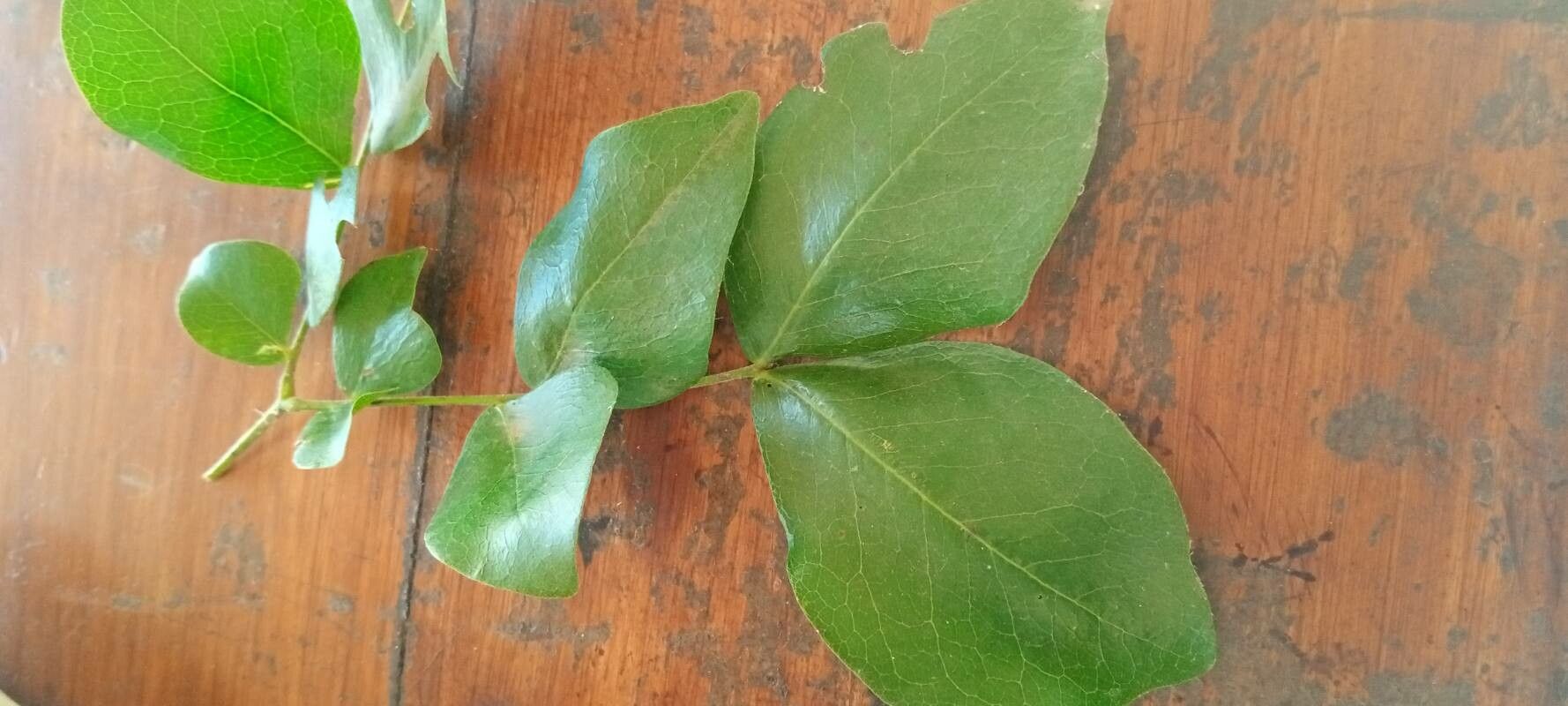
Haplocoelum foliolosum is a species of flowering plant belonging to the family Melastomataceae. Commonly known as the "false cowberry" or "false cranberry" due to its resemblance to these fruits, this plant is native to the tropical regions of South America, including Brazil, Colombia, and Venezuela.
Haplocoelum foliolosum typically grows as a small shrub or subshrub, reaching up to 1 meter in height. It features simple, elliptical leaves arranged in an opposite pattern along the stem, each with serrated edges. The plant produces small, pinkish-purple flowers that have four petals.
This species prefers moist soils and is commonly found along riverbanks or in other wetland areas. It is also often cultivated as an ornamental plant because of its attractive foliage and flowers.
In traditional medicine, Haplocoelum foliolosum has been used to treat various conditions, such as fever, diarrhea, inflammation, and respiratory problems. Nonetheless, further research is needed to fully understand its potential medicinal properties.
Overall, Haplocoelum foliolosum is a beautiful tropical shrub with promising medicinal potential, making it an interesting subject for further study by botanists worldwide.
Haplocoelum foliolosum has strong resistance to disease and is generally not susceptible to illnesses. In terms of care, this plant is fairly low-maintenance. Planted outdoors, it needs minimal watering, and larger plants typically do not require pruning. Smaller plants, however, should be trimmed after they have bloomed. Haplocoelum foliolosumt is suitable for anyone with an outdoor area, such as a garden or deck, and does not demand extensive care experience.
Botanical profile.
- Life Cycle
- Perennial
- Genus
- Haplocoelum
- Family
- Sapindaceae
Other names.