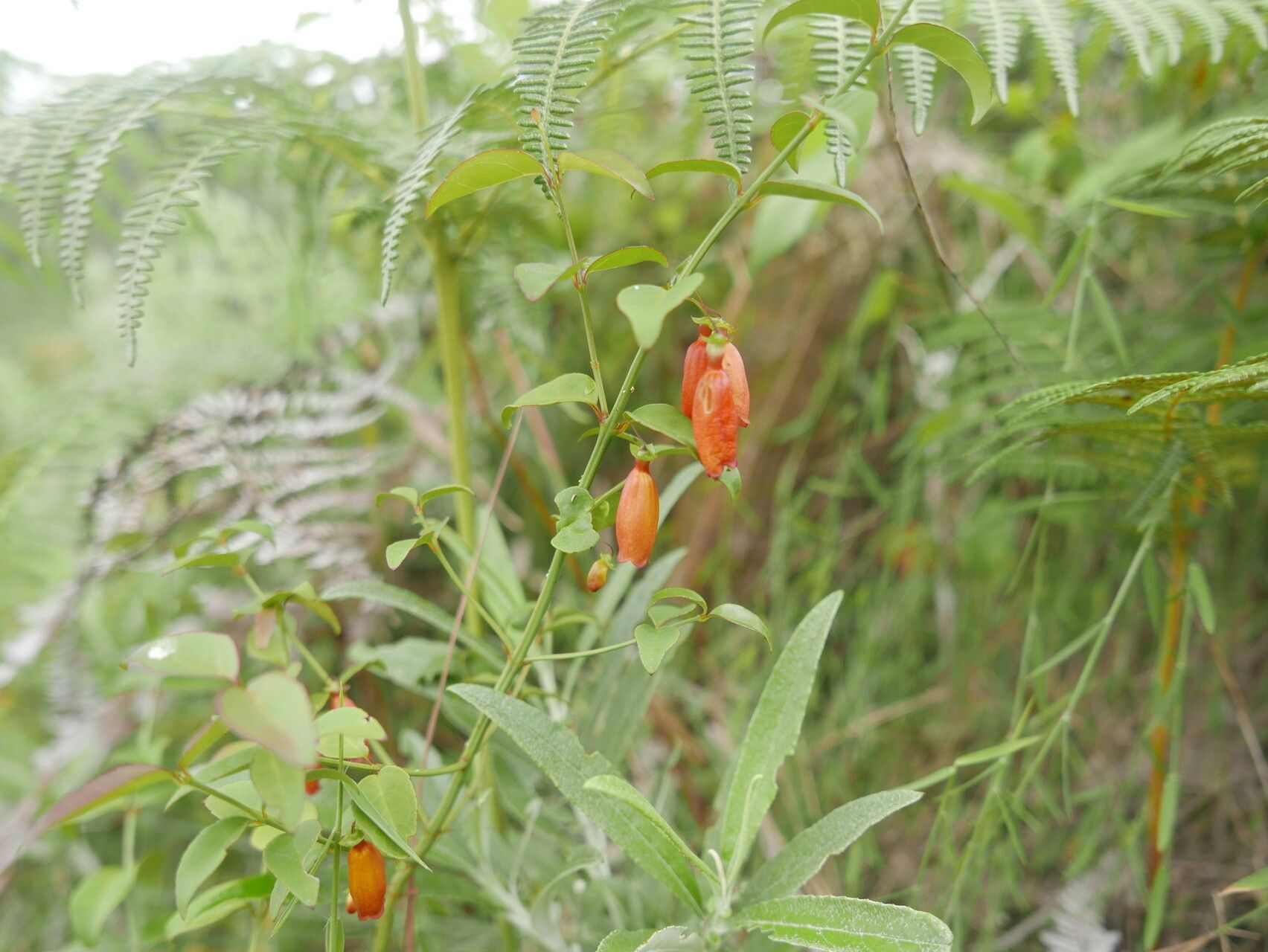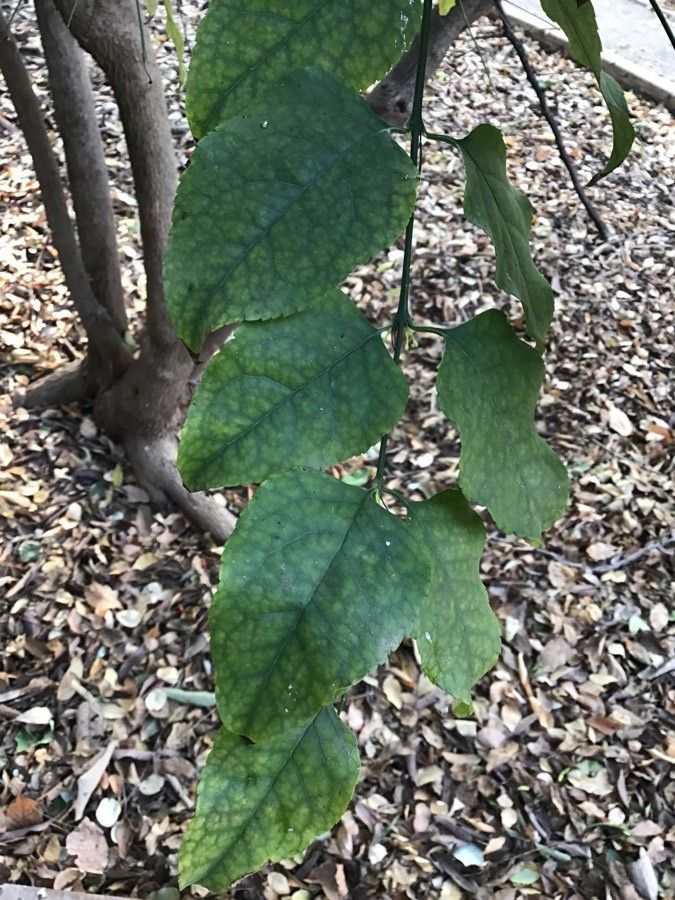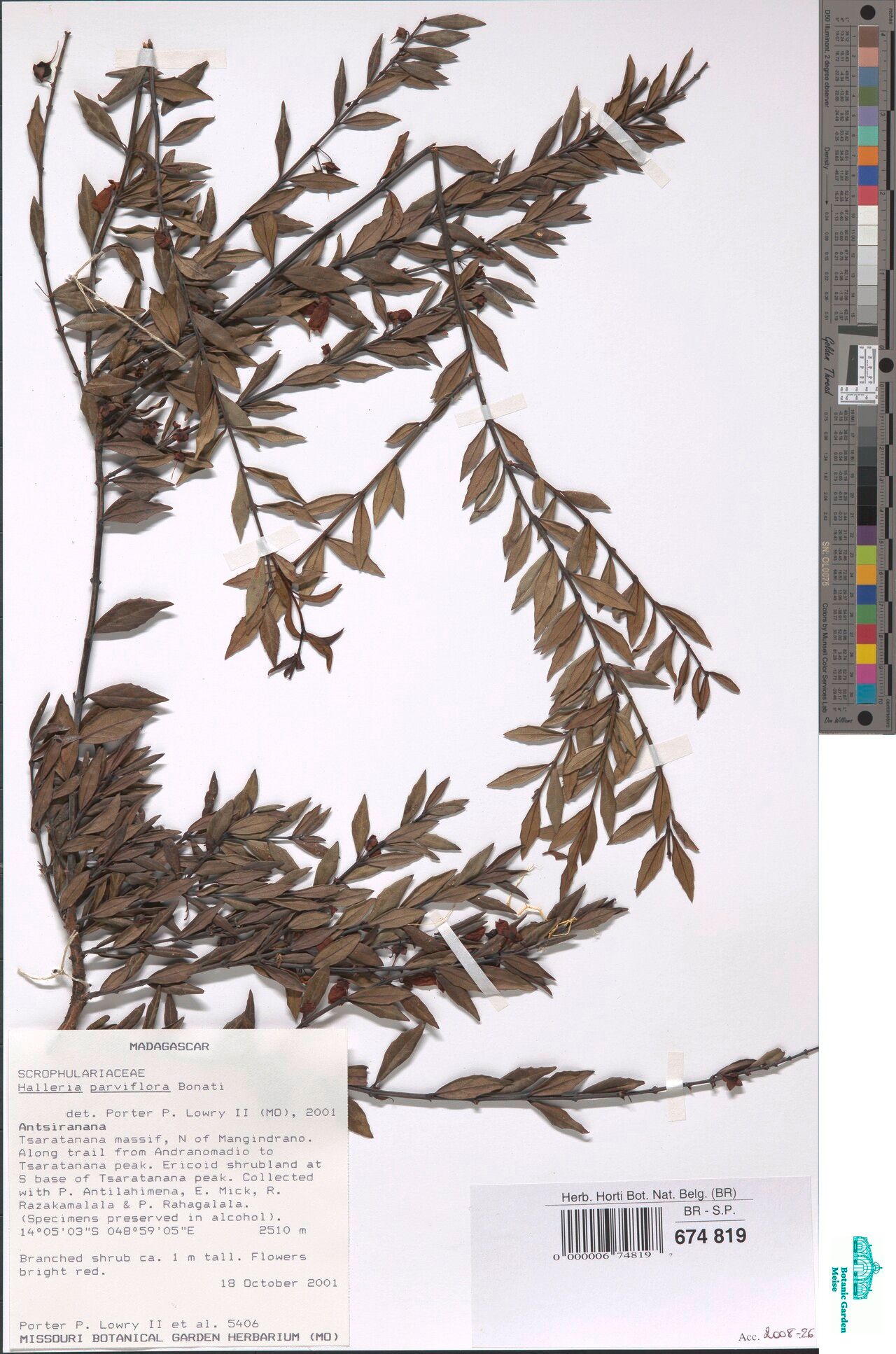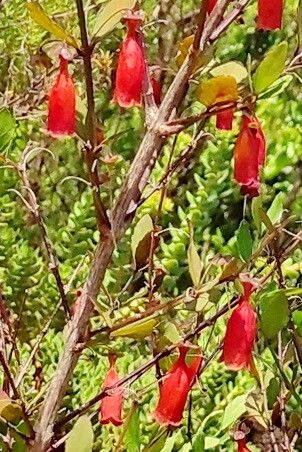
Elliptic treefuchsia is resistant to disease and is usually not susceptible to illnesses. In terms of care, this plant is fairly low-maintenance. When grown outdoors it needs only minimal watering, and larger plants typically do not need pruning. Smaller plants, however, should be pruned after they finish blooming. Elliptic treefuchsiat is appropriate for anyone with an outdoor area, such as a garden or deck, and does not require much gardening experience.
How to keep Halleria Elliptica.
Light
The elliptic treefuchsia is indigenous to habitats like forest understories or rocky terrains, where it gets natural shade. It favors partial sun exposure, although it can adjust to complete sun or total shade, showing its adaptable and resilient character.
Water
Originating from humid regions, the elliptic tree fuchsia thrives with consistent moisture and exhibits moderate drought tolerance. For optimal health, it requires weekly watering. It grows best outdoors, where it can benefit from natural rainfall, which enhances its growth cycle.
Fertilizer
Ensure the robust growth of your Elliptic treefuchsia by fertilizing it at the start of spring. Regularly fertilizing your plant boosts its overall health, leading to energetic growth, increased disease and pest resistance, and improved tolerance to harsh conditions. Following a defined fertilization routine for your Elliptic treefuchsia will help maintain its bright-colored leaves and lush look.
Pruning
The elliptic treefuchsia benefits from early spring pruning to promote growth and encourage flowering. To achieve this, lightly trim away dead branches and shape the plant as needed. Be careful to avoid heavy pruning, as this can stress the plant. Pruning at the right time during the blooming season improves air circulation and light exposure, contributing to the plant's overall health.
Botanical profile.
- Plant Type
- Shrub
- Life Cycle
- Perennial
- Genus
- Halleria
- Family
- Stilbaceae
- Hardiness Zone
- 7
- Native Area
- South Africa