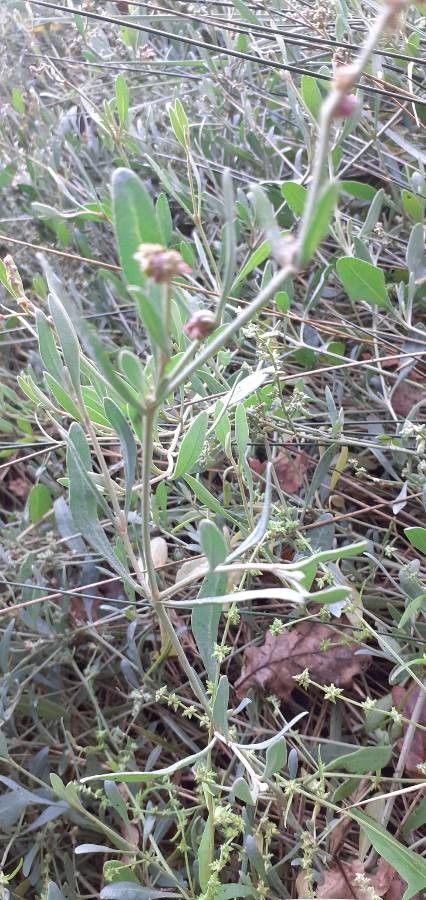
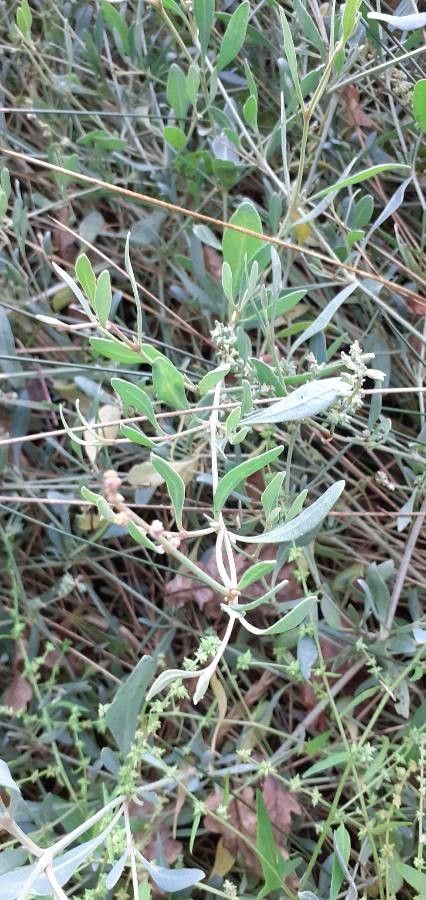
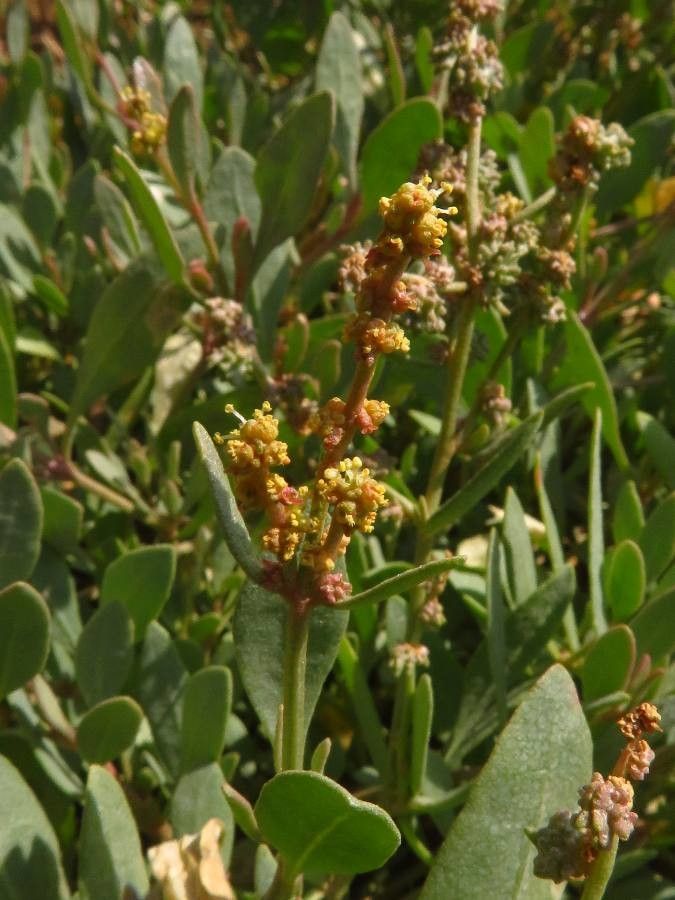
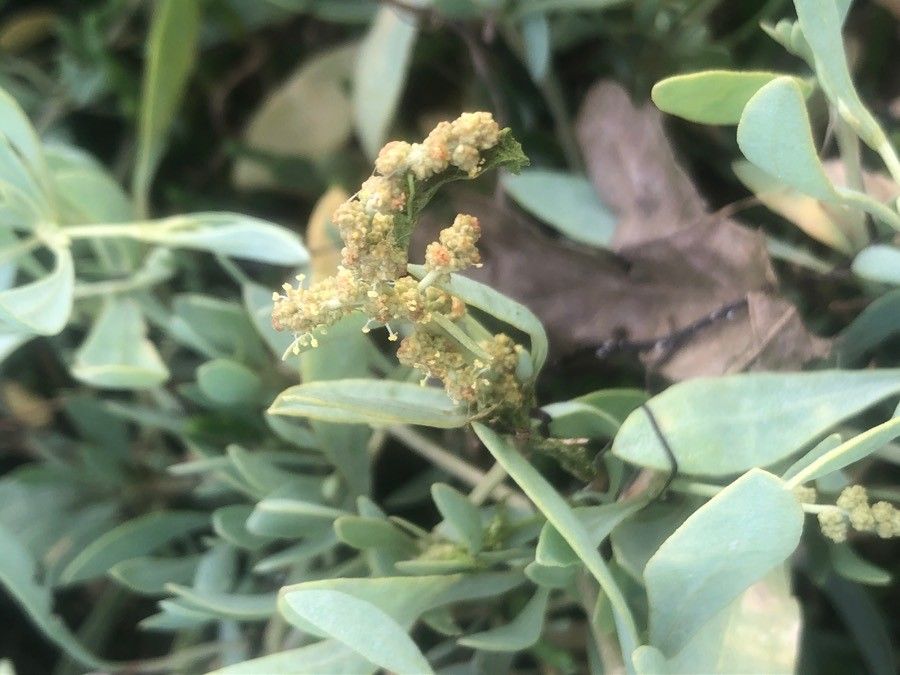
Halimione portulacoides, commonly known as sea purslane, is a perennial plant belonging to the family Chenopodiaceae. Native to the coasts of Europe and North Africa, it thrives in salt marshes, estuaries, and other coastal habitats.
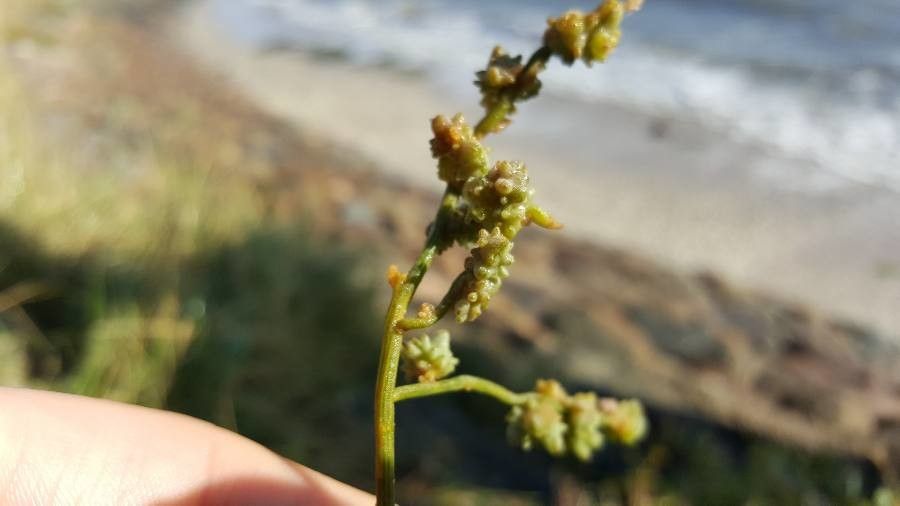
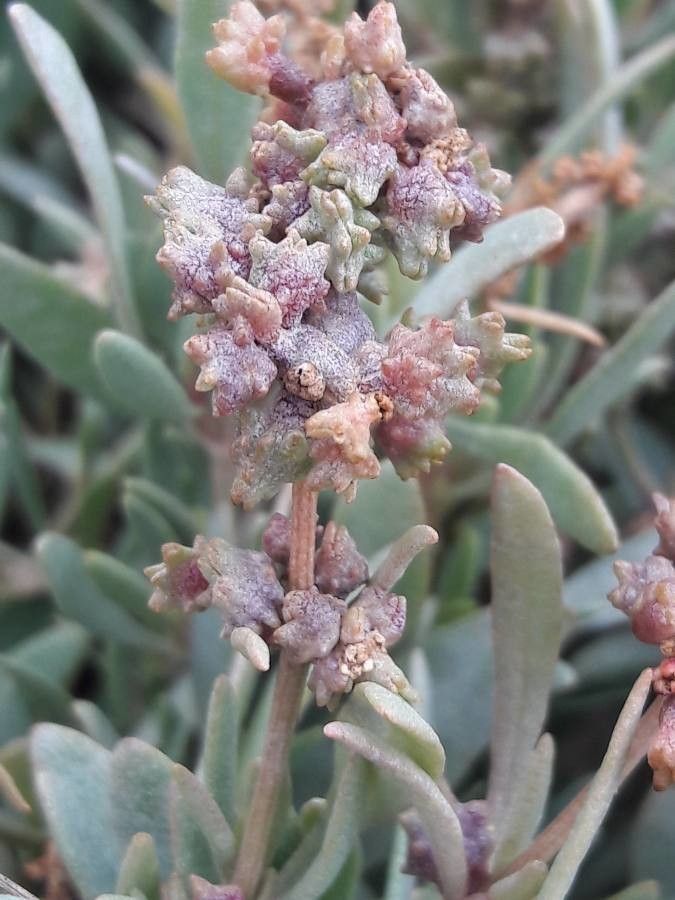
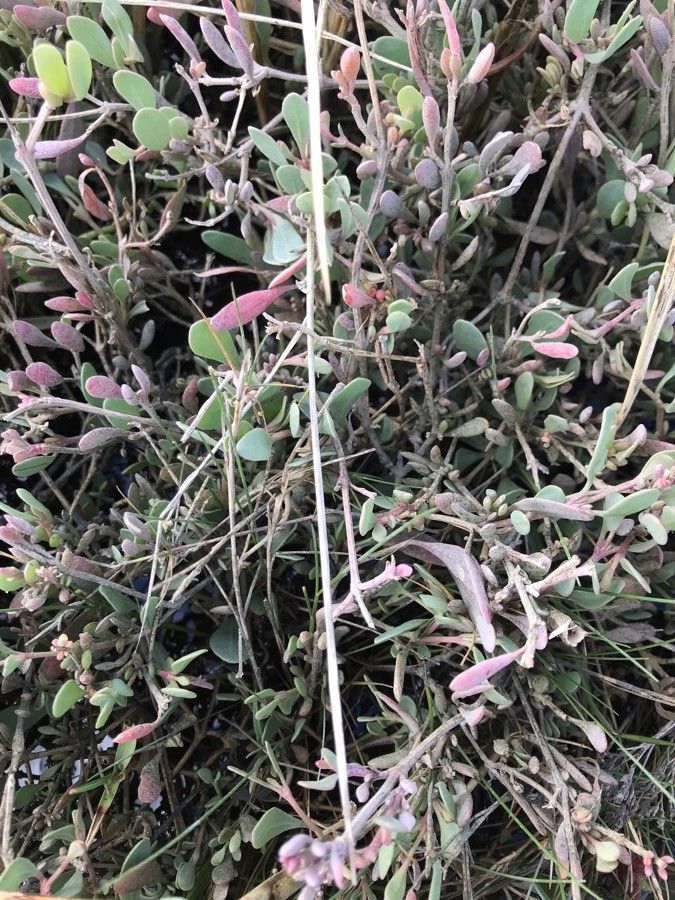
The plant features succulent, oval-shaped, bluish-green leaves arranged alternately on its stem. Small, greenish-yellow flowers bloom in late summer or early fall.
Sea purslane plays a crucial role in coastal ecosystems by stabilizing soil and reducing erosion through sediment trapping. It also provides food for various animals, including birds, insects, snails, crabs, and fish.
In addition to its ecological importance, sea purslane has been used medicinally by indigenous people of North Africa to treat stomach ailments and other conditions.
Overall, Halimione portulacoides is a vital coastal plant species with significant ecological and medicinal value, benefiting both humans and animals in regions where it abundantly grows along the coastlines of Europe and North Africa.
Lesser shrubby orach shows good resistance to disease and is generally not susceptible to illnesses. Regarding care, this plant is fairly low-maintenance. When grown outdoors it needs only minimal watering, and larger plants usually do not require pruning. Smaller plants, however, should be pruned after they have finished blooming. Lesser shrubby oracht is suitable for anyone with an outdoor area, such as a garden or deck, and does not require much plant-care experience.
How to keep Halimione Portulacoides.
Light
Lesser shrubby orach originates in open habitats, like sunny meadows and forest edges, which supply plenty of light. It prospers in Full Sun but can also tolerate Partial Sun, adapting well to a range of sunlight conditions.
Temperature
The lesser shrubby orach is very adaptable to a range of climate conditions, tolerating both hot summers and cold winters. It does, however, have an ideal temperature range for growth. If temperatures become too high, the plant can experience heat and humidity stress that may kill it. In areas where temperatures approach the lower end of its cold tolerance, insulating measures should be used to protect the plant.
Fertilizer
Fertilize your Lesser shrubby orach in early spring to encourage healthy growth. Regular fertilization improves overall health, leading to vigorous growth, increased tolerance of harsh conditions, and better resistance to diseases and pests. Follow a set fertilization schedule for your Lesser shrubby orach to maintain foliage that is vibrant, deeply colored, and lush in appearance.
Botanical profile.
- Plant Type
- Shrub
- Life Cycle
- Perennial
- Genus
- Halimione
- Family
- Amaranthaceae
- Hardiness Zone
- 6-9
- Mature Height
- 76 cm
- Mature Spread
- 49 cm to 91 cm
- Leaf Color
- Green, Blue
- Leaf Type
- Evergreen
- Flower Color
- Yellow, Green
- Flower Size
- 0.20 cm to 0.25 cm
- Bloom Time
- Mid summer, Late summer, Early fall
- Planting Time
- Spring, Summer, Autumn
- Harvest Time
- Fall
- Native Area
- Libya, Egypt, Turkey, Tunisia, Cyprus, Greece, Morocco, Germany, Italy, Spain, Denmark, Netherlands, Israel, France, Albania, Ireland, United Kingdom, Algeria, Belgium, Portugal
Other names.