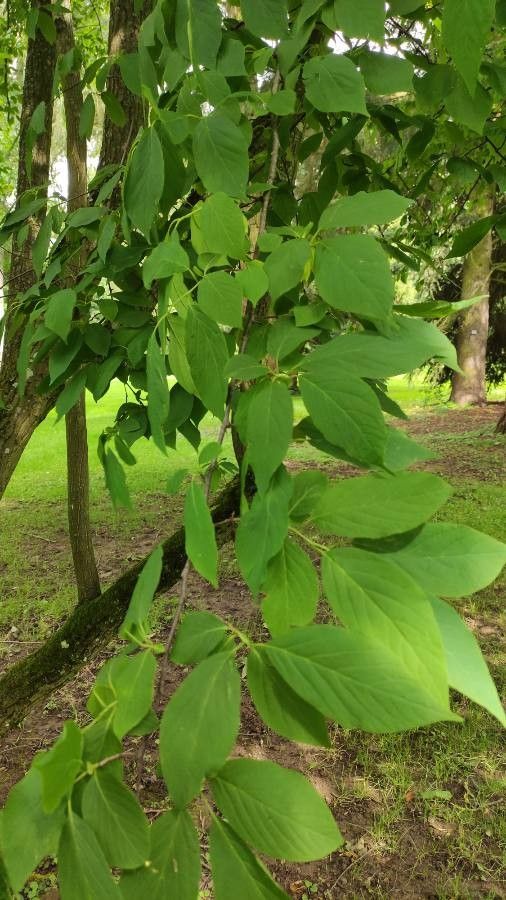
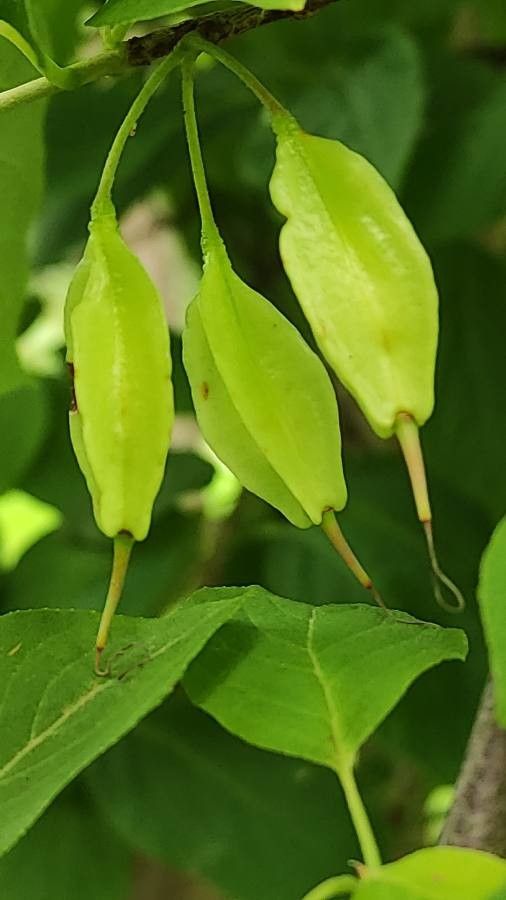
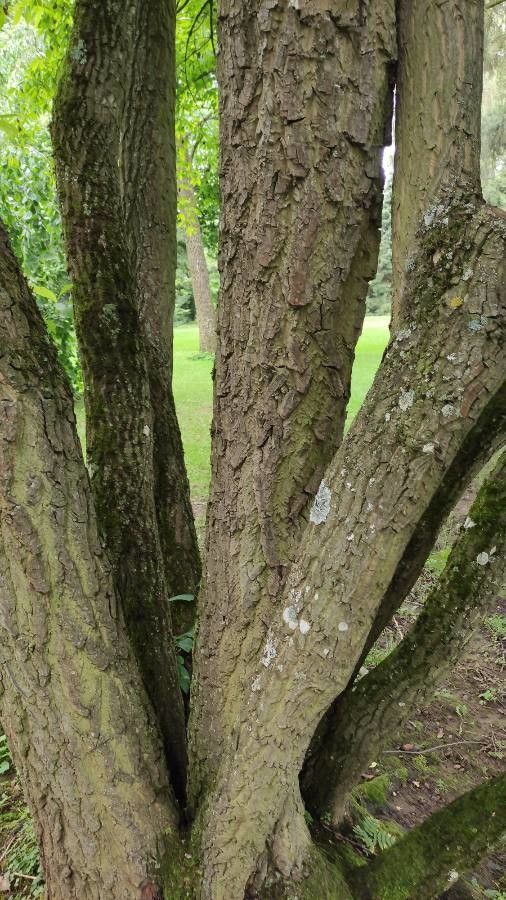
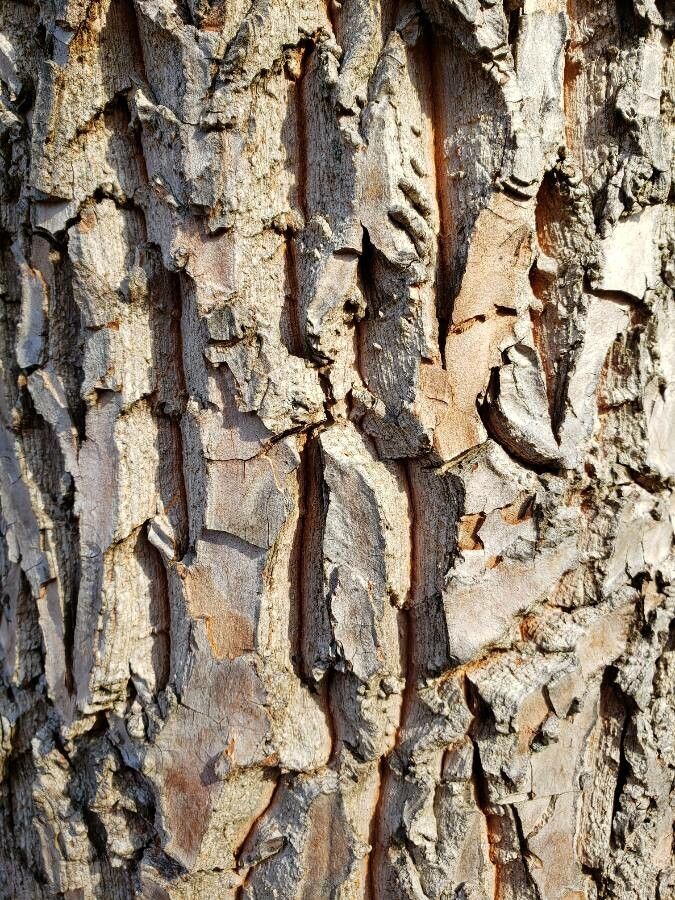
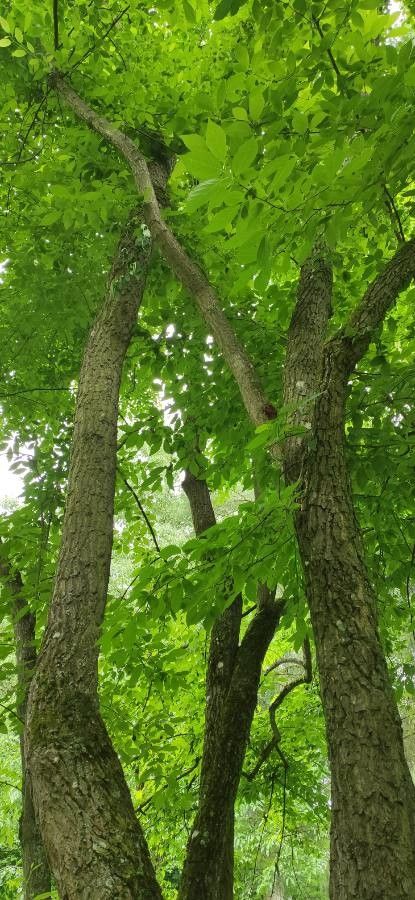
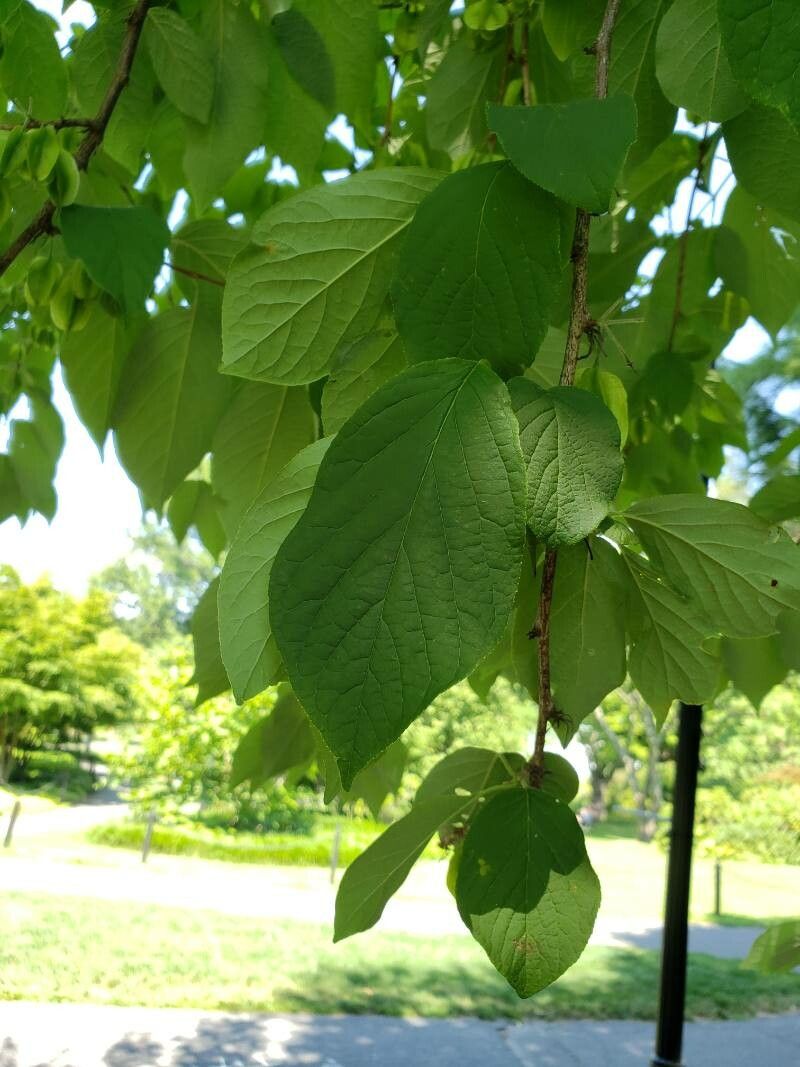
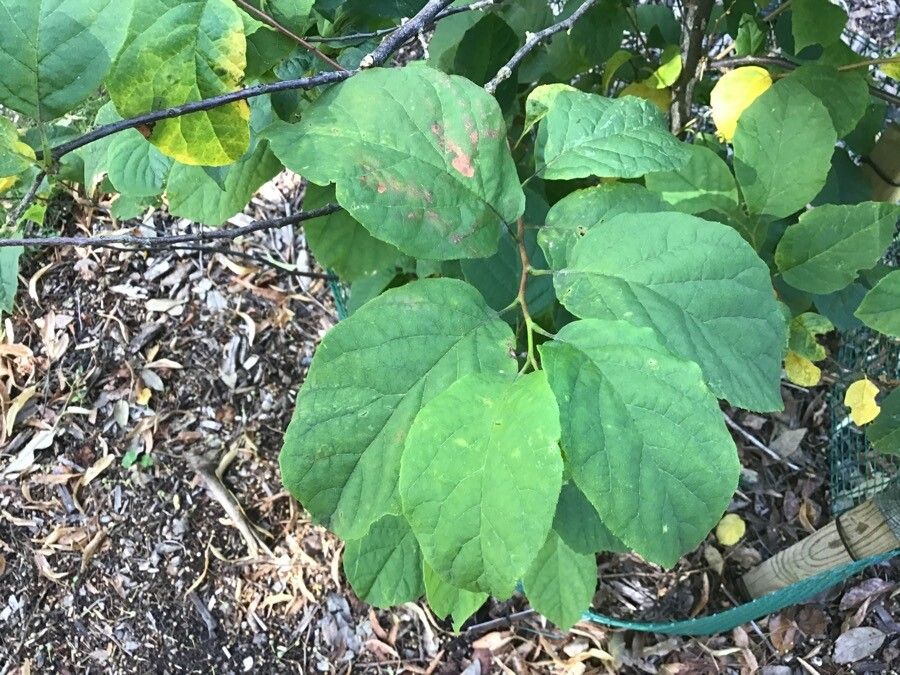
Halesia tetraptera, commonly known as the common silverbell or mountain silverbell (or Carolina silverbell; syn. Halesia carolina auct. non L.), is a species in the family Styracaceae, native to the southeastern United States. It is cultivated as an ornamental tree.
The Carolina Silverbell shows good resistance to disease and is generally not susceptible to illnesses. Regarding care, this plant is relatively low-maintenance. When grown outdoors, it needs minimal watering, and larger plants typically do not require pruning. Smaller plants, however, should be pruned after they finish blooming. The Carolina Silverbell is suitable for anyone with an outdoor space, such as a garden or deck, and does not require a great deal of plant-care experience.
How to keep Halesia Tetraptera.
Light
The carolina Silverbell grows best in spots that get sun during the day but receive some shade as the day wears on. The level of light it gets influences its growth and overall health. Excessive sun can cause scorching, while insufficient light can impair its metabolic activity.
Water
The Carolina Silverbell prefers moist, well-drained soil and moderate humidity. It needs watering every two weeks. This plant thrives outdoors and shows resilience through seasonal changes. To maintain its health, lush foliage, and graceful flowering, it's crucial to provide adequate moisture during its growth cycle.
Temperature
The Carolina Silverbell originates from regions with seasonal temperature variations and prefers conditions between 41 and 89.6°F (5 to 32℃). It is advisable to adjust conditions seasonally to keep temperatures within that range for optimal growth.
Fertilizer
Timing is essential for fertilizing Carolina Silverbell. Apply fertilizer in early spring and continue once a month through early summer. Fertilizer encourages attractive blooms and supplies energy during both dormant and active growth periods.
Pruning
Pruning Carolina Silverbell can greatly enhance its health and shape, especially when done in early spring. To improve air circulation and encourage flowering, remove any dead or overcrowded branches. Be sure to use sharp, sterile tools for clean cuts, which will help prevent disease and contribute to a strong and attractive plant.
Botanical profile.
- Plant Type
- Tree
- Life Cycle
- Perennial
- Genus
- Halesia
- Family
- Styracaceae
- Hardiness Zone
- 4-8
- Mature Height
- 10.06 m
- Mature Spread
- 6.1 m to 10.97 m
- Leaf Color
- Dark Green, Forest Green
- Leaf Type
- Deciduous
- Flower Color
- White
- Flower Size
- 2.54 cm
- Bloom Time
- Early spring, Mid spring
- Planting Time
- Spring, Summer
- Harvest Time
- Late summer, Early fall, Mid fall
Other names.