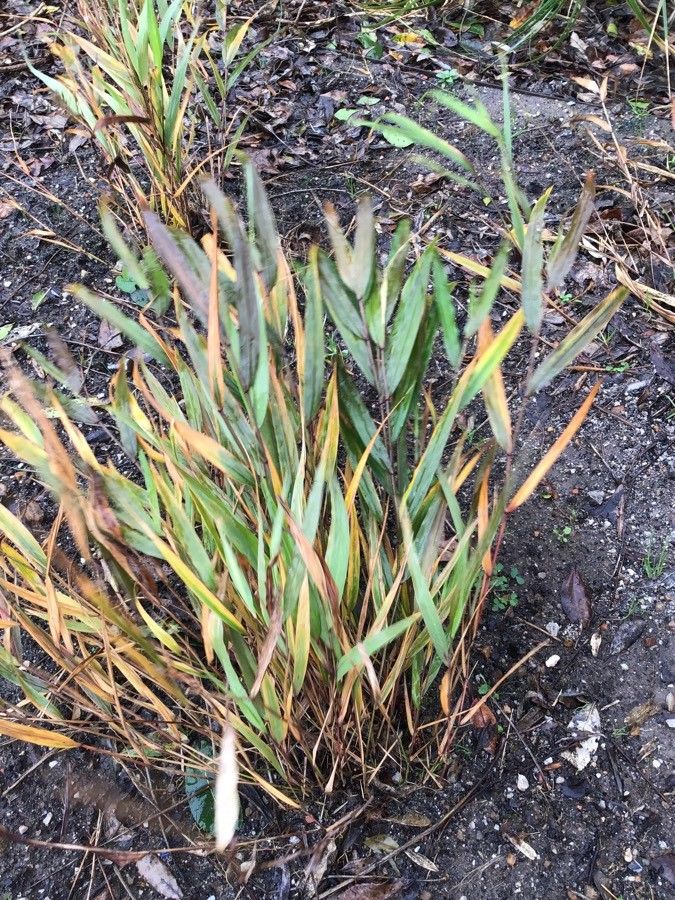
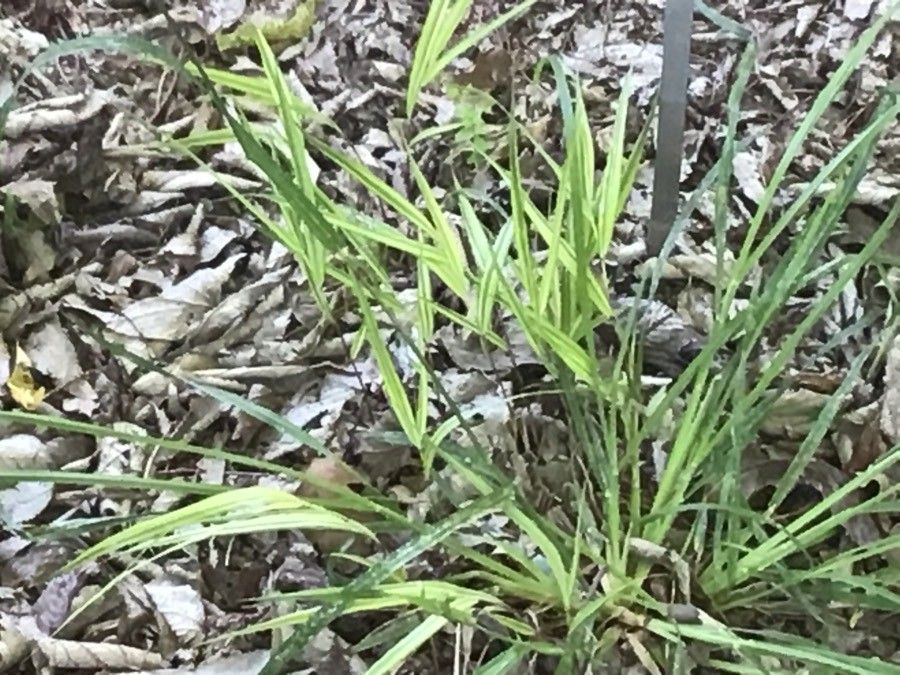
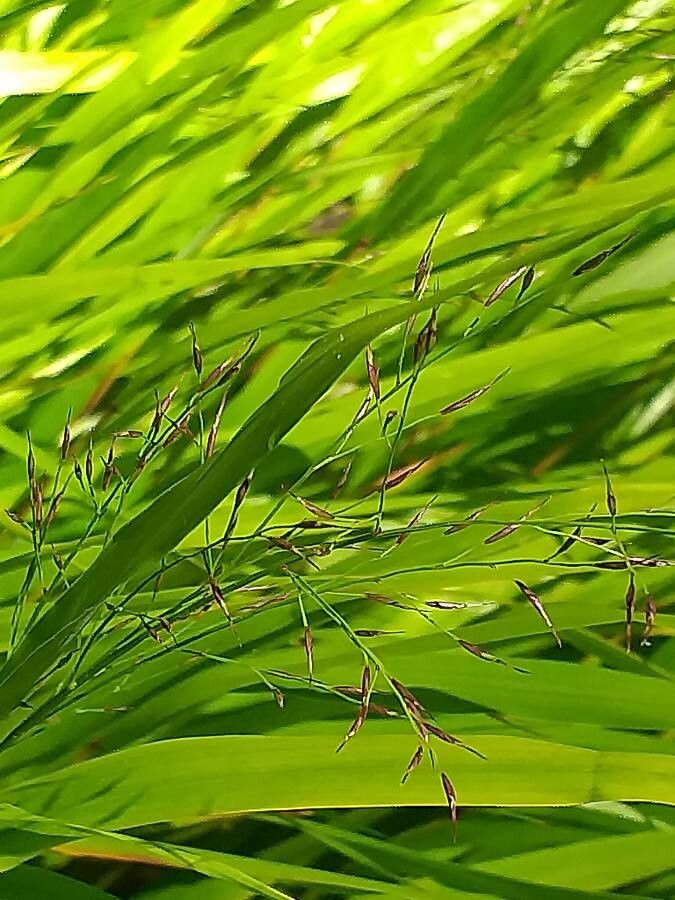
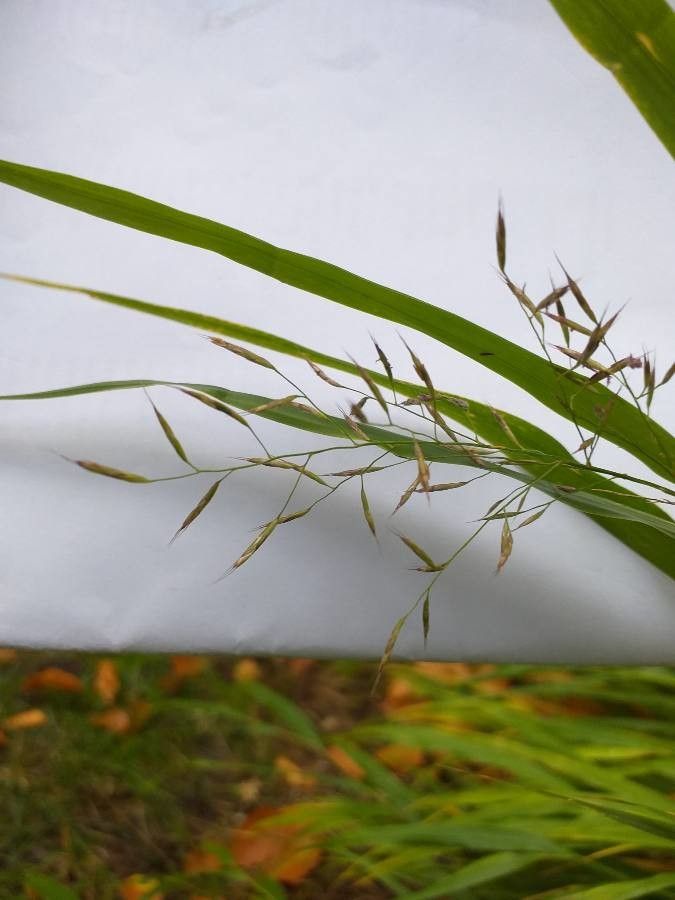
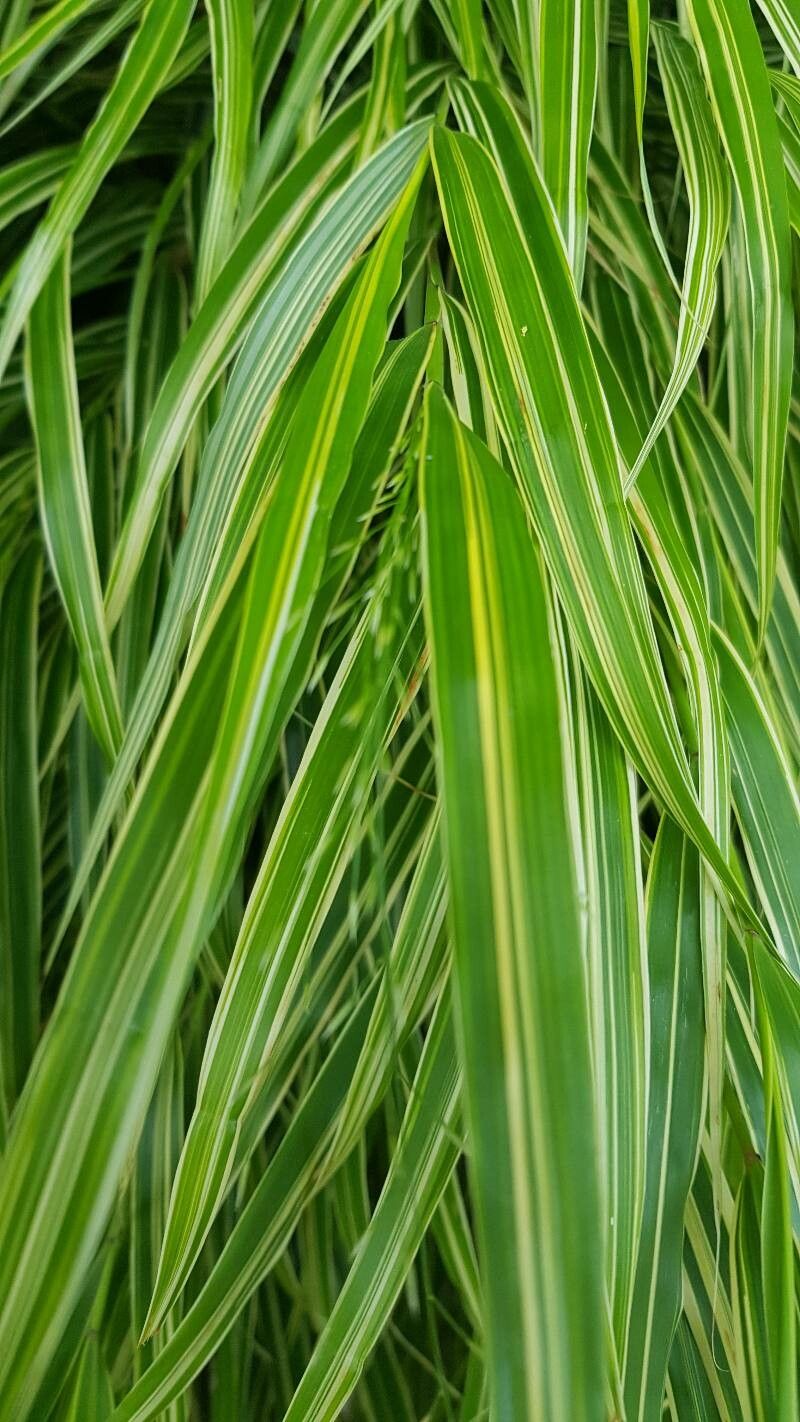
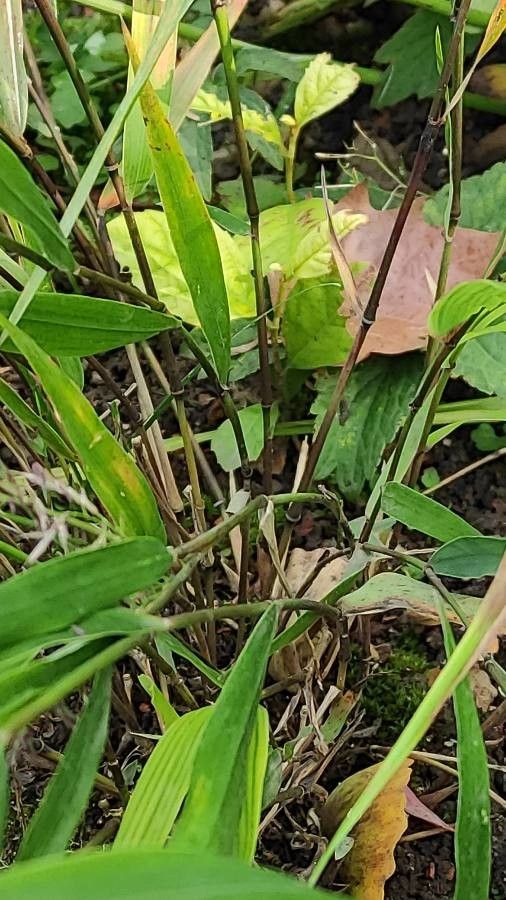
Hakonechloa macra, commonly known as Japanese forest grass, is a graceful and elegant ornamental plant native to the mountainous regions of Japan. This slow-growing perennial forms dense clumps of arching, slender leaves that are bright green and have a delicate texture. The leaves are about 1/4 inch wide and can grow up to 18 inches long.
The plant prefers partial shade or filtered sunlight and moist, well-drained soil. While it can tolerate some drought, it thrives with regular watering during dry spells. Japanese forest grass requires little maintenance but benefits from occasional fertilization in the spring.
Hakonechloa macra is an excellent choice for adding texture and movement to shady areas of the garden or as an accent plant in containers or borders. Its graceful form makes it ideal as a groundcover under trees or along pathways where it can be appreciated up close.
Overall, Hakonechloa macra offers unique, attractive foliage that enhances any garden setting with minimal care.
Hakone grass has strong resistance to disease and is typically not prone to illnesses. In terms of care, this plant is fairly low-maintenance. When grown outdoors it needs little watering, and larger plants usually do not require pruning. Smaller plants should be pruned after they have finished blooming. Hakone grass is suitable for anyone with an outdoor area, such as a garden or deck, and does not need extensive care experience.
How to keep Hakonechloa Macra.
Light
Hakone grass grows best with moderate sun exposure, though it can still remain healthy in either plentiful sunlight or limited light. Excessive light can cause leaf scorch, while too little sunlight can slow its growth and prevent it from flourishing.
Water
Hakone grass thrives in consistently moist, well-drained soil. Due to its sensitivity to drought, it should be watered twice a week. Applying mulch can help retain moisture and shield the roots from temperature fluctuations. This ornamental grass is native to the damp mountainous regions of Japan.
Temperature
Hakone grass comes from milder climates and prefers growing temperatures between 68 and 95 °F (20 and 35 ℃). During cooler seasons, raise the temperature to maintain its growth.
Fertilizer
Hakone grass needs extra nutrients to encourage healthy new growth. In spring, adding compost around the plant’s base can effectively supply the nutrition it requires. Fertilizing helps support vigorous growth and helps the plant resist diseases and pests.
Pruning
Hakone grass is an ornamental plant known for its graceful, arching leaves. To maintain its health and beauty, it's important to prune any damaged foliage in early spring. Additionally, reduce the plant's height by one-third each year to encourage vigorous growth and vibrant appearance. This regular pruning also enhances air circulation and helps prevent pest problems.
Pot & Repot
When repotting Hakone grass, select a pot 1–2 inches (2.5–5 cm) larger with ample drainage. Use a well-draining potting mix. Repot in spring or fall, making sure the root ball sits slightly below the rim of the flower pot. Water thoroughly after repotting and place the pot in a warm spot with indirect sunlight.
Botanical profile.
- Plant Type
- Grass
- Life Cycle
- Perennial, Annual
- Genus
- Hakonechloa
- Family
- Poaceae
- Hardiness Zone
- 5-9
- Mature Height
- 61 cm
- Mature Spread
- 61 cm
- Leaf Color
- Green, Yellow, Red, White, Variegated, Gold, Orange, Brown
- Leaf Type
- Deciduous
- Flower Color
- Green
- Flower Size
- 5.08 cm to 6.35 cm
- Bloom Time
- Mid summer
- Planting Time
- Spring, Summer
- Harvest Time
- Mid summer
- Native Area
- Japan
Other names.
Reader questions.
What should I do if I give my Hakone grass too much water or not enough water?
Proper watering is essential for the health and performance of this beautiful ornamental grass. When planted in the ground, any watering issues can be easily resolved. However, in a container, it's crucial to avoid over or under watering, as either extreme can quickly kill Hakone grass. Out of balance watering can cause the grass to cease growth, with overwatering resulting in yellow leaves and brown tips, and underwatering leading to drooping leaves, weak seed production, and browning. If you suspect improper watering, the first step is determining whether it's too much or too little. In the case of excessive watering, immediately stop watering and allow heavy soils time to dry out naturally – this may take weeks. Once you notice new growth, test the soil moisture and decide if additional watering is necessary. Conversely, if the grass seems to lack water, simply give it a deep drink and observe if it recovers. Ultimately, remember that long, deep waterings are preferable over frequent shallow ones. This encourages the grass to develop deep roots, increasing its resistance to drought and reducing potential problems associated with watering.
Why should I add fertilizer to my Hakone grass?
Fertilizing Hakone grass is important for several reasons. Firstly, your plant requires the added nutrients to promote healthy new growth. Secondly, these additional nutrients not only benefit the health of the existing growth, but also aid in defending your plant against diseases and pests.
What are the sunlight requirements for Hakone grass?
Hakone grass requires moderate exposure to sunlight to thrive but can also grow healthily with abundant sunlight or minimal exposure. It typically needs about 3-6 hours of sunlight, categorized under partial sun. However, it can still grow in conditions defined as full sun or full shade, which means more than 6 hours of sunlight. It's crucial to watch how sunlight moves through your garden to pick the best spots for your plants, ensuring a balance of light and shade for optimal growth.
What is the ideal growing temperature for Hakone grass?
Hakone grass, known botanically as Hakonechloa macra, thrives in temperate climates with its ideal growing temperature ranging between 68 to 95 °F (20 to 35 °C). This explains its ability to grow well during the warmer seasons, whereas, during the cooler seasons, it's beneficial to slightly elevate the temperature around the plant to preserve its growth.
How much should I water my Hakone grass?
The watering needs of Hakone grass will vary depending on where it is planted. In general, it is recommended to water this grass once a week. However, in hot climates, watering once or twice a week during the summer may be necessary. In moderate climates, watering once every seven days or more may be sufficient. It is important to note that grass in containers typically require more frequent watering compared to grass planted in the ground. Additionally, the location of the grass matters as well. Shaded grasses need to be watered less frequently than grass planted in the ground. To determine when to water Hakone grass, there are a few key signs to look out for. Checking the soil moisture by pressing your finger a couple of inches into the soil can indicate if it is dry. For potted grass, you can also weigh the grass using a portable scale or simply feel the weight of the pot to assess if it is light due to lack of water. Insufficient water may cause the blades of the grass to appear folded along their centers and thinner than usual. Although Hakone grass is drought-tolerant, regular and deep waterings will result in beautiful color. While in the wild, Hakone grass can grow in harsh conditions with extreme heat, bright sun, and intermittent rain, it still requires care and attention. Despite its hardiness, consistent watering is recommended for optimal growth. When first planted, Hakone grass will need more frequent watering until it establishes deep roots. For potted Hakone grass, the soil tends to dry out quickly, especially if exposed to hot, direct sunlight for a significant portion of the day. Therefore, testing the soil moisture every 3 to 4 days and watering only when it feels dry is advised. For Hakone grass planted in the ground, the amount of watering required depends on the soil type. Heavy clay soil retains moisture even if it appears dry at the surface, while sandy soils that drain quickly will need more frequent watering.
When should I fertilize my Hakone grass?
To ensure the survival of Hakone grass in your garden, it is important to know when to fertilize. This grass does not require a lot of nutrients when it is dying back, so you do not need to add extra fertilizers during that time. While you can use diluted fertilizer at the beginning of the growing season, it is actually not recommended. Instead, a better option is to apply mulch or compost around the base of the plant.
How does artificial lighting benefit Hakone grass, especially indoors?
For indoor Hakone grass plants or in spaces with insufficient natural sunlight, particularly during winter or less sunny locations, artificial lighting can be a vital solution. It promotes faster, healthier growth by providing adequate lighting. LED lights are a popular choice because they offer customizable wavelengths necessary for the plants. The amount of artificial light needed varies based on the plant's sunlight requirements: full sun plants require 30-50W/sq ft, partial sun plants 20-30W/sq ft, and full shade plants 10-20W/sq ft. The artificial light source should be placed 12-36 inches above the plant for 8-12 hours per day to mimic natural daylight hours.
Does Hakone grass require special frost protection measures during winter?
Hakone grass is noted for its strong cold resistance, making special frost protection measures generally unnecessary. However, when winter temperatures are expected to plunge below -25°C, providing cold protection becomes crucial. This protection can be effectively ensured by covering the grass with insulating materials like soil or straw. Additionally, it’s recommended to water the plant abundantly before the first freeze of autumn to maintain soil moisture, which helps prevent drought and ensures water availability for the plant through winter and early spring.
What do I need to be cautious about when watering my Hakone grass during different seasons, climates, or while it is growing?
To determine if you are watering your grass enough, observe its rate of growth. For instance, Hakone grass tends to double in size within a year during the hottest months. If you notice sluggish growth during hot weather, it may be necessary to adjust your watering schedule. In winter, you might be able to water your grass once a month, but check the soil for moisture regularly. During the warmest months, the grass will require increased water, while water needs decrease significantly in winter and cooler months. Remember to let the soil dry out completely before watering Hakone grass.
When should I not put fertilizer on my Hakone grass?
If you're not using packaged fertilizers, you don't need to be concerned about when to stop feeding Hakone grass. Simply apply a layer of compost or mulch in the spring, and this will provide sufficient nourishment for the plant all year round. During the dormant winter season, there's no need to worry about mulching or composting.
What are the symptoms of insufficient or excessive light exposure in Hakone grass?
Hakone grass can show various symptoms based on the light conditions. Insufficient light may cause small leaves, leggy or sparse growth, faster leaf drop, slower or no growth, lighter-colored new leaves, and chlorosis (yellowing leaves). On the flip side, excessive sunlight can lead to symptoms like sunscald, leaf curling, wilting, and leaf scorching. These symptoms indicate either a lack or excess of light, impacting the plant's ability to photosynthesize and overall health.
How does low temperature affect Hakone grass and what are the solutions?
While Hakone grass is cold-tolerant and prefers temperatures above 20°C, it should ideally not be subjected to temperatures below 0°C. Exposure to temperatures lower than -25°C might not show immediate changes during winter but could lead to a decrease in sprouting or even no sprouting in spring. The recommended solution for parts of the grass that fail to sprout in spring due to low temperatures is simply to remove those parts.