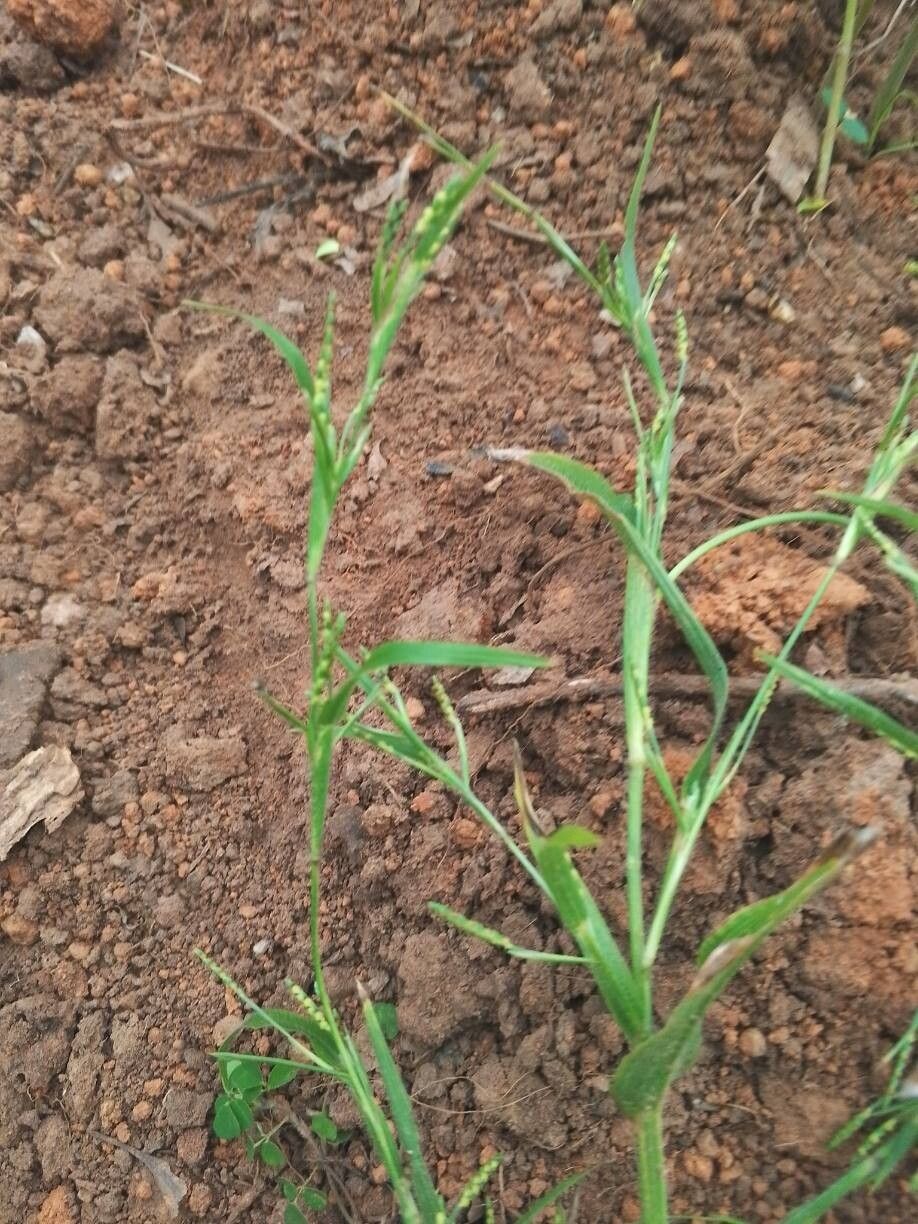
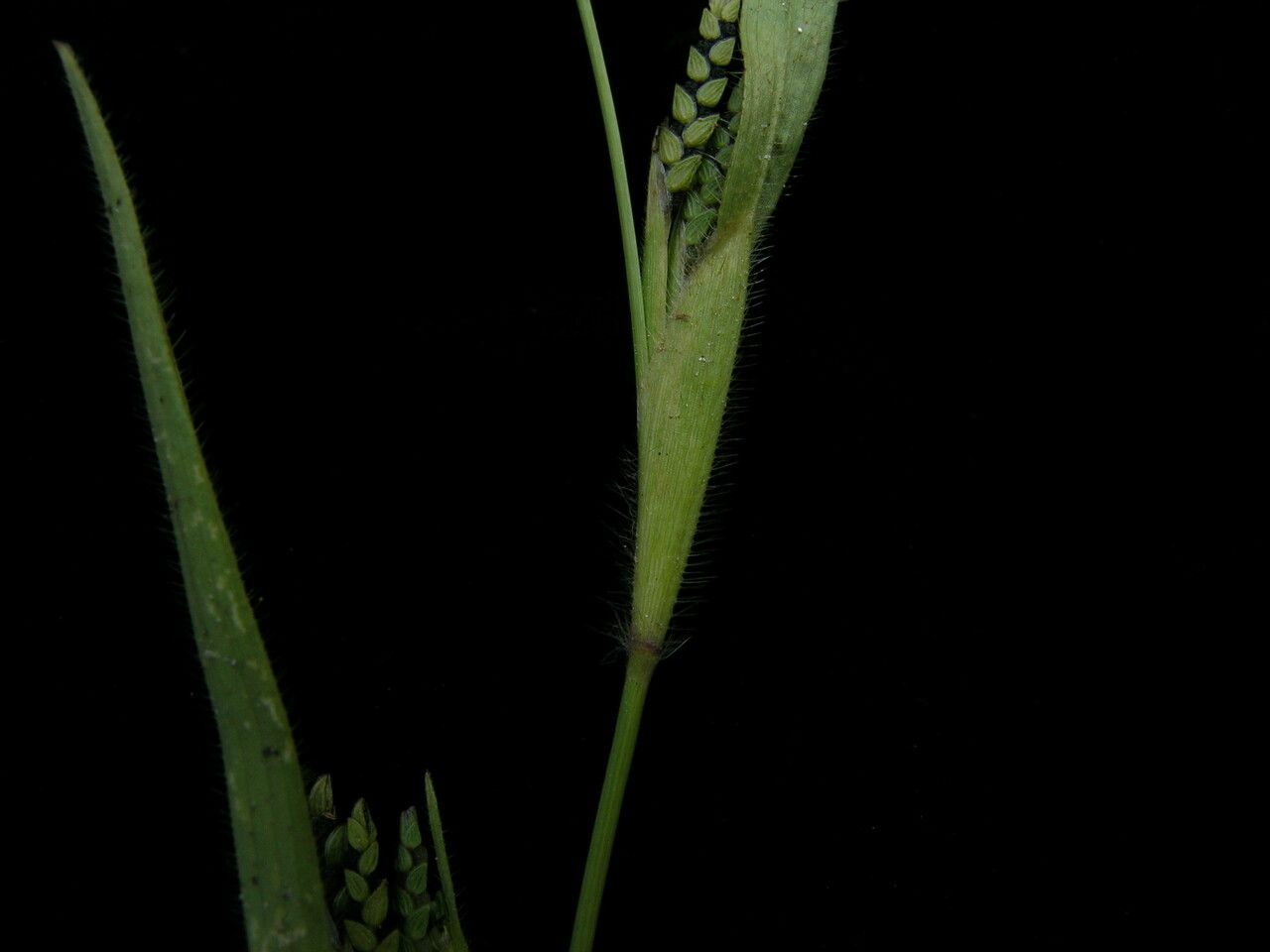
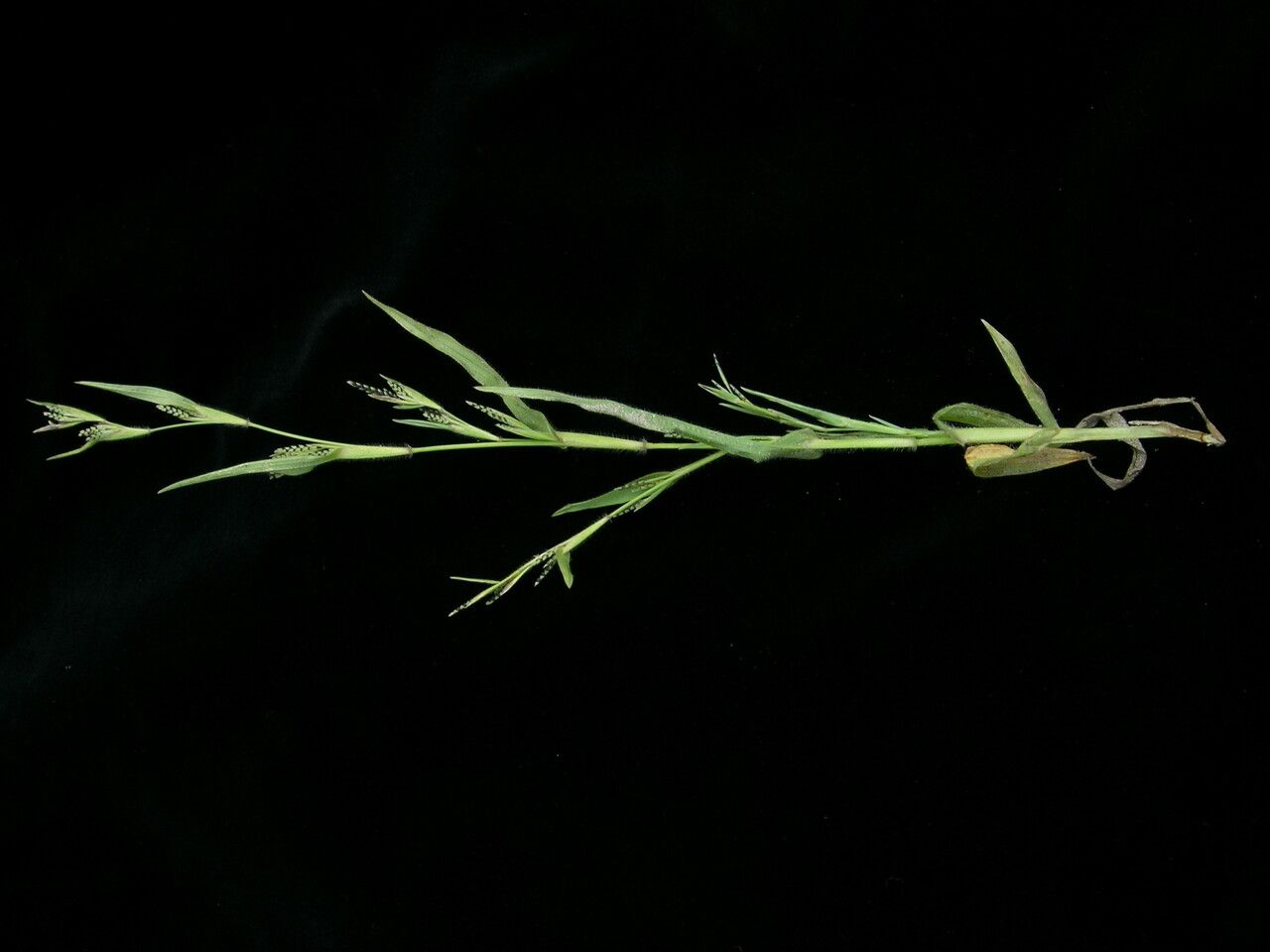
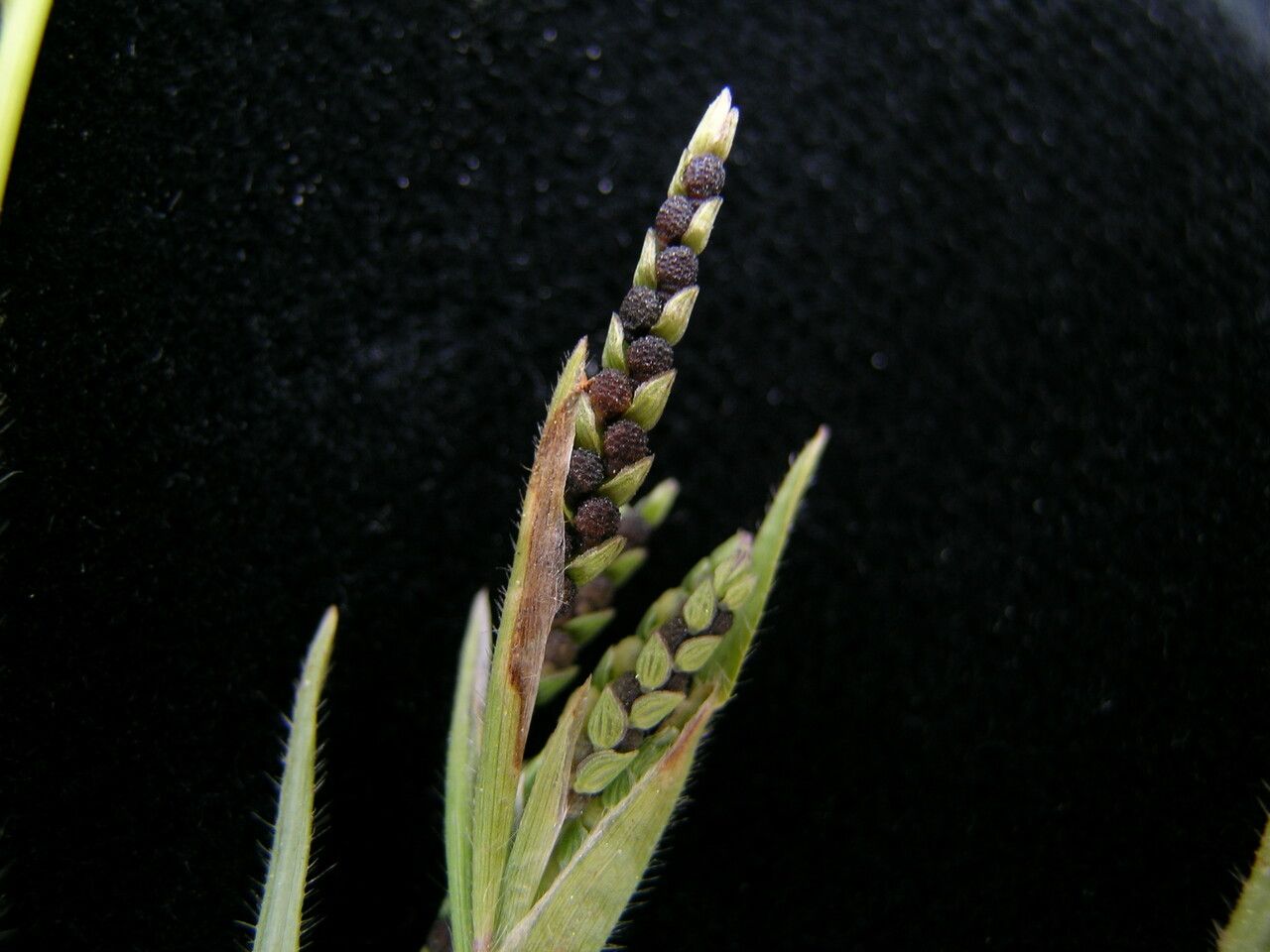
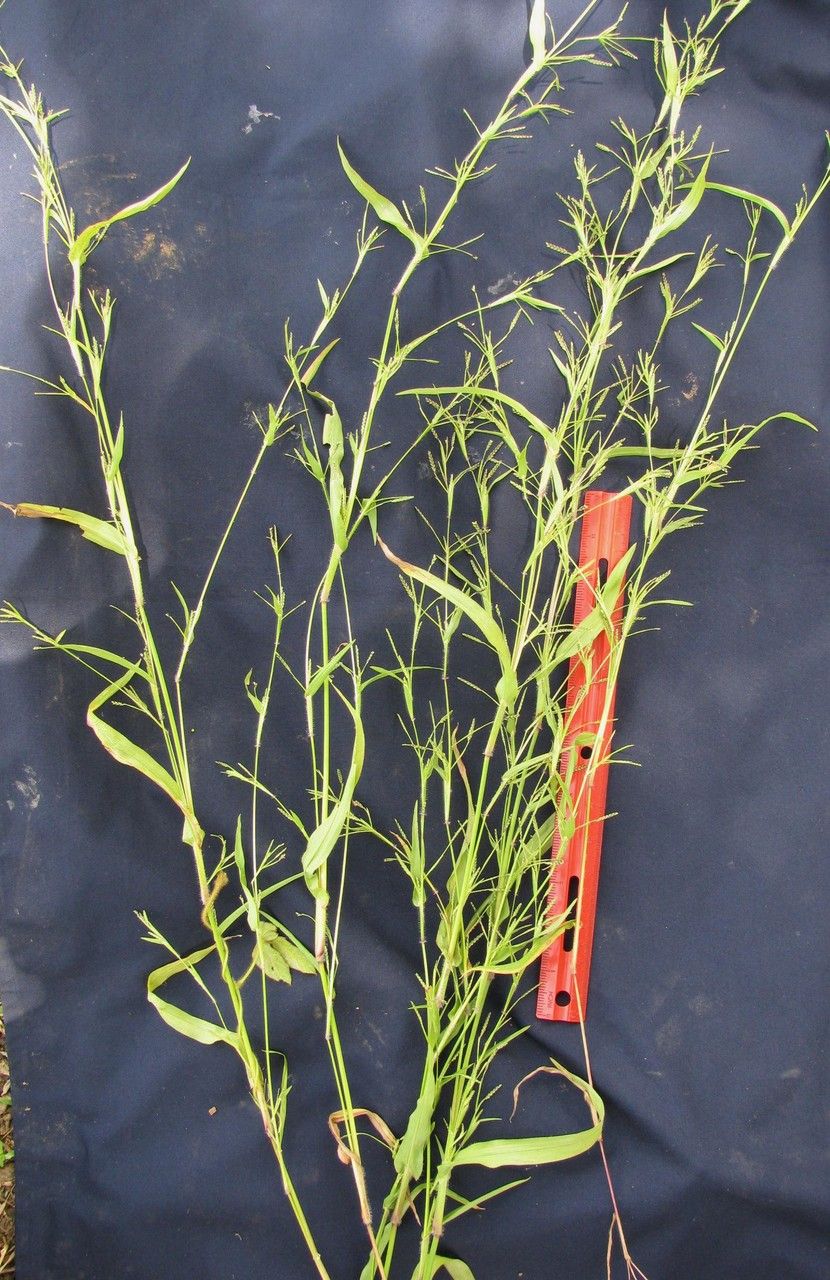
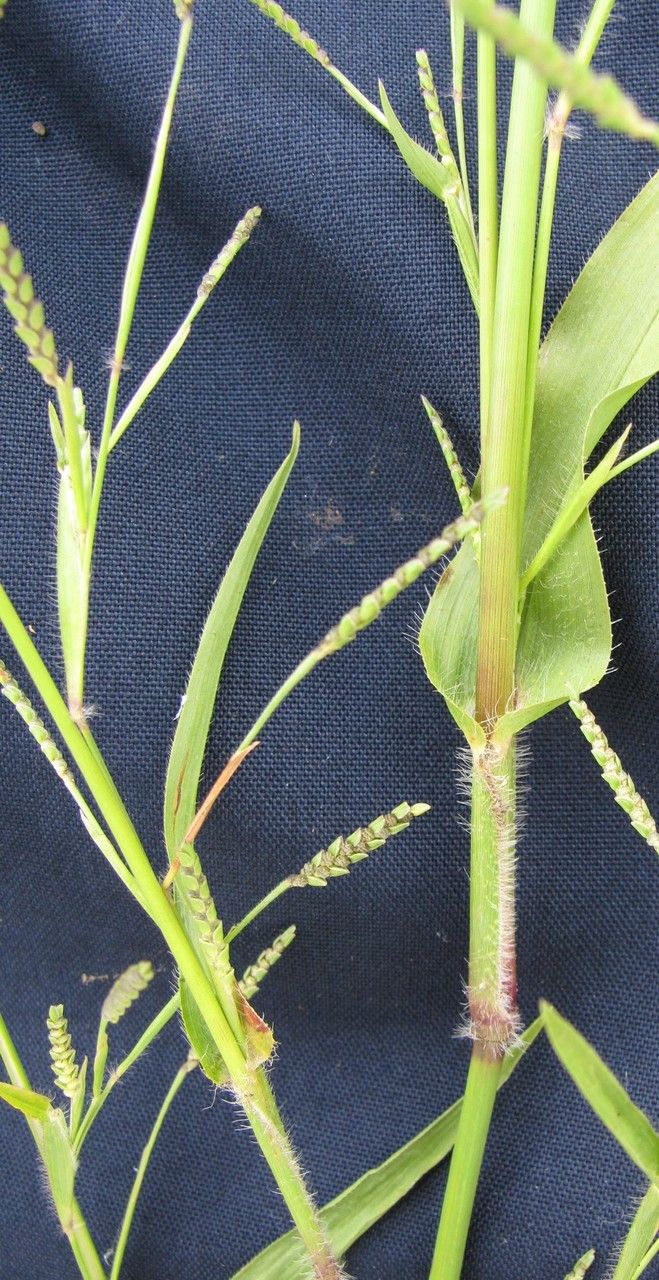
Hackelochloa granularis, the pitscale grass, is a species of grass native to sub-Saharan Africa and temperate and tropical regions of Asia. It is naturalised to the southern United States, Mexico and South America.
Lizard-tail grass is quite resistant to disease and is generally not susceptible to illnesses. In terms of care, the plant is fairly low-maintenance. When grown outdoors it needs only minimal watering, and larger plants usually do not require pruning. Smaller plants, however, should be pruned after they finish blooming. Lizard-tail grass is suitable for anyone with an outdoor area, such as a garden or deck, and does not demand much gardening experience.
How to keep Hackelochloa Granularis.
Light
Lizard-tail grass is native to bright, open habitats where it performs best in full sun. It can tolerate partial sun but favors direct sunlight for optimal growth. This annual and biennial plant is noted for its sun-loving nature.
Water
Lizard-tail grass, native to tropical regions, thrives with consistent moisture and can also withstand short periods of dryness. Watering it weekly encourages lush growth. When grown outdoors, it benefits from natural rainfall patterns during the rainy season, which enhances its growth and reduces the need for frequent irrigation.
Temperature
Lizard-tail grass comes from tropical areas, where the climate is generally warm and humid. As a result, it is adapted to high temperatures and humidity. It does not tolerate sudden temperature changes and prefers a steady temperature, so avoiding temperature fluctuations indoors is important. It usually cannot withstand cold and requires warmer conditions for growth. If the environmental temperature drops too low, the plant may stop growing or even die.
Pruning
Lizard-tail grass is a unique ground cover known for its granular texture. To encourage healthy growth and control its spread, it's important to prune the grass from early to late spring by removing any dead stems. Regular pruning not only enhances the plant's vigor but also improves its appearance, helping keep your garden well-maintained. This gardening advice is supported by expert horticultural guides.
Botanical profile.
- Plant Type
- Grass
- Life Cycle
- Annual
- Genus
- Hackelochloa
- Family
- Poaceae
- Hardiness Zone
- 9-11
- Mature Height
- 20 cm to 91 cm
- Mature Spread
- 20 cm to 40 cm
- Leaf Color
- Green
- Leaf Type
- Semi-evergreen
- Flower Color
- Yellow, Green, Purple, Brown
- Flower Size
- 0.51 cm to 1.52 cm
- Bloom Time
- Summer, Early fall, Mid fall
- Planting Time
- Spring, Summer, Autumn
- Harvest Time
- Late summer, Fall, Early winter
- Native Area
- Sri Lanka, Burkina Faso, Belize, India, Malaysia, Angola, Mexico, Guatemala, Eritrea, Pakistan, Nigeria, Yemen, Kenya, Uganda, Tanzania, Jamaica, Benin, Mali, Cuba, Sierra Leone, Indonesia, Cameroon, Venezuela, Brazil, Oman, Ghana, Ethiopia, Congo, Nepal, Central African Republic, Honduras, South Africa, Sudan, Philippines, Bangladesh, Guinea, Panama, China, Colombia, Bolivia, Vietnam, Myanmar, Japan, Togo, El Salvador, Nicaragua, Guyana, Costa Rica, Ecuador, Côte d'Ivoire, Bhutan, Gambia, Congo (DRC), Thailand, Gabon
Other names.
Reader questions.
What are the sunlight requirements for Lizard-tail grass?
Lizard-tail grass requires full sun exposure, defined as above 6 hours of sunlight daily, to thrive. It can also grow in partial sun, which means about 3-6 hours of sunlight. Observing how sunlight moves through your garden to find spots that provide a good balance of light and shade is essential for the optimal growth of your plants.
Can Lizard-tail grass grow in artificial lighting?
Yes, Lizard-tail grass can grow under artificial lighting, which is essential in periods of insufficient natural sunlight, such as in winter or in less sunny interior spaces. Artificial lights, like LEDs, can mimic the spectrum of sunlight and should be chosen based on the specific needs of your plants. For full sun plants, 30-50W/sq ft is recommended, for partial sun plants, 20-30W/sq ft, and for full shade plants, 10-20W/sq ft. The light source should be placed 12-36 inches above the plant and remain on for 8-12 hours per day to replicate the natural daylight hours and support healthier growth.
What are the symptoms of inadequate light for Lizard-tail grass when grown indoors?
Indoor Lizard-tail grass showing inadequate lighting may present symptoms such as smaller new leaves, leggy or sparse growth, accelerated leaf drop, the cessation of new growth, paler new leaves, chlorosis (leaf yellowing), sunscald, leaf curling, wilting, and leaf scorching. These symptoms indicate light deficiency, which affects the plant's ability to thrive and perform photosynthesis effectively.
How can I mitigate the symptoms of inadequate sunlight for Lizard-tail grass?
To mitigate inadequate sunlight symptoms in Lizard-tail grass, gradually acclimate the plant to receive at least 6 hours of direct sunlight daily, particularly using a south-facing window indoors or moving it weekly to sunnier spots outdoors while avoiding sudden intensity changes to prevent sunburn. For artificial lighting, consider keeping a lamp on for at least 8 hours daily or invest in professional grow lights. Outdoors, reduce obstructions like trees by pruning, and for smaller plants, consider transplanting during their dormant period to a sunnier location. Note that parts of the plant damaged by insufficient sunlight may not recover, but new growth should be healthy with improved lighting conditions.