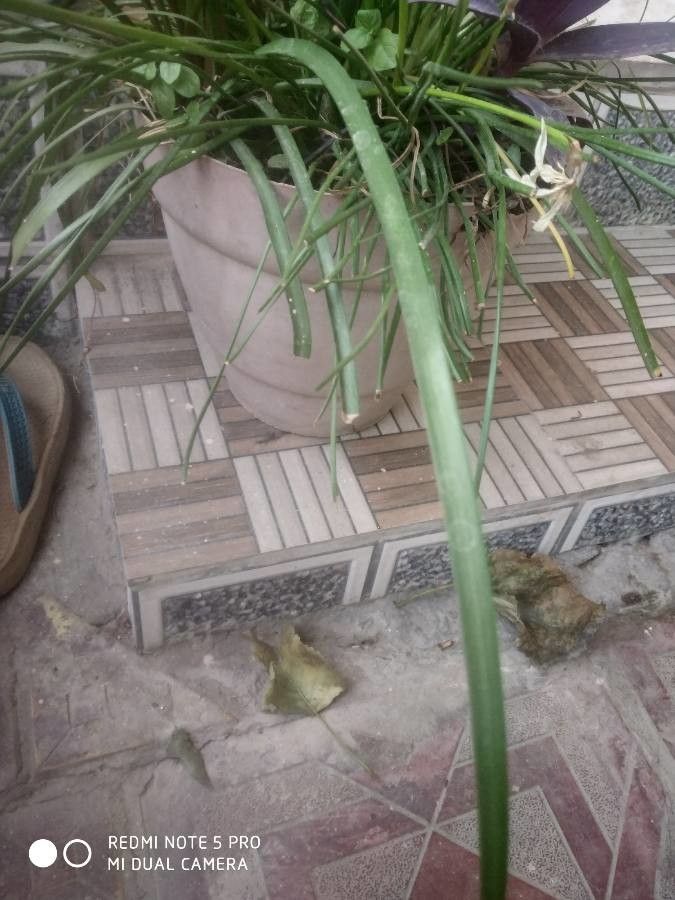
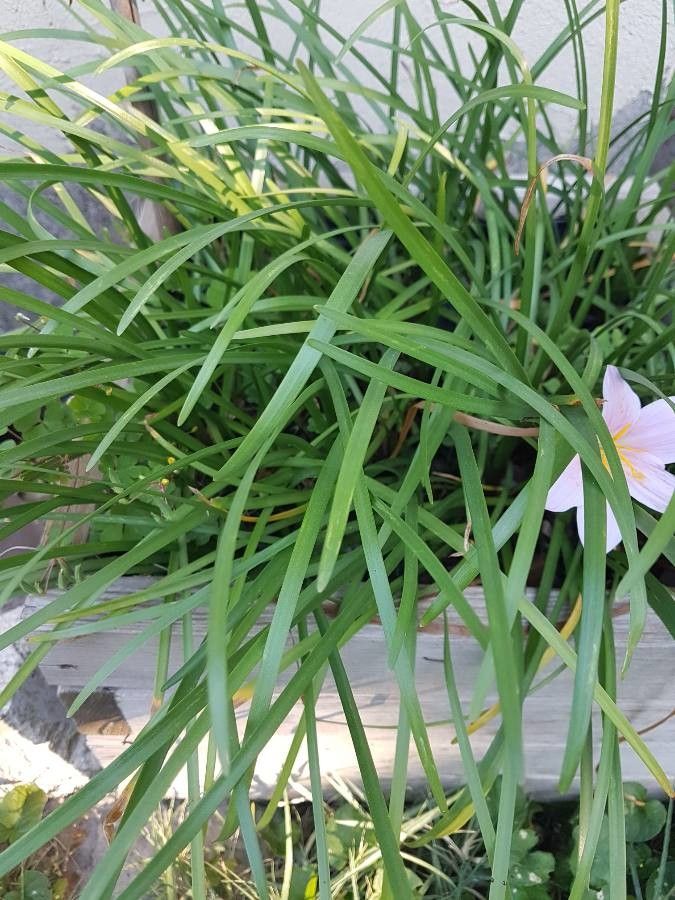
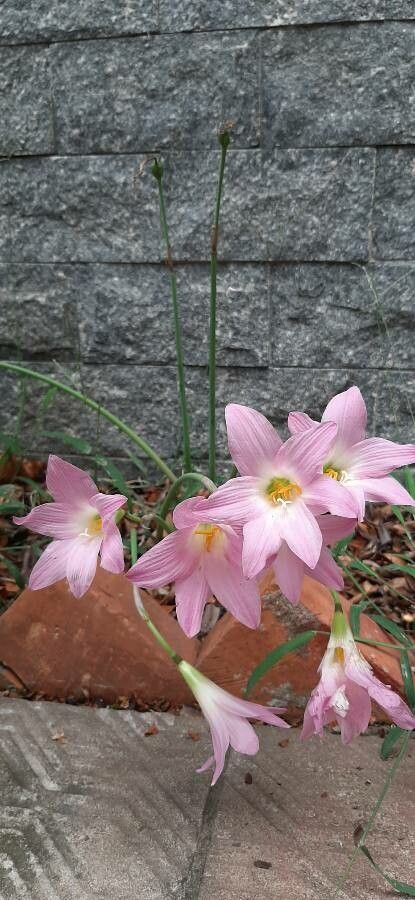
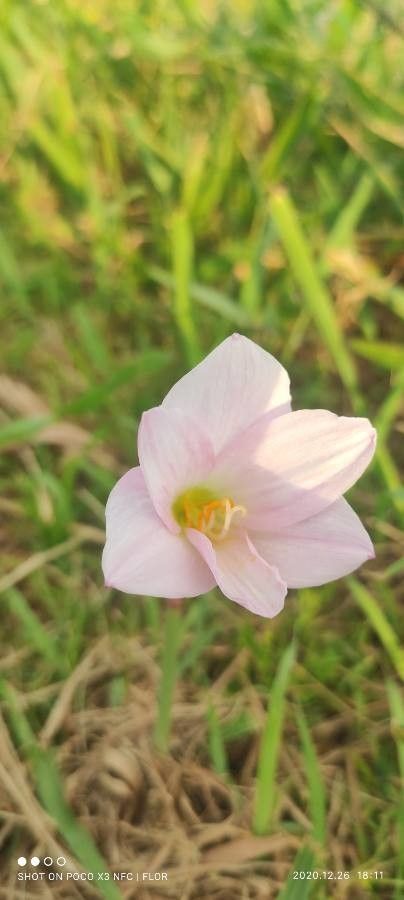
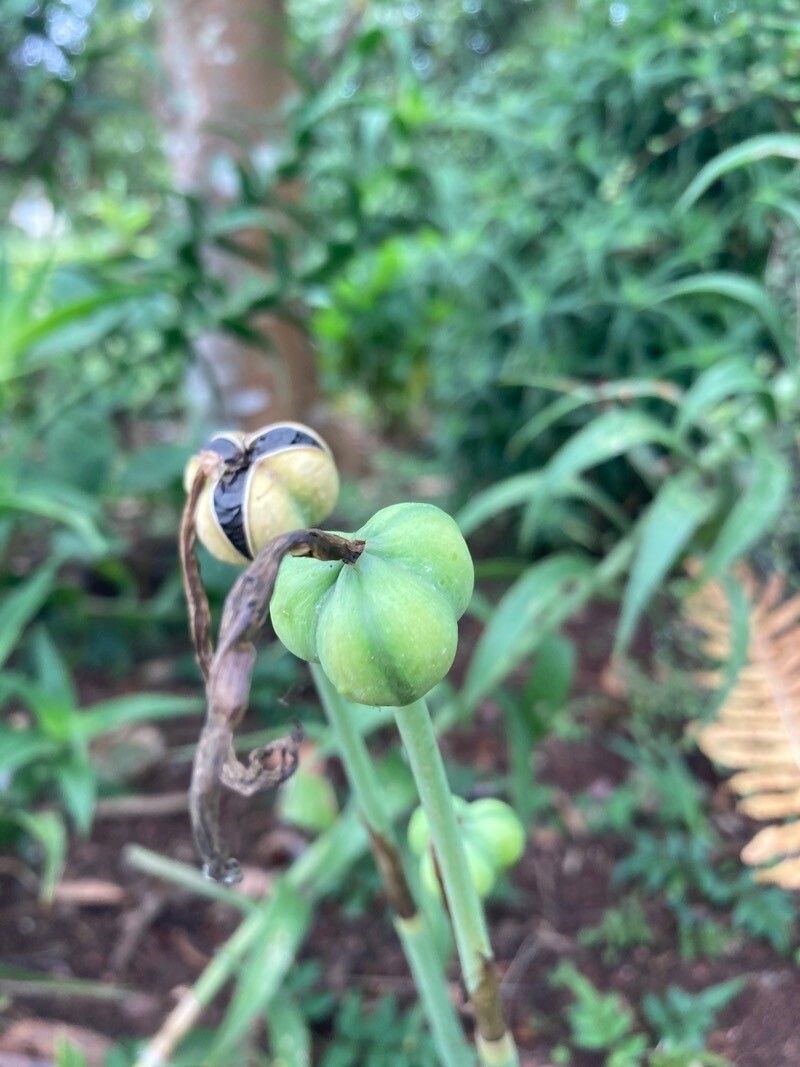
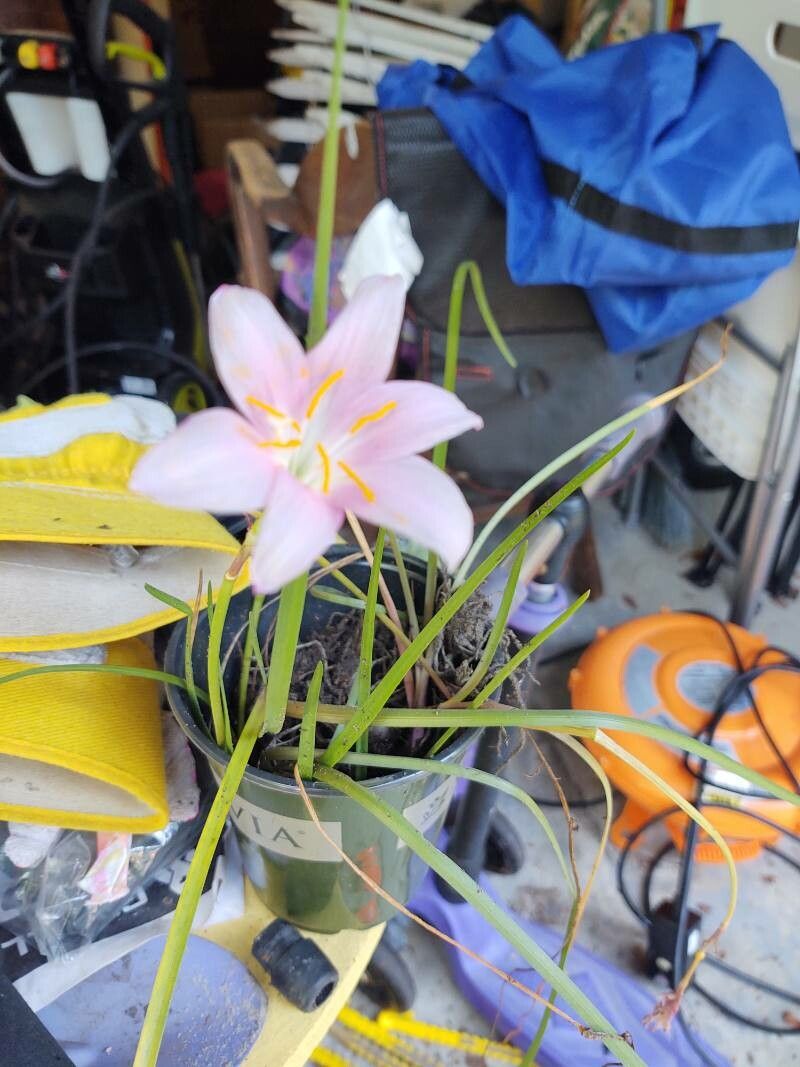
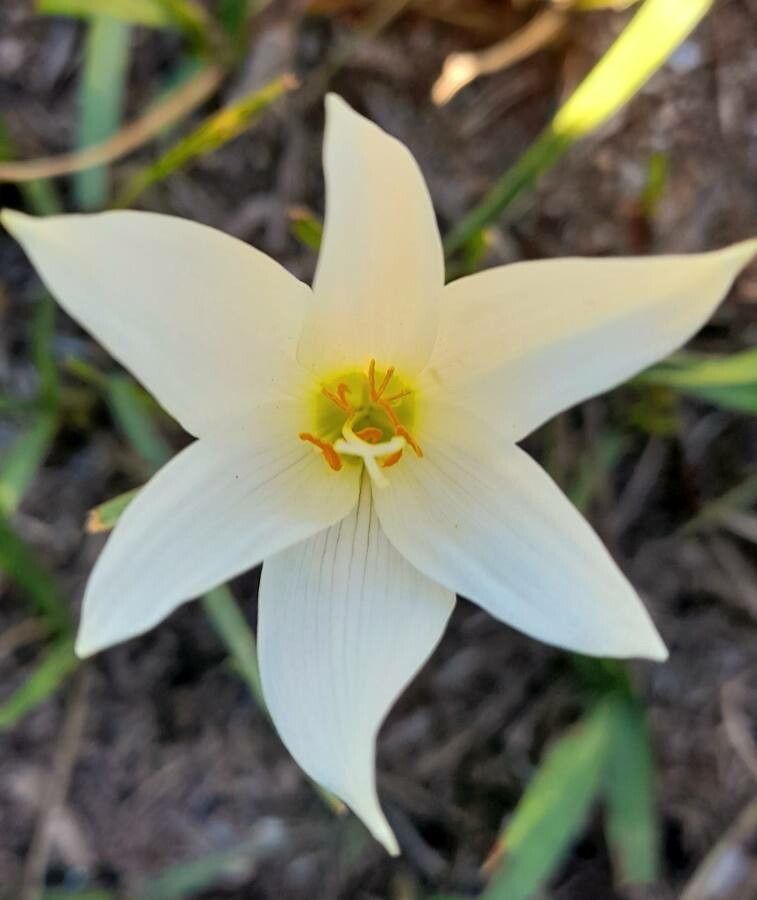
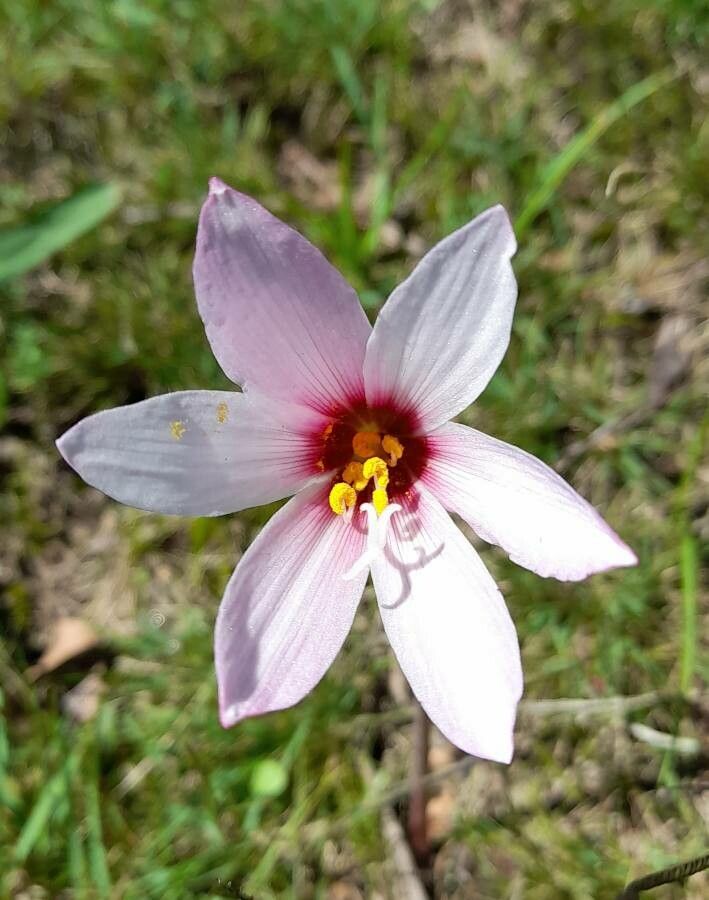
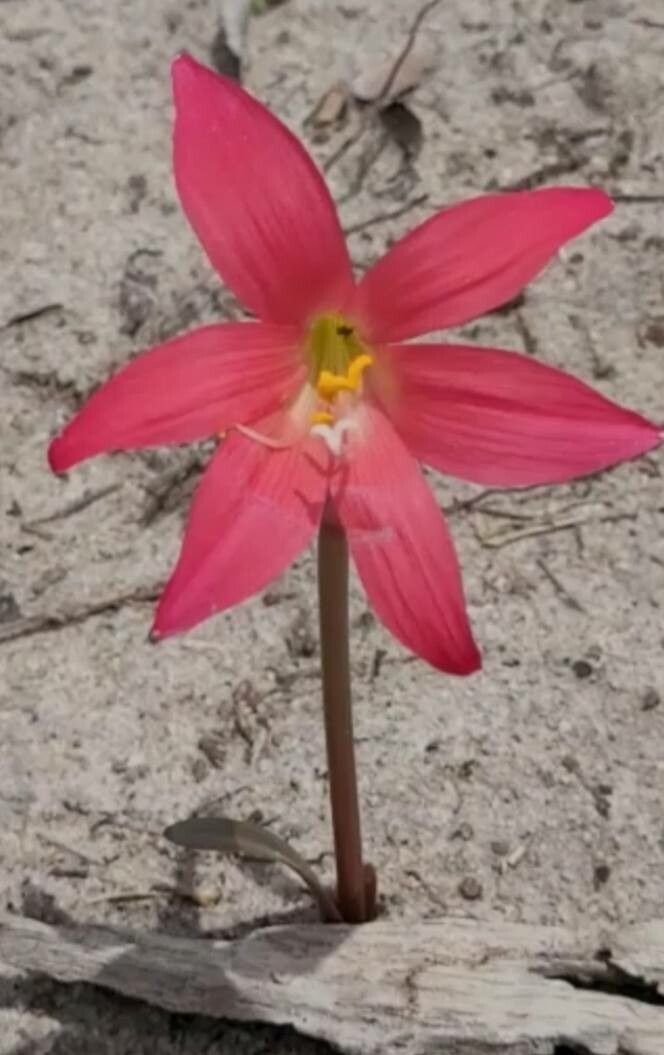
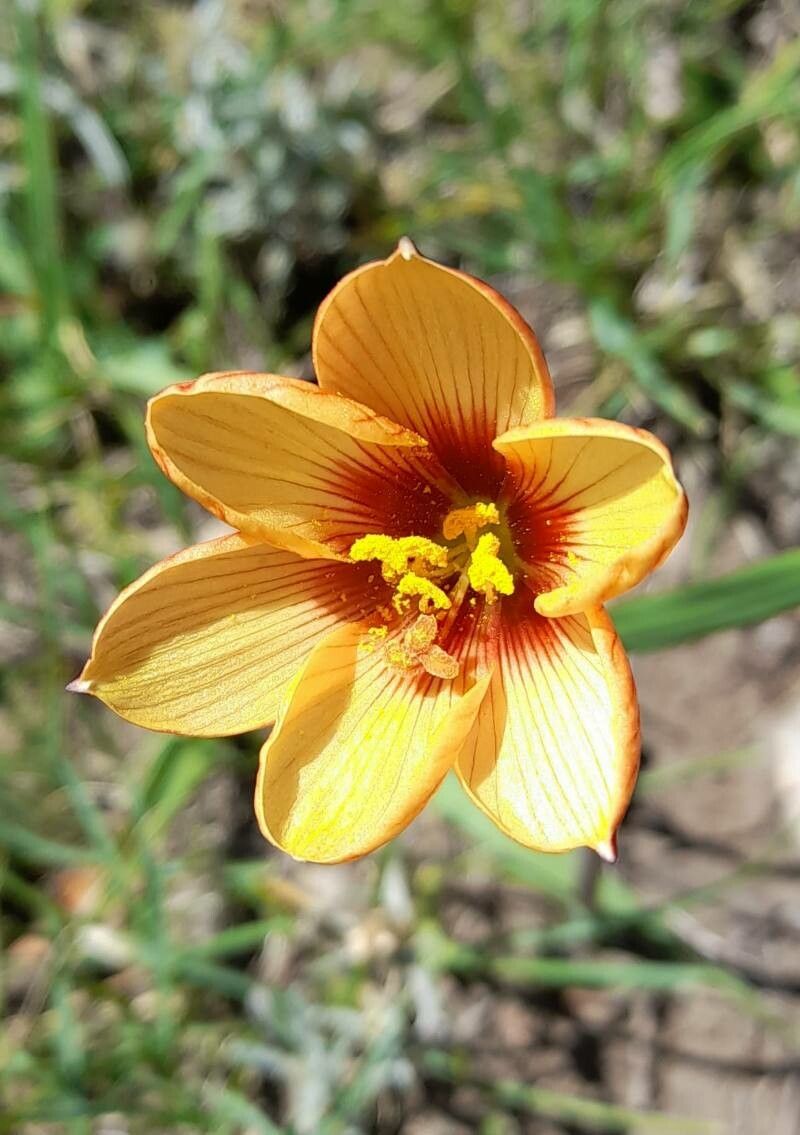
Habranthus robustus, commonly known as the Argentinean lily or copper lily, is a perennial bulbous plant belonging to the Amaryllidaceae family. Native to South America, it thrives in Argentina, Uruguay, and Brazil. The plant features narrow green leaves that can reach up to 30 cm in length and 1 cm in width. Its trumpet-shaped flowers, adorned with six petals, display hues of pink or reddish-purple with a yellow throat. These blooms appear in late summer or early fall, rising on tall stems that can grow up to 30 cm high.
Habranthus robustus thrives in well-drained soil and full sun exposure but can also tolerate partial shade. While it is drought-tolerant, regular watering during its growing season ensures optimal growth and flowering.
Thanks to its compact size and attractive blossoms, the Argentinean lily is ideal for rock gardens, borders, containers, or as ground cover. Its nectar-rich flowers also attract pollinators such as bees.
Overall, Habranthus robustus is an easy-to-grow plant that adds vibrant color and interest to any garden with minimal care. This makes it an excellent choice for both novice gardeners and experienced ones seeking low-maintenance plants with beautiful blooms.
The pink rain lily is quite disease-resistant and generally does not suffer from many illnesses. However, it can be vulnerable to pests and diseases present in its environment. Such infections are typically mild. In terms of care, this plant needs moderate maintenance. Regular pruning is required to keep a neat appearance and support healthy growth. Fertilizing can also help encourage blooming. Pink rain lily is suitable for anyone with outdoor space, like a garden or patio, and does not demand extensive gardening experience. It may need additional care if grown indoors.
How to keep Habranthus Robustus.
Light
The pink rain lily mainly prefers plenty of sunlight, which supports its healthy growth. The conditions in its native habitat reflect this preference for abundant light. Although adaptable and able to tolerate areas with limited sun, too much or too little sunlight can impede its optimal growth or even cause harm.
Water
The pink rain lily thrives in tropical climates and prefers consistent moisture, although it can tolerate short periods of drought. Watering the plant weekly helps mimic its natural habitat. When grown outdoors, the pink rain lily relies on rainfall to trigger its flowering, emphasizing the importance of precipitation in its growth and beauty.
Temperature
Pink rain lily demonstrates good temperature adaptability, capable of withstanding higher heat and greater temperature swings. In hot weather, attention should be paid to watering and providing adequate shade to prevent sunburn. Conversely, pink rain lily is relatively sensitive to low temperatures. It can tolerate some cold, but excessively chilly conditions can cause frost damage.
Fertilizer
The best time to fertilize a Pink rain lily is in early spring, as it comes out of dormancy and begins active growth. Fertilizing supplies essential nutrients needed for healthy development. Although Pink rain lilies need relatively little fertilizer, giving them an annual feeding can boost their survival and encourage improved, longer-lasting blooms.
Pruning
The pink rain lily is characterized by its pink blossoms and grass-like leaves. To keep it healthy, perform light pruning in early spring. Be sure to remove spent flowers and dead leaves to encourage new growth. It's important to sterilize your pruning tools to prevent the spread of disease. Additionally, avoid excessive pruning to ensure the plant maintains its vigor.
Botanical profile.
- Plant Type
- Herb
- Life Cycle
- Perennial
- Genus
- Habranthus
- Family
- Amaryllidaceae
- Hardiness Zone
- 9
- Mature Height
- 30 cm to 46 cm
- Mature Spread
- 46 cm
- Leaf Color
- Green
- Leaf Type
- Deciduous
- Flower Color
- Pink
- Flower Size
- 3.81 cm to 4.06 cm
- Bloom Time
- Summer, Early fall, Mid fall
- Planting Time
- Spring
- Harvest Time
- Late summer, Fall, Early winter
Other names.
Reader questions.
What are the sunlight requirements for growing Pink Rain Lily?
The Pink Rain Lily thrives under full sun or partial sun conditions. Full sun means the plant should receive above 6 hours of sunlight daily, while partial sun refers to about 3-6 hours of sunlight each day. It's essential to observe how sunlight moves through your garden to ensure that your plants get a balance of light and shade, guaranteeing their health and happiness. Despite preferring ample sunlight, reflective of its native habitat, the Pink Rain Lily is adaptable and can tolerate lower light levels, although too little or too much sunlight can hinder its growth or cause damage.
How do artificial lights affect the growth of Pink Rain Lily indoors?
Indoor plants like the Pink Rain Lily require adequate lighting when natural sunlight is insufficient, especially in winter or less sunny spots. Artificial lighting, such as LED lights, can be a crucial supplement, promoting faster, healthier growth by providing specific light wavelengths needed by the plants. For full sun plants, 30-50W per square foot is recommended; partial sun plants need 20-30W per square foot, and full shade plants require 10-20W per square foot. The light source should be placed 12-36 inches above the plant to mimic natural sunlight conditions. Most plants benefit from 8-12 hours of light per day to mimic natural daylight hours accurately.
What symptoms indicate a Pink Rain Lily is getting inadequate light?
A Pink Rain Lily showing signs of inadequate light may exhibit smaller leaves than previously, leggy or sparse growth, faster leaf drop, halted or slowed growth, paler new leaves, chlorosis or yellowing of leaves due to chlorophyll breakdown, sunscald on leaves or stems, leaf curling as a defense mechanism against excessive sunlight, wilting due to increased water loss, and leaf scorching seen as brown or crispy edges on leaves. These symptoms suggest the plant is struggling with the light conditions, either too little or too much, affecting its growth and health.
How can you manage light exposure for Pink Rain Lilies to ensure their health?
Managing light exposure for Pink Rain Lilies involves adjusting their location to meet their sunlight needs. For indoor plants, gradually increase their exposure to sunlight or use artificial lighting, like desk or ceiling lamps for at least 8 hours daily, moving them towards a south-facing window for better light. Outdoors, slowly transition the plants to sunnier spots weekly to prevent sunburn. If plants are shadowed, prune obstructing branches or consider transplanting them during their dormant period to a brighter location with good drainage. It's crucial to avoid sudden light intensity changes and note that while affected parts may not recover, new growth should be healthy after improving light conditions.