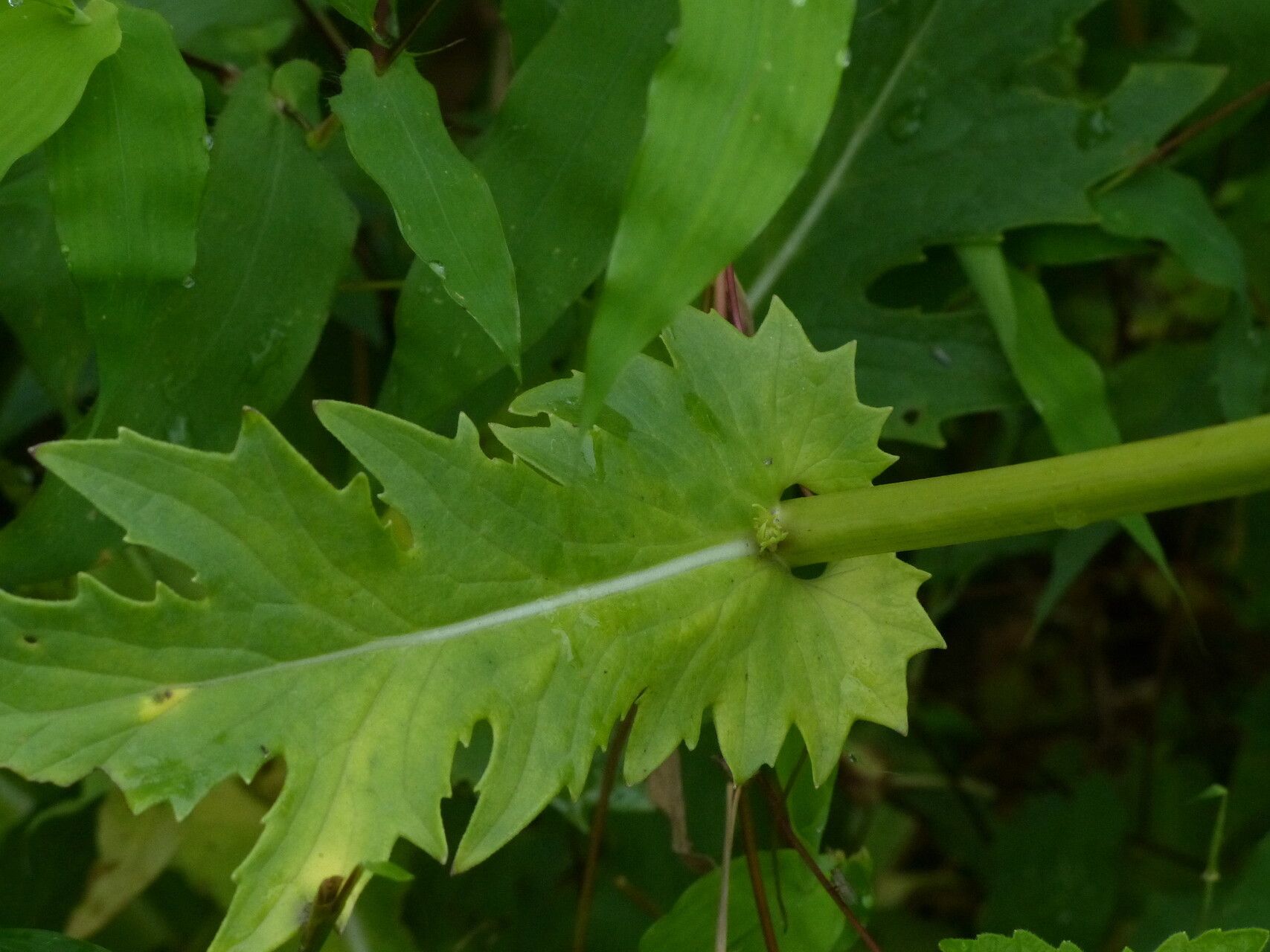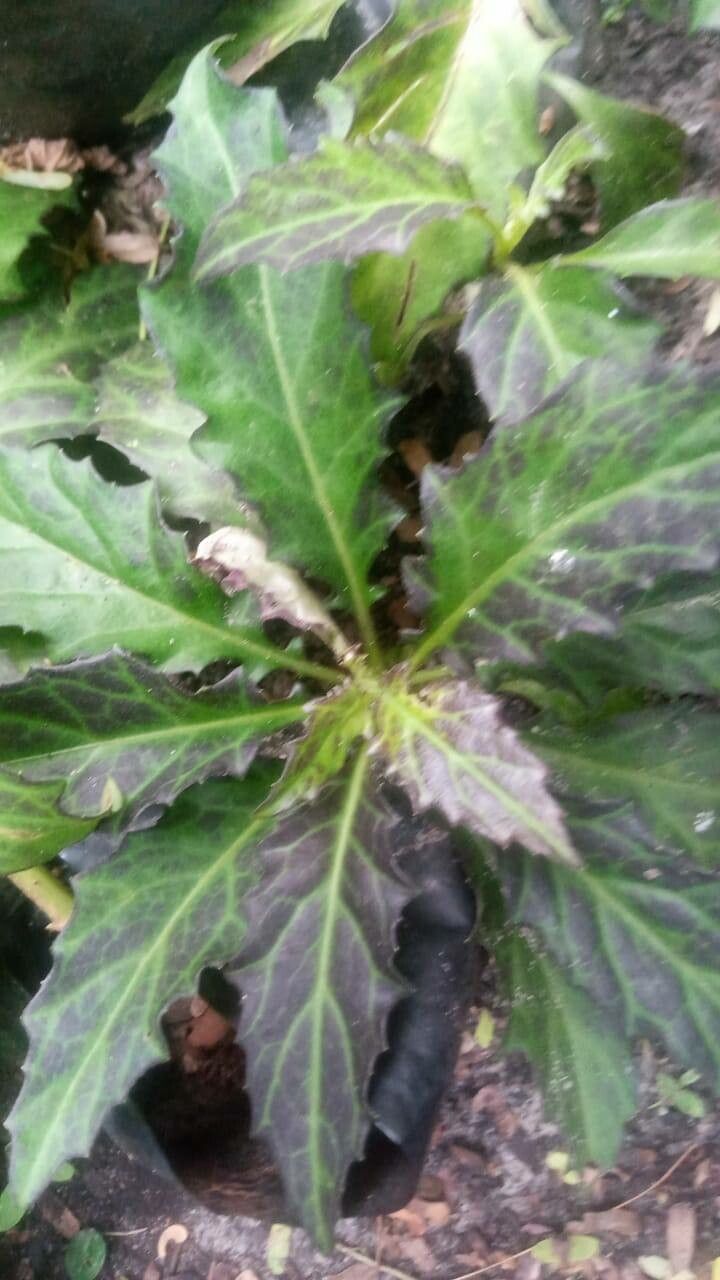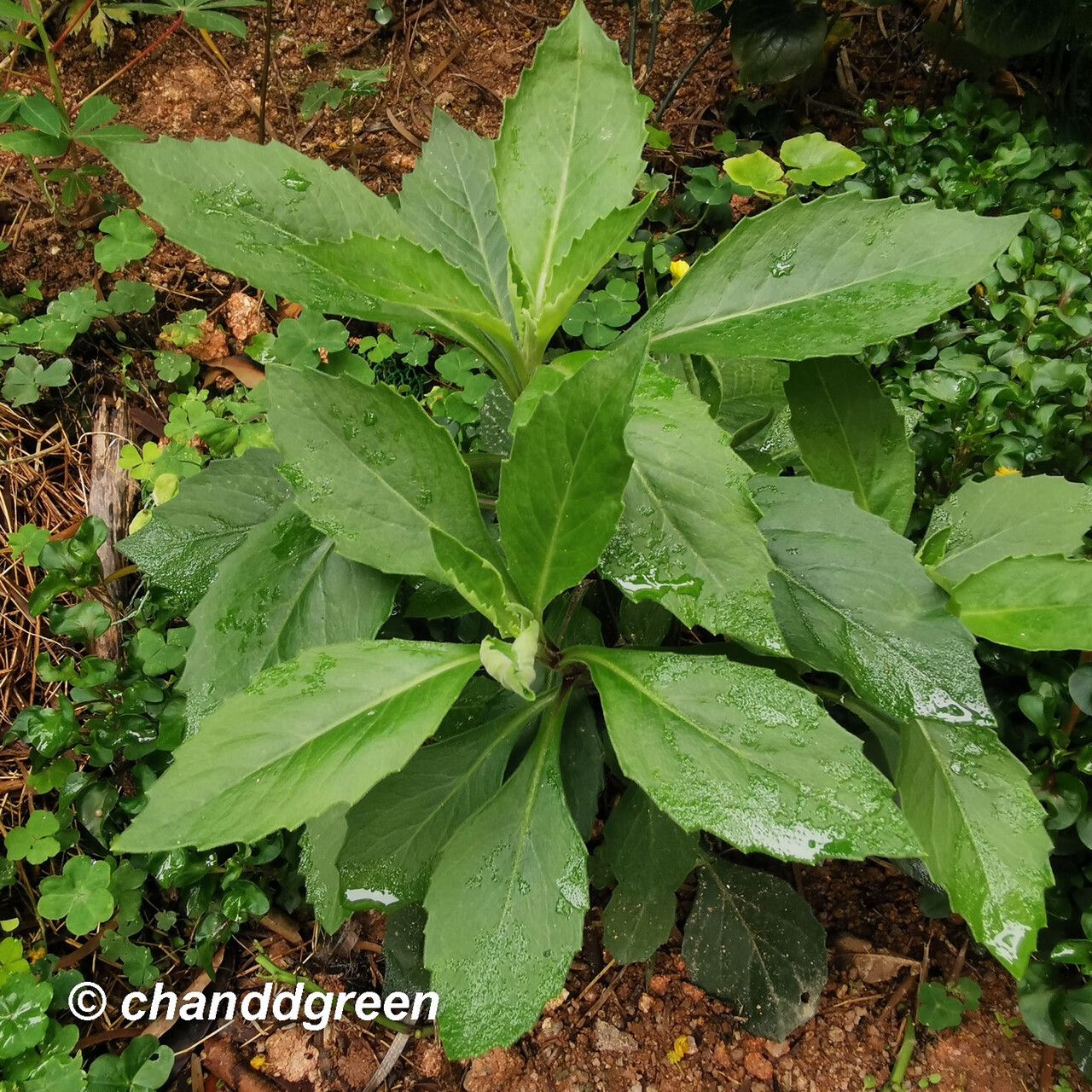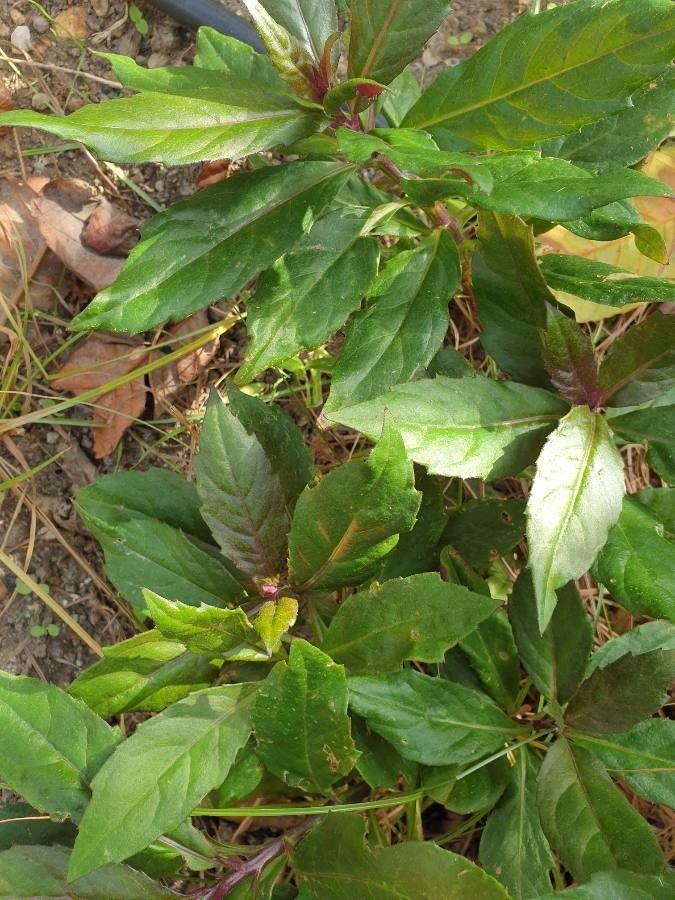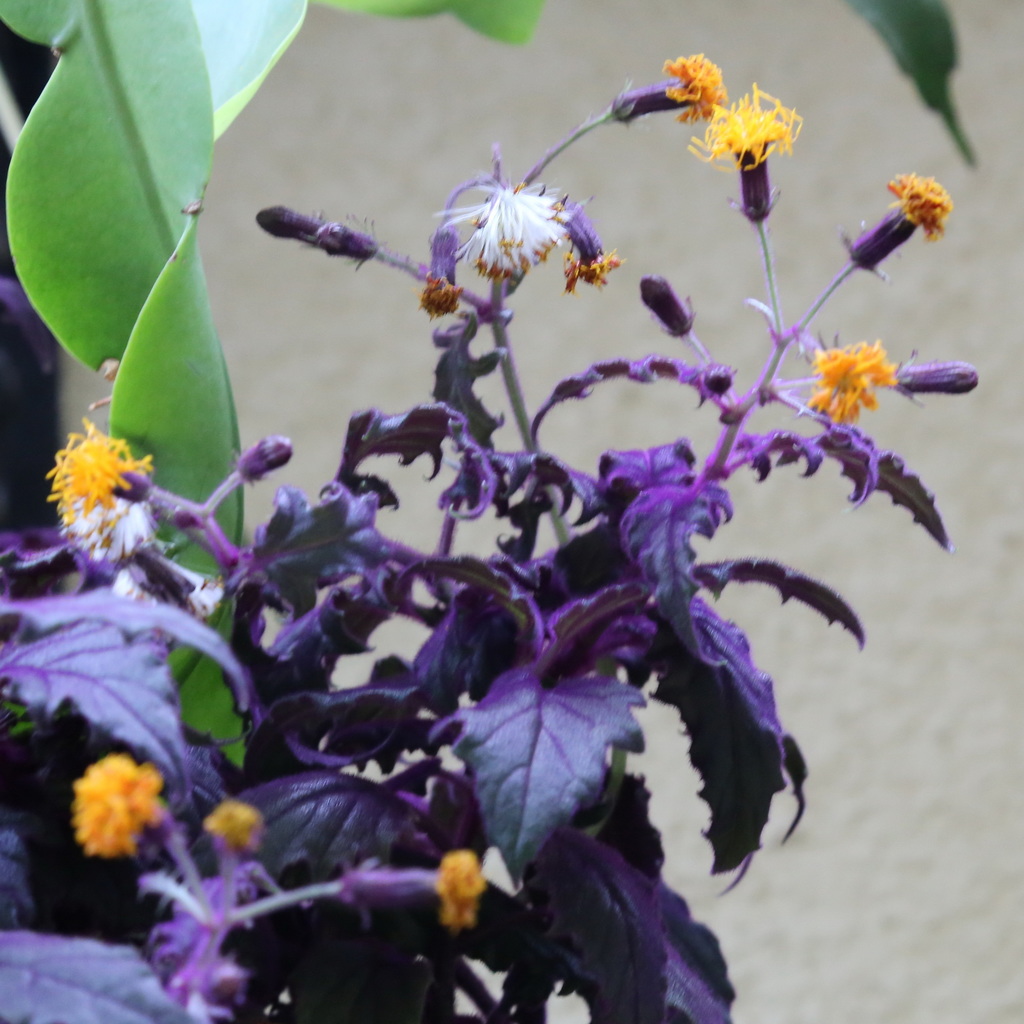
Gynura aurantiaca, commonly known as the purple passion or velvet plant, is a well-loved houseplant belonging to the Asteraceae family. Native to Southeast Asia, this plant is renowned for its striking purple foliage and velvety texture. The leaves are oval-shaped with serrated edges and can grow up to 6 inches long.
For optimal growth, Gynura aurantiaca requires bright, indirect light but is also capable of tolerating low light conditions. It prefers well-draining soil that is kept moist but not waterlogged. Water the plant when the top inch of soil feels dry to the touch.
A unique feature of this plant is its ability to produce small yellow flowers in late summer or early fall, creating a stunning contrast with its purple foliage.
Traditionally, Gynura aurantiaca has been used in medicine to treat various ailments such as coughs, fever, and headaches, thanks to its anti-inflammatory properties. However, it is important to note that ingesting large amounts of this plant can cause digestive issues in both humans and pets.
Overall, Gynura aurantiaca adds a beautiful touch to any indoor space with its vibrant colors and unique texture. When used responsibly, it also offers potential health benefits.
The Purple Passion plant is truly unique among houseplants. Its vibrant green leaves are coated with soft purple hairs, giving it a striking purple sheen. While the plant is visually stunning, its flowers are known for emitting a strong odor, which is why it's called Purple Passion.
Purple passion plant has strong resistance to disease and is generally not prone to illness. However, it can develop leaf spots if light and ventilation are poor or if it is overwatered. The plant's care level is considered easy, since it only needs regular watering and little other attention. Purple passion plant is suitable for those who do not have the time or energy to devote to regular care.
How to keep Gynura Aurantiaca.
Light
The purple passion plant develops best with plenty of sunlight, though it can tolerate partial sun. Its native habitat reflects this preference for strong light. Insufficient sunlight can cause its leaves to lose their bright purple color, while excessive sunlight can scorch the foliage.
Water
The velvet plant flourishes in humid settings and needs regular watering to keep its lush appearance. To thrive indoors, it benefits from added humidity, which you can provide by misting it or using a pebble tray during the growing season. Watering it once a week is generally sufficient.
Temperature
The purple passion plant's native temperature-related growth environment is tropical, with temperatures ranging from 20 to 38 ℃ (68 to 100 ℉). It prefers warm conditions and can tolerate high humidity. During summer, it is recommended to place it in a spot with temperatures between 25 to 30 ℃ (77 to 86 ℉) to encourage healthy growth.
Fertilizer
The purple passion plant needs the most fertilizer during its period of active growth, which takes place mainly in spring, summer, and early fall. Fertilizing supplies essential nutrients that the soil may lack, encouraging healthy root and stem growth and maintaining the attractive foliage that is a key characteristic of this plant.
Pruning
The Velvet plant features striking purple foliage. To encourage bushier growth and remove leggy stems, prune the plant from early to late spring. Regularly pinching the tips will help maintain its compact shape. Always use sterilized tools to prevent disease. Effective pruning not only enhances the plant's health but also its ornamental appeal. For best results, consult trusted sources for tailored pruning techniques.
Pot & Repot
Repot the purple passion plant in early spring, selecting a pot only slightly larger than the current one with good drainage. Use a well-draining potting mix and position the root ball at the same level as before. Gently loosen any root-bound roots. After repotting, water thoroughly and keep the plant in a warm, shady spot. Regular pruning will help control its size and encourage new growth.
Toxicity
The purple passion plant is non-harmful. This houseplant is safe to have around children and pets, such as canines and felines, birds, and reptiles.
Further reading →
The toxicity and danger assessments provided are for reference only. We do not assure their accuracy, so it's crucial not to depend on them. Seek professional advice when necessary for accurate guidance.
Botanical profile.
- Plant Type
- Vine, Herb
- Life Cycle
- Perennial
- Genus
- Gynura
- Family
- Asteraceae
- Hardiness Zone
- 9-11
- Mature Height
- 30 cm to 61 cm
- Mature Spread
- 0.61 m to 1.22 m
- Leaf Color
- Green, Purple, Red
- Leaf Type
- Evergreen
- Flower Color
- Orange
- Flower Size
- 2.54 cm
- Bloom Time
- All year round
- Planting Time
- Spring, Summer
- Harvest Time
- All year round
- Native Area
- Java
Other names.
Reader questions.
How should I water my Velvet plant?
To properly water the Velvet plant, it is important to follow a few guidelines. Firstly, use filtered water at room temperature or slightly warmer. Tap water may contain harmful particles for the plant. The Velvet plant prefers warm environments, so avoid using cold water as it can be a shock to the plant. Secondly, it is best to avoid overhead watering to prevent any foliage complications. Instead, focus on saturating the soil with the filtered room temperature water. This will benefit the plant by moistening its roots and allowing them to spread and gather necessary nutrients from the soil.
Why should I put fertilizer on my Velvet plant?
All plants, including the Velvet plant, need soil nutrients for growth. However, it's not always guaranteed that the soil will have all the necessary nutrients. To ensure your garden plants get the right nutrients, fertilization and soil amendments are important. For the Velvet plant specifically, fertilizer is needed to support healthy root and stem development during the growing season. Fertilization also plays a crucial role in producing visually appealing leaves, which are the main ornamental feature of this plant.
What are the sunlight requirements for velvet plants?
Velvet plants thrive best with plenty of sunlight, ideally flourishing under full sun conditions, which means they require more than 6 hours of direct sunlight daily. However, they can also tolerate partial sun, receiving about 3-6 hours of sunlight per day. It's important to observe how sunlight moves through your garden to choose spots that provide the right balance of light and shade, ensuring your plants stay happy and healthy.
What are the essential temperature requirements for a velvet plant?
The velvet plant, or Gynura aurantiaca, thrives in a tropical environment with temperatures ranging from 20 to 38°C (68 to 100°F). It prefers warm temperatures and high humidity, with optimal growth temperatures between 25 to 30°C (77 to 86°F) during summer. This heat-loving plant is sensitive to cold, and it is advised to bring them indoors near a bright window in autumn while avoiding direct heat sources. Keeping temperatures above the minimum suitable growth temperature in winter is crucial for its health. Temperatures nearing the minimum tolerable growth limit can be harmful to the plant.
What should I do if I give my Velvet plant too much or too little water?
Both overwatering and underwatering can harm your Velvet plant, but overwatering is more common. When the plant gets too much water, its stems and leaves may wilt and turn yellow. Overwatering for a long time can also cause diseases like root rot, mold, and mildew, which can be fatal for the plant. Underwatering is less common for Velvet plants since they can tolerate drought, but it is still possible. In such cases, the leaves may become brittle and brown. It's important to recognize signs of overwatering early on. Some diseases caused by overwatering, like root rot, may become irreversible if not addressed promptly. If you notice early signs of overwatering, reduce watering immediately and check the soil's drainage. If the soil drains poorly, replace it with a loose, well-draining potting mix. On the other hand, if you suspect your Velvet plant is underwatered, water it regularly until the signs of dryness disappear.
When should I fertilize my Velvet plant to help it grow best?
The Velvet plant requires the most fertilizer when it is actively growing, which is mainly during the spring, summer, and early fall. After winter, it is recommended to fertilize the plant every two to four weeks until fall. When fall arrives, you can decrease the amount of fertilizer gradually until you stop feeding the plant completely for the upcoming winter, as it will have less active growth during that time.
How does insufficient or excessive sunlight affect velvet plants?
Insufficient sunlight may cause velvet plants' leaves to lose their vibrant purple hue, a distinctive trait of the species, signifying a need for more light. Conversely, too much direct sunlight can lead to scorched leaves, indicating the plant is receiving more light than it can handle. These conditions illustrate the velvet plant's need for a balanced exposure to sunlight, reflective of its native habitat preferences for abundant light.
What should I do if my velvet plant is exposed to low temperatures?
If your velvet plant is exposed to low temperatures, the first step is to trim off any frost-damaged parts. Then, move the plant to a warmer indoor setting for protection against the cold. Placing it near a south-facing window can ensure it receives sufficient sunlight without getting too close to heaters or air conditioning vents, which could cause the air around it to become excessively dry. It's important to maintain a temperature above the plant's minimum tolerable growth temperature to avoid the leaves lightening in color, turning brown or black, and experiencing wilting or drooping after frost damage.
How often do I need to water my Velvet plant?
If your Velvet plant is in a pot, the best way to check if it needs watering is to put your finger in the soil. If the top two to three inches are dry, it's time to water it. If your Velvet plant is grown outdoors, you can also use this method to test the soil. When the top few inches are dry, it needs watering. Usually, in spring and early fall, watering once a week is enough. But during extremely hot weather, you may need to water it twice or more per week. However, it's worth mentioning that mature and well-established Velvet plants can handle drought quite well.
When is the best time to not fertilize my Velvet plant?
For most of the year, including spring, summer, and most of fall, it is important to regularly feed your Velvet plant. However, there are a couple of exceptions to this rule. If you notice that your Velvet plant has received too much fertilizer or if you have fertilized it incorrectly, causing issues like fertilizer burn, you will need to address these problems before resuming regular feeding. The only time you should not fertilize a Velvet plant is during winter. If you keep this plant indoors in a cold winter area, it will go into a dormant phase during this time. Feeding the plant during its dormant phase is unnecessary and actually harmful, as it can lead to fertilizer burn.
How can artificial lighting benefit indoor velvet plants?
Indoor velvet plants require adequate lighting for optimal growth, especially in conditions where natural sunlight is scarce, such as winter or in less sunny spaces. Artificial lights, like LED, provide a vital solution by mimicking natural sunlight's benefits. This involves choosing the right artificial light type, determining the appropriate distance (12-36 inches above the plant), and setting the duration to mimic natural daylight hours, usually 8-12 hours per day. For different sunlight needs, adjust the wattage accordingly: 30-50W/sq ft for full sun, 20-30W/sq ft for partial sun, and 10-20W/sq ft for full shade.
How do I care for my velvet plant during high temperatures?
During high temperatures, particularly in summer, it's advantageous to keep your velvet plant's environment below the maximum suitable growth temperature to prevent leaf discoloration and susceptibility to sunburn. When temperatures exceed the plant's tolerable high temperature limit, you should trim away any sunburned or dried parts of the plant. Relocate the plant to a spot that offers shade from the strong midday and afternoon sun. Ensure to water the plant in the morning and evening to maintain soil moisture, helping the plant cope with the heat.