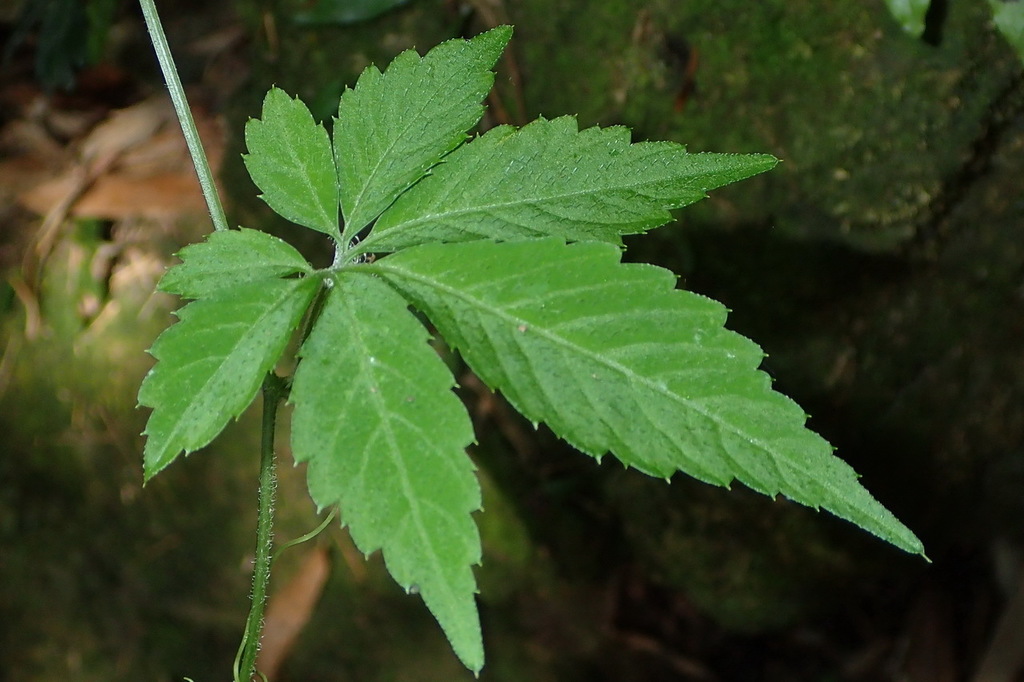
Gynostemma pentaphyllum, also known as Jiaogulan, is a perennial vine native to China and other parts of Asia. Belonging to the Cucurbitaceae family, it is closely related to cucumbers and melons. This plant has been utilized in traditional Chinese medicine for centuries due to its numerous health benefits.
Gynostemma pentaphyllum contains a variety of bioactive compounds such as saponins, flavonoids, and polysaccharides, which possess antioxidant properties. These compounds help protect the body against oxidative stress caused by free radicals.
Studies have shown that the plant offers several health benefits, including reducing inflammation, improving cardiovascular health by lowering blood pressure and cholesterol levels, and boosting immune system function by increasing the white blood cell count.
Additionally, Gynostemma pentaphyllum is known for its adaptogenic properties, which help reduce stress levels in the body. It can enhance mental clarity and alleviate anxiety.
The plant can be consumed in various forms, including tea or supplements made from dried leaves or extracts from its roots or stems. Overall, Gynostemma pentaphyllum is a versatile herb with many potential health benefits, making it an excellent addition to any diet or supplement regimen.
Twisting blue plant has weak disease resistance and is prone to powdery mildew, horn spot, and leaf spot. It is also vulnerable to most insect pests. If it becomes diseased, it requires treatment, though most illnesses only reduce yield and are not deadly. For care, the Twisting blue plant needs frequent watering in summer and extra fertilizer to encourage fruit growth. It does not need much pruning. Because of this, it is suitable for people with a garden or outdoor space who have a bit of energy to look after it.
How to keep Gynostemma Pentaphyllum.
Light
Twisting blue plant flourishes in locations that receive extended daylight. It can endure situations where continuous light exchange is present. During growth stages, too much or too little light can result in poor development. The environment it originates from tolerates sunlight for most of the day, reflecting its ability to handle abundant solar exposure.
Water
The Twisting Blue Plant flourishes in subtropical environments with moderate humidity and consistent moisture. To thrive, it prefers soil that remains evenly moist, benefiting from watering every two weeks. Often cultivated indoors, this plant requires well-draining soil, particularly when planted in containers, to prevent root rot.
Humidity
This plant will thrive in moderate humidity, which is probably the level in your home. However, misting it a few times a week can be very beneficial. Make sure the room has good ventilation.
Temperature
Twisting blue plant is native to habitats with temperatures ranging from 68 to 95 °F (20 to 35 ℃). It flourishes in warm climates, and temperature swings should be minimized, particularly in cooler seasons.
Fertilizer
For maximum yield, the Twisting blue plant does best with regular applications of a balanced fertilizer, especially one high in nitrogen. Apply fertilizer before planting, at planting, and when seedlings are about 2 inches tall. Adding compost or manure also provides a continuous supply of nutrients. Insufficient soil nutrients cause underdeveloped leaves and stems, inferior flavors, thin stems, and potentially a bitter taste.
Pruning
The Twisting Blue plant is known for its vigorous climbing growth and serrated leaves. To maintain its shape and encourage bushiness, it should be pruned from early to late spring using clean tools. Regular trimming helps improve light penetration and air circulation, and it also prevents disease by removing dead or weak stems.
Pot & Repot
Repot the twisting blue plant every 2-3 years in the spring, using a slightly larger pot. Make sure to use well-draining soil and place the plant in moderate, indirect light. Provide trellis support, keep the soil moist, and avoid overwatering to ensure healthy recovery and growth.
Botanical profile.
- Plant Type
- Herb, Vine
- Life Cycle
- Perennial, Annual
- Genus
- Gynostemma
- Family
- Cucurbitaceae
- Hardiness Zone
- 8
- Mature Height
- 7.92 m
- Mature Spread
- 3.96 m
- Leaf Color
- Green
- Leaf Type
- Deciduous
- Flower Color
- Yellow
- Flower Size
- 2.54 cm
- Bloom Time
- Summer
- Planting Time
- Spring, Summer, Autumn
- Harvest Time
- Late summer, Early fall, Mid fall
- Native Area
- Nepal, Sri Lanka, India, Malaysia, Philippines, Bangladesh, Laos, China, Russia, Indonesia, Vietnam, Myanmar, Japan, Bhutan, South Korea, Thailand
Other names.
Reader questions.
How should I water my Twisting blue plant?
To properly water the Twisting blue plant, follow these guidelines for best results. First, use filtered water that is at room temperature or slightly warmer. This is important because tap water may contain harmful particles. Since the Twisting blue plant thrives in warm environments, cold water can be a shock to its system. Additionally, overhead watering should be avoided as it can lead to issues with the foliage. Instead, focus on thoroughly soaking the soil with the filtered room temperature water. This helps to moisturize the roots and support their growth in the soil, allowing them to absorb the necessary nutrients.
Why do I have to add plant food to my Twisting blue plant?
The main structure of the Twisting blue plant is made up of its leaves. Fertilization is crucial in keeping these leaves looking great and functioning properly. By properly fertilizing your plant, you can maintain consistent leaf color and a healthy texture. Additionally, fertilization works beneath the soil's surface to promote root growth and maintenance. This ensures that your plant not only stays healthy in the present, but also improves its ability to absorb soil nutrients in the future.
What are the sunlight requirements for the Twisting blue plant (Gynostemma pentaphyllum)?
The Twisting blue plant requires full sun, meaning it thrives in areas with more than 6 hours of sunlight daily, but it can also tolerate partial sun, about 3-6 hours of sunlight. This plant originates from environments where it is accustomed to being exposed to sunlight for most of the day. It's essential to watch how sunlight moves through your garden to find spots with the right balance of light and shade, ensuring the plant's health and happiness.
What is the native climate for the Twisting blue plant?
The Twisting blue plant, also known by its botanical name Gynostemma pentaphyllum, thrives in warm climates where temperatures range from 68 to 95°F (20 to 35°C). It is native to environments that maintain these temperature ranges and does well when temperature fluctuations, especially in cooler seasons, are minimized. Despite its strong cold resistance, care should be taken during winter to protect it from temperatures dropping below -10°C.
What should I do if I give my Twisting blue plant too much or too little water?
Overwatering can harm the health of your Twisting blue plant more than underwatering. Excessive water can cause wilting and yellowing of stems and leaves, and prolonged overwatering can lead to root rot, mold, and mildew, which may kill the plant. Underwatering is less common because this plant has good drought tolerance, but if it happens, the leaves will become brittle and brown. It is important to detect signs of overwatering early to prevent irreversible damage. If you notice these signs, reduce the watering schedule and check the soil drainage. Replace poorly draining soil with a loose, well-draining potting mix. If you see signs of underwatering, simply water more regularly until the signs subside.
When is the right time to put fertilizer on my Twisting blue plant?
If you grow your Twisting blue plant outdoors each year, it will start growing new leaves in early spring. When these leaves appear, it's a sign that you should start fertilizing for the year. Normally, the plant can do well with just one round of fertilizer in the spring. But if you want to maximize growth, you can fertilize multiple times throughout the spring and early summer. In that case, you can feed the plant every month to month and a half.
How does artificial lighting support the growth of Twisting blue plants indoors?
Indoor Twisting blue plants benefit significantly from adequate lighting, especially when natural sunlight is scarce, such as during winter or in less sunny spaces. Artificial lights offer a solution by promoting faster, healthier growth. For optimal growth under artificial light, full sun plants need 30-50W per square foot, partial sun plants require 20-30W per square foot, and full shade plants should have 10-20W per square foot. The light source should be placed 12-36 inches above the plant, and the duration should mimic natural daylight hours, typically 8-12 hours per day.
How do you protect the Twisting blue plant in winter?
To protect the Twisting blue plant during winter, especially if the temperatures are expected to drop below -10°C, it's important to take special frost protection measures. This can include covering the plant with insulating materials like soil or straw. Before the onset of the first freeze in autumn, it's recommended to water the plant abundantly so that the soil remains moist and enters a frozen state, which helps in preventing drought and water scarcity for the plant during the winter and early spring.
How often should I give water to my Twisting blue plant?
If your Twisting blue plant is in a pot, you can determine if it needs water by checking the soil. Stick your finger into the soil and if the top two to three inches feel dry, it's time to water it. If you have your Twisting blue plant planted in the ground outdoors, you can use a similar method to check the soil. Once the top few inches of soil have dried out, it's time to water. Typically, during the spring and early fall, you will need to water this plant about once every week using this method. However, when there's extremely hot weather, you may need to water it twice or more per week. It's worth noting that mature and well-established Twisting blue plants can handle drought conditions quite well.
When is it not a good time to fertilize my Twisting blue plant?
During late fall and winter, your Twisting blue plant goes into a dormant phase and stops producing new growth. It's important to avoid fertilizing it during this time. In the spring and summer, if you decide to fertilize, you should gradually reduce the amount as summer approaches because the plant's growth rate slows down. It's not a good idea to fertilize your Twisting blue plant when the weather is unusually hot or the soil is extremely dry. Fertilizing in those situations can stress the plant and cause it to die early.
What are the symptoms of light deficiency in Twisting blue plants?
Symptoms of light deficiency in Twisting blue plants include small and lighter-colored new leaves, leggy or sparse growth, faster leaf drop, slowed or halted new growth, chlorosis (leaves turning yellow), sunscald, leaf curling, wilting, and leaf scorching. These symptoms indicate that the plant is not receiving sufficient sunlight, which affects its ability to photosynthesize and maintain healthy growth.
What should you do if the Twisting blue plant experiences low temperatures?
The Twisting blue plant exhibits cold tolerance and prefers temperatures above 20°C. During winter, it's crucial to maintain temperatures above 0°C. If temperatures fall below -10°C, you might not notice immediate changes, but there can be a decline in sprouting or a complete lack of sprouting in spring. To manage this, in spring, you should remove any parts of the plant that have failed to sprout, encouraging healthier growth.