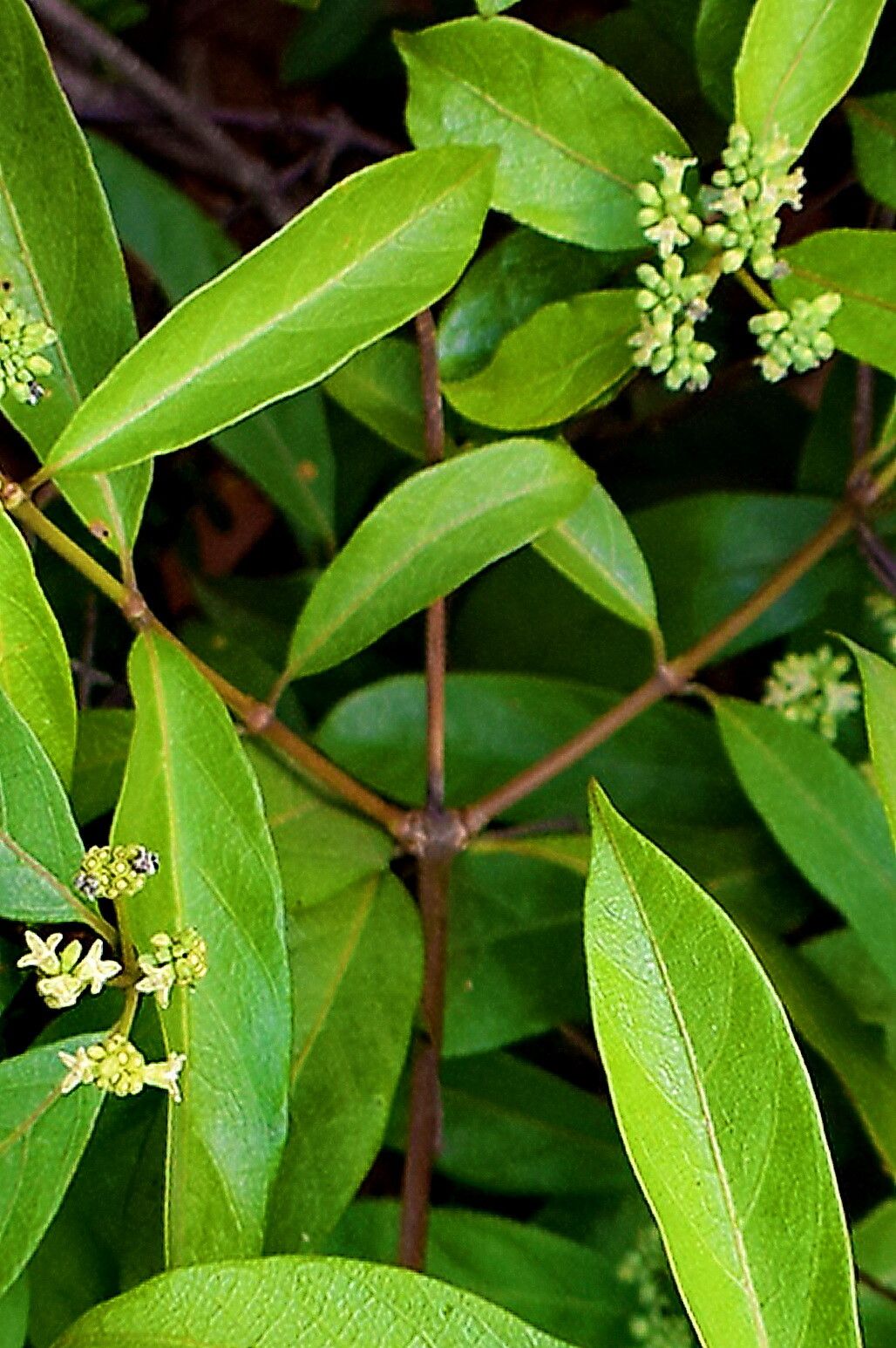
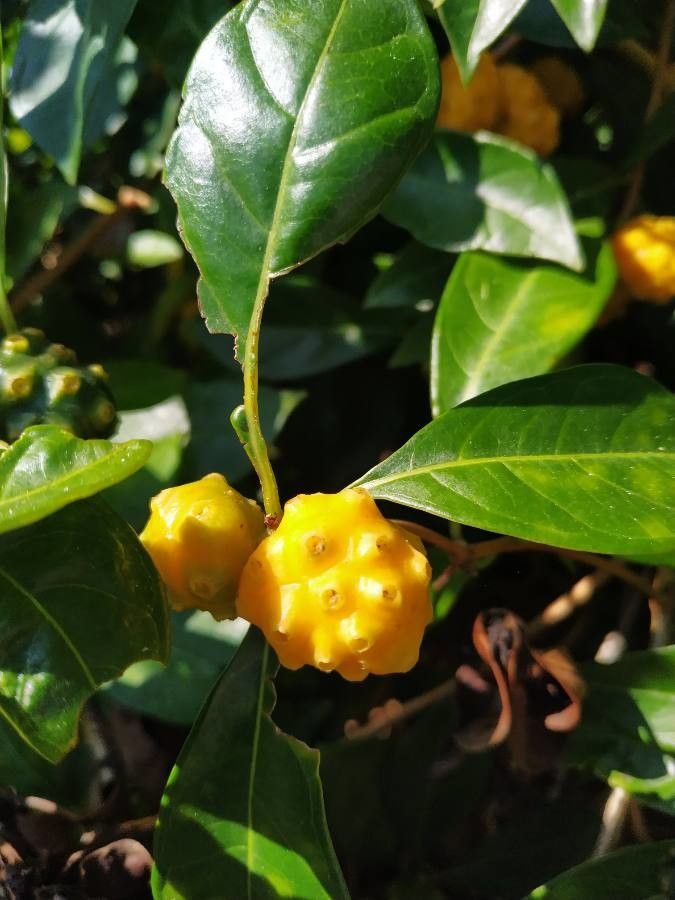
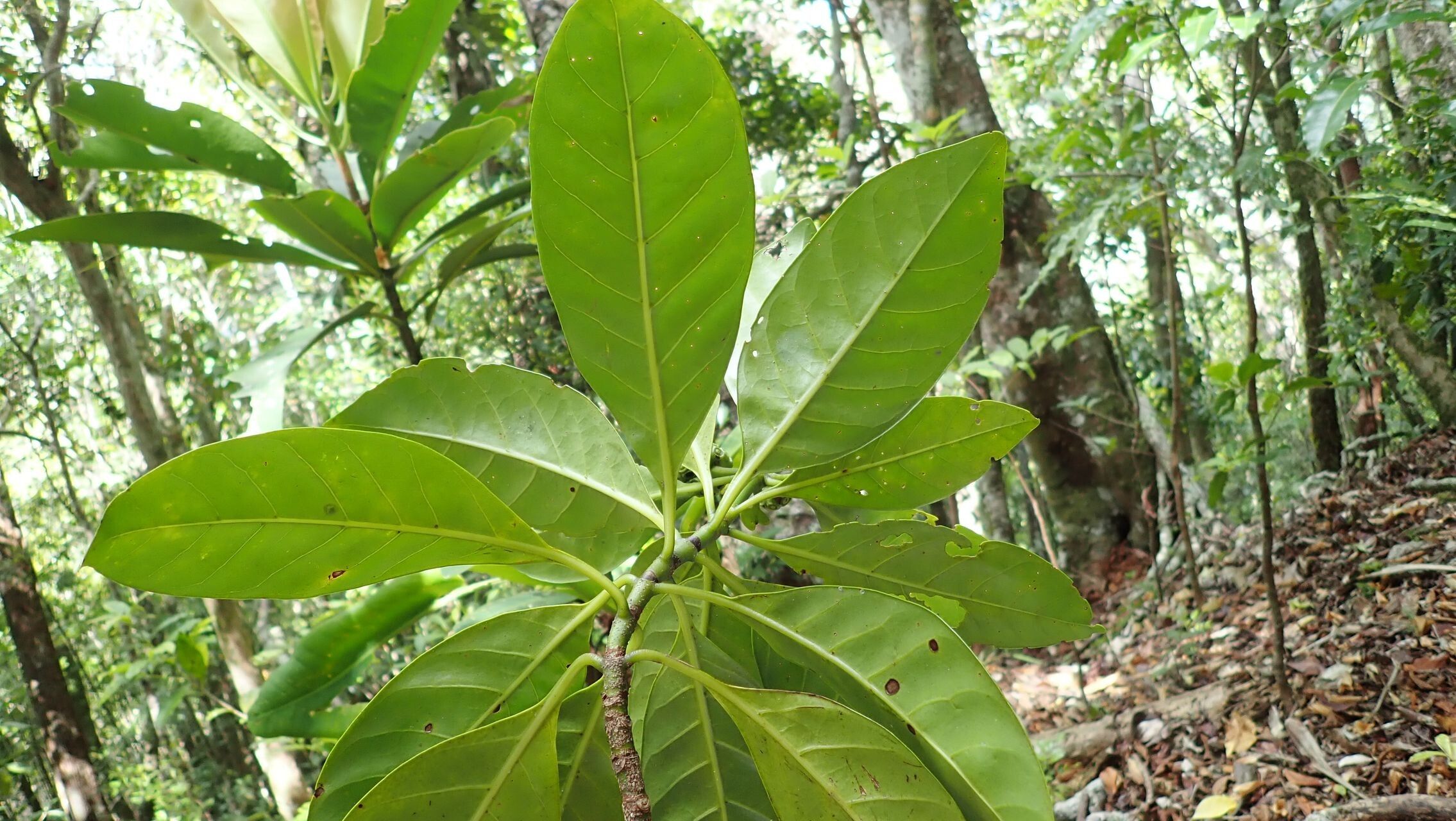
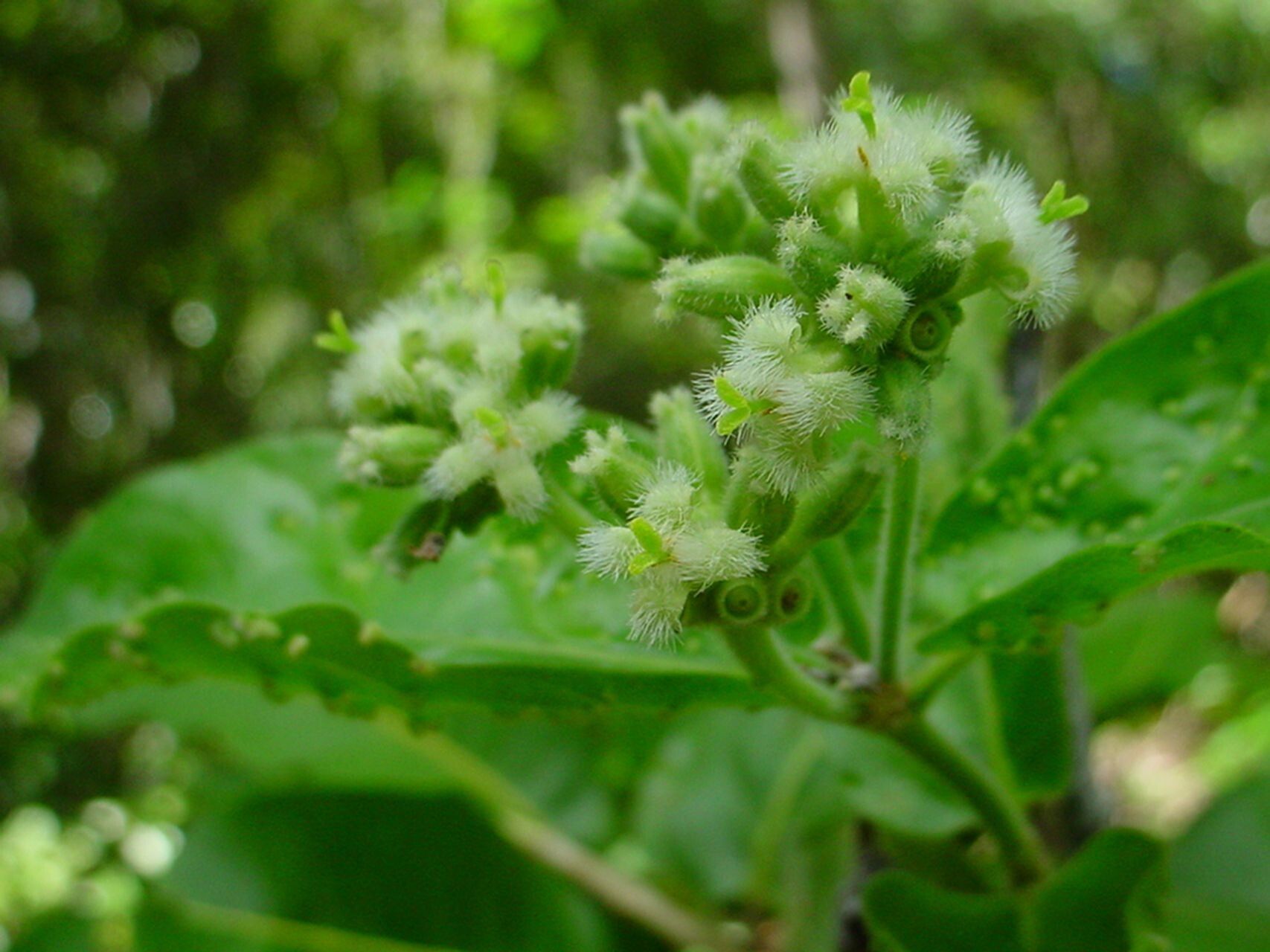
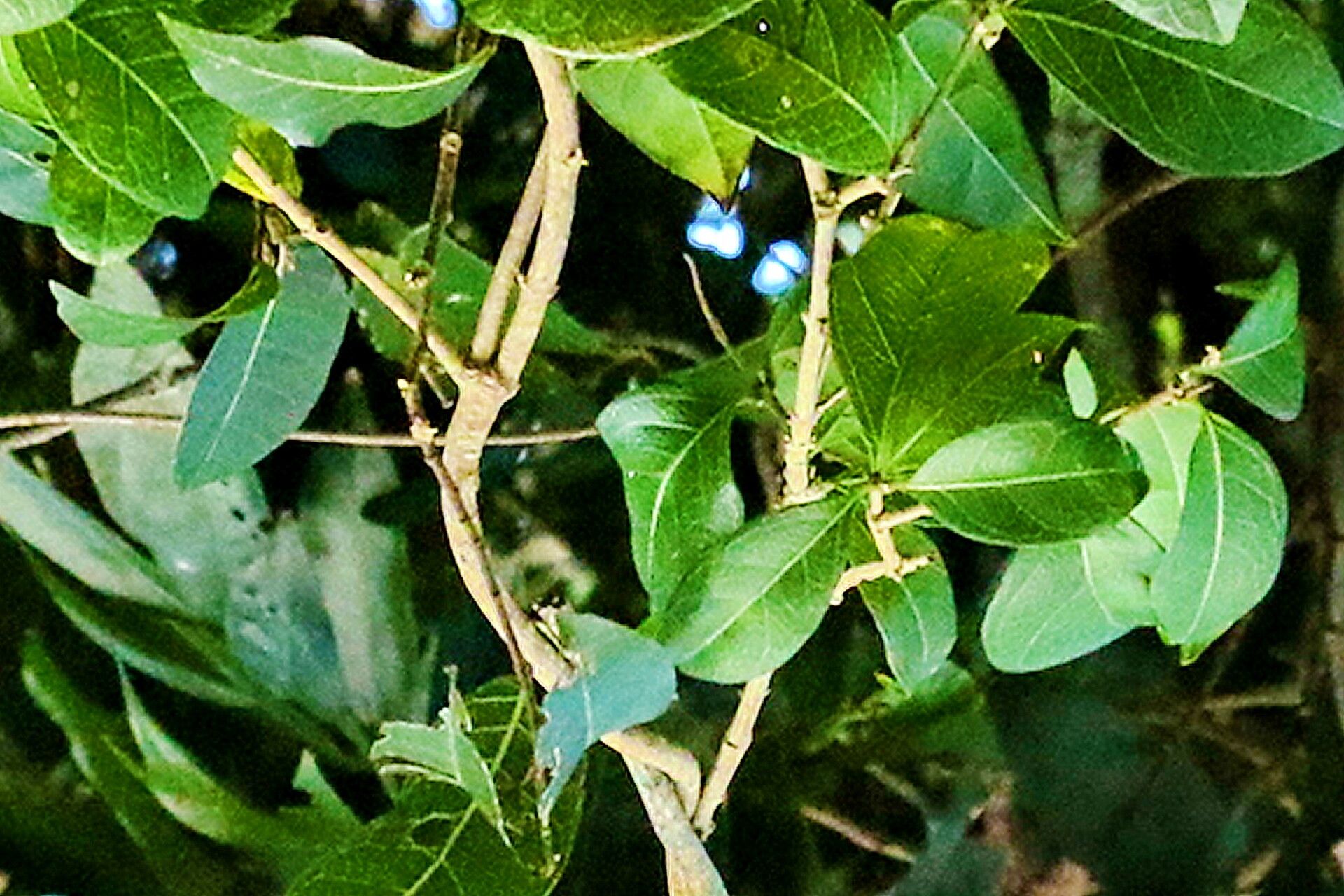
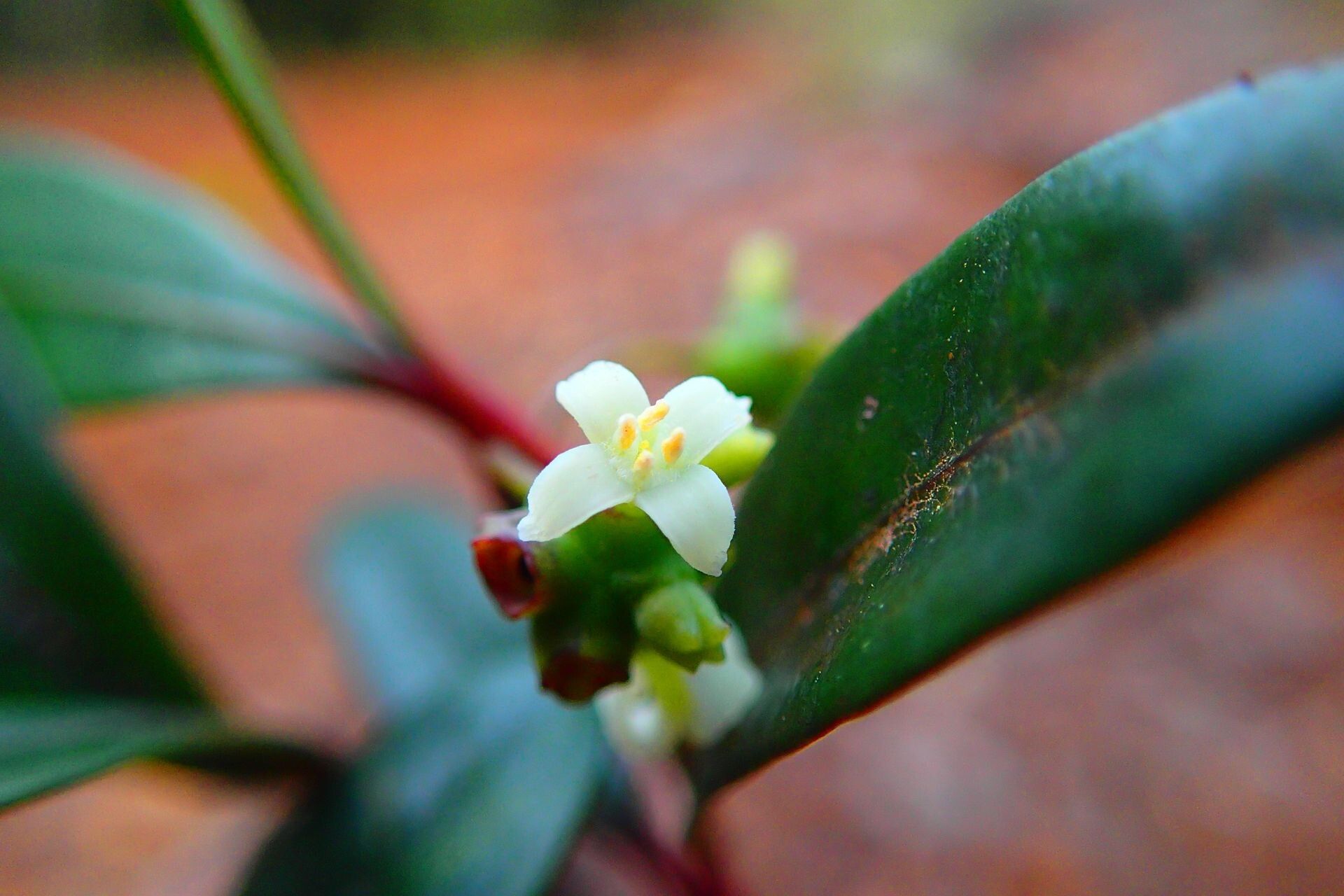
Vomit vine has strong disease resistance and is generally not susceptible to illnesses. Regarding care, this plant is fairly low-maintenance. When grown outdoors it needs minimal watering, and larger plants usually do not require pruning. However, smaller plants should be pruned after they finish blooming. Vomit vine is suitable for anyone with outdoor space, such as a garden or deck, and does not demand much care experience.
How to keep Gynochthodes Umbellata.
Light
The regurgitation vine prospers with adequate sunlight. In its native environment, it's used to being entirely bathed in sunbeams. Insufficient sunlight might hinder its growth, whereas it does not demonstrate negative reactions to an excess of light.
Water
Native to humid tropical regions, vomit vine flourishes in consistently moist environments. To maintain optimal soil moisture without causing waterlogging, water it twice a week. As an evergreen, vomit vine needs regular hydration all year round, especially during the drier indoor conditions of the cooler months.
Temperature
The vomit vine is indigenous to tropical areas where the weather is generally hot and moist. Consequently, it acclimates well to high heat and humidity levels. It doesn't handle abrupt changes in temperature well and favors a constant temperature setting, so it's critical to steer clear of varying room temperatures inside. It normally doesn't withstand cold conditions and needs warmer temperatures to grow. Should the surrounding temperature plummet too drastically, the plant's growth could be halted or it might even perish.
Fertilizer
Taking care of the Vomit vine involves essential fertilization. Supplying nourishment frequently in the growing period maintains the vitality for vivid leaves, and bolsters general growth. If one fails to fertilize, the leaves could suffer, the visual attractiveness could decrease, and the development could be hindered or frail, leading to susceptibility to fractures.
Pruning
For optimal growth and flowering, it's best to prune vomit vine regularly, ideally in early spring. Begin by using clean tools to remove any dead stems and to shape the plant. Each year, cut back one-third of the older growth to improve air circulation and minimize the risk of disease. This will help keep your plant healthy and attractive.
Botanical profile.
- Plant Type
- Vine
- Life Cycle
- Perennial
- Genus
- Gynochthodes
- Family
- Rubiaceae
- Hardiness Zone
- 10-12
- Mature Height
- 20.12 m
- Mature Spread
- 2.13 m to 3.05 m
- Leaf Color
- Dark Green, Forest Green
- Leaf Type
- Evergreen
- Flower Color
- White
- Flower Size
- 0.51 cm to 0.76 cm
- Bloom Time
- Late spring, Summer, Early fall
- Planting Time
- Spring, Summer
- Harvest Time
- Late summer, Fall