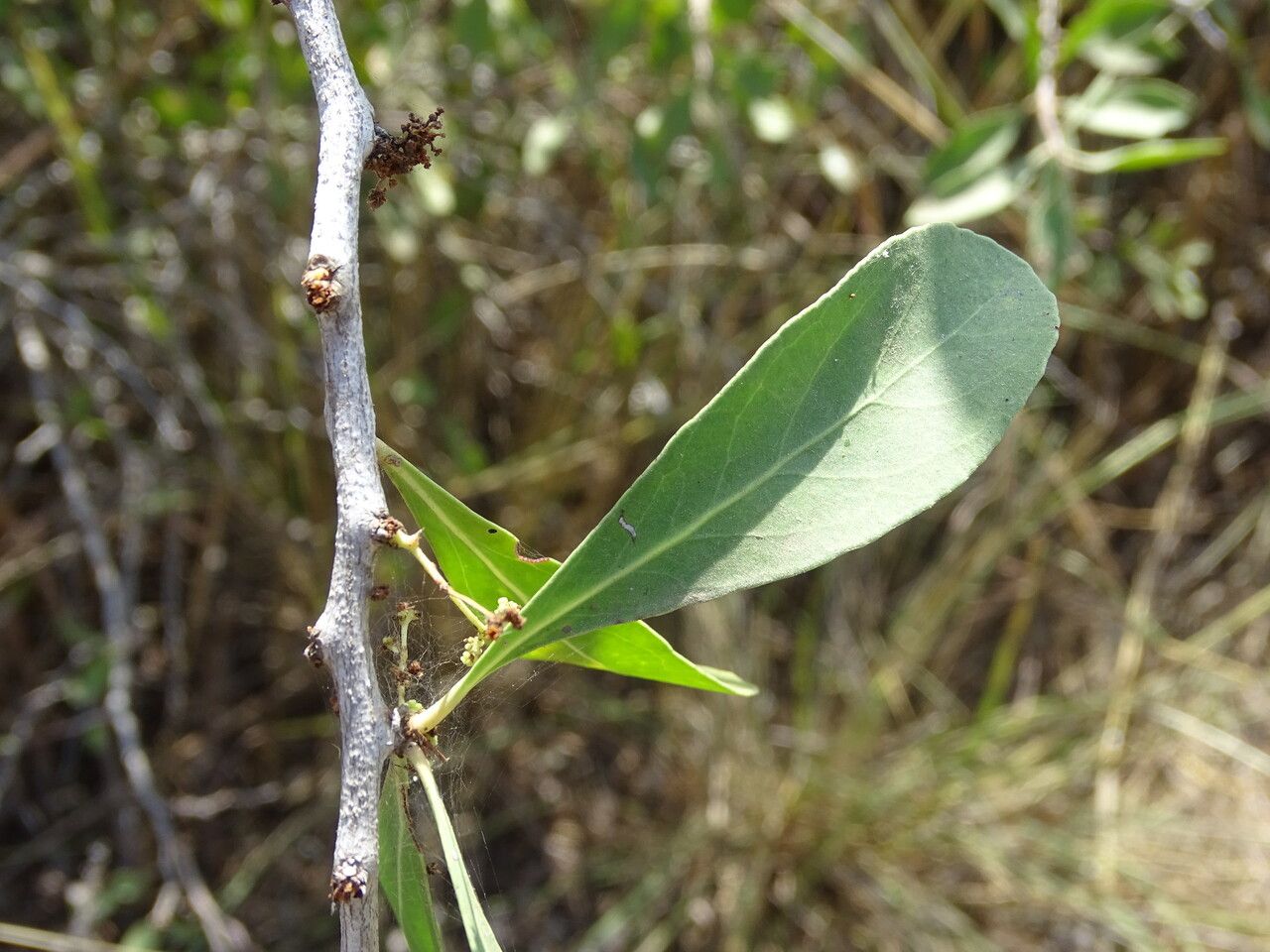
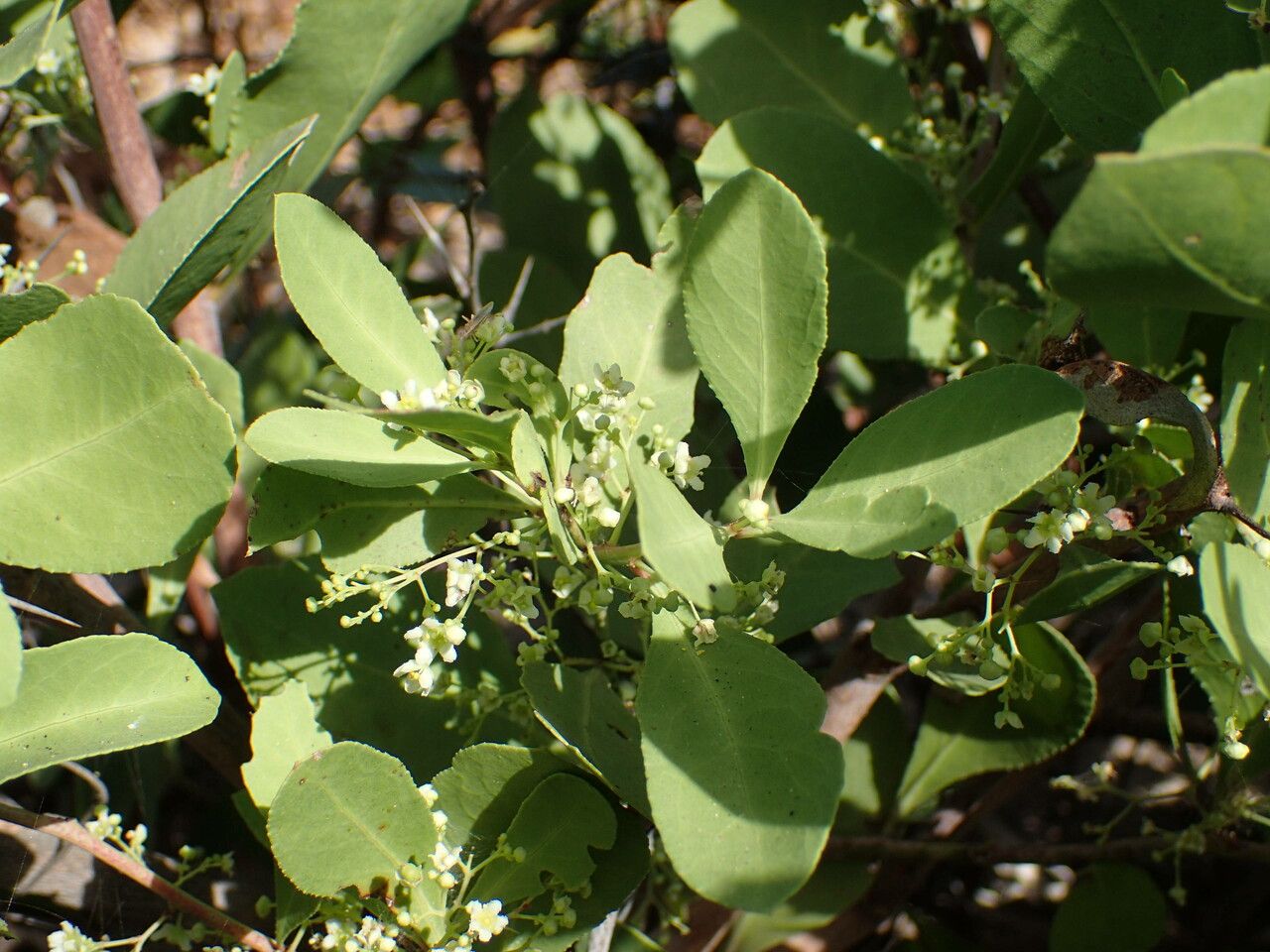
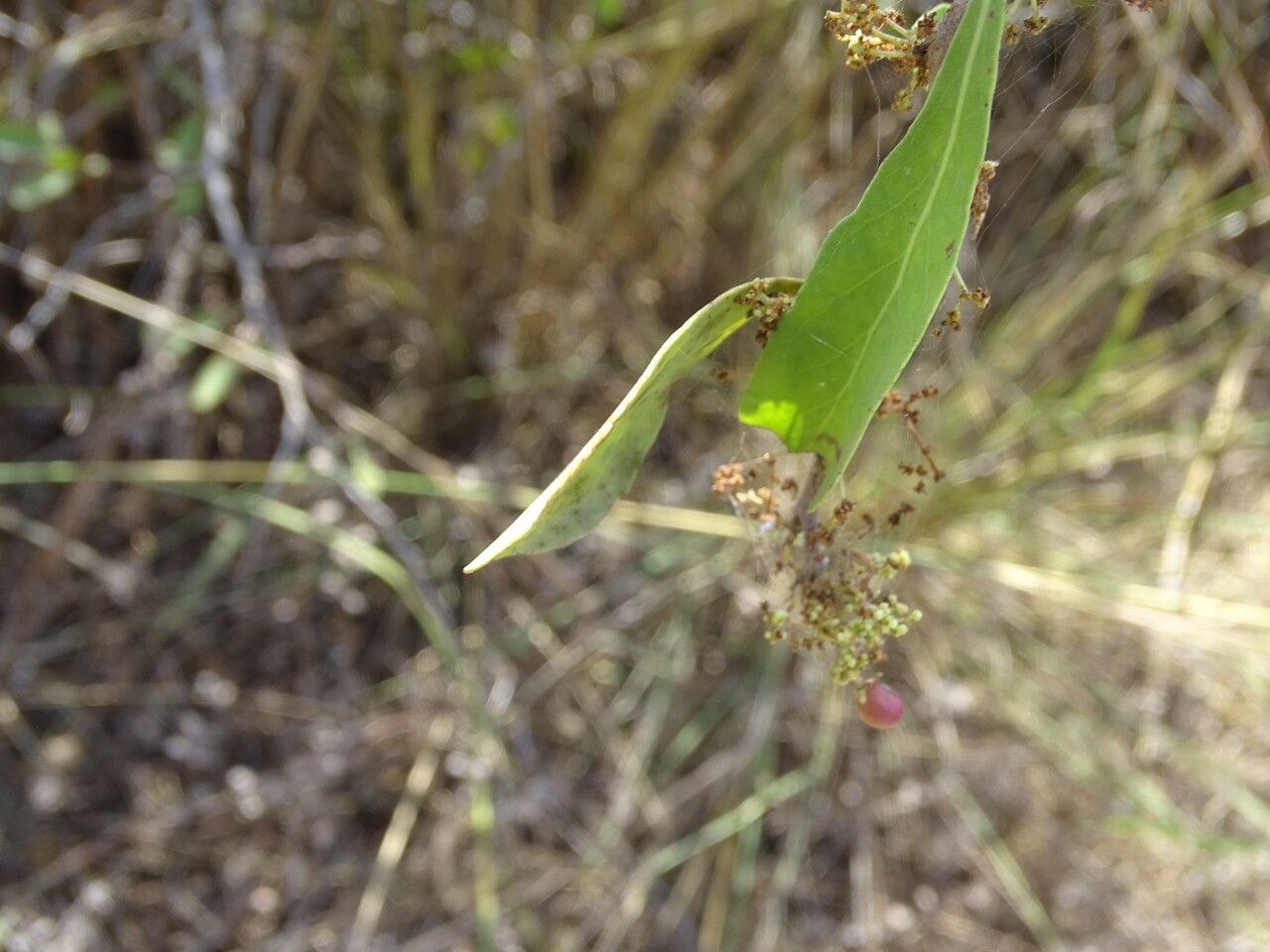
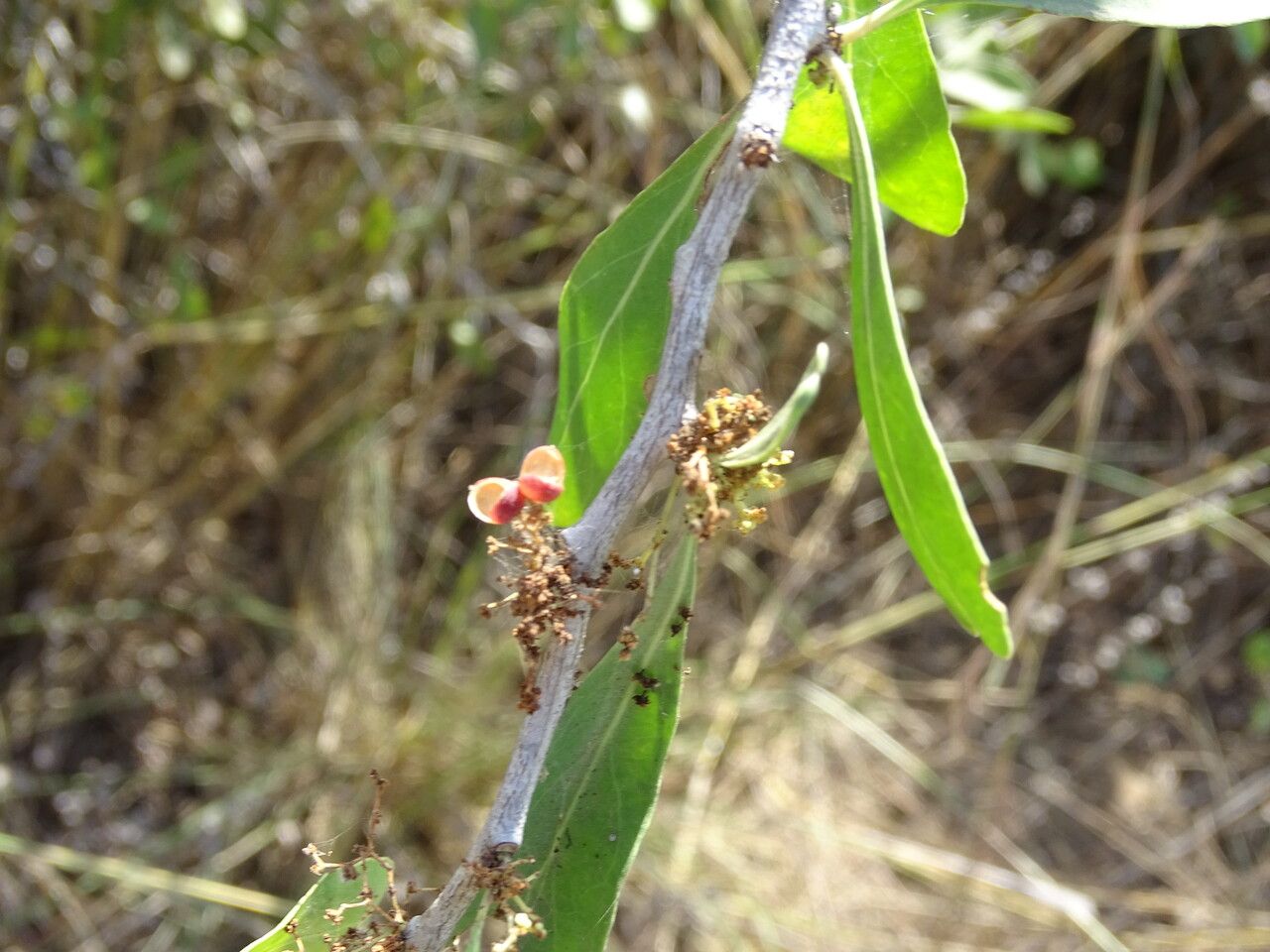
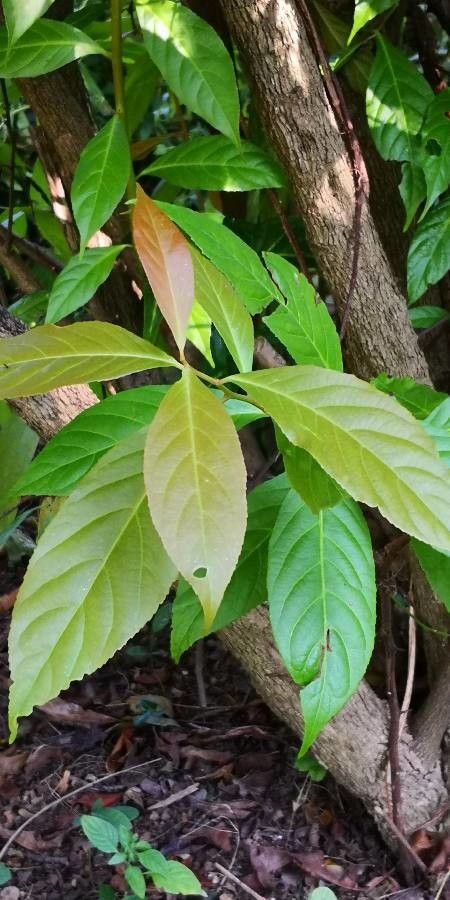
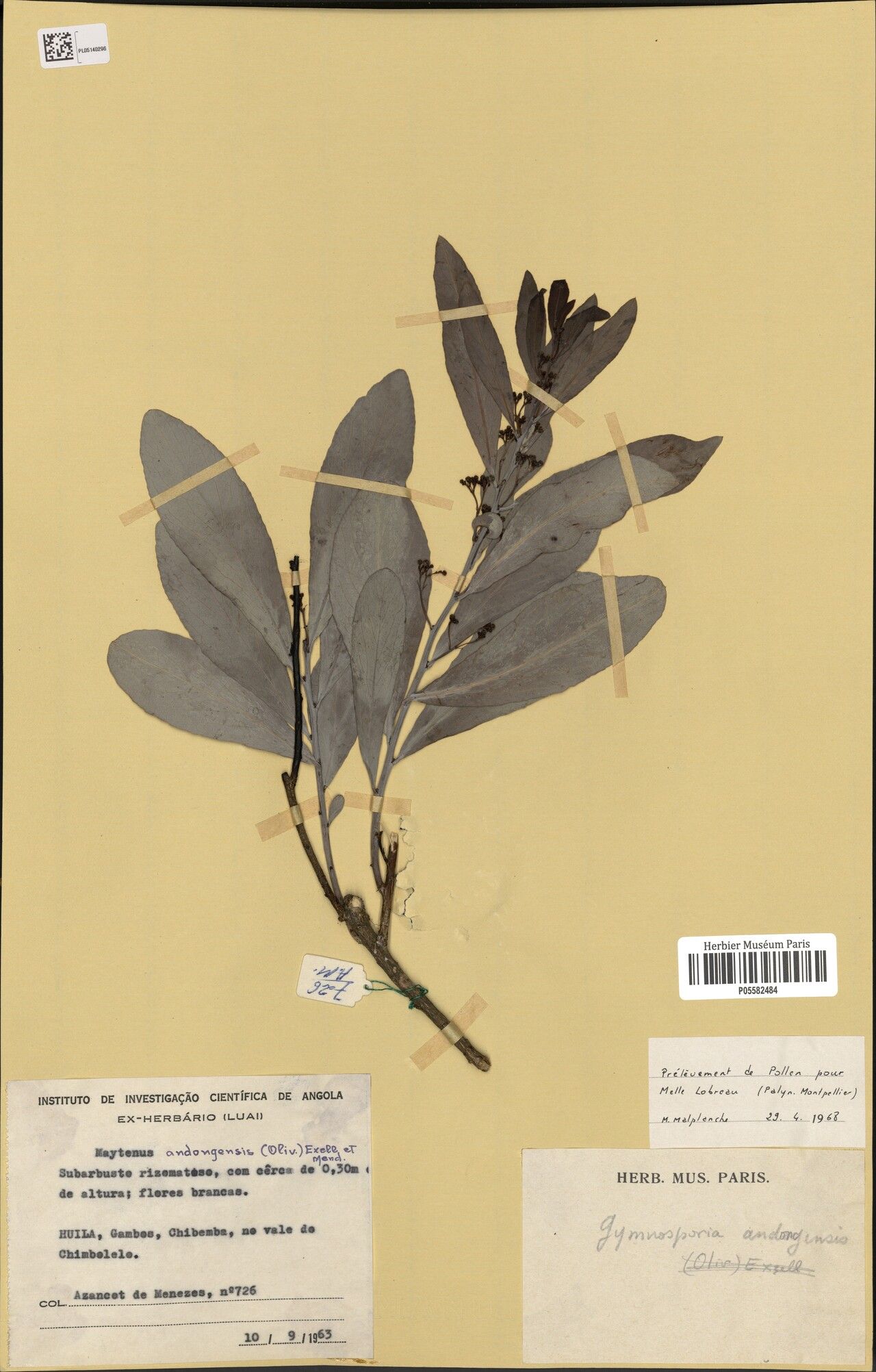
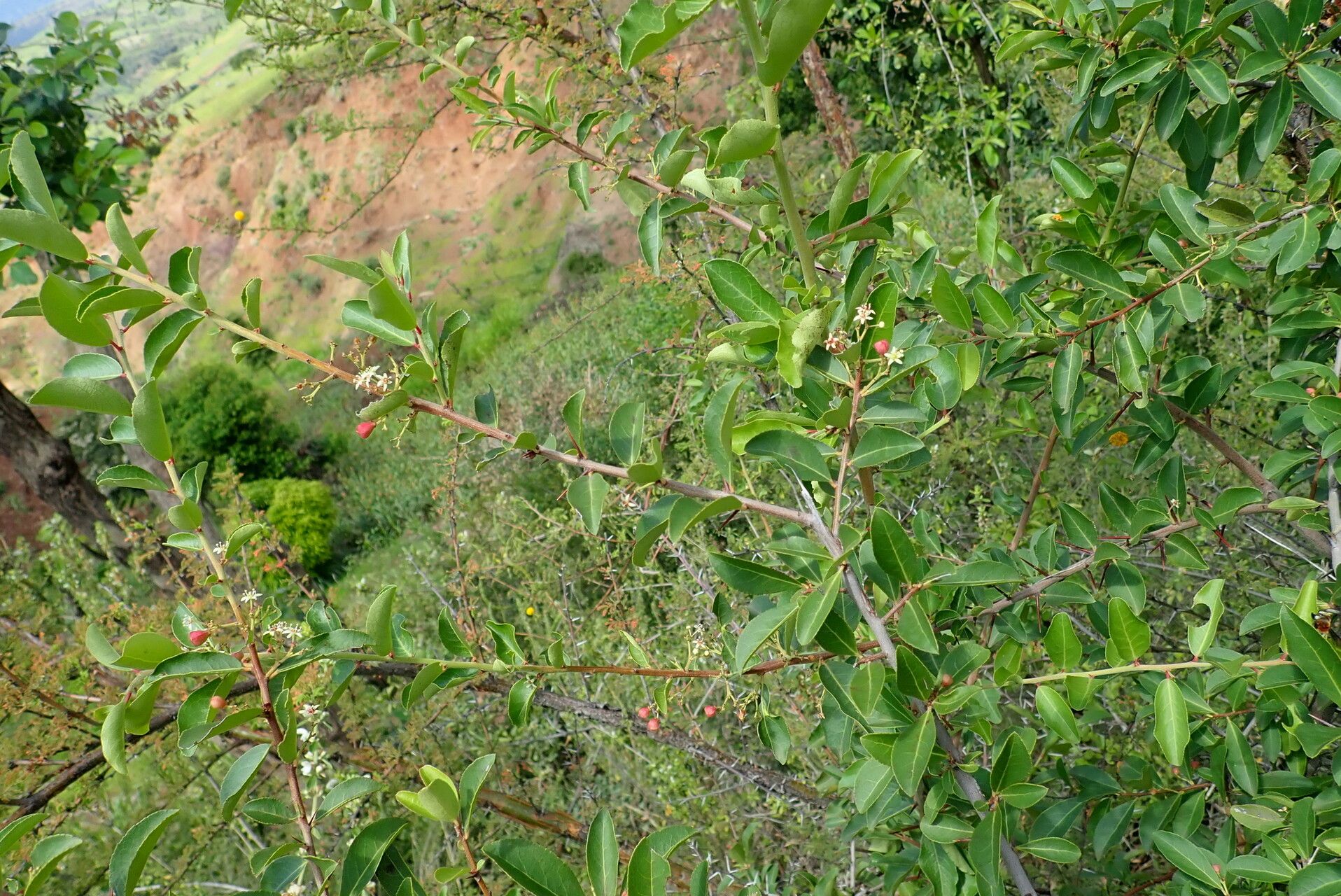
Gymnosporia senegalensis is a small tree or shrub that belongs to the family Celastraceae. It is commonly found in the savannah and woodland regions of Africa, particularly in Senegal, Nigeria, and Sudan. The plant can grow up to 6 meters tall and has a dense crown of dark green leaves.
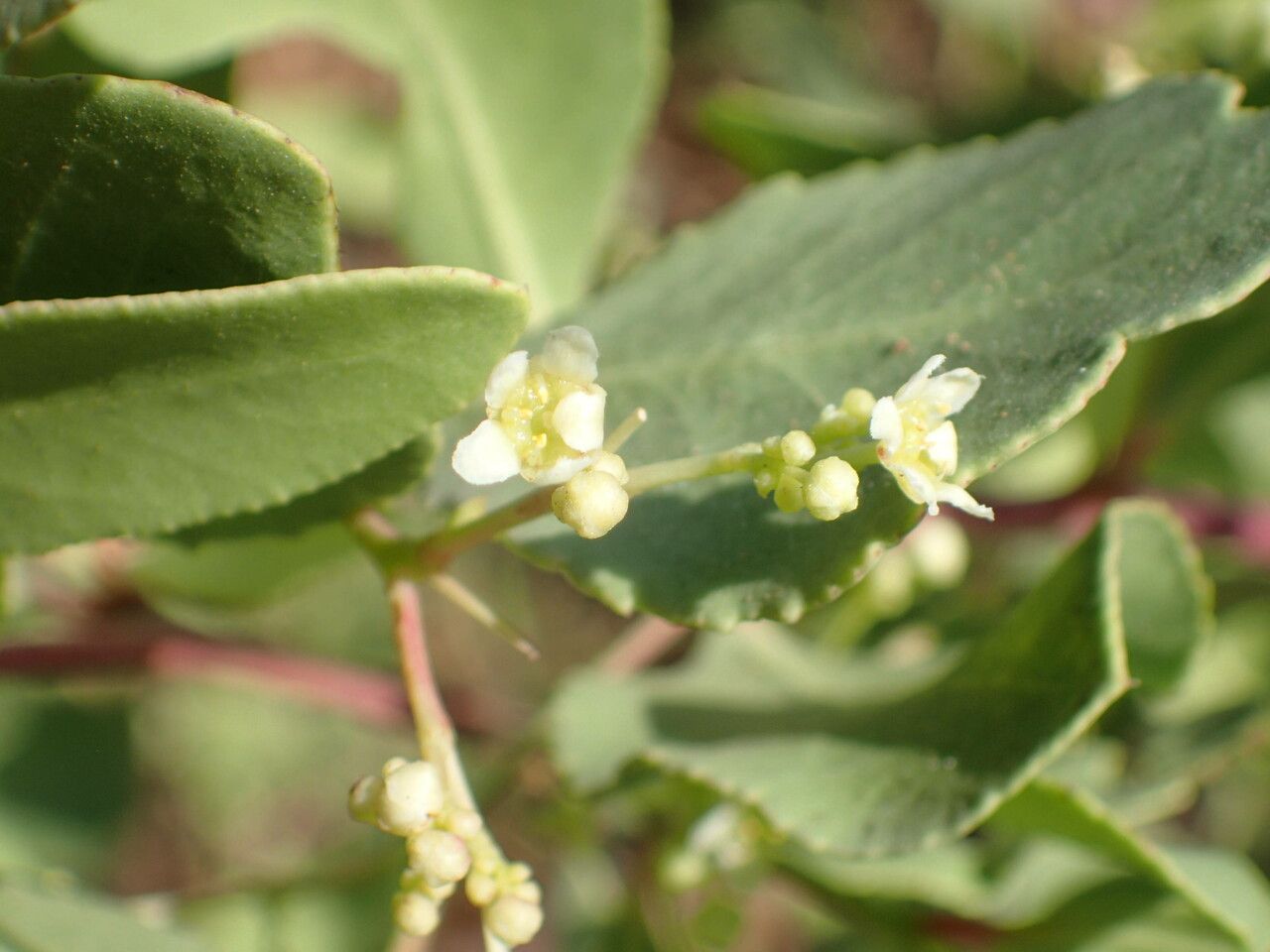
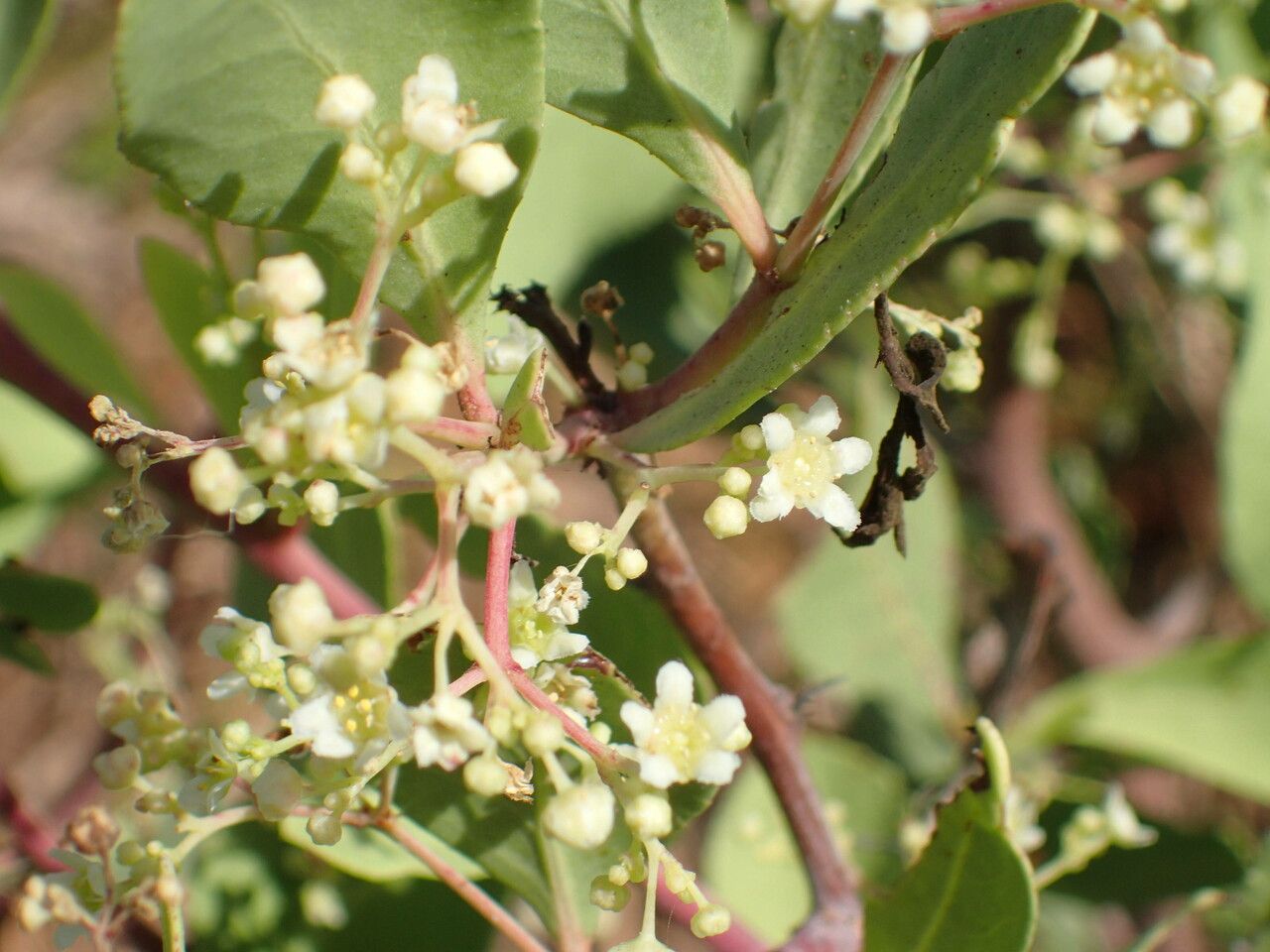
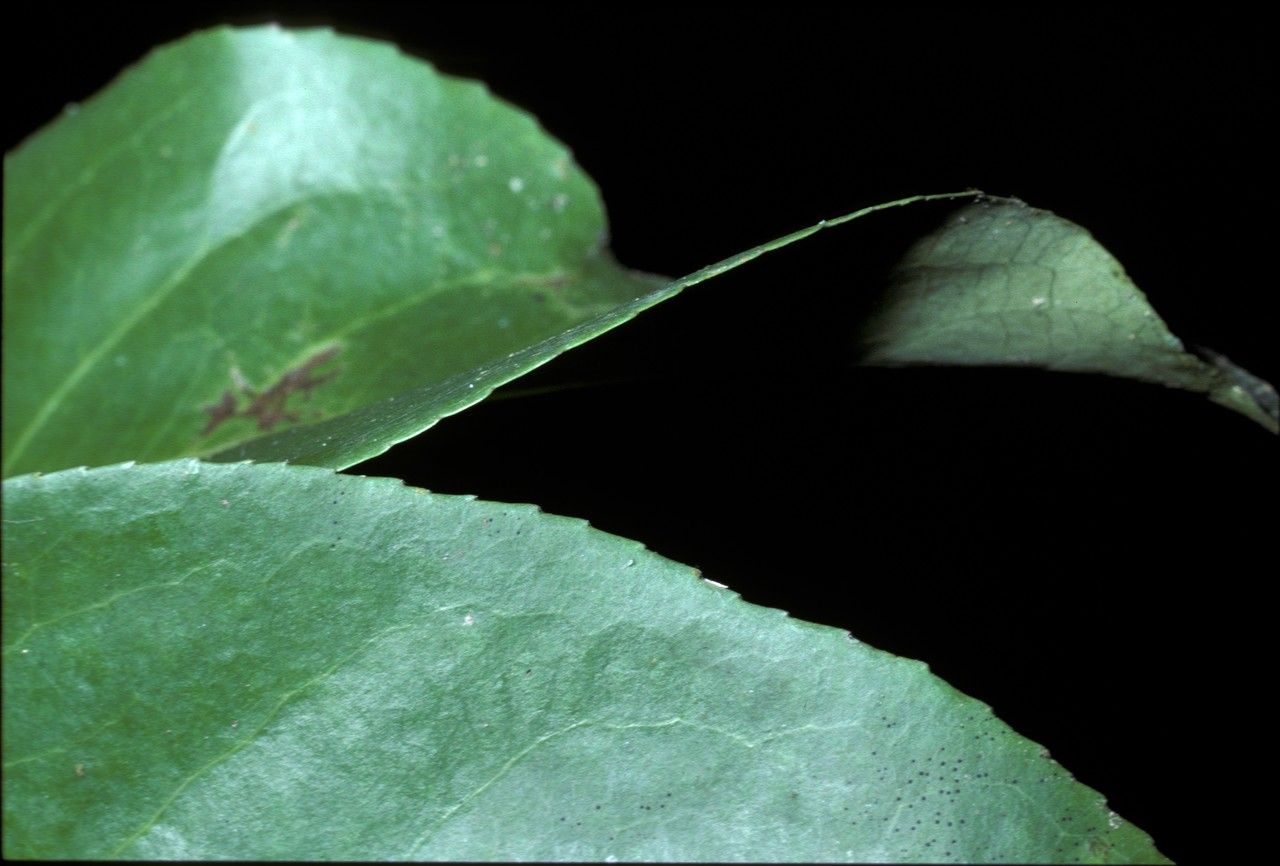
The leaves of Gymnosporia senegalensis are simple, alternate, and ovate-shaped with a pointed tip. They measure about 2-5 cm long and 1-3 cm wide. The plant produces small white or yellowish flowers that grow in clusters at the ends of branches.
The fruit of Gymnosporia senegalensis is a capsule containing one or two seeds. The seeds are black and surrounded by an aril (fleshy covering).
Gymnosporia senegalensis is used medicinally in various African communities for treating fever, diarrhea, stomach ache, and skin infections like eczema and ringworm due to its antibacterial properties.
In addition to its medicinal uses, Gymnosporia senegalensis serves other purposes. Its thorny branches make it effective for fencing, preventing animals like goats from grazing on crops. It is also used ornamentally for its beautiful foliage, making it an attractive addition to gardens and parks.
Overall, Gymnosporia senegalensis is an important plant species with multiple benefits, including medicinal uses, fencing capabilities, and ornamental value.
Red spikethorn has good resistance to disease and is generally not prone to illnesses. In terms of care, this plant is fairly low maintenance. When grown outdoors it needs minimal watering, and larger plants usually do not require pruning; however, smaller plants should be pruned after they have finished blooming. Red spikethorn is suitable for anyone with an outdoor space, such as a garden or deck, and does not demand much gardening experience.
How to keep Gymnosporia Senegalensis.
Light
This adaptable shrub, called red spikethorn, does best in full sun. Native to regions where strong sunlight is present for much of the year, it has adapted to take in large amounts of light for its development and growth. Too little light can limit its growth, while too much can cause its leaves to wither.
Water
Red spikethorn thrives in arid regions with little moisture, demonstrating excellent drought tolerance. It should be watered every 2-3 weeks. Its adaptability makes red spikethorn ideal for xeriscaping and areas with variable rainfall, making it a great choice for water-conscious gardeners.
Temperature
Red spikethorn comes from tropical areas where the climate is usually warm and humid. Consequently, it is adapted to high temperatures and humidity. It does not tolerate sudden temperature changes and prefers a consistent thermal environment, so avoiding temperature swings indoors is important. It generally cannot withstand cold conditions and requires warmer temperatures to grow. If the surrounding temperature becomes too low, the plant may stop growing or even perish.
Fertilizer
Fertilize a Red spikethorn in early spring as it comes out of dormancy. This stimulates overall growth and flower development. Feeding improves the foliage, stems, and branches, and encourages large, vibrant, long-lasting flowers. It helps transport nutrients from the roots to the blooms and enhances the plant’s health and disease resistance.
Pruning
Red spikethorn benefits greatly from pruning in early spring. This practice helps control dense growth and promotes healthier blooms. To achieve the best results, focus on removing damaged branches and thinning out crowded areas. This improves air circulation, reduces the risk of disease and pests, and enhances the plant's appearance and vitality.
Botanical profile.
- Plant Type
- Tree, Shrub
- Life Cycle
- Perennial
- Genus
- Gymnosporia
- Family
- Celastraceae
- Hardiness Zone
- 9-11
- Mature Height
- 3.05 m
- Mature Spread
- 2.13 m to 3.96 m
- Leaf Color
- Green
- Leaf Type
- Semi-evergreen
- Flower Color
- White
- Flower Size
- 0.25 cm to 0.51 cm
- Bloom Time
- Mid spring, Late spring, Early summer
- Planting Time
- Spring, Summer, Autumn
- Harvest Time
- Mid summer, Late summer, Early fall
- Native Area
- Burkina Faso, Djibouti, Somalia, Egypt, India, Angola, Namibia, Madagascar, Rwanda, Pakistan, Eritrea, Nigeria, Morocco, Yemen, Kenya, Niger, Uganda, Tanzania, Zimbabwe, Mali, Guinea-Bissau, Benin, Sierra Leone, Cameroon, Liberia, Mozambique, Burundi, Oman, Ghana, Ethiopia, Botswana, Congo, Central African Republic, Saudi Arabia, Malawi, South Africa, Zambia, Sudan, Mauritania, Bangladesh, Guinea, Chad, Afghanistan, Spain, Togo, Senegal, Eswatini, Iran, Côte d'Ivoire, Algeria, Gambia, Congo (DRC)
Other names.
Reader questions.
What are the sunlight requirements for Red spikethorn (Gymnosporia senegalensis)?
Red spikethorn requires full sun, which means it needs more than 6 hours of sunlight daily to thrive. Originating from environments with abundant sunshine, this plant is well-adapted to absorb a significant amount of sunlight for optimal development and growth. Insufficient sunlight can hinder its growth, causing the leaves to wither if exposed to too much sunlight. It's important to observe how sunlight moves through your garden, choosing locations that offer a balance of light and shade to ensure the plant's well-being.
How can artificial lighting be used for Red spikethorn indoors, and what are the recommendations?
For indoor Red spikethorn plants, adequate lighting is essential for optimal growth, especially when natural sunlight is insufficient, like in winter or less sunny spaces. Artificial lighting, such as LED lights, can be customized to the specific light wavelengths needed by the plant. Recommendations include: using 30-50W/sq ft of artificial light for full sun plants, placing the light source 12-36 inches above the plant to mimic natural sunlight, and ensuring the plant receives 8-12 hours of light per day to mimic natural daylight hours.
What are the symptoms of insufficient or excessive sunlight in Red spikethorn?
Red spikethorn can show various symptoms due to insufficient or excessive sunlight. Symptoms of insufficient sunlight include smaller new leaves, leggy or sparse growth, faster leaf drop, slower or no new growth, and lighter-colored new leaves. Excessive sunlight can cause chlorosis (leaves turning yellow), sunscald (pale, bleached areas on leaves/stems), leaf curling (to minimize water loss and damage), wilting (due to increased water loss), and leaf scorching (brown, dry edges on leaves). These symptoms indicate either a need for more sunlight or protection from overly intense exposure.
What are the solutions for Red spikethorn experiencing insufficient sunlight?
To address insufficient sunlight for Red spikethorn, gradually move plants to sunnier locations to ensure at least 6 hours of direct sunlight daily. For indoor plants, use a south-facing window or artificial light (like a desk or ceiling lamp on for at least 8 hours daily, or professional plant grow lights). For outdoor plants, move them gradually to avoid sunburn. Removing obstructions such as pruning trees can help increase sunlight. For smaller plants, transplanting during the dormant period to a sunnier location with good drainage is advised. Note that parts of the plant affected by insufficient sunlight may not recover, but new growth should be healthy with increased light exposure.