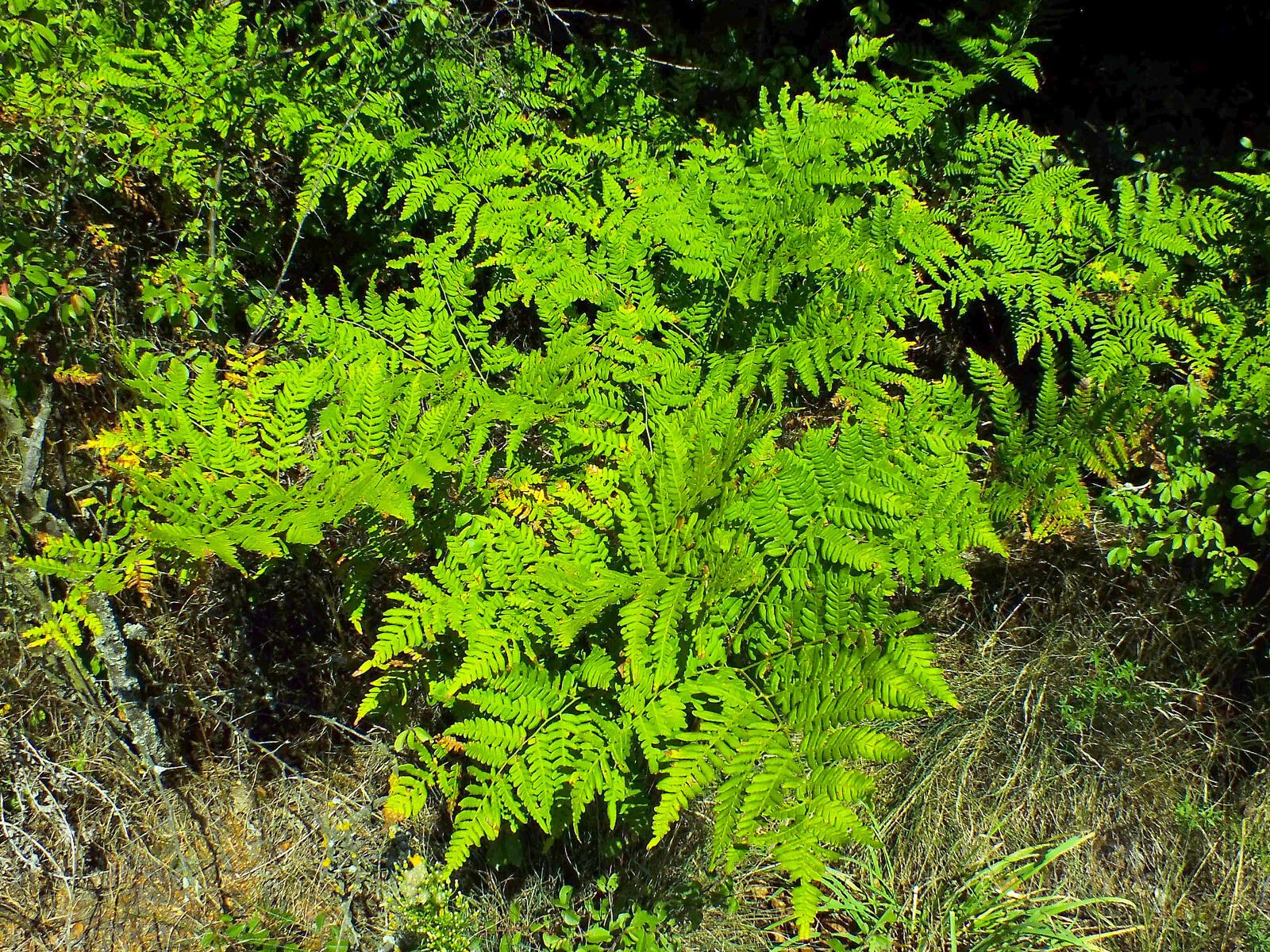
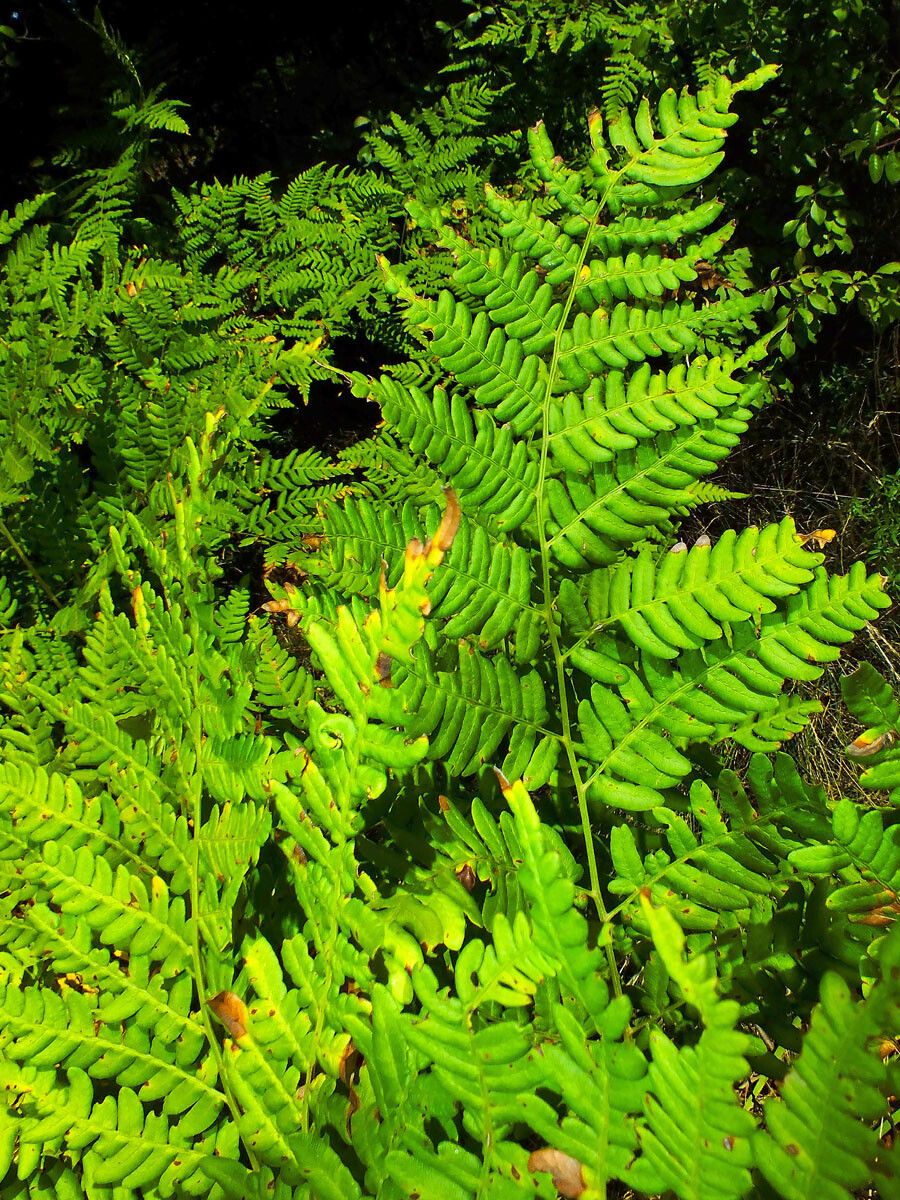
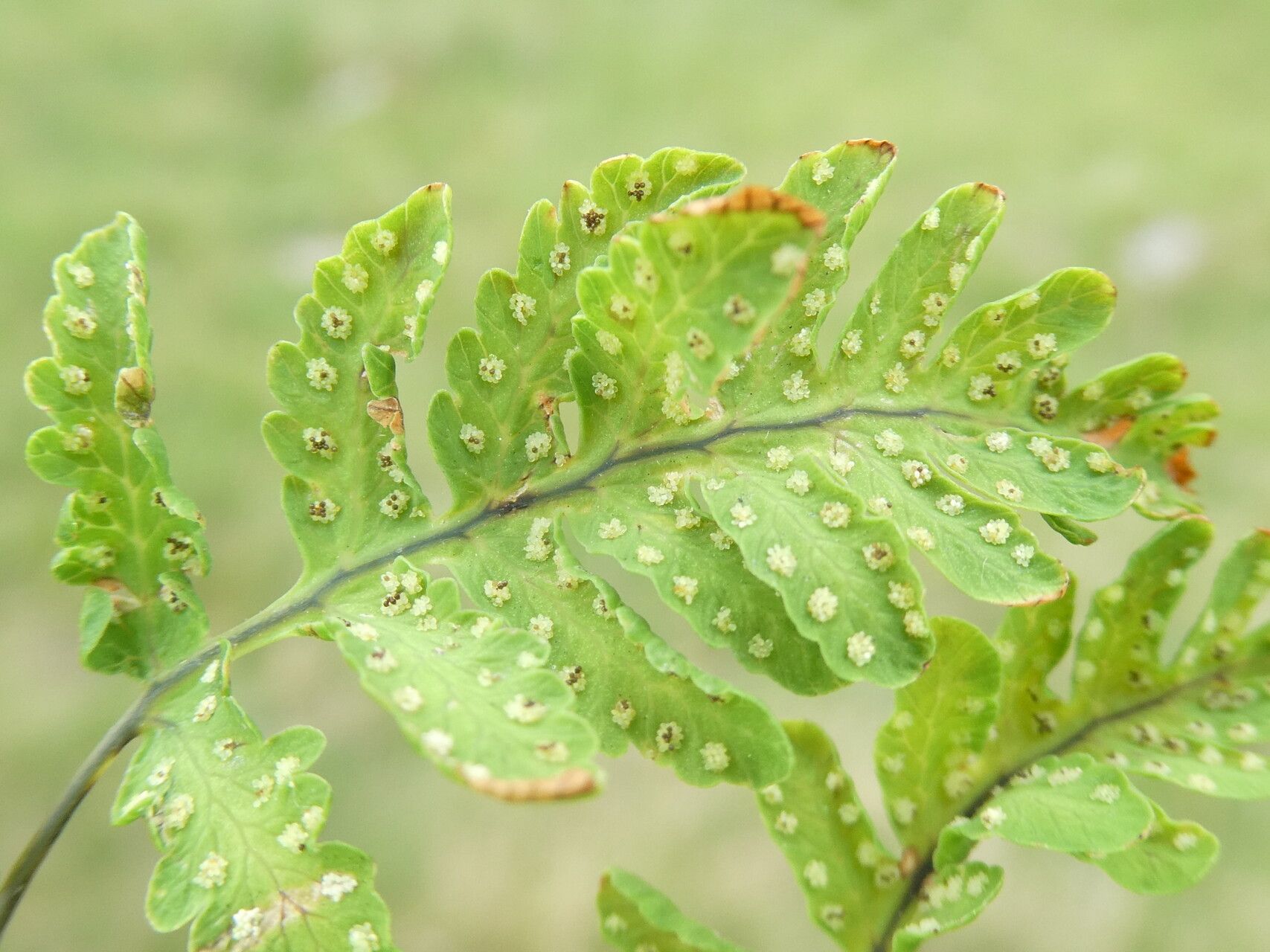
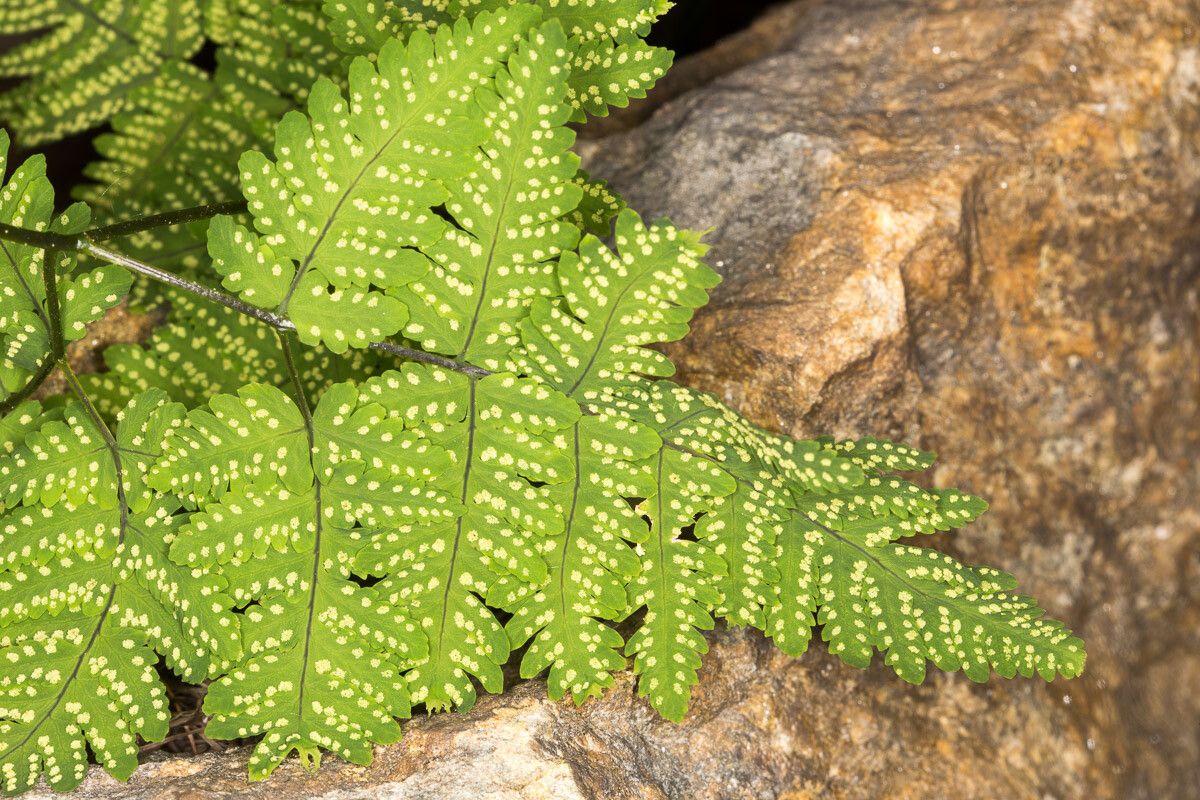
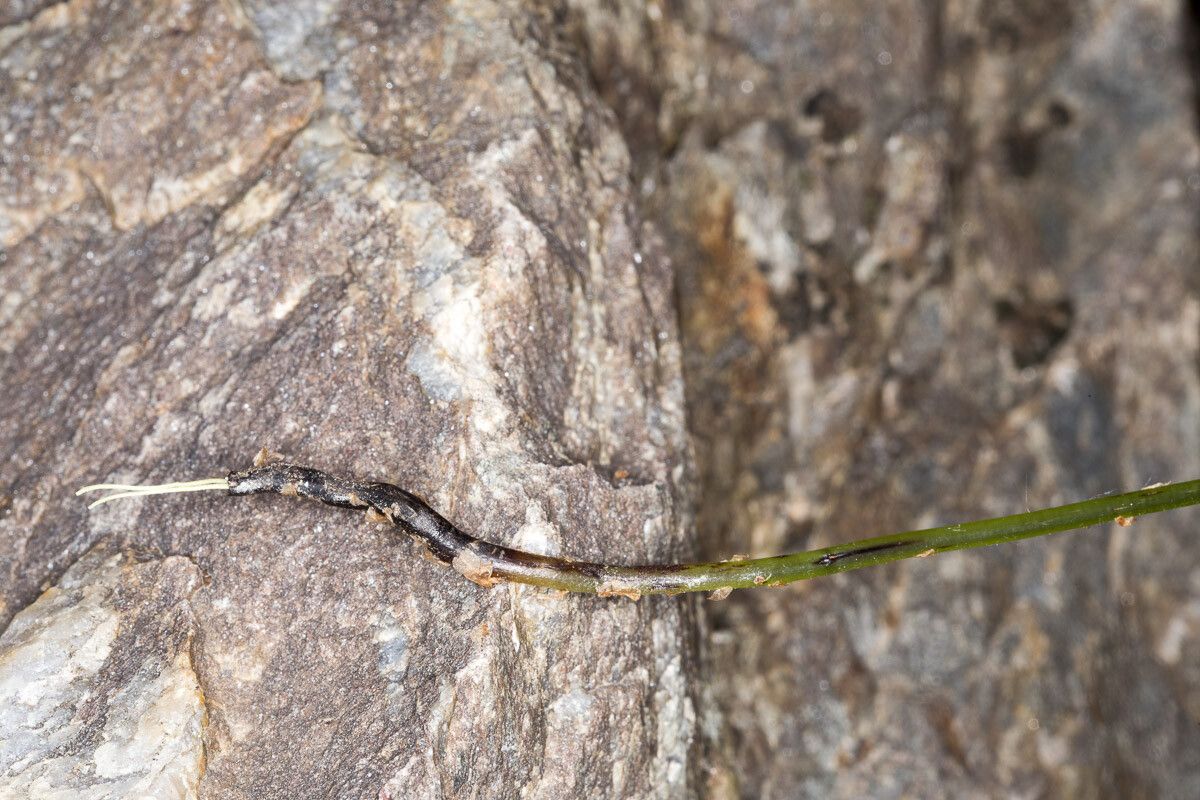
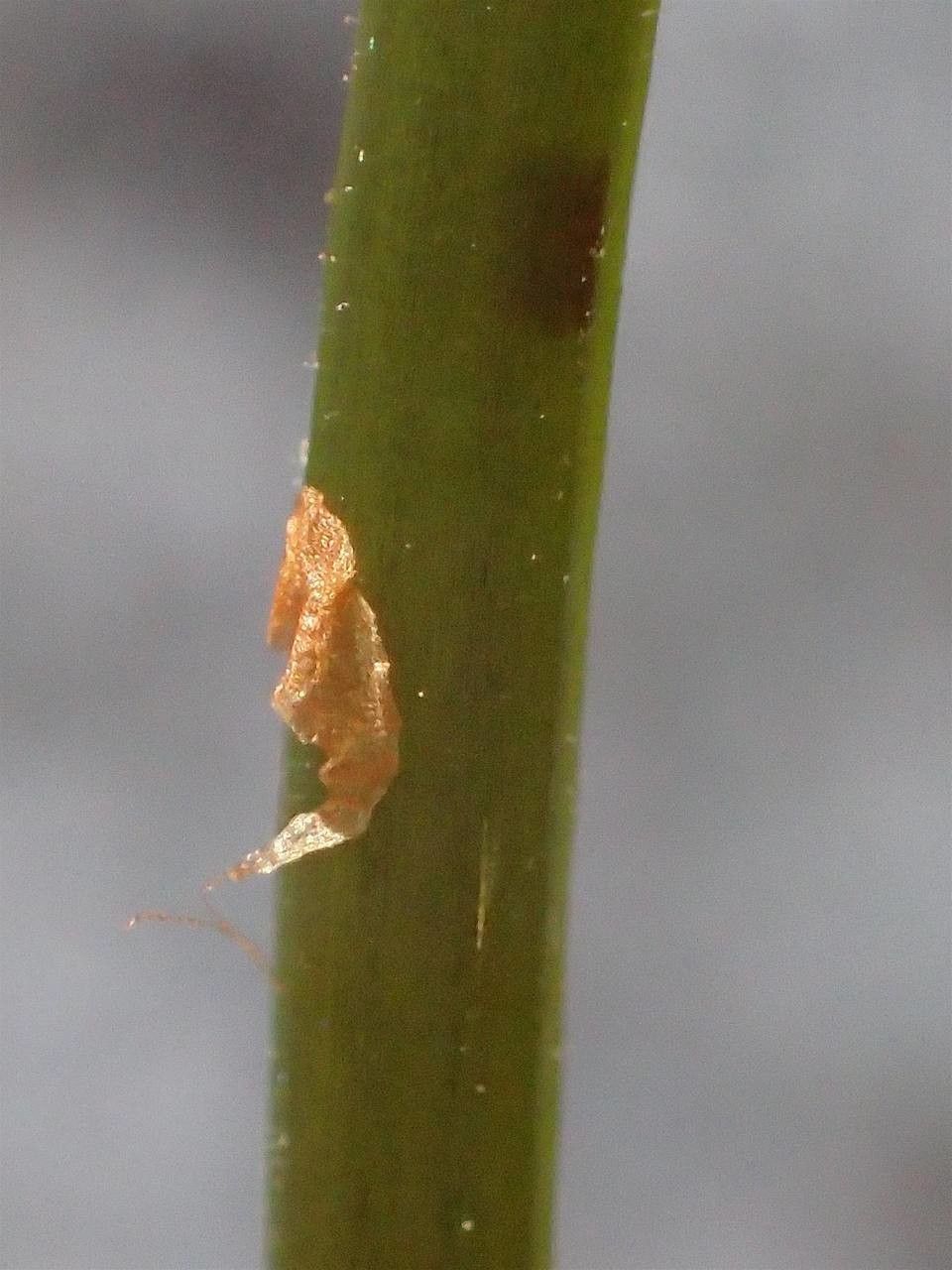
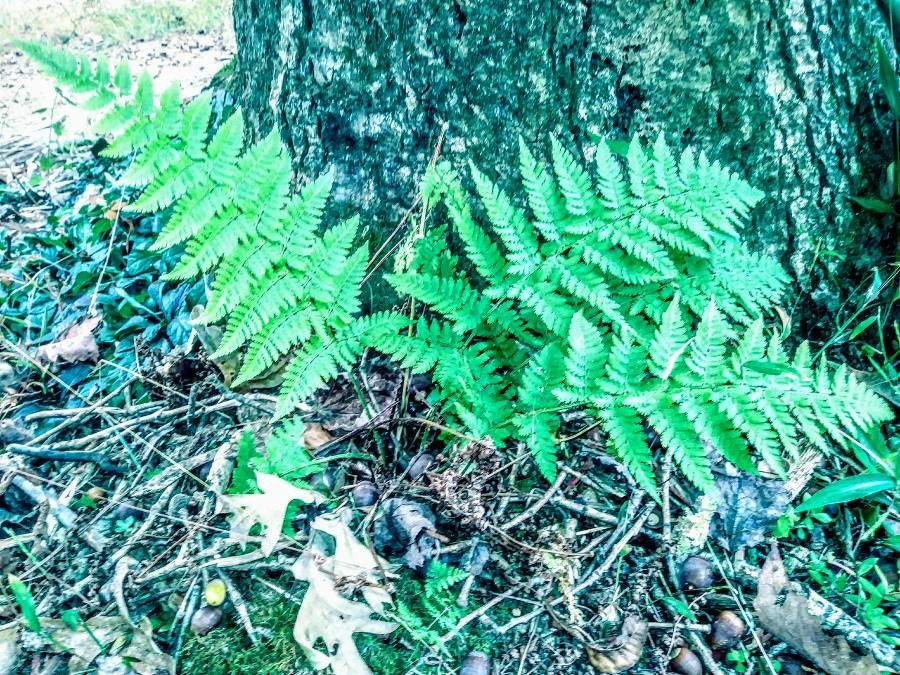
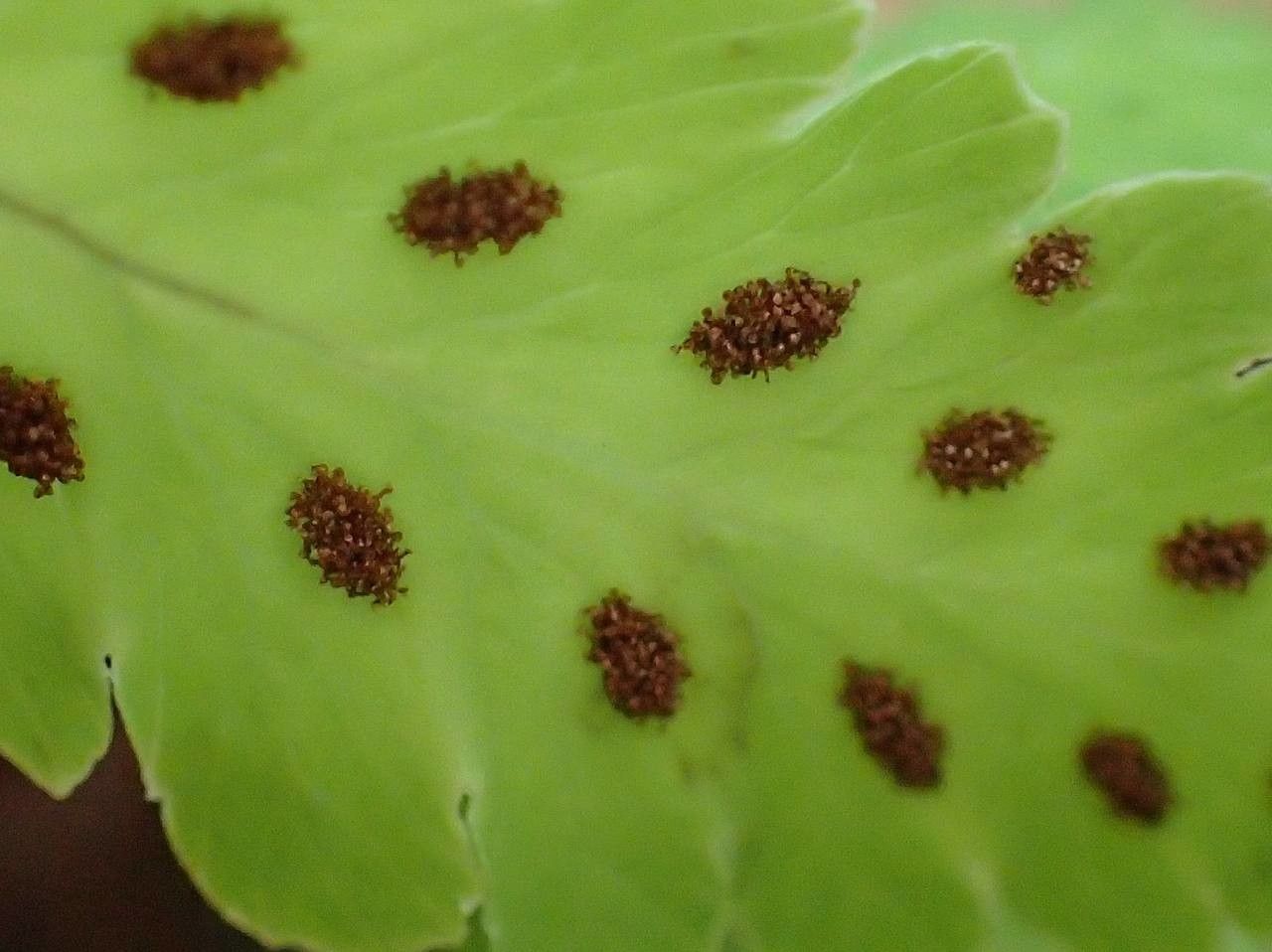
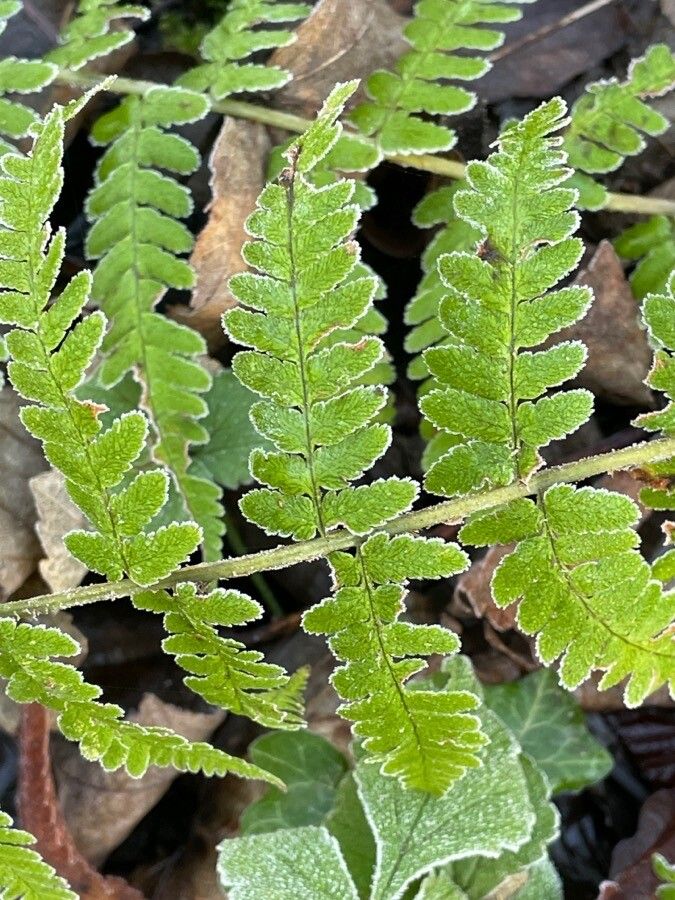
Gymnocarpium dryopteris, the western oakfern, common oak fern , oak fern, or northern oak fern, is a deciduous fern of the family Cystopteridaceae. It is widespread across much of North America and Eurasia. It has been found in Canada, the United States, Greenland, China, Japan, Korea, Russia, and most of Europe.
Oak fern is fairly resistant to disease and typically not prone to illnesses. Nonetheless, it can be vulnerable to pests and diseases present in its surroundings. These problems are usually mild. In terms of care, this plant requires moderate maintenance. It needs regular pruning to keep a neat appearance and support healthy growth. Fertilizing can also help encourage flowering. Oak fern is suitable for people who have outdoor space, such as a garden or patio, and does not demand extensive plant-care experience. It may need more attention when cultivated indoors.
How to keep Gymnocarpium Dryopteris.
Light
The oak fern grows best in locations sheltered from strong sunlight. It does well beneath dense vegetation or under structures that filter the light. Excessive exposure can cause the leaves to scorch, while too little light can lead to weak growth. Coming from forest undergrowth, it tolerates brief periods of sun but favors generally shadier conditions.
Water
Oak fern flourishes in moist, shaded woodlands and prefers soil that remains consistently moist. To maintain humidity, it's best to water it weekly. Once established, it can tolerate moderate drought. This understory plant thrives outdoors, where natural rainfall and cooler temperatures enhance dew formation on its fronds, contributing to its health.
Temperature
Oak fern is native to cooler regions and prefers temperatures between 32 and 90 °F (0 to 32 ℃). During warmer seasons, consider placing it in a shaded outdoor location to replicate its natural habitat.
Fertilizer
A single fertilizer application in spring is generally enough for Oak fern, although multiple feedings can boost growth. Feed every month to every month and a half. Fertilization improves leaf appearance and function, supporting uniform color and a healthy texture. It also encourages root growth and nutrient uptake for the plant's long-term health.
Pruning
The oak fern has delicate, feathery fronds that add a touch of elegance to any garden. For best results, begin pruning in early spring and continue until late spring. Remove any dead or damaged fronds to encourage healthy growth. Light pruning helps maintain the plant's shape and improves airflow, which can reduce the risk of fungal infections. Consistent care and maintenance also ensure the oak fern displays vibrant foliage, enhancing the garden's overall aesthetic appeal.
Pot & Repot
When repotting Oak fern, select a pot 1–2 inches (2.5–5.1 cm) larger with ample drainage. Use a well-draining potting mix. Repot in spring or fall, making sure the root ball sits slightly lower than the rim of the flower pot. Water thoroughly after repotting and place in a warm location with indirect sunlight.
Botanical profile.
- Plant Type
- Herb
- Life Cycle
- Perennial
- Genus
- Gymnocarpium
- Family
- Aspleniaceae
- Hardiness Zone
- 2-7
- Mature Height
- 49 cm
- Mature Spread
- 91 cm
- Leaf Color
- Green
- Leaf Type
- Deciduous
- Planting Time
- Spring, Summer
- Native Area
- Turkey, Sweden, Austria, Slovakia, Montenegro, Croatia, Belarus, Russia, Germany, Iceland, Estonia, Koppen, South Korea, Romania, Latvia, Belgium, Netherlands, France, Czech Republic, Bulgaria, Poland, Greece, Ukraine, Serbia, China, Lithuania, Norway, Italy, Kazakhstan, Spain, Switzerland, Denmark, Japan, Mongolia, Finland, Albania, Ireland, United Kingdom, Hungary
Other names.
Reader questions.
How should I water my Oak fern properly?
To properly water the Oak fern, use filtered water that is at room temperature or slightly warmer. Tap water can contain harmful particles for this plant, so filtered water is preferred. Since the Oak fern is adapted to a warm environment, cold water can be detrimental. Avoid overhead watering as it can cause issues with the foliage. Instead, carefully apply filtered room temperature water to the soil until it is completely soaked. This helps moisturize the roots and aids in their spread through the soil to gather essential nutrients.
Why should I put fertilizer on my Oak fern?
The main structure of the Oak fern is made up of its leaves. Fertilizing it is an effective way to improve the appearance and function of these leaves. Proper fertilization promotes consistent color and a healthy texture in the Oak fern's leaves. Additionally, fertilization has beneficial effects below the soil's surface. It helps the Oak fern develop new roots and maintain the existing ones. This means that fertilization not only keeps the plant healthy in the present, but also enhances its ability to absorb soil nutrients in the future.
What are the sunlight requirements for Oak fern?
Oak fern, or Gymnocarpium dryopteris, thrives under specific sunlight conditions. It requires less than 3 hours of sunlight daily, categorizing it as needing full shade, or can handle about 3-6 hours of sunlight, fitting the partial sun category. The plant originates from forest undergrowth, accustomed to being sheltered from intense sunlight exposure by significant vegetation or structures that filter light. Although it can tolerate moments of direct sunlight, Oak fern prefers a predominantly shady environment. Observing the movement of sunlight through your garden and choosing spots that provide a perfect balance of light and shade ensures the plant's happiness and health.
What are the ideal temperature ranges for Oak fern?
Oak fern thrives in cooler climates, favoring temperatures between 32 to 90 °F (0 to 32 °C). It is highly cold-tolerant and does not necessitate extra frost protection in winter. To prepare for winter, it's advisable to water the plant generously before the first freeze, ensuring the soil is moist as it freezes. This method helps avoid drought and water scarcity for the plant during the colder months.
What do I need to do if I give my Oak fern too much water or not enough water?
Overwatering is a common problem for Oak ferns, while underwatering is less of an issue. When the plant receives too much water, its stems and leaves may wilt and turn yellow. Overwatering can also lead to diseases like root rot, mold, and mildew, which can be fatal. On the other hand, underwatering is rare, but it can cause the leaves to become brittle and brown. It's important to recognize the signs of overwatering early and reduce watering immediately. If the soil doesn't drain well, replace it with a loose, well-draining mix. If the plant isn't getting enough water, increase your watering schedule until the symptoms go away.
When should I fertilize my Oak fern?
When you grow your Oak fern outdoors, it will produce new growth in early spring. This is the indication that it's time to start fertilizing for the year. Usually, a single application of fertilizer in spring is sufficient for an Oak fern to thrive. But if you want to maximize growth, you can fertilize it multiple times throughout spring and early summer. In this case, you can feed your Oak fern approximately once every month to a month and a half.
How does artificial lighting affect Oak fern growth?
For Oak ferns grown indoors where natural sunlight is insufficient, artificial lighting can be a vital solution for optimal growth. This is especially true during winter or in less sunny spaces. It's recommended to use artificial lights, such as LED lights, which can be customized to provide specific wavelengths needed by plants. For full sun plants, 30-50W/sq ft of artificial light is needed, partial sun plants require 20-30W/sq ft, and full shade plants need 10-20W/sq ft. The light source should be placed 12-36 inches above the plant to mimic natural sunlight, and plants generally need 8-12 hours of light per day. This setup promotes faster, healthier growth by mimicking the natural conditions the Oak fern would experience outdoors.
How does low temperature affect Oak fern, and what are the solutions?
Oak fern can tolerate extremely cold conditions, but temperatures should not fall below -40°C. While there may not be noticeable effects during winter, such low temperatures can lead to reduced or even absent sprouting in spring. The solution for spring, if sprouting is affected, is to remove any parts that have failed to sprout, allowing the plant to recover and grow healthy new foliage.
How many times should I water my Oak fern?
If your Oak fern is planted in a pot, the most accurate way to determine if it needs water is by checking the soil with your finger. If you find that the top two to three inches of soil are dry, it's time to water it. If your Oak fern is planted outdoors in the ground, you can also use this method to check the soil. When the top few inches of soil have dried out, it's time to water it. Usually, during spring and early fall, you will need to water this plant once a week using this method. However, during extremely hot weather, you may need to increase watering to twice a week or more. Nevertheless, mature and well-established Oak ferns have impressive drought resistance abilities.
When is the wrong time to add fertilizer to my Oak fern?
During the late fall and winter, your Oak fern goes into a dormant phase and stops producing new growth. Therefore, it is advisable to avoid fertilizing it during this time. In the spring and summer, if you do choose to fertilize, gradually decrease the rate as summer approaches since the fern's growth rate slows down. It's important to note that fertilizing your Oak fern during unusually hot weather or when the soil is excessively dry is not recommended. Doing so can stress the fern and lead to premature death.
What symptoms indicate Oak fern is getting insufficient light?
When Oak ferns receive insufficient light, especially indoors, they may exhibit several symptoms signaling a light deficiency, though these symptoms can be subtle. New leaves might grow smaller than mature ones, and the plant could experience leggy or sparse growth, with increased distances between leaves or stems. Early leaf drop is another symptom, as the plant sheds older leaves to conserve resources. Growth can slow down or stop, and new leaves may appear paler, indicating a lack of chlorophyll. Chlorosis, sunscald, leaf curling, wilting, and leaf scorching are additional symptoms that can arise from both excessive and insufficient sunlight, affecting the plant's health.
How does high temperature affect Oak fern, and what are the solutions?
Oak fern does not fare well in high temperatures, particularly above 32°C, as its growth can halt and it becomes prone to rot. To mitigate high temperature effects, it's recommended to trim any sunburned or dried parts. Moving the plant to a shaded area or using a shade cloth can protect it from the intense midday and afternoon sun. Additionally, watering the plant in the morning and evening helps keep the soil adequately moist, supporting the fern through the heat.