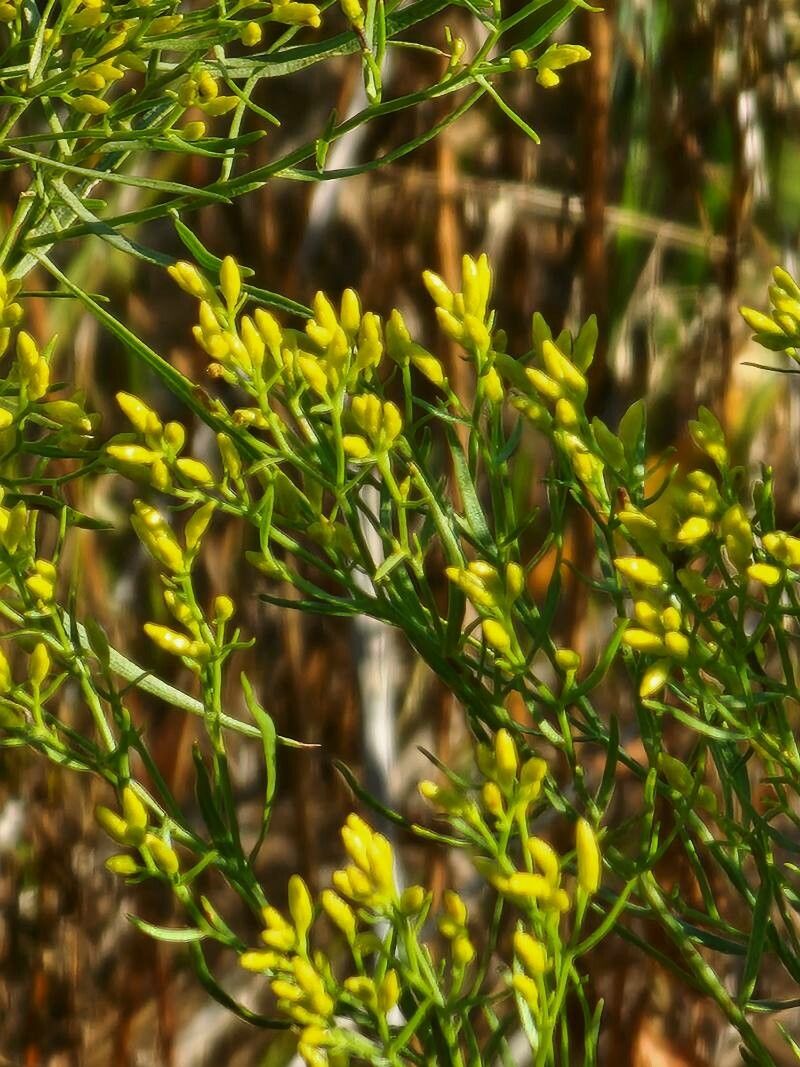
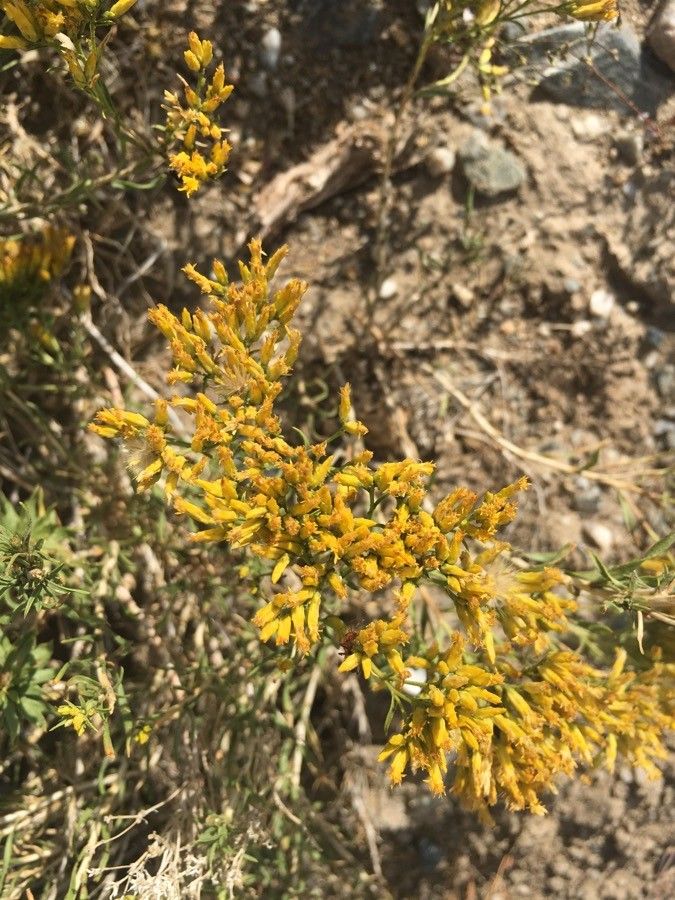
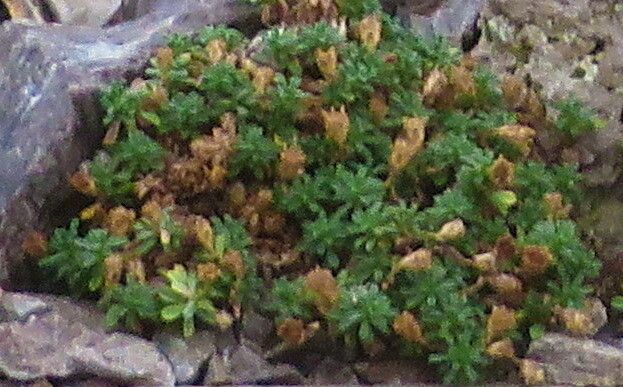
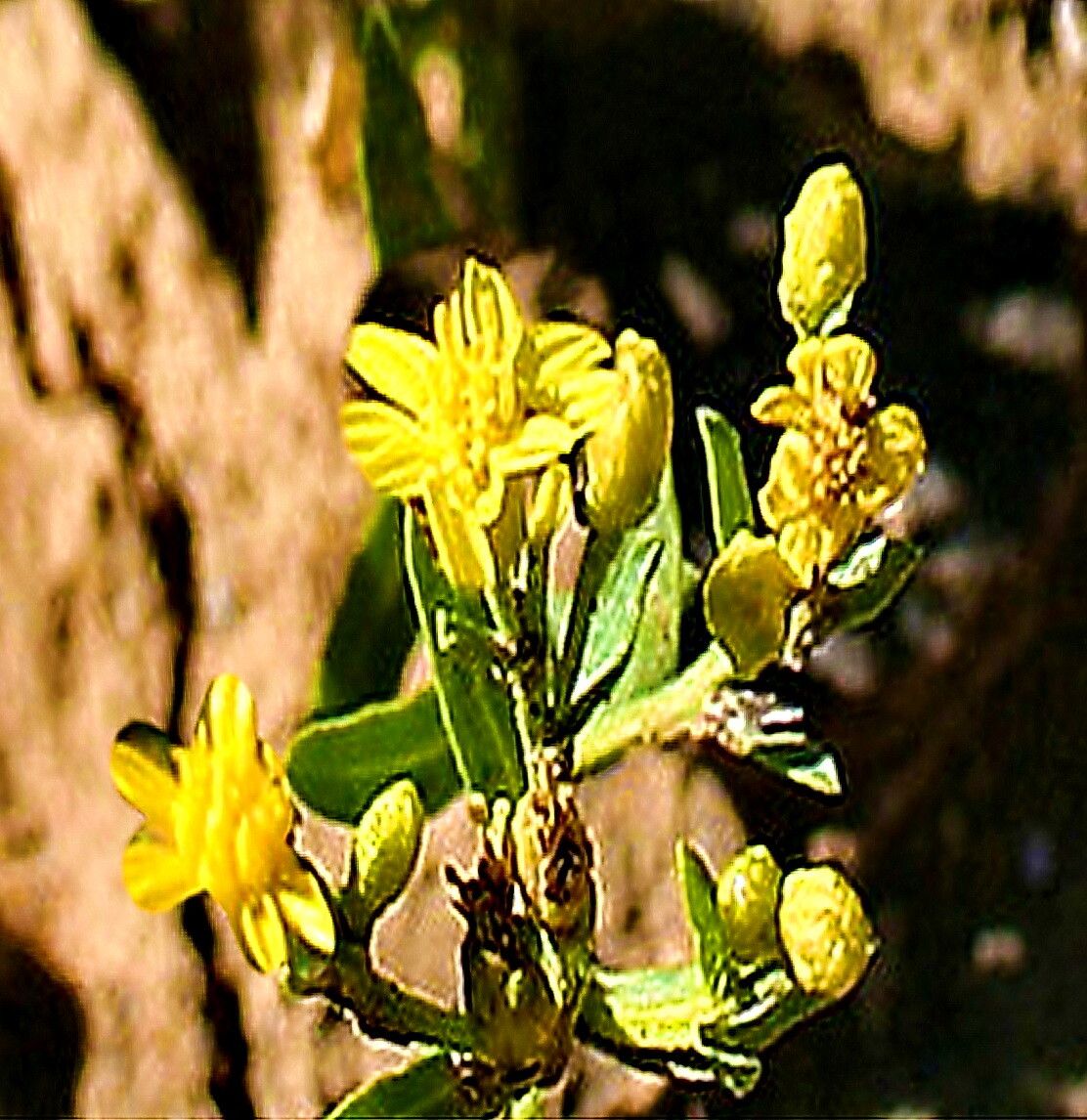
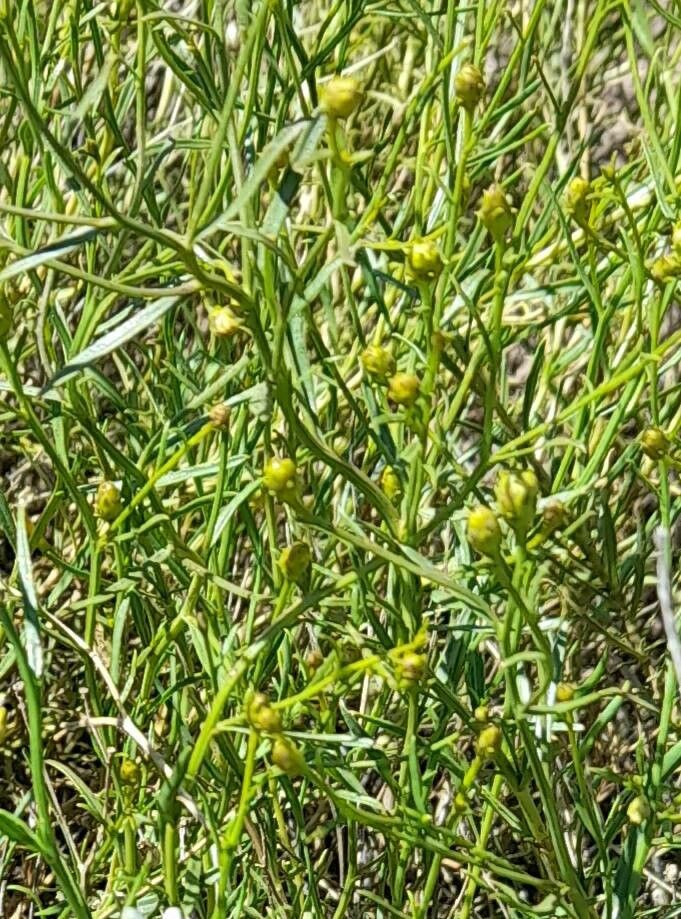
Gutierrezia microcephala is a species of flowering plant in the family Asteraceae known by the common names sticky snakeweed, threadleaf snakeweed, threadleaf broomweed, and smallhead snakeweed. It is a subshrub native to the southwestern United States and northern Mexico, and can be found in arid grassland and desert sand dune habitats. It can be toxic to livestock in large quantities, due to the presence of saponins and high concentrations of selenium.
Threadleaf snakeweed is quite resistant to disease and is generally not susceptible to illnesses. Regarding care, this plant is relatively low-maintenance. When grown outdoors it needs only minimal watering, and larger specimens typically do not require pruning. Smaller specimens, however, should be pruned after they finish blooming. Threadleaf snakeweedt is suitable for anyone with outdoor space, such as a garden or a deck, and does not demand much gardening experience.
How to keep Gutierrezia Microcephala.
Light
Threadleaf snakeweed originates in open habitats, such as sunny meadows and forest edges, which provide abundant light. It thrives in Full Sun but can also tolerate Partial Sun, adapting well to a range of sunlight conditions.
Water
Threadleaf snakeweed is well-adapted to arid environments, demonstrating a high tolerance for drought conditions. It thrives with minimal moisture, so watering should be infrequent—ideally every 2 to 3 weeks. This plant prefers well-draining soils that prevent water retention, similar to its native habitats.
Temperature
Threadleaf snakeweed adapts well to temperature, tolerating high heat and wide temperature fluctuations. In hot conditions, attention should be given to watering and providing adequate shade to prevent sunburn. Conversely, it is relatively sensitive to low temperatures; while it can endure some cold, excessively low temperatures can cause frost damage.
Fertilizer
Fertilize your Threadleaf snakeweed in early spring to support healthy growth. Regular feeding improves overall health, producing vigorous growth, greater tolerance of challenging conditions, and enhanced resistance to pests and diseases. Keep to a specific fertilization schedule for your Threadleaf snakeweed to maintain vibrant, deeply colored foliage and a lush appearance.
Pruning
Threadleaf snakeweed has thread-like leaves and benefits from pruning between early and late winter. To promote its health and shape, remove any dead branches, which encourages new growth and helps prevent disease. Minimal pruning improves air circulation and flowering, resulting in a healthier and more attractive plant.
Botanical profile.
- Plant Type
- Shrub
- Life Cycle
- Perennial
- Genus
- Gutierrezia
- Family
- Asteraceae
- Hardiness Zone
- 5-9
- Mature Height
- 20 cm to 61 cm
- Mature Spread
- 0.91 m to 1.22 m
- Leaf Color
- Green
- Leaf Type
- Evergreen
- Flower Color
- Yellow
- Flower Size
- 2.54 cm
- Bloom Time
- Mid summer, Late summer, Early fall
- Planting Time
- Spring, Summer
- Harvest Time
- Early fall, Mid fall
- Native Area
- Mexico
Other names.