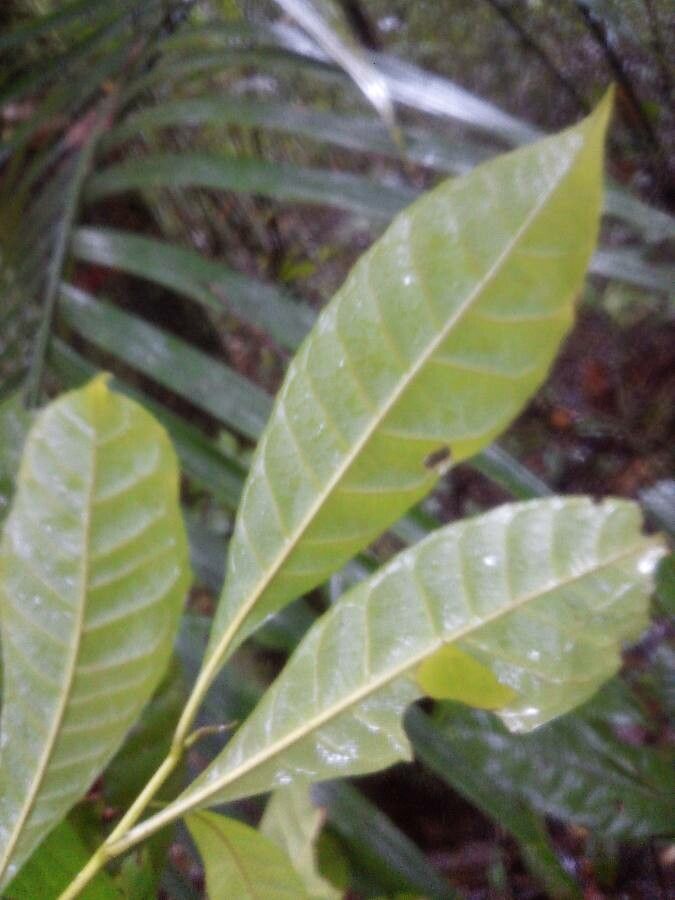
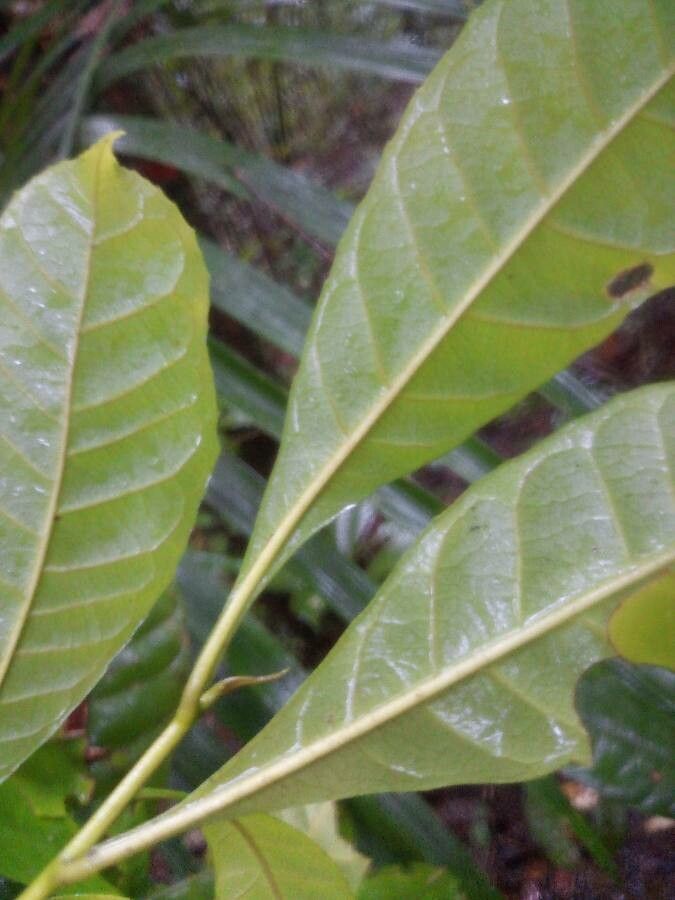
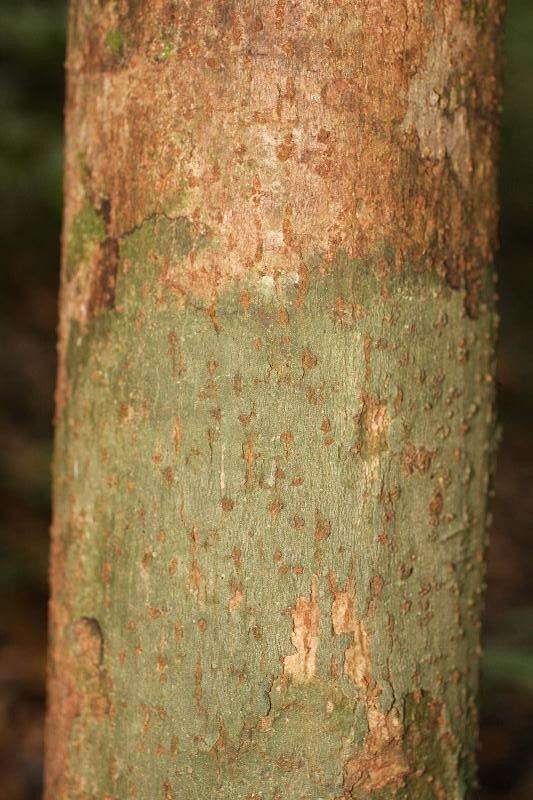
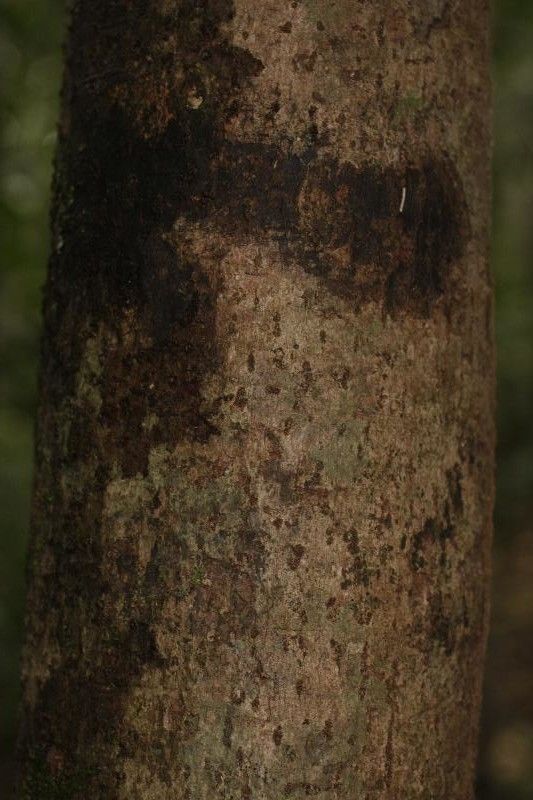
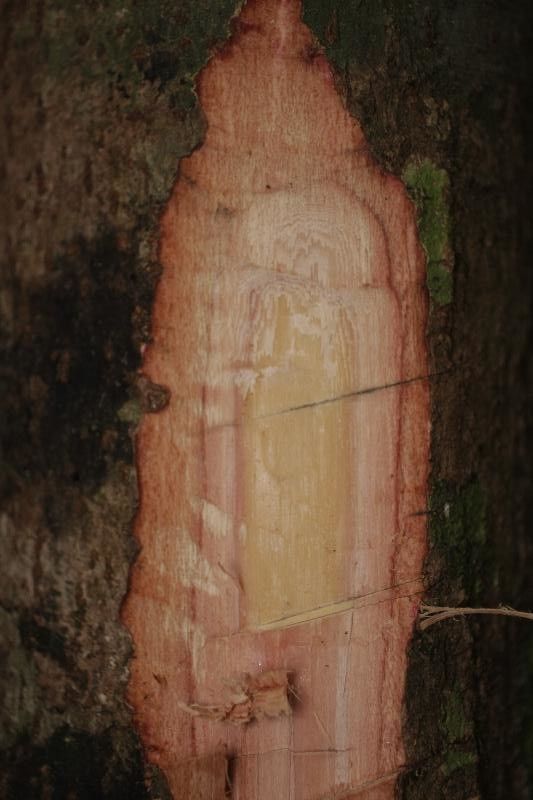
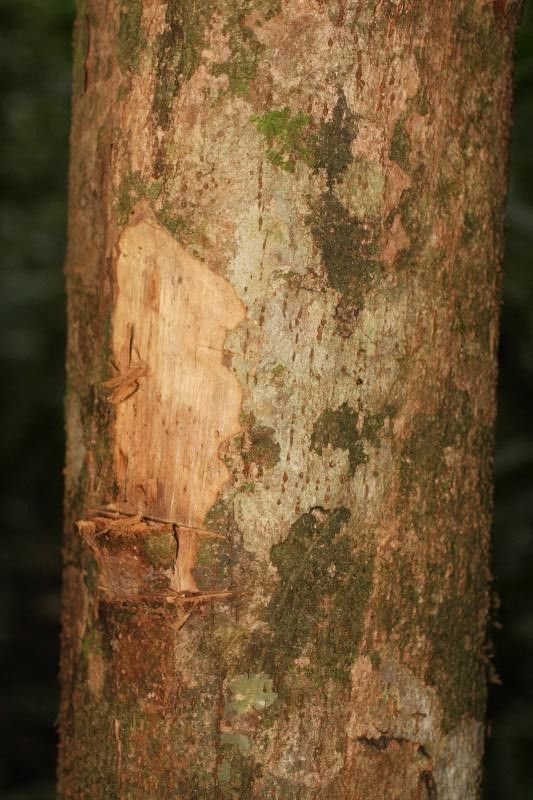
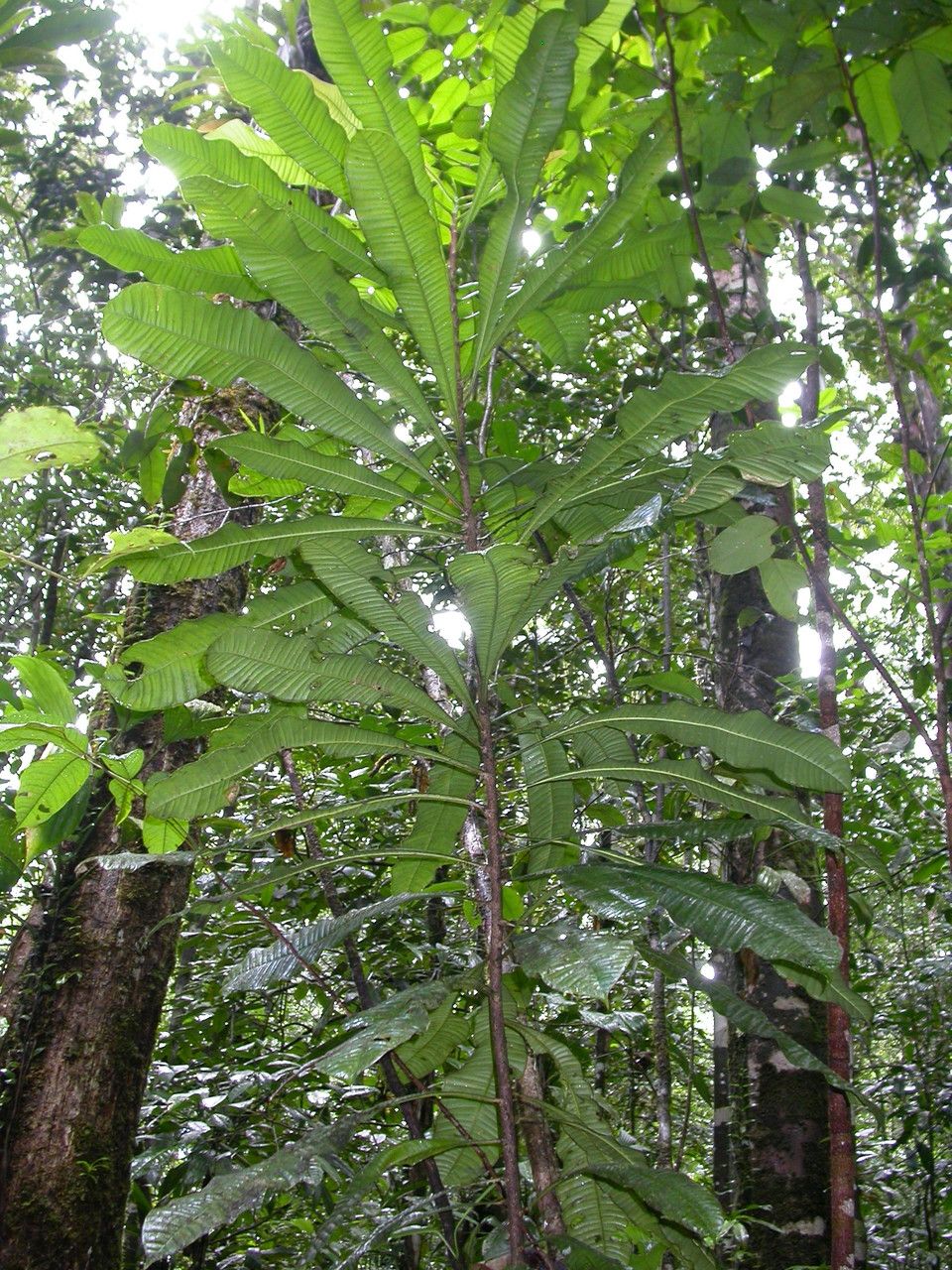
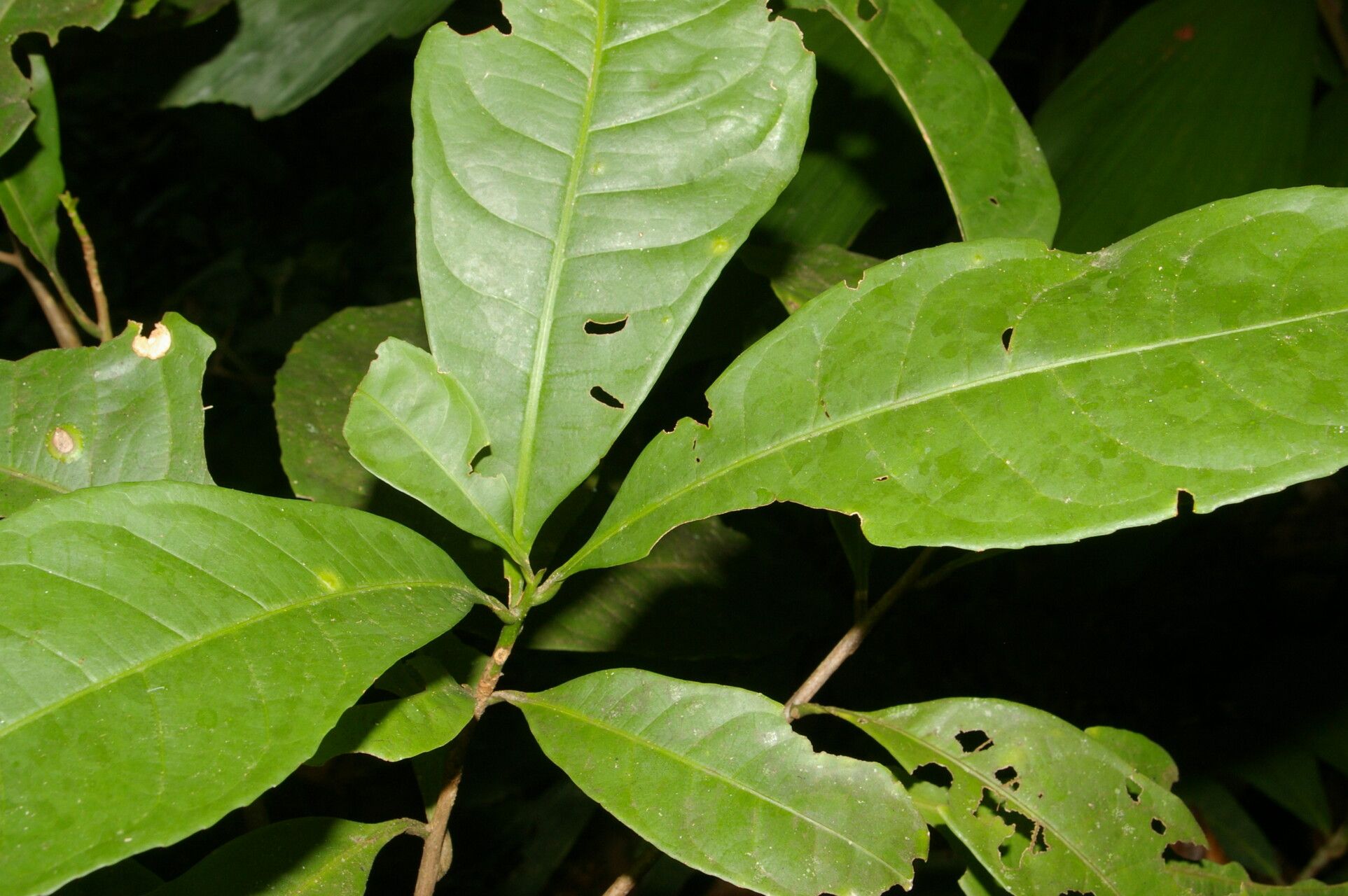
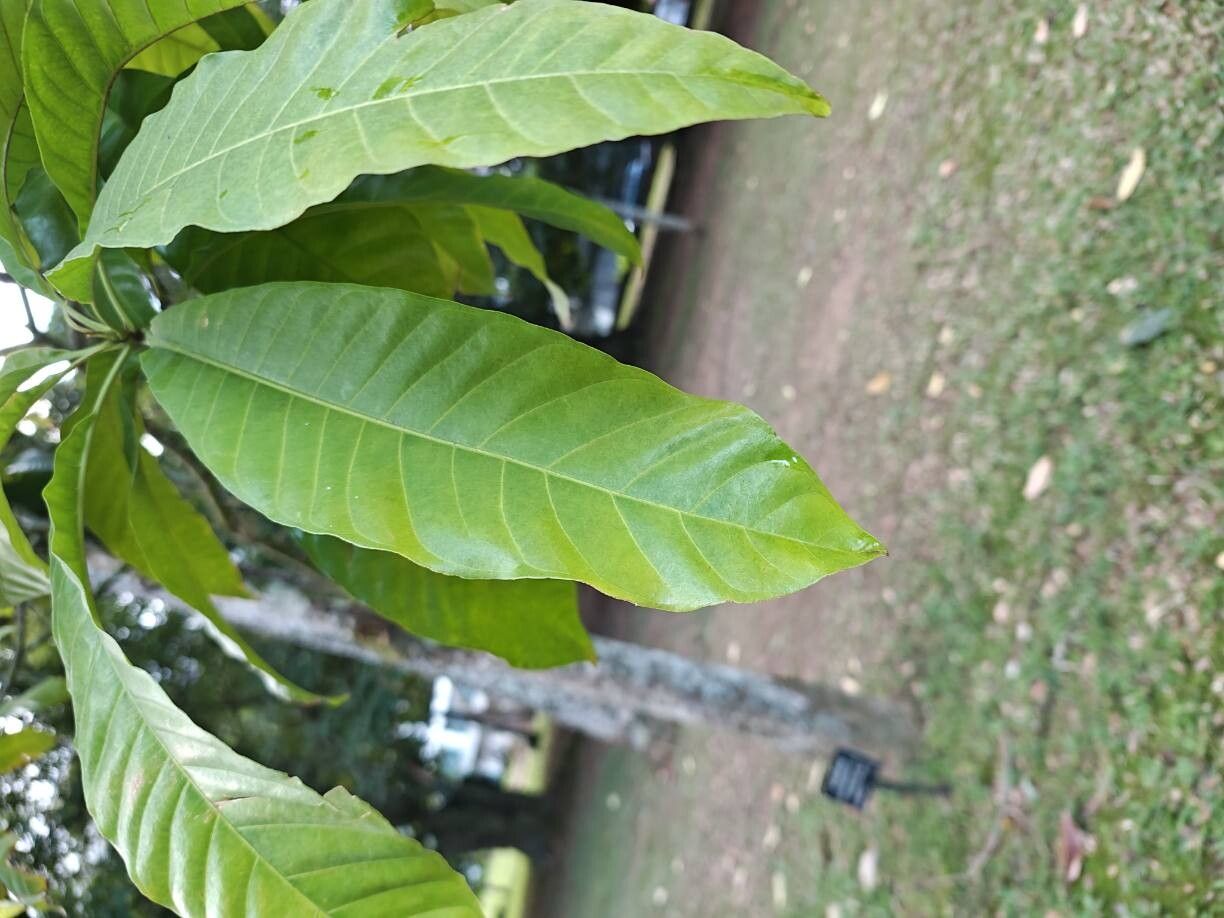
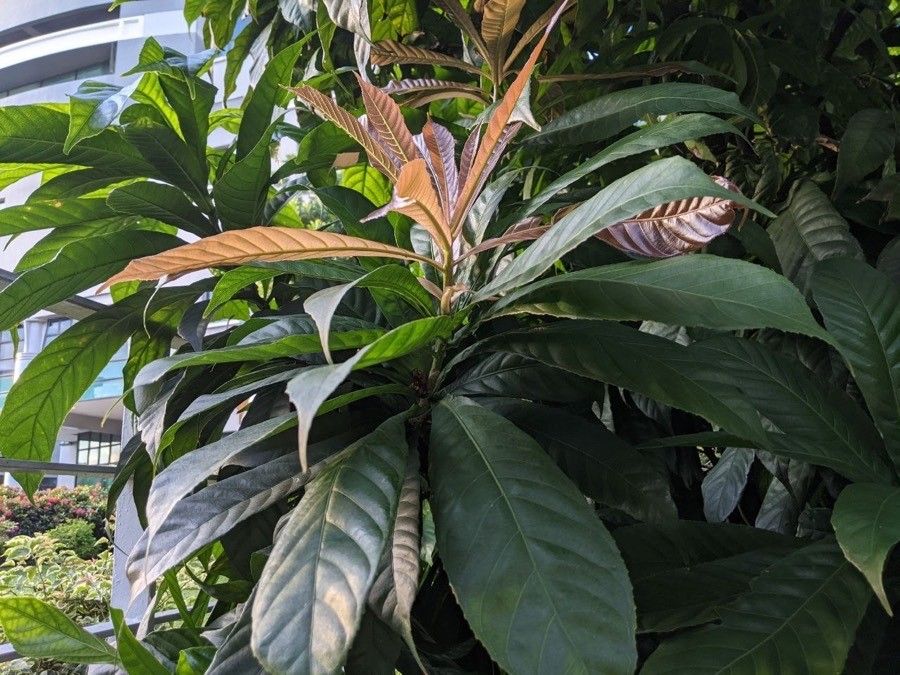
Cenicero blanco displays strong resistance to disease and is generally not susceptible to illnesses. As for care, this plant is fairly low maintenance. When planted outdoors, it needs only minimal watering, and larger plants typically do not require pruning. Smaller plants, however, should be pruned after they have finished blooming. Cenicero blancot is suitable for anyone with outdoor space, such as a garden or a deck, and does not demand much care experience.
How to keep Gustavia Hexapetala.
Light
Cenicero blanco is native to habitats like forest understories or rocky areas, where it grows in natural shade. It prefers partial sun but can adjust to full sun or full shade, showing its versatile and hardy nature.
Water
The Cenicero Blanco plant thrives in tropical rainforests, where it requires high humidity and consistent moisture. To mimic its natural environment, it should be watered once a week. While it is typically grown outdoors, ensuring it has a suitable growing season with sufficient water, either from rainfall or irrigation, is essential for its health and growth.
Temperature
Cenicero blanco proviene de regiones tropicales, donde el clima suele ser cálido y húmedo. Por ello está bien adaptado a temperaturas elevadas y a la humedad. No le gustan los cambios bruscos de temperatura y prefiere un ambiente térmico estable, por lo que es importante evitar variaciones de temperatura en interiores. Normalmente no tolera el frío y necesita temperaturas más altas para su desarrollo. Si la temperatura ambiental desciende demasiado, la planta puede dejar de crecer o incluso morir.
Fertilizer
The best time to fertilize a Cenicero blanco is in early spring when it emerges from dormancy. This encourages overall growth and flower development. Fertilization improves foliage, stems, and branches, while promoting large, vibrant, and long-lasting blooms. It helps move nutrients from the roots to the flowers and enhances the plant's health and disease resistance.
Pruning
Pruning cenicero blanco from early to late winter is essential for several reasons. It helps remove dead branches, improves air circulation, and supports healthier growth with more blooms. Additionally, pruning helps maintain the plant's shape and prevents overcrowding, ensuring optimal health for your garden.
Botanical profile.
- Plant Type
- Tree
- Life Cycle
- Perennial
- Genus
- Gustavia
- Family
- Lecythidaceae
- Hardiness Zone
- 10-12
- Mature Height
- 14.94 m to 20.12 m
- Mature Spread
- 4.88 m to 7.92 m
- Leaf Color
- Dark Green
- Leaf Type
- Evergreen
- Flower Color
- Pink
- Flower Size
- 10.16 cm to 15.24 cm
- Bloom Time
- All year round
- Planting Time
- Spring, Summer, Autumn
- Harvest Time
- All year round
- Native Area
- Colombia, Bolivia, Venezuela, Peru, Guyana, Ecuador