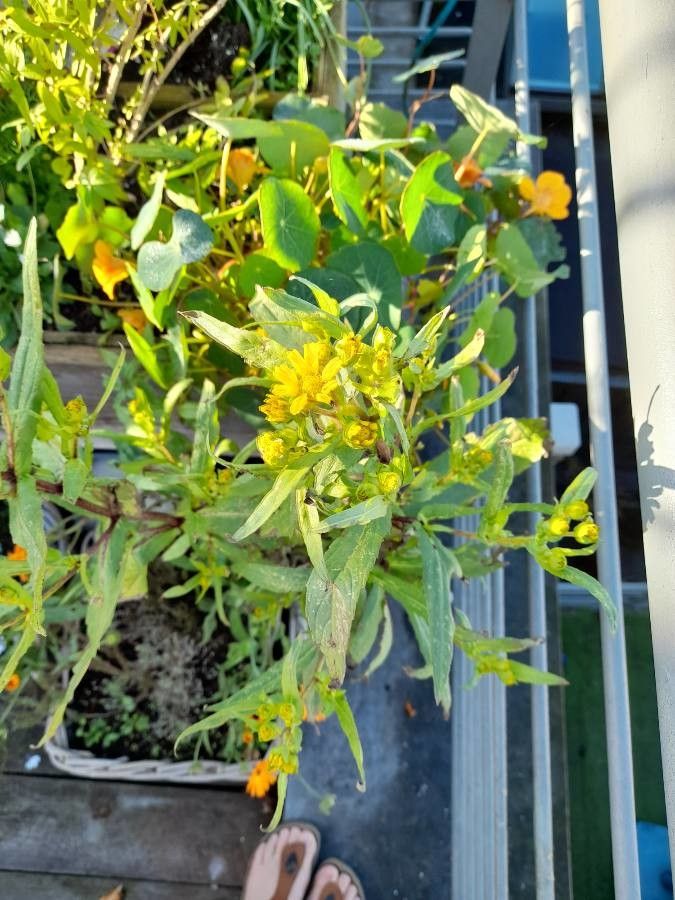
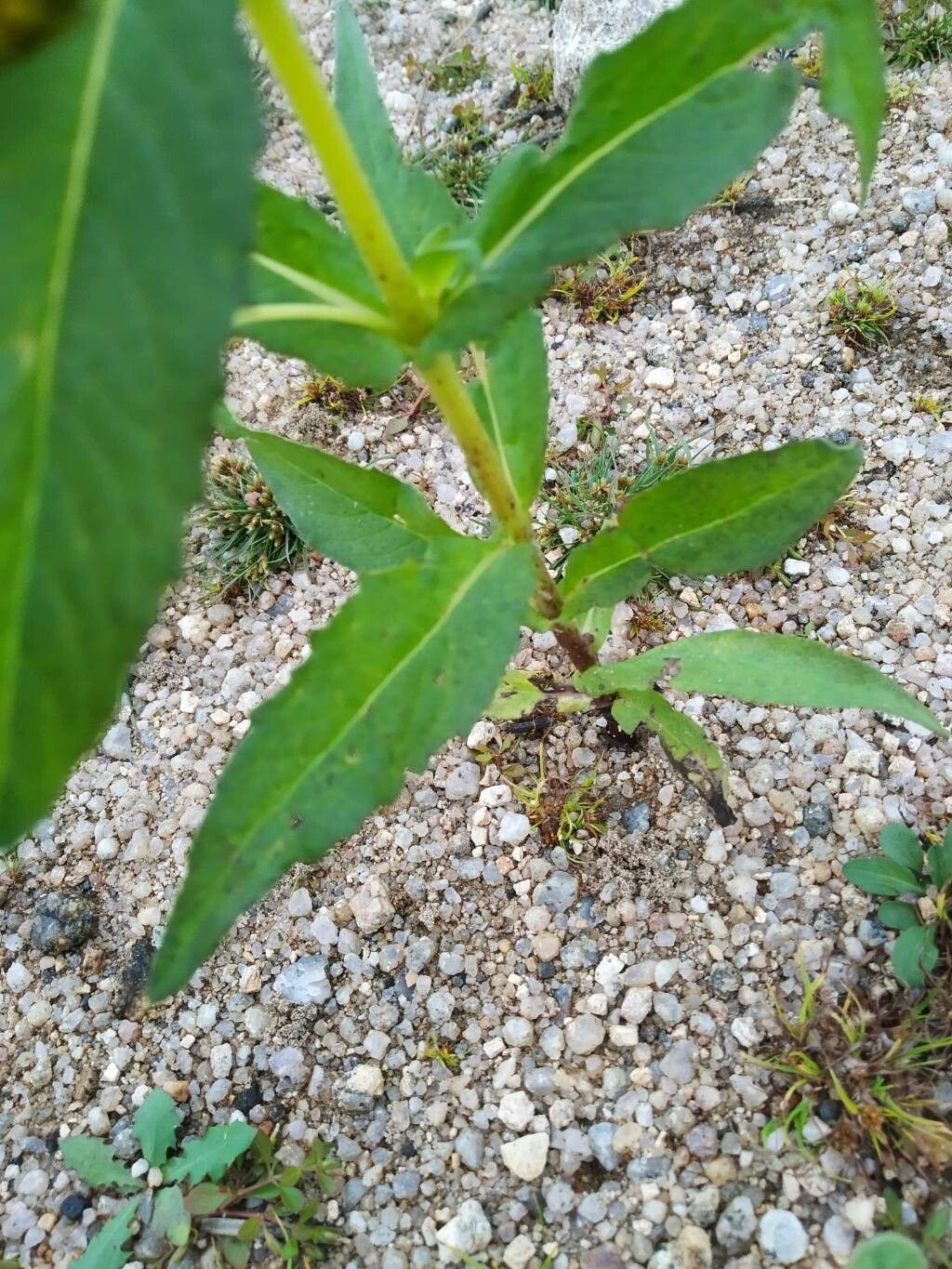
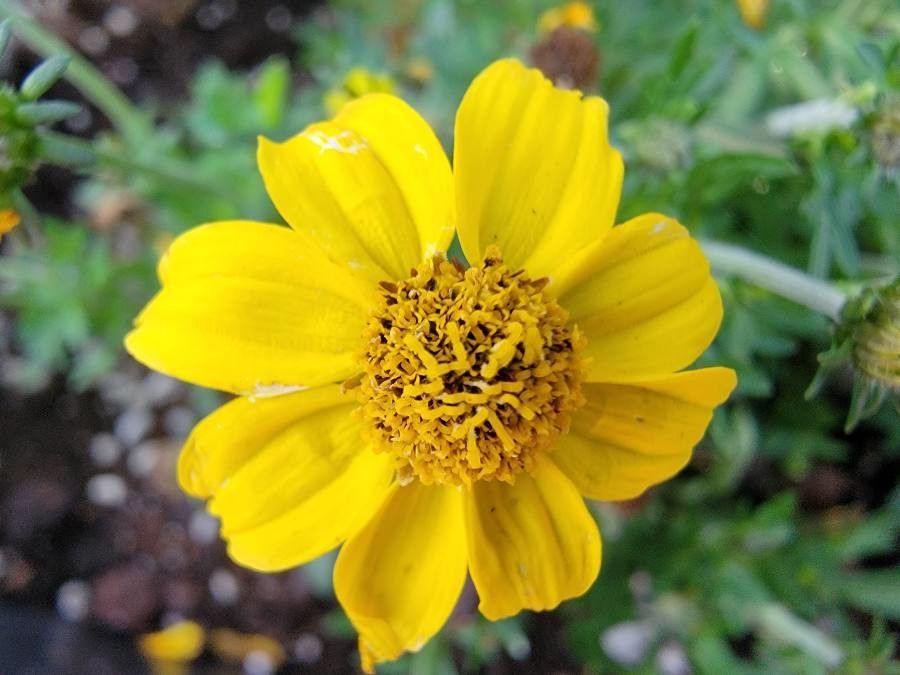
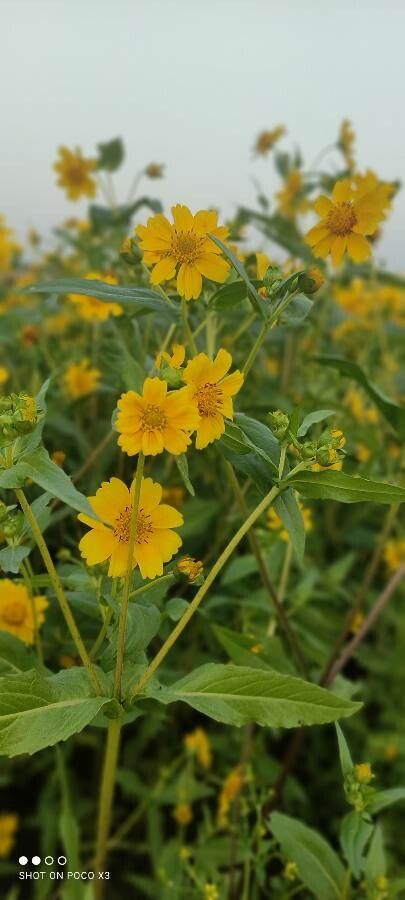
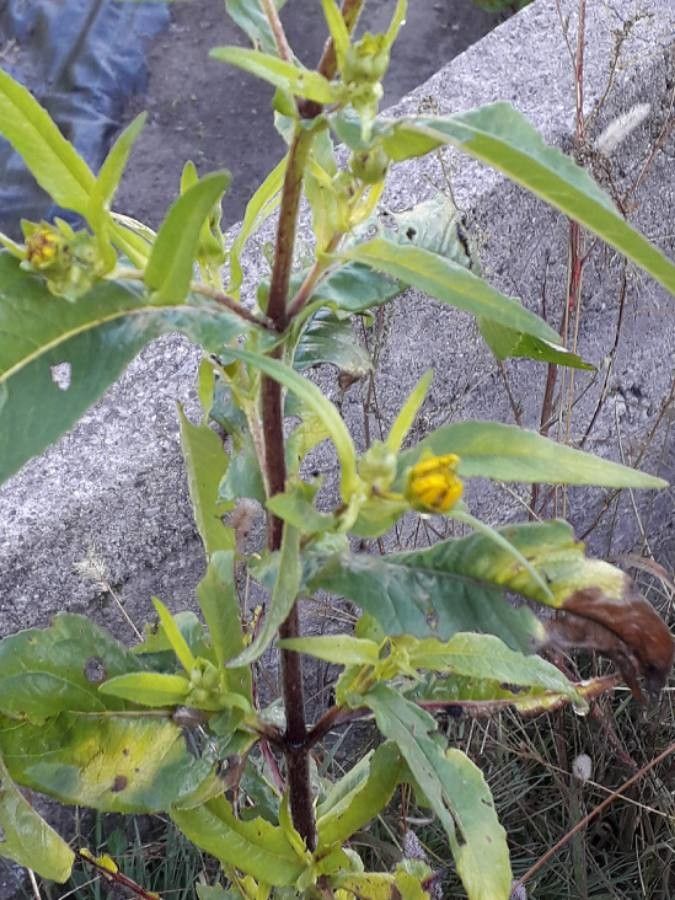
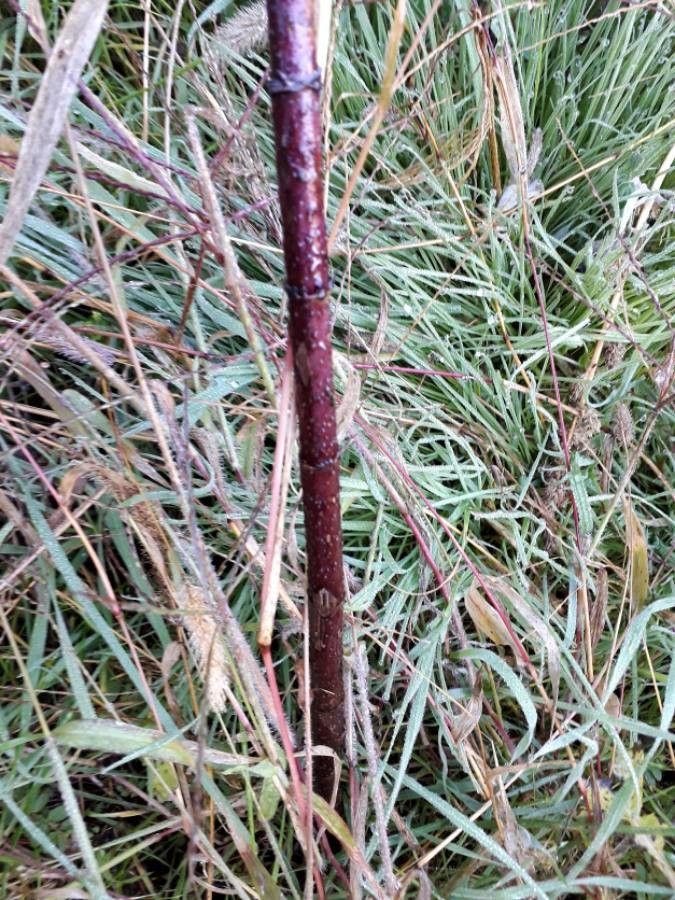
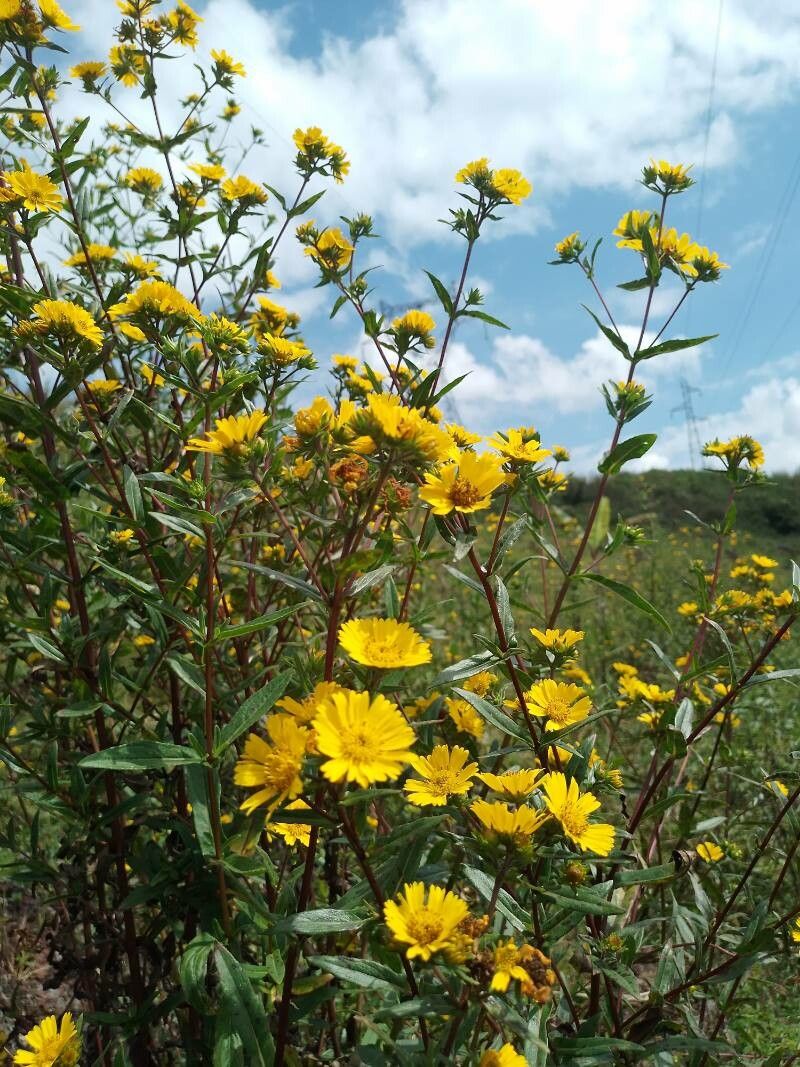
Guizotia abyssinica, commonly known as Niger seed or Nyjer seed, is an annual flowering plant that belongs to the Asteraceae family. Native to Ethiopia and other parts of East Africa, it has also been introduced and cultivated in many other regions worldwide. The plant can grow up to 2 meters tall and produces small yellow flowers, which eventually develop into small black seeds. Niger seeds are highly nutritious, rich in protein, oil, vitamins, minerals, and antioxidants. Due to their high oil content, they are commonly used as bird feed but also have various culinary applications, such as in baking or making cooking oils. For optimal growth, the plant requires well-drained soil with a pH range of 5.5-7.0 and can tolerate drought conditions once established. It is typically grown in tropical regions with warm temperatures ranging from 20-30°C. Guizotia abyssinica possesses various medicinal properties, notably its anti-inflammatory effects due to its high content of polyunsaturated fatty acids (PUFAs). Traditionally, the seeds have been used to treat ailments such as coughs, fever, and headaches. Overall, Guizotia abyssinica is an important crop both economically and nutritionally. Its numerous uses range from bird feed production to medicinal applications, making it a valuable addition to agriculture and traditional medicine practices worldwide.
Niger is fairly resistant to disease and typically does not suffer from illnesses. Still, it can be vulnerable to insects and diseases present in its environment. Such infections are generally mild. For care, this plant needs a moderate level of maintenance. It should be pruned regularly to keep a neat appearance and support healthy growth. Fertilizing can also help encourage flowering. Niger is a good choice for anyone with outdoor space, like a garden or patio, and does not demand extensive plant-care experience. It may need more attention when kept indoors.
How to keep Guizotia Abyssinica.
Light
Niger prefers strong sunlight for optimal flowering and vigorous growth. It tolerates moderate light conditions, such as the dappled shade beneath a tree canopy. However, too little or too much sunlight can reduce its resilience, resulting in lowered vigor and poorer health. Native to sunny areas, this plant has adapted to withstand high light levels, mirroring its original habitat.
Water
Originating from Ethiopia, niger plants thrive in environments with consistent moisture and stable humidity. To encourage lush growth, water them weekly. As an outdoor plant prized for its oil-rich seeds, niger requires well-draining soil that retains some moisture, yet avoids waterlogging, particularly during its intensive growing season.
Temperature
Niger is native to regions with temperatures between 68 to 95 °F (20 to 35 ℃). This plant tolerates a wide temperature range but grows optimally within that band. Adjustments for seasonal changes could include moving it to warmer areas during cooler seasons.
Fertilizer
Niger does well with regular, light applications of fertilizer to encourage healthy leaf development. Fertilize Niger roughly once a month during the summer. Nitrogen is vital for foliage, so providing nitrogen-rich supplements helps Niger flourish.
Pruning
Niger plants produce bright yellow flowers and have seeds rich in oil. To maintain their health and appearance, it's best to prune them from early to late spring. Start by removing any dead or diseased stems. Then, thin out crowded areas to improve air circulation and shape the plants for a more pleasing appearance. Regular pruning promotes healthier growth, enhances flowering, and extends the plant's lifespan. Always use clean, sharp tools when pruning to prevent the spread of disease.
Pot & Repot
When repotting Niger, select a pot that's 1–2 inches (2.5–5.1 cm) larger in diameter, ensuring it has good drainage. Use a well-draining potting mix, and consider adding perlite for extra drainage. Repot during spring or early summer, then water thoroughly, and position in a shady location for the very beginning.
Botanical profile.
- Plant Type
- Herb
- Life Cycle
- Annual
- Genus
- Guizotia
- Family
- Asteraceae
- Hardiness Zone
- 7-9
- Mature Height
- 1.22 m to 1.83 m
- Mature Spread
- 30 cm
- Leaf Color
- Green, Dark Green
- Leaf Type
- Deciduous
- Flower Color
- Yellow
- Flower Size
- 1.52 cm to 2.03 cm
- Bloom Time
- Early summer, Mid summer
- Planting Time
- Spring
- Harvest Time
- Mid summer, Late summer
- Native Area
- Eritrea, Ethiopia
Other names.
Reader questions.
How should I water my Niger plant?
To water Niger, there are several options you can use such as a garden hose with a spray nozzle or a watering can. Niger is not particular about the type of water it receives, as it can thrive with rainwater, tap water, or filtered water. However, it's best to avoid watering this plant from above to prevent damage to the leaves and flowers, and to minimize the risk of disease. A drip irrigation system is often the most effective method for watering Niger, as it ensures even and direct application of water to the soil. If you have a Niger plant in a container, you can use a cup, watering can, or tap to water it directly into the soil using a similar approach.
Why do I have to put fertilizer on my Niger plant?
Plants require nutrients to grow, but certain types can extract what they need without the use of fertilizers. Niger, like all plants, relies on nutrients for growth and internal processes. The main nutrients for plants, nitrogen, phosphorus, and potassium, contribute to various essential functions. Nitrogen is particularly crucial for foliage growth. However, it may be challenging for Niger plants to obtain sufficient nitrogen from the soil alone. As a result, many gardeners choose to provide Niger with additional nitrogen through feeding.
What are the sunlight requirements for Niger plants?
Niger plants, known botanically as Guizotia abyssinica, thrive in areas with intense sun exposure, requiring full sun or above 6 hours of sunlight daily for best flowering and robust development. They can also tolerate partial sun or about 3-6 hours of sunlight, such as the dappled light found under tree canopies. However, it's important to watch how sunlight moves through your garden to choose spots offering the right balance of light and shade, ensuring your Niger plants' happiness and health. Lack or excess of sunlight may weaken their resistance, leading to reduced vigor and compromised health.
What are the optimal temperature conditions for growing Niger?
Niger (Guizotia abyssinica) thrives best in areas with temperatures ranging from 68 to 95 °F (20 to 35 °C). Although it can tolerate a wide range of temperatures, growth is optimal within this specific temperature band. To accommodate seasonal changes, it may be necessary to move the plant to warmer locations during cooler seasons. Despite its strong resistance to cold, it is recommended to take precautions if winter temperatures are expected to fall below -15°C by covering the plant with soil or straw for protection. Additionally, watering the plant abundantly before the first freeze in autumn helps keep the soil moist, preventing drought and water scarcity during winter and early spring.
What should I do if I give my Niger plant too much water or too little water?
An obvious solution for underwatering Niger is to water it more regularly when you notice it lacks moisture. On the other hand, overwatering is a more serious issue because it can cause diseases that may kill the plant. To prevent overwatering, it's important to choose a suitable location with ample sunlight and good drainage. If you have overwatered a potted Niger, it may be necessary to transfer it to a new pot with better soil and drainage.
When should I fertilize my Niger plant?
Niger plants generally grow well and can benefit from a fertilizer application once a month during active growth. Fertilizing should be done in the spring and summer months when the plant is actively growing and using more nutrients. You can determine when to start fertilizing by looking for signs of new growth. Whether your Niger plant is grown outdoors or indoors in a container, the fertilization schedule remains the same. However, if your plant is in a container, you may not need to fertilize for the first one to two months because the potting soil already contains enough nutrients. Only start fertilizing after your plant has been in the same soil for a while.
How does artificial lighting support Niger plants indoors?
Indoor Niger plants require adequate lighting for optimal growth, especially when natural sunlight is insufficient, such as in winter or less sunny spaces. Artificial lighting, like LED lights customized to provide specific wavelengths of light, serves as a vital solution. For full sun plants, 30-50W/sq ft of artificial light is recommended, while partial sun plants require 20-30W/sq ft, and full shade plants need 10-20W/sq ft. The light source should be placed 12-36 inches above the plant to mimic natural sunlight, with most plants needing 8-12 hours of light per day.
How does low temperature affect Niger, and what are the solutions?
Niger is notably cold-tolerant, performing best when temperatures remain above 20°C. During winter, it's crucial to keep the plant above 0°C to avoid damage. If temperatures drop below -15°C, the plant may not show immediate adverse effects in winter but could experience a decrease in sprouting or fail to sprout at all come spring. To counteract any potential damage from low temperatures, it's advisable to remove parts of the plant that have not sprouted once temperatures rise in spring.
How often should I water my Niger? -> How frequently should I give water to my Niger plant?
To keep your Niger plant healthy, it is important to water it regularly throughout the growing season. In the beginning of spring, watering once a week should be sufficient. However, as the weather gets warmer, you may need to increase the frequency to two or three times per week. It is crucial not to exceed this rate, as it can harm your Niger. Additionally, make sure the soil remains moist but not wet, regardless of how often you water. When it comes to pot-grown Niger plants, the soil in the container tends to dry out faster than ground soil, so watering frequency should be increased. In most cases, watering a potted Niger plant a few times per week is recommended, as opposed to just once per week for an in-ground plant.
When is the best time to not put fertilizer on my Niger plant?
When it comes to fertilizing your Niger, always prioritize the health of the plant. If it is diseased or infested with insects, hold off on fertilizing. The same goes for dehydrated plants – fertilizing will exacerbate the issue. Only apply fertilizer to healthy plants. When watering, avoid splashing fertilizer onto the leaves or stem as it can cause burns. Be cautious about direct contact between the plant and fertilizer unless it is a special foliage fertilizer.
What are some symptoms of inadequate light in Niger plants?
Niger plants grown indoors with insufficient light may show symptoms such as small new leaves, leggy or sparse growth, faster leaf drop, slower or no new growth, and lighter-colored or chlorotic leaves. Sunscald, leaf curling, wilting, and leaf scorching can also occur due to excessive sunlight. These symptoms indicate a struggle with photosynthesis and an inability to produce enough chlorophyll and essential nutrients, revealing the plant's overall stress due to inappropriate light levels.
What impact does high temperature have on Niger, and how can it be mitigated?
During the summer months, it's important to ensure Niger is kept below 35°C. Exposure to temperatures above 38°C can cause the leaves to lighten in color, become prone to curling, suffer from sunburn, and in severe cases, lead the entire plant to wilt and dry out. Mitigation strategies include trimming away sunburned and dried parts of the plant, relocating the plant to a shaded area, or using a shade cloth to protect it from the midday and afternoon sun. Additionally, watering the plant in the morning and evening to maintain soil moisture can help mitigate the effects of high temperatures.