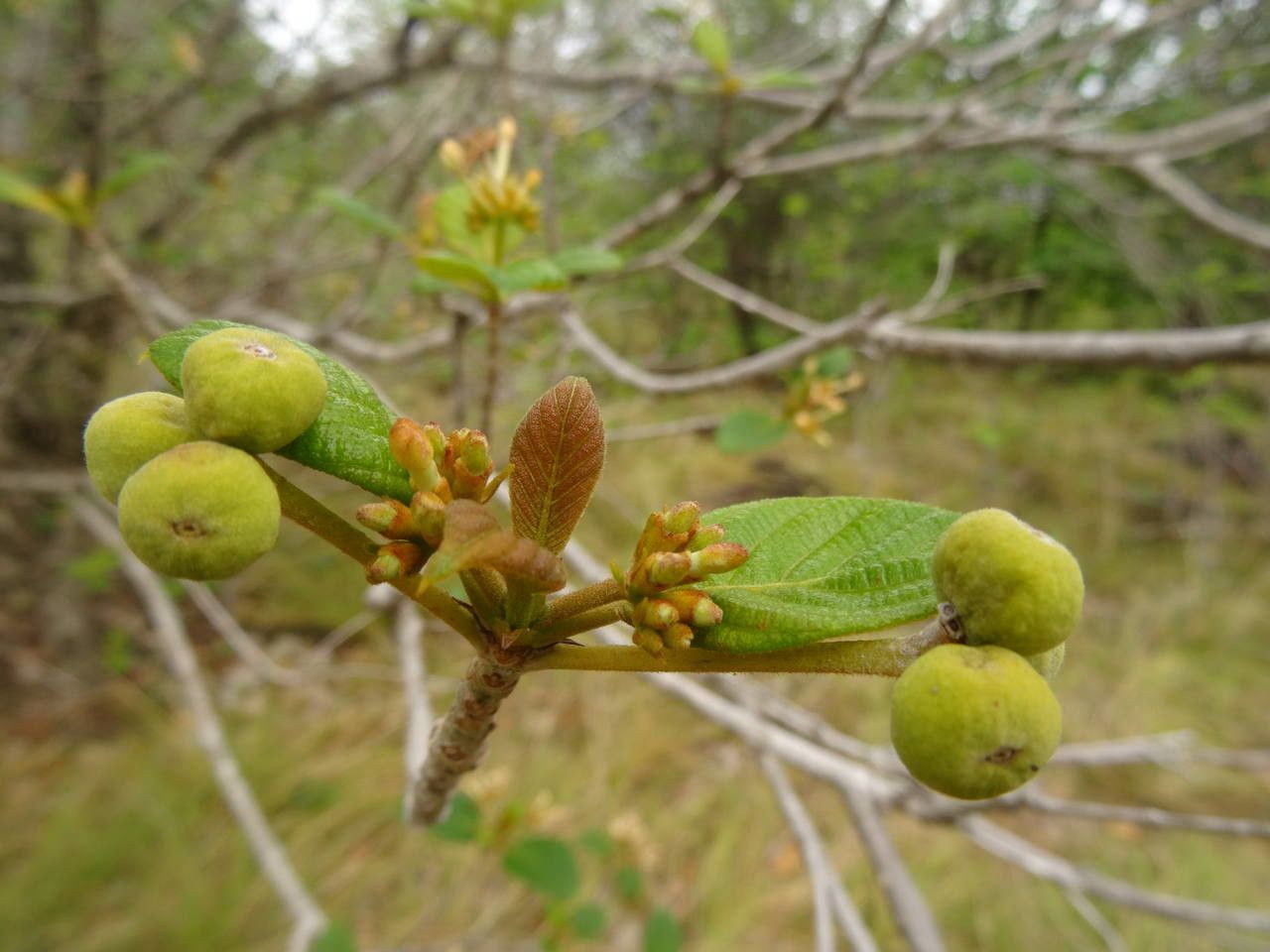
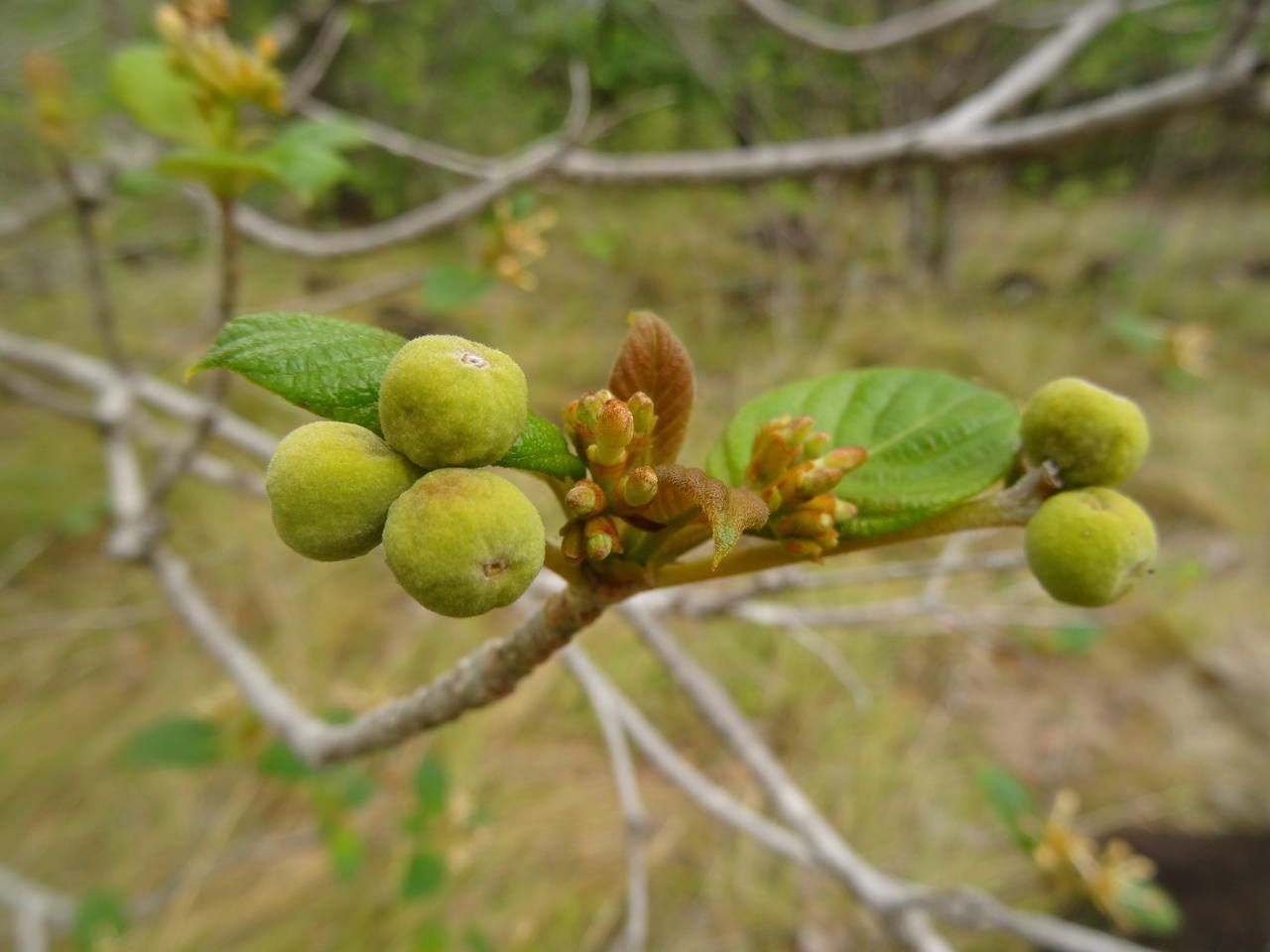
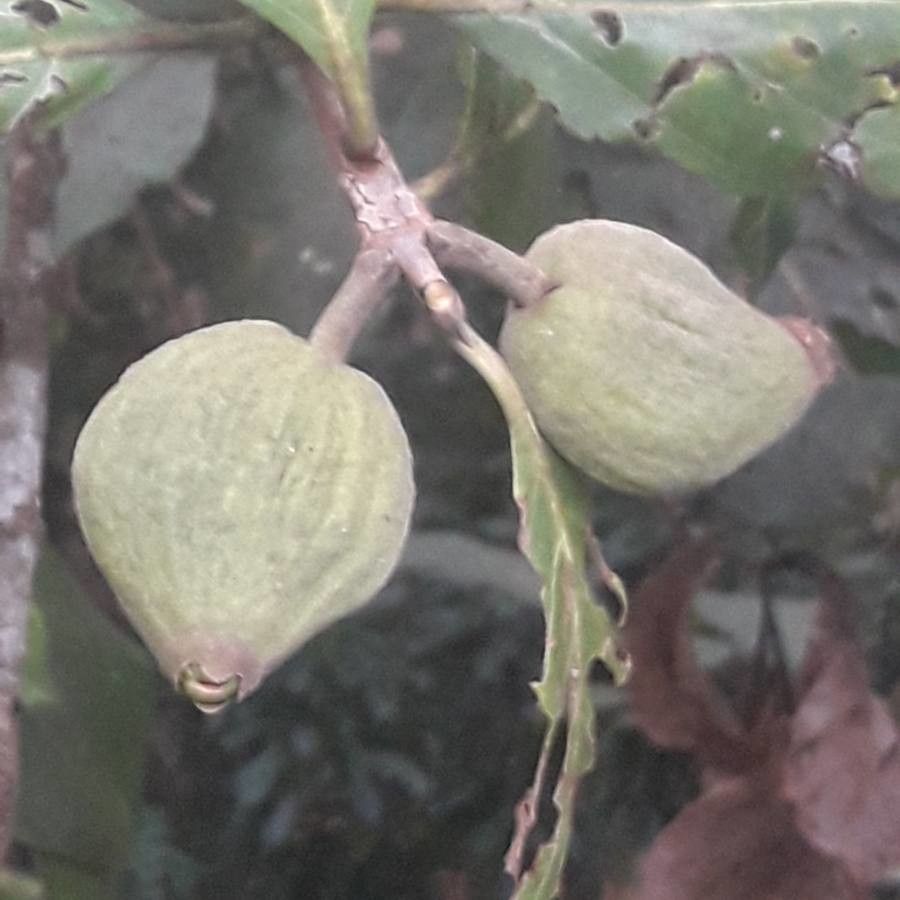
Guettarda scabra is a flowering plant species belonging to the Rubiaceae family, commonly known as Rough Velvetseed or Sea-mint. Its name comes from its rough, velvety leaves and mint-like fragrance. This plant is native to the Caribbean, Central America, and South America.
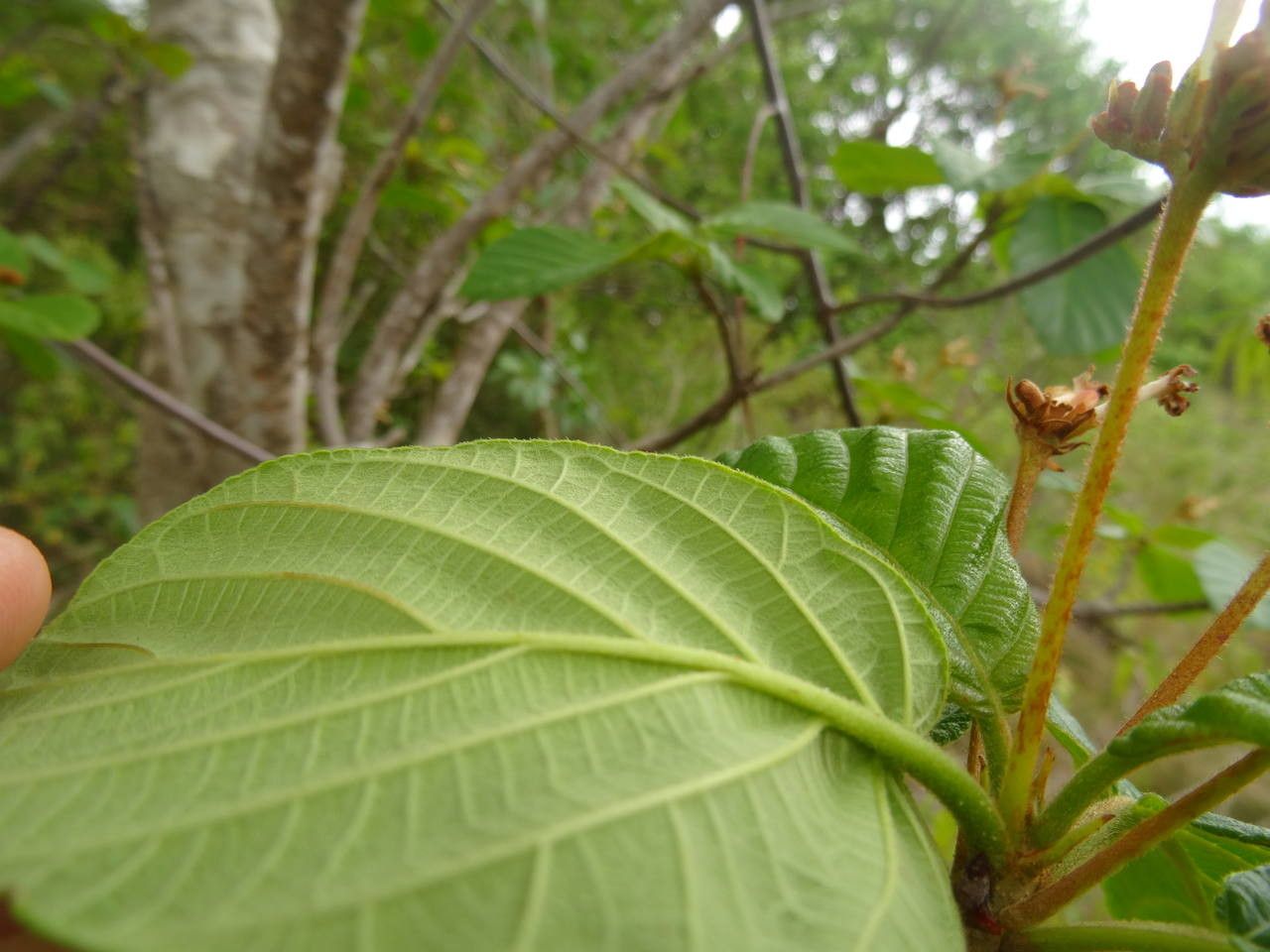
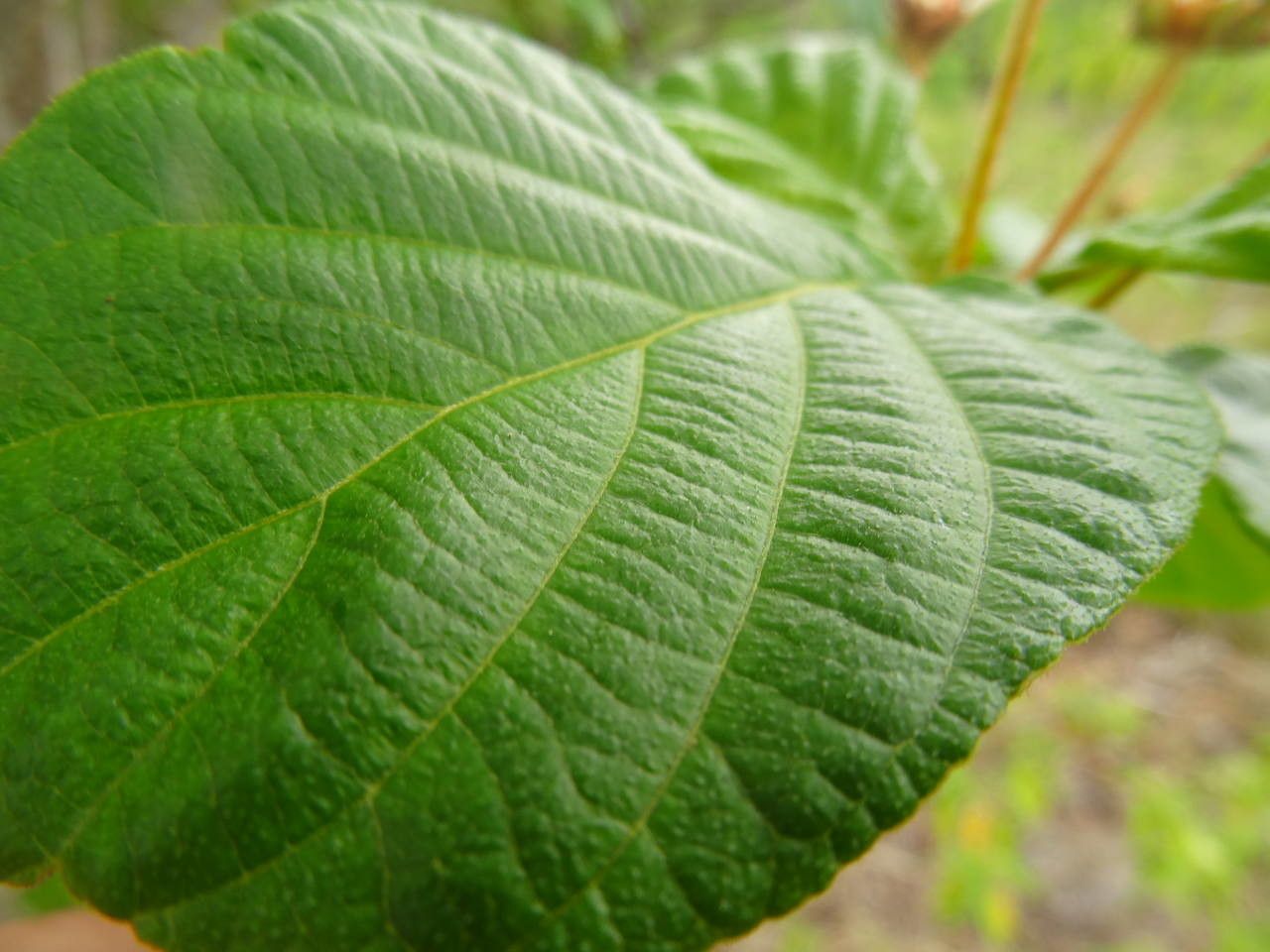
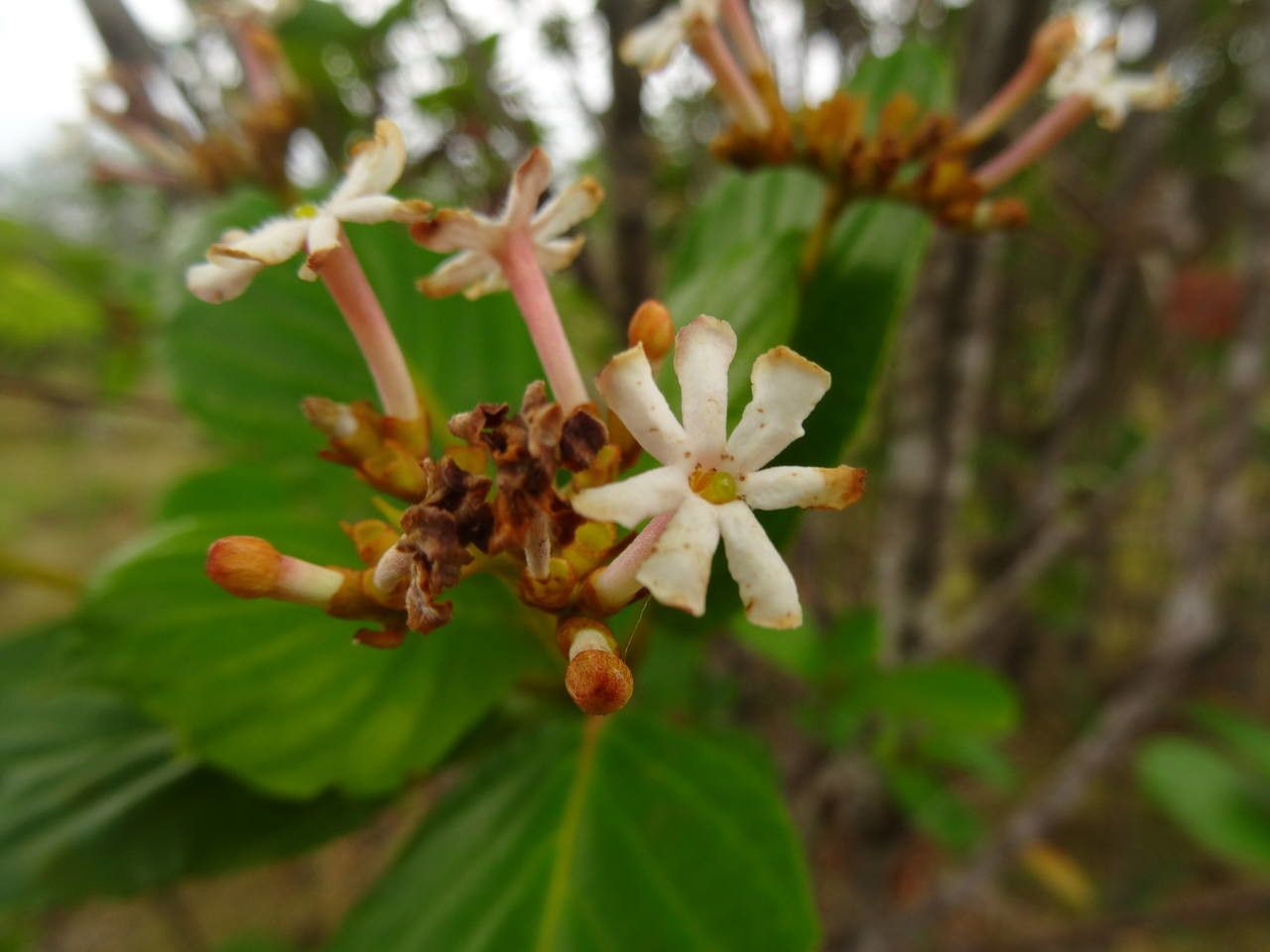
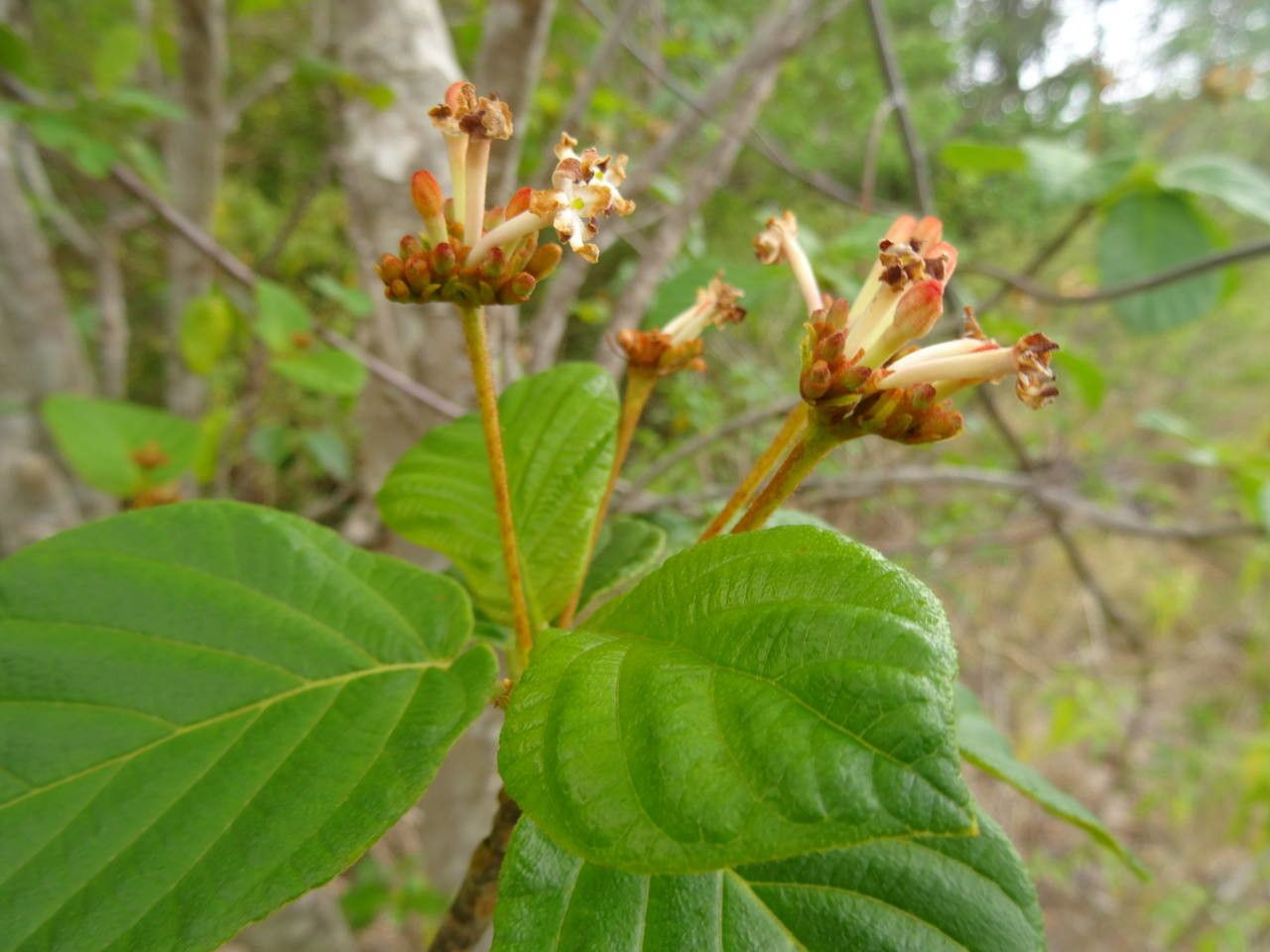
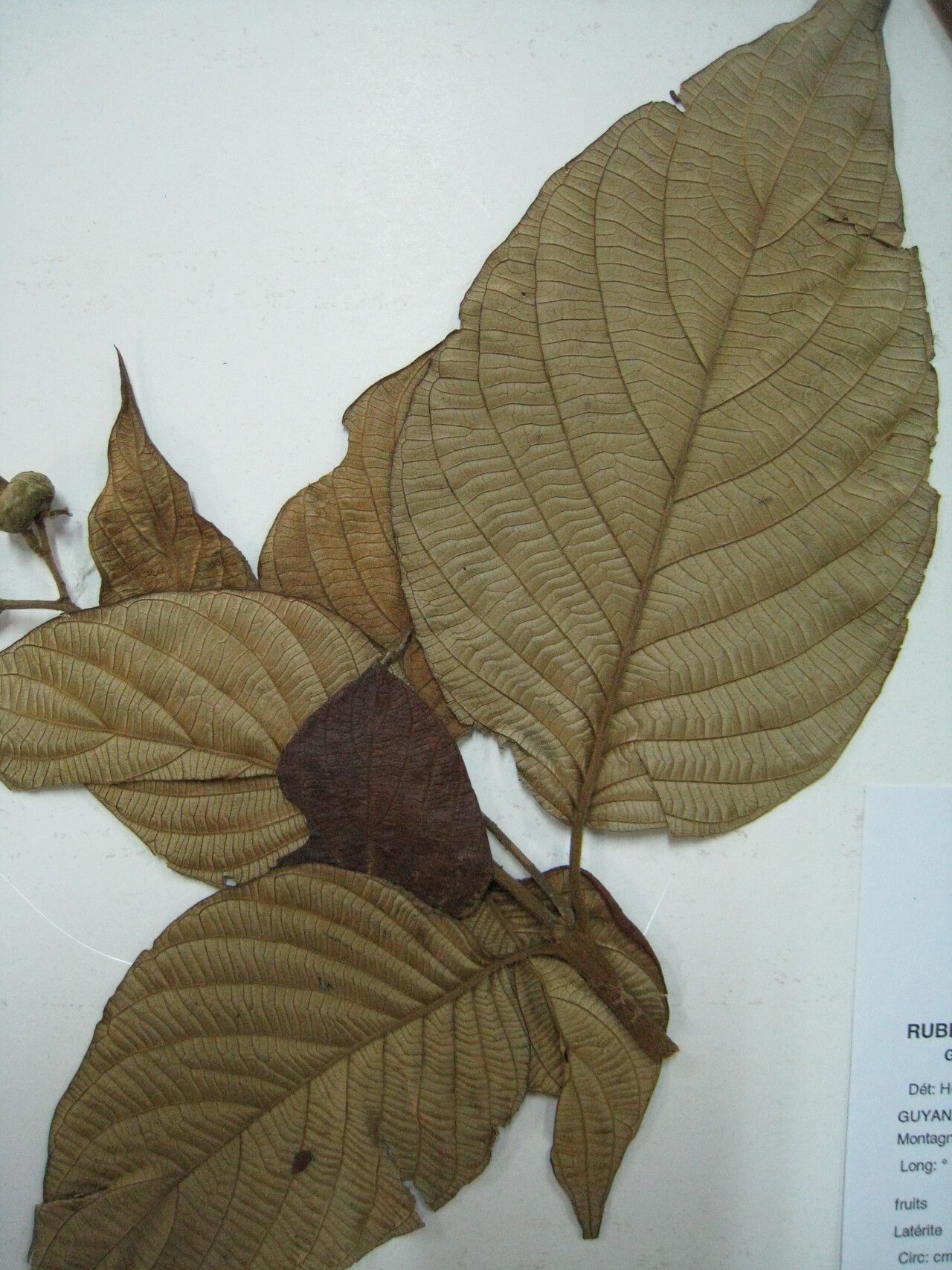
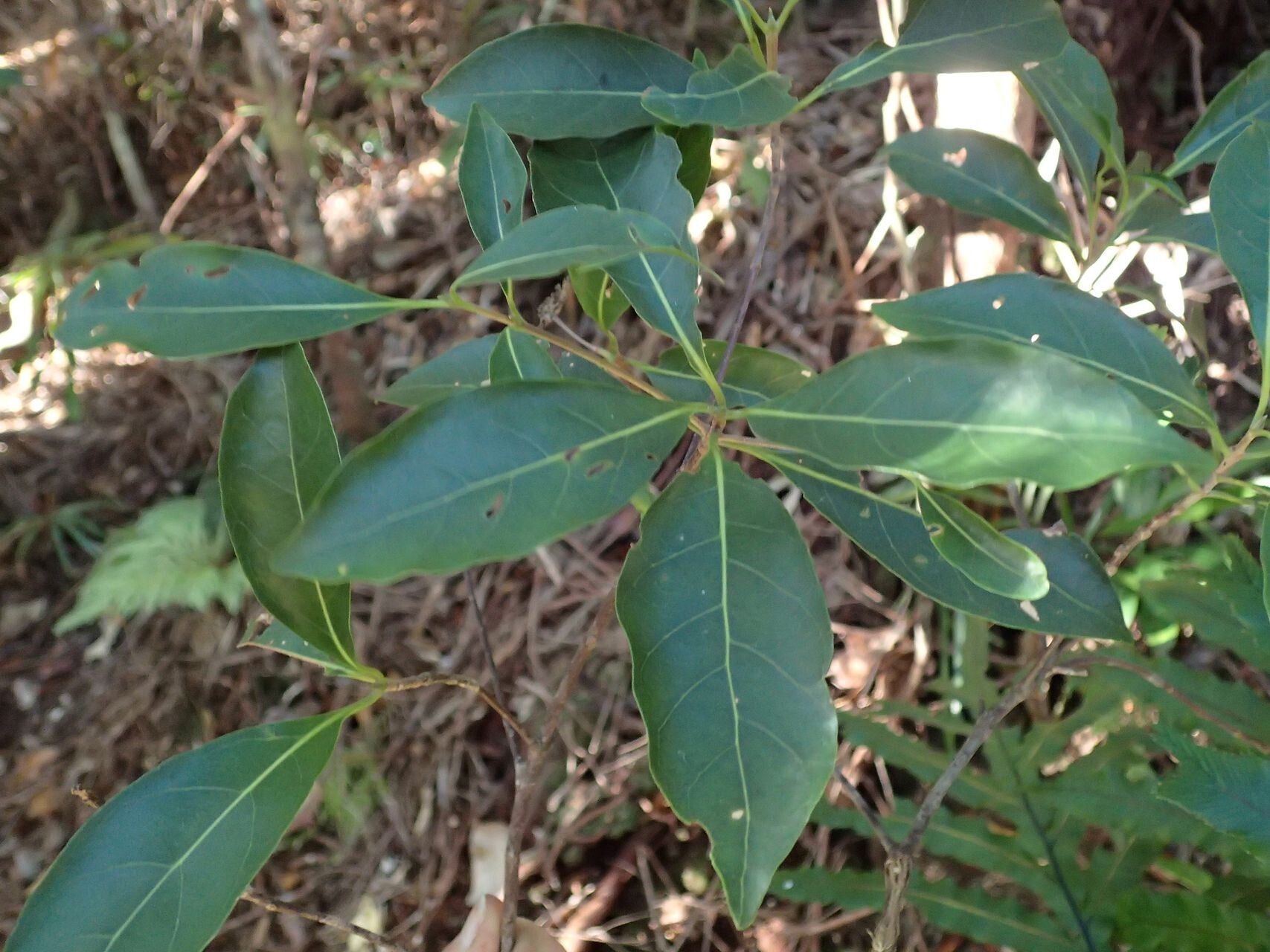
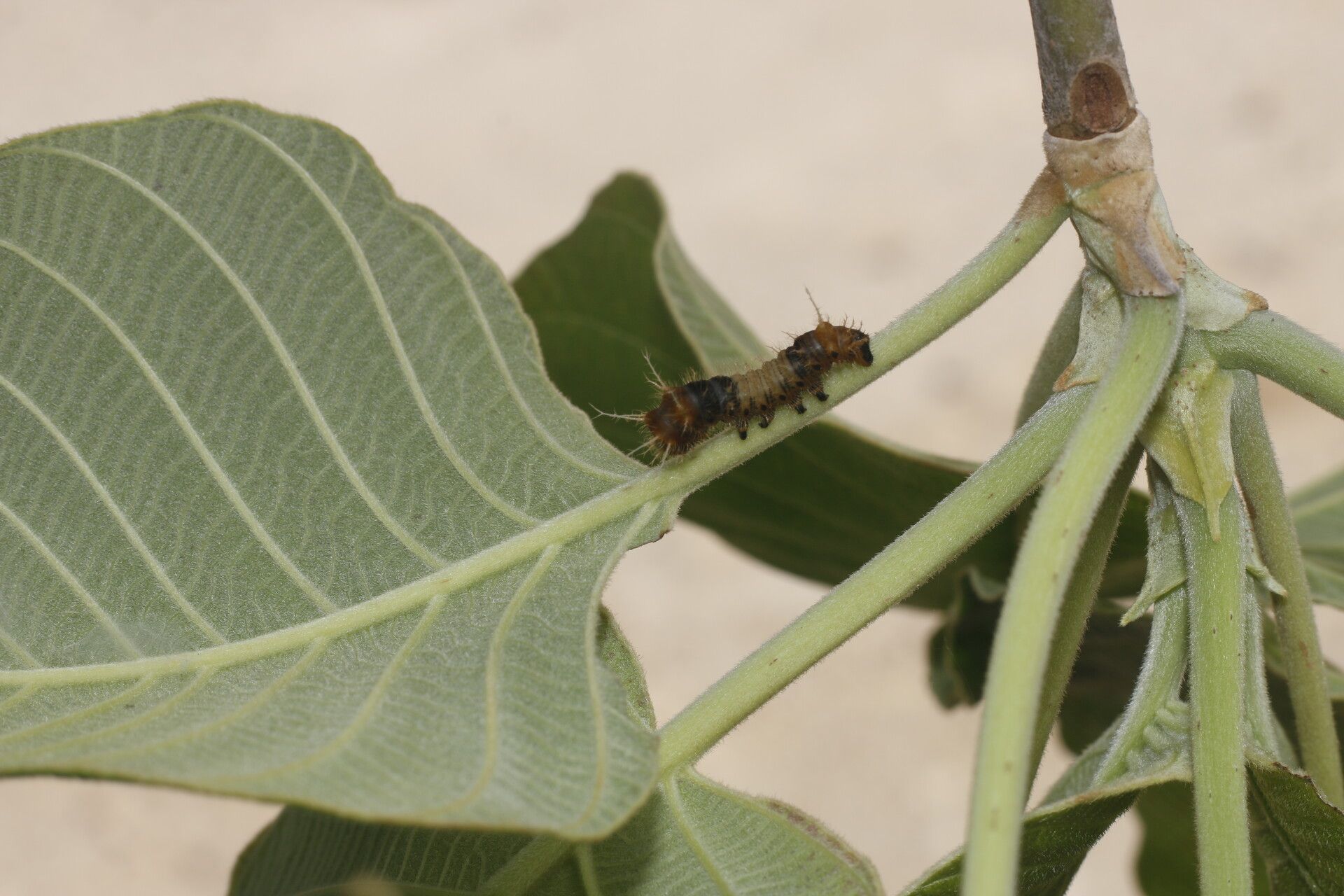
Typically reaching up to 6 feet in height, Guettarda scabra features a spreading habit with multiple branches. Its dark green leaves have a rough texture on top and are covered in fine hairs underneath. The flowers, small and either white or cream-colored, have five petals and bloom in clusters at the ends of branches.
Guettarda scabra prefers well-drained soil and thrives in full sun or partial shade, with some drought tolerance once established. It is often used as an ornamental shrub in landscaping due to its attractive foliage and fragrant flowers.
In traditional medicine, Guettarda scabra has been used to treat various ailments such as fever, wounds, and respiratory problems, owing to its anti-inflammatory properties.
Overall, Guettarda scabra is an appealing ornamental shrub that can enhance the beauty of a space while offering medicinal benefits when used correctly by experts in traditional medicine practices.
Wild guave is resistant to disease and, overall, not prone to illnesses. As for care, the plant is fairly low-maintenance. When grown outdoors it needs only minimal watering, and larger specimens usually do not require pruning. Smaller plants, however, should be pruned after they have bloomed. Wild guavet is suitable for anyone with outdoor space, such as a garden or deck, and does not demand much gardening experience.
How to keep Guettarda Scabra.
Light
Wild guave occurs naturally in habitats like forest understories and rocky areas, where it is exposed to natural shade. It prefers partial sun but can tolerate full sun or full shade, reflecting its adaptable and hardy nature.
Temperature
Wild guave adapts well to temperature, tolerating heat and wide temperature swings. In hot conditions, attention should be paid to watering and providing suitable shade to avoid sunburn. Conversely, Wild guave is fairly sensitive to low temperatures. It can endure some cold, but very low temperatures can cause frost damage.
Fertilizer
Proper timing is essential for fertilizing Wild guave. Start fertilizing in early spring and keep doing it each month until early summer. Fertilizer promotes attractive blooms and supplies energy during both dormant and active growth periods.
Pruning
To maintain the health and shape of wild guava, prune in early spring by removing dead branches. Light trimming encourages dense growth, but avoid heavy pruning during periods of active growth to prevent stress. Proper pruning also enhances air circulation, reduces the risk of disease, and promotes vigorous flowering. Make sure to use clean, sharp tools for the best results.
Botanical profile.
- Plant Type
- Shrub
- Life Cycle
- Perennial
- Genus
- Guettarda
- Family
- Rubiaceae
- Hardiness Zone
- 10-12
- Mature Height
- 3.05 m to 6.1 m
- Mature Spread
- 2.13 m to 3.96 m
- Leaf Color
- Dark Green, Forest Green
- Leaf Type
- Evergreen
- Flower Color
- White
- Flower Size
- 1.02 cm to 2.03 cm
- Bloom Time
- Late spring, Summer, Early fall, Mid fall
- Planting Time
- Autumn
- Harvest Time
- Late summer, Fall, Early winter, Mid winter
- Native Area
- Bahamas, Jamaica, Cuba, Venezuela
Other names.