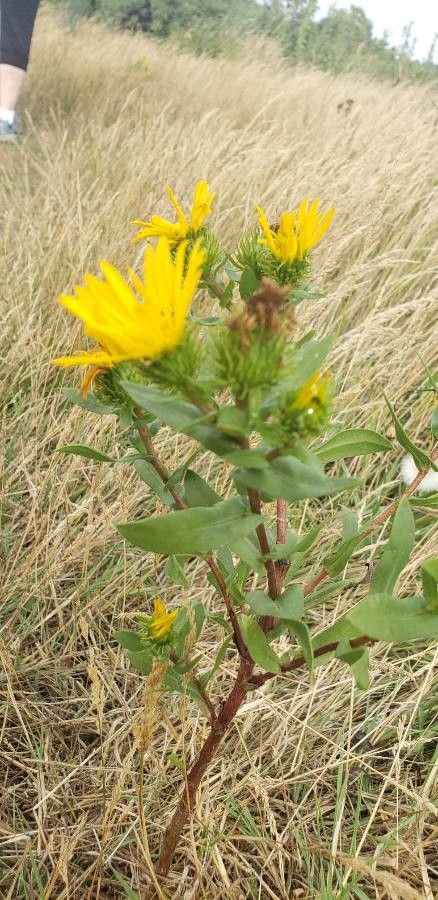
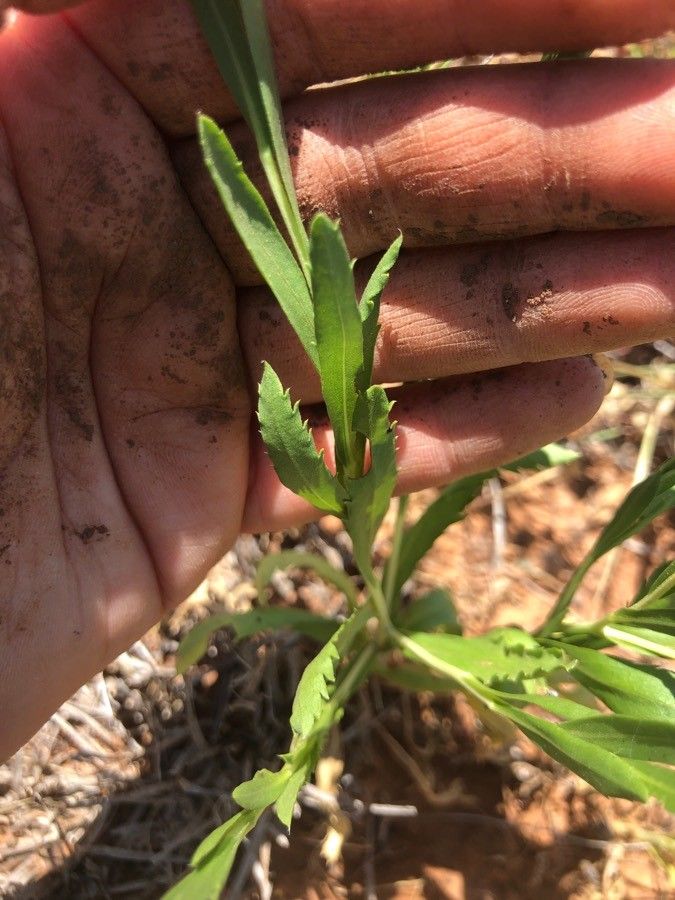
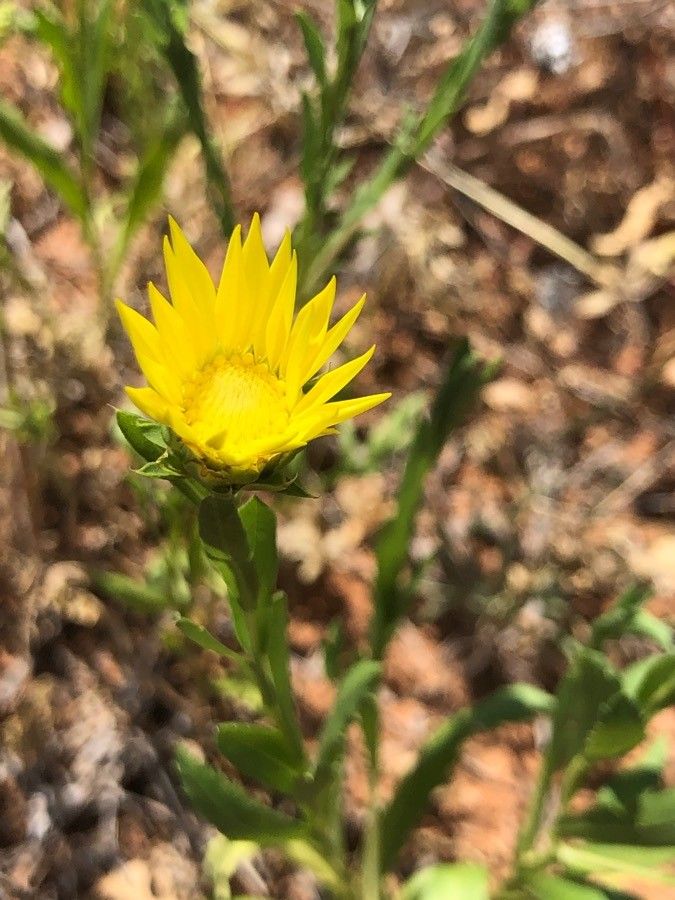
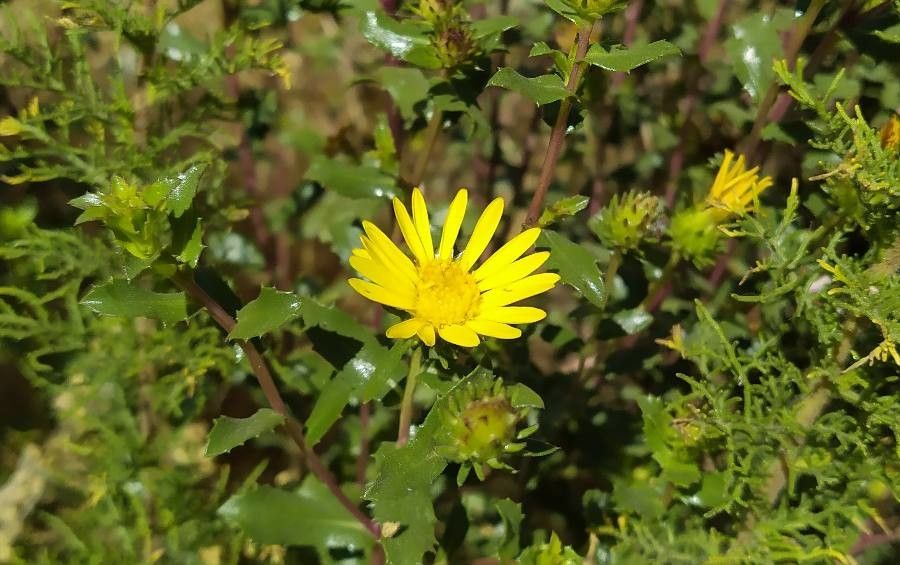
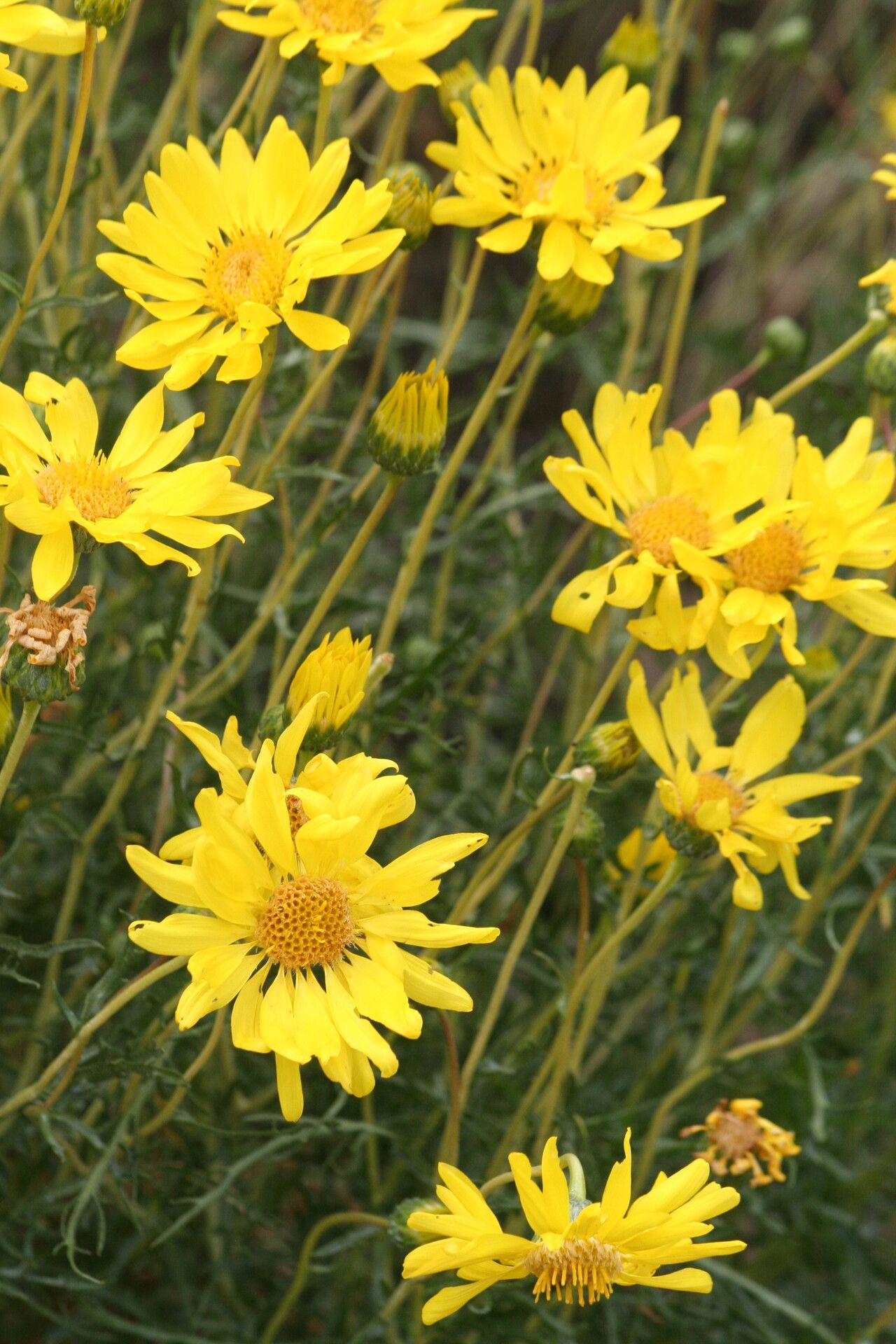
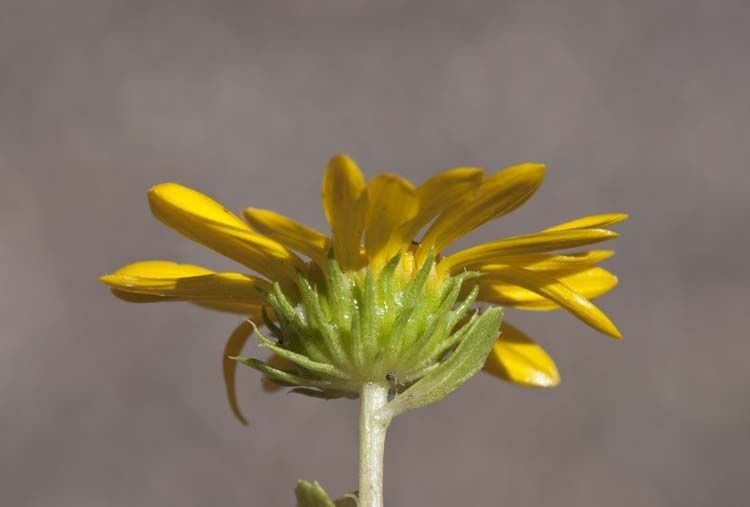
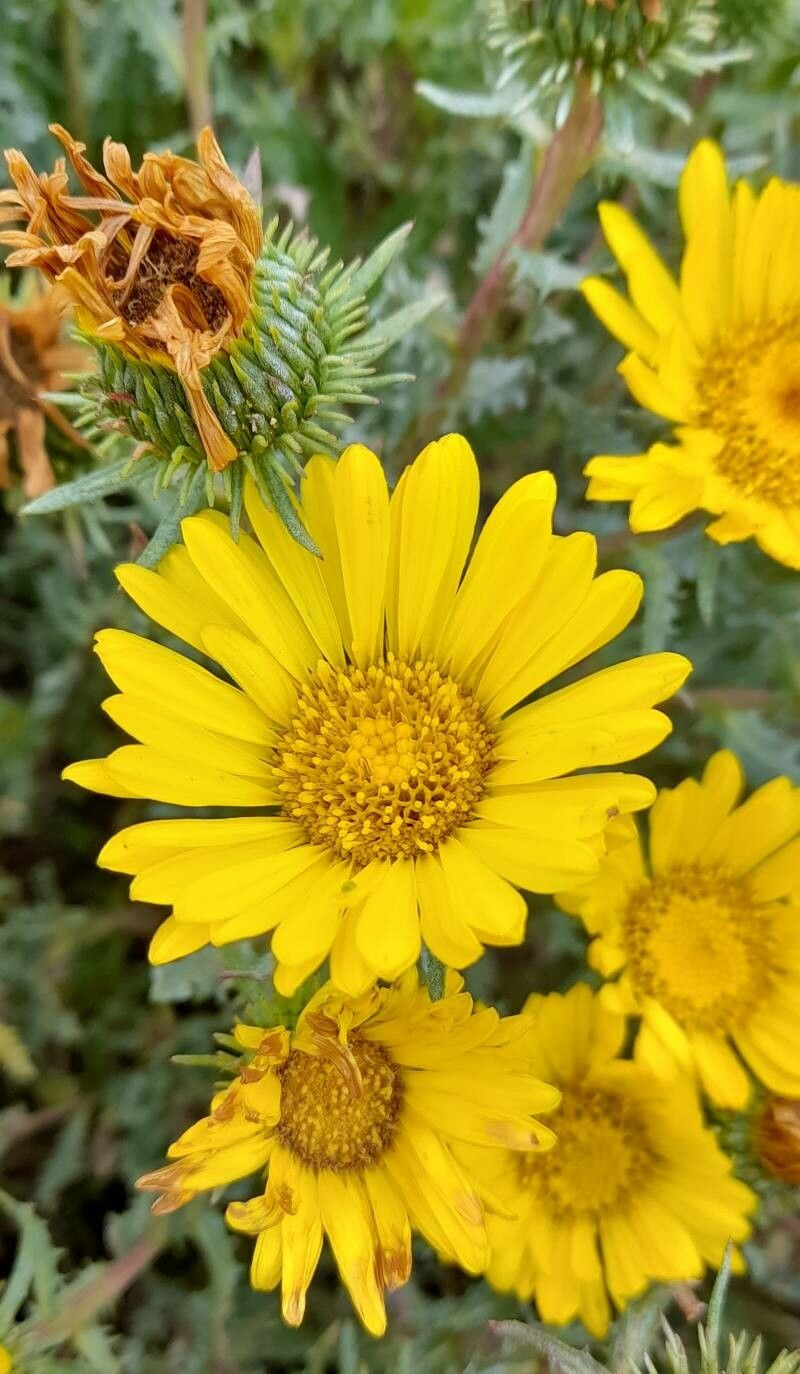
Grindelia lanceolata is a species of flowering plant in the family Asteraceae known by the common name narrowleaf gumweed.
Narrowleaf gumweed has strong resistance to disease and is generally not liable to illnesses. Still, it can be vulnerable to pests and diseases present in its surroundings. Such infections are typically mild. Regarding care, this plant needs a moderate level of maintenance. It should be pruned regularly to retain an attractive appearance and support healthy growth. Fertilizing can also encourage flowering. Narrowleaf gumweed is appropriate for anyone with outdoor space, like a garden or patio, and does not demand extensive care experience. It may need more attention when grown indoors.
How to keep Grindelia Lanceolata.
Light
The narrowleaf gumweed does best with consistent, abundant sunlight. Habitats where this plant is native are typically open and sun-filled. Every stage of its development benefits from plentiful light, permitting optimal growth. A lack of light leads to poor vigor, whereas excessive light can cause leaves to burn.
Water
Narrowleaf gumweed thrives in moderate moisture conditions and requires consistent hydration, though it can tolerate short periods of dryness. It is best to water the plant once a week, while taking into account any rainfall that might occur. This rainfall can reduce the need for additional watering, particularly when the plant is grown outdoors.
Temperature
Narrowleaf gumweed is native to areas where temperatures are typically between 68 to 95 °F (20 to 35 ℃). It favors this temperature range and performs best when these conditions are maintained year-round. Seasonal fluctuations may necessitate adjustments.
Fertilizer
The best time to fertilize Narrowleaf gumweed is in early spring, as it comes out of dormancy and starts active growth. Fertilization supplies essential nutrients for healthy development. Although Narrowleaf gumweed has modest fertilizer requirements, an annual application can improve its survival and encourage better, longer-lasting blooms.
Pruning
Prune narrowleaf gumweed from early to late spring, concentrating on removing dead or damaged stems. Thinning overly dense areas can improve air circulation and light exposure. Always use clean, sharp tools to help the plant maintain its natural shape and vigor, ensuring a healthy and attractive appearance.
Botanical profile.
- Plant Type
- Herb
- Life Cycle
- Perennial, Biennial
- Genus
- Grindelia
- Family
- Asteraceae
- Hardiness Zone
- 4-8
- Mature Height
- 61 cm to 91 cm
- Mature Spread
- 46 cm to 61 cm
- Leaf Color
- Green
- Leaf Type
- Semi-evergreen
- Flower Color
- Yellow, Orange
- Flower Size
- 2.54 cm to 4.06 cm
- Bloom Time
- Mid summer, Late summer, Early fall
- Planting Time
- Spring, Summer
- Harvest Time
- Early fall, Mid fall
Other names.
Reader questions.
What are the sunlight requirements for Narrowleaf Gumweed?
Narrowleaf Gumweed (Grindelia lanceolata) thrives under full sun conditions, requiring more than 6 hours of sunlight daily to ensure optimal growth. This plant originates from open, sun-soaked landscapes, making ample solar exposure crucial to its health and development. Insufficient light can lead to weakened health, while too much direct exposure without acclimatization can cause leaf scorching. Observing how sunlight moves through your garden and choosing spots that offer a balance of light and shade is important for the plant's happiness.
What is narrowleaf gumweed and where is it native to?
Narrowleaf gumweed, botanically known as Grindelia lanceolata, is a plant native to environments that typically experience temperatures between 68 to 95 °F (20 to 35 °C). It thrives best in these temperature ranges and is known for its strong cold resistance, indicating its adaptability to various environmental conditions.
How can artificial lighting support Narrowleaf Gumweed indoors?
Indoor Narrowleaf Gumweed benefits significantly from artificial lighting, especially when natural sunlight is insufficient, like in winter or less sunny spaces. LED lights are recommended for their ability to be customized to specific wavelengths needed by the plant. Full sun plants require 30-50W/sq ft, partial sun plants need 20-30W/sq ft, and full shade plants should get 10-20W/sq ft of light. The light source should be placed 12-36 inches above the plant to mimic natural sunlight conditions, ensuring it receives 8-12 hours of light daily for healthy growth.
How does narrowleaf gumweed cope with winter conditions?
Narrowleaf gumweed has a high tolerance for cold and generally does not require special frost protection measures during winter. However, in regions where winter temperatures are expected to plummet below -30°C, it's important to provide extra cold protection. This can be done by covering the plant with soil or straw. Additionally, watering the plant abundantly before the first freeze in autumn ensures that the soil remains moist and enters a frozen state, which helps prevent drought and water shortage for the plant during the colder months.
What are the symptoms of inadequate or excessive sunlight in Narrowleaf Gumweed?
Symptoms of inadequate light include smaller new leaves, leggy or sparse growth, faster leaf drop, stunted or halted growth, and lighter-colored or yellowing leaves due to chlorosis. Excessive sunlight exposure can lead to symptoms like sunscald, leaf curling, wilting, and leaf scorching. These symptoms indicate the plant's struggle with either too much or too little light, affecting its ability to photosynthesize and maintain overall health.
What are the important symptoms to look out for in narrowleaf gumweed due to temperature changes?
Key symptoms associated with temperature changes in narrowleaf gumweed include a decrease in sprouting or even a lack of sprouting during spring when winter temperatures fall below -30°C, despite its cold tolerance. During summer, temperatures exceeding 38°C can cause the leaves to lighten, curl, become prone to sunburn, and in severe cases, lead to the entire plant wilting and drying out.
What are some solutions to sunlight-related problems for Narrowleaf Gumweed?
To address sunlight-related issues, gradually acclimatize your Narrowleaf Gumweed to receive at least 6 hours of direct sunlight daily. For indoor plants, ensure they're placed near a south-facing window or use artificial lighting, such as desk lamps or professional grow lights, to provide sufficient light. Outdoors, gradually move plants to sunnier spots, avoiding sudden changes to prevent sunburn. If sunlight is blocked by physical obstructions, prune trees or transplant smaller plants to areas with better exposure. Remember, parts of the plant damaged by insufficient light might not recover, but new growth should be healthy with adjusted light conditions.
What solutions are available for narrowleaf gumweed experiencing extreme temperatures?
To assist narrowleaf gumweed in recovering from extreme temperatures, different strategies are recommended for cold and hot conditions. During spring, if parts of the plant have failed to sprout due to low winter temperatures, removing these parts can aid the plant's recovery. In the case of high temperatures, trimming away sunburned and dried-up parts of the plant, moving it to a shaded location during midday and the afternoon, or using a shade cloth can help protect it. Additionally, watering the plant in the morning and evening helps keep the soil moist and supports plant health during hotter days.