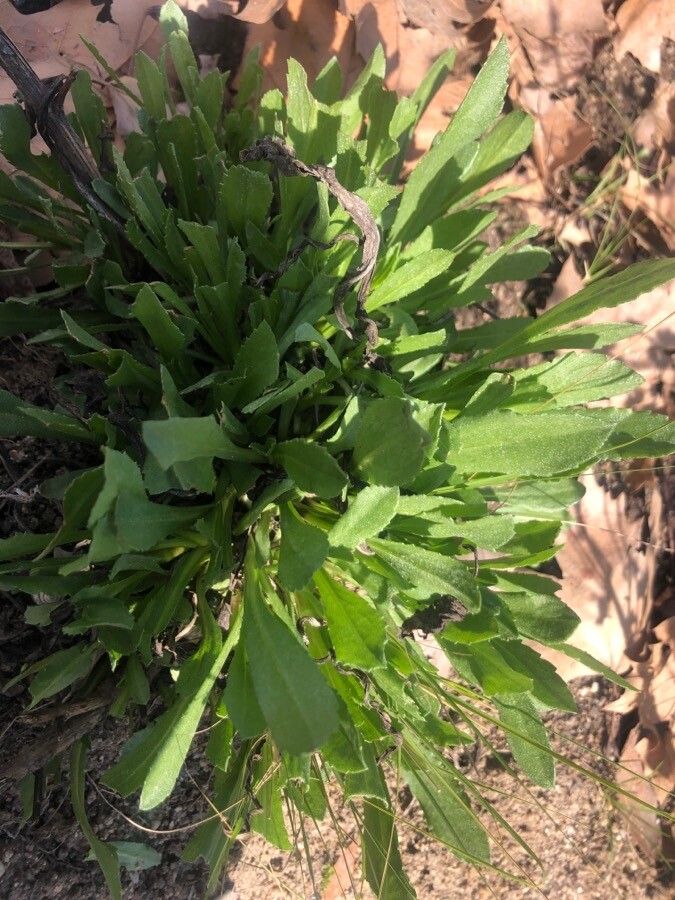
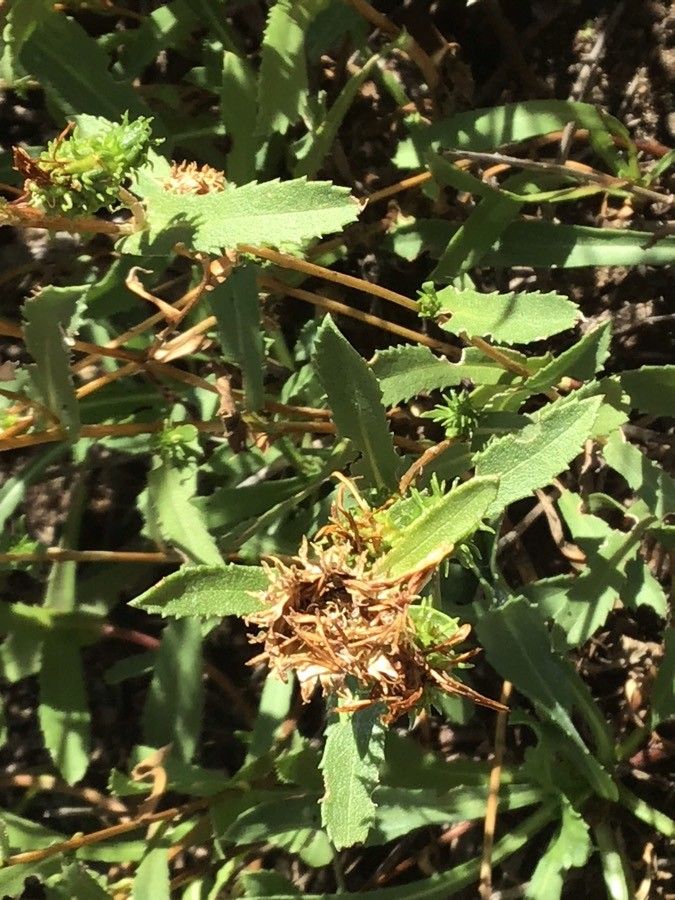
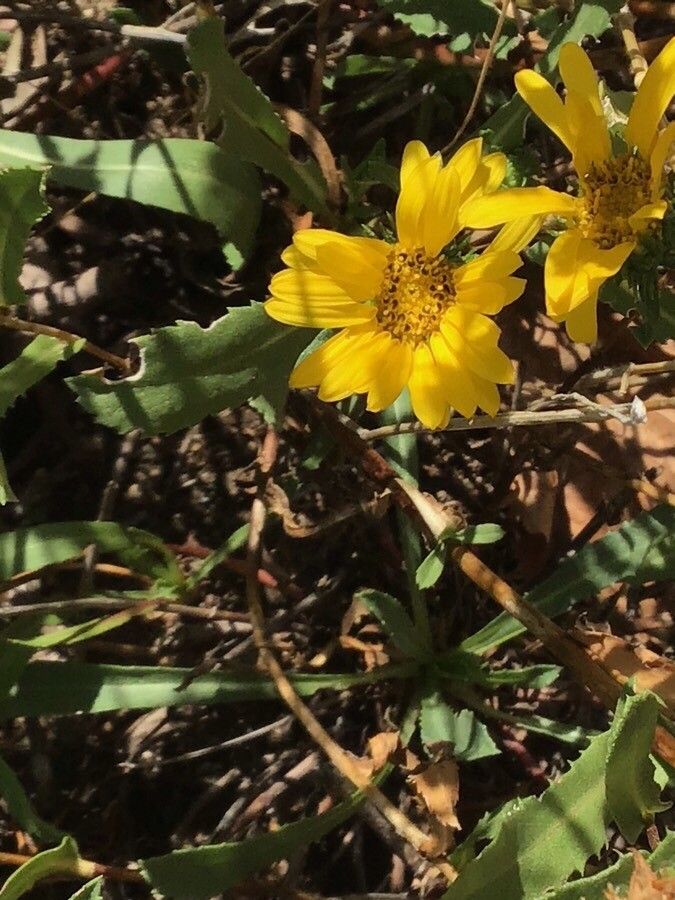
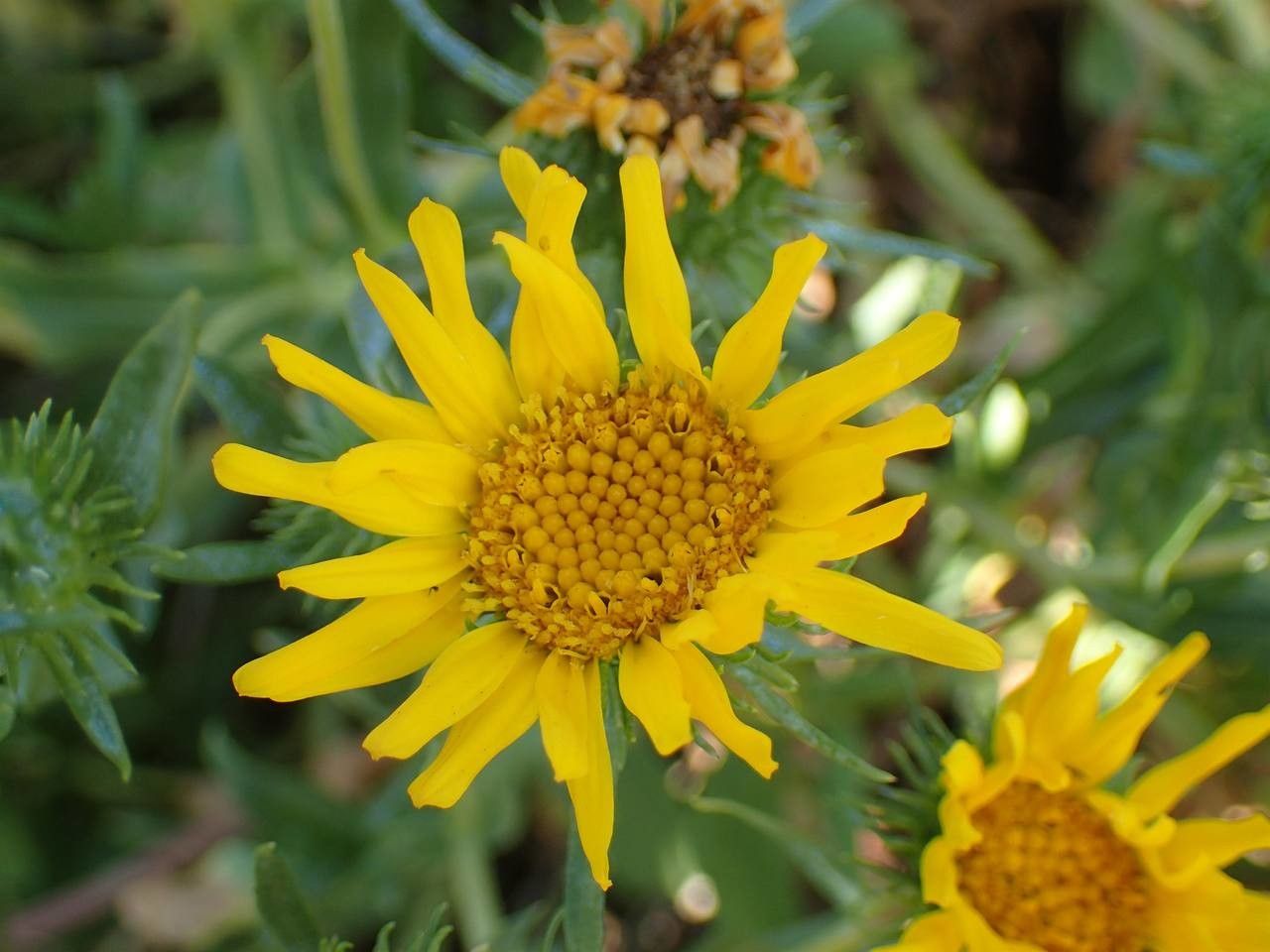
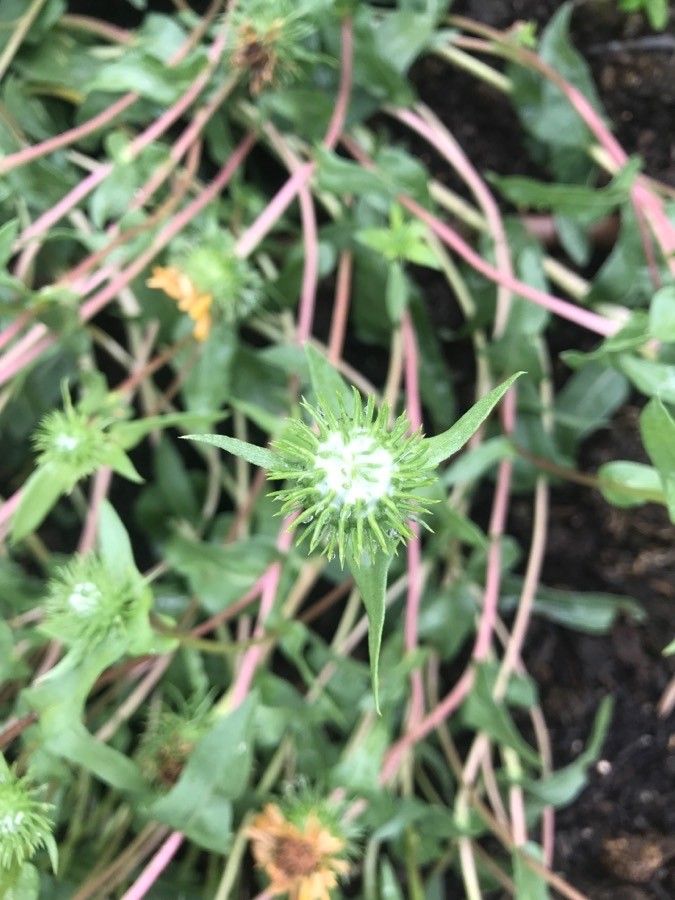
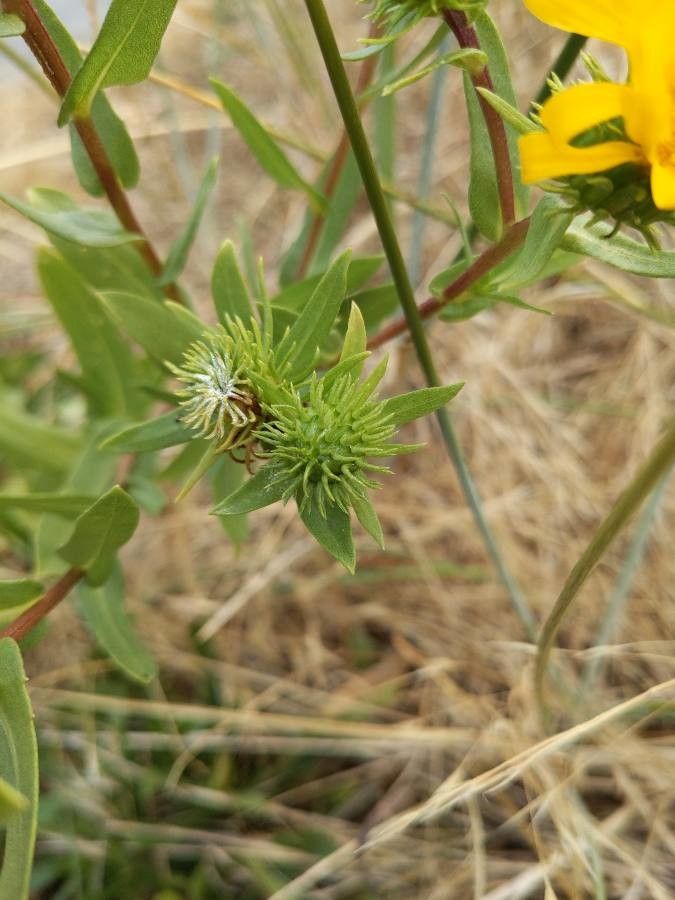
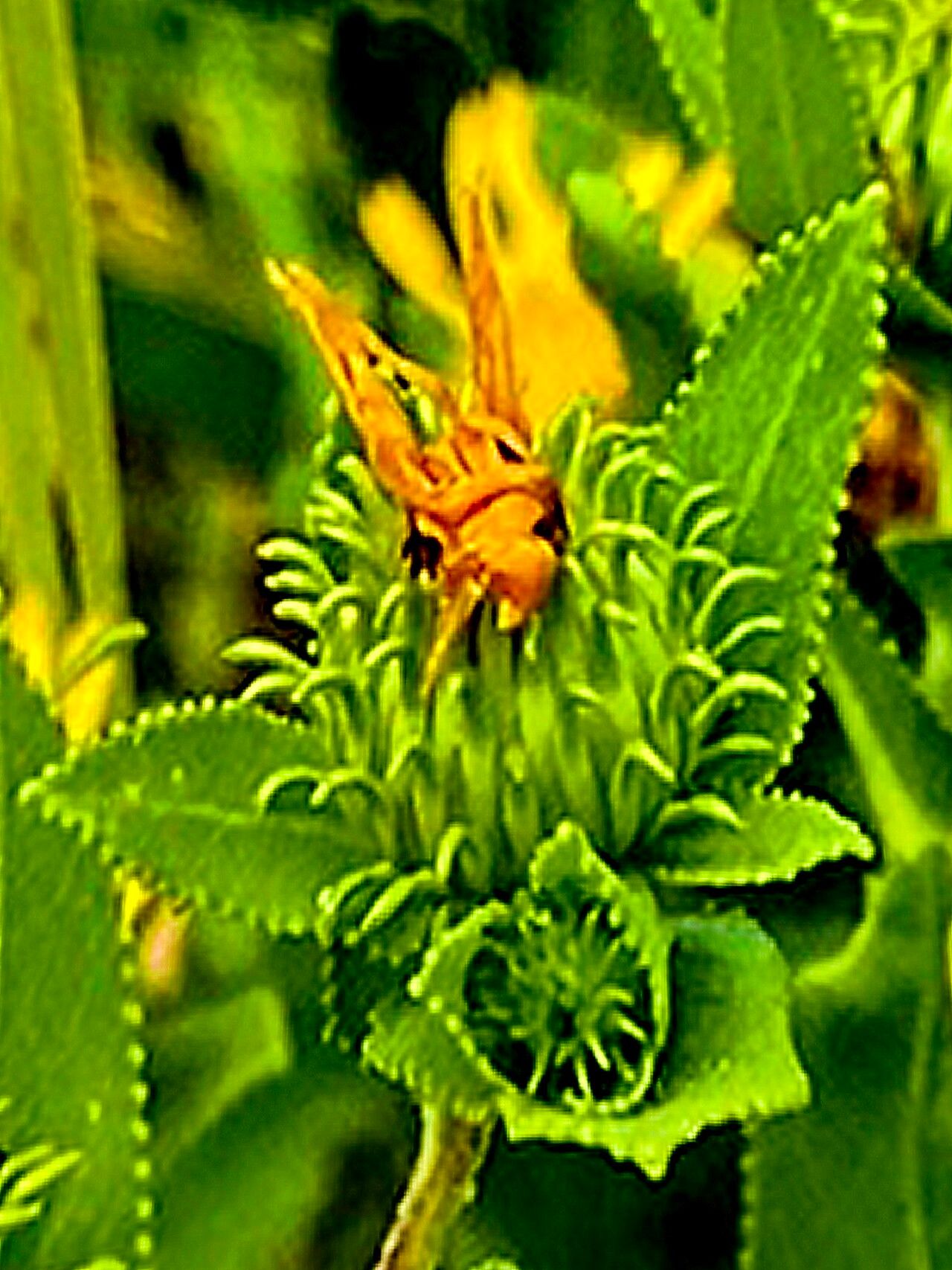
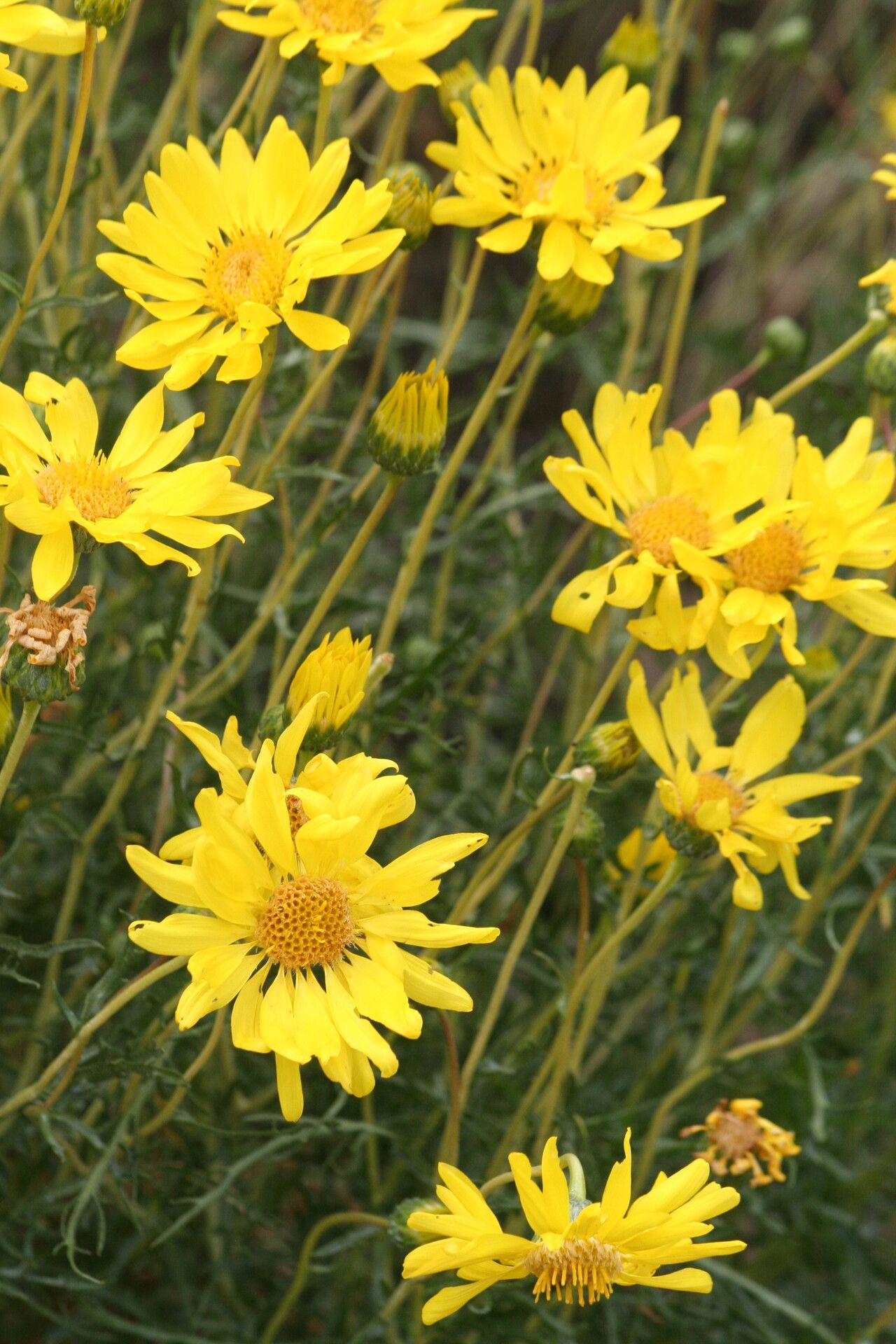
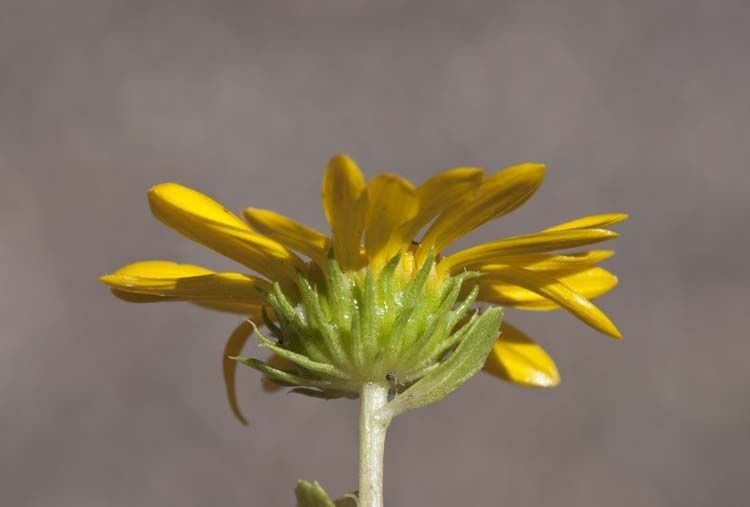
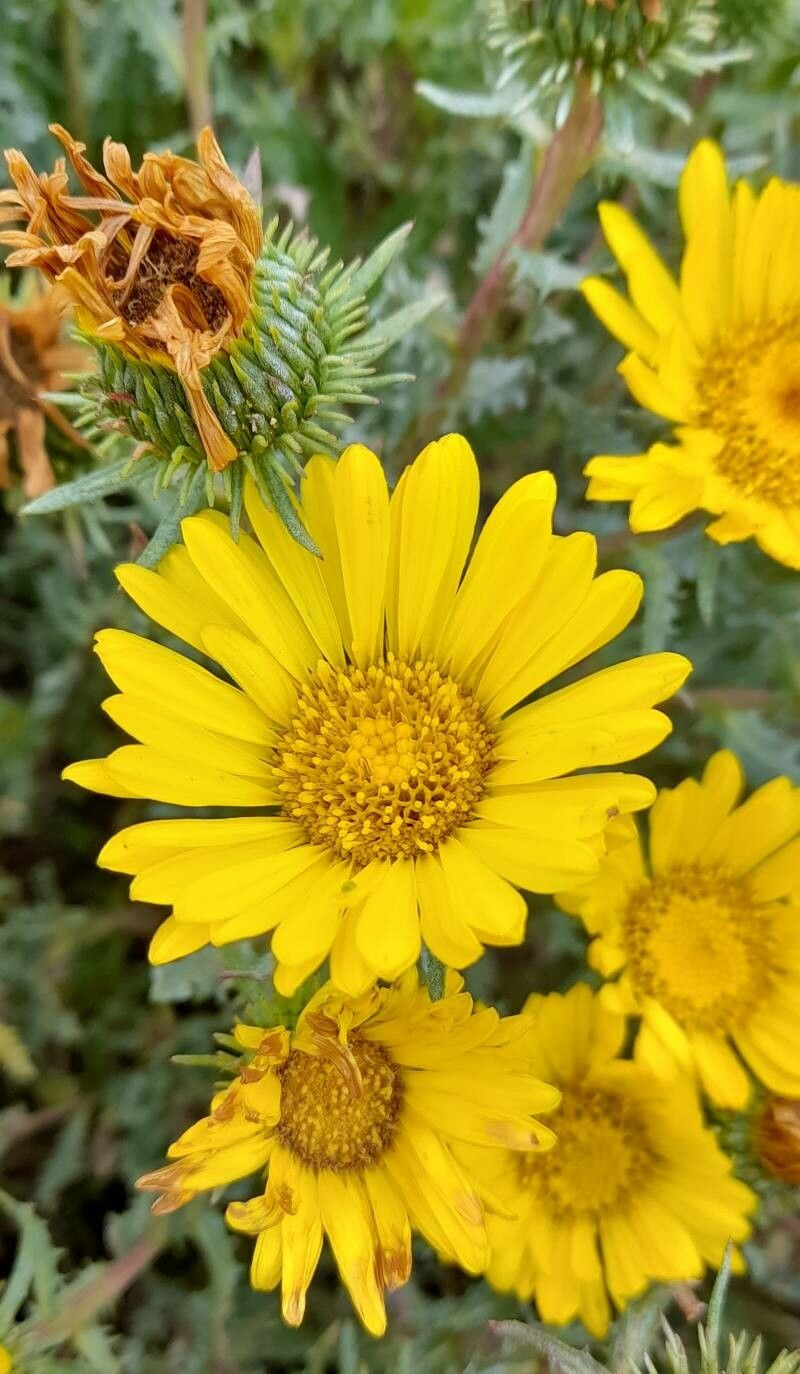
Grindelia integrifolia, commonly known as the entire-leaf gumweed, is a perennial herbaceous plant in the Asteraceae family. Native to western North America, it thrives in diverse habitats such as meadows, grasslands, and open forests. This plant can reach up to 1 meter in height and features a woody stem with numerous branches.
The leaves of Grindelia integrifolia are entire, meaning they lack lobes or indentations, and are coated with glandular hairs that exude a sticky resin when crushed. The plant's yellow flowers bloom from July to September and grow in clusters at the ends of branches.
Traditionally, Native Americans have utilized Grindelia integrifolia for medicinal purposes, treating a variety of ailments including respiratory issues such as asthma, bronchitis, coughs, and colds; skin conditions like eczema and psoriasis; digestive problems like indigestion and constipation; urinary tract infections; headaches; and fever reduction.
Additionally, Grindelia integrifolia is valued for its anti-inflammatory properties, attributed to its high concentration of terpenes, which have been shown to be effective against inflammation caused by arthritis and other conditions.
Overall, Grindelia integrifolia is an important medicinal herb with many potential health benefits that modern medicine has yet to fully explore.
Puget sound gumweed has strong resistance to disease and is generally not prone to illnesses. That said, it can still be affected by pests and diseases present in its surroundings. These problems are usually minor. For care, the plant requires moderate upkeep. It should be pruned on a regular basis to keep a neat appearance and support healthy growth. Applying fertilizer can also help encourage flowering. Puget sound gumweed is suitable for anyone with an outdoor area, such as a garden or patio, and does not demand extensive experience in plant care. It may need additional attention when cultivated indoors.
How to keep Grindelia Integrifolia.
Light
Puget Sound gumweed, which predominantly grows in open, sunlit habitats, is well adapted to a substantial amount of sunlight. That abundant light is essential for vigorous growth and the plant's overall well-being. Conditions with too little or too much sunlight could drastically affect its well-being and growth pattern.
Water
Puget Sound gumweed thrives in environments with high humidity and regular rainfall, so it requires weekly watering to stay healthy. As an evergreen plant, it conserves water by keeping its leaves during dry spells, which allows it to withstand infrequent watering.
Temperature
Puget Sound gumweed is a native plant suited to moderate climates, tolerating temperatures from 41 to 90 °F (5 to 32 ℃). In warmer areas it may need additional shade, while in cooler locations it may benefit from a more sun-exposed spot.
Fertilizer
The best time to fertilize a Puget sound gumweed is in early spring, as it comes out of dormancy and begins active growth. Fertilizing supplies essential nutrients for healthy development. Although Puget sound gumweed has relatively low fertilizer requirements, applying fertilizer annually can improve its survival and encourage better, longer-lasting flowers.
Pruning
To promote bushiness and vibrant blooms, prune Puget Sound gumweed from early to late spring. Begin by removing any dead parts, then trim the plant back by one-third. This practice encourages healthy new growth, prevents legginess, and helps maintain its appeal as a garden feature.
Botanical profile.
- Plant Type
- Herb, Shrub
- Life Cycle
- Perennial
- Genus
- Grindelia
- Family
- Asteraceae
- Hardiness Zone
- 5-8
- Mature Height
- 30 cm to 76 cm
- Mature Spread
- 76 cm
- Leaf Color
- Green
- Leaf Type
- Semi-evergreen
- Flower Color
- Yellow
- Flower Size
- 2.54 cm to 5.08 cm
- Bloom Time
- Summer
- Planting Time
- Spring, Summer, Autumn
- Harvest Time
- Late summer, Early fall, Mid fall
Other names.
Reader questions.
How should I water my Puget sound gumweed plant?
To water the Puget sound gumweed effectively, follow these guidelines: 1. Use filtered water at room temperature or slightly warmer. Tap water may contain harmful particles. 2. The plant prefers warmer water due to its natural habitat. Cold water can be a shock. 3. Avoid watering from above to prevent foliage issues. Instead, apply filtered room temperature water directly to the soil until it is fully soaked. 4. Soaking the soil helps moisturize the roots and allows them to absorb nutrients, aiding in their growth and spreading.
Why is it necessary to add fertilizer to my Puget sound gumweed?
The main structure of the Puget sound gumweed is made up of its leaves. Fertilizing the plant is an effective way to ensure that the leaves not only look great but also serve their purpose effectively. Proper fertilization results in consistent color and a healthy texture of the leaves. It also helps the plant below the surface, promoting the growth of new roots and maintaining existing ones. This means that fertilization not only keeps the plant healthy currently but also improves its ability to absorb soil nutrients in the long run.
What are the sunlight requirements for Puget Sound Gumweed?
Puget Sound Gumweed thrives in environments that provide full sun, which means it requires more than 6 hours of sunlight daily for optimal growth. It's important to observe the movement of sunlight through your garden to find spots that offer the right balance of light and shade, ensuring your plants grow healthy and happy.
What are the ideal growing conditions for Puget Sound Gumweed?
Puget Sound Gumweed, or Grindelia integrifolia, is a native plant that thrives in moderate climates where temperatures range from 41°F to 90°F (5°C to 32°C). It exhibits strong cold resistance, making it well-suited for a variety of conditions without needing special frost protection measures in most cases. In warmer climates, the gumweed may require additional shade to protect it from temperatures exceeding its tolerance, while in cooler areas, positioning it in a sunnier location could be beneficial. It's also recommended to water the plant abundantly before the first freeze in autumn to ensure the soil remains moist, which helps protect the plant during winter and early spring.
What do I do if I give my Puget sound gumweed too much or too little water?
Overwatering is a common issue that can harm your Puget sound gumweed. When this happens, the stems and leaves may wilt and turn yellow. Over time, this can lead to diseases like root rot, mold, and mildew, which can be fatal for your plant. On the other hand, underwatering is less common for this plant since it can tolerate drought. However, it's still possible and can cause the leaves to become brittle and brown. It's important to notice the signs of overwatering early to prevent irreversible damage. If you see these signs, reduce your watering schedule and check if the soil drains well. If it doesn't, replace it with a loose, well-draining potting mix. If you notice signs of underwatering, simply water more regularly until the signs disappear.
When should I fertilize my Puget sound gumweed?
If you grow your Puget sound gumweed outdoors, it will start growing new leaves in early spring. This is when you should begin fertilizing for the year. Usually, one application of fertilizer in the spring is enough for the gumweed to grow well. However, if you want to maximize its growth, you can fertilize it multiple times during the spring and early summer. If you choose this option, you can feed the gumweed every month to a month and a half.
What essentials should be considered for growing Puget Sound Gumweed successfully?
To ensure the successful growth of Puget Sound Gumweed, it's crucial to provide it with sufficient sunlight since it thrives mostly in open, sunlit environments. In conditions where natural sunlight is limited, artificial lighting can be employed to supplement light for indoor plants. LED lights are recommended due to their ability to provide the specific wavelengths needed by plants. The right amount of artificial light varies by plant type: full sun plants require 30-50W/sq ft, partial sun plants 20-30W/sq ft, and full shade plants 10-20W/sq ft. Placing the light source 12-36 inches above the plant and ensuring it receives 8-12 hours of light daily mimics natural sunlight conditions effectively.
How does low temperature affect Puget Sound Gumweed and what are the solutions?
Puget Sound Gumweed is notably cold-tolerant, preferring temperatures above 5°C for optimal growth and should ideally not be exposed to temperatures below -20°C. Exposure to temperatures falling below -25°C doesn't immediately show noticeable damage during the winter, but can lead to a decreased ability to sprout or an absence of sprouting in the following spring. If such temperature extremes are encountered, it is advisable to remove any parts of the plant that have failed to sprout in the spring as part of the plant care routine.
How often do I need to water my Puget sound gumweed?
If your Puget sound gumweed is in a pot, the most precise way to determine if it needs water is by checking the soil. Plunge your finger into the soil and if the first two to three inches are dry, it's time to water. If you're growing your Puget sound gumweed outdoors in the ground, you can use a similar method. Check the first few inches of soil and if it's dry, give it some water. Typically, during the spring and early fall, watering once a week should be sufficient. However, during extremely hot weather, you may need to water twice or more per week. It's worth noting that mature, well-established Puget sound gumweed can withstand drought conditions.
When is the best time to not fertilize my Puget sound gumweed?
During late fall and winter, your Puget sound gumweed will go into a dormant phase and stop producing new growth. Therefore, you should avoid fertilizing it during this time. In spring and summer, if you choose to fertilize multiple times, start decreasing the amount of fertilizer as summer approaches because the growth rate of your Puget sound gumweed will also slow down. It's generally not a good idea to fertilize your Puget sound gumweed when the weather is unusually hot or the soil is very dry. Fertilizing in these cases can stress your plant and cause it to die prematurely.
What are the common symptoms of inadequate lighting for Puget Sound Gumweed?
Inadequate lighting can lead to several symptoms in Puget Sound Gumweed, including smaller new leaves, leggy or sparse growth, faster leaf drop, slower or no new growth, paler new leaves, chlorosis, sunscald, leaf curling, wilting, and leaf scorching. These symptoms can weaken the plant and affect its overall health.
How does high temperature affect Puget Sound Gumweed and what are the solutions?
During the warmer summer months, maintaining temperature conditions below 32°C is crucial for the health of Puget Sound Gumweed. Should temperatures exceed 35°C, the plant might exhibit signs of stress such as lighter colored leaves, curling, susceptibility to sunburn, and in severe cases, wilting and drying out. To mitigate these effects, it's recommended to trim away any sunburned or dried parts of the plant. Moving the plant to a shaded area during the midday and afternoon sun or using a shade cloth can also provide relief. Additionally, ensuring the plant is watered in the morning and evening will help keep the soil at an appropriate moisture level.