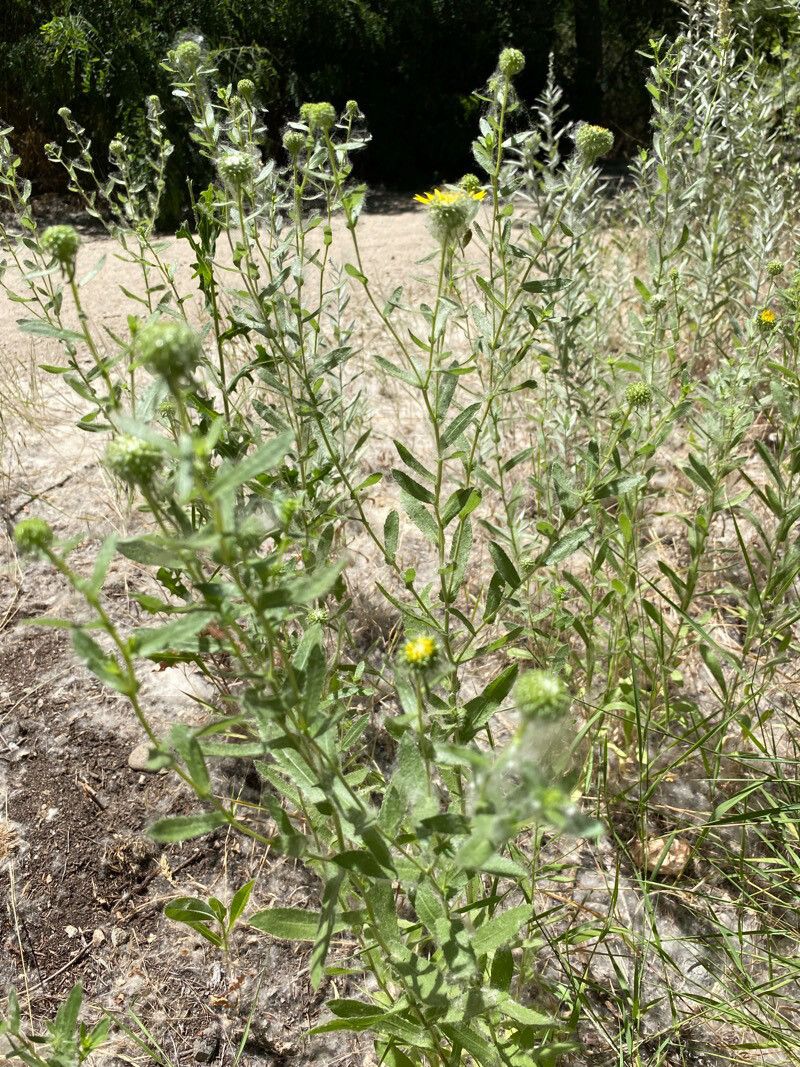
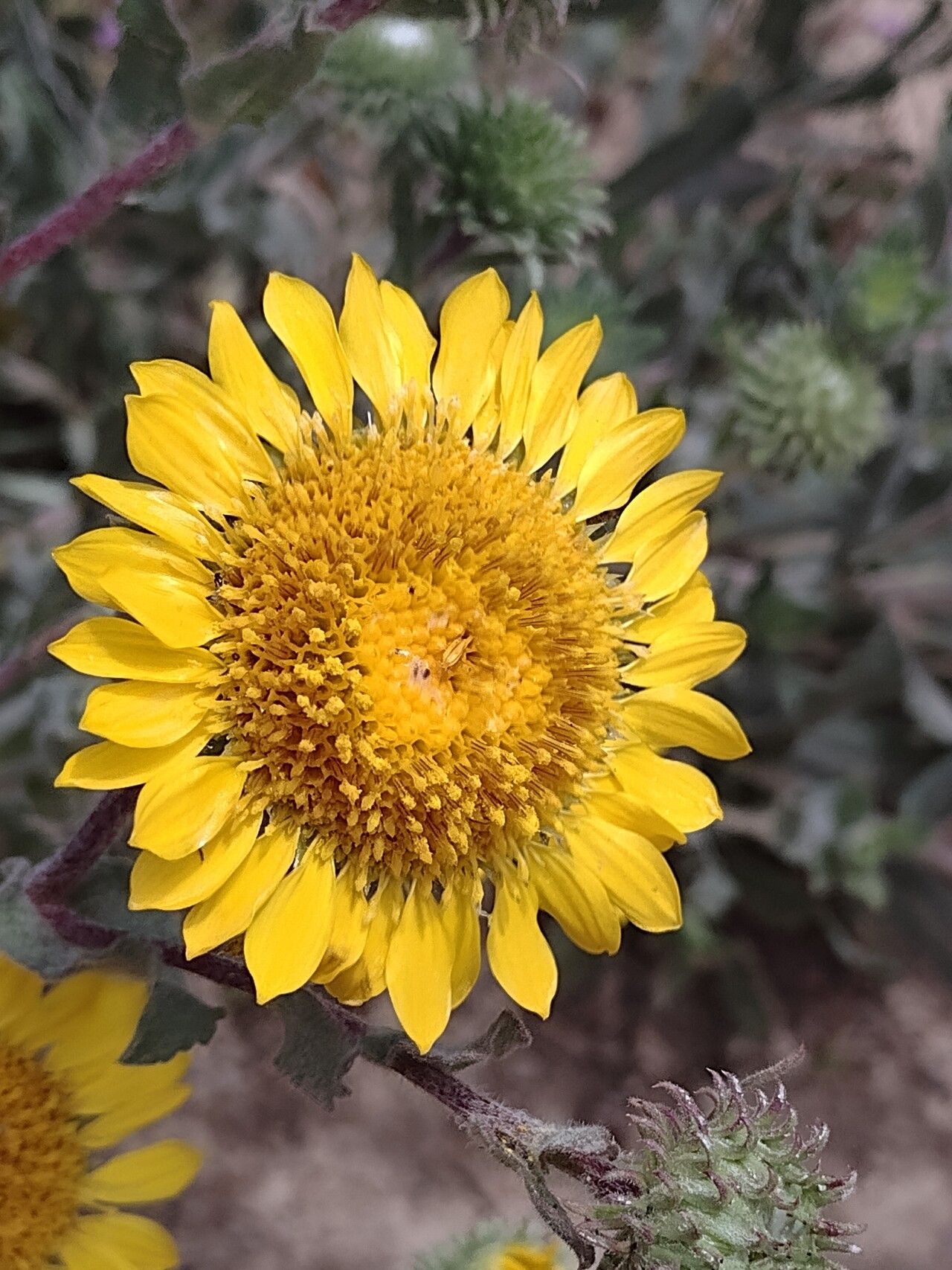
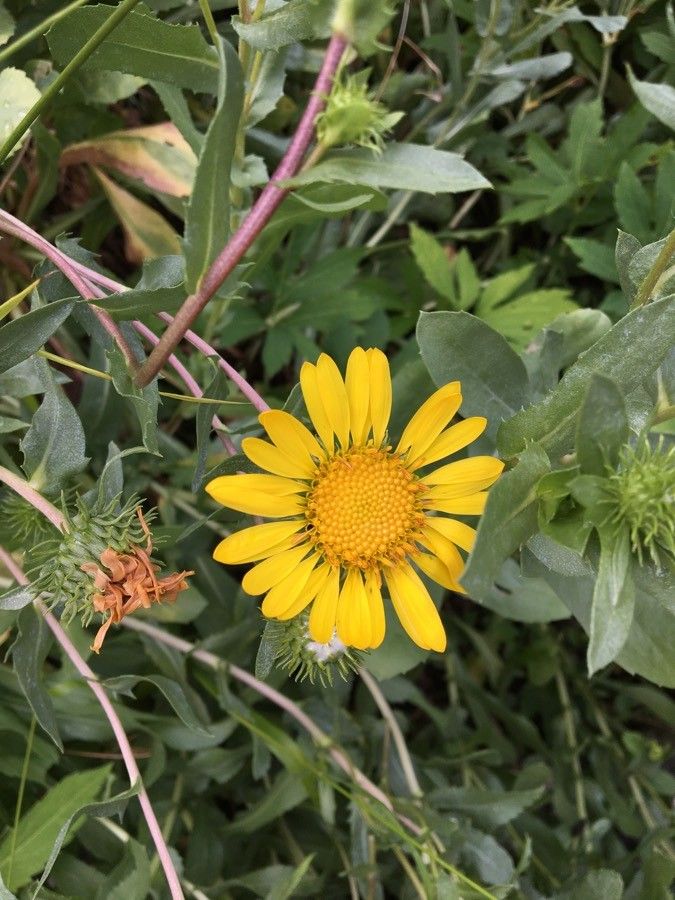
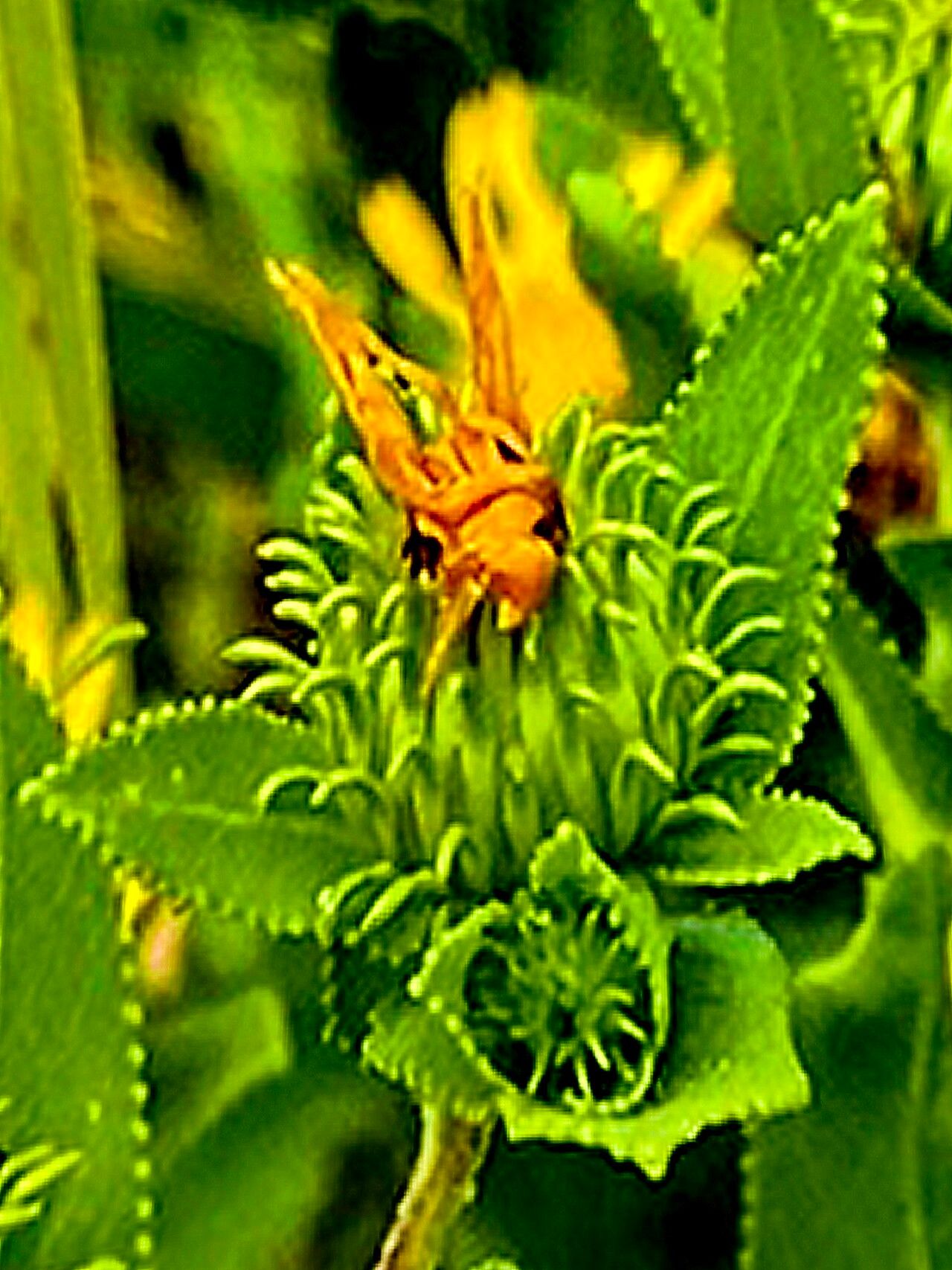
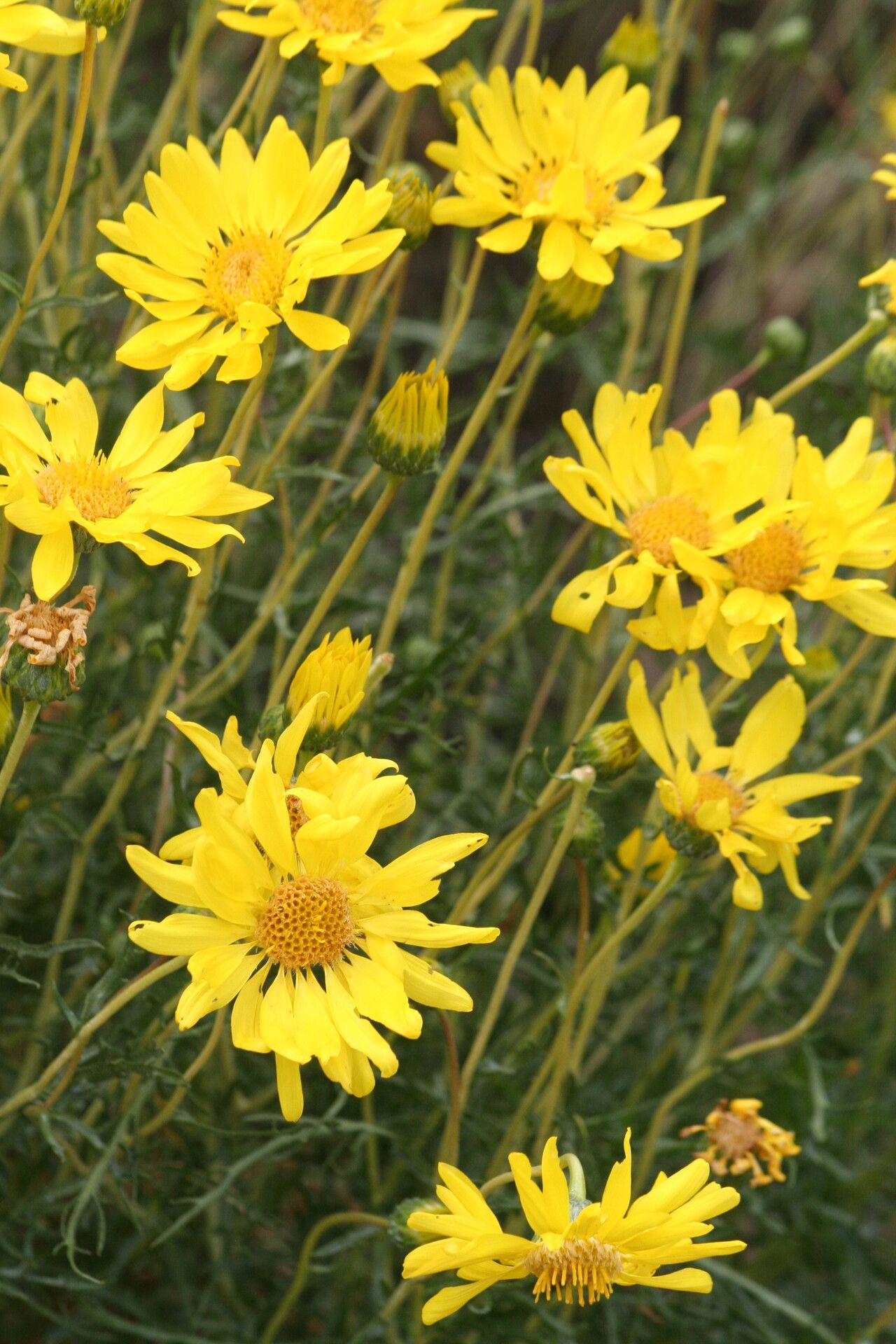
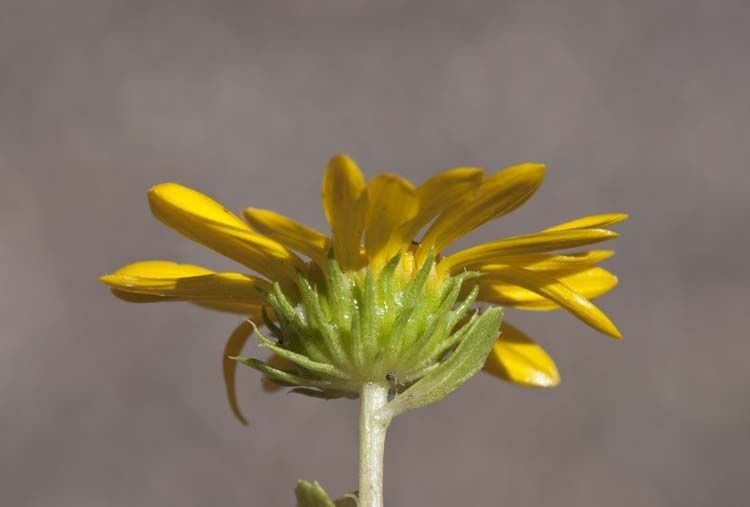
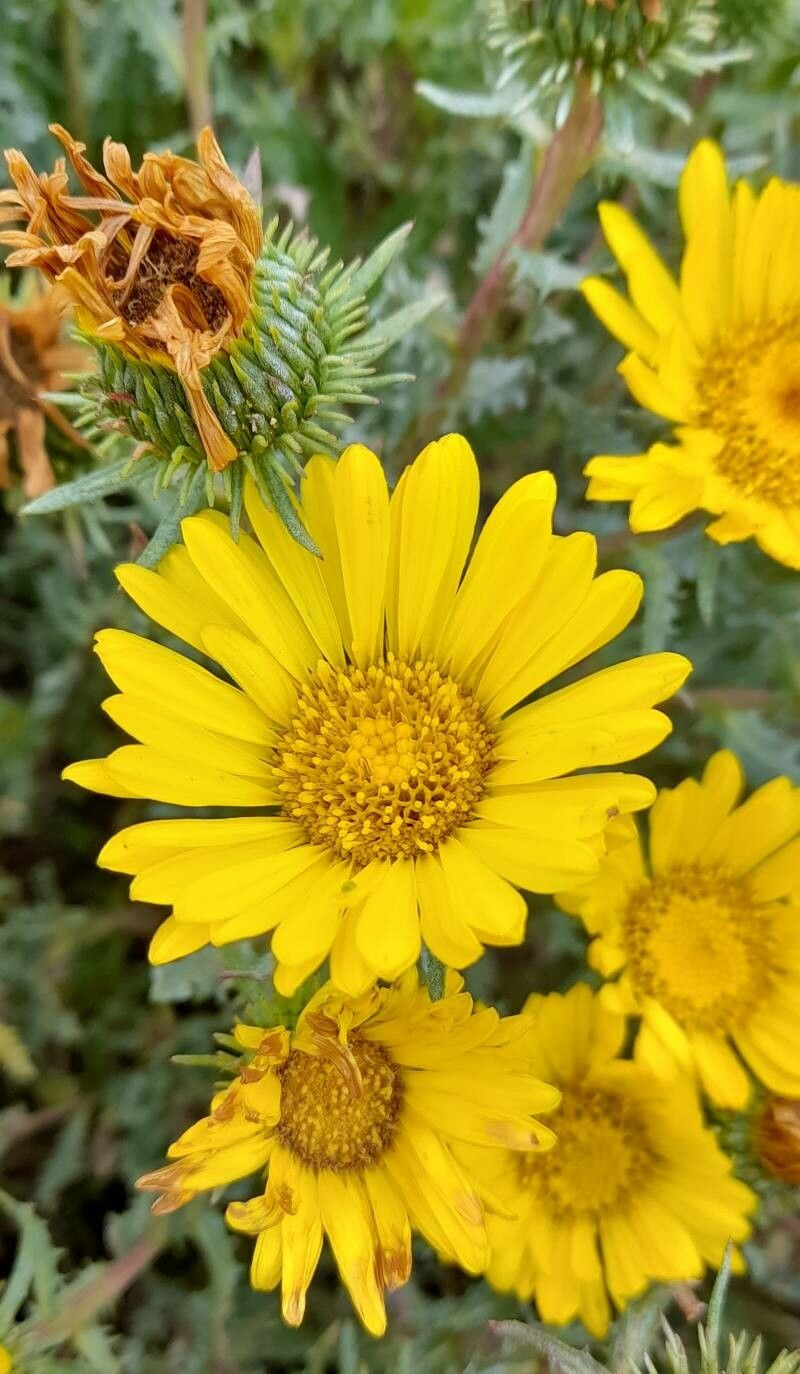
Grindelia hirsutula, commonly known as hairy gumweed, is a perennial plant species that belongs to the Asteraceae family. Native to North America, it thrives in various habitats such as prairies, meadows, and open woodlands. The plant can grow up to 1 meter tall and features hairy stems with alternate, lance-shaped leaves that have toothed margins.
From July to September, Grindelia hirsutula produces bright yellow flowers arranged in clusters at the ends of branches or stems. The plant also exudes a resinous sap traditionally used for medicinal purposes, particularly for treating respiratory issues like asthma and bronchitis.
Hairy gumweed is well-known for attracting pollinators such as bees and butterflies, thanks to its vibrant yellow blooms. It can be effectively cultivated in gardens or naturalized areas, provided it has well-drained soil and full sun exposure.
In summary, Grindelia hirsutula is an attractive perennial plant that not only offers medicinal benefits but also adds aesthetic value with its striking yellow flowers that draw pollinators during the blooming season.
Hairy gumplant is fairly disease-resistant and generally not prone to illness. Nonetheless, it can be affected by pests and diseases present in its surroundings. Such infections are typically not severe. In terms of care, this plant requires a moderate level of maintenance. It should be pruned regularly to preserve a good appearance and support healthy growth. Fertilizing can also help encourage flowering. Hairy gumplant suits anyone with an outdoor area, such as a garden or patio, and does not demand extensive care experience. It may need more attention when grown indoors.
How to keep Grindelia Hirsutula.
Light
Continuous exposure to a lot of sunlight is necessary for the healthy development of hairy gumplant. This is influenced by its native environment which typically experiences a large amount of sunlight, a factor that fundamentally shapes its growth. However, it demonstrates resilience to changes in light conditions as both excessive and insufficient light affect it minimally.
Water
The hairy gumplant flourishes with weekly watering that mimics its natural rainfall pattern. It prefers consistent moisture without becoming waterlogged and exhibits moderate drought tolerance. During the growing season, proper watering enhances its health, encouraging lush foliage and optimal flowering.
Temperature
The Hairy gumplant is a flora that is indigenous to climates with temperature ranges from 59 to 100 degrees Fahrenheit (15 to 38 °C). It thrives in areas with moderate to warm weather. To promote its best growth, the ambient temperature should be manipulated to mimic its original habitat.
Fertilizer
The optimal period for fertilizing a Hairy gumplant is in the onset of spring, as it comes out of dormancy and commences active development. Fertilization delivers crucial nutrients necessary for its robust growth. Even though the Hairy gumplant has comparatively modest fertilization requirements, yearly fertilization can boost its longevity and foster superior, more durable blooms.
Pruning
The hairy gumplant is a bushy perennial known for its sticky leaves and yellow flowers. To promote growth and maintain its shape, it is best to prune the plant from early to late spring. Focus on removing any dead stems, cutting them back to above healthy nodes. Thinning the plant will enhance air circulation, reduce the risk of disease, and regular pruning will encourage more blooms. Always use clean tools to prevent the spread of any pathogens.
Botanical profile.
- Plant Type
- Herb, Shrub
- Life Cycle
- Perennial
- Genus
- Grindelia
- Family
- Asteraceae
- Hardiness Zone
- 8-11
- Mature Height
- 30 cm to 91 cm
- Mature Spread
- 91 cm
- Leaf Color
- Green
- Leaf Type
- Evergreen
- Flower Color
- Yellow
- Flower Size
- 5.08 cm to 7.62 cm
- Bloom Time
- Summer
- Planting Time
- Spring, Summer, Autumn
- Harvest Time
- Late summer, Early fall, Mid fall
Other names.
Reader questions.
How should I water my Hairy gumplant to make it grow well?
To properly water the Hairy gumplant, it is recommended to use filtered water at room temperature. Tap water may contain harmful particles. The water should be at room temperature or slightly warmer to avoid shocking the plant, as it thrives in warm conditions. Overhead watering should be avoided as it can cause issues with the foliage. Instead, gently water the soil with the filtered room temperature water until it is completely soaked. This promotes root moisture and allows them to spread and gather nutrients effectively.
Why should I put fertilizer on my Hairy gumplant?
The main structure of the Hairy gumplant is made up of its leaves, and fertilization is essential for keeping these leaves looking great and functioning properly. When you properly fertilize your Hairy gumplant, it will have consistent leaf color and a healthy texture. Fertilization also has benefits below the soil's surface, as it helps the plant grow new roots and maintain existing ones. This not only keeps the plant healthy in the present, but also improves its ability to absorb nutrients from the soil in the future.
What are the sunlight requirements for Hairy Gumplant?
Hairy Gumplant requires above 6 hours of sunlight daily to thrive. It's crucial to observe your garden's sunlight patterns to ensure that your plants get the perfect balance of light and shade, fostering their growth and happiness. Hairy Gumplant originates from environments that are typically exposed to a lot of sun, which significantly influences its development. Nevertheless, it demonstrates resilience to varying light conditions, indicating both excessive and insufficient light have minimal impact on its growth.
What is the optimal temperature range for Hairy gumplant?
Hairy gumplant, botanically known as Grindelia hirsutula, thrives in environments with temperatures ranging from 59 to 100 degrees Fahrenheit (15 to 38 °C). This plant prefers moderate to warm climates and has evolved to prosper within this temperature range. For optimal growth, it's beneficial to adjust the surrounding temperature to resemble the native conditions of Hairy gumplant.
What should I do if I give my Hairy gumplant too much or too little water?
Overwatering is a common issue for the Hairy gumplant and can cause wilting and yellowing of the stems and leaves. It can also lead to diseases like root rot, mold, and mildew that can be fatal for the plant. Underwatering is less common but still possible, resulting in brittle and brown leaves. It's important to recognize the signs of overwatering early to prevent irreversible damage. Reduce watering if overwatering is suspected and consider replacing poorly draining soil. On the other hand, increase watering if signs of underwatering are present until the plant recovers.
When should I fertilize my Hairy gumplant?
If you grow your Hairy gumplant outdoors each year, it will start shooting out new growth in early spring. This is when you should begin fertilizing. Usually, a single application of fertilizer is enough for the Hairy gumplant to do well. But if you want it to grow even more, you can feed it multiple times during the spring and early summer. In this case, you should fertilize it about once every month to a month and a half.
How can artificial lighting support Hairy Gumplant growth indoors?
In scenarios where natural sunlight is insufficient, especially during winter or in less sunny spaces, artificial lighting can play a crucial role in the optimal growth of Hairy Gumplant. By providing adequate artificial lighting, faster and healthier growth can be promoted. This includes choosing the right type of artificial light, like LED lights, which can be customized to supply the specific wavelengths of light needed by your plants. Full sun plants require 30-50W/sq ft, partial sun plants need 20-30W/sq ft, and full shade plants require 10-20W/sq ft of artificial light. Additionally, the light source should be placed 12-36 inches above the plant, mimicking natural sunlight, and the duration should parallel natural daylight hours, generally between 8-12 hours per day.
How does Hairy gumplant react to temperatures below -5°C?
Hairy gumplant exhibits some degree of cold tolerance and generally does not require additional protection when the temperature is above -5°C. However, if the temperature is expected to drop below -5°C, it becomes necessary to implement temporary measures for cold protection. Wrapping the plant with plastic film, fabric, or other suitable materials can provide the needed insulation against frost. Once the temperature rises again, these protective measures should be promptly removed.
How much should I water my Hairy gumplant?
If your Hairy gumplant is in a pot, you can determine if it needs water by sticking your finger into the soil. If the first two to three inches of soil are dry, it's time to water it. If you're growing Hairy gumplant outdoors in the ground, use the same method. When the top few inches of soil have dried out, water the plant. In the spring and early fall, this usually means watering once a week. During extremely hot weather, you may need to water it twice or more per week. However, mature and well-established Hairy gumplants can tolerate drought well.
When is the best time to not fertilize my Hairy gumplant?
During the late fall and winter, your Hairy gumplant goes into a dormant phase and stops producing new growth. So, it's best to avoid fertilizing it during this time. However, if you do decide to fertilize it in the spring and summer, you should gradually decrease the frequency as summer approaches because the growth rate of your Hairy gumplant will also slow down. Overall, it's important to never fertilize your Hairy gumplant during extremely hot weather or when the soil is very dry. Fertilizing in these conditions can cause stress and premature death for your plant.
What are the symptoms of light deficiency in Hairy Gumplant?
Symptoms of light deficiency in Hairy Gumplant include smaller new leaves, leggy or sparse growth, faster leaf drop, slower or no new growth, lighter-colored new leaves, chlorosis, sunscald, leaf curling, wilting, and leaf scorching. These symptoms may not be immediately apparent when the plant is placed in rooms with inadequate lighting but indicate that the plant is not receiving enough sunlight for its optimum growth and health.
What should I do if the Hairy gumplant experiences low temperatures?
If the Hairy gumplant is exposed to temperatures below its moderate tolerance level of 15°C and especially if it goes under -10°C, you might observe symptoms like drooping leaves. In mild cases, the plant can recover, but severe cold may cause leaves to wilt and fall off. To manage frost damage, trim off the affected parts. Before the plant experiences low temperatures again, it’s advisable to wrap it with non-woven fabric or cloth and set up a wind barrier for added protection from cold winds.