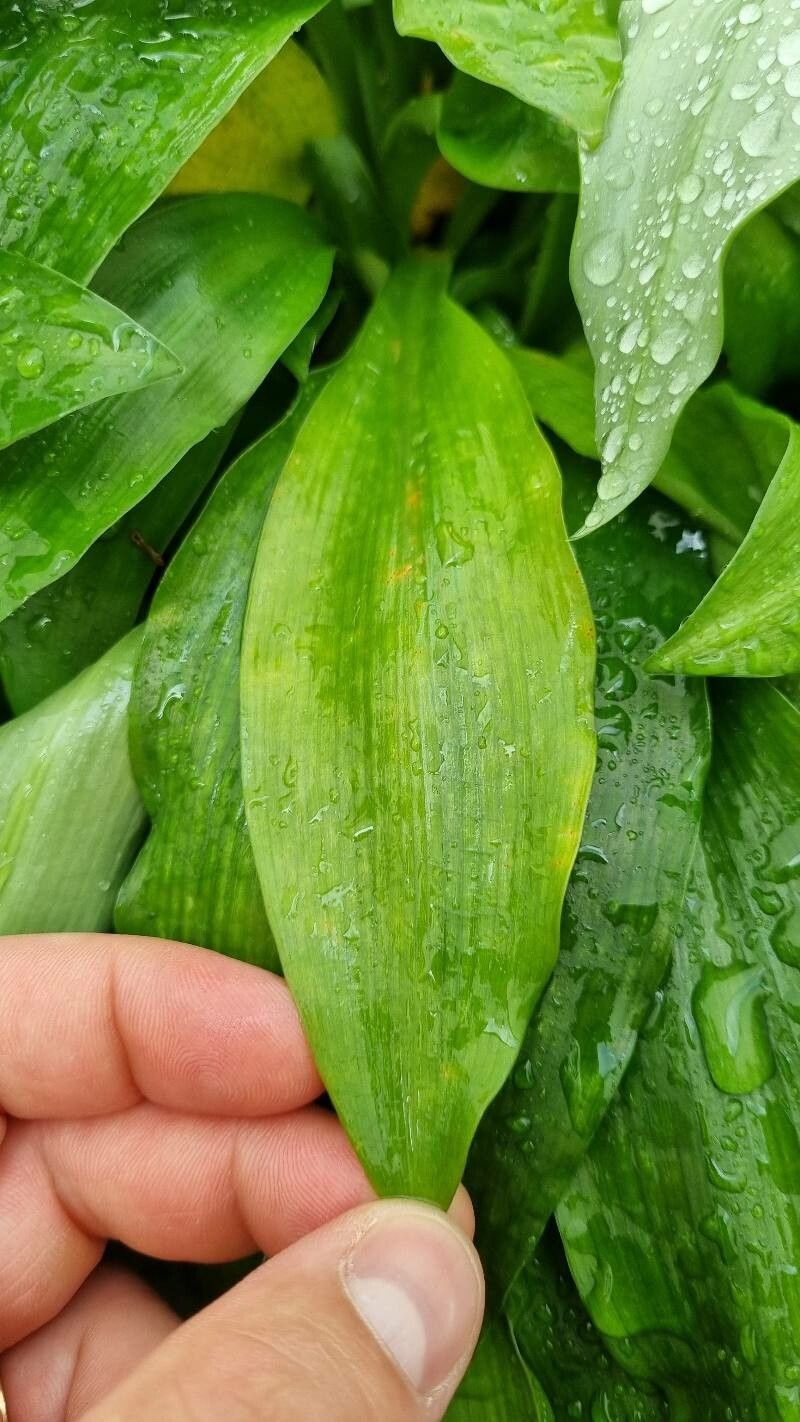
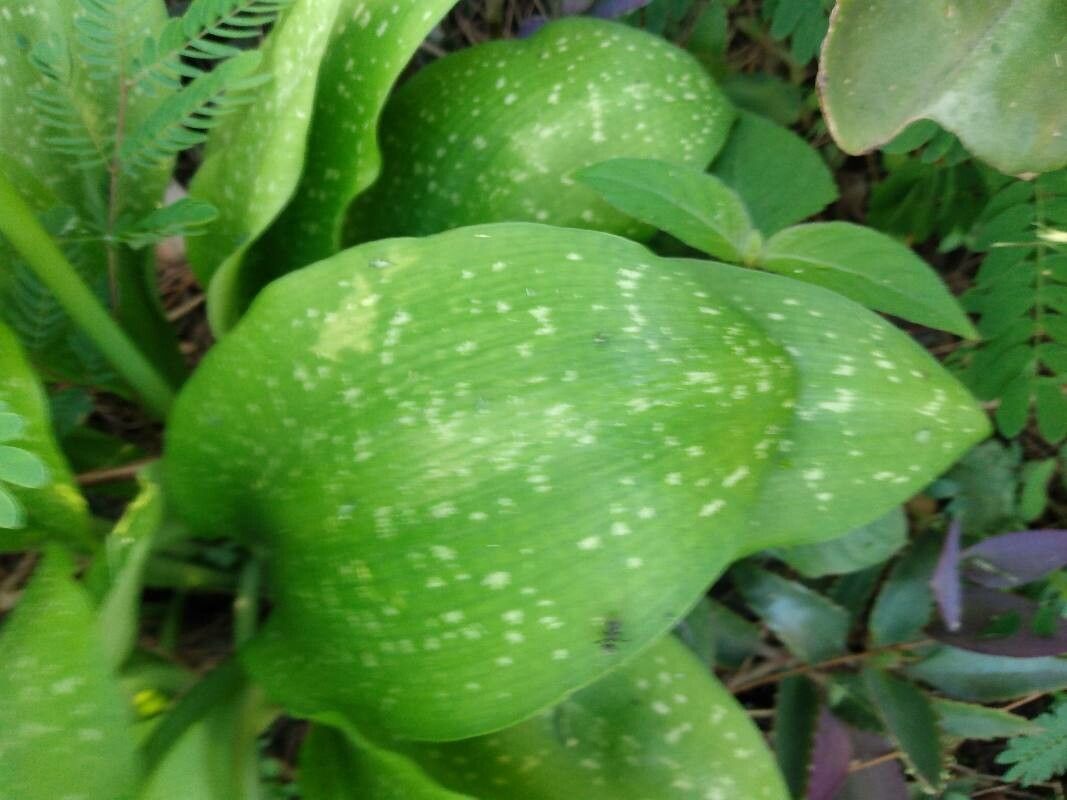
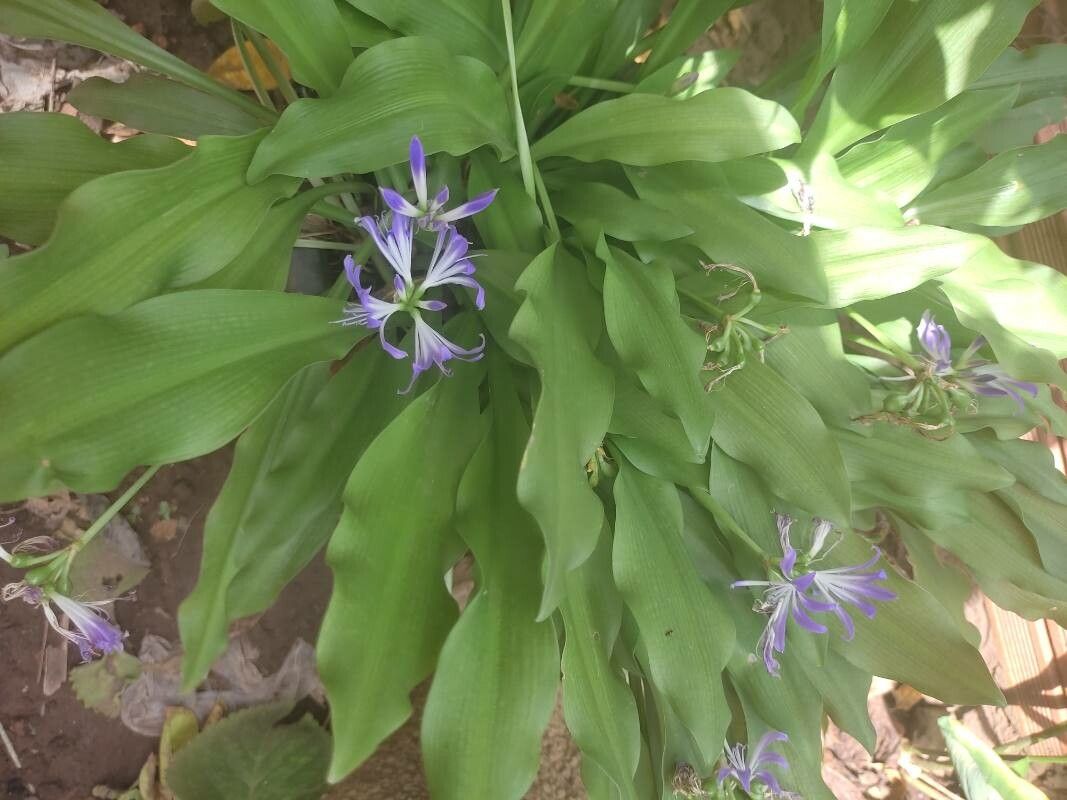
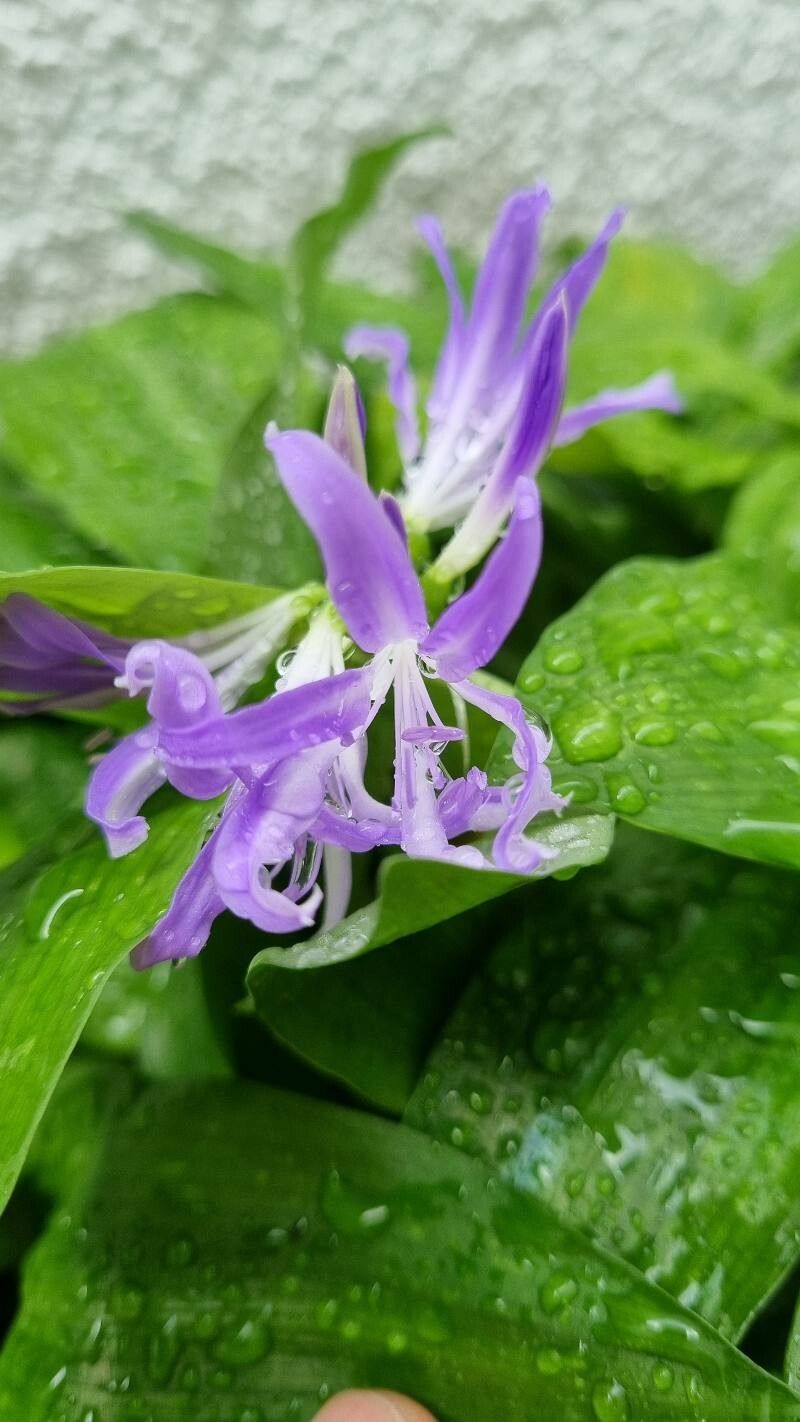
Mini Worsleya displays strong resistance to disease and is typically not susceptible to illnesses. Still, it can be affected by pests and diseases found in its environment, though these problems are generally mild. Regarding maintenance, the plant needs a moderate level of care. It should be pruned regularly to keep a neat appearance and encourage healthy growth. Applying fertilizer can also assist in enhancing flower production. Mini Worsleya is well suited for anyone who has outdoor space, like a garden or patio, and does not demand extensive gardening experience. It may, however, need extra attention if cultivated indoors.
How to keep Griffinia Liboniana.
Light
Mini Worsleya is native to habitats such as forest understories or rocky sites, where it occurs in natural shade. It prefers partial sun but can adapt to full sun or full shade, showing its versatile and hardy nature.
Water
The Mini Worsleya plant flourishes in environments with high humidity and moisture. To ensure optimal growth, it needs to be watered weekly. When grown indoors, increasing the humidity can be beneficial. It's also important to have proper drainage in the containers to prevent waterlogging and to support healthy root systems.
Temperature
Mini Worsleya comes from tropical areas, where the climate is generally warm and humid. Consequently, it is adapted to high heat and moisture. It does not tolerate abrupt temperature changes and prefers a stable thermal environment, so avoiding temperature fluctuations indoors is important. It typically cannot withstand cold conditions and needs higher temperatures to grow. If the ambient temperature falls too low, the plant may stop growing or even die.
Fertilizer
Correct feeding is essential for Mini Worsleya's health and visual appeal. Feed Mini Worsleya in summer, repeating the application monthly throughout the season. Nutrients drive its growth and maintain its plant parts. Fertilizing boosts Mini Worsleya's flower display, ensuring top-quality blooms.
Pruning
Mini Worsleya is a vibrant bulb plant that flourishes with the right care. To encourage new growth, prune the old leaves from early to late spring. Additionally, remove any spent flower stalks to aid in bulb development. Always use clean tools and make cuts above the leaf nodes to maintain the plant's health and promote blooming.
Botanical profile.
- Plant Type
- Herb
- Life Cycle
- Perennial
- Genus
- Griffinia
- Family
- Amaryllidaceae
- Hardiness Zone
- 9-11
- Mature Height
- 25 cm
- Mature Spread
- 30 cm to 46 cm
- Leaf Color
- White, Green
- Leaf Type
- Deciduous, Semi-evergreen
- Flower Color
- Blue
- Flower Size
- 5.08 cm to 6.35 cm
- Bloom Time
- Summer
- Planting Time
- Spring, Summer
- Harvest Time
- Late summer, Early fall, Mid fall
- Native Area
- Brazil