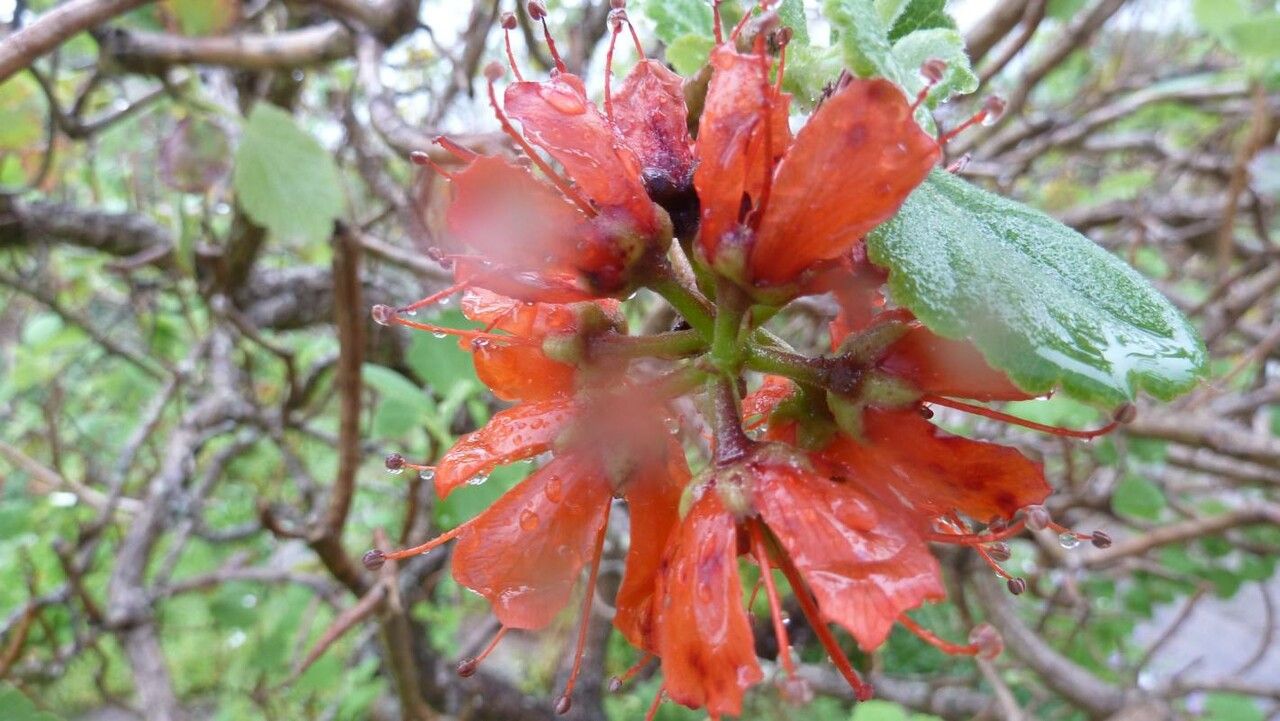
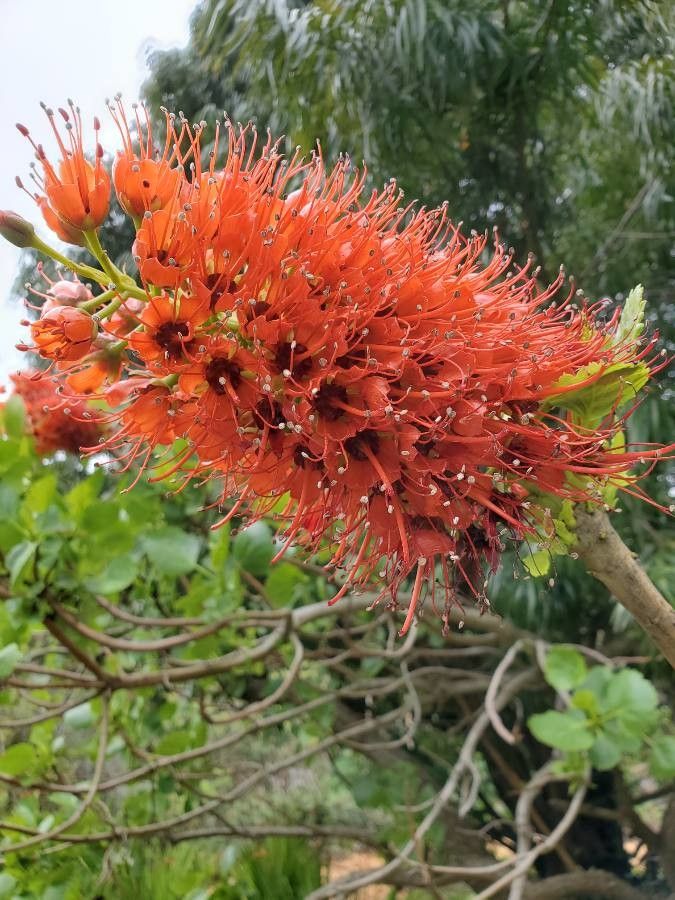
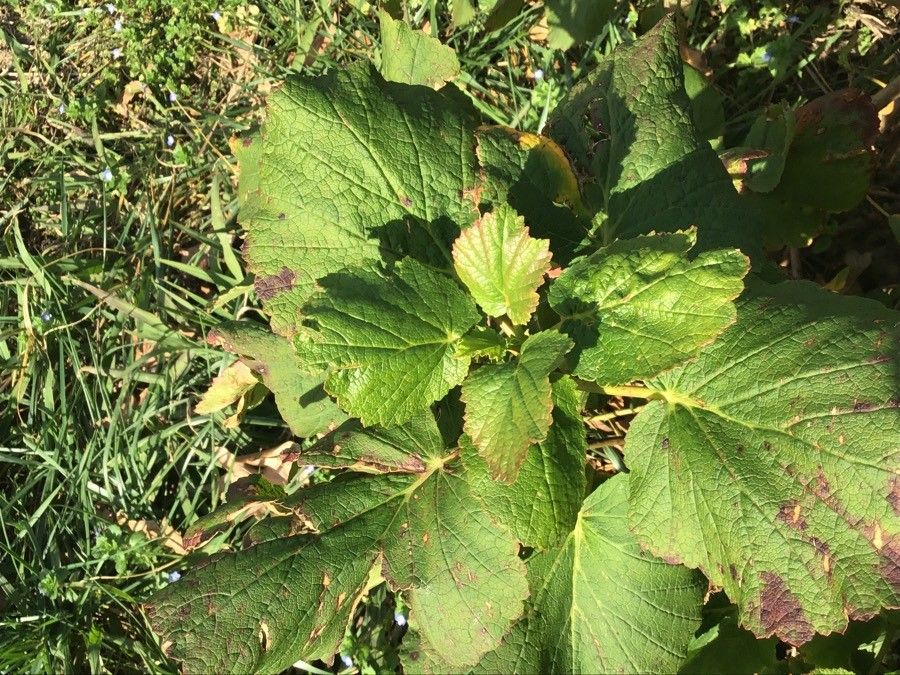
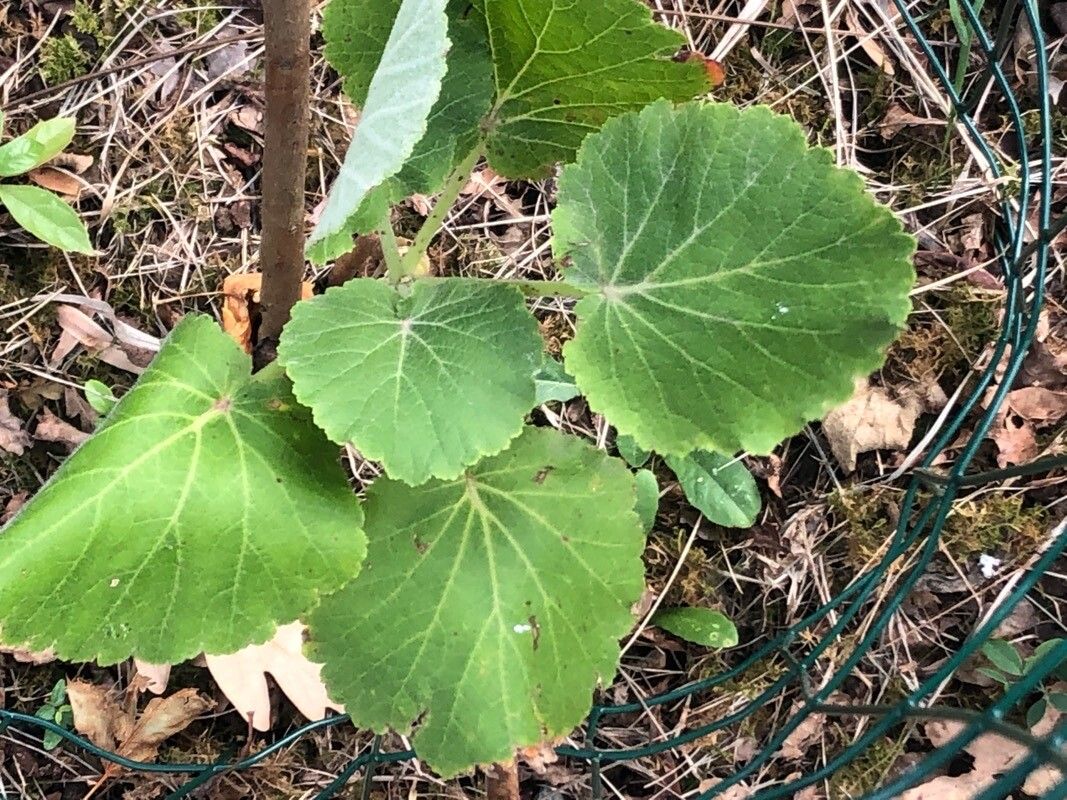
Greyia sutherlandii, also known as Natal bottlebrush, is a species of plant in the Francoaceae family. It is endemic to South Africa.
Mountain bottlebrush is resistant to disease and is generally not prone to illnesses. Regarding care, this plant is fairly low maintenance. When planted outdoors it requires little watering, and larger plants typically do not need pruning. Smaller plants, however, should be pruned after they have bloomed. Mountain bottlebrush is suitable for anyone with an outdoor space, such as a garden or deck, and does not require much care experience.
How to keep Greyia Sutherlandii.
Light
Mountain bottlebrush is native to open habitats like sunlit meadows and forest edges that provide plentiful light. It flourishes in Full Sun but can also withstand Partial Sun, showing good adaptability to different sunlight levels.
Water
The mountain bottlebrush is exceptionally drought-tolerant and thrives in arid conditions. It only needs deep watering every 2-3 weeks because it can store moisture in its tissues. Its ability to withstand low rainfall makes it an excellent choice for xeriscaping, and it adapts well to different climates.
Temperature
Mountain bottlebrush adapts well to temperature, tolerating high heat and wide temperature fluctuations. In hot weather, it is important to watch watering and provide some shade to prevent sunburn. However, mountain bottlebrush is less tolerant of low temperatures. It can withstand a certain amount of cold, but excessively cold conditions can cause frost damage.
Fertilizer
Timing is essential for fertilizing Mountain bottlebrush. Apply fertilizer in early spring and continue once a month until early summer. Fertilizer encourages attractive blooms and supplies energy during both dormant and active growth stages.
Pruning
To help your mountain bottlebrush flourish, prune it in early spring to promote growth and blooming. Remove any dead branches and thin out crowded areas to improve airflow and prevent disease. Be careful not to over-prune, as maintaining its natural shape with minimal regular pruning results in a healthy and attractive plant.
Botanical profile.
- Plant Type
- Tree, Shrub
- Life Cycle
- Perennial
- Genus
- Greyia
- Family
- Francoaceae
- Hardiness Zone
- 9-11
- Mature Height
- 1.83 m to 2.74 m
- Mature Spread
- 1.83 m to 2.74 m
- Leaf Color
- Green, Dark Green
- Leaf Type
- Deciduous
- Flower Color
- Red, Orange
- Flower Size
- 10.16 cm
- Bloom Time
- Mid spring, Late spring
- Planting Time
- Spring, Summer, Autumn
- Harvest Time
- Early summer, Mid summer
- Native Area
- South Africa, Eswatini, Lesotho
Other names.
Reader questions.
What are the sunlight requirements for Mountain bottlebrush?
Mountain bottlebrush thrives best in full sunlight, requiring above 6 hours of sunlight daily, but it can also tolerate partial sun, with about 3-6 hours of sunlight. It's essential to observe the sunlight patterns in your garden to ensure your plants receive the optimal balance of light and shade for their growth and happiness.
How does artificial lighting support Mountain bottlebrush growth indoors?
When natural sunlight is insufficient, especially during winter or in less sunny spaces, artificial lighting becomes crucial for the growth of indoor plants like Mountain bottlebrush. LED lights are recommended for their ability to provide specific wavelengths needed by plants. For plants requiring full sun, 30-50W/sq ft of light is suggested, 20-30W/sq ft for partial sun plants, and 10-20W/sq ft for full shade plants. The light source should be placed 12-36 inches above the plant to simulate natural sunlight, ensuring the plant receives 8-12 hours of light per day.
What are the symptoms of inadequate light for Mountain bottlebrush?
When Mountain bottlebrush does not receive enough light, it may show several symptoms including smaller new leaf growth, leggy or sparse growth, faster leaf drop, halted growth, leaves changing to lighter colors or developing chlorosis (yellowing due to chlorophyll breakdown), sunscald, leaf curling, wilting, and leaf scorching. These symptoms often indicate that the plant is in survival mode due to insufficient light, affecting its growth and health.
How can I effectively address Mountain bottlebrush light deficiency?
To address light deficiency for Mountain bottlebrush, gradually move the plant to a location with at least 6 hours of direct sunlight daily. If the plant is indoors and not easily movable, consider using artificial light, keeping lamps on for 8 hours a day or investing in grow lights. For outdoor plants, slowly transition them to sunnier spots each week to avoid shock. Minimizing obstructions, like pruning trees that block sunlight, and transplanting smaller plants to sunnier locations can also improve light exposure. It's important to note that while increasing light exposure can enhance new growth, parts of the plant that have suffered might not recover.