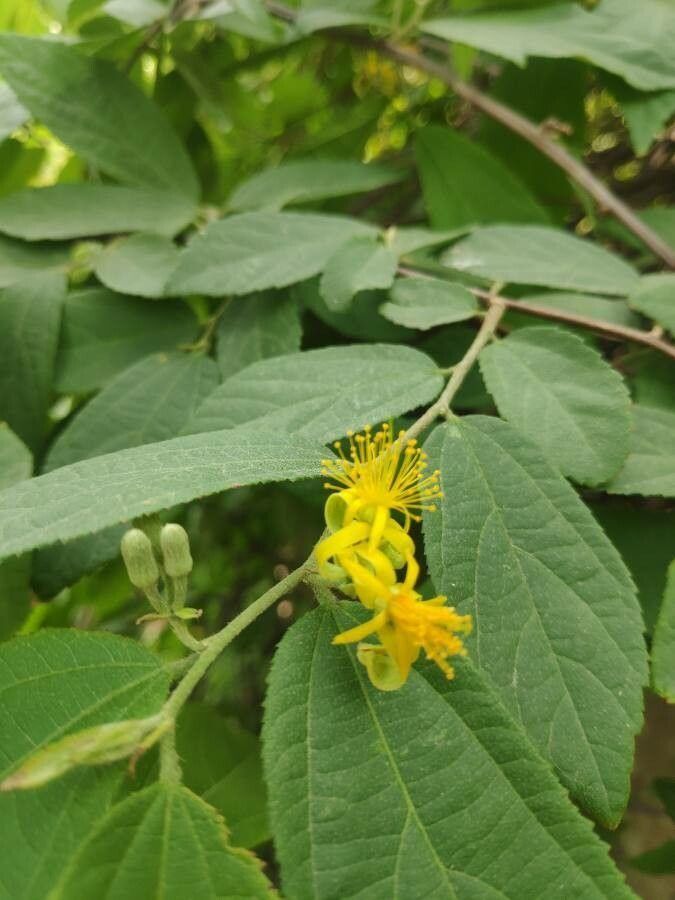
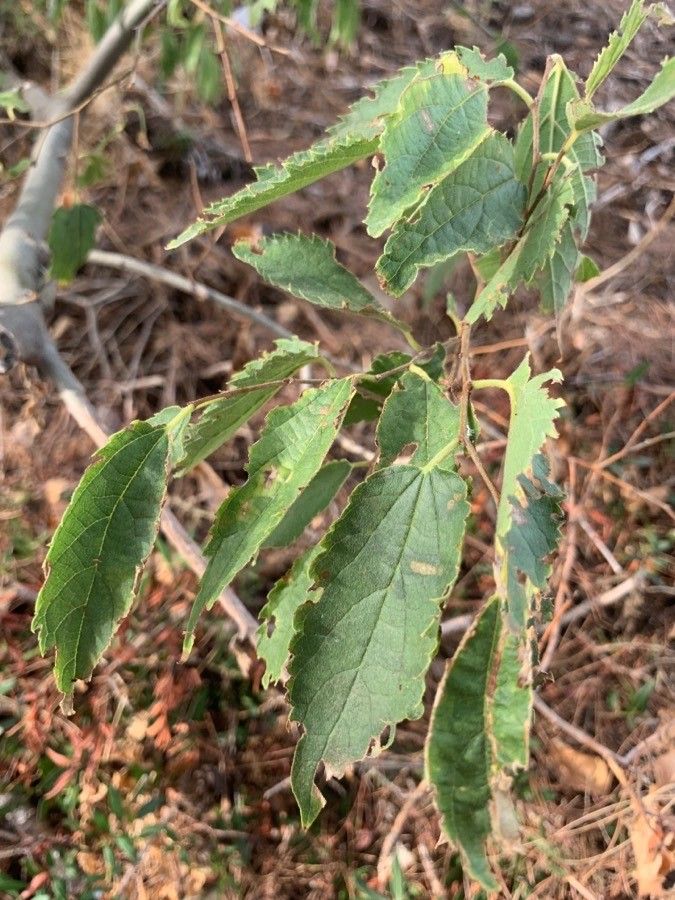
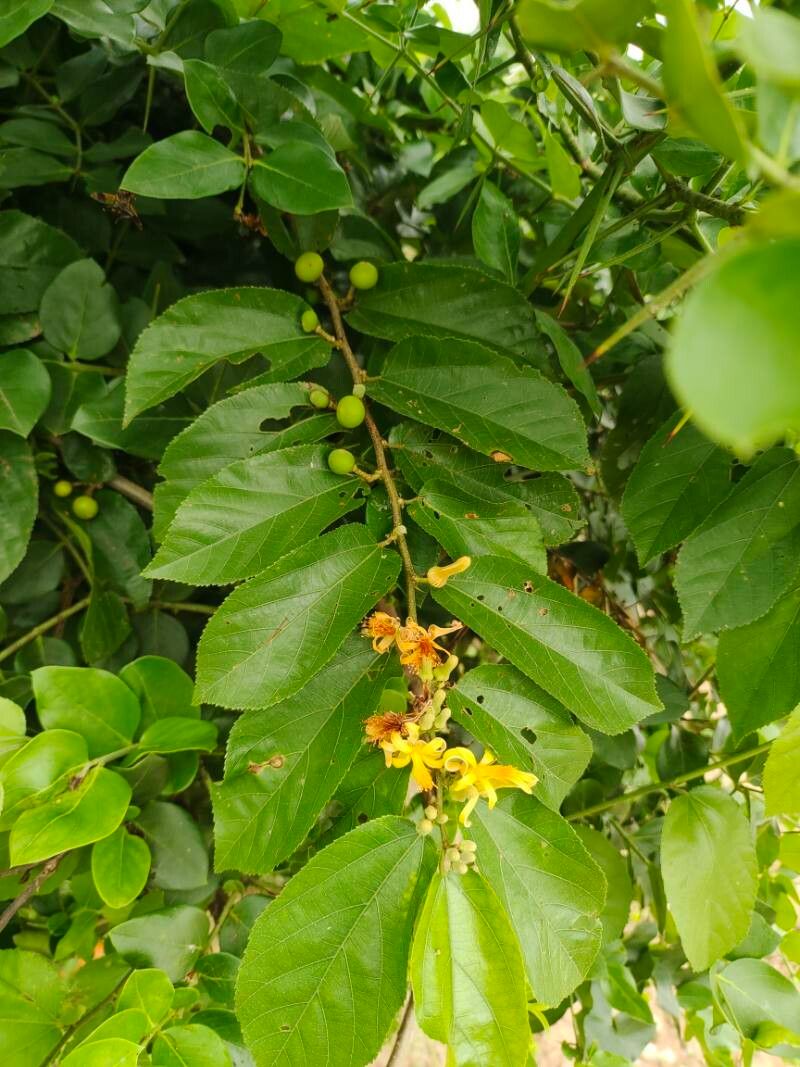
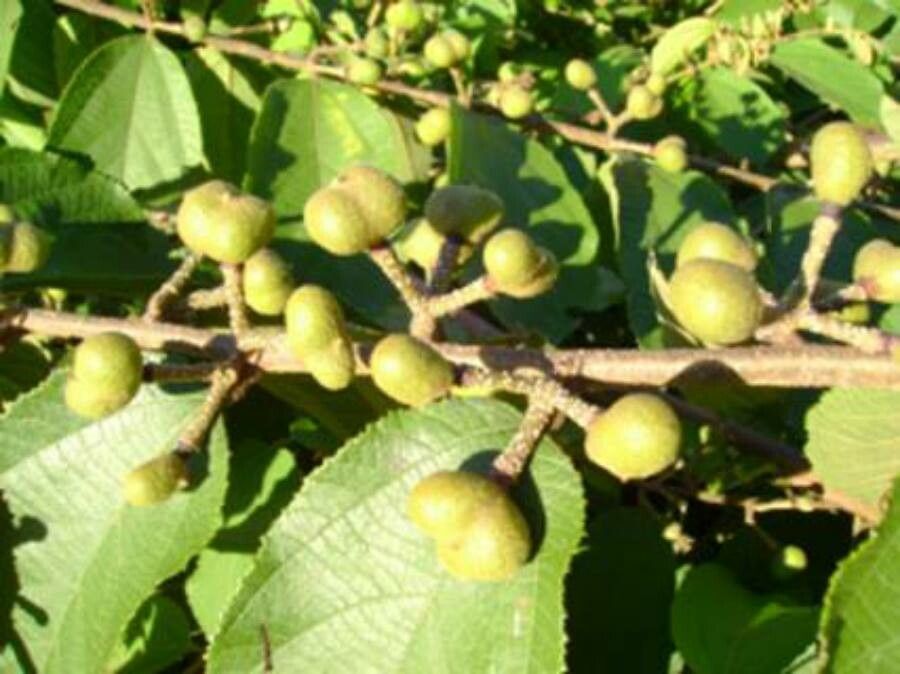
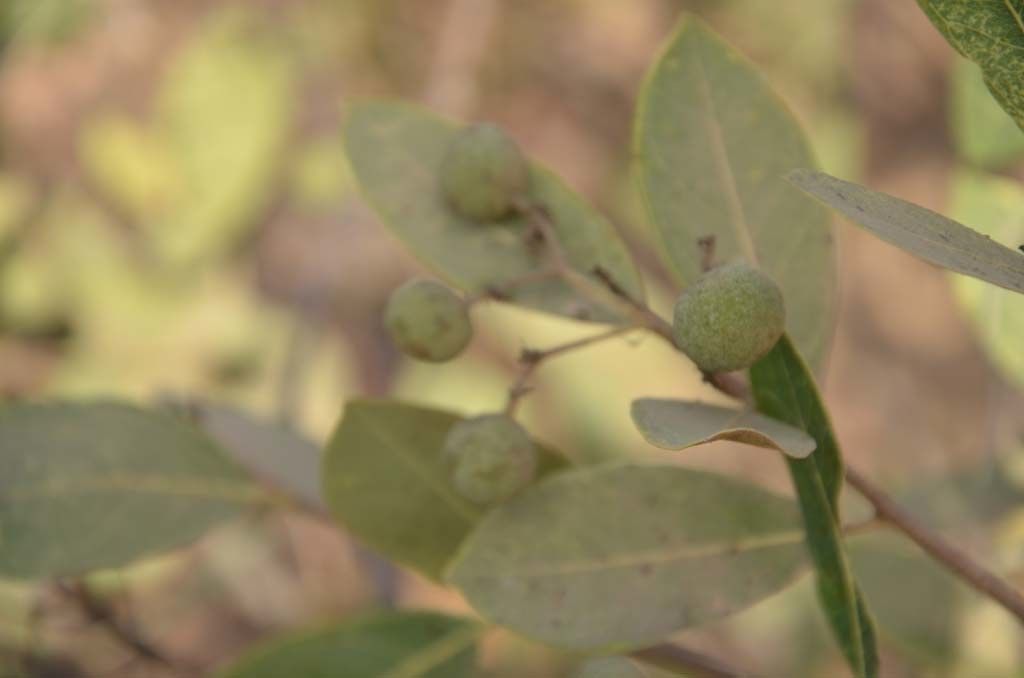
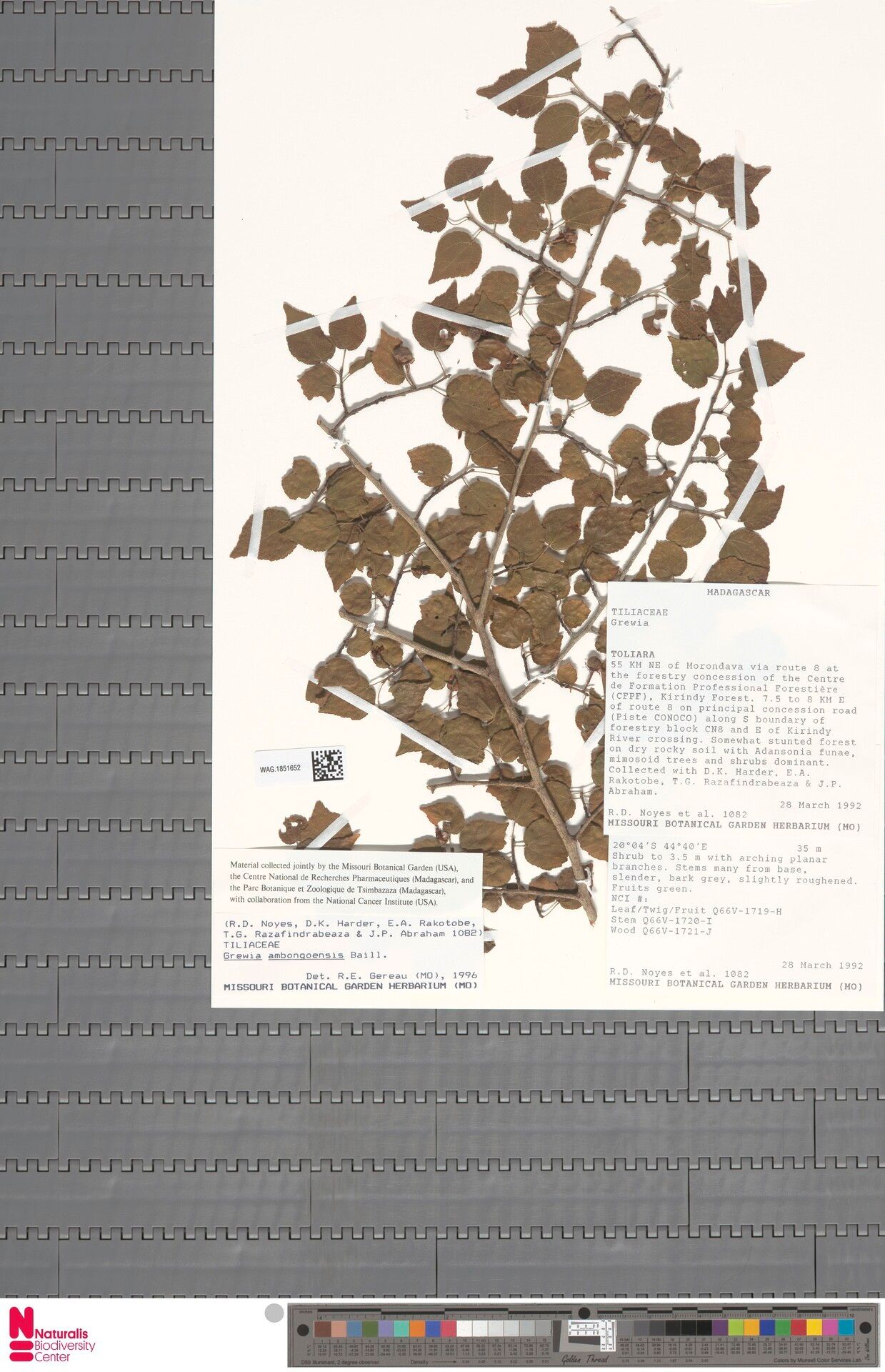
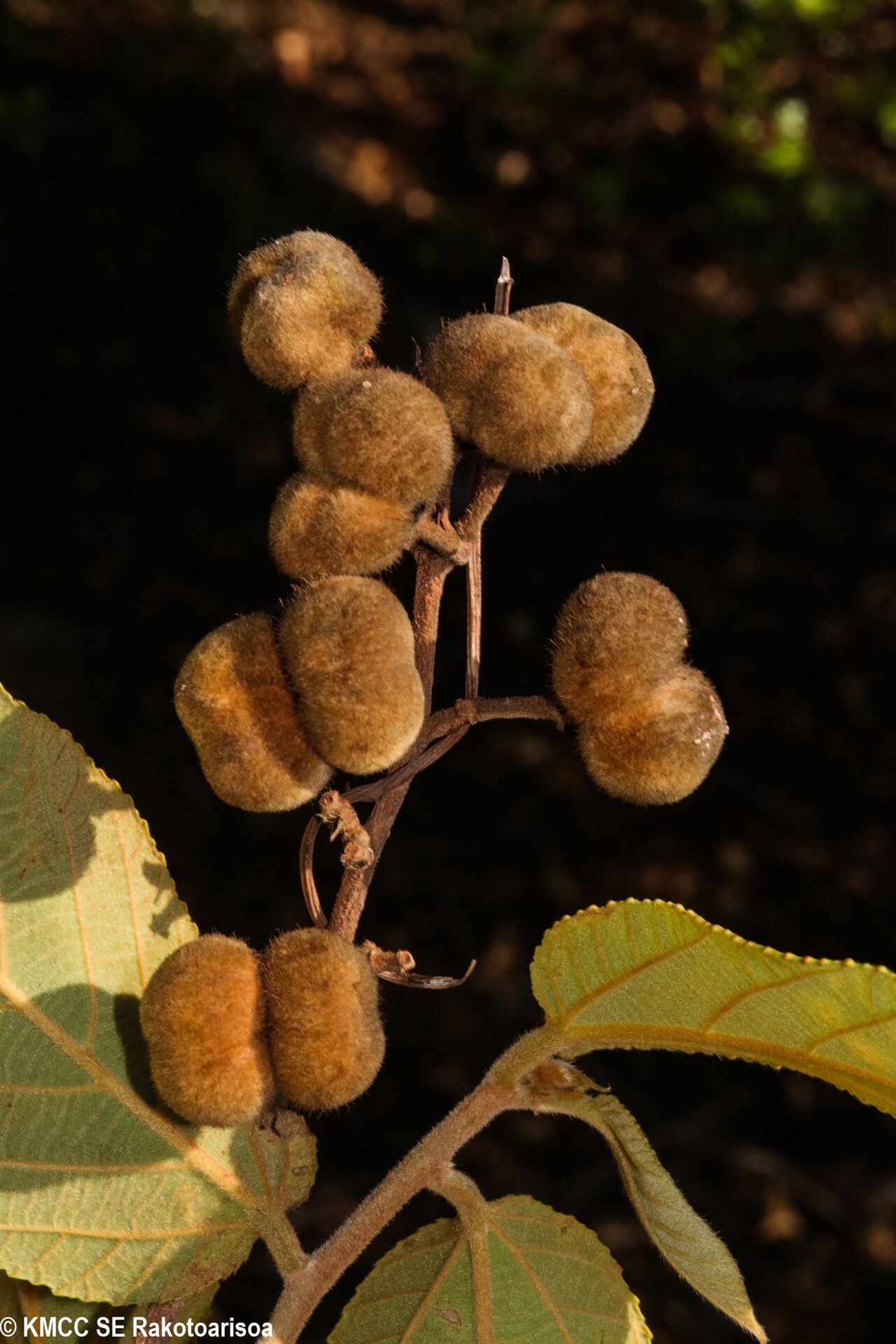
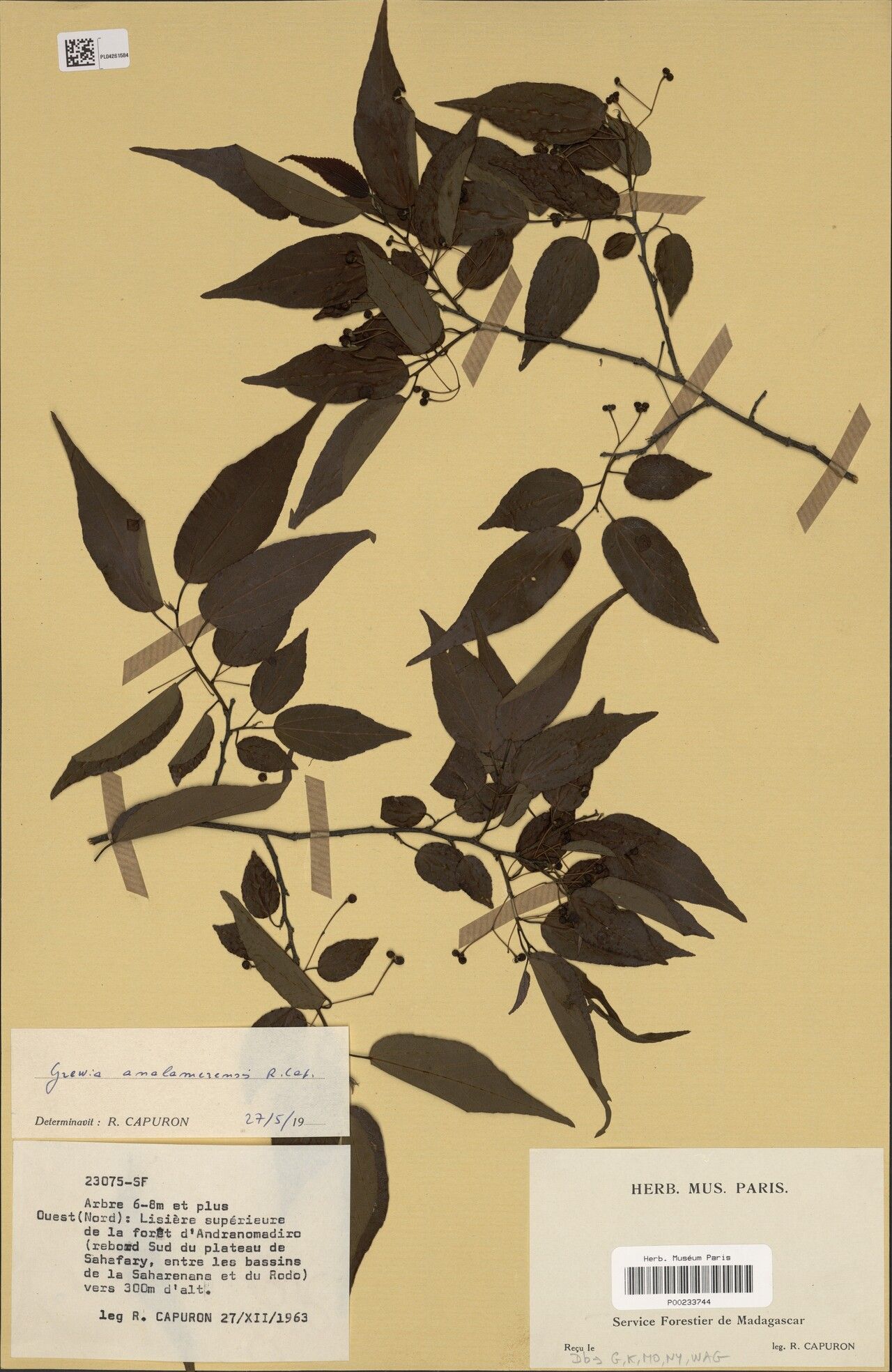
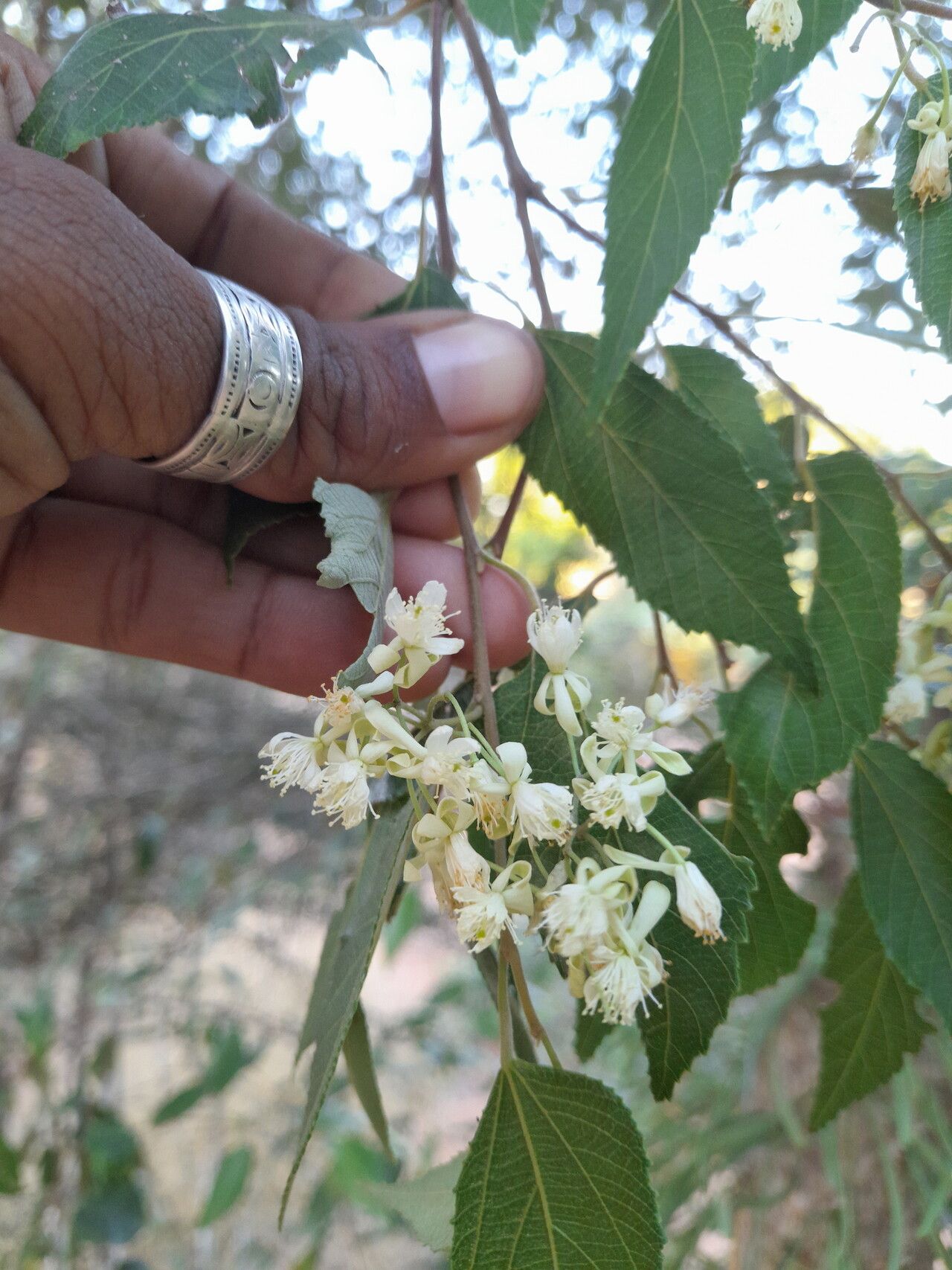
Grewia flavescens, called rough-leaved raisin, sandpaper raisin, and donkey berry (a name it shares with Grewia bicolor), is a species of flowering plant in the family Malvaceae, native to sub‑Saharan Africa, Yemen, Saudi Arabia, and India. It is considered to be an underutilized crop, both for its fruit and its use for livestock forage.
Sandpaper raisin shows strong disease resistance and is generally not susceptible to diseases. Regarding care, this plant is fairly low-maintenance. When grown outdoors it needs only minimal watering, and larger specimens usually do not require pruning. Smaller plants, however, should be pruned after they have finished blooming. Sandpaper raisint is appropriate for anyone with an outdoor area, such as a garden or deck, and does not demand extensive gardening experience.
How to keep Grewia Flavescens.
Light
Sandpaper raisin generally does best when it gets abundant sunlight throughout the day. It can tolerate moderately filtered light, though that may affect its growth. Its provenance favors plentiful sun exposure, so light is important for the plant's health. Conversely, inadequate sunlight can adversely affect its growth.
Water
Originating from arid regions, the sandpaper raisin is remarkably drought-tolerant and only needs watering every 2 to 3 weeks. It thrives outdoors in challenging environments and prefers well-draining soil that mimics its natural dry habitat, which ensures its optimal health and growth.
Temperature
Sandpaper raisin comes from tropical areas, where the climate is usually warm and humid. Consequently, it is adapted to high temperatures and humidity. It does not tolerate sudden temperature shifts and prefers a consistent temperature, so avoiding indoor temperature fluctuations is important. It typically cannot withstand cold and needs warmer conditions to grow. If the surrounding temperature becomes too low, the plant may stop growing or even die.
Fertilizer
The best time to fertilize a Sandpaper raisin is in early spring, as it breaks dormancy. This encourages overall growth and flower development. Fertilization improves the foliage, stems, and branches, and encourages flowers that are large, vibrant, and long-lasting. It helps move nutrients from the roots to the flowers and enhances the plant's health and resistance to disease.
Botanical profile.
- Plant Type
- Shrub
- Life Cycle
- Perennial
- Genus
- Grewia
- Family
- Malvaceae
- Hardiness Zone
- 2-7
- Mature Height
- 4.88 m
- Mature Spread
- 2.13 m to 3.96 m
- Leaf Color
- Green
- Leaf Type
- Deciduous
- Flower Color
- Yellow
- Flower Size
- 1.02 cm to 2.03 cm
- Bloom Time
- Late spring, Early summer, Mid summer
- Planting Time
- Spring, Summer, Autumn, Winter
- Harvest Time
- Late summer, Early fall, Mid fall
- Native Area
- Burkina Faso, Malawi, India, Angola, Namibia, South Africa, Zambia, Eritrea, Sudan, Mauritania, Nigeria, Guinea, Gabon, Kenya, Niger, Uganda, Tanzania, Zimbabwe, Mali, Chad, Cameroon, Mozambique, Togo, Senegal, Eswatini, Ethiopia, Congo (DRC), Botswana, Central African Republic
Other names.