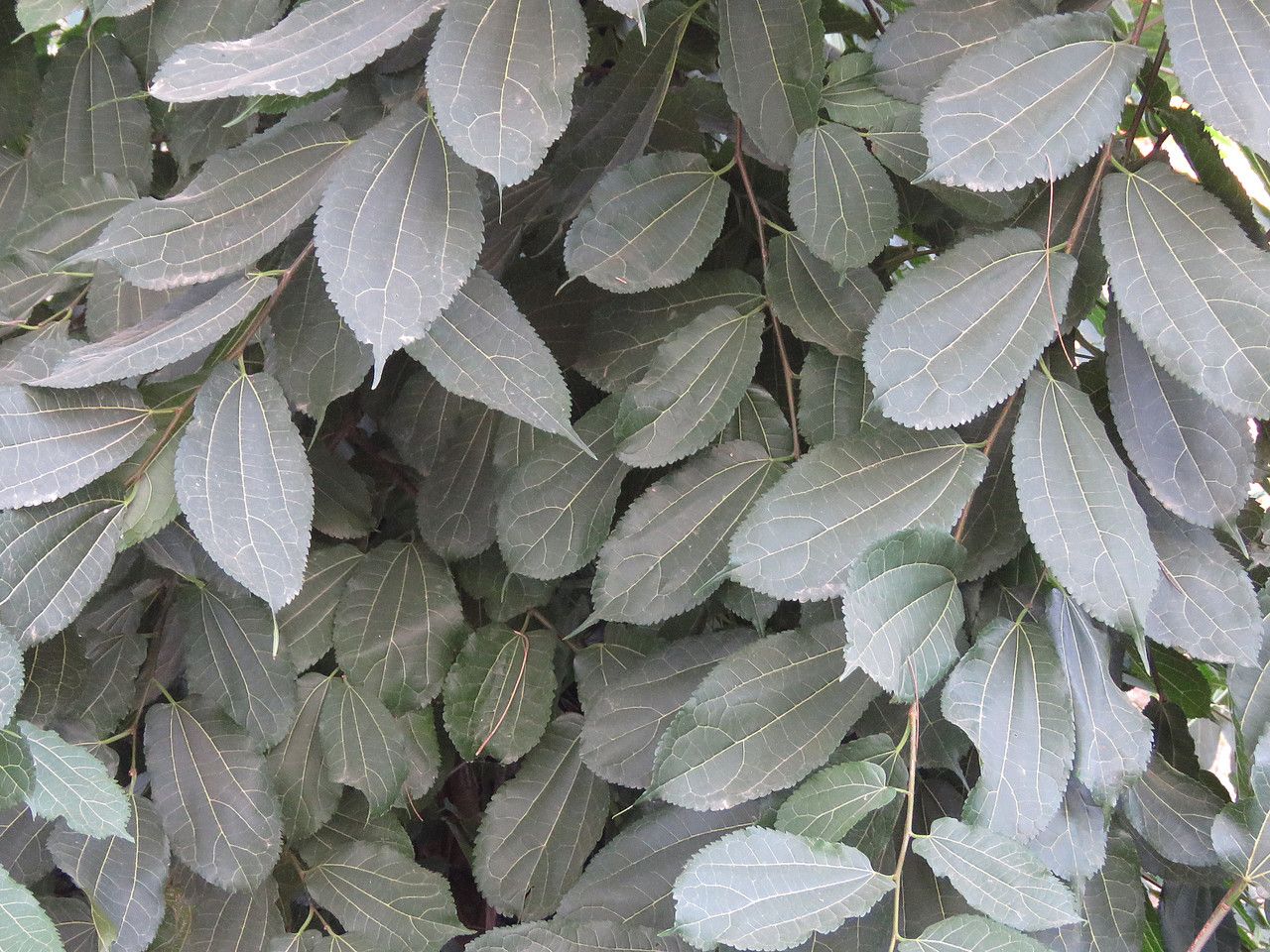
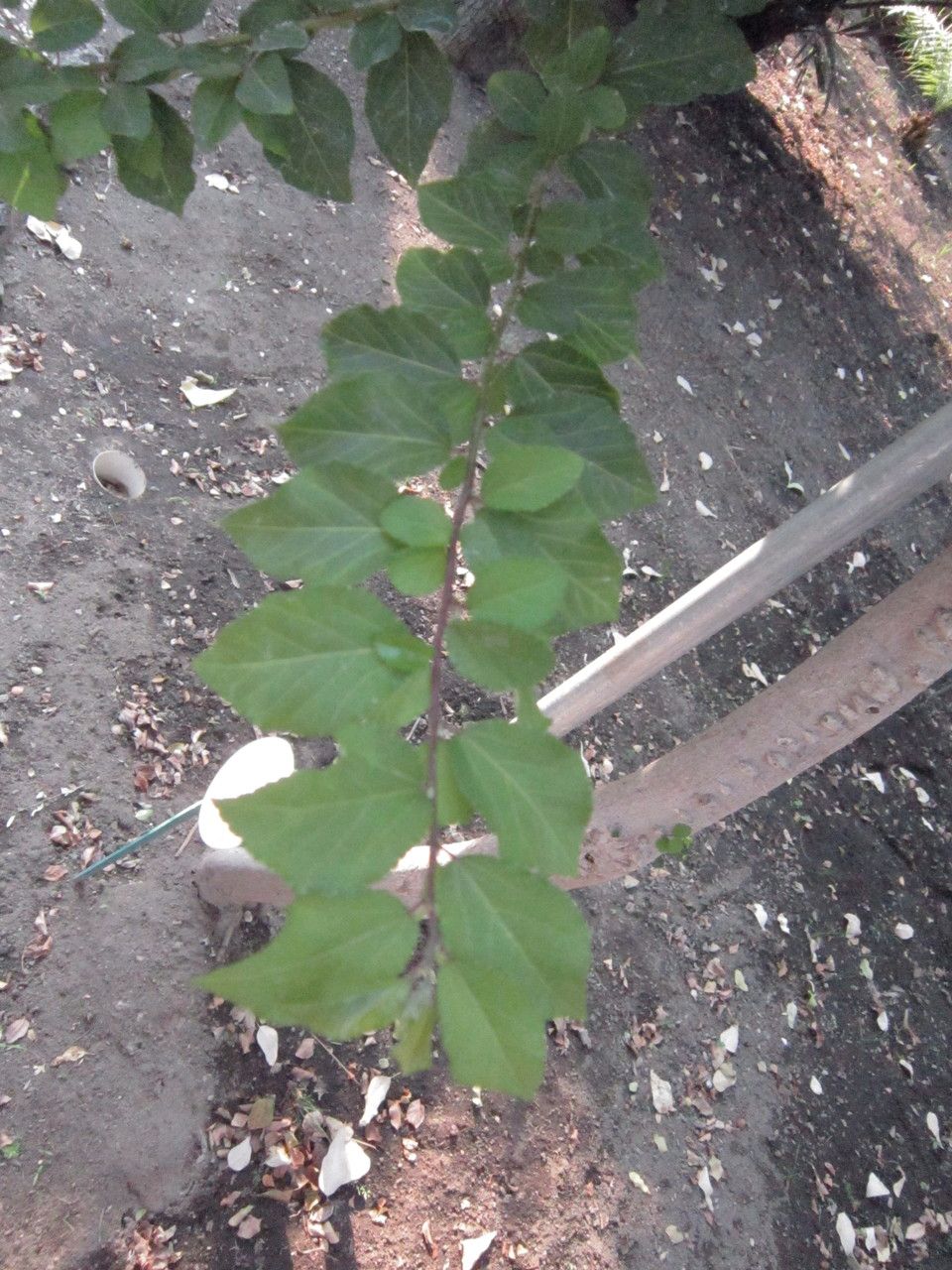
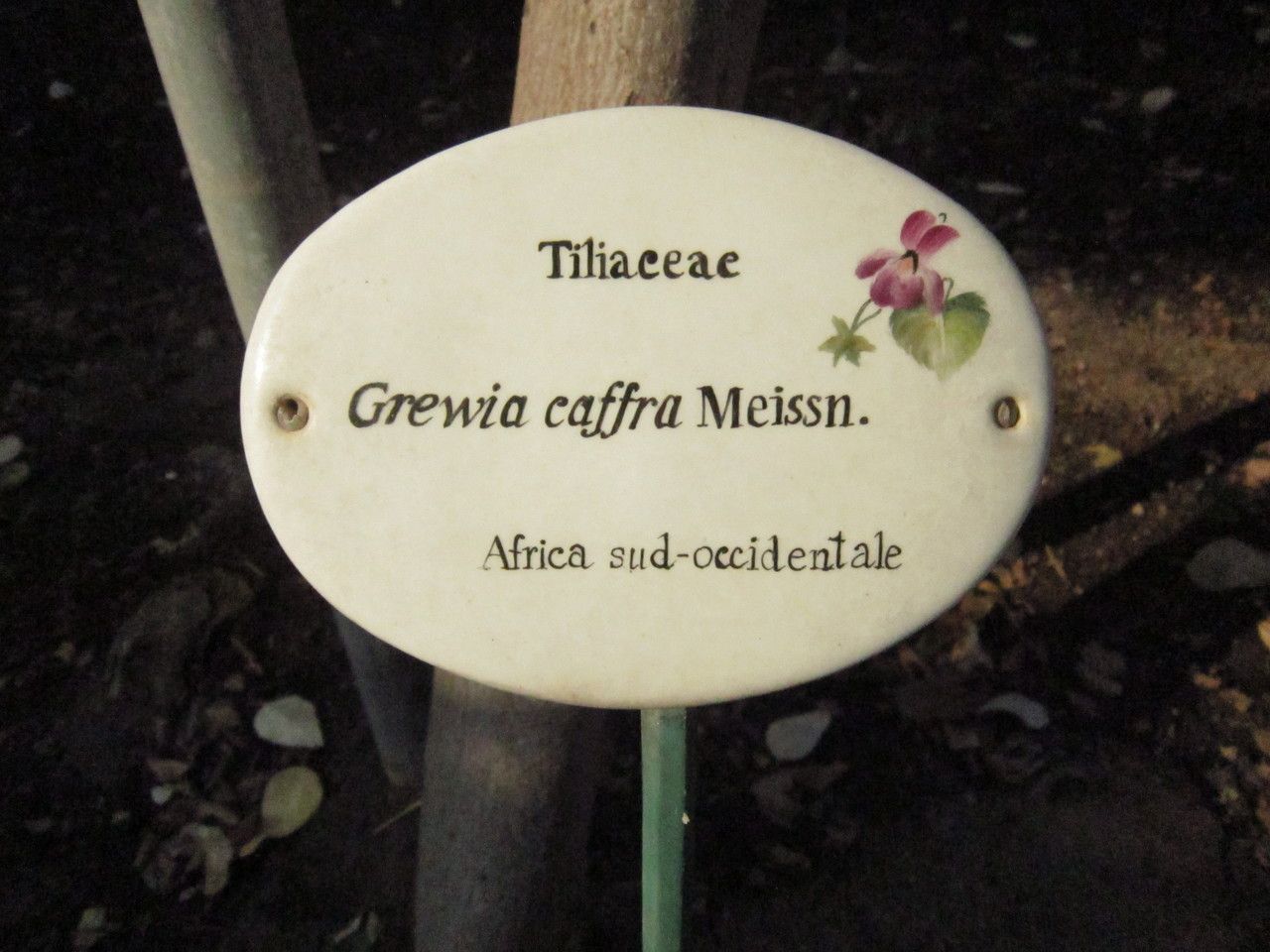
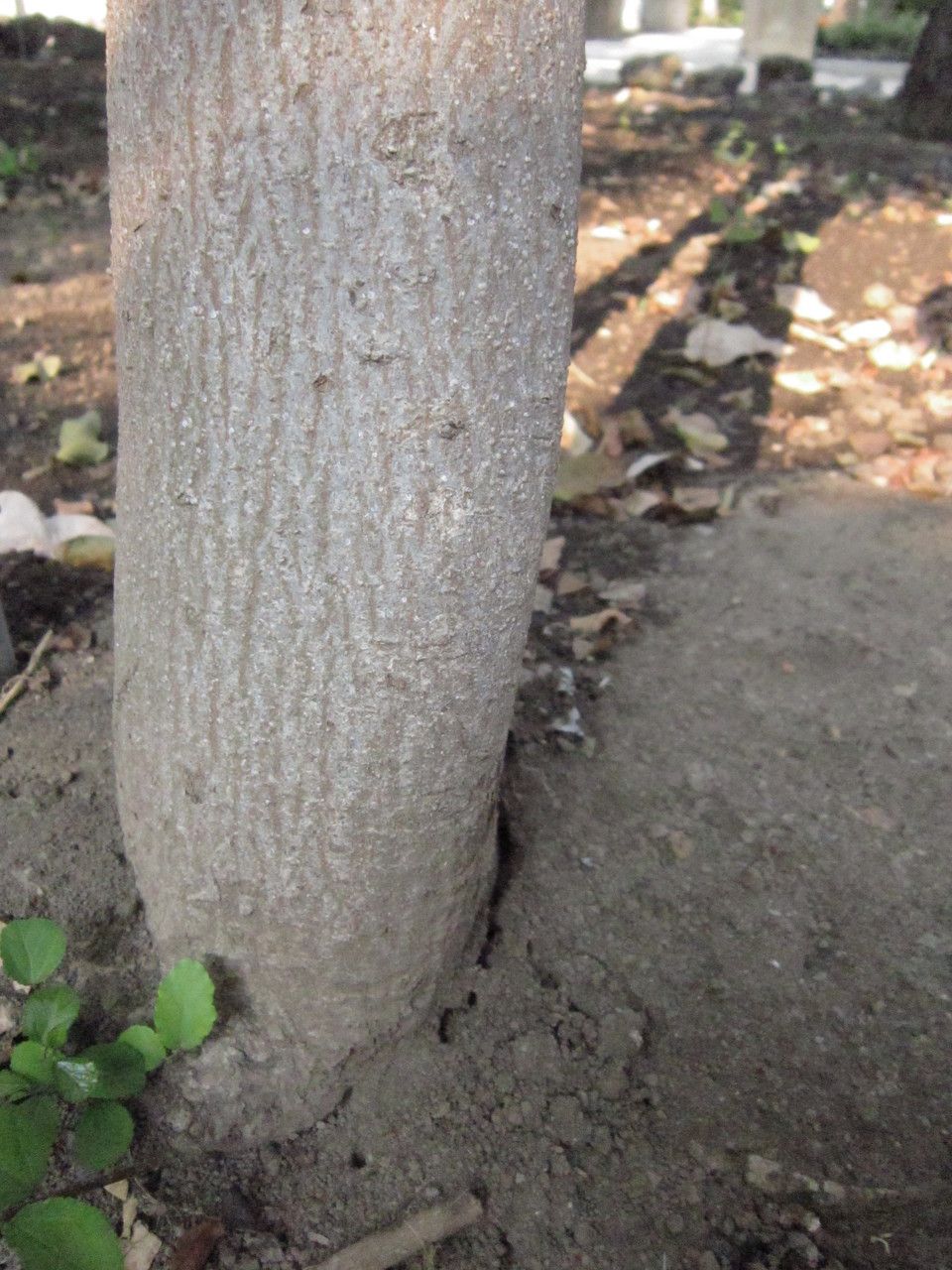
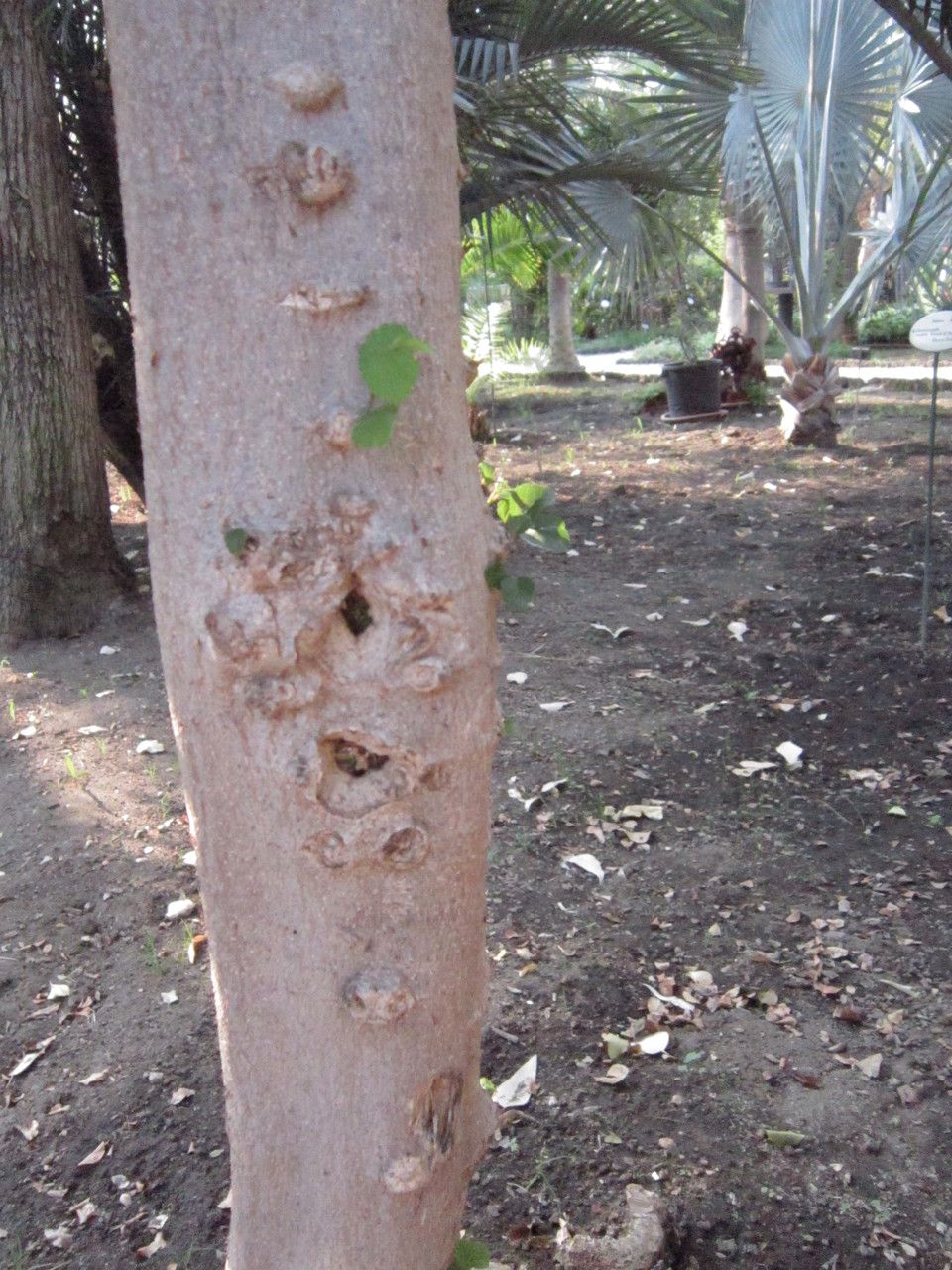
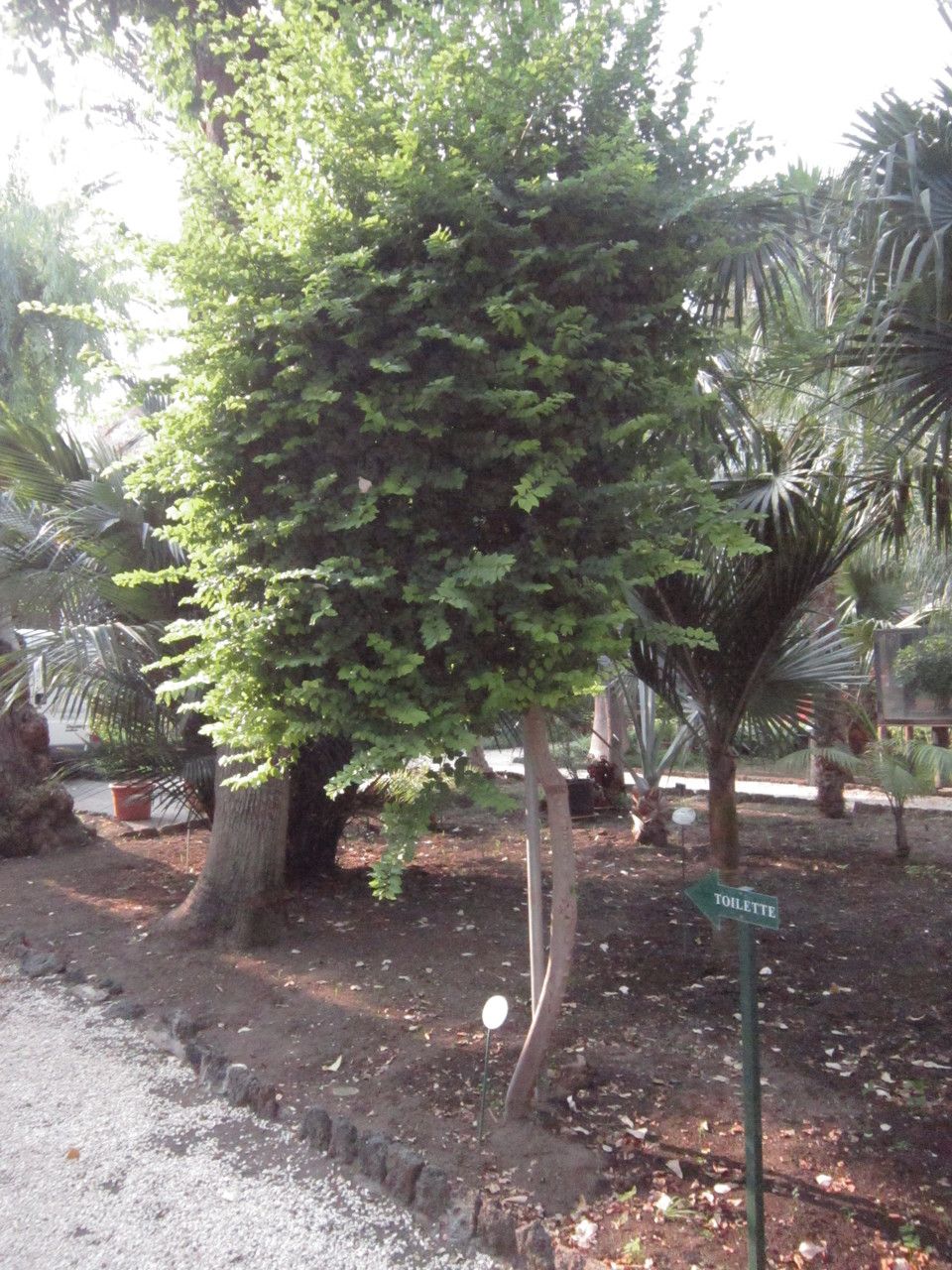
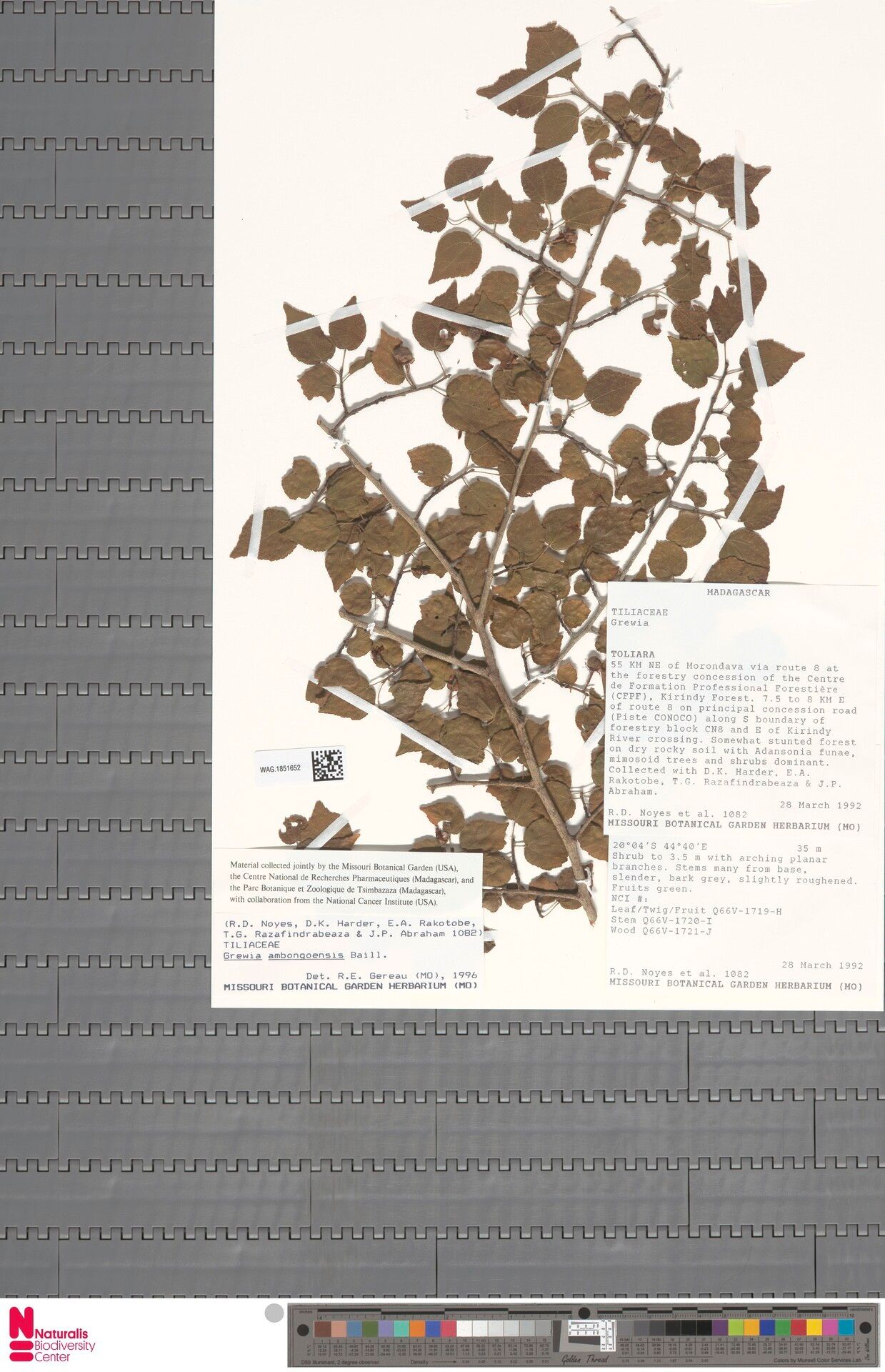
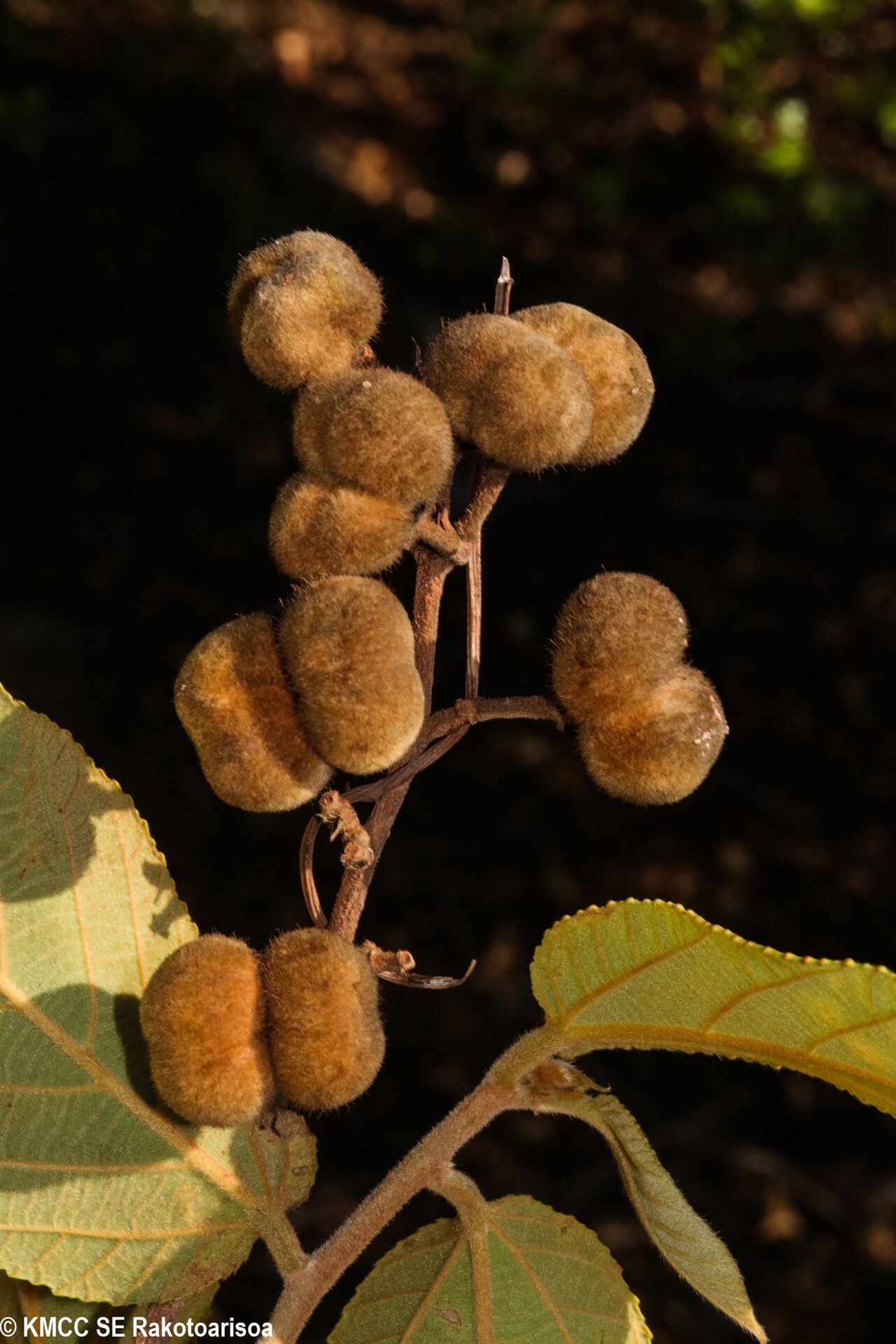
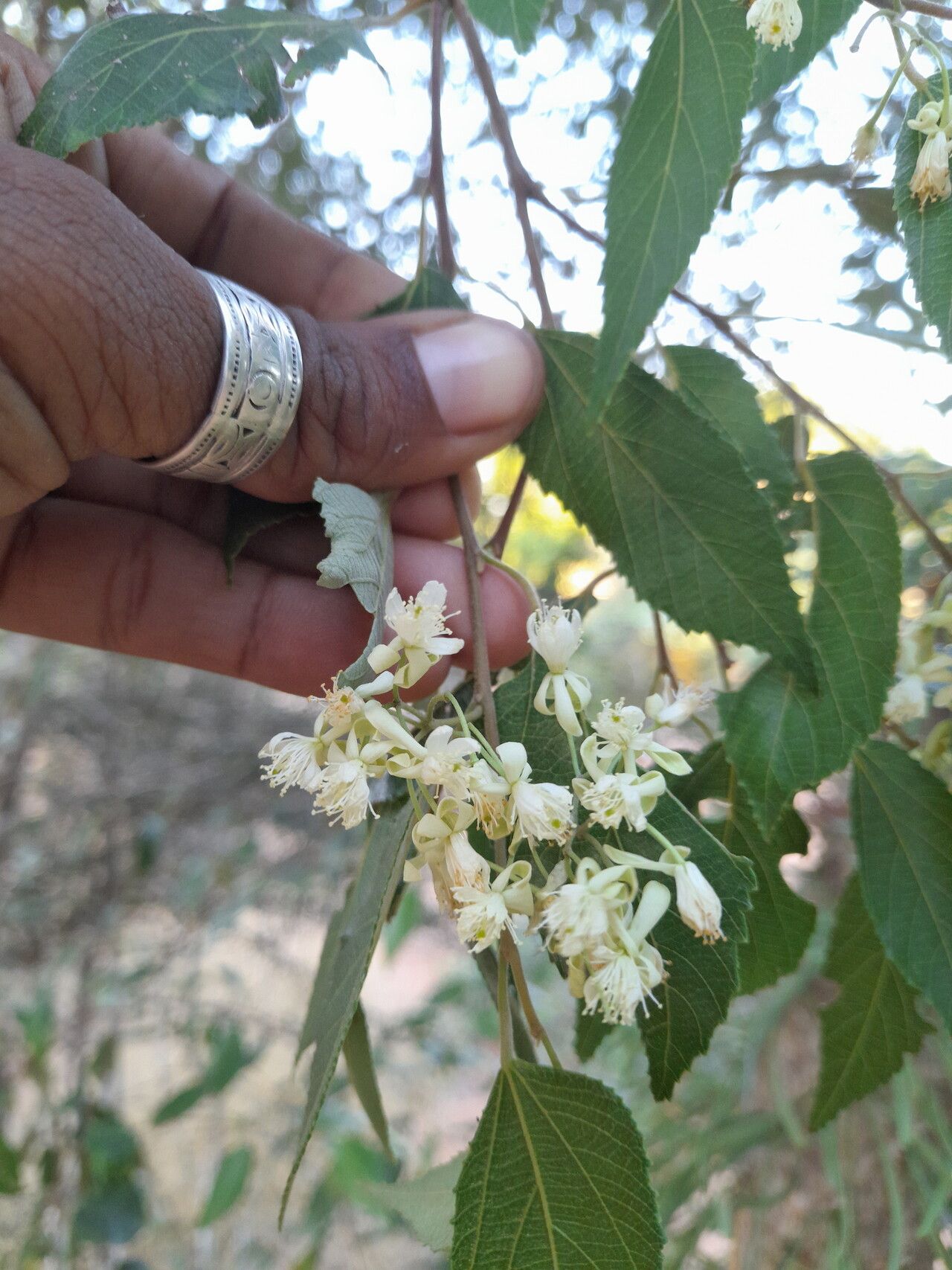
Grewia caffra, commonly known as the Lavender Star tree, is a small to medium-sized evergreen tree native to southern Africa. Belonging to the Malvaceae family, it can grow up to 10 meters tall. The tree features smooth grey bark and produces small white or pink flowers that bloom in the summer. Its edible fruit has a sweet taste, making it popular among birds and other wildlife.
The Lavender Star tree thrives in well-drained soils with full sun or partial shade. Although it can tolerate drought conditions, it requires regular watering during its early growth stages. Grewia caffra is often used for ornamental purposes due to its attractive flowers and foliage.
In traditional medicine, various parts of the plant are used to treat ailments such as coughs, colds, fevers, and diarrhea, thanks to its anti-inflammatory properties.
Overall, the Grewia caffra serves both ornamental and medicinal purposes, making it an important species for southern Africa's flora biodiversity and conservation efforts.
Climbing raisin is resistant to disease and is usually not susceptible to illnesses. As for care, this plant is fairly low-maintenance. When grown outdoors it needs only minimal watering, and larger specimens typically do not require pruning. Smaller plants, however, should be pruned after they finish blooming. Climbing raisint is suitable for anyone with an outdoor area, such as a garden or deck, and does not need much care experience.
How to keep Grewia Caffra.
Light
Climbing raisin comes from open habitats, such as sunny meadows and forest edges, that offer abundant light. It performs best in Full Sun but can also tolerate Partial Sun, adapting well to different sunlight levels.
Humidity
This plant needs special care because it loves high humidity levels of 60-80% or more. The best way to achieve this is by placing a humidifier near the plant. Daily misting is also essential! Make sure the room has good ventilation.
Temperature
Climbing raisin is fairly adaptable to temperature, able to withstand higher heat and wide temperature swings. In hot weather, you should ensure adequate watering and provide appropriate shading to avoid sunburn. Conversely, Climbing raisin is not very tolerant of low temperatures; it can endure some cold, but very low temperatures may cause frost damage.
Fertilizer
Timing is important when fertilizing Climbing raisin. Apply fertilizer in early spring and continue once a month until early summer. Fertilizer promotes attractive blooms and supplies energy during both dormant and active growth periods.
Botanical profile.
- Plant Type
- Shrub
- Life Cycle
- Perennial
- Genus
- Grewia
- Family
- Malvaceae
- Hardiness Zone
- 9-11
- Mature Height
- 3.05 m to 4.88 m
- Mature Spread
- 2.13 m to 3.05 m
- Leaf Color
- Forest Green, Dark Green
- Leaf Type
- Deciduous
- Flower Size
- 2.03 cm to 3.05 cm
- Bloom Time
- Late spring, Summer
- Planting Time
- Spring, Summer, Autumn
- Harvest Time
- Late summer, Fall
- Native Area
- Mozambique, South Africa, Eswatini, Botswana, Zimbabwe
Other names.