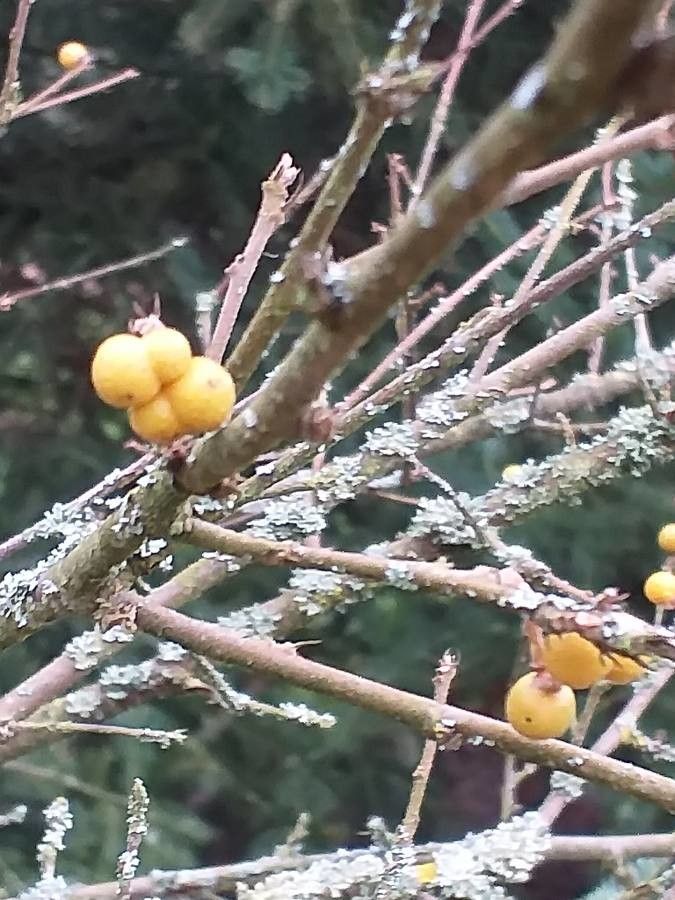
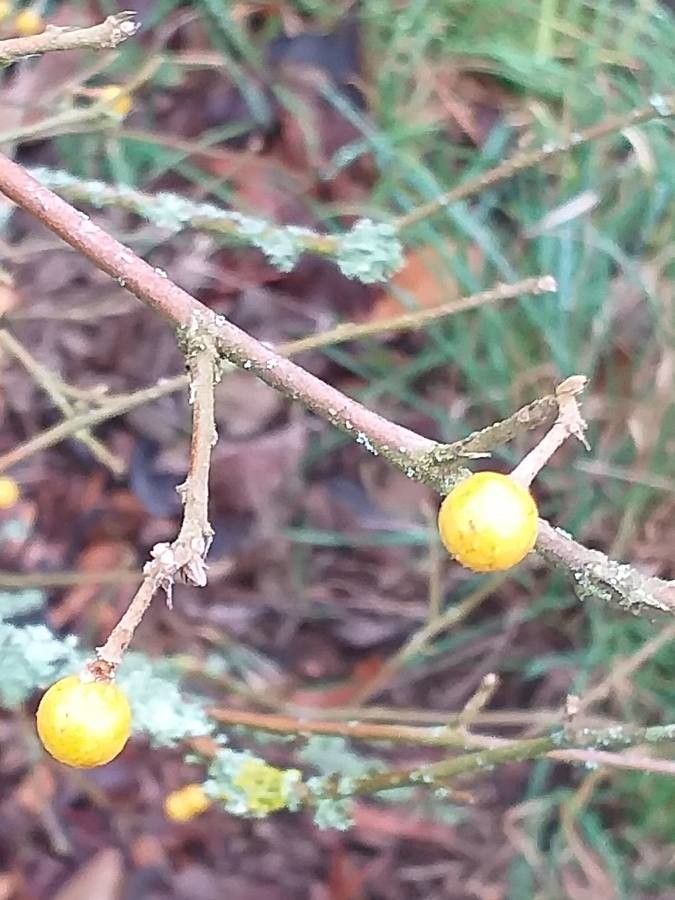
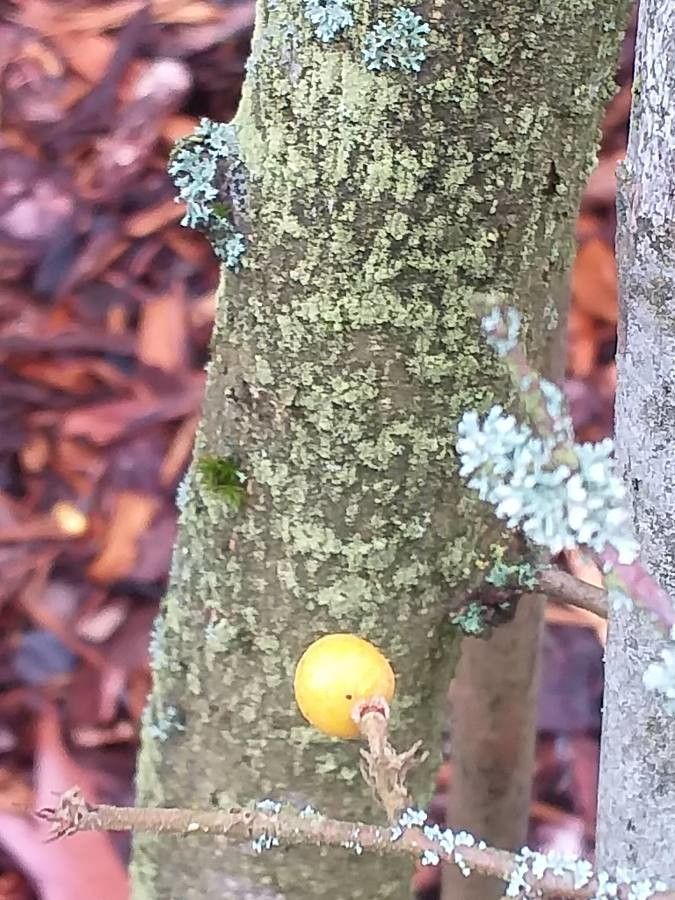
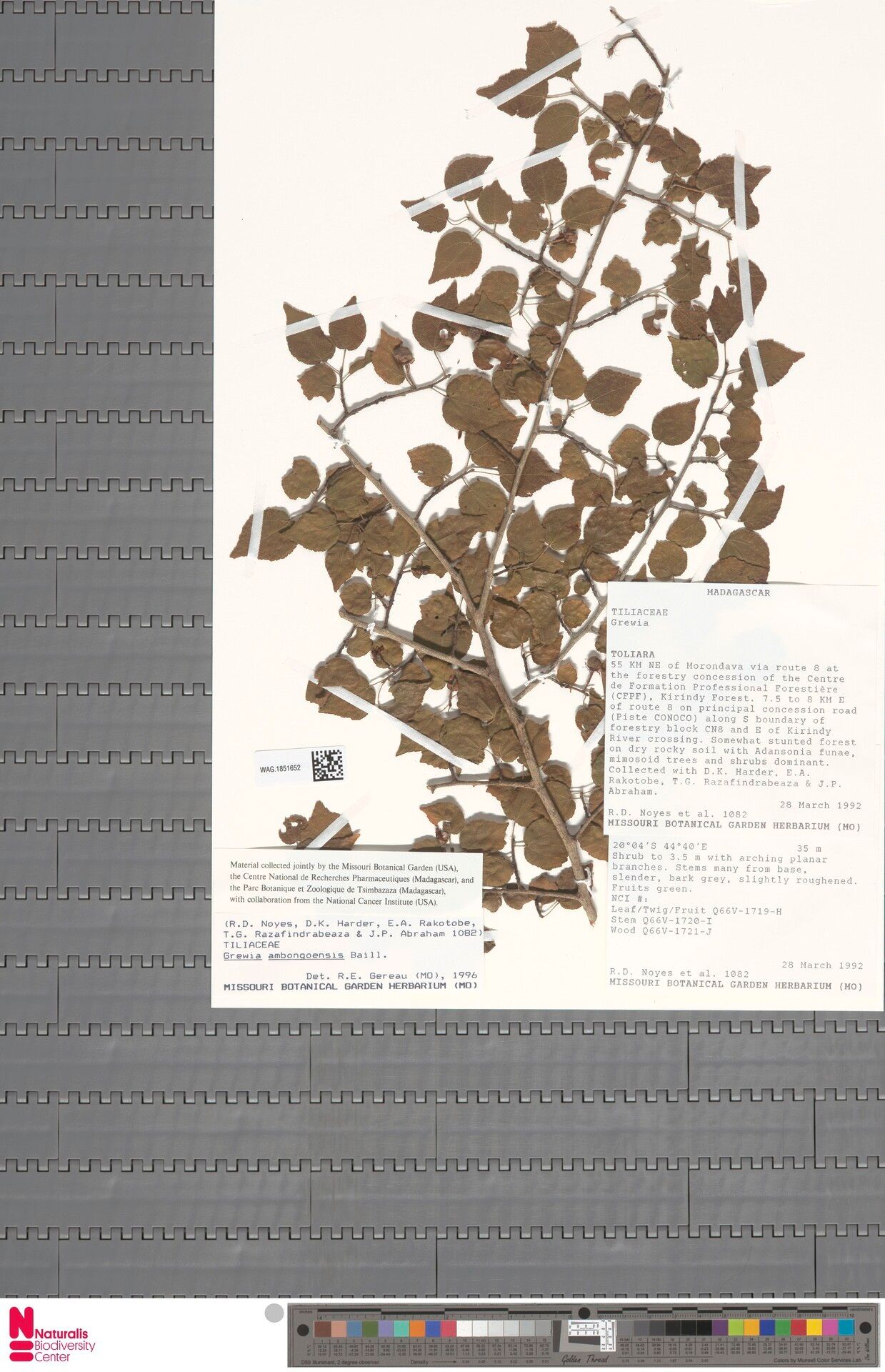
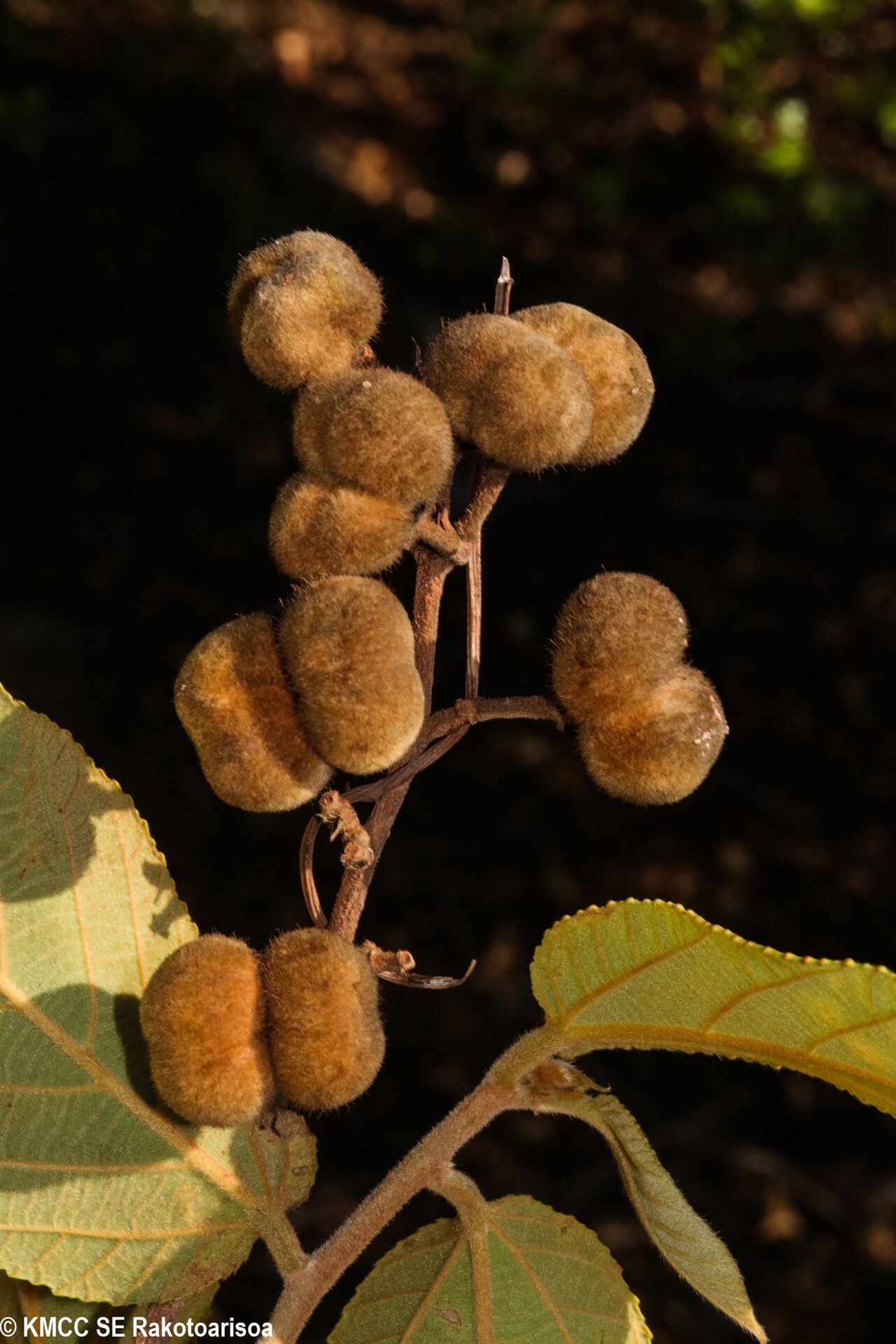
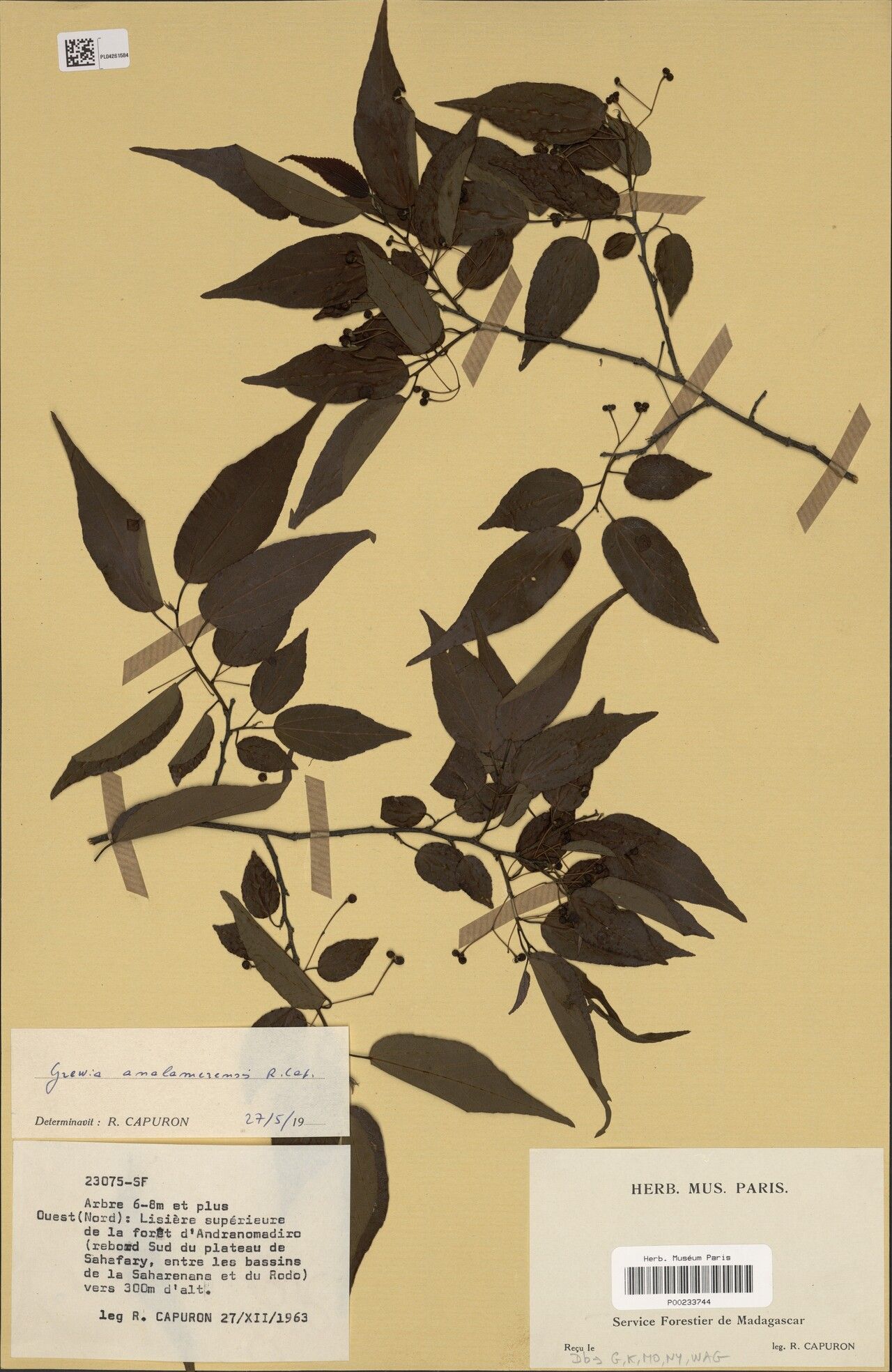
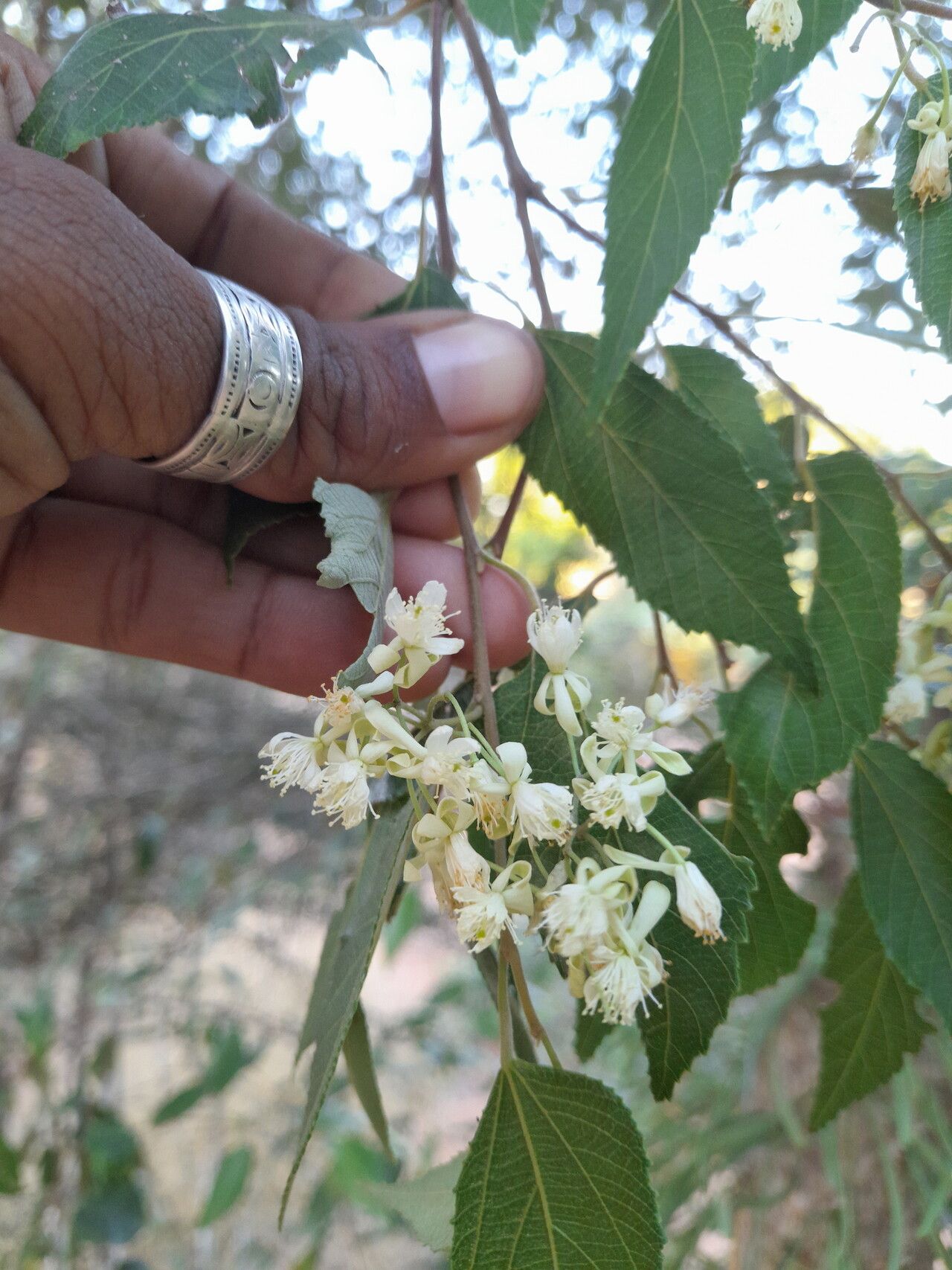
Bilobed grewia has strong resistance to disease and is typically not prone to illnesses. In terms of care, this plant is fairly low-maintenance. When grown outdoors, it needs only light watering, and larger plants usually do not require pruning. Smaller plants, however, should be pruned after they finish blooming. Bilobed grewiat is suitable for anyone with an outdoor area, such as a garden or a deck, and does not demand much prior plant-care experience.
How to keep Grewia Biloba.
Light
Bilobed grewia needs a large amount of light to grow vigorously, though it can also survive in places with moderate light. In its native habitats it is exposed to substantial sunlight. Both too much and too little light can impede healthy development, resulting in damage or stunted growth.
Water
The bilobed grewia thrives in its native environment, which features moderate rainfall and occasional dry spells. Although it is drought-tolerant, it needs watering every three weeks to avoid over-saturation. Outdoor growers should adjust their watering schedule according to natural rainfall patterns, especially for plants directly sown in garden beds.
Temperature
Bilobed grewia occurs naturally in habitats where temperatures range from 41 to 95 °F (5 to 35 ℃). This temperature span is its comfort zone, so it is susceptible to frost. In colder weather, it is advisable to protect bilobed grewia or bring it indoors.
Fertilizer
The timing of fertilizing Bilobed grewia is important. Apply fertilizer in early spring and continue once a month until early summer. Fertilizer encourages attractive blooms and supplies energy during both dormant periods and active growth.
Pruning
The bilobed grewia is distinguished by its unique bilobed leaves and star-shaped flowers. To boost its growth and maintain its shape, prune the plant in early spring. This involves removing dead branches, shaping the plant, and improving air circulation. These steps enhance the plant's vigor and visual appeal, ensuring it remains a thriving and attractive part of your garden.
Botanical profile.
- Plant Type
- Shrub
- Life Cycle
- Perennial
- Genus
- Grewia
- Family
- Malvaceae
- Hardiness Zone
- 5-9
- Mature Height
- 0.91 m to 3.96 m
- Mature Spread
- 1.22 m to 2.44 m
- Leaf Color
- Green, Dark Green
- Leaf Type
- Deciduous
- Flower Color
- White, Yellow
- Flower Size
- 1.52 cm to 2.03 cm
- Bloom Time
- Early summer, Mid summer
- Planting Time
- Spring, Summer
- Harvest Time
- Late summer, Early fall, Mid fall
- Native Area
- Koppen, South Korea, China
Other names.
Reader questions.
What are the sunlight requirements for Bilobed grewia?
Bilobed grewia thrives in environments with high light exposure, which is crucial for its robust growth. It can survive in moderate light conditions but performs best when exposed to abundant sunlight, reflecting its native habitat. The plant benefits from full sun, defined as over 6 hours of sunlight a day, and can also grow under partial sun, which is about 3-6 hours of sunlight a day. It's essential to monitor how sunlight moves through your garden to ensure the plants receive the appropriate balance of light and shade, thus ensuring their well-being.
What is the natural habitat temperature range for bilobed grewia?
Bilobed grewia thrives in environments with temperatures ranging from 41 to 95 °F (5 to 35 °C). This temperature range is considered its comfort zone, where it grows naturally and is most resistant to environmental conditions. However, it is vulnerable to frosty conditions due to this temperature preference, and special care is needed when temperatures drop below or exceed this range.
Why is artificial lighting important for indoor Bilobed grewia plants, and how should it be used?
Artificial lighting becomes vital for indoor Bilobed grewia plants, especially in conditions where natural sunlight is insufficient, such as during winter or in less sunny indoor spaces. It promotes faster, healthier growth by mimicking natural sunlight. LED lights are recommended for their ability to be customized according to the plants' needs. Full sun plants require 30-50W per square foot, partial sun plants 20-30W per square foot, and shade plants 10-20W per square foot of artificial light. The light source should be placed 12-36 inches above the plant to simulate natural sunlight and turned on for 8-12 hours per day to imitate natural daylight hours.
How can bilobed grewia be protected from cold weather and frost?
Bilobed grewia is quite cold-resistant and does not usually require special frost protection. Yet, in areas where winter temperatures are expected to drop below -25°C, measures should be taken to protect the plant. Wrapping the trunk and branches with non-woven fabric or cloth can offer adequate protection. To further protect the plant, it is recommended to water it abundantly before the first freeze in autumn to ensure the soil remains moist and enters a frozen state, which helps in preventing drought and water scarcity during the colder months.
What symptoms indicate that my Bilobed grewia is not getting enough light?
Bilobed grewia shows several symptoms when it doesn't receive sufficient light, including smaller new leaves, leggy or sparse growth, faster leaf drop, slower or stopped growth, lighter-colored new leaves, chlorosis (yellowing leaves due to a lack of chlorophyll), sunscald, leaf curling, wilting, and leaf scorching. These symptoms can indicate the plant is struggling with its current light conditions and may need a change in its environment or additional artificial lighting to thrive.
What should be done if the bilobed grewia experiences temperatures below -25°C?
If the temperature falls below -25°C, bilobed grewia may not show noticeable changes immediately, but come spring, the branches can become brittle and dry, and no new shoots will emerge. To counteract this damage, it is recommended to prune away any dead branches that failed to produce new leaves in the spring. This will help the plant maintain its health and vitality.
How can I address light deficiency in my Bilobed grewia?
To address light deficiency in Bilobed grewia, you can gradually move the plant to a sunnier location each week until it receives at least 6 hours of direct sunlight daily. Placing it by a south-facing window and keeping curtains open during the day can maximize sunlight exposure. For large or immobile plants, consider using artificial light by keeping a desk or ceiling lamp on for at least 8 hours daily or invest in professional plant grow lights. If your plant is outdoors, ensure it's gradually adapted to increase sunlight exposure without sudden changes that might cause sunburn. Minimizing obstructions, such as pruning trees, or transplanting the plant to a sunnier location can also help. However, note that parts of the plant already affected by insufficient light might not recover, but new, healthy growth can be promoted with better light exposure.
How does high temperature affect bilobed grewia and what are the solutions?
During high temperatures, particularly above 35°C and especially when it exceeds 38°C, bilobed grewia can suffer from lighter leaf colors, dry and withered leaf tips, and is more susceptible to sunburn. To mitigate these issues, it is recommended to trim away the sunburned and dried-up parts of the plant. Moving the plant to a shaded location or using a shade cloth can protect it from the harsh midday and afternoon sun. Keeping the soil moist by watering the plant during the cooler times of the morning and evening can also help alleviate stress from high temperatures.