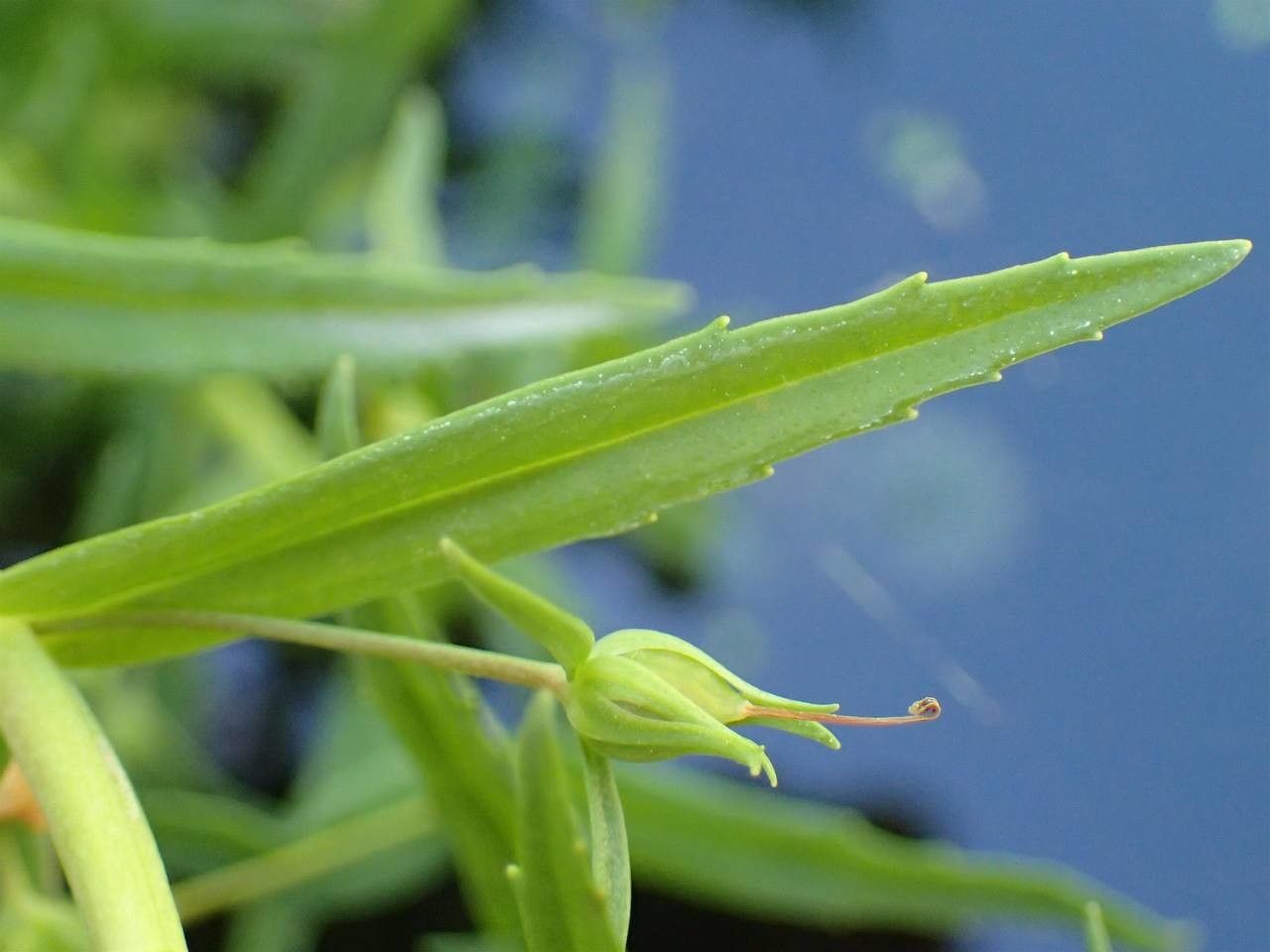
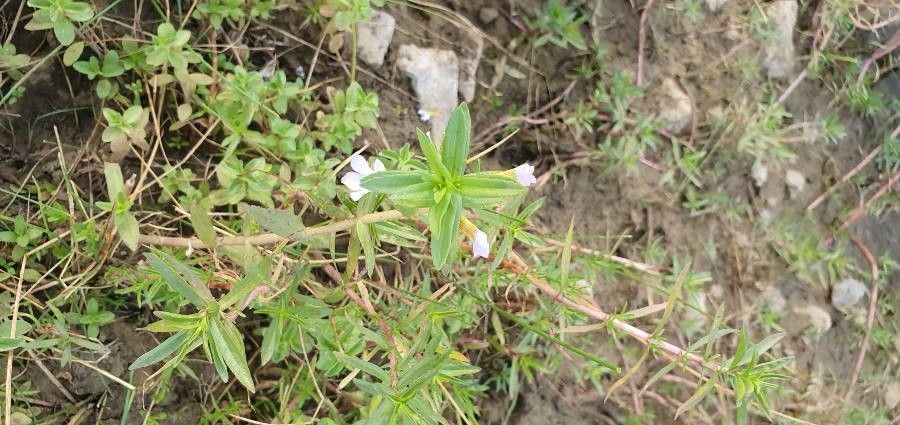
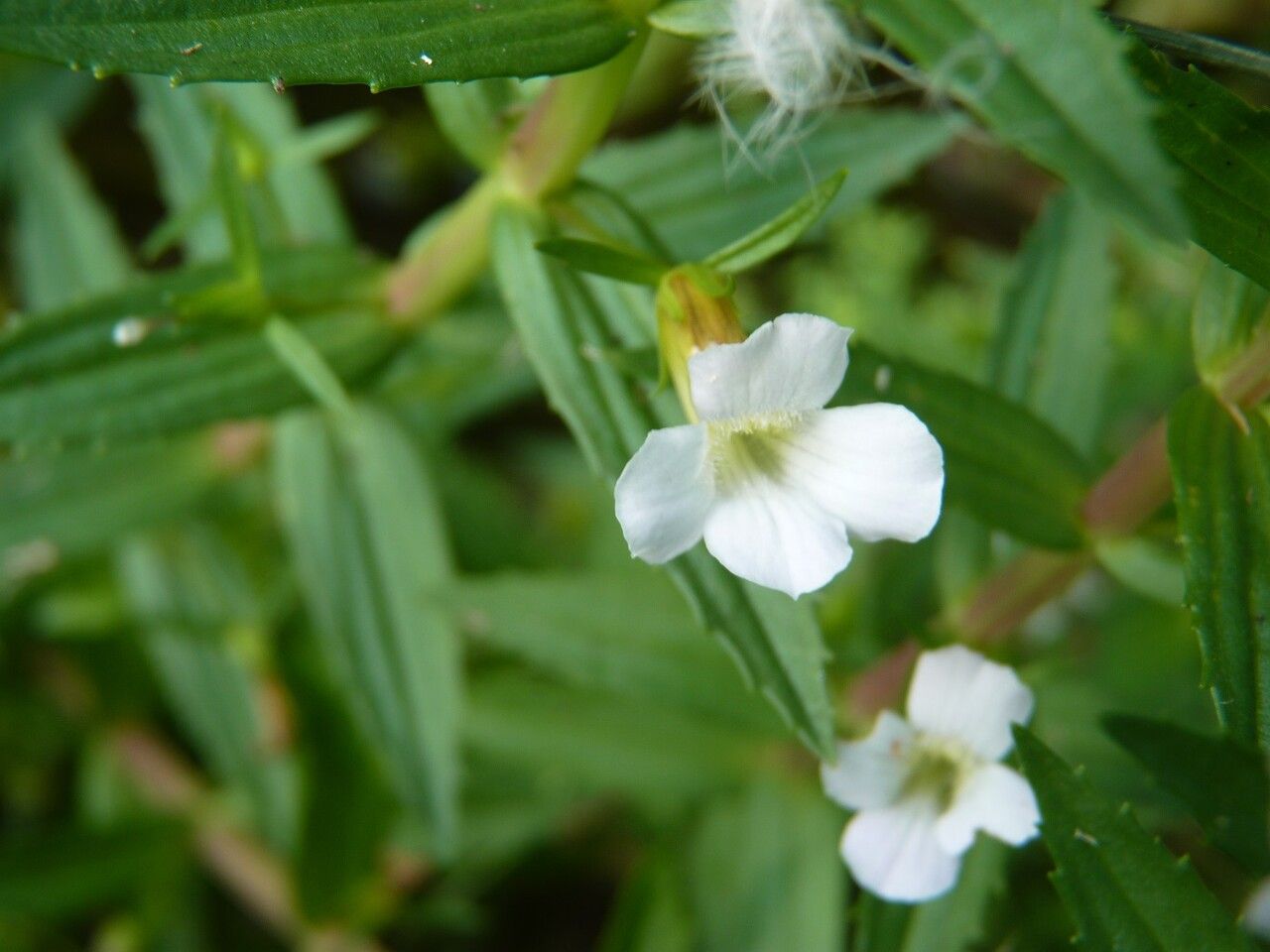
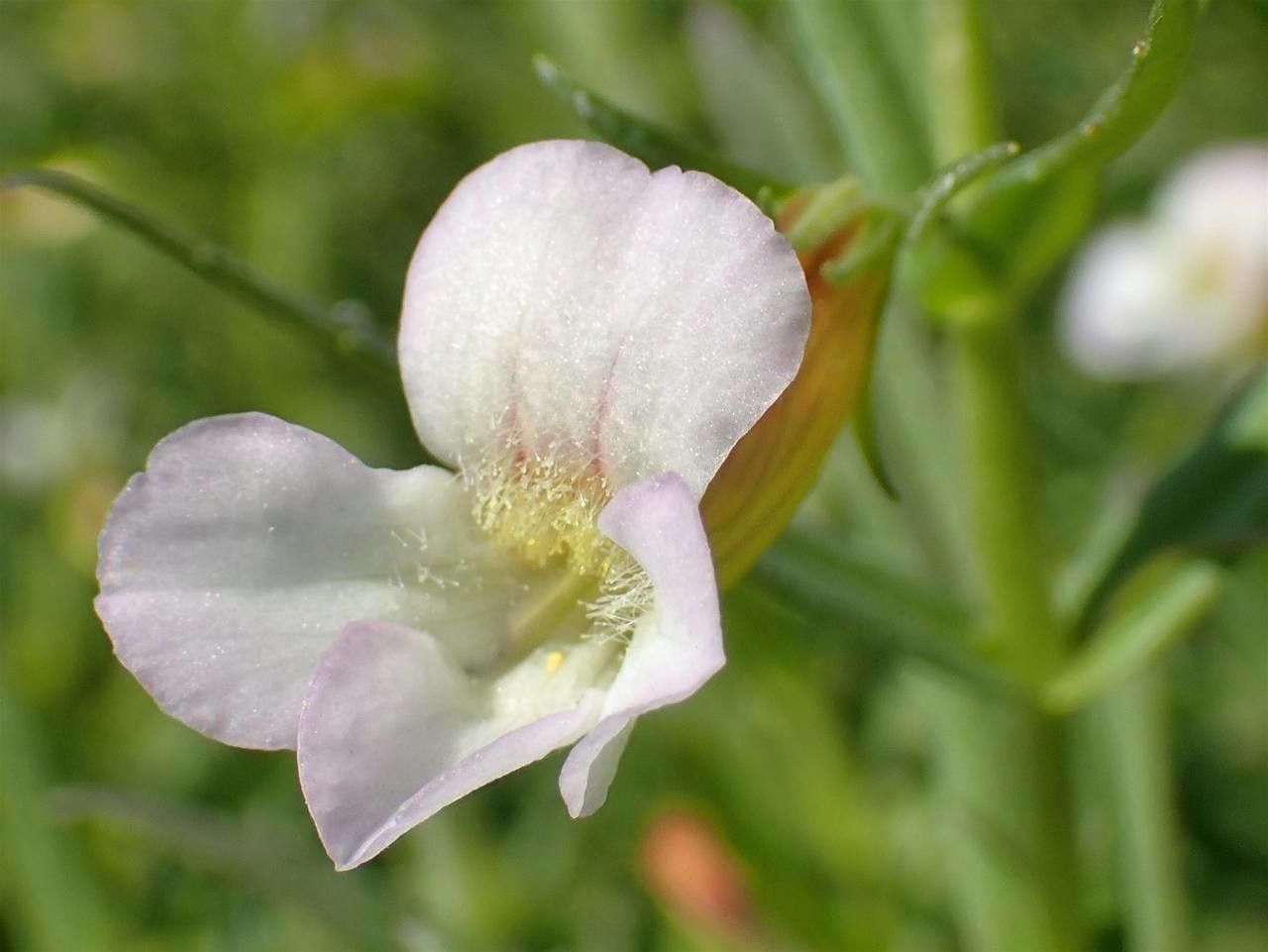
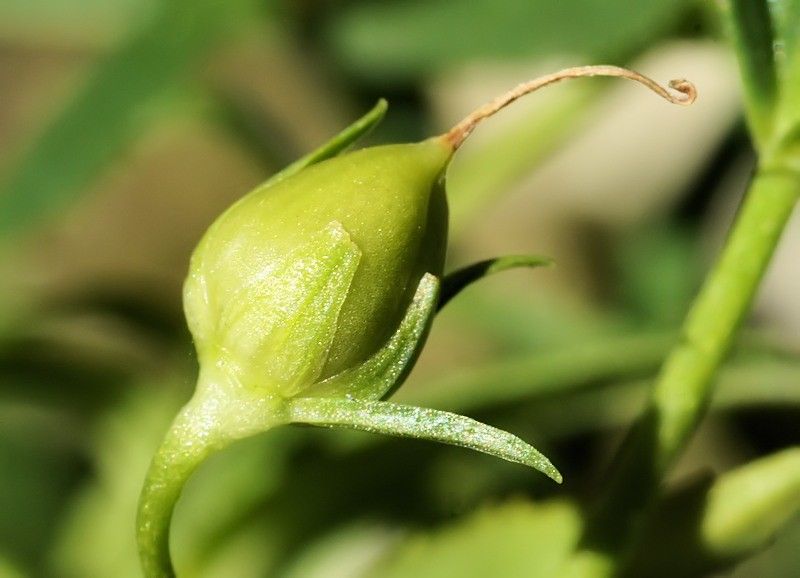
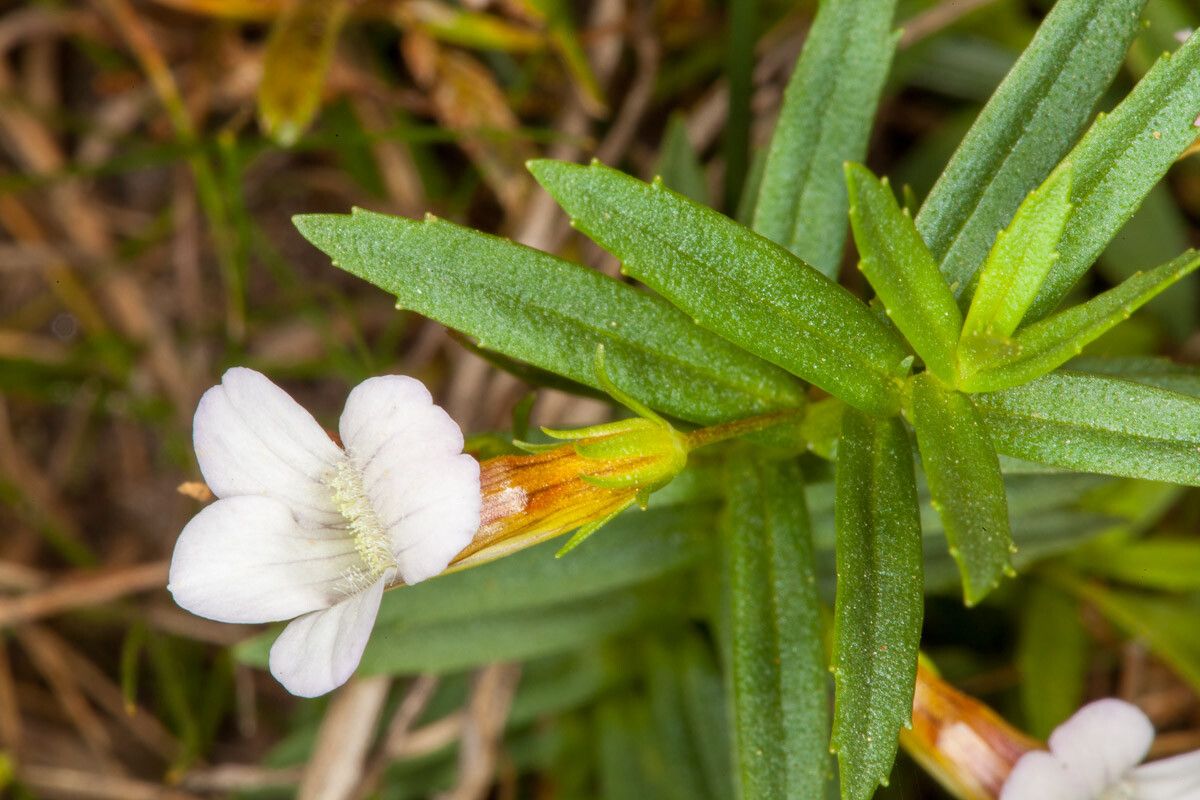
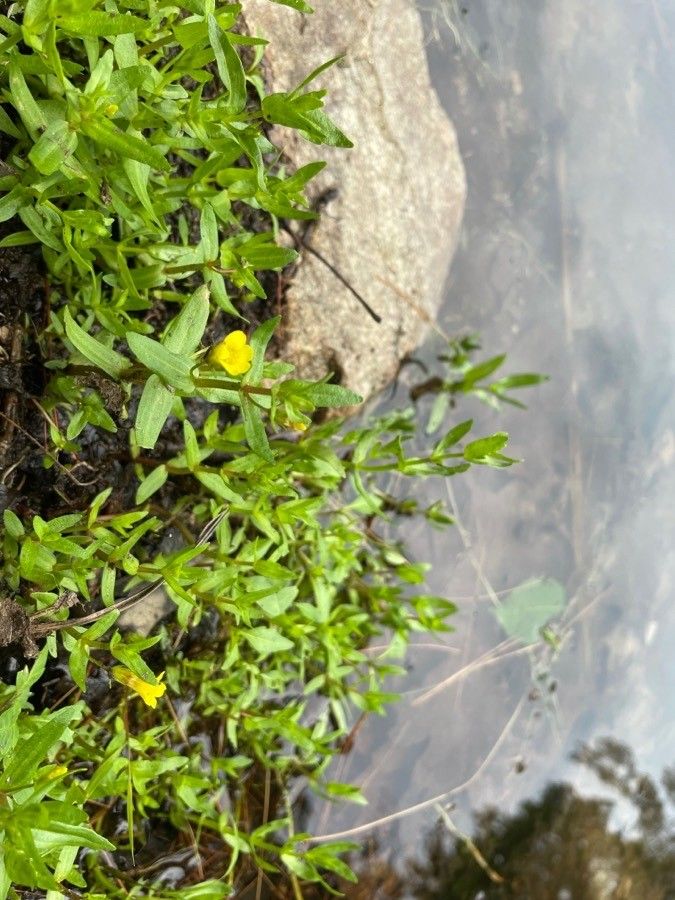
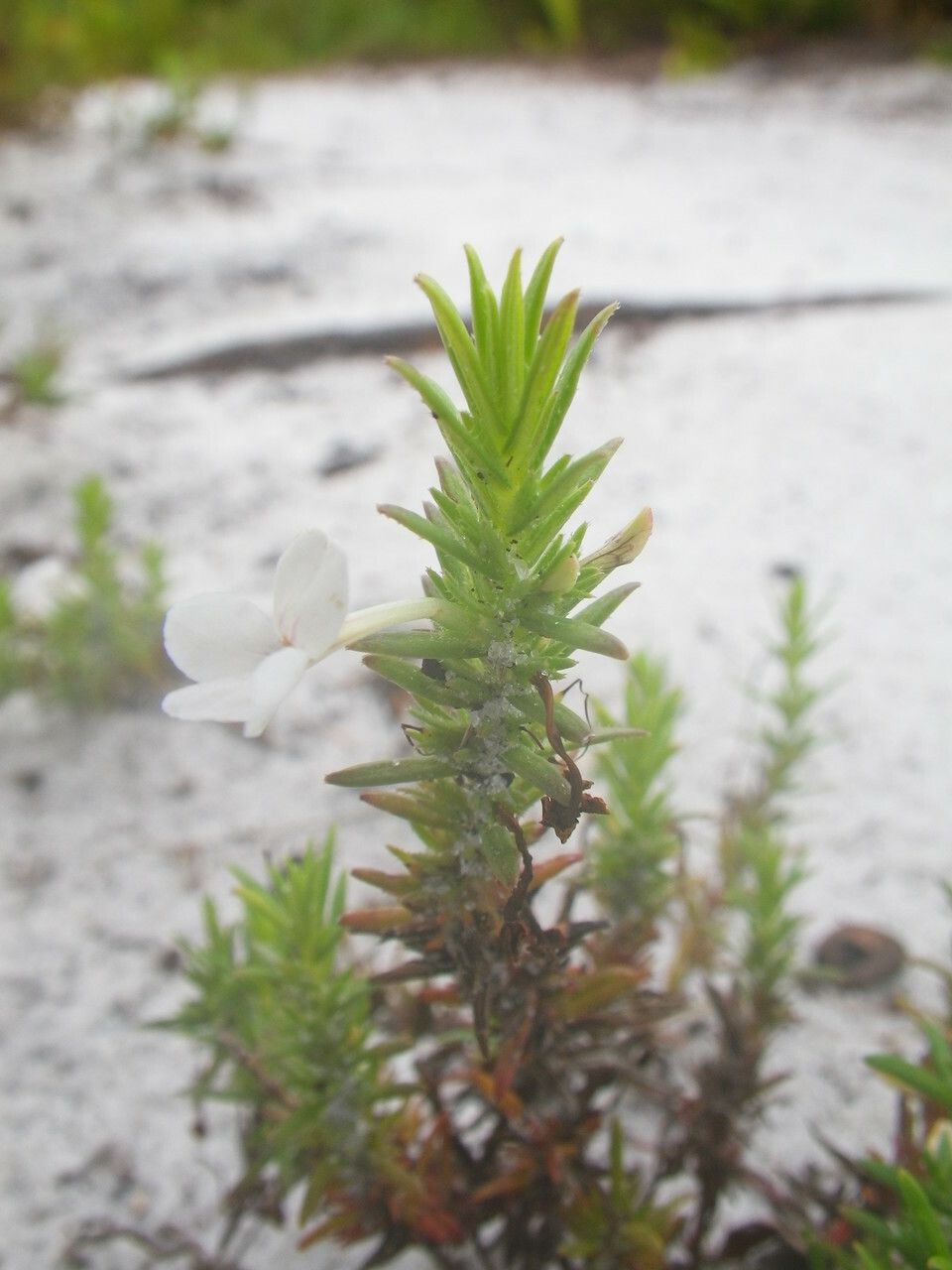
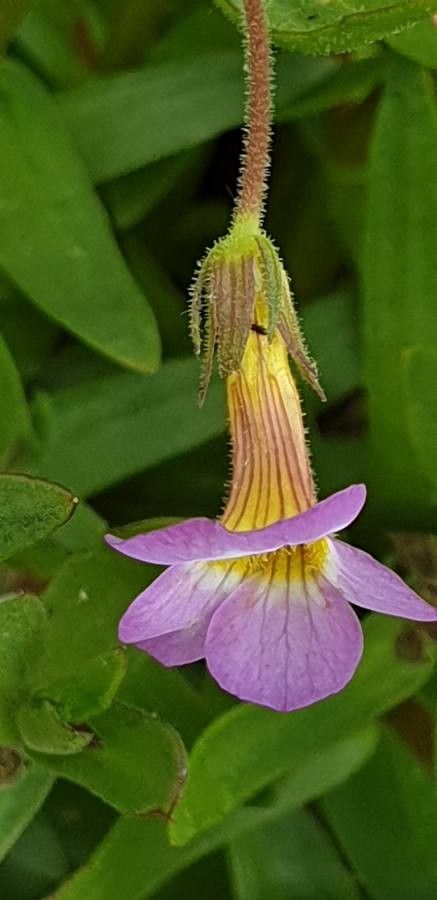
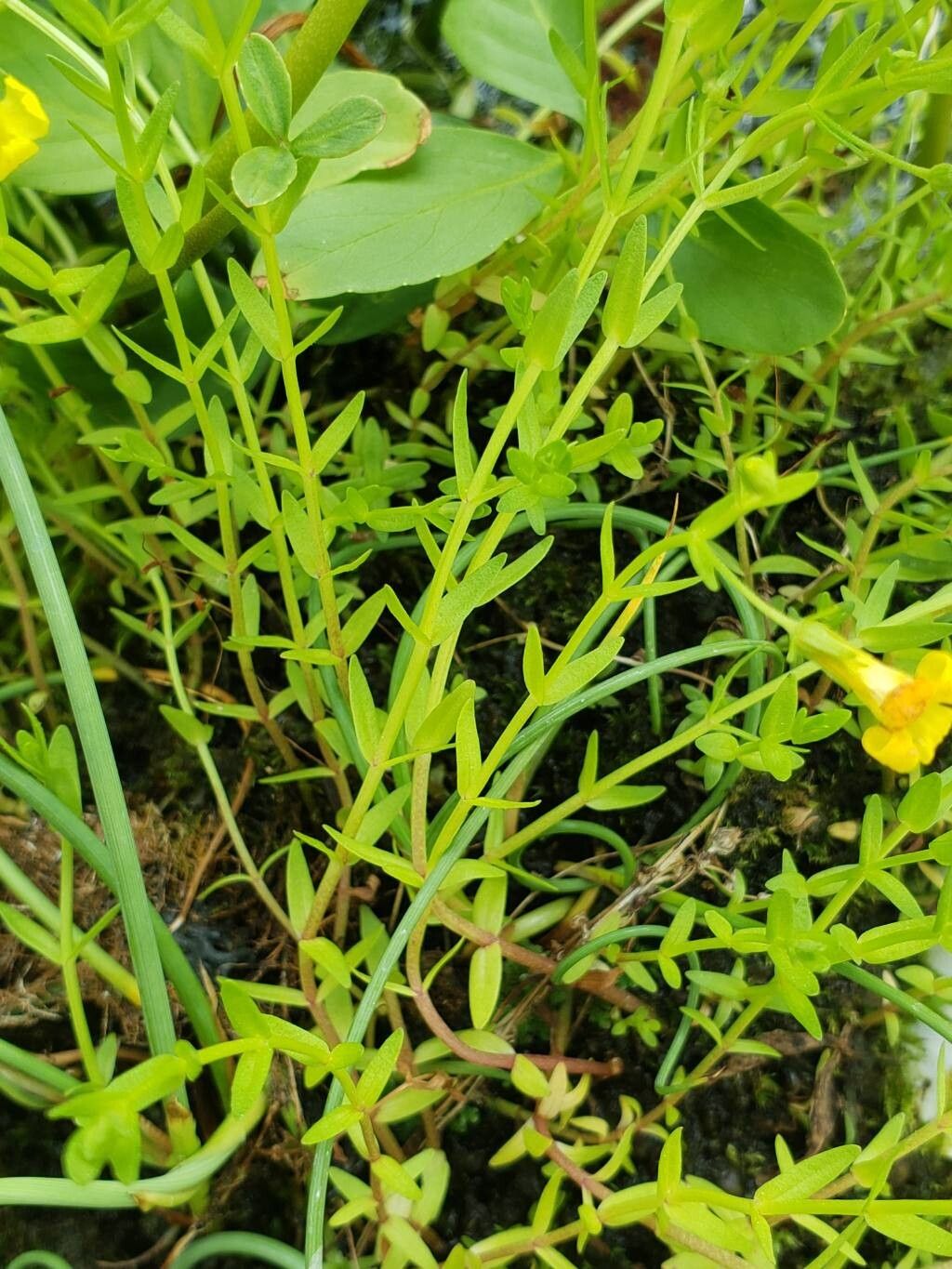
Gratiola officinalis, commonly known as Hedge Hyssop or Common Hedgehyssop, is a perennial herbaceous plant that belongs to the Plantaginaceae family. It is native to Europe and Asia, often found growing in wetlands, marshes, and along riverbanks. This plant features a slender stem that can reach up to 30 cm in height, with opposite leaves that are lance-shaped and toothed at the edges. Its small flowers, which bloom from June to September, have five petals that are either pale blue or white. Gratiola officinalis has been used for medicinal purposes for centuries due to its anti-inflammatory properties. Traditionally, it was used to treat liver disorders, jaundice, fever, rheumatism, and skin diseases. The plant contains several active compounds such as iridoids (gratioside), flavonoids (quercetin), and alkaloids (gratiamine), which contribute to its medicinal properties. However, it is important to note that Gratiola officinalis contains toxic compounds, such as glycosides, which can cause vomiting if ingested in large quantities. Overall, Gratiola officinalis is a fascinating herbaceous plant with notable medicinal benefits, yet it also has potential toxicity. Therefore, it should only be used under medical supervision.
Hedge hyssop shows strong disease resistance and is generally not likely to develop illnesses. Still, it can be vulnerable to pests and diseases present in its surroundings. Such infections are generally not serious. Regarding care, this plant needs moderate maintenance. It should be pruned regularly to keep a good appearance and encourage healthy growth. Fertilizing can also help stimulate flowering. Hedge hyssop is appropriate for someone with outdoor space, like a garden or patio, and does not demand extensive experience in plant care. It may need more attention when kept indoors.
How to keep Gratiola Officinalis.
Light
Hedge hyssop thrives in locations that receive plentiful sunlight each day. Prolonged exposure to sunlight strongly supports its growth. When placed in areas with less sun, it can still grow healthily. Too much or too little sunlight can affect its overall health and development.
Water
Hedge hyssop grows best in consistently moist conditions and needs regular watering, ideally once a week. Although it can endure brief periods of dryness, it thrives in damp soil. For optimal growth, it requires a combination of sufficient water and sunlight, especially during the growing season.
Temperature
Hedge hyssop is native to habitats where temperatures lie between 41 and 95 °F (5 to 35 ℃). It favors that temperature range, though some cold tolerance may be necessary in winter for optimal growth.
Fertilizer
The best time to fertilize Hedge hyssop is in early spring, as it comes out of dormancy and starts active growth. Fertilizing supplies essential nutrients for healthy development. Although Hedge hyssop has fairly low fertilizer requirements, applying fertilizer annually can improve its survival and encourage better, longer-lasting blooms.
Pruning
Hedge hyssop plants have upright stems and small flowers. They thrive when lightly pruned from early to late spring. This light pruning helps improve air circulation and reduces the risk of disease. It's important to avoid heavy pruning, as it can stress the plants. Instead, regular trimming will help maintain their vigor and increase bloom production. For the best pruning techniques, consult horticultural resources.
Pot & Repot
When repotting Hedge hyssop, select a pot 1-2 inches (2.5–5.1 cm) larger with good drainage. Use a well-draining potting mix. Repot in spring or fall, placing the root ball slightly below the rim of the pot. Water thoroughly after repotting and set it in a warm spot with indirect sunlight.
Botanical profile.
- Plant Type
- Herb
- Life Cycle
- Perennial
- Genus
- Gratiola
- Family
- Plantaginaceae
- Hardiness Zone
- 5-9
- Mature Height
- 40 cm
- Mature Spread
- 30 cm
- Leaf Color
- Green, Gray
- Leaf Type
- Deciduous
- Flower Color
- White
- Flower Size
- 1.02 cm to 1.78 cm
- Bloom Time
- Late spring, Early summer, Mid summer
- Planting Time
- Spring, Summer, Autumn
- Harvest Time
- Late summer, Early fall, Mid fall
- Native Area
- Turkey, Austria, Slovakia, Slovenia, Morocco, Croatia, Belarus, Uzbekistan, Russia, Germany, Estonia, Romania, Latvia, Belgium, Portugal, Netherlands, France, Tajikistan, Czech Republic, Bulgaria, Poland, Greece, Ukraine, Serbia, China, Lithuania, Italy, Kazakhstan, Spain, Switzerland, Iran, Albania, Hungary
Other names.
Reader questions.
How should I water my Hedge hyssop plant?
To properly water the Hedge hyssop plant, it's recommended to use filtered water at room temperature. Tap water may contain harmful particles that can affect the plant's health. It's important to use water that is at room temperature or slightly warmer because the Hedge hyssop is accustomed to a warm environment and cold water might shock its system. Avoid using overhead watering as it can lead to issues with the foliage. Instead, water the plant by applying filtered, room temperature water directly to the soil until it is completely soaked. This method benefits the plant by keeping the roots moist and aiding in their spread and nutrient absorption in the soil.
Why should I put fertilizer on my Hedge hyssop?
Fertilization is important for the Hedge hyssop for a few reasons. Firstly, it provides essential nutrients that help the plant grow both above and below ground. However, the Hedge hyssop actually has relatively low fertilization needs overall. While it can survive without fertilization, annual fertilization can greatly benefit the plant. This can help keep it alive and even improve the quality and longevity of its flowers. Therefore, those wanting their Hedge hyssop to look its best should make sure to fertilize it every year.
What are the sunlight requirements for Hedge hyssop?
Hedge hyssop, or Gratiola officinalis, flourishes best in environments that receive ample daily sunlight. It requires above 6 hours of sunlight for full sun conditions and about 3 to 6 hours for partial sun conditions. It's crucial to observe how sunlight moves through your garden to find spots that offer a balance of light and shade, ensuring your plants thrive. Even if Hedge hyssop is placed in lesser sunlight, it can still grow healthily, but both excessive and insufficient sunlight may affect its health and growth.
What is the native temperature range for Hedge hyssop?
Hedge hyssop, scientifically known as Gratiola officinalis, thrives in environments where temperatures range from 41 to 95 °F (5 to 35 °C). This temperature range is preferred for its growth, though it possesses strong cold resistance that helps it endure the colder months without the need for special frost protection measures.
What do I need to do if I give my Hedge hyssop too much or too little water?
Overwatering is a common issue for Hedge hyssop and can cause wilting, yellowing leaves, and various diseases like root rot. Underwatering is less common but can lead to brittle, brown leaves. It's important to recognize signs of overwatering early to prevent irreversible damage. Reduce watering if you notice these signs and consider using well-draining soil. If your Hedge hyssop is not getting enough water, simply increase the frequency of watering until the symptoms improve.
When should I fertilize my Hedge hyssop for the best results?
The best time to fertilize a Hedge hyssop is in the late winter to early spring when the plant is transitioning from dormancy to active growth. Fertilizing during this time promotes healthy growth and helps the plant start the season strong. While early spring is usually the most beneficial time for fertilization, it is also possible to fertilize in the fall. However, it is not recommended to feed the Hedge hyssop during the summer or winter seasons.
What artificial lighting requirements do indoor Hedge hyssop plants have?
For Hedge hyssop plants grown indoors, adequate lighting is essential, especially when natural sunlight is insufficient. Artificial lights, such as LED lights, offer an excellent solution by providing the necessary wavelengths of light. Full sun plants need 30-50W/sq ft, partial sun plants need 20-30W/sq ft, and full shade plants need 10-20W/sq ft of artificial light. The light source should be placed 12-36 inches above the plant to mimic natural sunlight, with a duration of 8-12 hours of light per day to promote healthy growth.
How do you protect Hedge hyssop during extremely cold winters?
In cases where winter temperatures are expected to plummet below -25°C, it is crucial to provide cold protection for Hedge hyssop to preserve its vitality. Protection can be provided by covering the plant with insulating materials like soil or straw. Additionally, it's recommended to water the plant abundantly before the first freeze in autumn to ensure the soil remains moist and freezes; this technique helps prevent drought and water scarcity during the winter and early spring seasons.
How much should I water my Hedge hyssop?
If your Hedge hyssop is in a pot, you can determine if it needs water by putting your finger in the soil. If the top few inches are dry, it's time to water. If it's planted in the ground, use the same method. When the top few inches of soil are dry, it's time to water. In spring and early fall, watering once a week is usually enough. During hot weather, you may need to water twice a week or more. However, mature Hedge hyssop is resilient and can tolerate drought.
When is it not a good time to fertilize my Hedge hyssop?
To properly care for your Hedge hyssop, there are specific times when you should fertilize it. The best time for fertilization is during late winter and early spring, as this plant has low fertilization needs and a single feeding during this time is sufficient. It's important to avoid fertilizing this plant throughout spring, summer, and fall to prevent overfertilization and its related complications. However, if you happened to skip fertilizing in spring, it is acceptable to fertilize the Hedge hyssop during fall. Another point to note is that there is no need to fertilize this plant during the winter, as it is in a dormant growth phase and doesn't produce new growth. Therefore, it is not recommended to fertilize the Hedge hyssop during most of the winter.
What are the symptoms of improper lighting for Hedge hyssop?
Symptoms of improper lighting in Hedge hyssop include small leaves, leggy or sparse growth, faster leaf drop, slower or no new growth, and lighter-colored new leaves due to insufficient sunlight. Conversely, excessive sunlight can cause chlorosis, sunscald, leaf curling, wilting, and leaf scorching. These symptoms either indicate a lack of chlorophyll and essential nutrients due to poor light or damage from intense sunlight exposure.
What should be done if Hedge hyssop experiences temperatures below -20°C?
Hedge hyssop exhibits a remarkable tolerance to cold, performing best when temperatures are maintained above 5°C. However, if winter temperatures drop below -20°C, and especially if they fall beneath -25°C, the plant may not display immediate distress, but a decreased ability to sprout or complete lack of sprouting can be expected in spring. To mitigate this, any parts of the plant that fail to sprout in spring should be removed to encourage new growth and vitality.