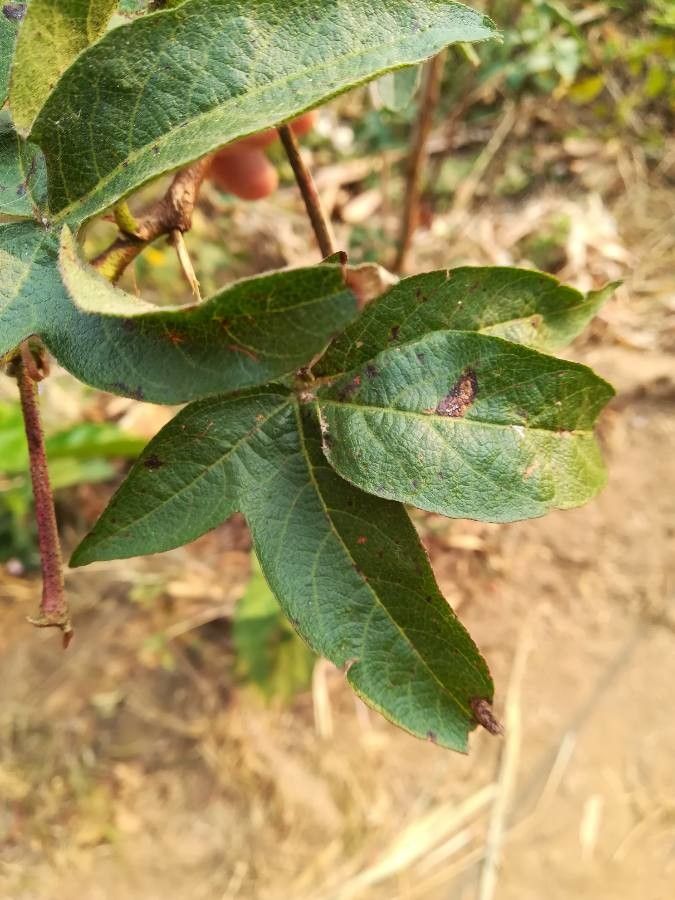
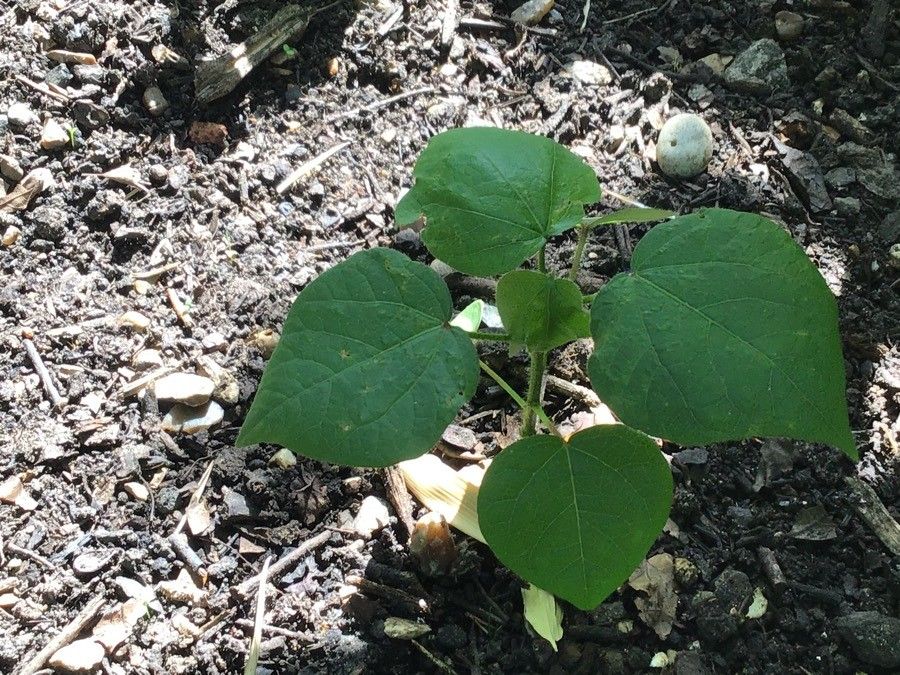
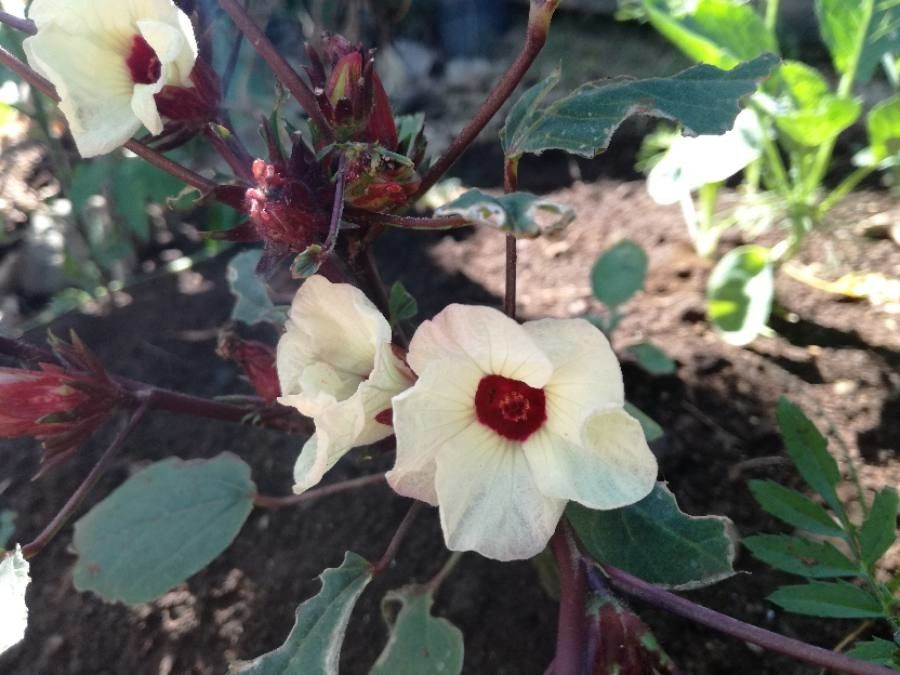
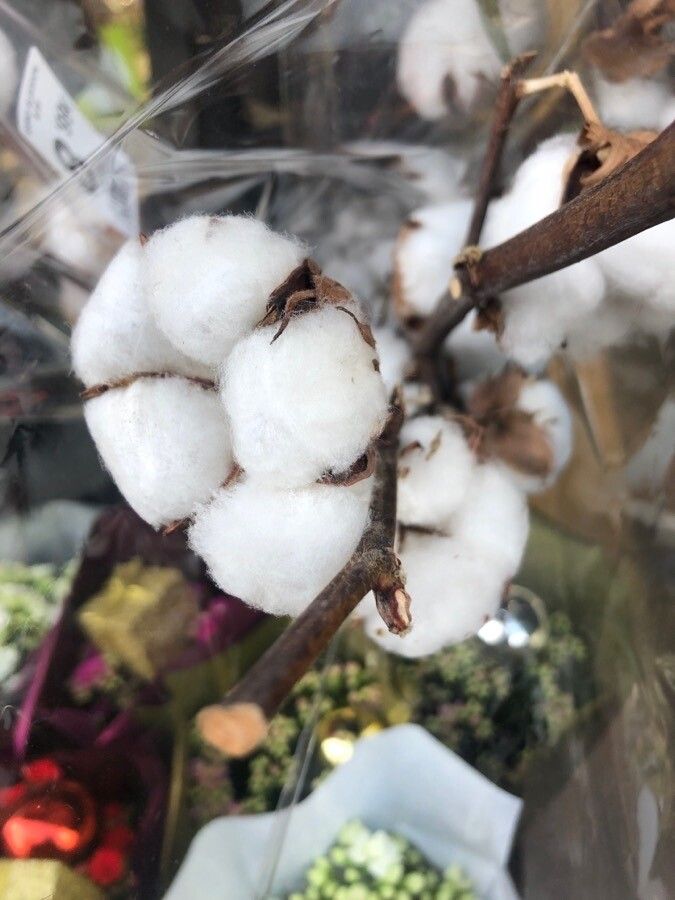
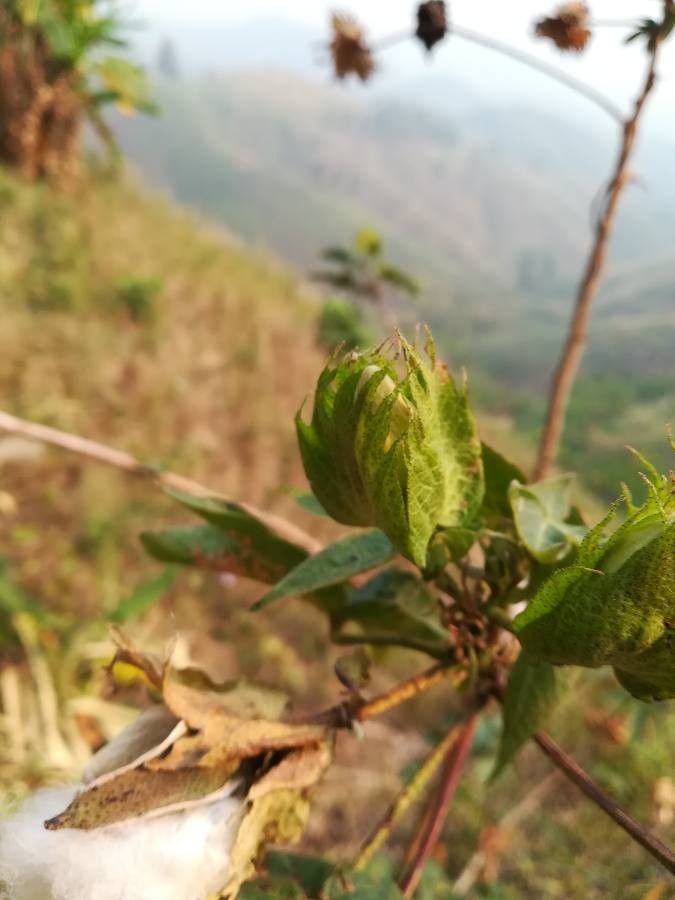
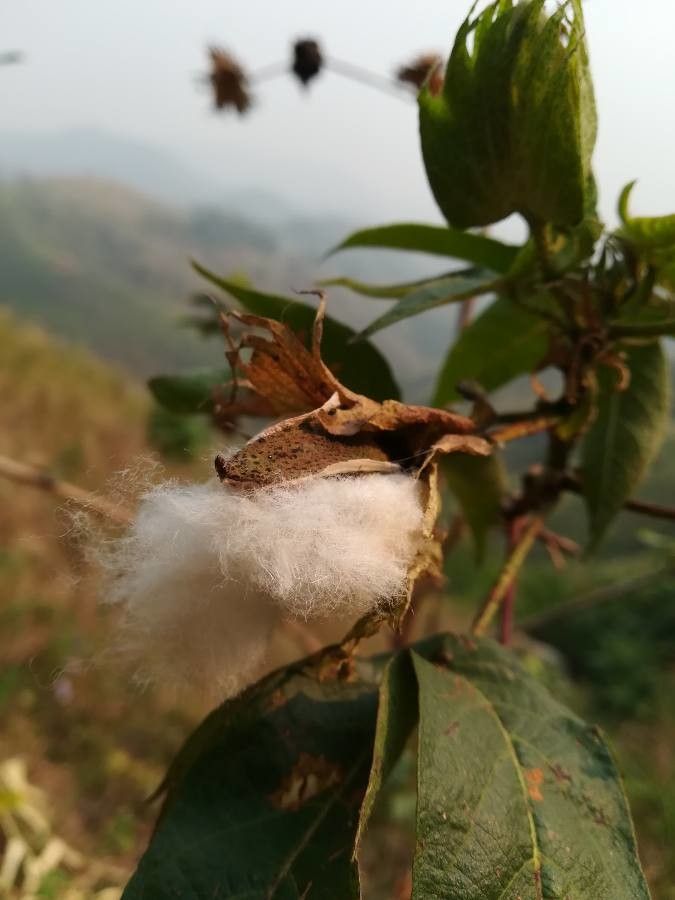
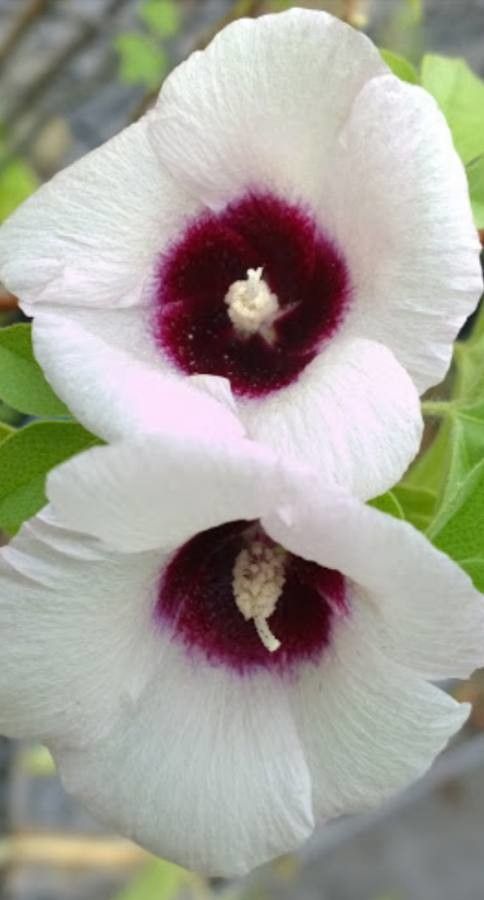
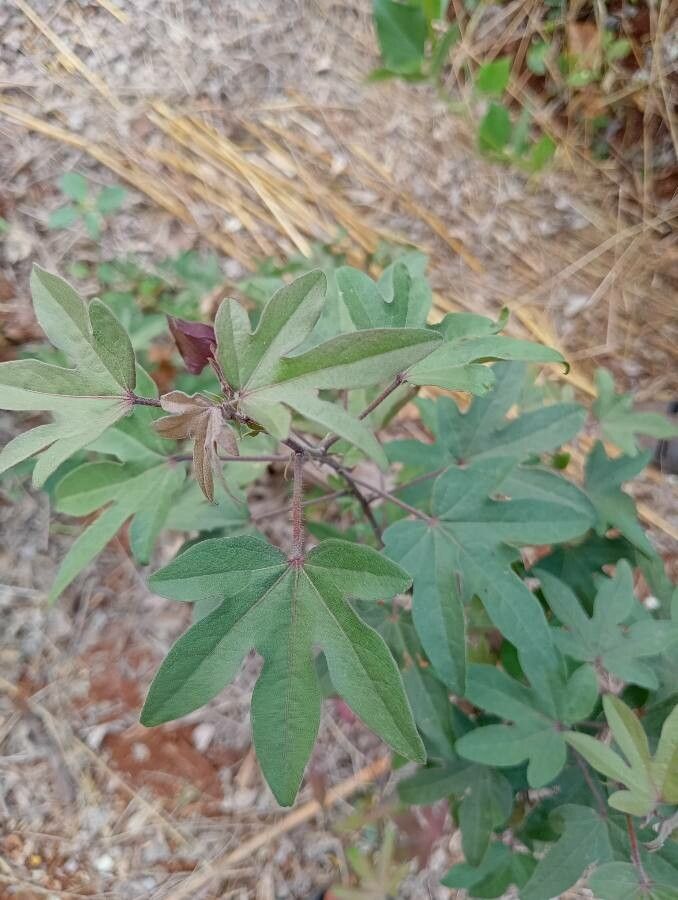
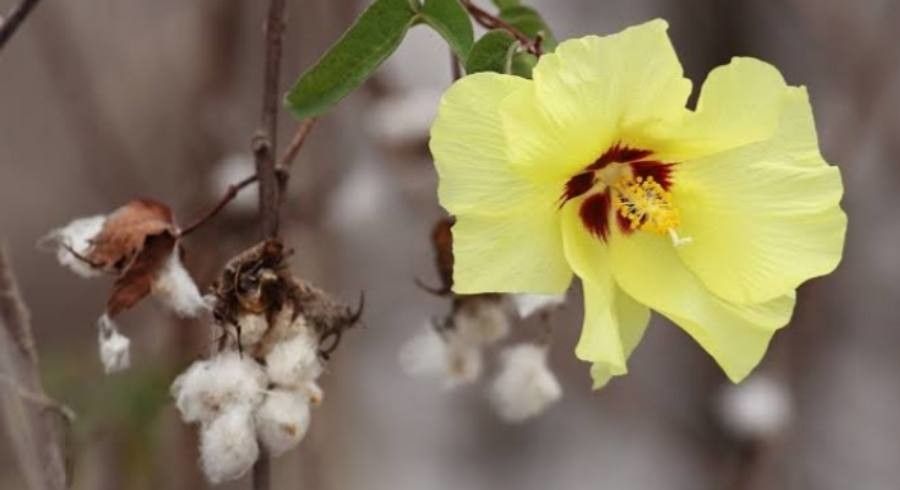
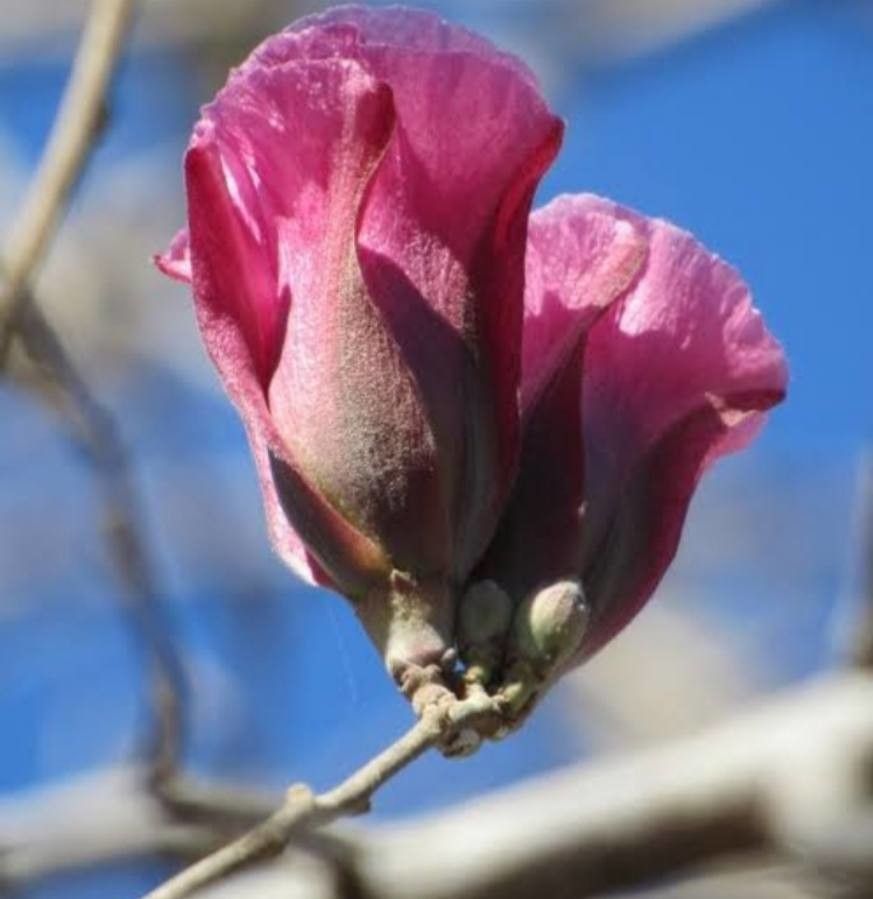
Gossypium herbaceum, commonly known as Levant cotton or Indian cotton, is a species of flowering plant in the Malvaceae family. Native to the Indian subcontinent, this plant has been cultivated for thousands of years for its soft, fluffy fibers used in textile production. The plant can grow up to 2 meters tall and features large leaves with three to five lobes. Its flowers, which are yellow or pink with a purple center, produce a fruit called a boll that contains the cotton fibers.
Gossypium herbaceum is a significant crop in many countries, including India, Pakistan, Egypt, and Sudan. It thrives in warm temperatures and requires plenty of water for successful growth but can be susceptible to pests like bollworms and aphids. Despite its long history of cultivation, Gossypium herbaceum faces challenges such as competition from synthetic fibers and environmental concerns related to pesticide use in some growing regions.
Levant cotton has good resistance to disease and is generally unlikely to develop diseases. However, it can be vulnerable to pests and diseases present in its surroundings. These infections are usually not severe. For care, the plant needs moderate maintenance. It should be pruned regularly to preserve a neat appearance and support healthy growth. Fertilizing can also help encourage flowering. Levant cotton is appropriate for anyone with outdoor space, such as a garden or patio, and does not require extensive care experience. It may need more attention when grown indoors.
How to keep Gossypium Herbaceum.
Light
Levant cotton thrives with plentiful sunlight and displays a notable tolerance for partly shaded conditions. It originated in regions marked by strong sun exposure. Excessive or insufficient light can weaken its health and stunt its growth.
Water
Levant cotton thrives in arid conditions due to its strong drought tolerance and minimal water requirements, needing only weekly watering. It prefers well-drained soil and can tolerate dry conditions well. As an evergreen outdoor plant, it also benefits from occasional rain showers for natural irrigation.
Humidity
This plant will thrive in moderate humidity, which is probably the level in your home. However, misting it a few times a week can be very beneficial. Make sure the room has good ventilation.
Temperature
Levant cotton is commonly cultivated in temperate regions and performs best at temperatures from 68 to 100.4°F (20 to 38℃). Seasonal temperature modifications may be required to reproduce its native climate.
Fertilizer
For best growth, Levant cotton needs three fertilizer applications: before planting, about one month after seedlings emerge, and a final application 1 to 1.5 months after the second. Some Levant cotton varieties also benefit from an extra dose of fertilizer at planting to promote rapid growth.
Botanical profile.
- Plant Type
- Herb
- Life Cycle
- Perennial, Annual
- Genus
- Gossypium
- Family
- Malvaceae
- Hardiness Zone
- 9-12
- Mature Height
- 0.61 m to 1.83 m
- Mature Spread
- 0.91 m to 1.83 m
- Leaf Color
- Green, Red
- Leaf Type
- Deciduous
- Flower Color
- Yellow, White
- Flower Size
- 5.08 cm to 6.35 cm
- Bloom Time
- Summer, Early fall, Mid fall
- Planting Time
- Spring
- Harvest Time
- Late summer, Fall, Early winter
Other names.
Reader questions.
How should I water my Levant cotton plant?
To properly water Levant cotton, use filtered water at room temperature. Tap water can have harmful particles, so filtered water is preferred. The plant prefers warm water since it comes from a warm environment, and cold water could be a shock. Avoid spraying water overhead to the plant as it can lead to problems with the leaves. Instead, saturate the soil with filtered room temperature water until it is completely soaked. This method is beneficial as it provides moisture to the roots and aids in nutrient absorption.
Why do I have to put fertilizer on my Levant cotton plants?
Some plants can obtain all the necessary nutrients for growth without fertilizers, but Levant cotton requires fertilization to maximize its yield. Like other plants, Levant cotton utilizes nutrients to support growth and various internal processes that lead to the production of seeds or grains. Nutrients are crucial for plant growth, blooming, photosynthesis, and the ultimate formation of seeds or fruits. When nutrients are lacking, Levant cotton may experience reduced tillering, smaller seed size, and lower protein content in the final product.
What are the sunlight requirements for Levant cotton?
Levant cotton thrives best under full sun conditions, requiring more than 6 hours of sunlight daily to flourish. It can also tolerate partial sun, which amounts to about 3-6 hours of sunlight. It’s important to observe how sunlight moves through your garden to ensure that your Levant cotton gets the perfect balance of light and shade, guaranteeing optimal growth and health.
What are the ideal growing temperatures for Levant cotton?
Levant cotton, or Gossypium herbaceum, thrives best in temperate environments, particularly in temperatures ranging from 68 to 100.4°F (20 to 38°C). To mimic its native climate, seasonal temperature adjustments might be necessary. This plant loves heat, and exposure to colder conditions can be harmful. During the cooler autumn months, it's recommended to bring Levant cotton plants grown outdoors inside and place them near a bright window, ensuring they are not too close to heaters. Keeping the temperature above 20°C during winter helps the plant grow effectively. Any exposure to temperatures close to 0°C could damage the plant.
What should I do if I give my Levant cotton too much water or not enough water?
Overwatering poses a greater risk to the health of Levant cotton compared to underwatering. Excess water can cause wilting, yellowing, and diseases like root rot, mold, and mildew, which can kill the plant over time. Levant cotton is fairly resistant to drought and underwatering is less common. However, if underwatering occurs, the leaves may become brittle and brown. It is important to promptly identify and address signs of overwatering to prevent irreversible damage. Reduce watering immediately at the first signs and check if the soil drains properly. Replace poorly draining soil with a loose, well-draining potting mix. In case of underwatering, simply water more regularly until the signs improve.
When should I fertilize my Levant cotton for the best results?
Levant cotton is typically fertilized in the spring, with three major treatments throughout the growing season. The first treatment is done before planting the seeds, followed by a second treatment about a month after the seedlings emerge, and a final treatment about 1 to 1.5 months after the second one. Additionally, certain types of Levant cotton benefit from a fertilizer boost at the time of planting. Nutrients are important for all stages of growth, especially for Levant cotton varieties with a shorter growth cycle of around a month, as they need enough nutrients to reach their full size quickly.
How does Levant cotton react to different lighting conditions?
Levant cotton, having originated in regions with abundant sunlight, shows a great appreciation for full sun exposure, though it can also adapt to semi-lit conditions. Its growth and vitality could be negatively impacted by both overexposure and insufficient sunlight. When natural sunlight is lacking, especially during winter or in less sunny spaces, artificial lighting can be a crucial support for indoor plants. LEDs, offering a range of wavelengths suitable for plant growth, are recommended. The intensity and duration of artificial light should mimic natural conditions as closely as possible, ensuring the plant receives adequate light for healthy growth.
How does low temperature affect Levant cotton, and what are the solutions?
Levant cotton is sensitive to low temperatures and thrives when the weather is warmer than 20°C. It should always be kept in conditions above 0°C during winter to avoid damage. When temperatures drop below -5°C, the plant's leaves might start to lighten in color. Frost damage can cause the leaves to gradually turn brown or black and lead to wilting and drooping. To mitigate frost damage, trim off the affected parts and immediately move the plant to a warmer, indoor setting. Placement near a south-facing window is ideal to ensure it gets plenty of sunlight while avoiding direct placement near heaters or air conditioning vents, which can cause the air to become too dry.
How frequently should I water my Levant cotton plant?
If your Levant cotton is planted in a pot, the most accurate way to determine if it needs water is by checking the moisture level of the soil. Simply stick your finger into the soil and if the top two to three inches are dry, it's time to water. If you have your Levant cotton planted outdoors in the ground, you can use a similar method to test the soil. Again, when the top few inches of soil have dried out, it's time to water. Generally, during the spring and early fall, you would need to water this plant approximately once a week using this method. However, in extremely hot weather, you may need to increase the frequency to about twice or more per week. However, it's worth noting that mature and well-established Levant cotton plants have an impressive ability to withstand drought.
When is it not a good idea to fertilize my Levant cotton?
To ensure the health and strength of Levant cotton, it is important to feed it regularly. However, there are risks associated with over-fertilizing or fertilizing at the wrong time. It is best to avoid fertilizing when the soil is excessively dry or during extreme weather conditions. Caution should be taken to prevent fertilizers from coming into indirect contact with seeds, as this can hinder germination. Additionally, it is advisable to verify whether the fertilizer can directly touch the plant without causing any damage to its leaves and fruits. Some fertilizers are safe to use near the plants in the soil, but should not be applied directly on the tops of actively growing plants.
What are the symptoms of light deficiency in Levant cotton?
Levant cotton shows several symptoms when exposed to inadequate lighting, including the development of smaller leaves, leggy or sparse growth due to elongated spaces between leaves or stems, early dropping of older leaves to conserve resources, slowed or completely halted growth, leaves turning pale or showing irregular color patterns indicating a lack of chlorophyll, and conditions like chlorosis where leaves lose their green pigment. Excessive sunlight can also cause issues such as sunscald, leaf curling, wilting, and leaf scorching, highlighting the importance of balanced sunlight exposure.
How does high temperature affect Levant cotton, and what are the solutions?
Levant cotton should ideally be kept below 38°C during the summer months. Exposure to temperatures above 43°C can cause the plant's leaves to lighten and increase its susceptibility to sunburn. If sunburn occurs, trimming away the affected parts and relocating the plant to a shaded area, especially during the midday and afternoon sun, can help. Additionally, watering the plant during cooler times of the day, such as in the morning and evening, ensures the soil remains moist, assisting in the plant’s recovery and ongoing health.