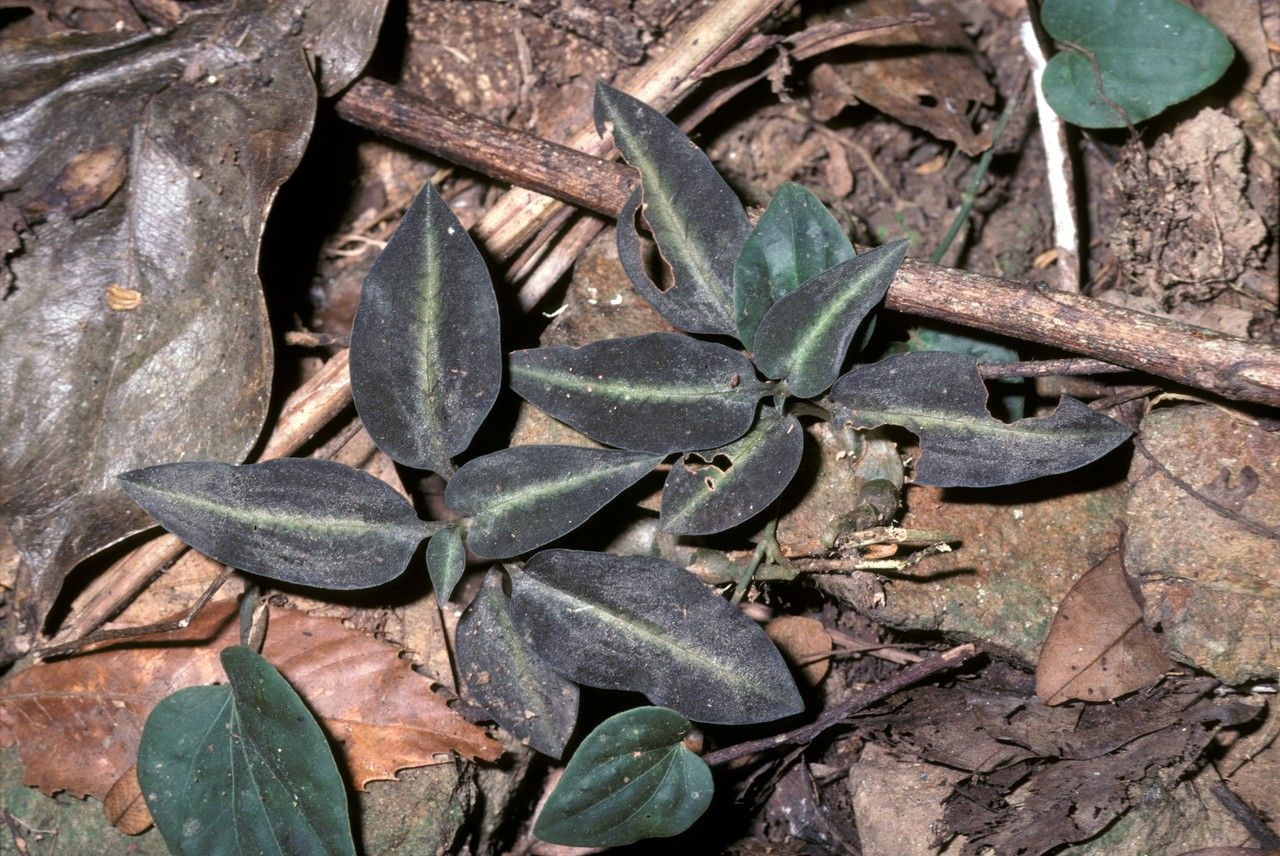
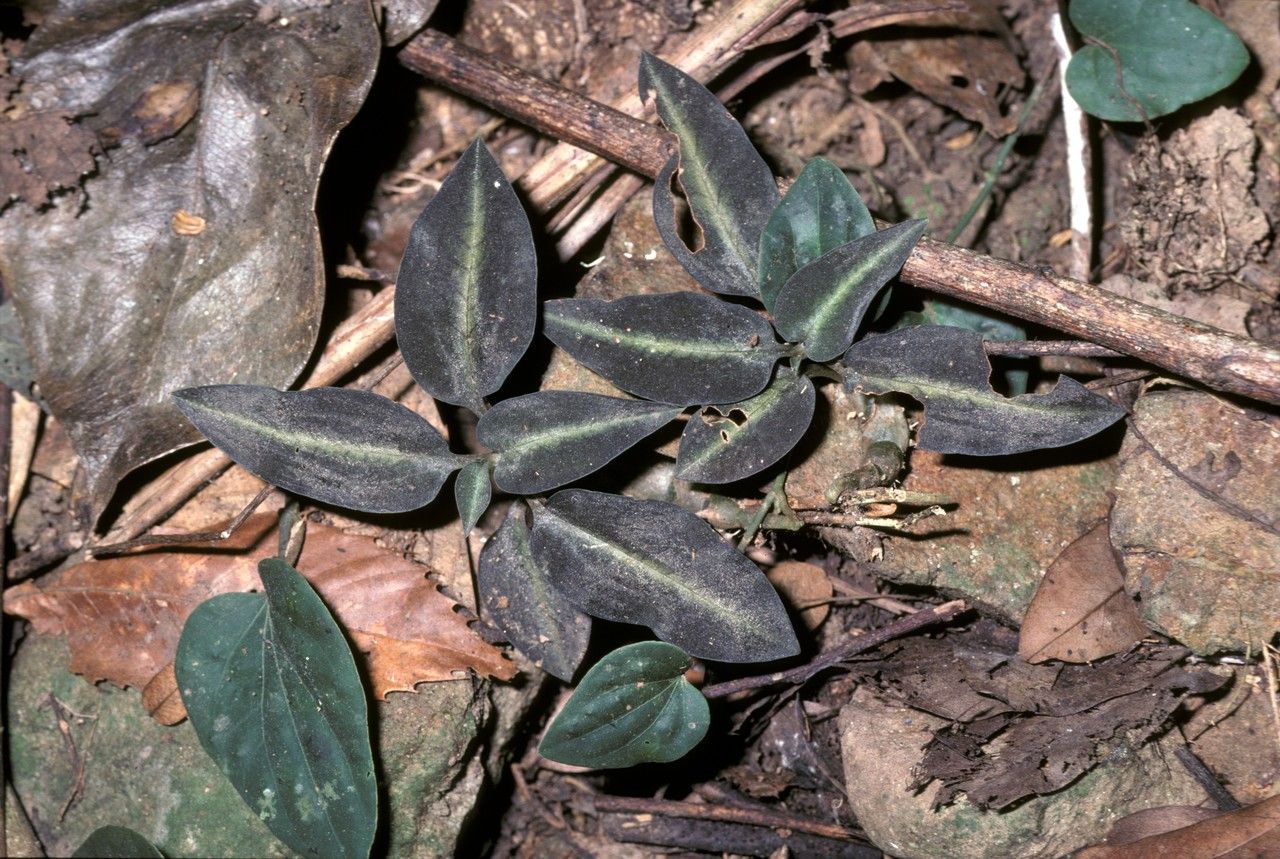
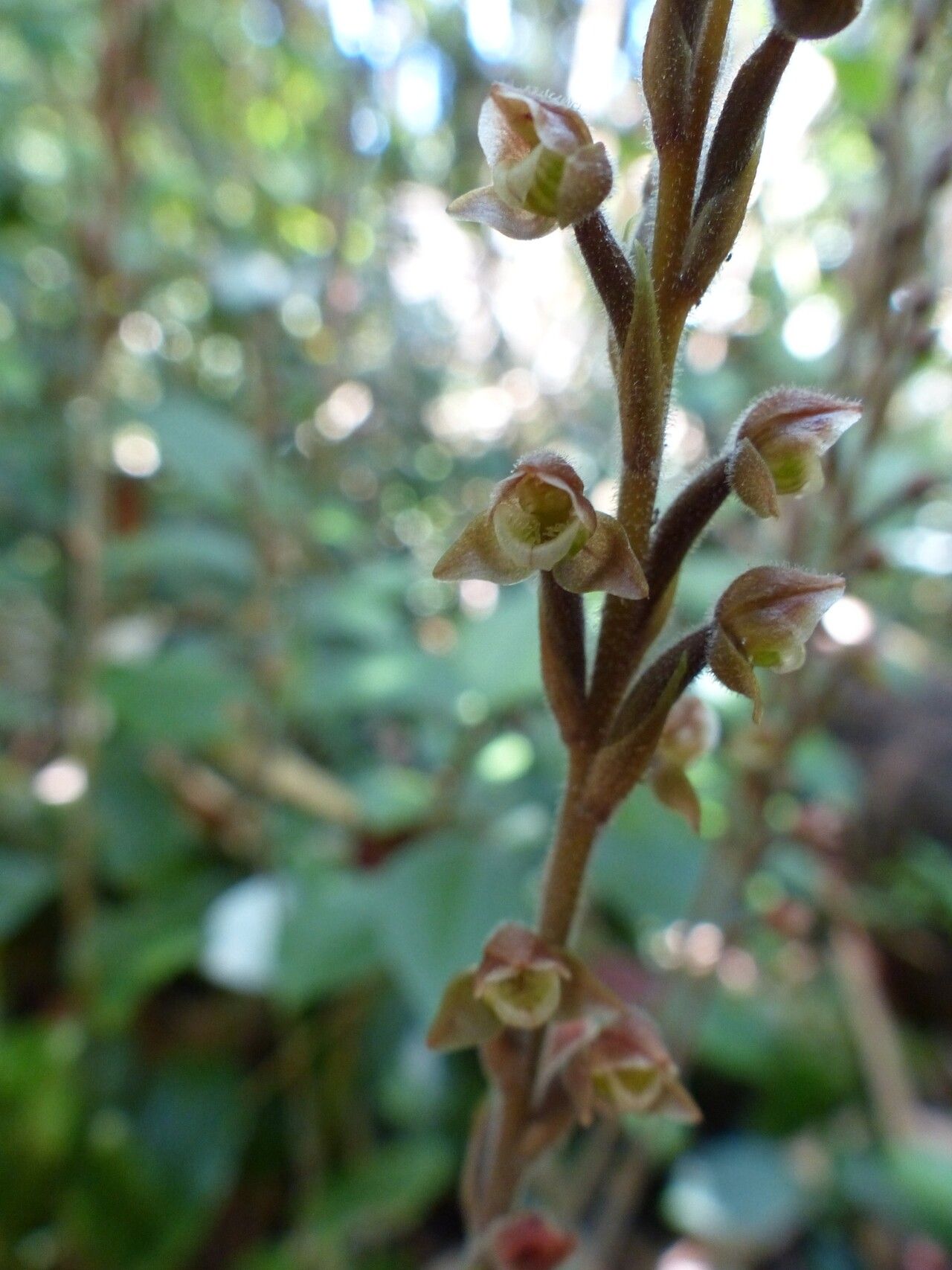
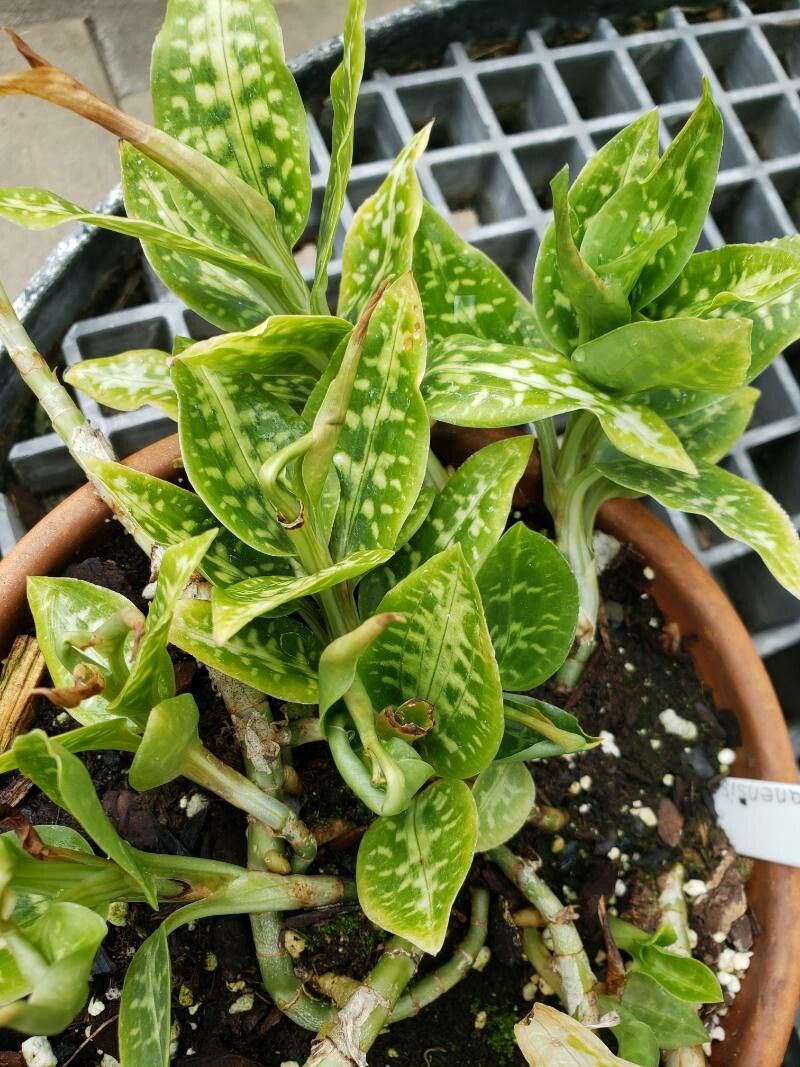
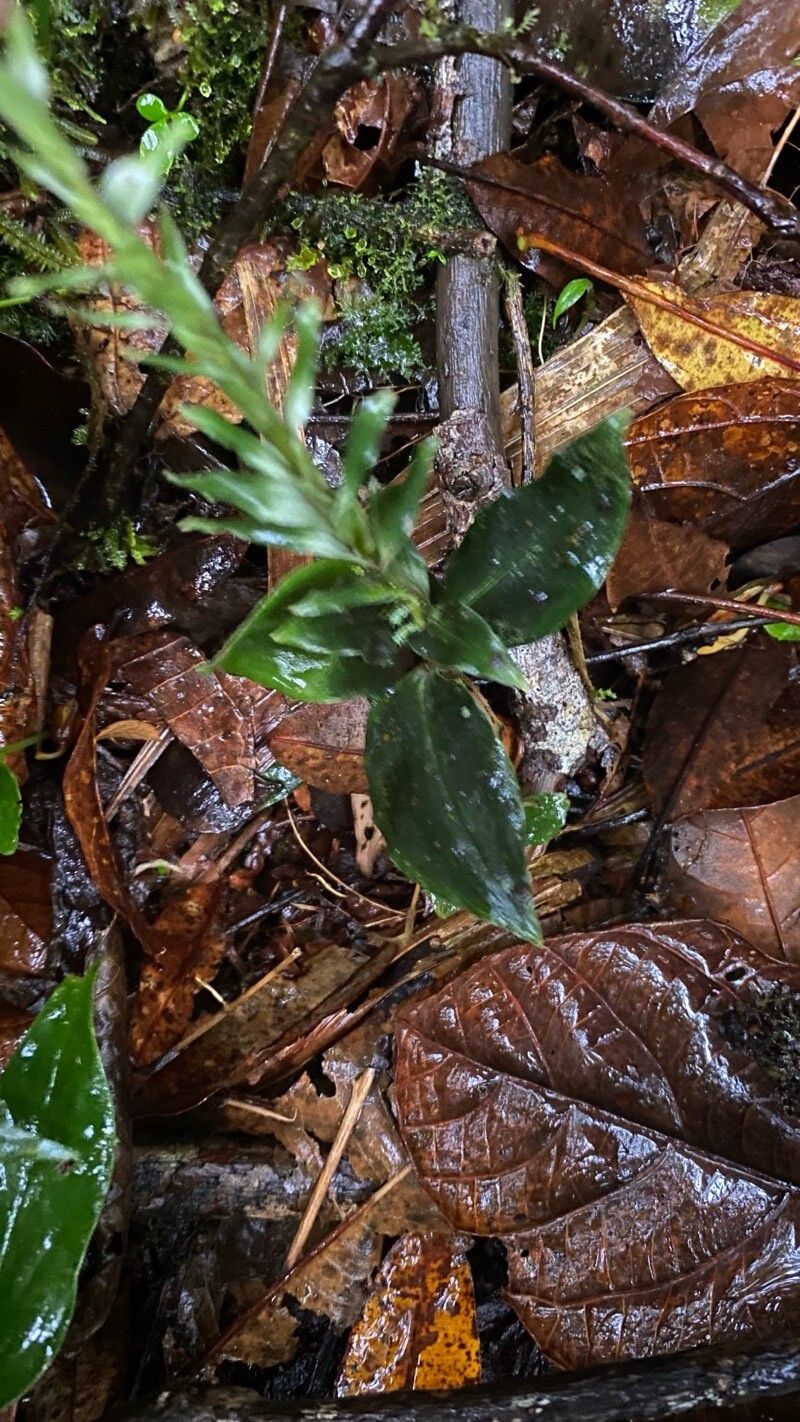
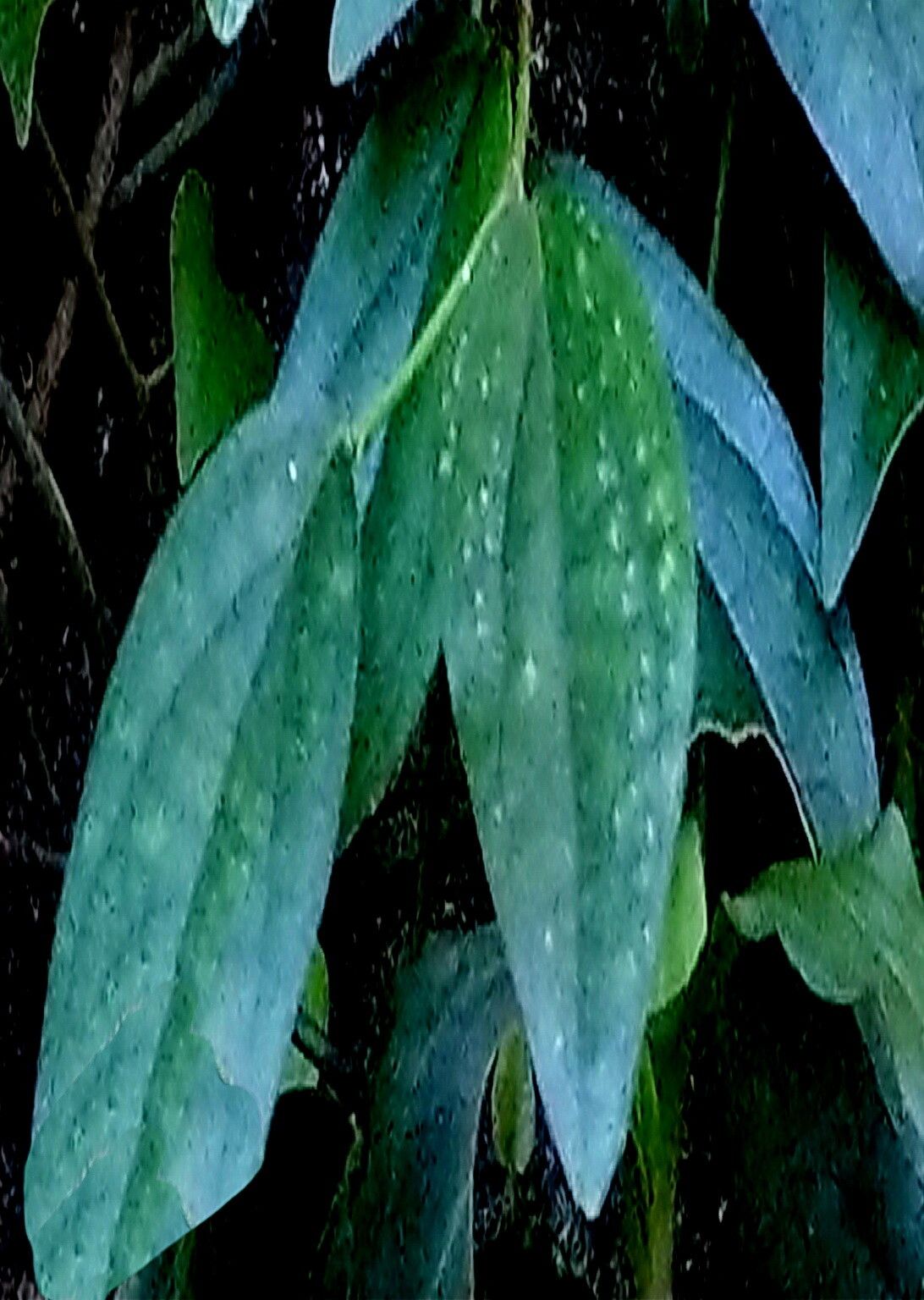
Goodyera procera is a species of orchid. It is widespread across much of Asia, including China, Japan, India, Thailand, Indonesia, etc.Goodyera procera is a 20 to 40 cm tall plant with white flowers. It does not creep. Easy to grow under lights, 20 C to 30C. Grows well in an open medium like fine bark. Unlike many other Goodyeras, this one does not have patterns on the leaves.
Golden-silver weed typically has good resistance to diseases and is subject to relatively few insect pests. Its care is considered challenging because it needs a highly humid but well-ventilated environment with minimal harmful pathogens. Too much watering can cause root rot. Although anyone can grow Golden-silver weed, keeping it healthy and getting it to bloom again requires more cultivation experience.
How to keep Goodyera Procera.
Light
Golden-silver weed thrives naturally in areas like forest underlayers or rocky terrains where it is often shaded. While it prefers semi-sunny conditions, it can adjust to being in full sunlight or complete shade, showcasing its adaptable and robust characteristics.
Water
Golden-silver weed flourishes in the humid undergrowth of forests, where it prefers evenly moist, well-draining soil. Weekly watering helps maintain its lush foliage and vigorous growth, particularly during its active growing season. This plant is ideal for indoor cultivation, where a suitable potting mix can mimic its native loamy habitat, ensuring proper hydration and healthy roots.
Temperature
The Golden-silver weed is capable of adjusting to diverse temperature ranges, however, its geographical range might be restricted by various combinations of heat and water circumstances. It flourishes optimally in warm weather during the summer, provided there's sufficient rain or irrigation. Extended periods of overcast and rainy conditions, as well as extended periods of intense heat, may enhance the chances of the Golden-silver weed perishing. During the winter, appropriate protection from the cold can enhance the survival chances of the plant.
Fertilizer
The best period to apply fertilizer to a Golden-silver weed is during the early spring, when it transitions from dormancy to active growth. Fertilizing offers crucial nutrients required for wholesome growth. Despite the fact that Golden-silver weed does not need much fertilization, yearly fertilizing has the potential to boost its longevity and foster improved, more durable flowers.
Pruning
The golden-silver weed is known for its distinctive foliage and delicate flowers. To maintain its shape and remove any damaged growth, it is best to prune the plant in early spring or late winter, with a focus on enhancing air circulation. Be careful not to over-prune, as timely pruning promotes healthy growth. Regularly inspect the plant for pests and diseases to enhance its vitality and ornamental appeal.
Botanical profile.
- Plant Type
- Herb
- Life Cycle
- Perennial
- Genus
- Goodyera
- Family
- Orchidaceae
- Hardiness Zone
- 9-11
- Mature Height
- 23 cm to 76 cm
- Mature Spread
- 20 cm to 30 cm
- Leaf Color
- Dark Green
- Leaf Type
- Evergreen
- Flower Color
- White
- Flower Size
- 10.16 cm to 15.24 cm
- Bloom Time
- Summer
- Planting Time
- Spring, Autumn
- Harvest Time
- Late summer, Early fall, Mid fall
- Native Area
- Nepal, Sri Lanka, India, Indonesia, Cambodia, Vietnam, Myanmar, Japan, Philippines, Bhutan, Bangladesh, Laos, Thailand, China
Other names.
Reader questions.
What are the sunlight requirements for Golden-silver weed?
Golden-silver weed thrives in environments with partial sun, requiring about 3 to 6 hours of sunlight daily. It's essential to observe your garden's sunlight patterns to find spots that offer a balance of light and shade, ensuring optimal growth for your plants. This herbaceous perennial is adapted to grow under forest canopies and in rocky areas, indicating its preference for natural shade. Despite its adaptability to various light conditions, including full shade, providing the appropriate amount of light is crucial for its health.
How can artificial lighting benefit indoor plants like Golden-silver weed?
When natural sunlight is insufficient, especially during winter or in areas with less sun exposure, artificial lighting can be an effective solution for indoor plants, including Golden-silver weed. Artificial lights, such as LED lights, can be customized to deliver specific wavelengths needed for plant growth. The recommended artificial light intensity varies by plant type: 30-50W/sq ft for full sun plants, 20-30W/sq ft for partial sun plants, and 10-20W/sq ft for full shade plants. Placement of the light source should be 12-36 inches above the plant, with a duration mimicking natural daylight hours, typically 8-12 hours per day, to promote healthier, faster growth.
What are the signs of insufficient light in Golden-silver weed when grown indoors?
Insufficient light can lead to several symptoms in Golden-silver weed, such as smaller new leaves, leggy or sparse growth, faster leaf drop, and halted new growth, indicating the plant's struggle with poor light conditions. Leaves might develop lighter colors or show signs of chlorosis, losing their green pigment. Other symptoms include sunscald, leaf curling, wilting, and leaf scorching, which can significantly affect the plant's health. Observing these symptoms early is crucial for implementing corrective measures to improve light exposure.
What solutions are available for addressing light-related issues in Golden-silver weed?
To optimize growth for Golden-silver weed struggling with insufficient light, gradually acclimate it to more sunlight by shifting it to sunnier spots each week until it gets 3-6 hours of direct sunlight. For large or immovable plants, supplement light by keeping a desk or ceiling lamp on for at least 8 hours daily, or invest in grow lights. Outdoor plants should be moved to sunnier locations progressively to prevent sunburn. Reducing obstructions, like pruning branches, or transplanting to areas with better light can also help. Remember, parts of the plant damaged by inadequate light may not recover, but new growth will be healthy with improved light conditions.