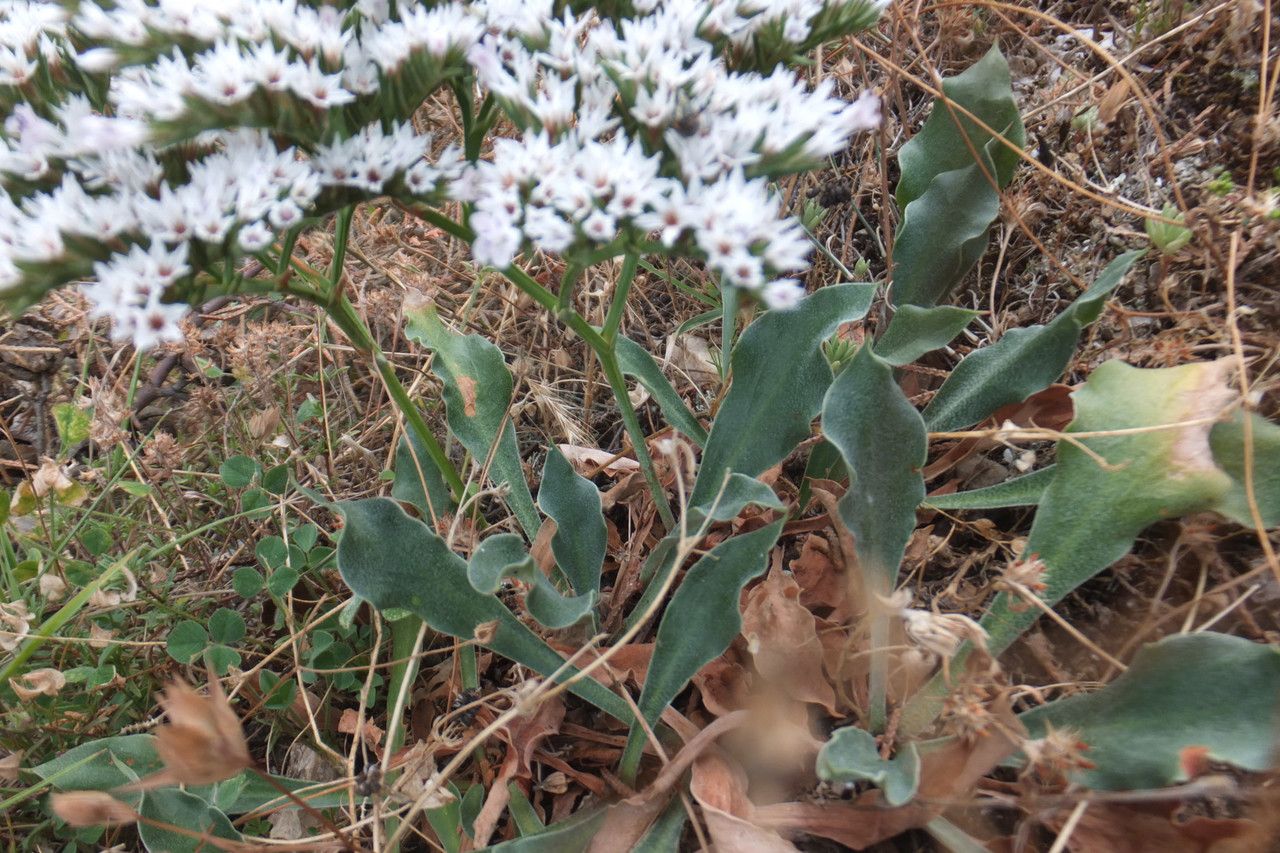
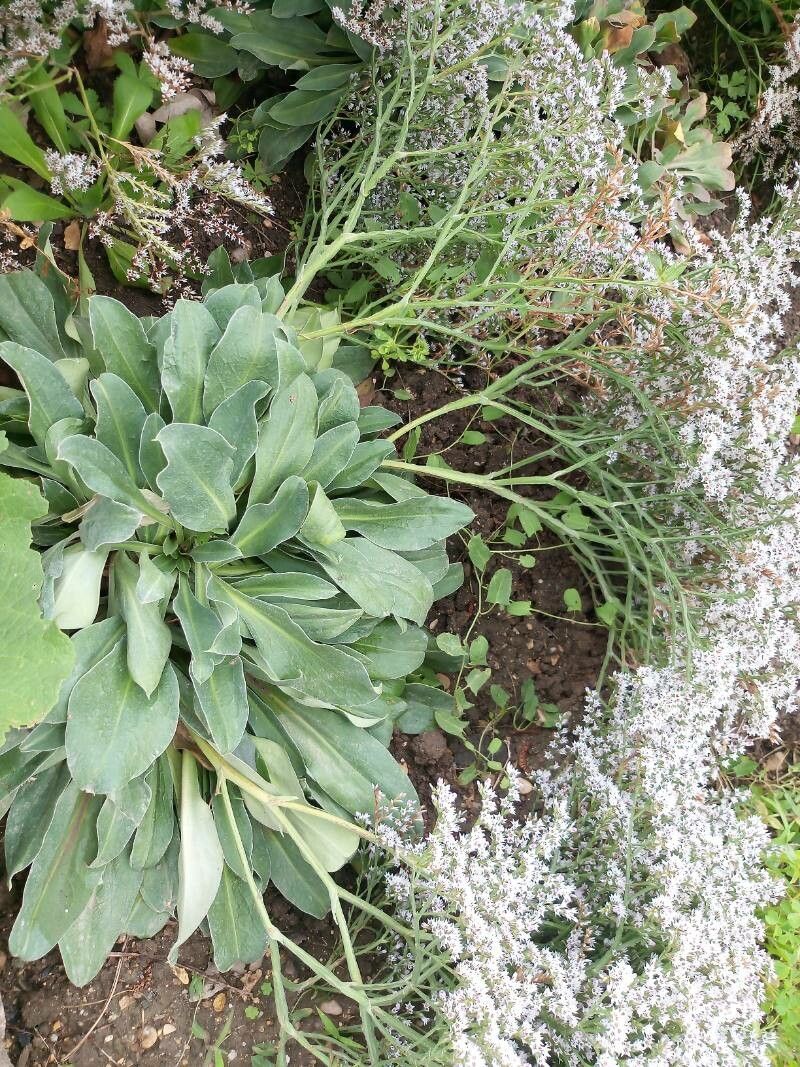
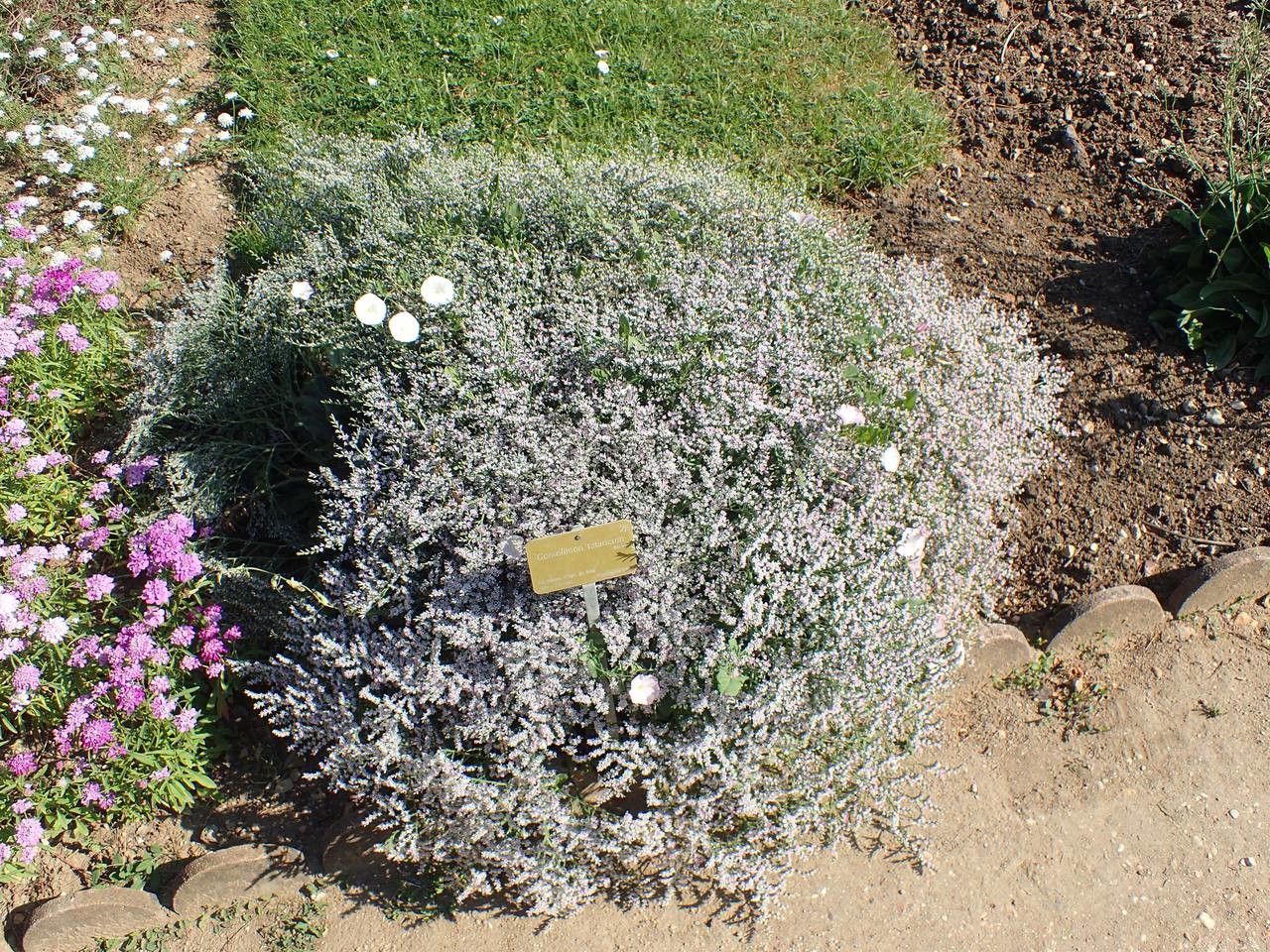
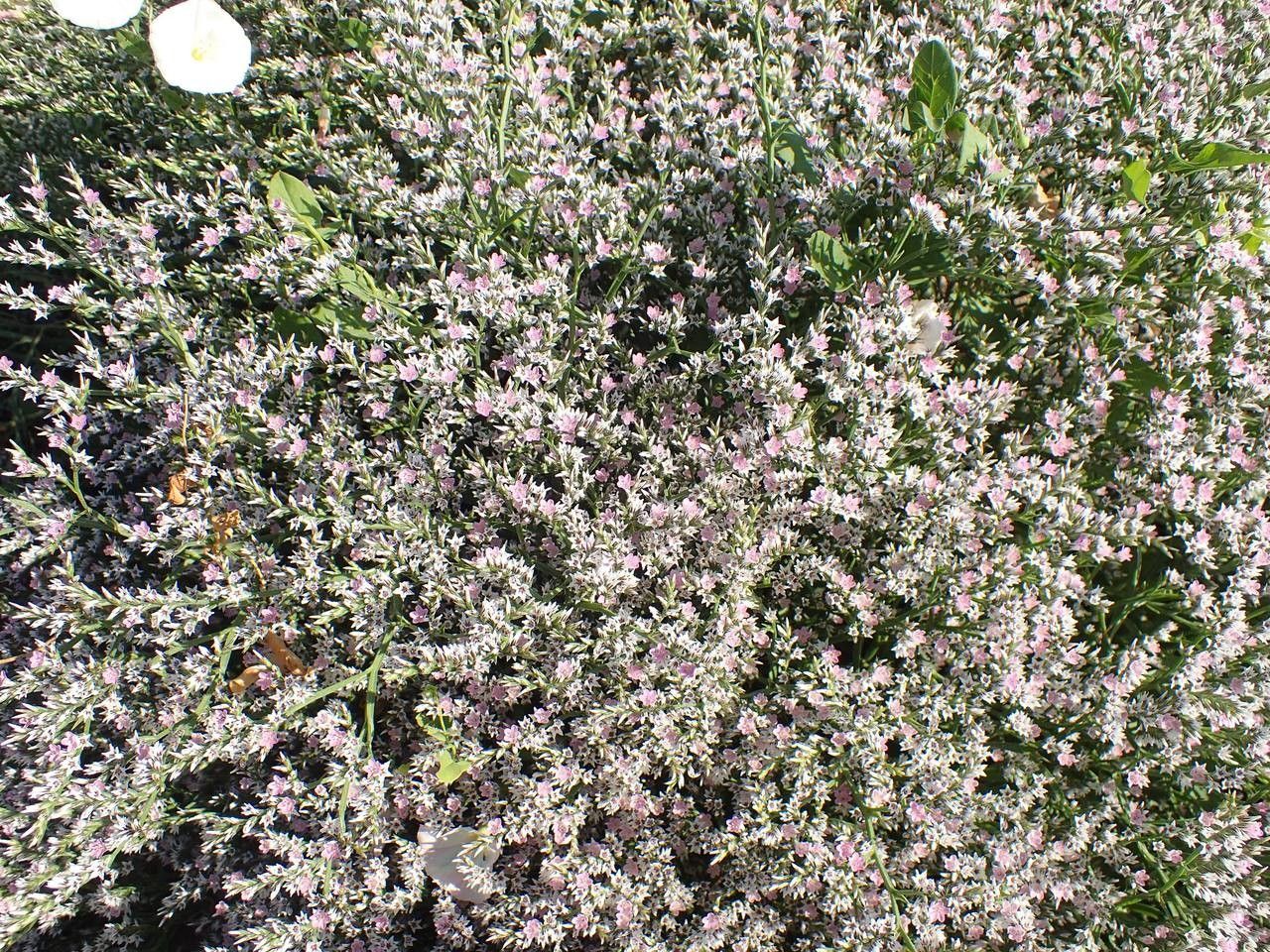
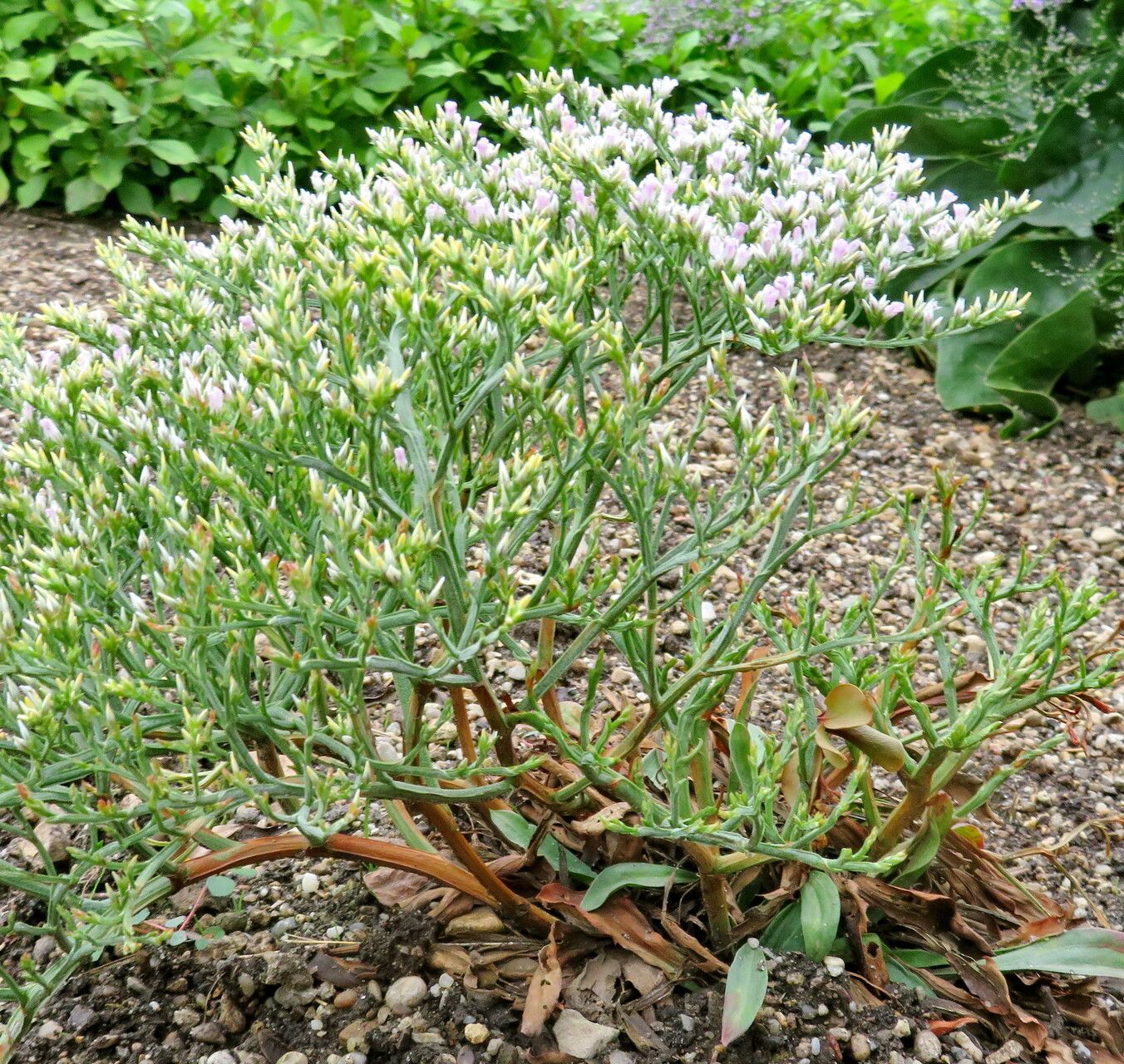
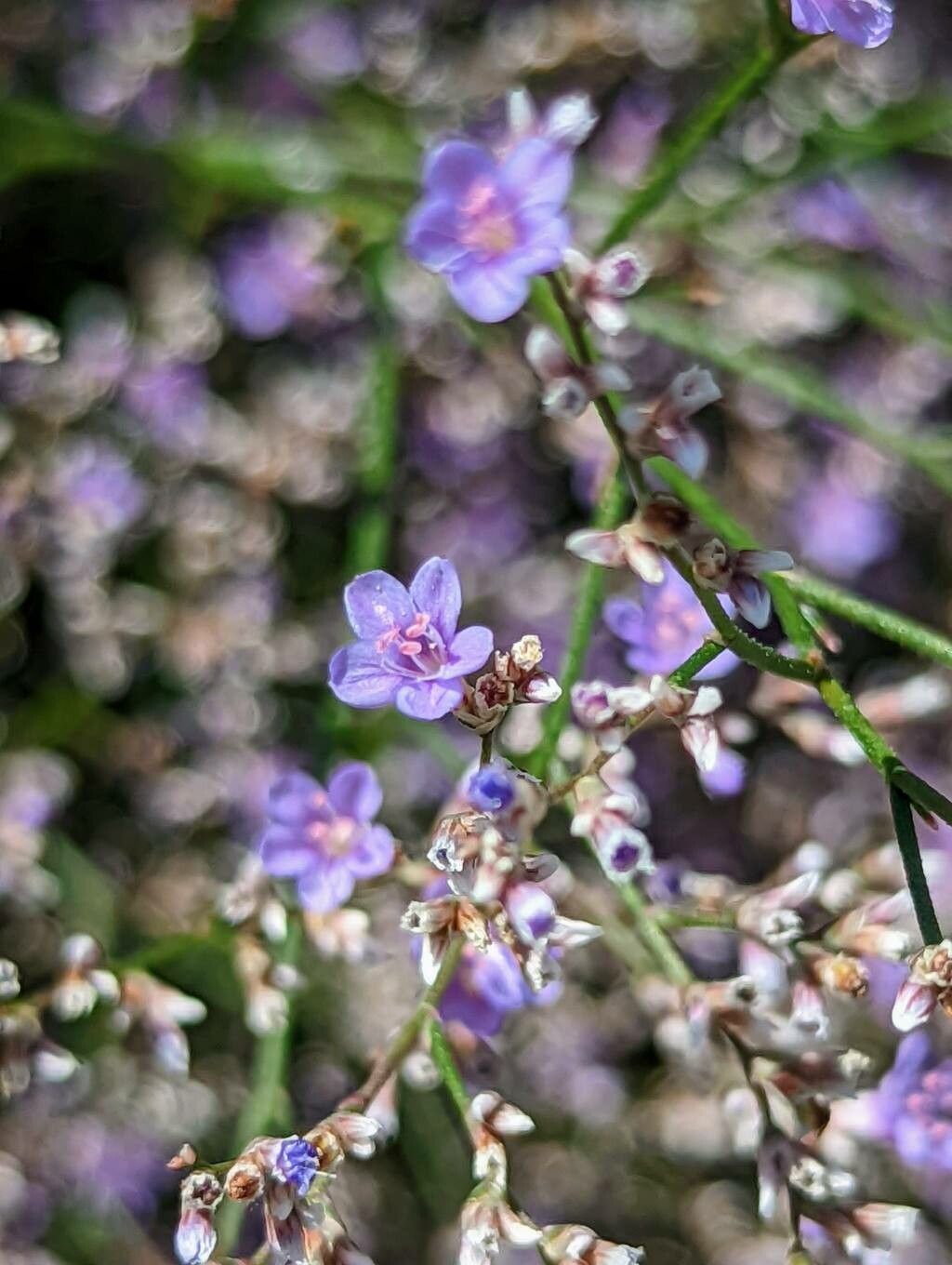
Goniolimon tataricum, commonly known as Tartar Statice, is a perennial herbaceous plant in the Plumbaginaceae family. It is native to the steppes and semi-deserts of Central Asia and Eastern Europe. The plant reaches a height of 30 to 50 cm and features a woody base with numerous branches.
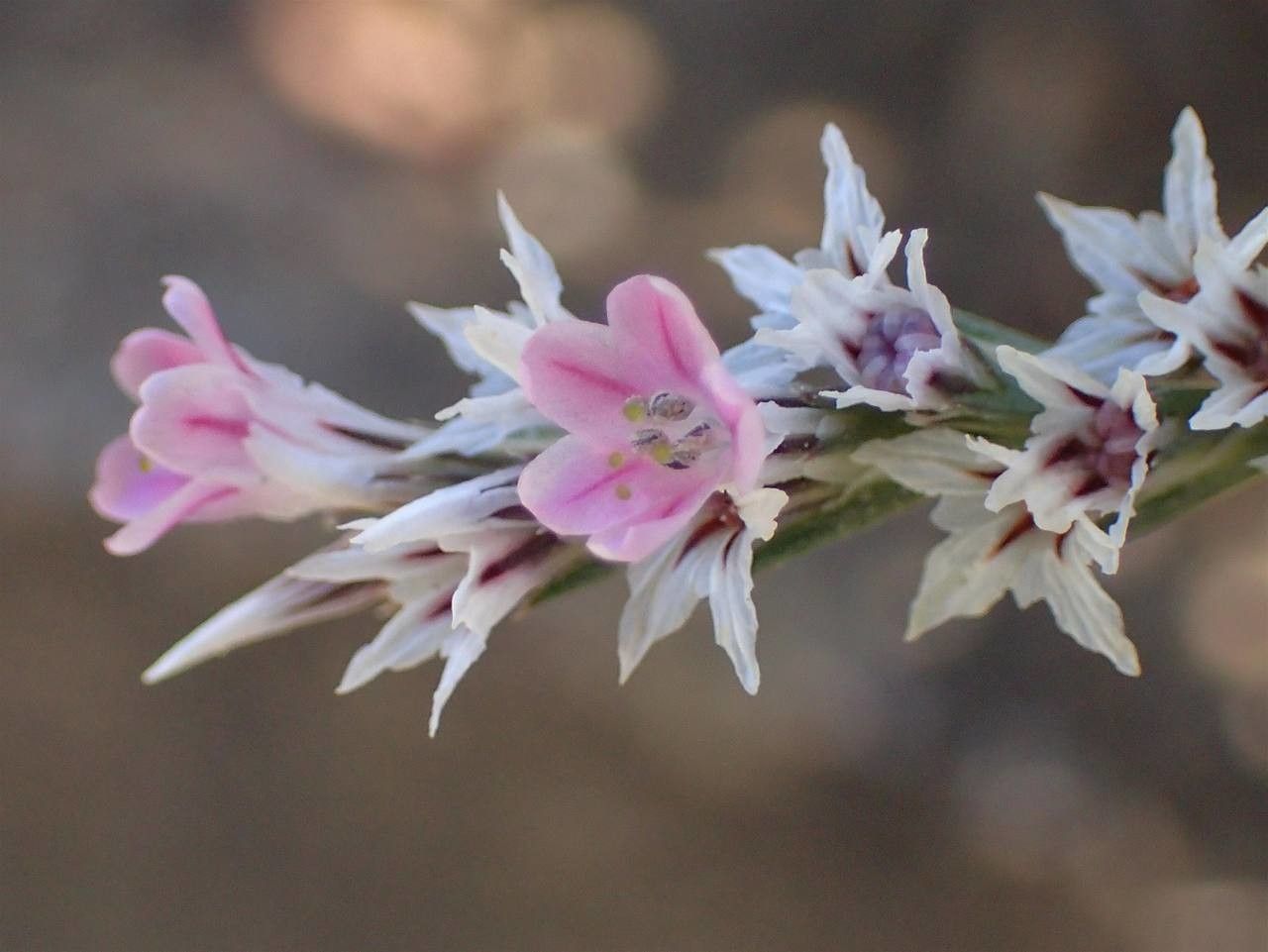
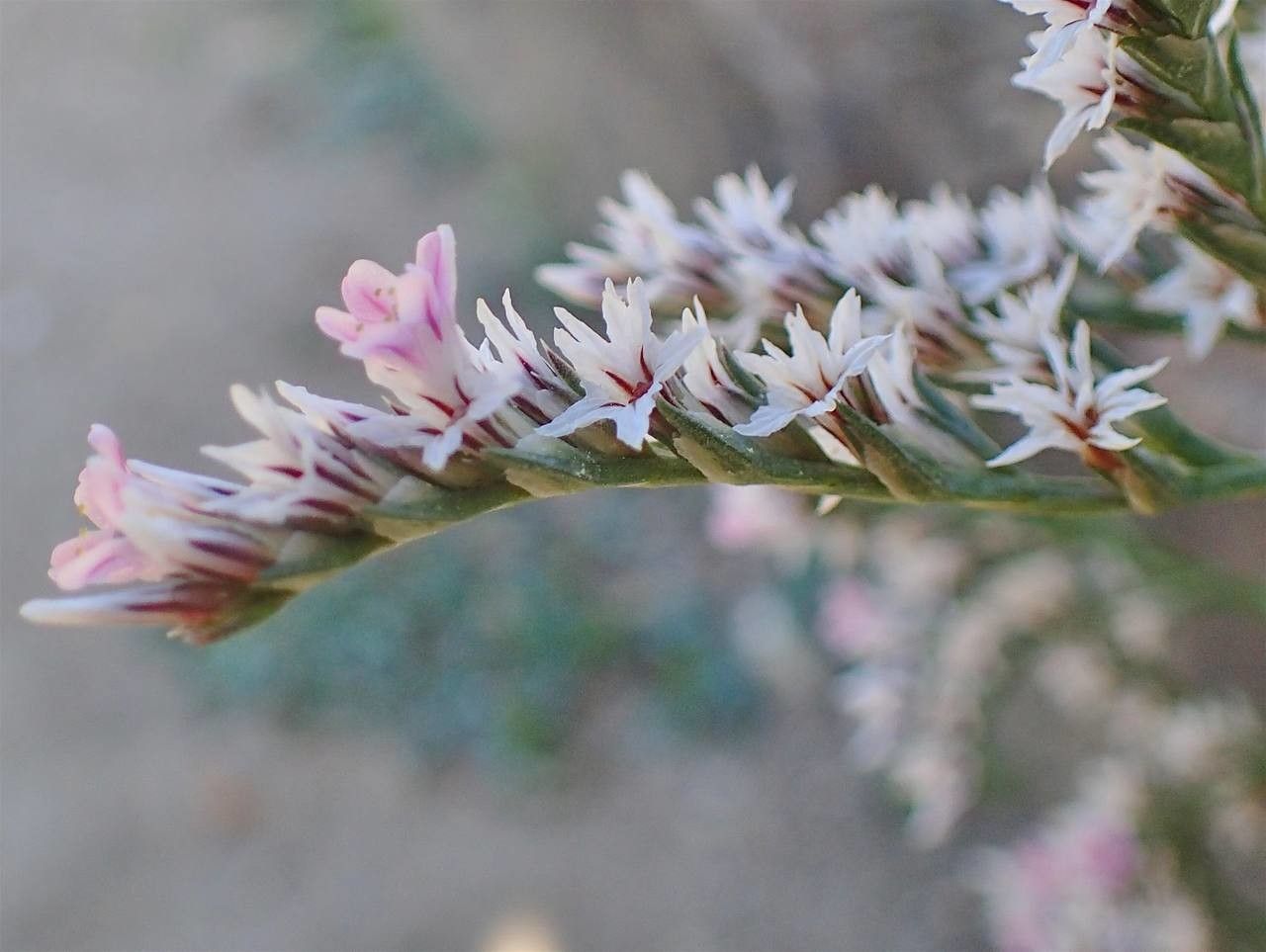
The leaves of Goniolimon tataricum are narrow, linear, and grayish-green. Its small flowers, which typically bloom from June to August, have pink or purple petals. The plant thrives in well-drained soils and prefers full sun or partial shade.
Historically, Goniolimon tataricum has been used for its anti-inflammatory properties in medicinal practices. It is also valued as an ornamental plant in gardens for its attractive flowers and foliage.
However, the conservation status of Goniolimon tataricum is listed as vulnerable due to habitat loss from activities such as agricultural expansion, overgrazing by livestock, urbanization, and mining.
Overall, Goniolimon tataricum is an important species both ecologically and culturally. It plays a significant role in traditional medicine practices and adds beauty to gardens worldwide.
Statice is fairly resistant to disease and typically does not suffer from them. Still, it can be vulnerable to pests and diseases present in its environment. These problems are usually mild. In terms of care, the plant requires moderate maintenance. It should be pruned regularly to keep an attractive appearance and encourage healthy growth. Fertilizing can also help stimulate flowering. Statice is appropriate for anyone with outdoor space, such as a garden or patio, and does not demand extensive gardening experience. It may need more attention when grown indoors.
How to keep Goniolimon Tataricum.
Light
Statice is a sun-loving perennial herb with herbaceous growth that originates from open habitats and is commonly found in meadows and grasslands. It prefers full sun but can also tolerate partial sun.
Water
Statice is a hardy plant that thrives in coastal and saline environments. To keep it healthy, it should be watered weekly, which helps balance saltwater exposure and hydration. Its resilience to varying levels of rainfall makes it ideal for areas with inconsistent water availability. Statice is often found in rock gardens and coastal landscapes.
Temperature
Statice can tolerate a wide range of temperatures, but its distribution can still be restricted by different combinations of moisture and heat. It does best in warm summer conditions with sufficient rainfall or watering. Extended periods of cloudy, rainy weather, as well as prolonged high temperatures, can increase the chance of Statice dying. In winter, adequate protection from the cold can improve the plant’s survival rate.
Fertilizer
The primary time to fertilize Statice is in early spring when flowers are forming. The appropriate fertilizer promotes better blooms and helps Statice produce attractive flowers. Fertilizing in early spring ensures excellent flowers throughout the season and supplies energy for dormant growth phases.
Pruning
Statice, renowned for its vibrant blooms, benefits greatly from early spring pruning. By trimming dead stems, you encourage healthy growth and improve the plant's shape. Pruning also enhances new growth and blooming, ensuring a robust display of flowers. Regular maintenance boosts airflow, reduces the risk of disease, and promotes overall vitality. For the best results, use clean, sharp tools.
Botanical profile.
- Plant Type
- Herb
- Life Cycle
- Perennial
- Genus
- Goniolimon
- Family
- Plumbaginaceae
- Hardiness Zone
- 3-9
- Mature Height
- 30 cm to 46 cm
- Mature Spread
- 30 cm to 46 cm
- Leaf Color
- Green, Blue
- Leaf Type
- Deciduous
- Flower Color
- Pink
- Flower Size
- 0.51 cm to 0.76 cm
- Bloom Time
- Summer
- Planting Time
- Spring, Summer
- Harvest Time
- Late summer, Early fall, Mid fall
Other names.
Reader questions.
How should I water my Statice plant?
To water the Statice plant effectively, follow these guidelines: - Use filtered water that is at room temperature or slightly warmer. This is important because tap water might contain harmful particles for the plant's health. - The Statice plant comes from a warm environment, so avoid using cold water as it can be a shock to its system. - Do not water the plant from above, as this can cause issues with the foliage. - Instead, apply the filtered room temperature water directly to the soil until it is completely soaked. - Soaking the soil benefits the plant by keeping the roots moist and helping them spread throughout the soil to collect the necessary nutrients.
Why should I fertilize my Statice?
The leaves of the Statice are essential for its overall structure. Fertilizing is an effective way to ensure that the leaves not only look great but also perform their function properly. Proper fertilization will help maintain consistent leaf color and a healthy texture. Additionally, fertilization plays a vital role below the soil's surface by promoting the growth of new roots and maintaining existing roots. This not only keeps the plant healthy in the present but also strengthens its ability to absorb nutrients from the soil in the future.
What are the sunlight requirements for Statice?
Statice requires full sun, meaning it needs above 6 hours of sunlight daily to thrive best. It's essential to observe how sunlight moves through your garden and select spots that offer a perfect balance of light and shade, ensuring the plants' optimal growth and happiness. Statice, being a sun-loving perennial herbaceous plant originating from open habitats like meadows and grasslands, can also tolerate partial sun conditions.
What should I do if I give my Statice plant too much or too little water?
Overwatering is a more common issue for Statice plants and can cause wilting, yellowing leaves, and diseases like root rot. Underwatering is less common but can cause brittle, brown leaves. It's important to notice signs of overwatering early to prevent irreversible damage. Reduce watering if you see early signs and consider using well-draining potting mix if the soil doesn't drain well. If underwatering is the issue, simply water more regularly until the signs improve.
When should I fertilize my Statice?
If you grow Statice outdoors, it will start growing new leaves in early spring. This is when you should start fertilizing it for the year. Usually, one application of fertilizer is enough for Statice in the spring. But if you want it to grow even more, you can fertilize it multiple times during the spring and early summer. In this case, you should feed it about once every month to a month and a half.
How can artificial lighting support Statice's growth indoors?
When natural sunlight is insufficient, especially during winter or in less sunny spaces, artificial lighting becomes crucial for Statice's growth indoors. Adequate lighting promotes faster, healthier growth. LED lights are recommended for their ability to be customized to provide specific wavelengths needed by plants. Full sun plants require 30-50W/sq ft, partial sun plants 20-30W/sq ft, and full shade plants 10-20W/sq ft of artificial light. The light source should be placed 12-36 inches above the plant to mimic natural sunlight, with 8-12 hours of light per day to simulate the length of natural daylight hours.
How often should I give water to my Statice?
If your Statice plant is in a pot, the easiest way to determine if it needs water is to stick your finger into the soil. If the top two to three inches of soil are dry, it's time to give it some water. If you're growing your Statice plant outdoors in the ground, you can use the same method to check the soil. Once the top few inches of soil have dried out, it's time to water. Typically, you'll need to water this plant about once a week during spring and early fall. When it gets very hot, you may need to water it twice a week or more. However, it's worth noting that mature and well-established Statice plants are quite resilient and can handle periods of drought.
When is the best time to not fertilize my Statice?
During late fall and winter, your Statice will go into a dormant phase and stop growing. So, you should not fertilize it during this time. In spring and summer, if you do choose to fertilize, gradually reduce the rate as summer comes because the growth rate of your Statice will also slow down. In general, it's not a good idea to fertilize your Statice when the weather is unusually hot or the soil is extremely dry. Fertilizing in these conditions can stress your Statice and cause it to die earlier.
What are the symptoms of insufficient light in Statice?
Symptoms of light deficiency in Statice include smaller new leaves, leggy or sparse growth, faster leaf drop, slower or no new growth, lighter-colored new leaves, chlorosis (leaves turning yellow), sunscald (damage from intense sunlight), leaf curling, wilting, and leaf scorching. These symptoms indicate that the Statice is not receiving adequate sunlight, affecting its overall health and growth.
How much water should I give my Statice?
To water your Statice effectively, ensure that the top two to three inches of soil are dry before watering. Give your plant a deep watering, making sure to thoroughly soak the soil. The water should be enough to cause excess water to flow out of the drainage holes at the bottom of your pot. If you don't see any excess water draining, you may have not watered enough. Avoid allowing water to accumulate in the soil as it can harm the plant. Conversely, if water doesn't drain properly, it could be a sign of poorly draining soil, which is not good for the plant's health. If your Statice is planted outside, about 1 inch of rain per week should be sufficient.
Which fertilizer is best for my Statice plant?
Choosing the best fertilizer for a Statice is fortunately quite straightforward. These plants thrive on a general-purpose garden fertilizer that has equal amounts of nitrogen, phosphorus, and potassium. A fertilizer with a 10-10-10 ratio or similar will be very effective. It's important to avoid fertilizers with high nitrogen levels if unsure. Most of the recommended fertilizers for Statice come in granular form and should be slow-release. This makes them easy to apply to the soil. Additionally, it can be beneficial to feed your Statice with organic soil amendments like compost.
How can you address insufficient sunlight for Statice?
To address insufficient sunlight for Statice, gradually move plants to sunnier locations, aiming for at least 6 hours of direct sunlight daily. Use south-facing windows for indoor plants and keep curtains open during the day. If moving the plant is not feasible, consider using artificial light, like desk lamps or professional grow lights, turned on for at least 8 hours daily. For outdoor plants, adopt a gradual relocation strategy to avoid sunburn. If trees obstruct sunlight, prune them to improve light access. Smaller plants might benefit from transplanting to brighter locations with ample sunlight and good drainage.