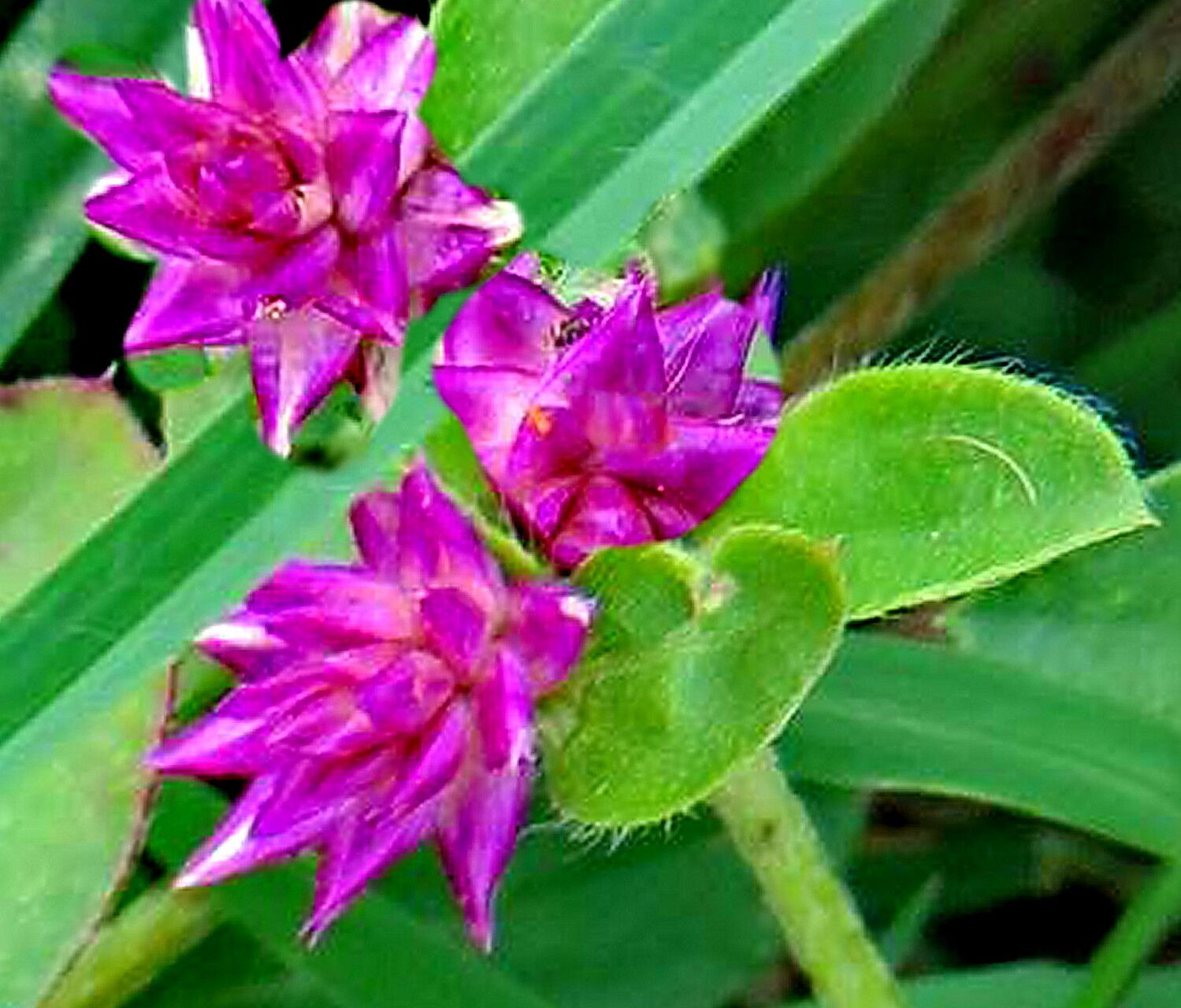
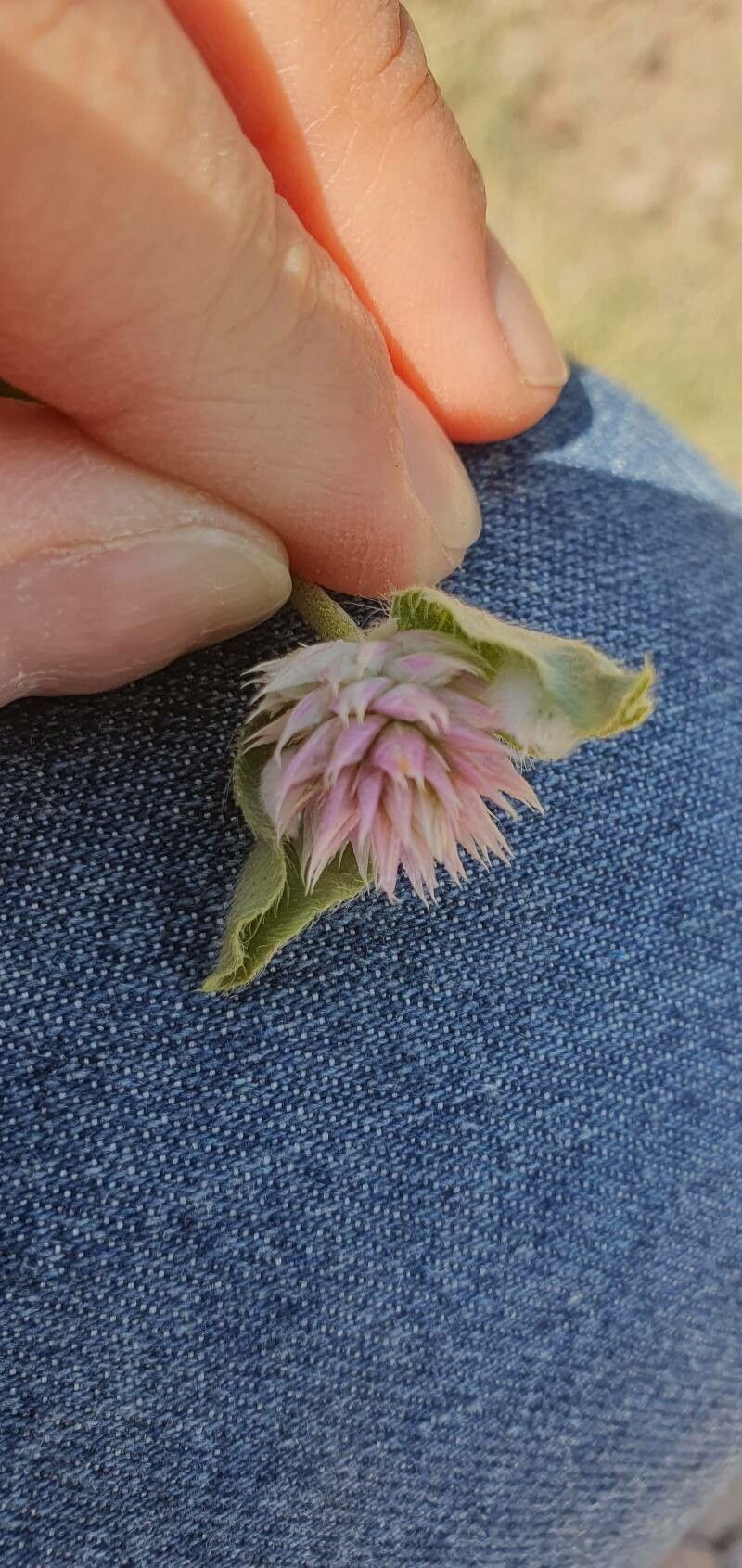
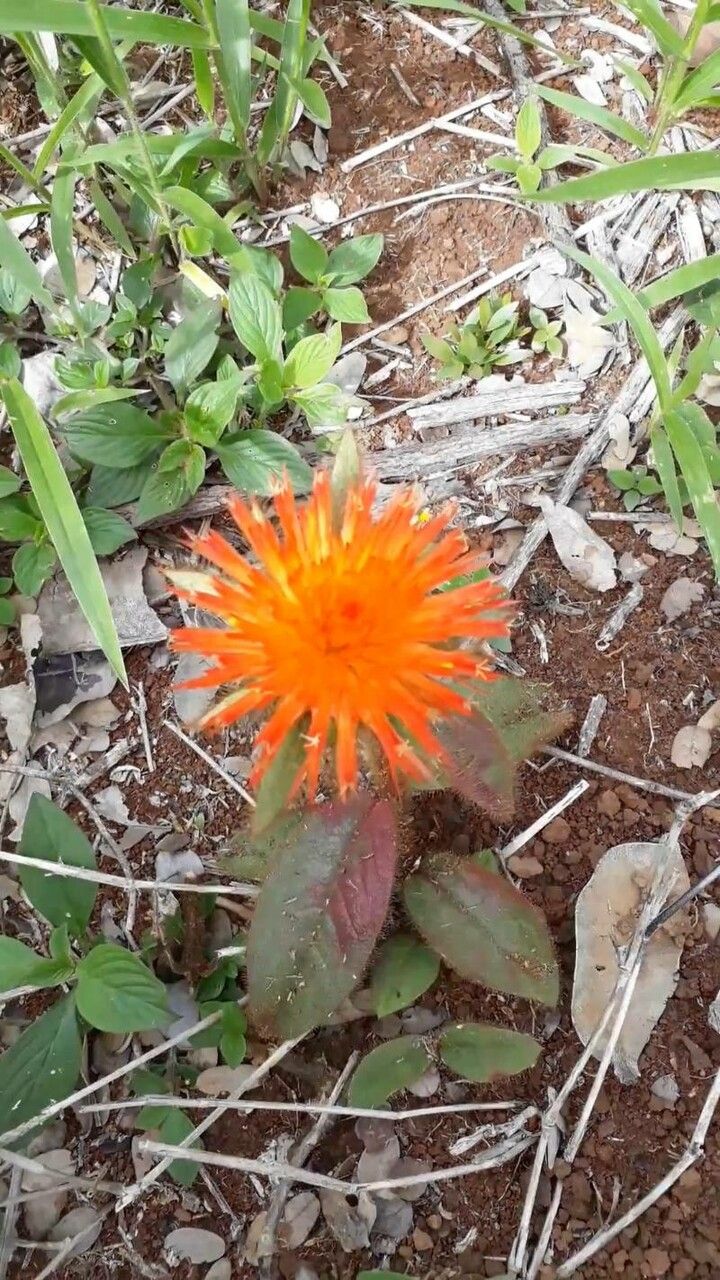
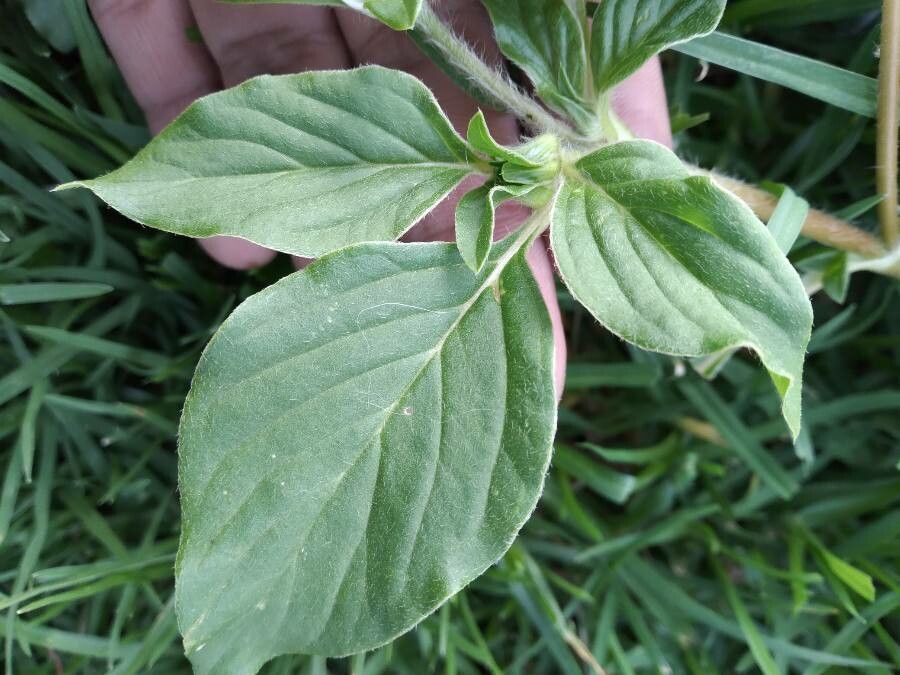
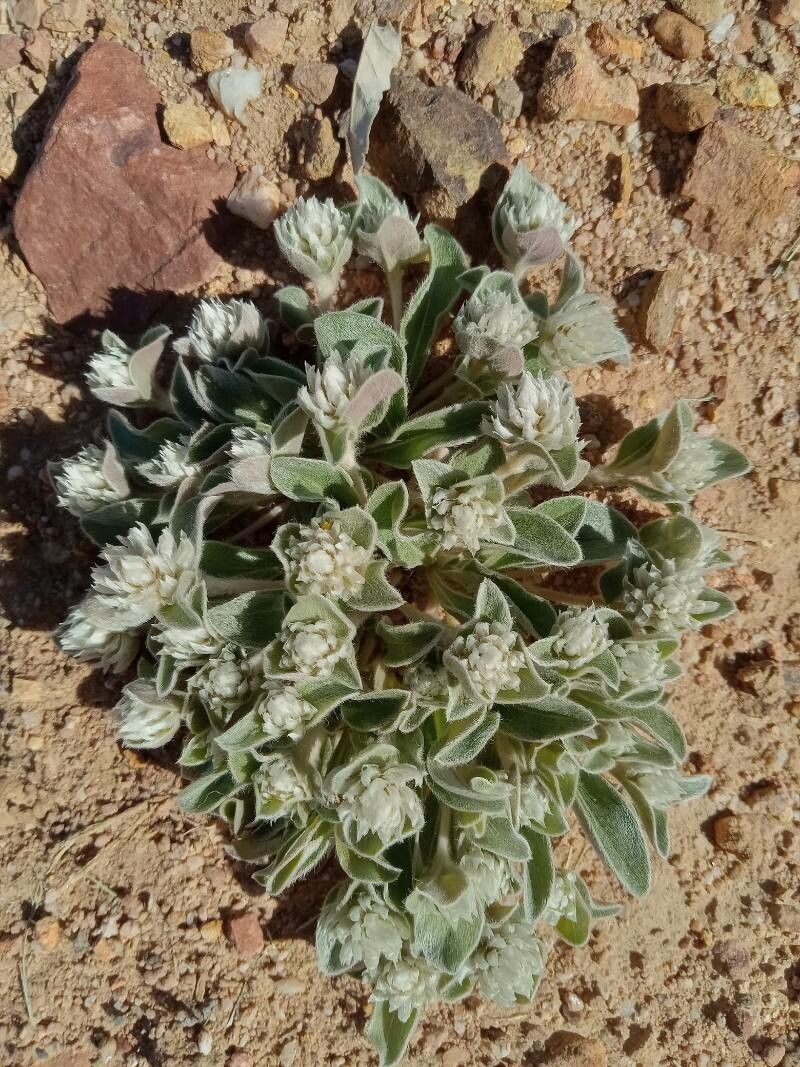
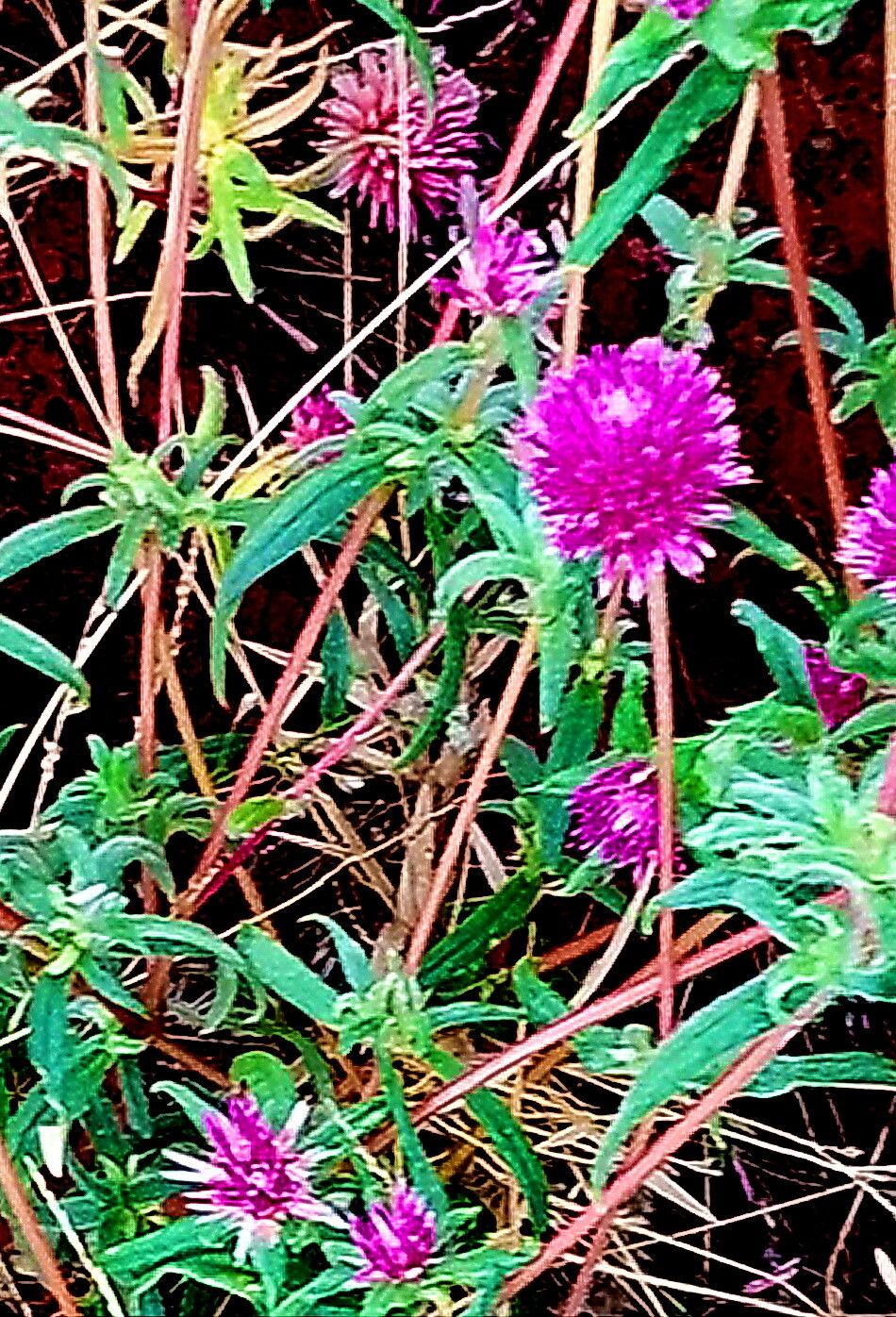
Pearly globe amaranth is fairly resistant to disease and, in general, is not easily affected by illnesses. Still, it can be vulnerable to pests and diseases present nearby. Such infections are usually mild. Regarding care, this plant needs moderate maintenance. It should be pruned regularly to preserve a neat appearance and encourage healthy growth. Applying fertilizer can also support increased flowering. Pearly globe amaranth is appropriate for anyone with an outdoor area, like a garden or patio, and does not require extensive care experience. It may demand more attention when grown indoors.
How to keep Gomphrena Nitida.
Light
Pearly globe amaranth comes from bright, open habitats where it does best in full sun. It can tolerate partial sun but prefers direct sunlight for optimal growth. This plant, which may be annual or biennial, is known for its sun-loving nature.
Water
The pearly globe amaranth thrives when it is watered consistently, especially in hot and dry conditions. Be sure to water the plant only when the top layer of soil feels dry. Make sure to thoroughly soak the root zone to avoid root rot and yellowing, which can occur from over-watering.
Temperature
Pearly globe amaranth comes from tropical areas, where the climate is generally warm and humid. Consequently, it is well adapted to high temperatures and humidity. It is sensitive to abrupt temperature changes and prefers a consistent thermal environment, so avoiding temperature fluctuations indoors is important. It usually does not tolerate cold conditions and requires higher temperatures for growth. If the surrounding temperature falls too low, the plant may stop growing or even die.
Fertilizer
After most of the Pearly globe amaranth flowers have opened to full size, resume fertilizing. When blooms are at their peak, apply fertilizer every three to four weeks, weather permitting. Once the plant begins producing fewer new blooms, stop fertilizing; there's no need to feed it when it can no longer produce additional flowers.
Pruning
Pearly globe amaranth benefits from light pruning in early spring. This helps remove dead stems and encourages new growth. Additional pruning in late spring helps maintain the plant's shape and promotes dense flowering. Regularly deadheading the flowers extends the blooming period. Using clean tools to make precise cuts enhances airflow and helps prevent disease.
Botanical profile.
- Plant Type
- Herb
- Life Cycle
- Annual
- Genus
- Gomphrena
- Family
- Amaranthaceae
- Hardiness Zone
- 9-11
- Mature Height
- 30 cm to 61 cm
- Mature Spread
- 20 cm to 40 cm
- Leaf Color
- Green, Dark Green
- Leaf Type
- Evergreen
- Flower Size
- 1.02 cm to 2.03 cm
- Bloom Time
- Summer, Early fall, Mid fall
- Planting Time
- Summer
- Harvest Time
- Late summer, Fall, Early winter
- Native Area
- Mexico
Other names.
Reader questions.
What are the sun requirements for Pearly Globe Amaranth (Gomphrena nitida)?
Pearly Globe Amaranth, or Gomphrena nitida, thrives under specific sunlight conditions. It requires 'Full sun' exposure, which means it should receive above 6 hours of sunlight daily, to flourish. Alternatively, it can also do well under 'Partial sun' conditions, getting about 3-6 hours of sunlight. It's important to observe the movement of sunlight through your garden throughout the day. This observation will help you pick the perfect spots that offer a good balance of light and shade, ensuring the plants stay happy and healthy.
What is the botanical name of the Pearly globe amaranth?
The botanical name of the Pearly globe amaranth is Gomphrena nitida. This plant is known for its distinctive features and belongs to the botanical world with a unique identity.