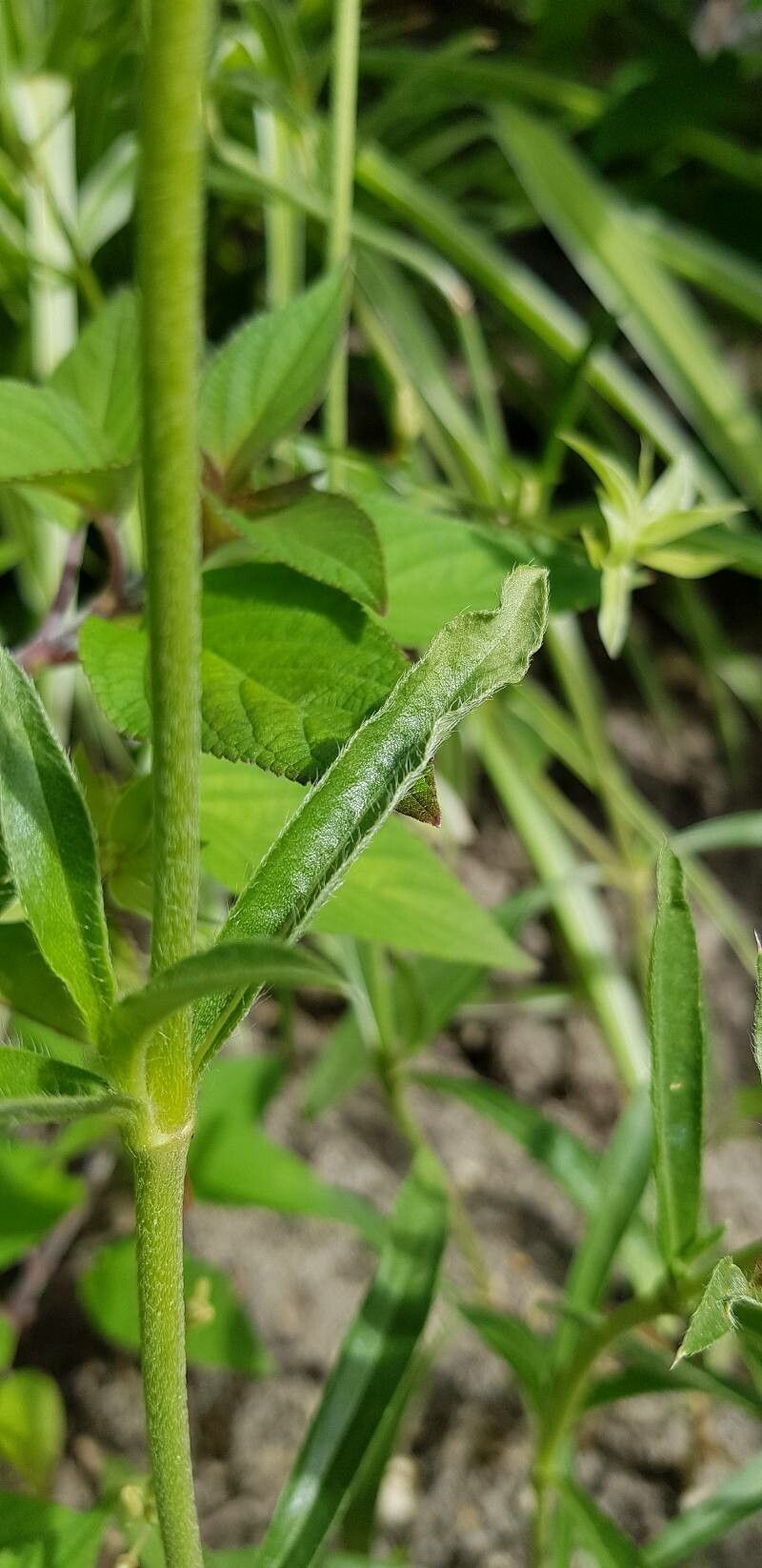
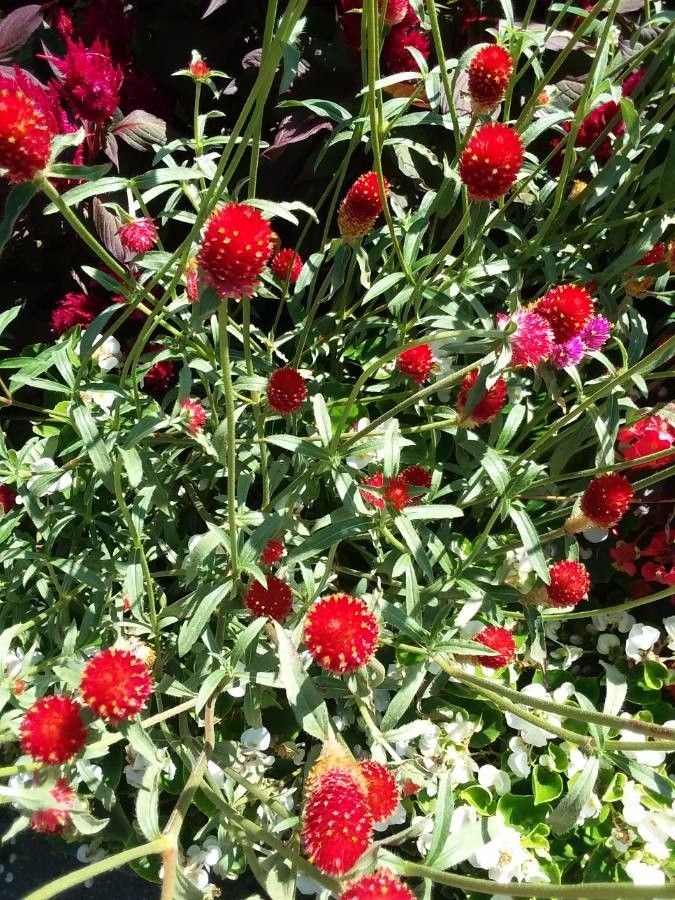
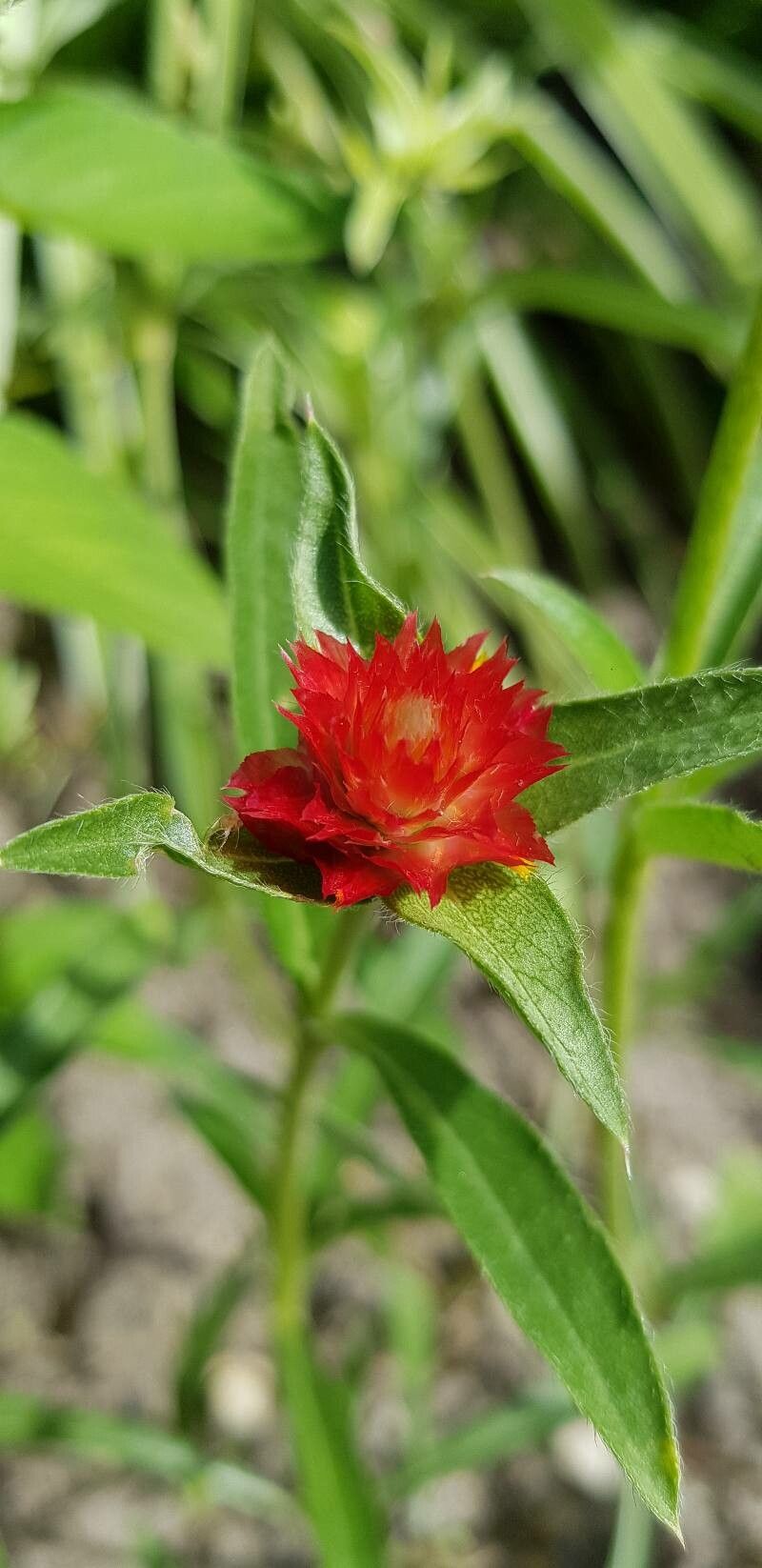
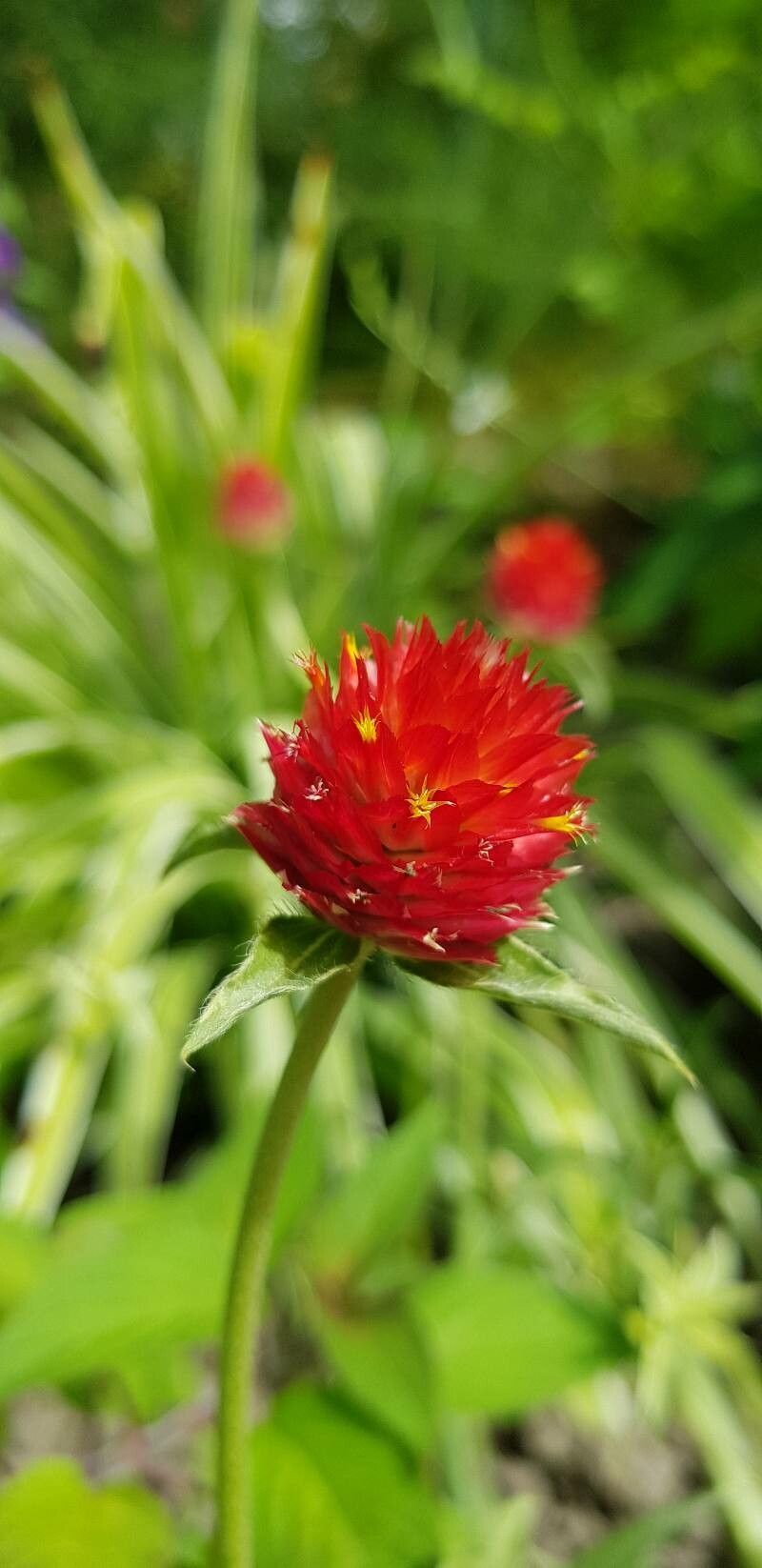
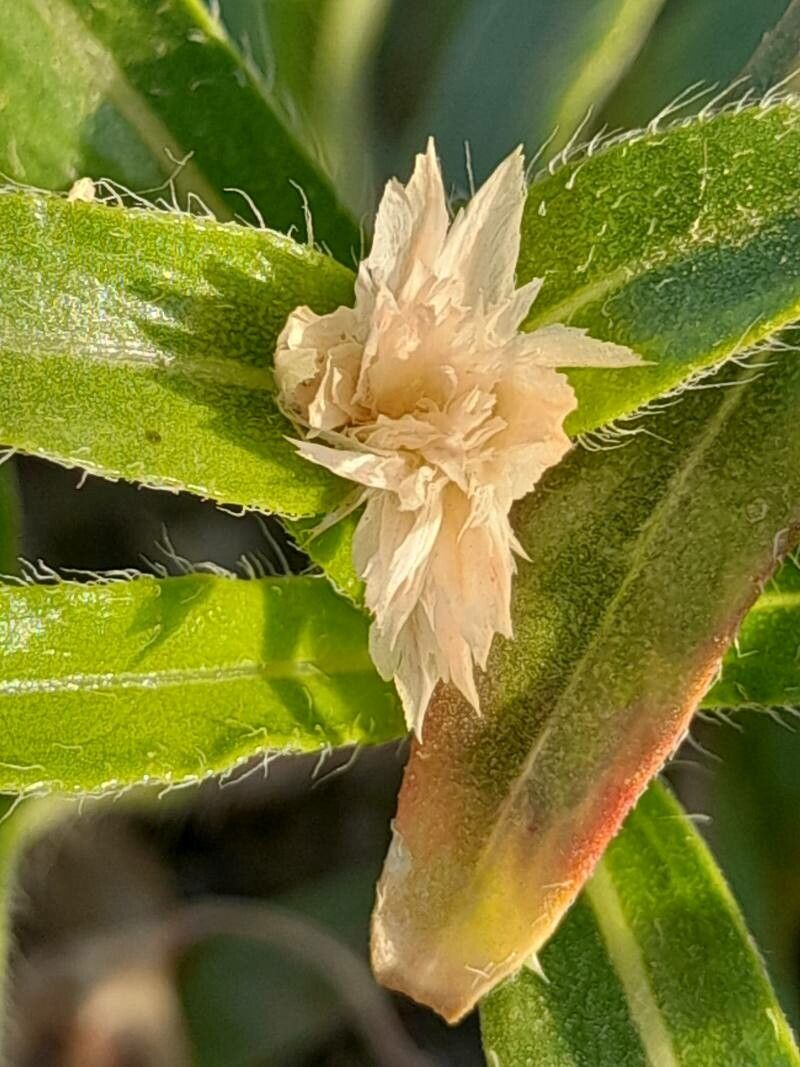
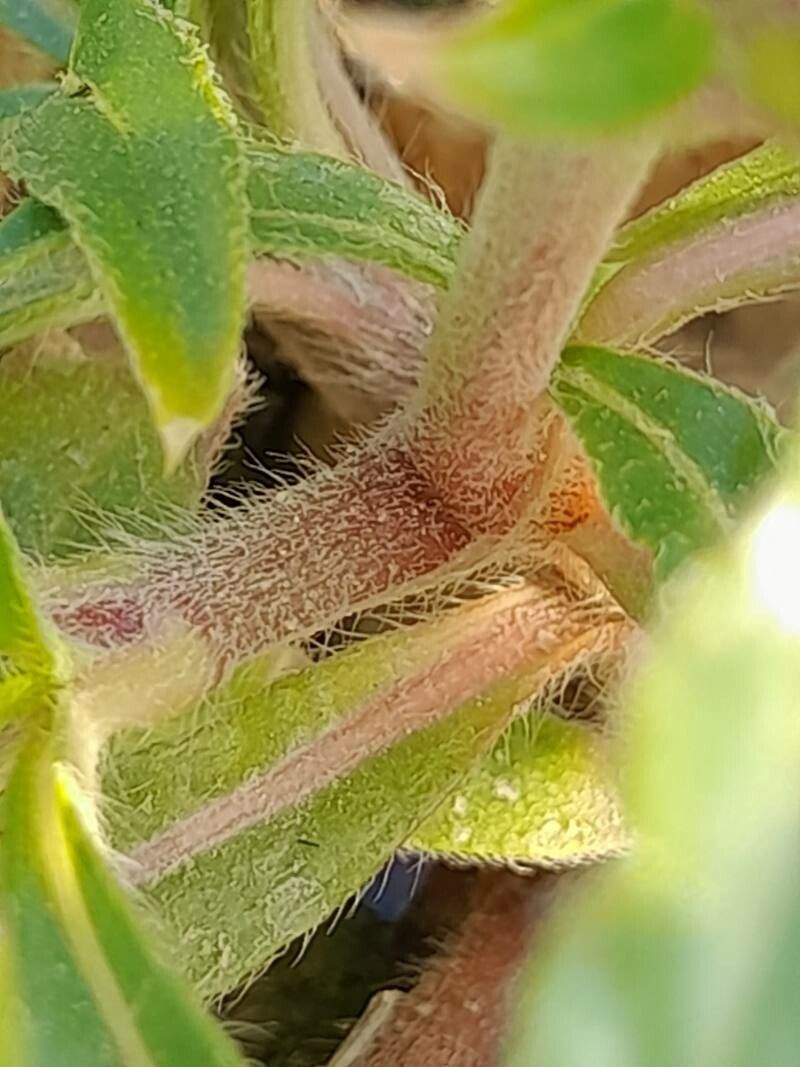
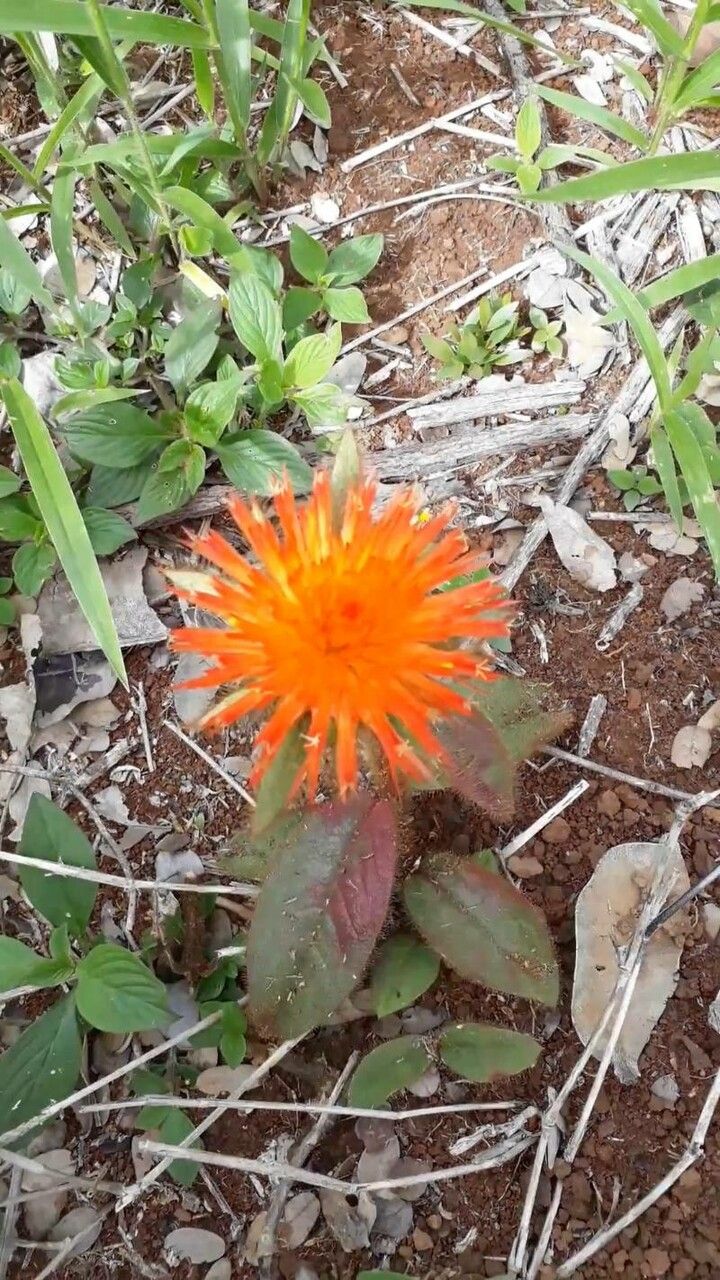
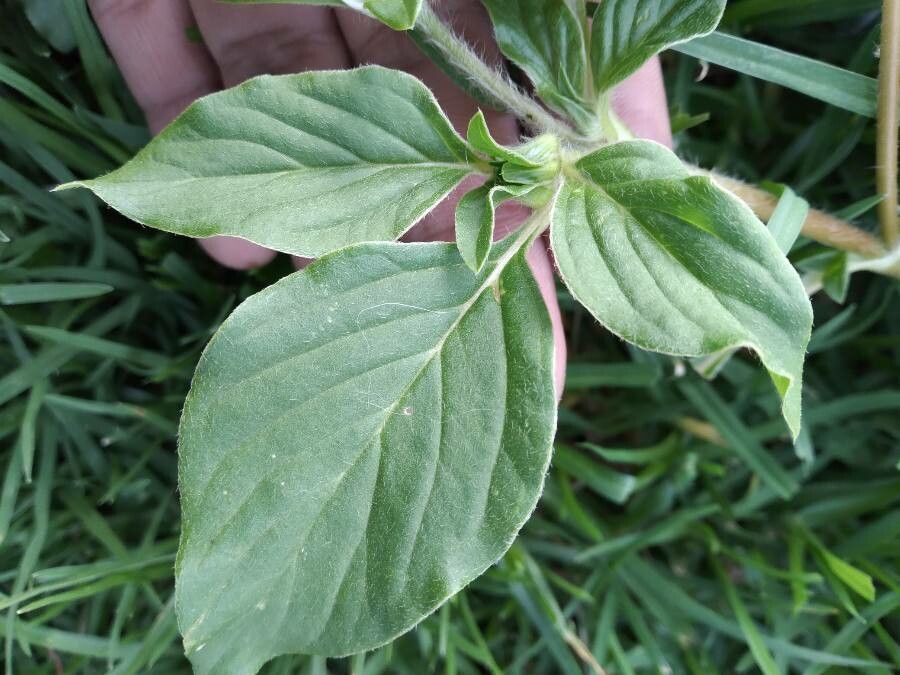
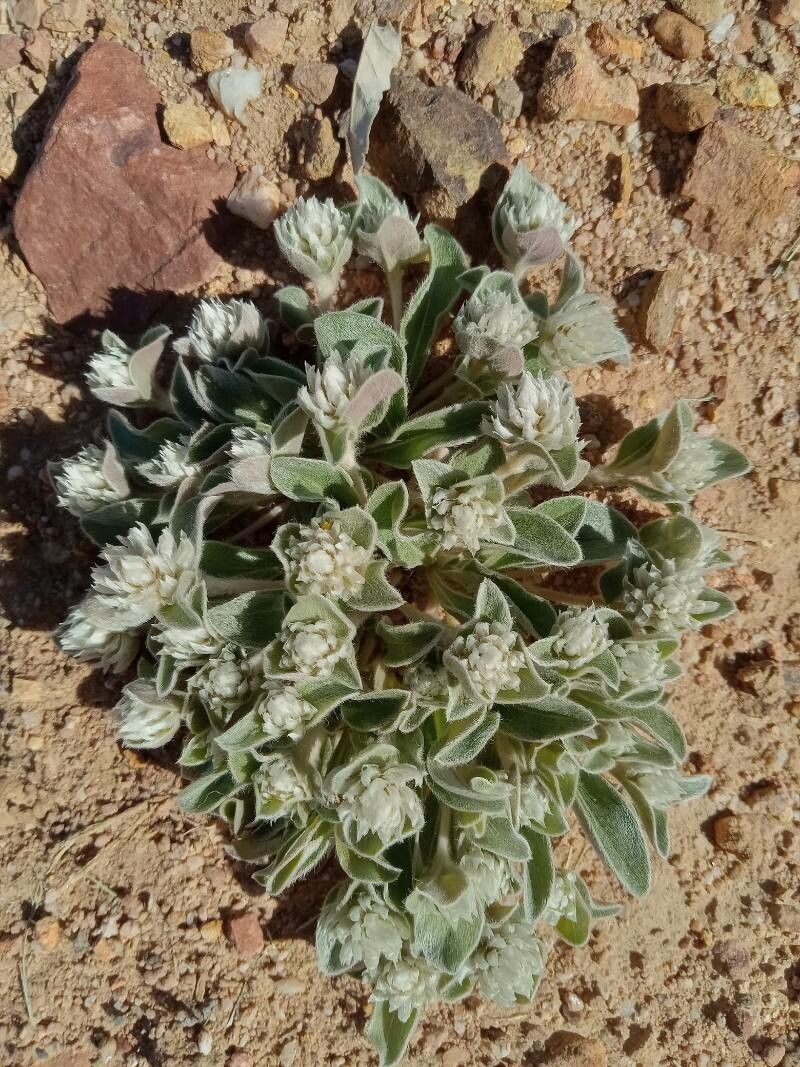
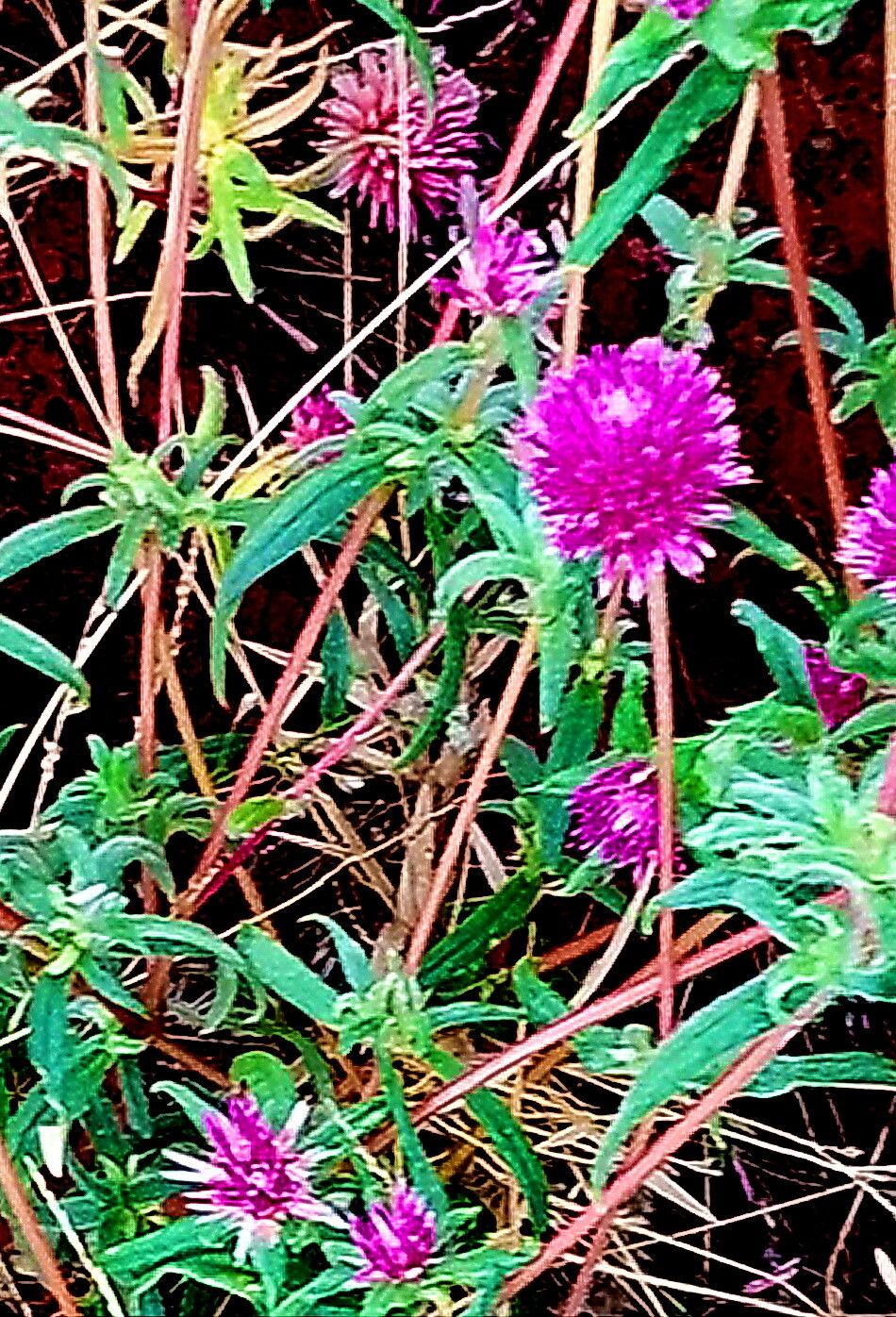
Gomphrena haageana, the Rio Grande globe amaranth, is a herbaceous perennial plant that acts as an annual in temperate climates. The most common cultivar is known as Strawberry Fields globe amaranth. It has a red flower reminiscent of a strawberry. It can grow up to 45 cm (18 in) in height.
Rio grande globe amaranth has strong disease resistance and is generally unlikely to suffer from illnesses. Still, it can be affected by pests and diseases present in its surroundings, though such problems are typically mild. Regarding care, this plant needs moderate maintenance. Regular pruning is necessary to keep it looking neat and to encourage healthy growth. Fertilizing can also promote flowering. Rio grande globe amaranth is well suited for anyone with outdoor space, like a garden or patio, and does not demand extensive care experience. It can take more attention when cultivated indoors.
How to keep Gomphrena Haageana.
Light
Rio grande globe amaranth is a sun-loving perennial herbaceous plant native to open habitats, commonly thriving in meadows and grasslands. It prefers full sun but can also tolerate partial sun.
Water
The Rio Grande globe amaranth is well-suited for dry conditions and demonstrates excellent drought tolerance. Although it thrives in arid environments, it still requires weekly watering and prefers well-drained soil. Native to semi-arid regions, this plant remains evergreen and maintains its lush appearance throughout the year, even in the face of limited water availability.
Temperature
Rio Grande globe amaranth comes from tropical areas, where the climate is usually warm and humid. Consequently, it is well suited to high temperatures and humidity. It does not tolerate sudden temperature changes and prefers a consistent temperature environment, so avoiding temperature fluctuations indoors is important. It generally cannot withstand cold conditions and needs warmer temperatures to grow. If the surrounding temperature falls too low, the plant may stop growing or even die.
Fertilizer
Correct fertilization is vital to the health and appearance of Rio grande globe amaranth. Apply fertilizer to Rio grande globe amaranth in summer, repeating the application monthly throughout the season. Nutrients provide fuel for growth and help maintain the plant's components. Fertilizing improves Rio grande globe amaranth's flower display, ensuring the best blooms.
Pruning
The Rio Grande globe amaranth features vibrant, globe-shaped flowers that are truly eye-catching. For optimal growth and blooming, it's best to prune the plant from early to late spring. Regular trimming encourages a bushier appearance, while avoiding heavy pruning helps minimize stress on the plant. Additionally, strategic pruning improves airflow, which reduces the risk of disease and supports robust flowering.
Botanical profile.
- Plant Type
- Herb
- Life Cycle
- Perennial, Annual
- Genus
- Gomphrena
- Family
- Amaranthaceae
- Hardiness Zone
- 8-11
- Mature Height
- 61 cm to 76 cm
- Mature Spread
- 20 cm to 30 cm
- Leaf Color
- Green, Blue
- Leaf Type
- Semi-evergreen
- Flower Color
- Red
- Flower Size
- 2.03 cm to 3.05 cm
- Bloom Time
- Summer, Fall
- Planting Time
- Spring, Summer, Autumn
- Harvest Time
- Late summer, Fall, Early winter
- Native Area
- Mexico
Other names.
Reader questions.
How should I water my Rio grande globe amaranth plant?
When watering the Rio grande globe amaranth, it's best to use filtered water at room temperature. Tap water may contain harmful particles, so filtered water is preferred. The plant comes from a warm environment, so it's important to avoid using cold water as it can be a shock to the plant. Instead of overhead watering, it's recommended to soak the soil with filtered, room temperature water. This helps moisten the roots and allows them to spread through the soil and absorb necessary nutrients.
Why should I fertilize my Rio grande globe amaranth?
The main structure of the Rio grande globe amaranth is made up of its leaves. Fertilizing the plant is crucial for maintaining the health and appearance of these leaves. Proper fertilization ensures that the leaves retain a consistent color and a healthy texture. Additionally, fertilization also benefits the plant below the soil by promoting root growth. This not only keeps the plant healthy in the present but also improves its ability to absorb nutrients from the soil in the future.
What are the sunlight requirements for Rio grande globe amaranth?
Rio grande globe amaranth thrives in conditions where it can receive full sun, which is defined as more than 6 hours of sunlight per day. However, it is also capable of growing in partial sun conditions, meaning it requires about 3-6 hours of sunlight daily. It's important to observe how sunlight moves through your garden to ensure you're providing the plants with an ideal balance of light and shade, contributing to their growth and wellbeing.
What is the common name of Gomphrena haageana?
The common name for Gomphrena haageana is Rio grande globe amaranth.
What do I do if I give my Rio Grande globe amaranth too much or too little water?
Both overwatering and underwatering can harm the health of your Rio grande globe amaranth, but overwatering is more common. Overwatering can cause wilting and yellowing of stems and leaves, as well as diseases like root rot, mold, and mildew that can kill the plant. Underwatering is less common for this plant, as it can tolerate drought well. However, if underwatering occurs, the leaves may become brittle and brown. It's important to recognize the signs of overwatering early, as some diseases caused by overwatering, such as root rot, may be irreversible if not addressed promptly. If you notice signs of overwatering, reduce watering immediately and consider using well-draining soil. If you observe signs of underwatering, simply increase your watering frequency until the signs improve.
When should I fertilize my Rio grande globe amaranth for the best results?
If you have a Rio grande globe amaranth plant that you grow outdoors, it will start growing new leaves in early spring. This is a good time to start fertilizing for the year. Usually, one application of fertilizer is enough for the plant to thrive. However, if you want to maximize its growth, you can fertilize it multiple times throughout the spring and early summer. In this case, you can feed the plant about once every month to a month and a half.
What are some essential considerations for the care of Rio grande globe amaranth?
Understanding the essentials for Rio grande globe amaranth care starts with recognizing its need for sunlight. It's a perennial herbaceous plant that loves full sun but will tolerate partial sun. For indoor plants, ensuring adequate lighting is crucial, especially in conditions where natural light is insufficient. Artificial lighting, like LED lights, can be used to supplement natural light, providing the wavelengths needed for growth. Indoor full sun plants require 30-50W/sq ft, partial sun plants need 20-30W/sq ft, and full shade plants need 10-20W/sq ft of artificial light. The light source should be placed 12-36 inches above the plant, mimicking natural sunlight as closely as possible.
What are the essential care instructions for Rio grande globe amaranth?
The dataset does not provide specific care instructions for Rio grande globe amaranth. For successful growth, it's generally recommended to research and follow the best practices tailored to the plant's needs.
How often do I need to water my Rio Grande globe amaranth?
If your Rio grande globe amaranth is in a pot, you can check if it needs water by feeling the soil with your finger. If the top two to three inches of soil are dry, it's time to water it. The same method can be used if you have the plant outdoors in the ground. When the top few inches of soil are dry, it's time to water. During spring and early fall, you'll usually need to water once a week. In extremely hot weather, you may need to water twice or more per week. However, mature Rio grande globe amaranth plants have a strong ability to withstand drought.
When is the best time to not fertilize my Rio Grande globe amaranth?
During the late fall and winter, your Rio grande globe amaranth will go into a dormant phase and stop growing. It's best to avoid fertilizing during this time. In the spring and summer, if you do choose to fertilize, gradually decrease the amount as summer approaches because the plant's growth rate will also slow down. It's important to never fertilize during extremely hot weather or when the soil is excessively dry, as this can harm the plant and cause it to die prematurely.
What symptoms indicate inadequate lighting for Rio grande globe amaranth?
Rio grande globe amaranth may show various symptoms when it doesn't receive enough light, including smaller new leaves, leggy or sparse growth, premature leaf drop, slower or stunted growth, paler new leaves, chlorosis, and conditions such as sunscald, leaf curling, wilting, and leaf scorching. These symptoms help identify that the plant is not in an optimal environment and needs more light exposure to thrive.
What symptoms indicate problems with Rio grande globe amaranth?
The dataset does not list any symptoms that might indicate problems with Rio grande globe amaranth. Monitoring the plant for common signs of distress, such as discoloration, drooping, or pests, is advisable for maintaining its health.