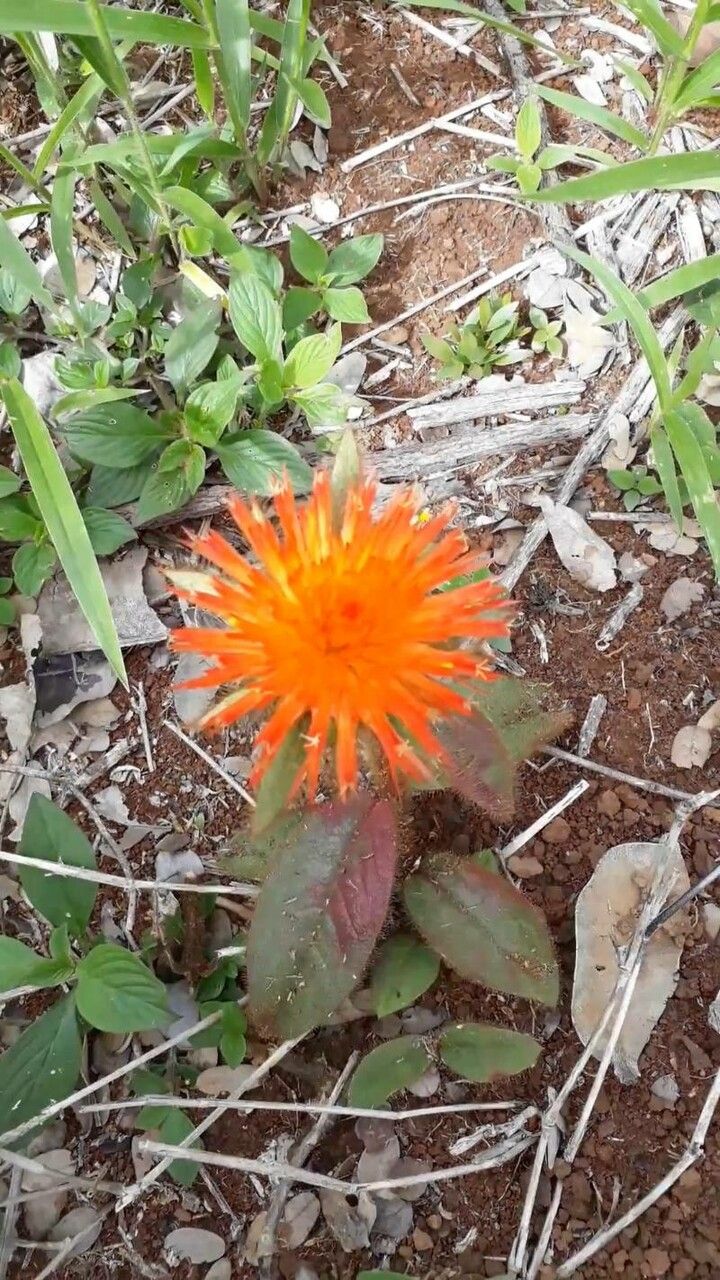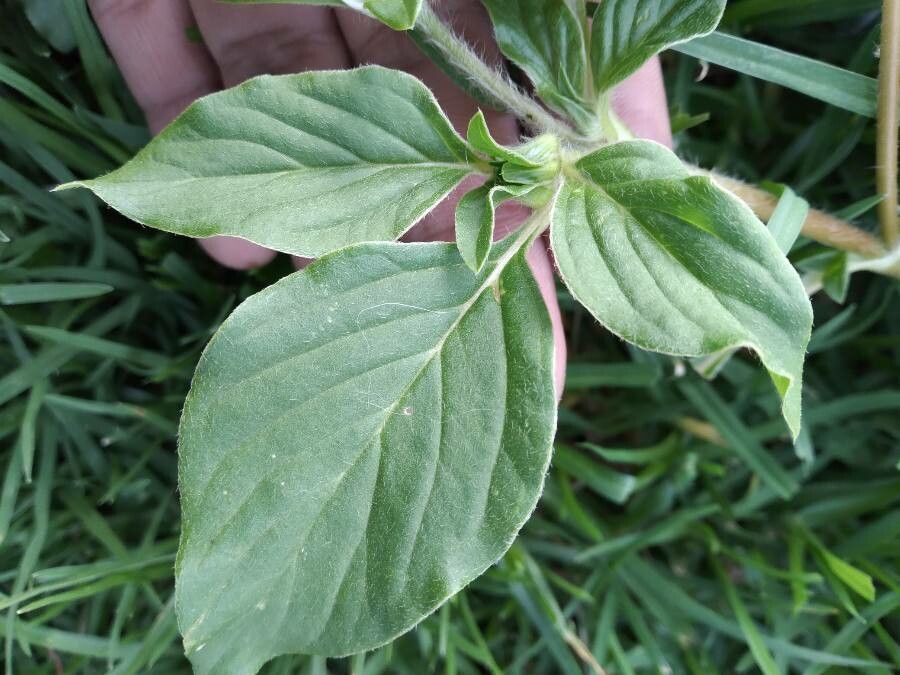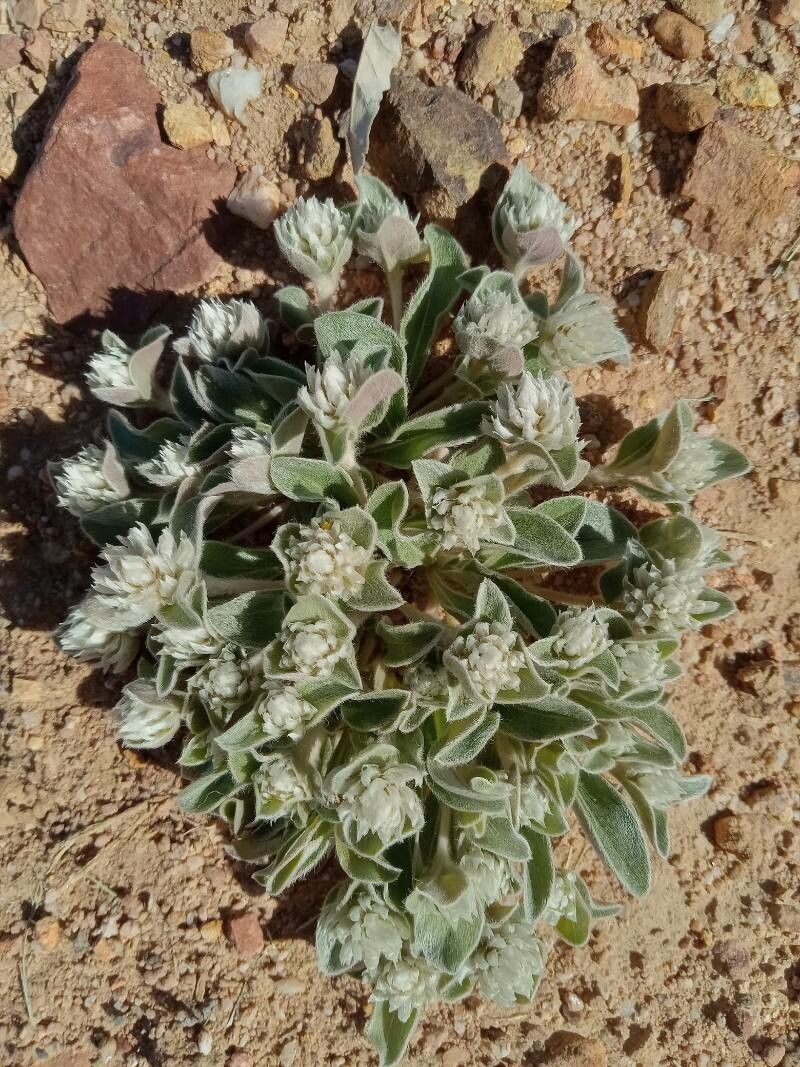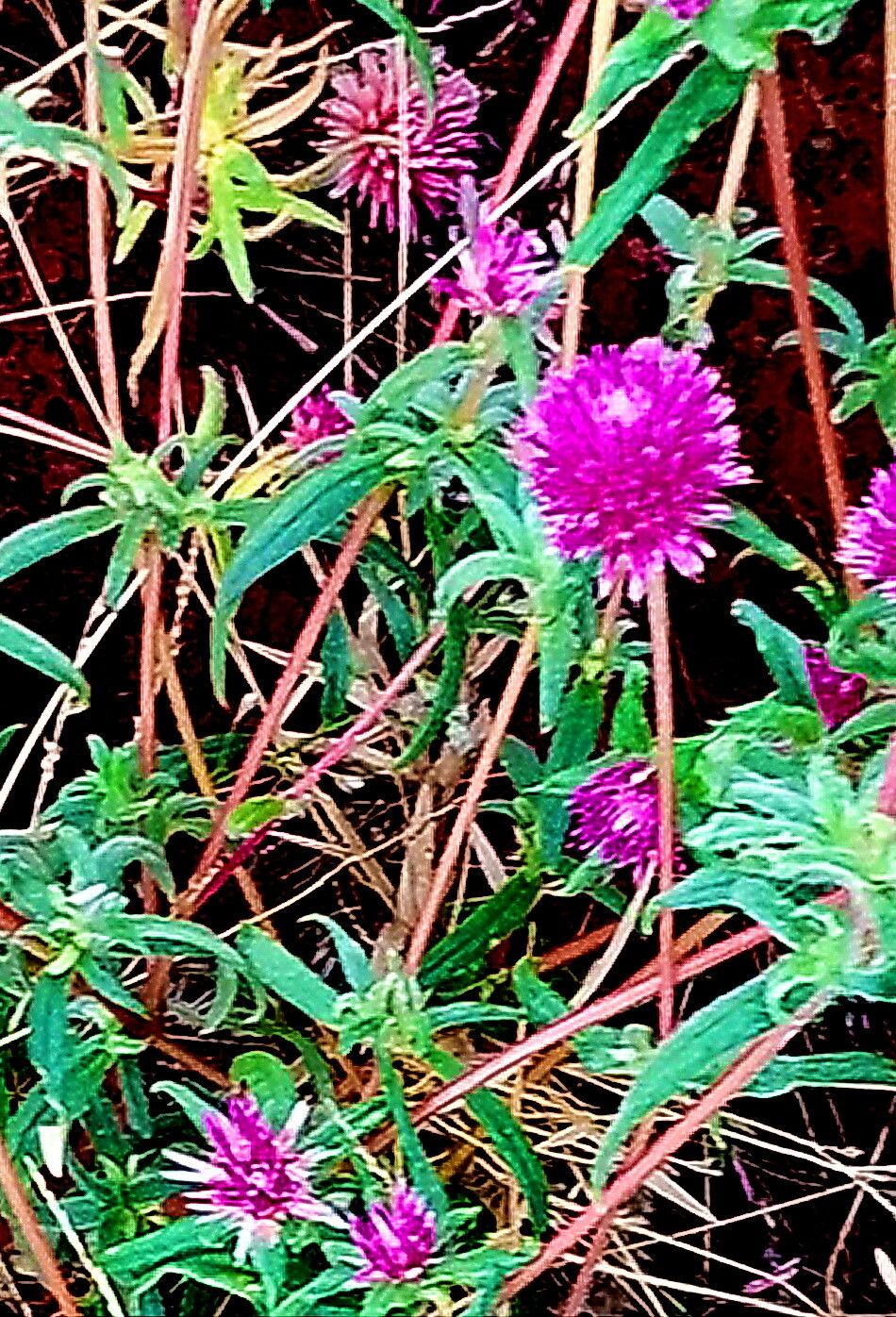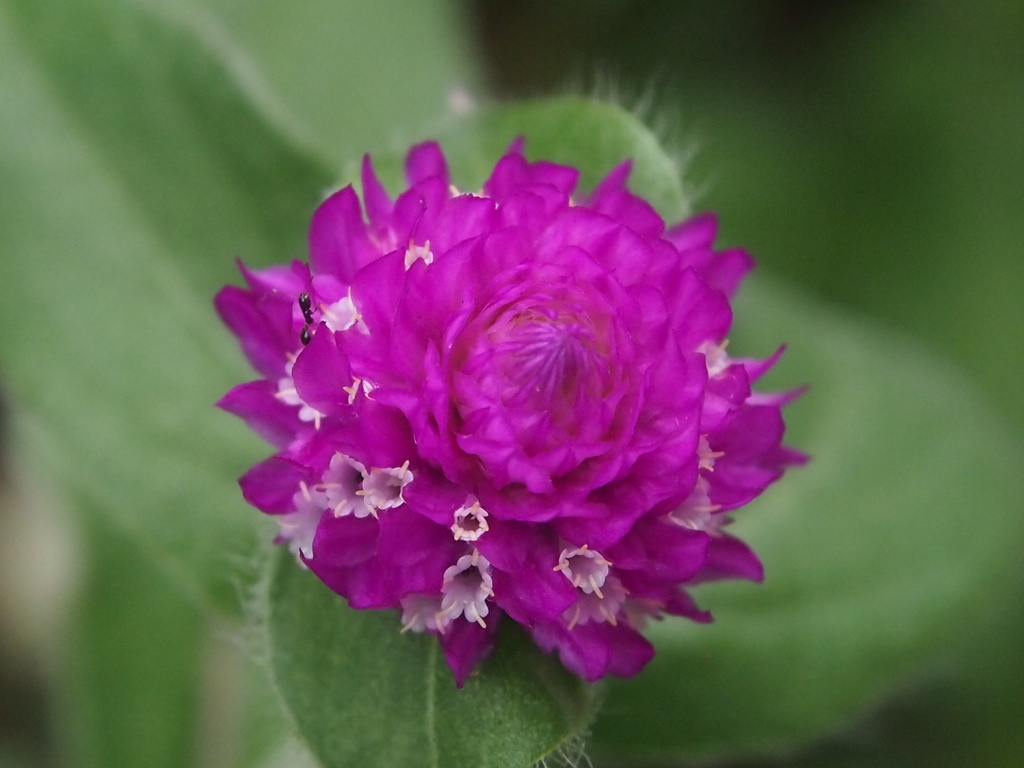
Gomphrena globosa, commonly known as globe amaranth, is a flowering plant in the Amaranthaceae family. Native to Central and South America, it has been widely cultivated across the globe for its ornamental appeal. The plant can grow up to 60 cm tall and produces small, globe-shaped flowers in a variety of colors, including pink, purple, white, and red.
Globe amaranth is a hardy plant that thrives in full sun or partial shade and prefers well-drained soil. Depending on the climate, it can be grown as either an annual or a perennial. The flowers are long-lasting and are ideal for use in cut flower arrangements or dried flower crafts.
In traditional medicine, Gomphrena globosa has been utilized for its anti-inflammatory properties and to treat various ailments such as fever, coughs, and digestive issues.
According to legend, there was once a couple who lived by the seashore. One day, the man went out to fish but never returned. The woman, heartbroken and distraught, eventually passed away. Upon her grave, flowers began to bloom. Remarkably, after many years, the man suddenly returned. When he wept over her grave, the flowers withered away. These enduring flowers later became known as globe amaranth. FUN FACT · FROM THE LIBRARY
Overall, Gomphrena globosa is an attractive ornamental plant with both aesthetic and medicinal uses, making it a popular choice among gardeners worldwide.
Common Globe Amaranth: This plant is related to the Cockscomb and Love-Lies-Bleeding. It typically blooms throughout the summer and early fall, producing globe-shaped flowers. The most common color is a purple-red hue, which is why it is called the Common Globe Amaranth.
Globe amaranth is fairly disease-resistant and is usually not prone to many illnesses. However, it can be affected by pests and diseases present in its surroundings. These problems are typically not severe. In terms of care, the plant requires moderate maintenance. It should be pruned regularly to keep a neat appearance and support healthy growth. Fertilizing can also help encourage flowering. Globe amaranth is suitable for anyone with an outdoor area, such as a garden or patio, and does not demand much prior gardening experience. It may need extra attention if grown indoors.
How to keep Gomphrena Globosa.
Light
Globe amaranth does best with plentiful sunlight and can prosper in places that get sun without it being overly intense. In its native habitats the plant did well under those conditions. Too little light may stunt its growth, while too much can scorch the leaves.
Water
The common globe amaranth originates from tropical regions and thrives in high humidity and warm conditions. This plant prefers consistent moisture, so it's best to water it twice a week to keep the soil evenly moist. Typically grown outdoors, the common globe amaranth flourishes under natural sunlight and rain patterns during its active growing season, which enhances its vibrant flower display.
Temperature
Globe amaranth is adapted to a warm, tropical climate and prefers temperatures of 68 to 95 °F (20 to 35 °C). During colder seasons, temperature adjustments may be needed to preserve its normal thermal conditions.
Fertilizer
Resume fertilizing once most Globe amaranth blooms have opened to full size. When the flowers are at peak production, fertilize every three to four weeks, weather permitting. After the plant begins producing fewer new blooms, stop fertilizing; there's no reason to feed it if it can no longer produce additional flowers.
Pruning
To ensure the healthy growth of common globe amaranth, it's beneficial to prune the plant in the spring. This helps remove dead stems and encourages new growth. Pinching the young shoots also promotes bushier growth and more abundant flowering. Be sure to use clean, sharp tools to prevent infections. Regular pruning improves air circulation and increases the plant's exposure to sunlight, resulting in a healthier and more vigorous plant.
Pot & Repot
When repotting Globe amaranth, choose a pot that is 1-2 inches (2.5–5.1 cm) larger in diameter and ensure it has good drainage. Use a well-draining potting mix and consider adding perlite for extra drainage. Repot in spring or early summer, water thoroughly afterward, and keep it in a shady spot at first.
Toxicity
The globe amaranth is generally safe but may be potentially toxic if ingested in large quantities. Eating too much amaranth can be poisonous and is even associated with kidney problems, though it would take a large dose to see these effects. Keep them away from children, pets, and livestock.
Further reading →
The toxicity and danger assessments provided are for reference only. We do not assure their accuracy, so it's crucial not to depend on them. Seek professional advice when necessary for accurate guidance.
Botanical profile.
- Plant Type
- Herb
- Life Cycle
- Annual
- Genus
- Gomphrena
- Family
- Amaranthaceae
- Hardiness Zone
- 4-8
- Mature Height
- 20 cm to 61 cm
- Mature Spread
- 15 cm to 30 cm
- Leaf Color
- Green
- Leaf Type
- Deciduous
- Flower Color
- Purple
- Flower Size
- 2.03 cm to 3.05 cm
- Bloom Time
- Summer
- Planting Time
- Spring, Summer
- Harvest Time
- Mid summer, Late summer, Early fall
- Native Area
- Sri Lanka, Malaysia, Mexico, Guatemala, Indonesia, Cambodia, Brazil, Nepal, Honduras, Philippines, Bangladesh, Laos, Panama, China, Colombia, Bolivia, Vietnam, Myanmar, Japan, Guyana, Bhutan, Nicaragua, Ecuador, Thailand
Other names.
Reader questions.
How should I water my Common globe amaranth?
Common globe amaranth can be watered using various tools like a garden hose with a spray nozzle, a watering can, or any other common watering tool. They are not too particular about the type of water they receive, whether it's rainwater, tap water, or filtered water. It's best to avoid watering this plant from above to prevent damage to leaves and flowers and to minimize the risk of disease. A drip irrigation system is often recommended for watering Common globe amaranth as it provides even and direct watering to the soil. If you have a container-grown Common globe amaranth, you can use a cup, watering can, or tap to water the soil directly.
Why should I put fertilizer on my Common globe amaranth plant?
Plants, including Common globe amaranth, depend on nutrients to survive. It is common knowledge among gardeners that providing the right nutrients is crucial for the plant's well-being. Without proper nourishment, Common globe amaranth will not survive long after pollination. By giving the plant the right nutrients in the right amounts, it can thrive throughout the blooming season and produce large, beautiful flowers. Fertilizer plays a significant role in helping Common globe amaranth develop a healthy root system. This is particularly important as the plant has a fragile and easily damaged root system. Fertilizing when planting allows the plant to establish a strong root structure that not only provides stability but also sets the stage for impressive flowering. When timed correctly, fertilization can significantly prolong the flowering period of Common globe amaranth.
What are the sunlight requirements for Common Globe Amaranth?
Common Globe Amaranth requires specific sunlight conditions to thrive. It needs full sun, defined as above 6 hours of sunlight per day, or partial sun, approximately 3-6 hours of sunlight per day. Ensuring the right balance of light and shade is crucial for the health of these plants, as observed in their native ecosystems. Inadequate sunlight can lead to stunted growth, whereas too much sunlight can cause leaf burn. It's important to monitor how sunlight moves through your garden to choose the best spots for your plants.
What are the ideal temperature conditions for Common Globe Amaranth?
Common Globe Amaranth, scientifically known as Gomphrena globosa, thrives in warm, tropical climates, preferring temperatures between 68 to 95°F (20 to 35°C). However, it also displays strong cold resistance, generally not requiring special frost protection measures during winter. Nonetheless, in environments where winter temperatures are expected to plunge below -30°C, providing cold protection by covering the plant with soil or straw is recommended. Additionally, watering the plant abundantly before the first freeze in autumn to ensure the soil remains moist entering a frozen state can help mitigate drought and water scarcity during winter and early spring.
What should I do if I give too much or too little water to my Common globe amaranth plant?
Underwatering Common globe amaranth is easy to remedy. Simply start watering the plant more regularly when you notice it lacks moisture. Overwatering, on the other hand, can be a serious problem. If not caught early, it can lead to diseases and the eventual decline and death of the plant. To prevent this, choose a location with plenty of sunlight to dry the soil and good drainage to prevent waterlogging. If you overwater a potted Common globe amaranth, consider changing it to a new pot with better drainage. When repotting, use loose soils and a pot that drains efficiently.
When should I put fertilizer on my Common globe amaranth plant?
Common globe amaranth experiences rapid growth after the last frost. It's best to fertilize the plant during planting, whether it's in the ground or in planters. This initial dose of fertilizer will be the only one until later in the year, when the blooms are in full force. Once the plant has reached its peak bloom, start fertilizing every three to four weeks, as weather allows. However, once the plant starts producing fewer new blooms, stop fertilizing as there is no need for additional fertilizer.
How does artificial lighting assist in the growth of indoor Common Globe Amaranth plants?
Artificial lighting plays a vital role in the growth of indoor Common Globe Amaranth plants, especially when natural sunlight is insufficient. LED lights are recommended because they can be customized to provide the wavelengths of light that plants need. Full sun plants require 30-50W/sq ft, partial sun plants need 20-30W/sq ft, and full shade plants require 10-20W/sq ft of artificial light. The light source should be placed 12-36 inches above the plant to mimic natural sunlight, and the duration should match the natural daylight hours, typically 8-12 hours per day, to promote faster and healthier growth.
How does Common Globe Amaranth react to low temperatures?
Common Globe Amaranth is capable of withstanding cold temperatures but thrives best when the temperature remains above 20°C. During the winter months, it is advisable to keep the temperature above 0°C. Should temperatures drop below -30°C, the plant may not show immediate adverse changes, but there could be a reduction in sprouting, or in some cases, no sprouting at all come spring. To address such issues, any un-sprouted parts should be removed at the start of the spring season.
How often should I give water to my Common globe amaranth?
To keep your Common globe amaranth healthy, it's important to water it regularly. In the spring, watering once a week should suffice. As the weather gets warmer, you may need to increase watering to two or three times a week. However, be cautious not to overwater, as this can harm the plant. It's crucial to keep the soil moist but not excessively wet. If you are growing Common globe amaranth in a pot, you'll need to water it more frequently. Potted soil tends to dry out faster, so watering a few times a week is usually necessary, compared to once a week for plants in the ground.
When should I not use fertilizer on my Common globe amaranth?
Regular fertilizing is important for Common globe amaranth, but it's crucial to apply it at the right time. Sometimes, it's necessary to hold back on fertilizing due to climate-related factors or other controllable factors. When there are issues with the plant, soil, or climate, it's best to wait until things have improved and the plant has recovered. For instance, if there are sudden severe weather changes like a cold snap in the middle of summer, it's better to wait until warmer weather to start fertilizing again. Similarly, if the soil is too dry or compacted for absorption, fertilizer will go straight to the roots instead of being distributed by the soil. This is not ideal for the roots of Common globe amaranth. In addition, it's advised not to apply fertilizer when temperatures are extremely high, such as during the hottest parts of the day reaching 90 degrees Fahrenheit. Fertilizer can break down at different rates depending on temperature, so it's important not to let hot temperatures break it down too quickly. It's also necessary to treat and resolve any pest or disease issues before fertilizing again.
What are the symptoms of light deficiency in Common Globe Amaranth when grown indoors?
When Common Globe Amaranth is grown indoors with inadequate light, several symptoms may signal light deficiency. These include smaller new leaves compared to mature ones, leggy or sparse growth with long spaces between leaves or stems, faster leaf drop as the plant sheds older leaves to conserve resources, delayed or halted growth, and leaves that develop irregular color patterns or appear pale due to insufficient chlorophyll. Addressing these symptoms promptly by adjusting light conditions is essential for the health of the plant.
What should be done if Common Globe Amaranth experiences high temperatures?
When temperatures spike, particularly during the summer, it is essential to ensure that the ambient temperature around the Common Globe Amaranth does not exceed 35°C. Exposure to temperatures above 38°C can result in the plant's leaves becoming lighter in color, prone to curling, susceptible to sunburn, and, in severe cases, leading to the wilting and drying out of the entire plant. To mitigate these effects, sunburned and dried-up parts of the plant should be trimmed. The plant may also benefit from being moved to a shaded location, especially during the midday and afternoon sun, or by using a shade cloth. Ensuring the soil remains moist through morning and evening watering sessions can further prevent damage.