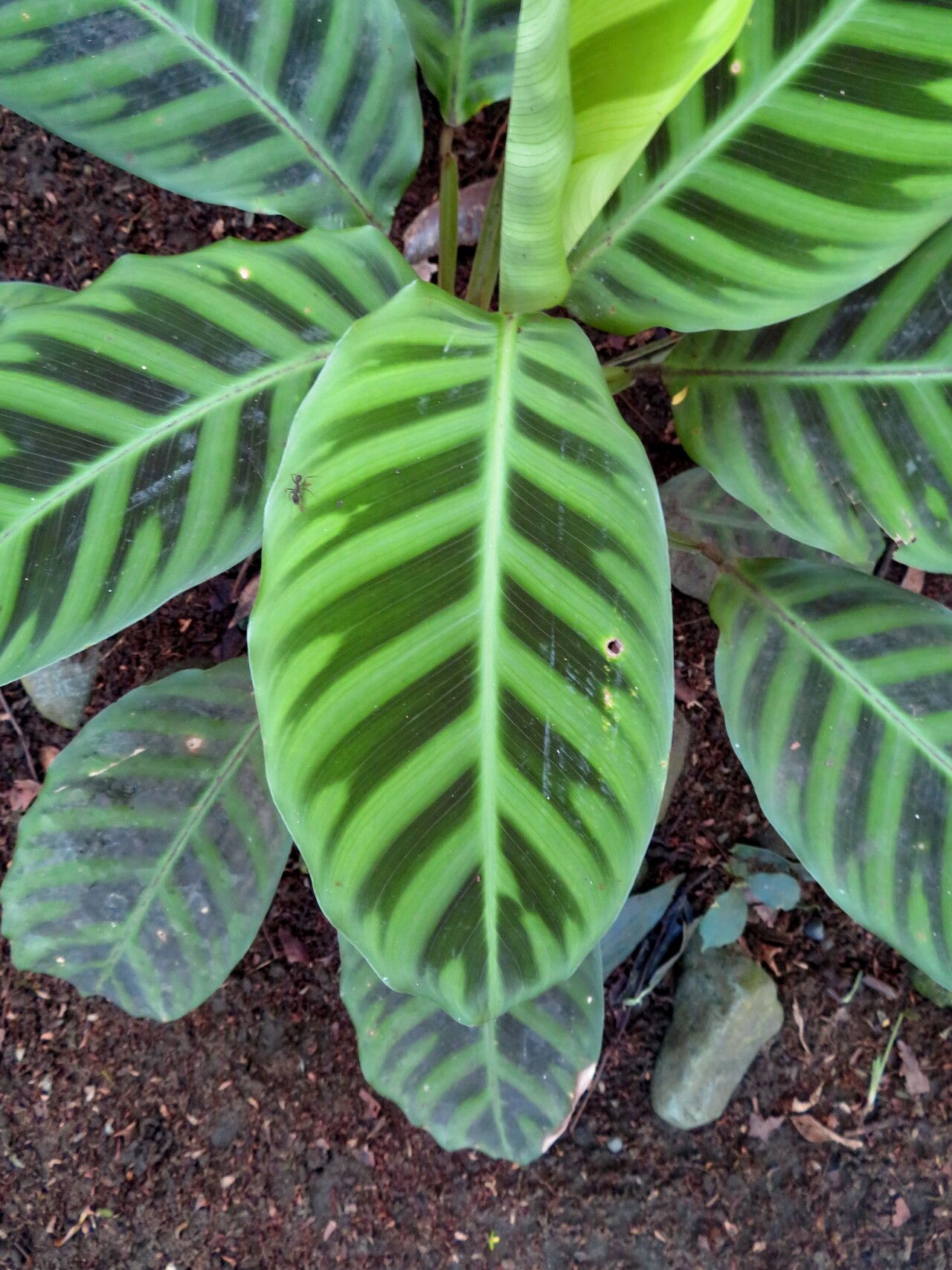
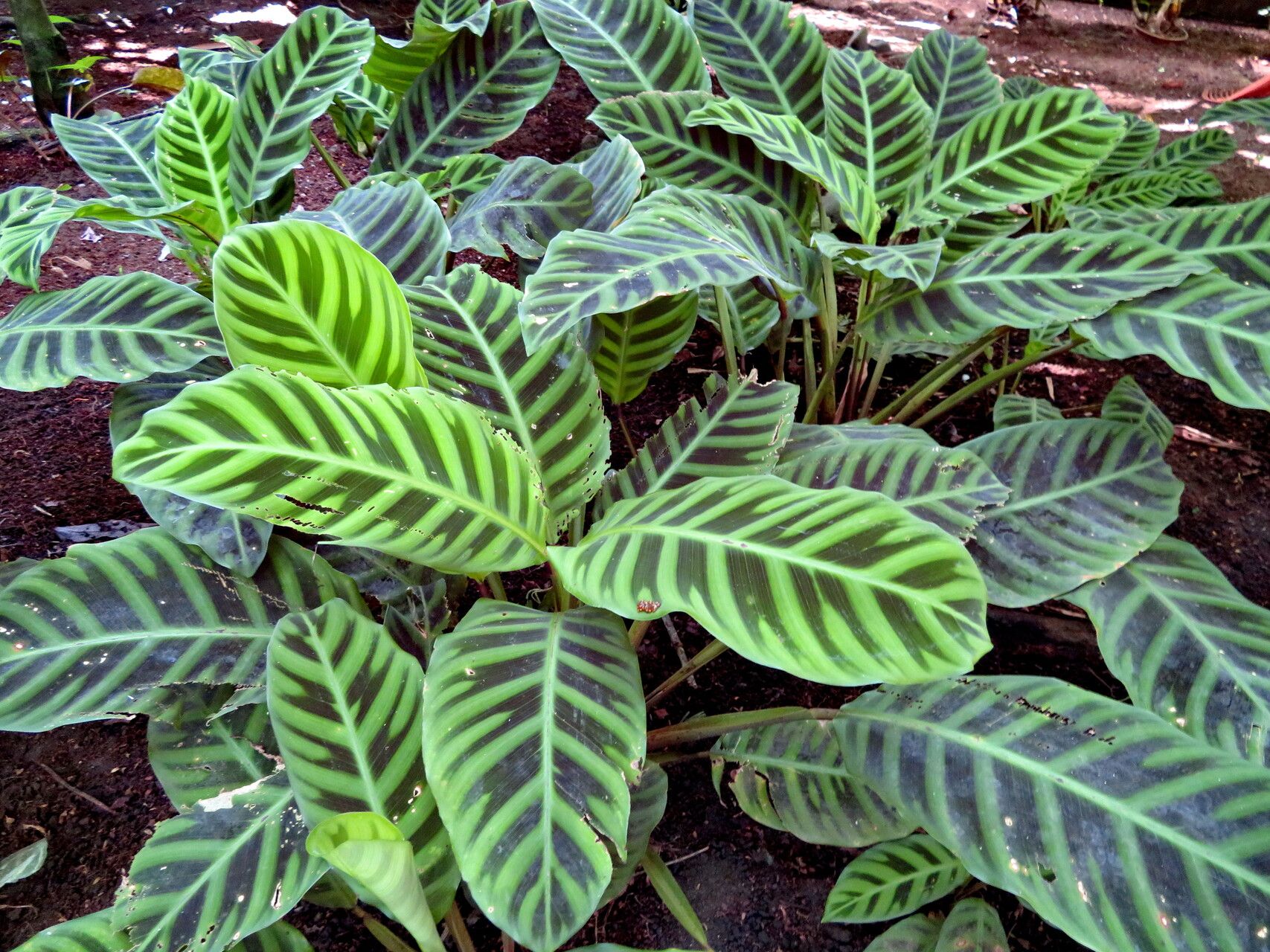
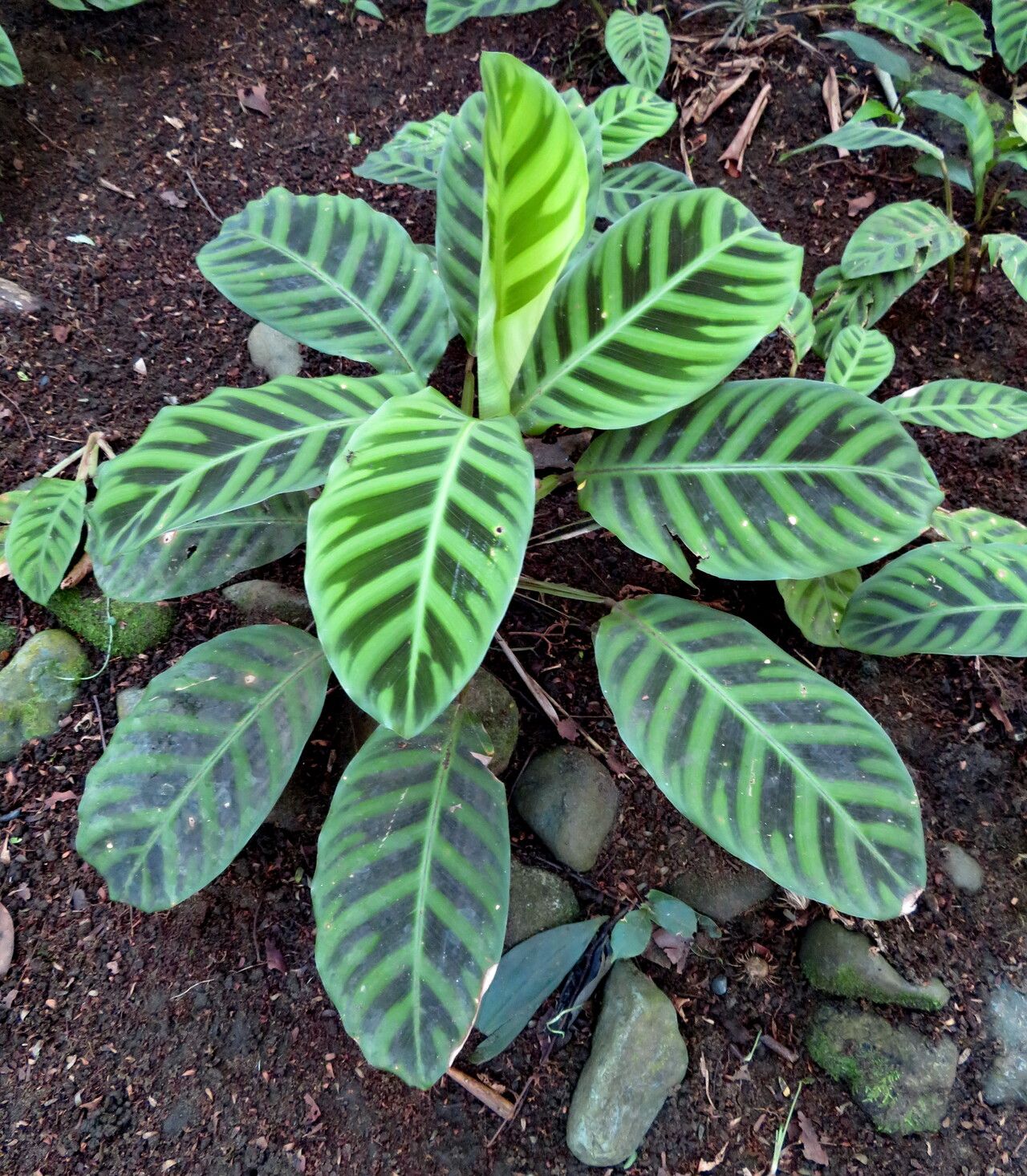
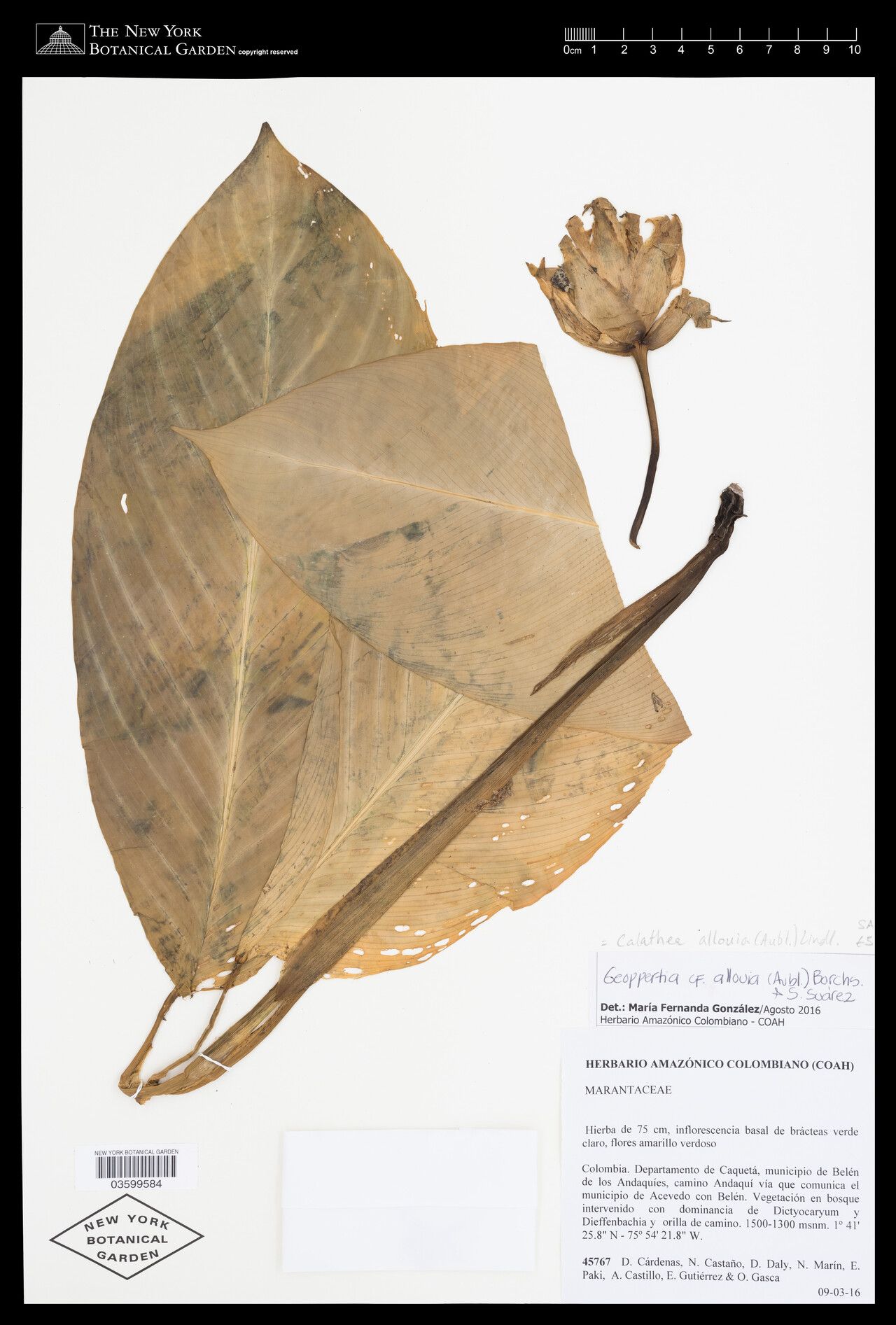
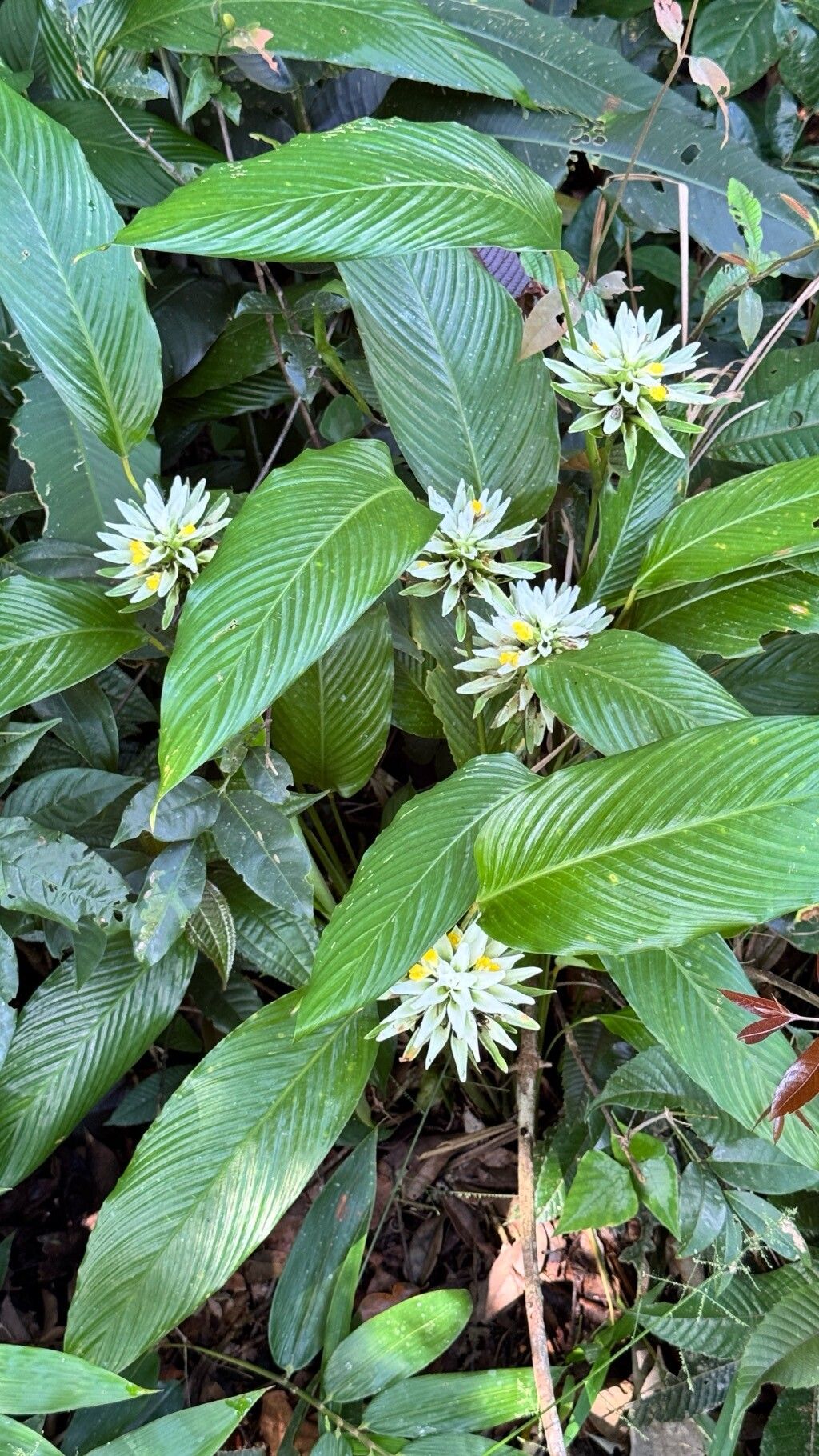
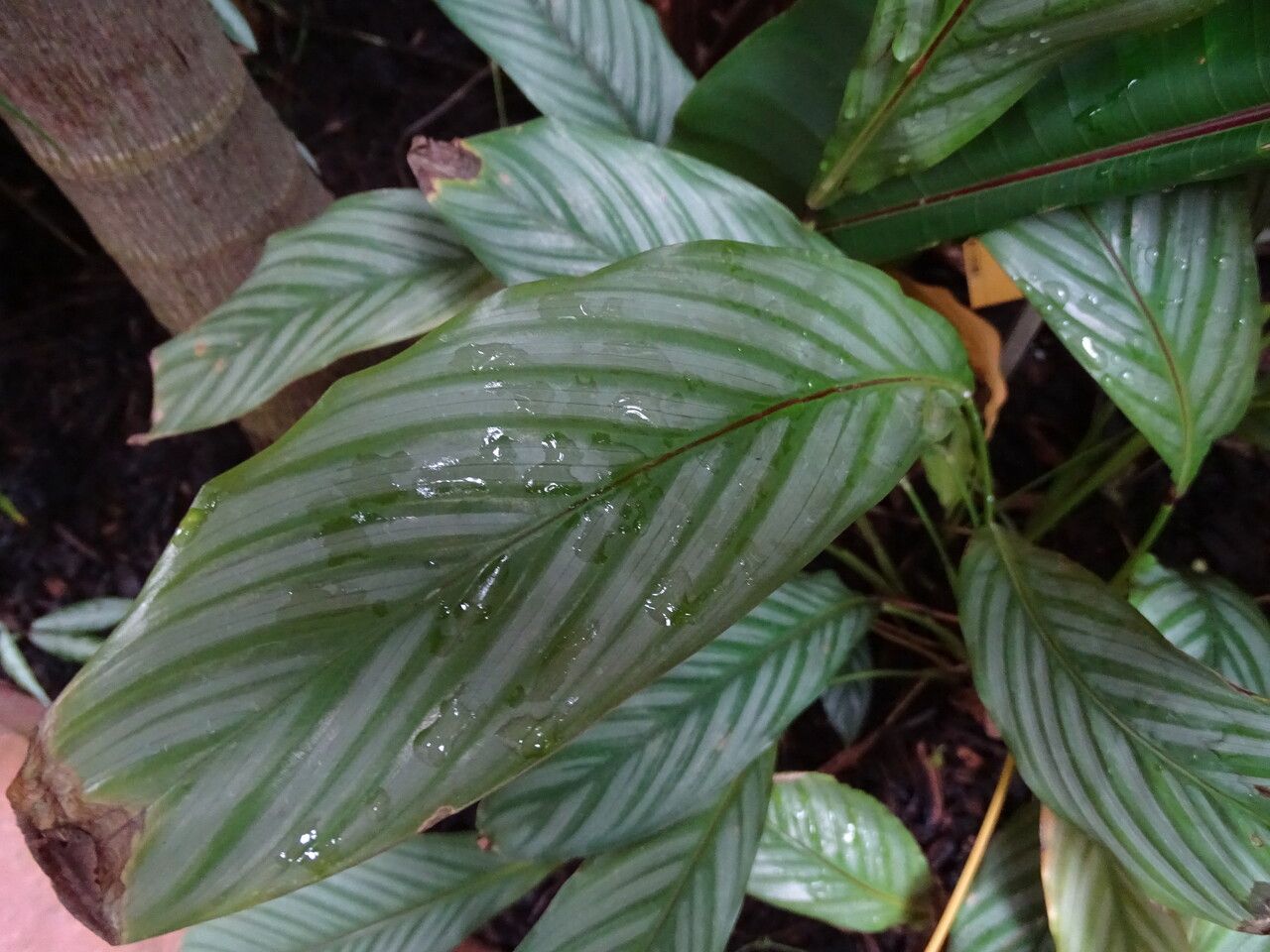
Goeppertia zebrina, the zebra plant, is a species of plant in the family Marantaceae, native to southeastern Brazil. It is sometimes known by the synonym Calathea zebrina. Goeppertia zebrina has gained the Royal Horticultural Society's Award of Garden Merit.
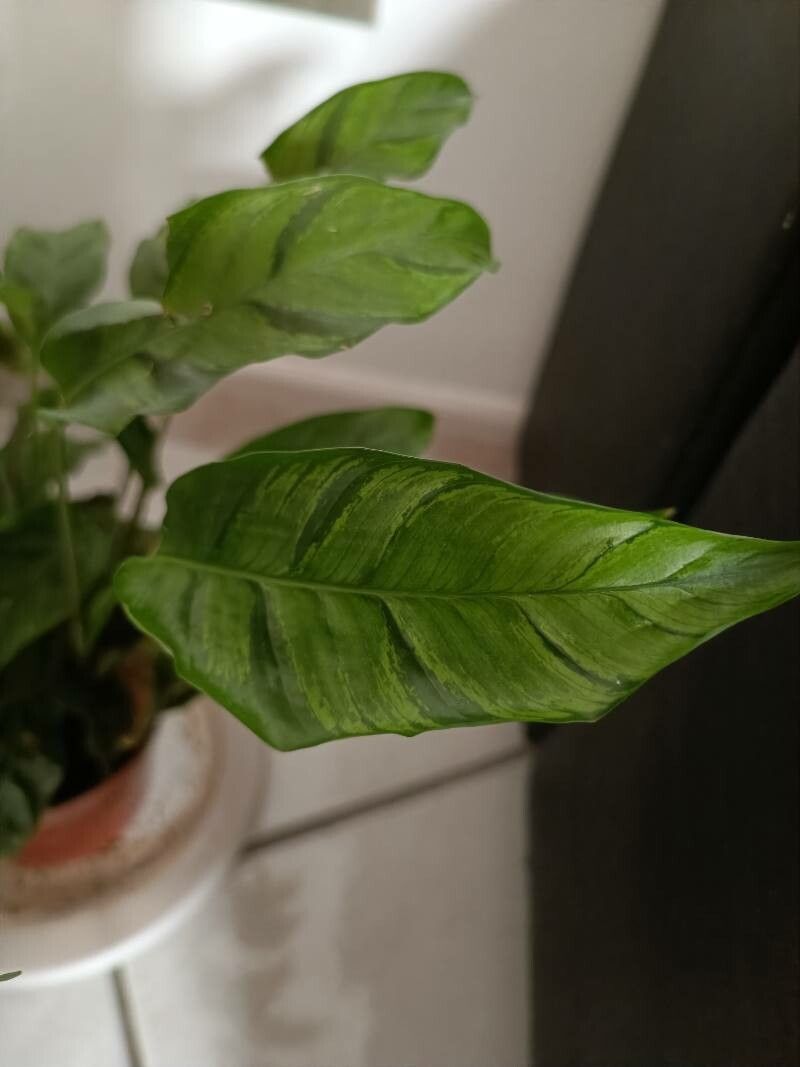
The zebra plant has moderate resistance to disease but can be prone to leaf spot. When humidity is low, its leaves can curl and become dry. Caring for this plant is considered challenging because it requires high humidity and good ventilation to grow properly. These conditions can be hard to achieve in typical indoor settings. The zebra plant is suitable for people who can provide high-humidity conditions, though even experienced growers may find it difficult to get it to thrive. Beginners may be able to keep it alive, but it might not perform well.
How to keep Goeppertia Zebrina.
Light
The zebra plant does best when kept out of strong light, thriving beneath a thick canopy. It can tolerate moderate illumination, but intense, unfiltered sun will impede healthy growth. Since it originates from environments with limited light, its development is vulnerable to both insufficient and excessively strong light.
Water
The Zebra plant, a native of tropical rainforests, thrives in environments with high humidity and consistently moist, well-draining soil. To keep it hydrated, water it regularly once a week. Additionally, misting the plant helps to replicate the humidity of its natural habitat, ensuring its vibrant foliage remains healthy and attractive.
Humidity
This plant needs special care because it loves high humidity levels of 60-80% or more. The best way to achieve this is by placing a humidifier near the plant. Daily misting is also essential! Make sure the room has good ventilation.
Temperature
The zebra plant is native to tropical regions and prefers a warm environment with temperatures ranging from 68 to 100 ℉ (20 to 38 ℃). Keep temperatures within this range to ensure optimal growth and health. In winter, if temperatures drop below 60 ℉ (15.5 ℃), bring the plant indoors or provide supplemental heat to maintain the preferred range.
Fertilizer
The zebra plant needs the most fertilizer during its active growth period, which is mainly in spring, summer, and early fall. Fertilizing supplies vital nutrients the soil may lack, encouraging strong root and stem growth and the attractive foliage that is a distinguishing feature of this plant.
Pruning
The Zebra plant, known for its variegated leaves, benefits from selective pruning in early spring. Trim away any damaged or old leaves to promote healthy growth and improve air circulation. Regular pruning helps maintain the plant's shape and prevents it from becoming leggy. Be careful to avoid heavy pruning, and always use sterilized tools to prevent disease.
Pot & Repot
When repotting a Zebra plant, pick a pot slightly larger than the current one that provides good drainage. Carry out repotting in spring or fall, and use a well-draining potting mix. Set the plant at the same depth as it previously grew. Thoroughly water it after repotting and position it in a warm spot with bright, indirect light. Avoid overwatering to prevent root rot.
Botanical profile.
- Plant Type
- Herb
- Life Cycle
- Perennial
- Genus
- Goeppertia
- Family
- Marantaceae
- Hardiness Zone
- 10-12
- Mature Height
- 49 cm to 91 cm
- Mature Spread
- 49 cm
- Leaf Color
- Green, Purple
- Leaf Type
- Evergreen
- Flower Color
- White
- Flower Size
- 2.54 cm
- Bloom Time
- Summer, Early fall
- Planting Time
- Spring, Autumn
- Harvest Time
- Late summer, Fall
- Native Area
- Brazil, Colombia, Venezuela
Other names.