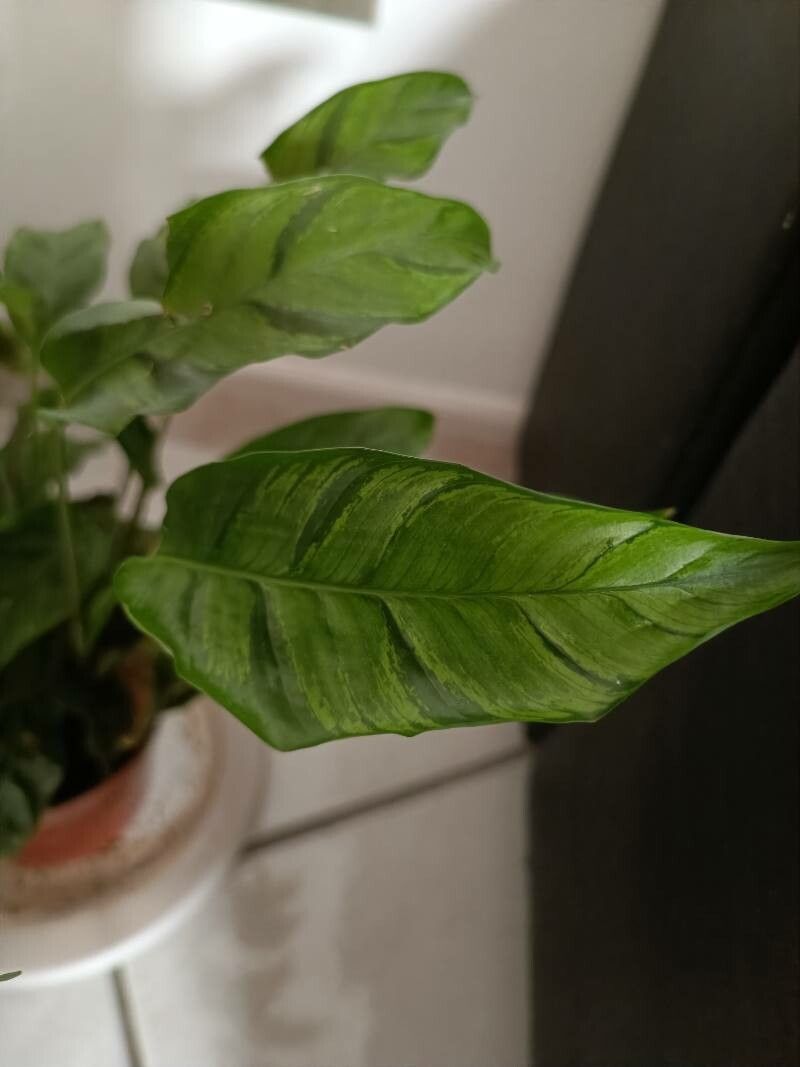
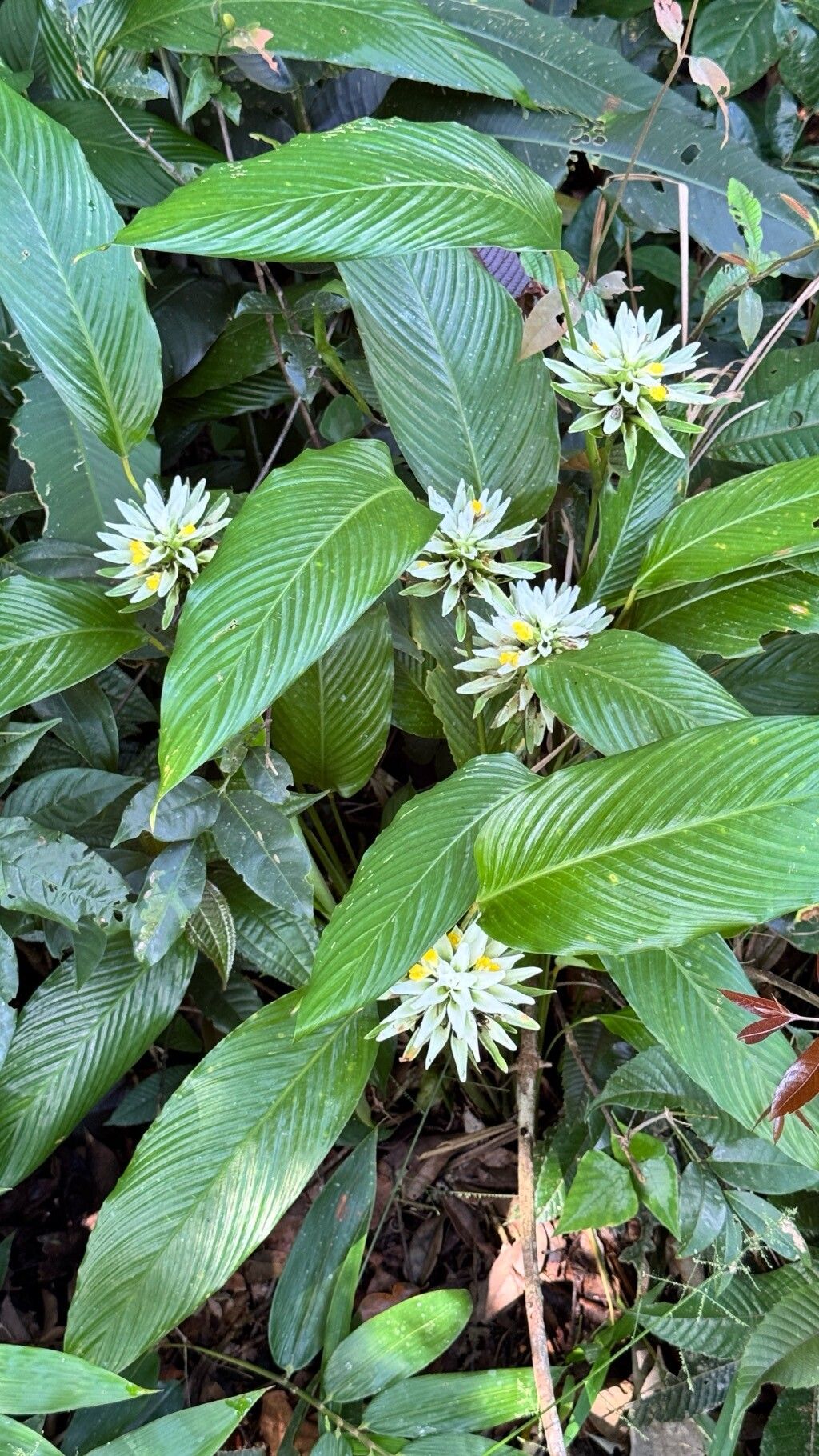
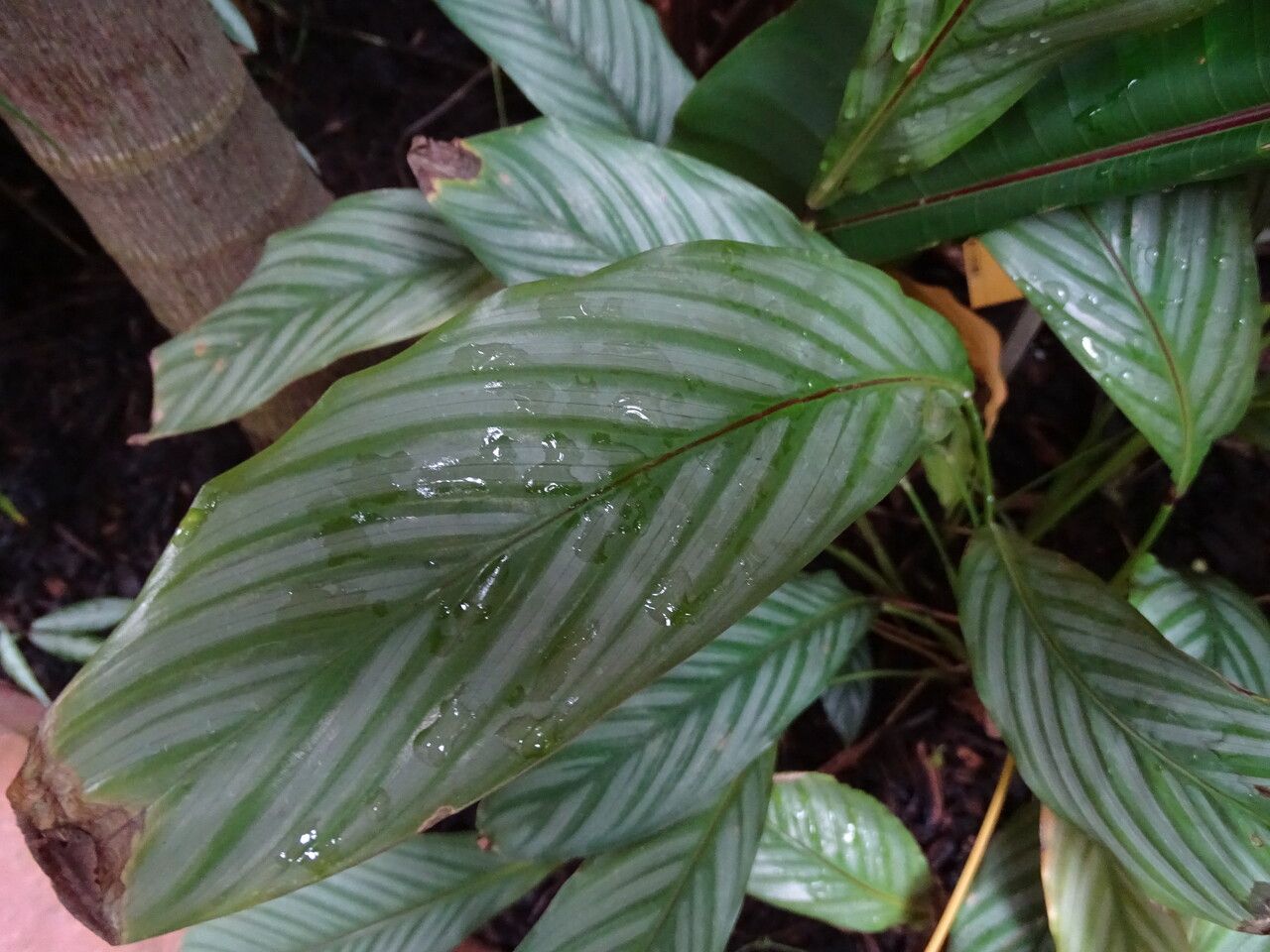
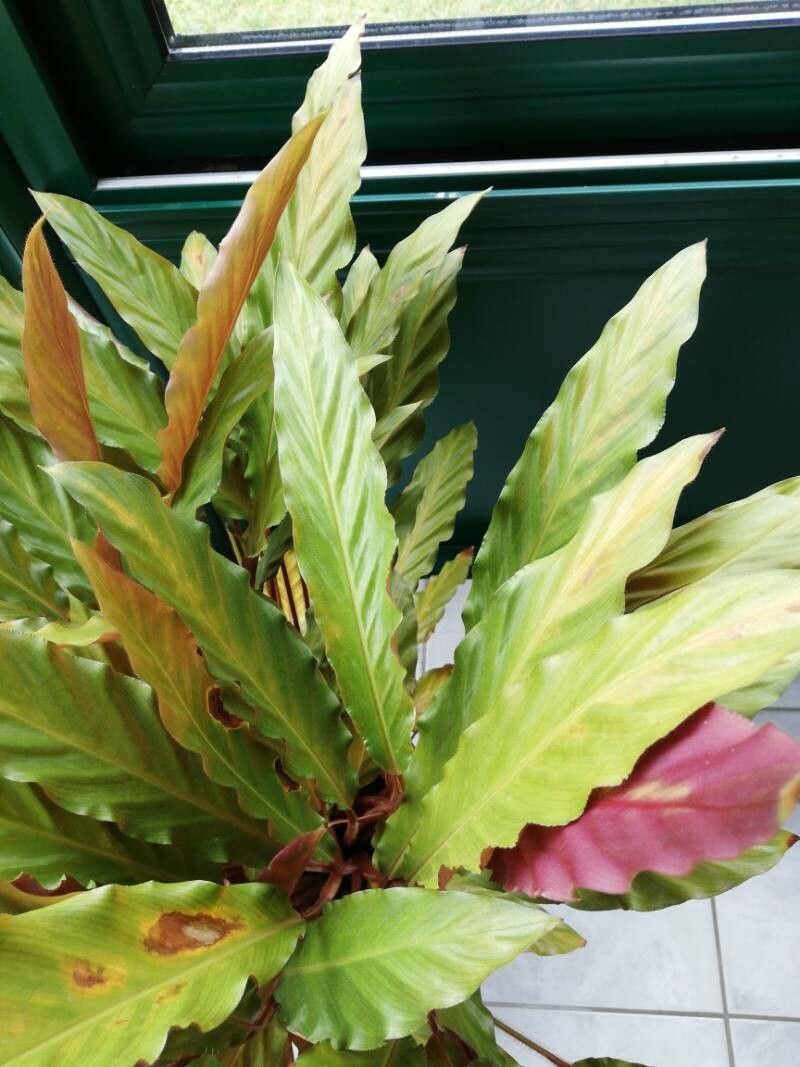
Calathea rufibarba or Goeppertia rufibarba is also known as the Velvet Calathea. This beautiful exotic-looking plant features long, slender light green leaves with a wavy texture. As it matures, the leaves turn a darker green color on the surface with maroon to burgundy undersides. Velvet Calathea has earned its moniker because of the hair-like fuzz on the plant’s stems and undersides of the leaves.
Furry Feather Calathea has moderate resistance to disease and can be prone to leaf spot disease. Its leaves may curl and become dry if humidity is low. The plant is considered difficult to care for because it needs high humidity and good ventilation to grow well. Those conditions can be hard to achieve in typical indoor environments. Furry Feather Calathea is suitable for people who can maintain high humidity, but even experienced growers may find it hard to get the plant to thrive. Beginners might be able to keep it alive, though it may not do very well.
How to keep Goeppertia Rufibarba.
Light
Furry Feather Calathea grows best in spots with moderate sunlight, though it can tolerate lower-light environments. Originating from areas with dense foliage cover, Furry Feather Calathea has adapted to do well even when light is limited. Excessively strong sunlight can cause its leaves to fade, while too little light may hinder its growth.
Water
The Furry Feather Calathea thrives in the moist and humid conditions typical of tropical forests. It prefers consistently moist soil and benefits from being watered weekly. As an indoor plant, it flourishes when regularly misted or placed on a pebble tray to replicate its natural humidity.
Temperature
Furry Feather Calathea favors a warm, humid environment, similar to its native habitat. It performs best in temperatures of 68 to 100 ℉ (20 to 38 ℃). In winter, keep the plant away from cold drafts and maintain temperatures between 60 and 75 ℉ (15 to 24 ℃) to encourage growth.
Fertilizer
The Furry Feather Calathea needs the most fertilizer during its period of active growth, which is mainly in spring, summer, and early fall. Fertilization supplies essential nutrients that the soil might lack, supporting healthy root and stem growth and maintaining the attractive foliage that is a distinctive feature of this particular plant.
Pruning
The Furry Feather Calathea benefits from occasional pruning, which is best done in early spring. This practice removes dead foliage and encourages healthy growth. Use clean scissors to make cuts near the base, ensuring that healthy stems are not harmed. Regular pruning not only enhances the plant's appearance but also helps prevent pests and improves air circulation, leading to a more vibrant plant.
Pot & Repot
When repotting a Furry Feather Calathea, pick a container slightly larger than the previous one that provides good drainage. Repot during spring or fall, using a well-draining potting mix. Plant it at the same depth as before. Water thoroughly after repotting and place the plant in a warm area with bright, indirect light. Avoid overwatering to prevent root rot.
Toxicity
The ASPCA lists all Calathea plants as non-toxic to cats, dogs, and horses. They are also non-toxic to humans. Having said all that, they are not meant to be ingested and may still cause stomach upset.
Further reading →
The toxicity and danger assessments provided are for reference only. We do not assure their accuracy, so it's crucial not to depend on them. Seek professional advice when necessary for accurate guidance.
Botanical profile.
- Plant Type
- Herb
- Life Cycle
- Perennial
- Genus
- Goeppertia
- Family
- Marantaceae
- Hardiness Zone
- 10-12
- Mature Height
- 61 cm to 91 cm
- Mature Spread
- 30 cm to 46 cm
- Leaf Color
- Green, Purple
- Leaf Type
- Evergreen
- Flower Color
- White
- Flower Size
- 2.03 cm to 3.05 cm
- Bloom Time
- Summer, Early fall
- Planting Time
- Spring
- Harvest Time
- Late summer, Fall
- Native Area
- Brazil
Other names.
_(3073332096)_(2).jpg)