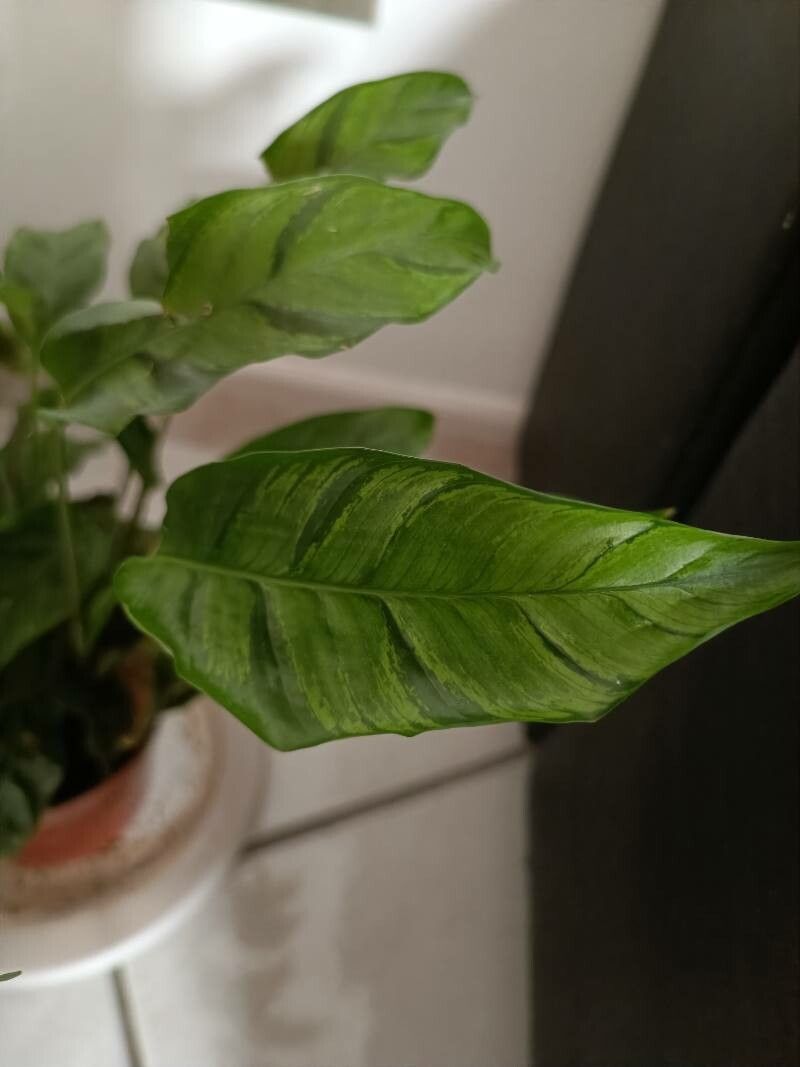
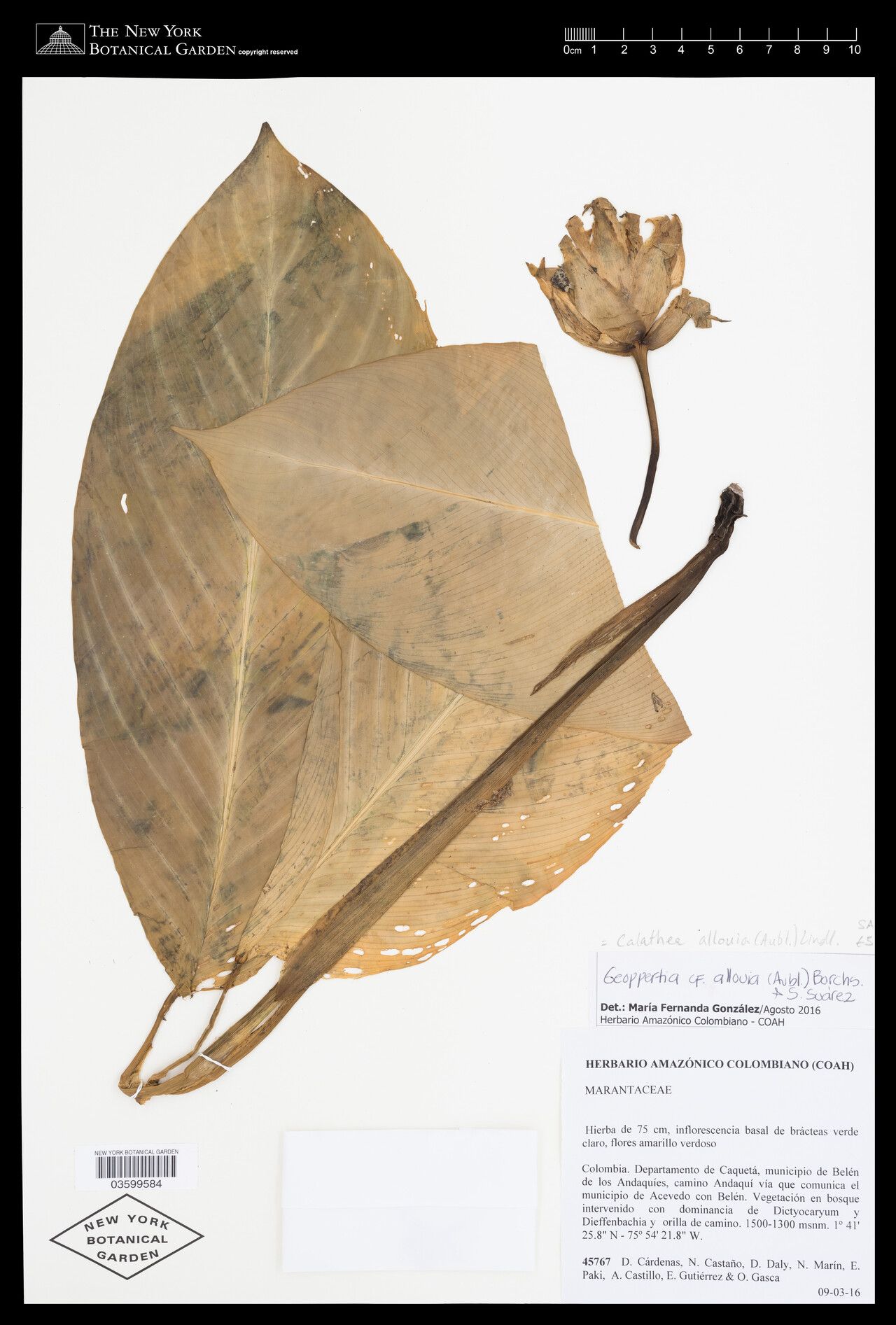
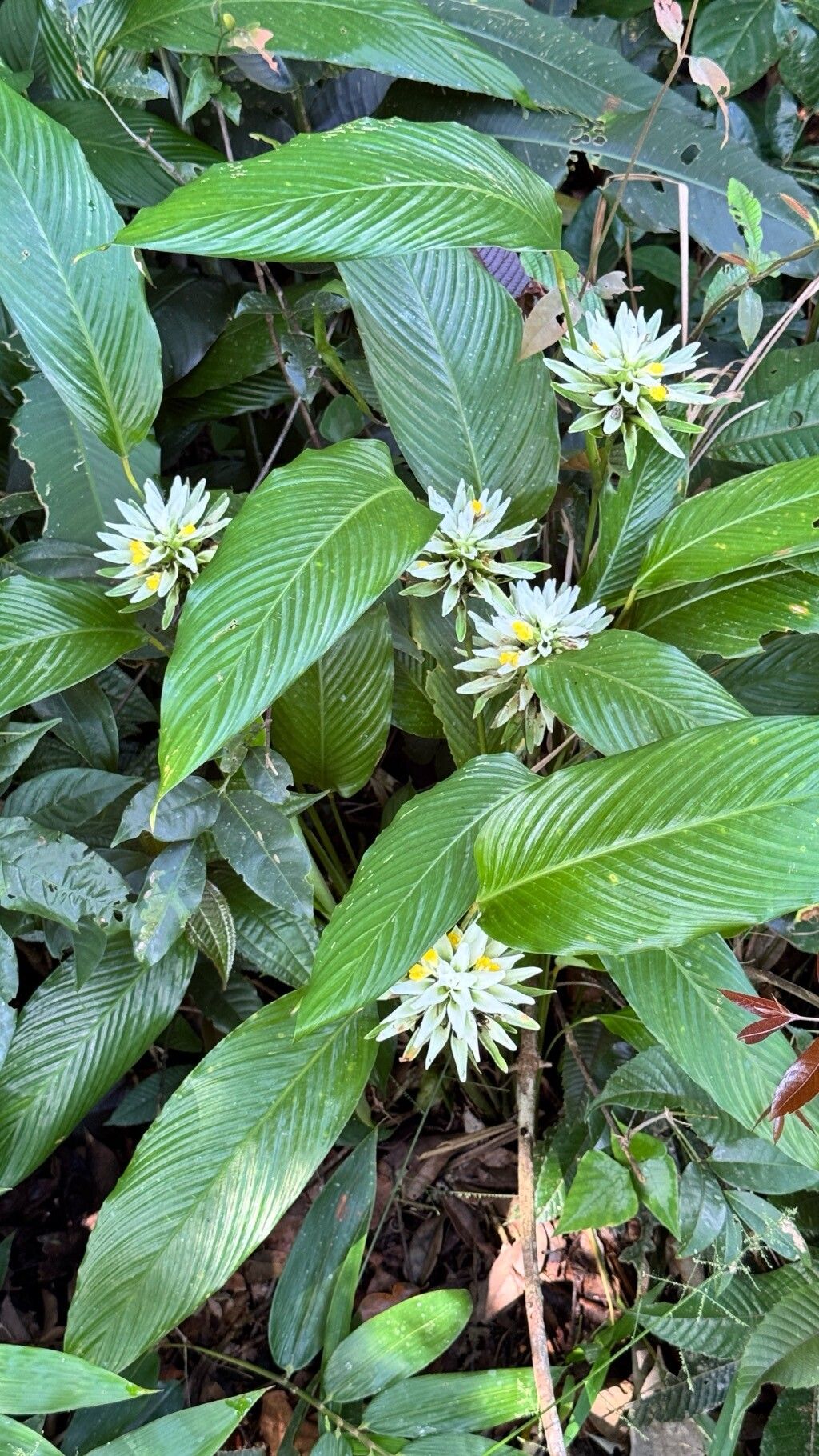
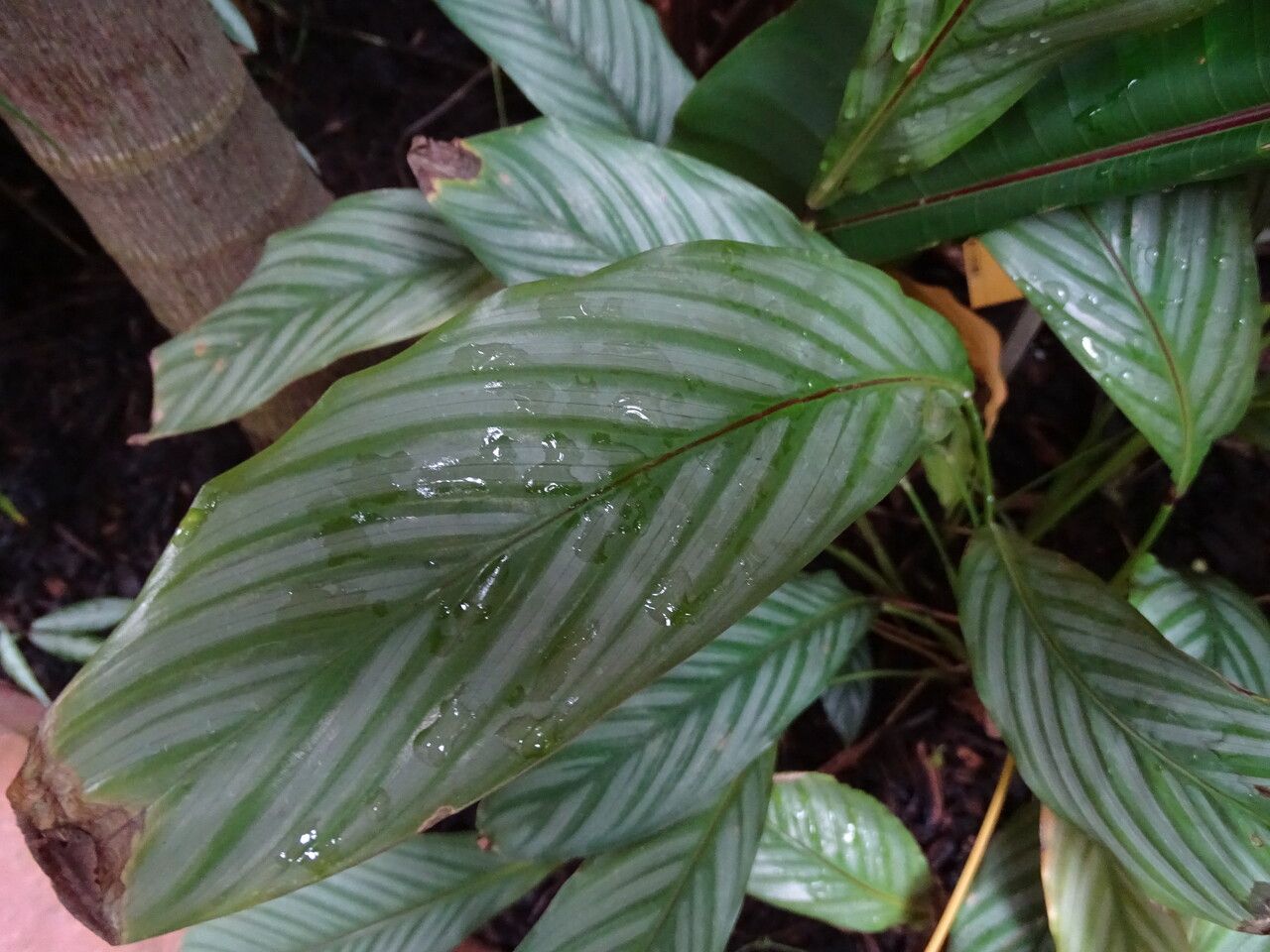
Calathea ornata, sometimes called Goeppertia ornata, pinstripe plant, or cathedral plant, is an evergreen perennial thought to originate from parts of Central and South America. It is usually grown as a houseplant in all but the warmest climates and has large elliptical leaves up to 16 inches in length. These usually have pairs of pinkish-red stripes running outwards from the central vein that may turn white as the leaf ages. The underside of the leaf is usually a purplish color. It may have short flower spikes in summer that are usually white or cream in color but these are relatively rare and it is grown mainly for its stunning foliage.
The pin stripe plant has moderate resistance to disease but can be susceptible to leaf spot disease. When humidity is low, its leaves can curl and become dry. Its care is regarded as difficult because it needs high humidity and good ventilation to grow properly. These conditions can be hard to achieve in typical indoor environments. The pin stripe plant is suitable for people who can provide the high humidity it requires, yet even experienced growers may have trouble getting it to thrive. Novices may be able to keep it alive, but it might not perform well.
How to keep Goeppertia Ornata.
Light
The Pin stripe plant does best beneath a canopy where only a small amount of light penetrates. It can tolerate spots where the sun’s rays are slightly diffused. In its native environment it prospers in the shade of larger plants. Too much sunlight causes the leaves to scorch, while too little light leads to slower growth and weaker foliage.
Water
Originating from tropical rainforests, the pinstripe plant thrives in high humidity and consistently moist soil. To maintain the right moisture balance, water it weekly. Typically grown indoors, the plant benefits from regular misting, which enhances its ornamental appeal by promoting lush foliage and vibrant patterns.
Temperature
Native to warm tropical habitats, the pin stripe plant needs temperatures between 68 to 100 ℉ (20 to 38 ℃) to flourish. It prefers steady temperatures with high humidity and indirect light. In winter, it's recommended to slightly cut back on watering and lower temperatures.
Fertilizer
The pin stripe plant needs the most fertilizer during its active growth phase, which occurs mainly in spring, summer, and early fall. Fertilizing provides essential nutrients that the soil may lack, supporting healthy root and stem development and maintaining attractive foliage, which is a key feature of this particular plant.
Pruning
In early spring, prune your pinstripe plant to remove dead leaves and shape it. To prevent disease, use sterilized scissors. Avoid heavy pruning during the winter. Regularly removing leaves enhances the plant's appearance and improves air circulation, which promotes bushier growth and overall health.
Pot & Repot
To repot a Pin stripe plant, select a pot slightly larger than the previous one that has good drainage. Repot in spring or fall, using a well-draining potting mix. Set the plant at the same depth as before. Water thoroughly after repotting and place it in a warm spot with bright, indirect light. Avoid watering too often to prevent root rot.
Toxicity
Generally regarded as non-toxic to humans and as non-toxic to pets by the ASPCA. It may cause stomach upsets if ingested and is not meant to be consumed by humans or pets.
Further reading →
The toxicity and danger assessments provided are for reference only. We do not assure their accuracy, so it's crucial not to depend on them. Seek professional advice when necessary for accurate guidance.
Botanical profile.
- Plant Type
- Herb
- Life Cycle
- Perennial
- Genus
- Goeppertia
- Family
- Marantaceae
- Hardiness Zone
- 10-12
- Mature Height
- 61 cm
- Mature Spread
- 49 cm
- Leaf Color
- Green
- Leaf Type
- Evergreen
- Flower Color
- White, Purple
- Flower Size
- 2.54 cm
- Bloom Time
- Summer, Early fall
- Planting Time
- Spring, Summer, Autumn, Winter
- Harvest Time
- Late summer, Fall
- Native Area
- Colombia, Venezuela
Other names.
Reader questions.
When Should I Water My Pin Stripe Plant?
Deciding when to water your pin stripe plant requires paying attention to a few key signals due to its specific needs for proper growth and development. Begin by checking the moisture level of the soil; it's time to water if the soil feels dry 1 to 2 inches below the surface. Observing the plant’s leaves for signs like wilting, curling, or discoloration can also indicate the need for water. Additionally, the soil’s appearance and temperature and humidity conditions can affect watering frequency. Avoid watering too early when the soil is still moist, to prevent root rot, and avoid watering too late, which can cause the plant to wilt and potentially die if done so repeatedly. Keeping an eye on these signs will help you maintain the right watering balance for your pin stripe plant.
Why do I have to put fertilizer on my Pin stripe plant?
The growth of plants, including the Pin stripe plant, depends on soil nutrients. However, there is no guarantee that the soil where your plants grow will have all the necessary nutrients. To address this issue, fertilization and soil amendments are important. They help ensure that the plants in your garden receive both basic and specific nutrients required for their growth. For the Pin stripe plant, fertilizer is necessary to support the development of healthy roots and stems throughout the growing season. Fertilization also promotes vibrant leaf growth, which is crucial for enhancing the plant's ornamental appeal.
What are the sunlight requirements for a Pin stripe plant?
A Pin stripe plant (Goeppertia ornata) requires specific sunlight conditions to thrive. It does well in full shade, meaning it should receive less than 3 hours of direct sunlight per day. Alternatively, it can tolerate partial sun, approximately 3-6 hours of sunlight daily. It's important to monitor how sunlight moves through your garden, choosing spots that offer a mix of light and shade to keep your plants healthy. Excessive sunlight can scorch the leaves, while too little light can cause slow growth and weak foliage. The plant naturally flourishes under the canopy of larger plants in its native habitat.
What is the native environment and ideal temperature range for the Pin stripe plant?
The Pin stripe plant, botanically known as Goeppertia ornata, originates from a warm and tropical growth environment. It thrives in a temperature range of 68 to 100°F (20 to 38°C), favoring consistent temperatures coupled with high humidity and indirect light. To maintain its health, especially during winter, it's advisable to reduce watering and slightly lower the temperatures while ensuring it remains above 20°C. The plant is extremely sensitive to cold, and temperatures nearing 5°C can be harmful. For outdoor plants in autumn, it's best to bring them indoors, placing them near a bright window but away from direct heat sources to preserve the ideal growing conditions.
How Should I Water My Pin Stripe Plant?
To ensure the pin stripe plant receives adequate moisture without becoming waterlogged, consider the bottom-watering method. This involves allowing the plant to absorb water from the bottom up by placing the pot in a tray of water, which encourages deep root growth and reduces the risks of leaf fungal diseases. If you're using a watering can, opt for one with a narrow spout to direct water towards the soil around the base of the plant, avoiding the leaves. This precise watering method helps protect the foliage and ensures that the water reaches where it's needed most.
When should I put fertilizer on my Pin stripe plant?
A Pin stripe plant requires more fertilizer when it is actively growing, which is usually during spring, summer, and early fall. After winter, you should feed the plant every two to four weeks until fall. Then, you can gradually reduce the amount of fertilizer until you stop completely in anticipation of winter when the plant's growth slows down.
How should artificial lighting be used for indoor Pin stripe plants?
When natural sunlight is insufficient for indoor Pin stripe plants, especially in winter or less sunny spaces, artificial lighting becomes essential for optimal growth. Indoor plants can benefit from LED lights, which can be customized to provide specific wavelengths of light necessary for the plants. The required intensity of artificial light varies: full sun plants need 30-50W/sq ft, partial sun plants need 20-30W/sq ft, and full shade plants require 10-20W/sq ft. The light source should be placed 12-36 inches above the plant, mimicking natural sunlight conditions, and provided for 8-12 hours daily to simulate the natural daylight most plants need.
What are the symptoms of low temperature exposure in Pin stripe plants, and how can they be managed?
Pin stripe plants exhibit a clear intolerance to low temperatures, thriving best when temperatures are maintained above 20°C. Exposure to cold, particularly below 1°C, causes the leaves to lighten in color. Following frost damage, the foliage may turn brown or black, accompanied by wilting and drooping. To manage these symptoms, immediately trim away the damaged parts and move the plant to a warmer indoor setting. Positioning the plant near a south-facing window can ensure adequate sunlight without the risk of cold stress. Additionally, it's crucial to avoid placing the plant next to heaters or air conditioning vents, as this can lead to excessively dry air and further distress the plant.
How Much Water Does Pin Stripe Plant Really Need?
The pin stripe plant prefers consistently moist soil but hates soggy conditions, necessitating a balance in watering practices. Aim for watering amounts that keep the soil properly hydrated without causing waterlogging, which suggests about 200-300ml per session for a mature plant, adjusting for factors like humidity, temperature, and the plant's overall size. A well-hydrated pin stripe plant will display vibrant leaves and show no signs of distress such as wilting or discoloration. It's crucial to avoid both overwatering and underwatering by checking the soil's moisture level before each watering session.
When is the best time not to fertilize my Pin stripe plant?
For most of the year, including spring, summer, and most of the fall, you should regularly feed your Pin stripe plant. However, there are a couple of exceptions. If you notice that your plant has been over-fertilized or incorrectly fertilized, causing fertilizer burn or other issues, you should fix these problems before resuming regular feeding. The only time you should refrain from fertilizing a Pin stripe plant is during winter. If you grow this plant indoors in a cold winter area, it will go into a dormant phase during this time. Feeding the plant during its dormant phase is unnecessary and harmful to its growth, as it is likely to cause fertilizer burn.
What are the symptoms of improper lighting for a Pin stripe plant?
Symptoms of improper lighting in a Pin stripe plant include slower or no new growth, indicating the plant has entered survival mode due to poor light conditions. New leaves may appear lighter in color or develop irregular color patterns, showing a lack of chlorophyll and essential nutrients. Chlorosis, or the yellowing of leaves, can occur, affecting the plant's ability to photosynthesize. Other symptoms are sunscald, which damages the plant's tissues due to excessive sunlight, leaf curling as a defense against sunlight exposure, wilting from excessive water loss through transpiration, and leaf scorching marked by brown, dry edges on leaves. These signs indicate the necessity for adjusting the plant's light exposure.
How should Pin stripe plants be cared for in high temperature conditions?
In the peak of summer, it's important to keep the Pin stripe plant in temperatures below 38°C to prevent heat stress. Exposure to temperatures above 43°C can lighten the leaf colors and increase susceptibility to sunburn. To alleviate these issues, prune away sunburned or dried parts of the plant. Relocate it to a spot that is shaded during the intense midday and afternoon sun. Ensuring the plant is watered in the morning and evening will help keep the soil consistently moist, which is vital for its health in high-temperature conditions.