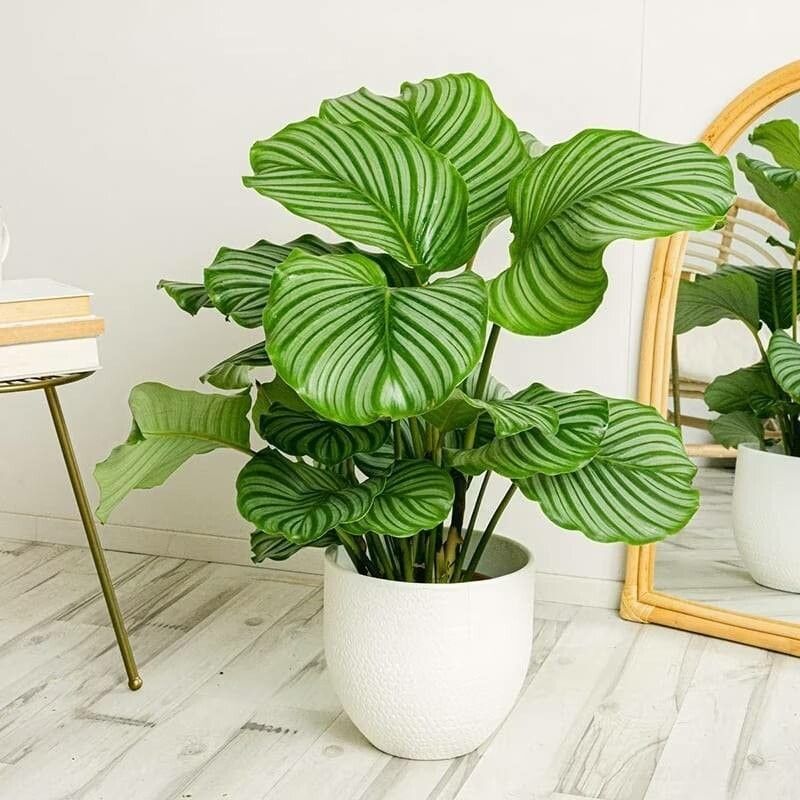
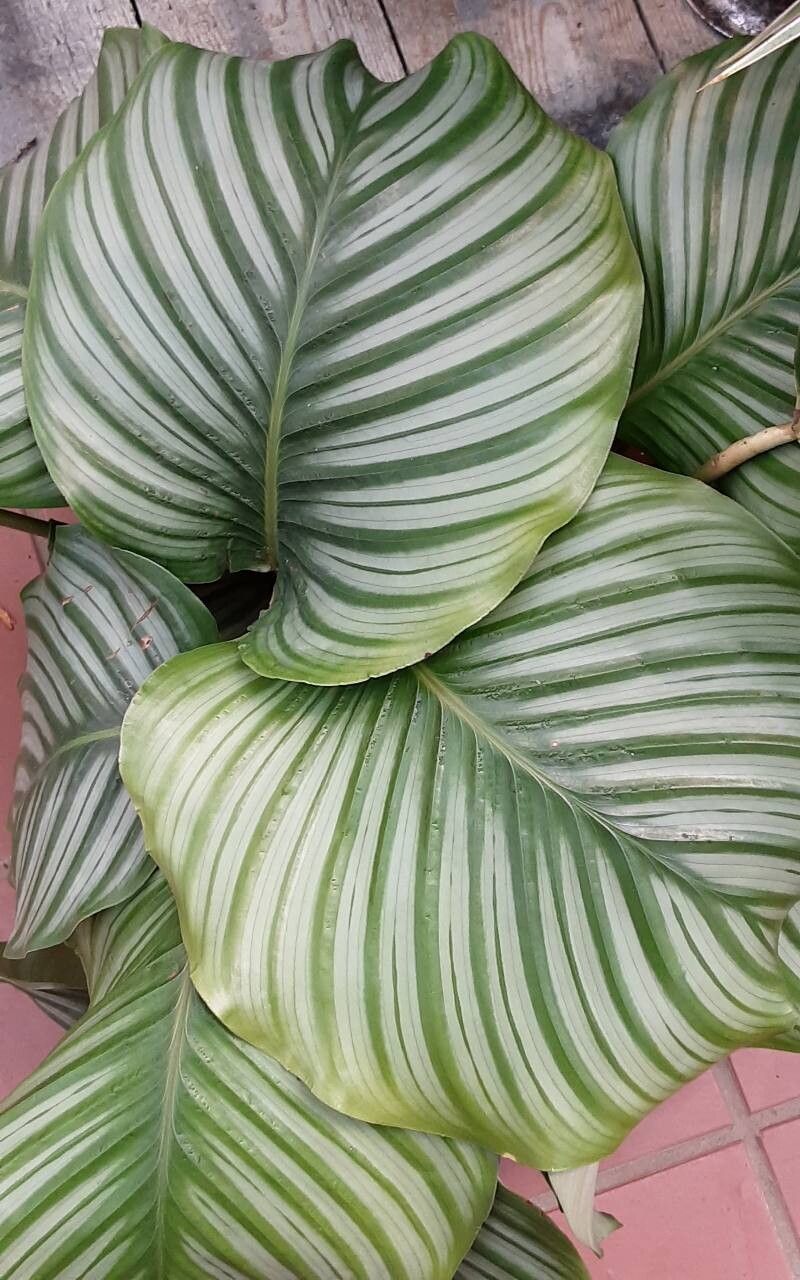
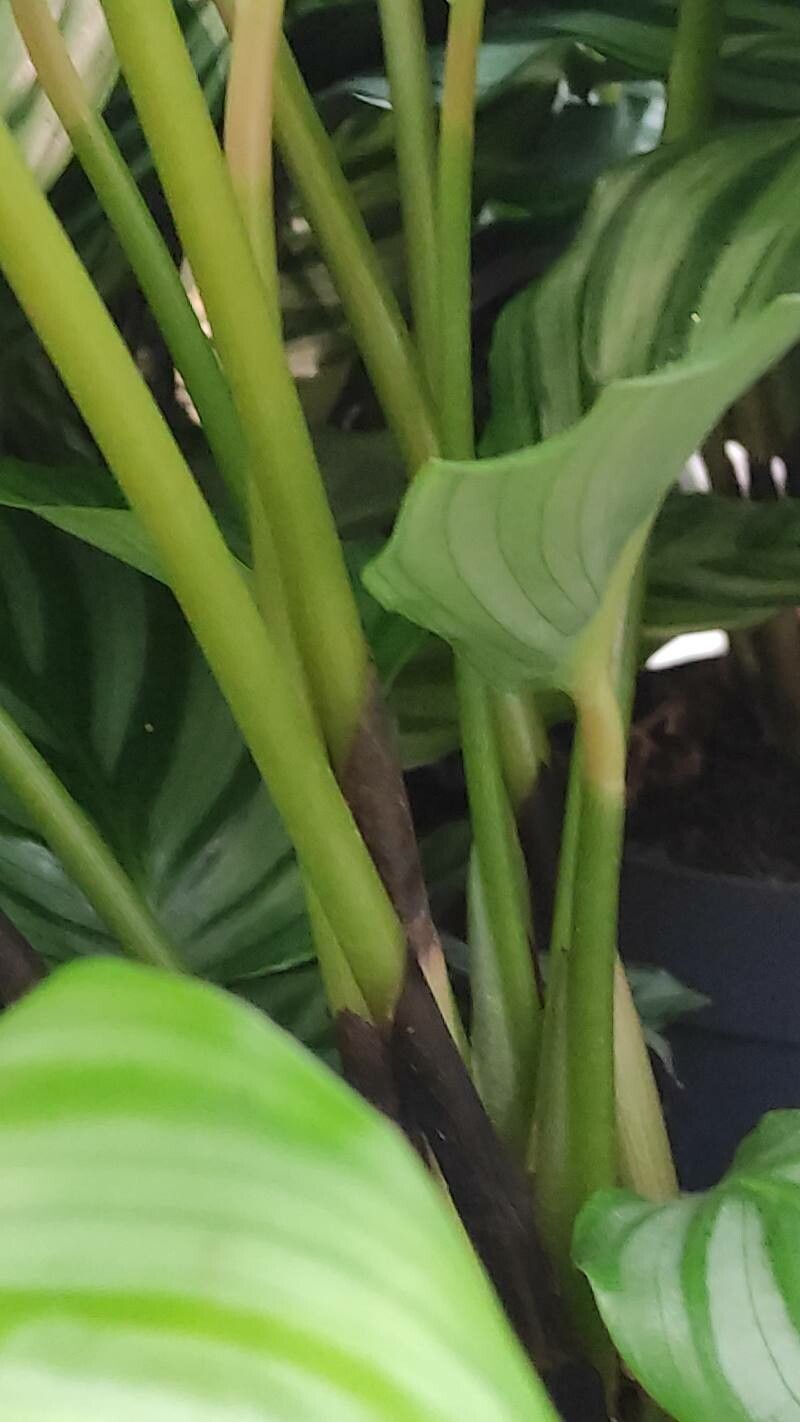
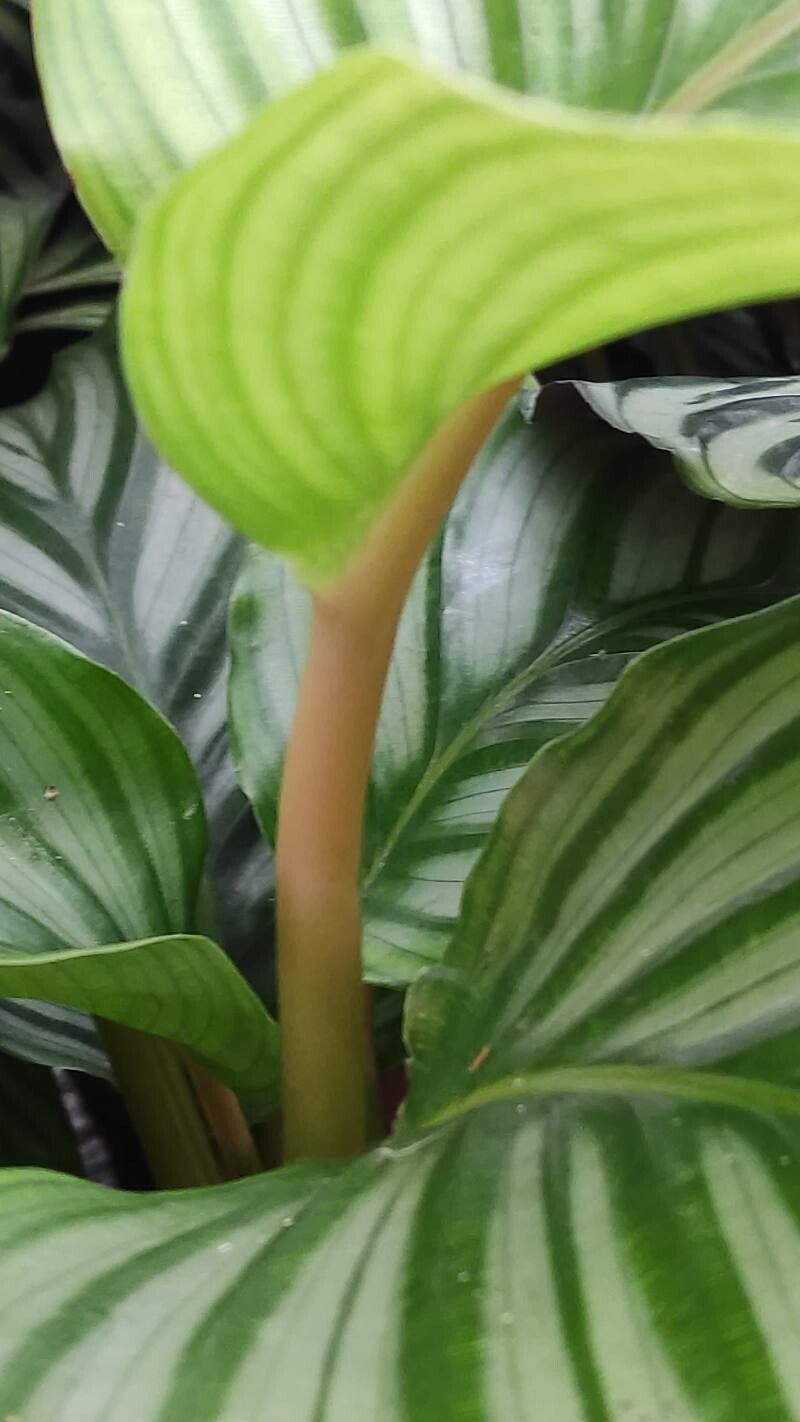
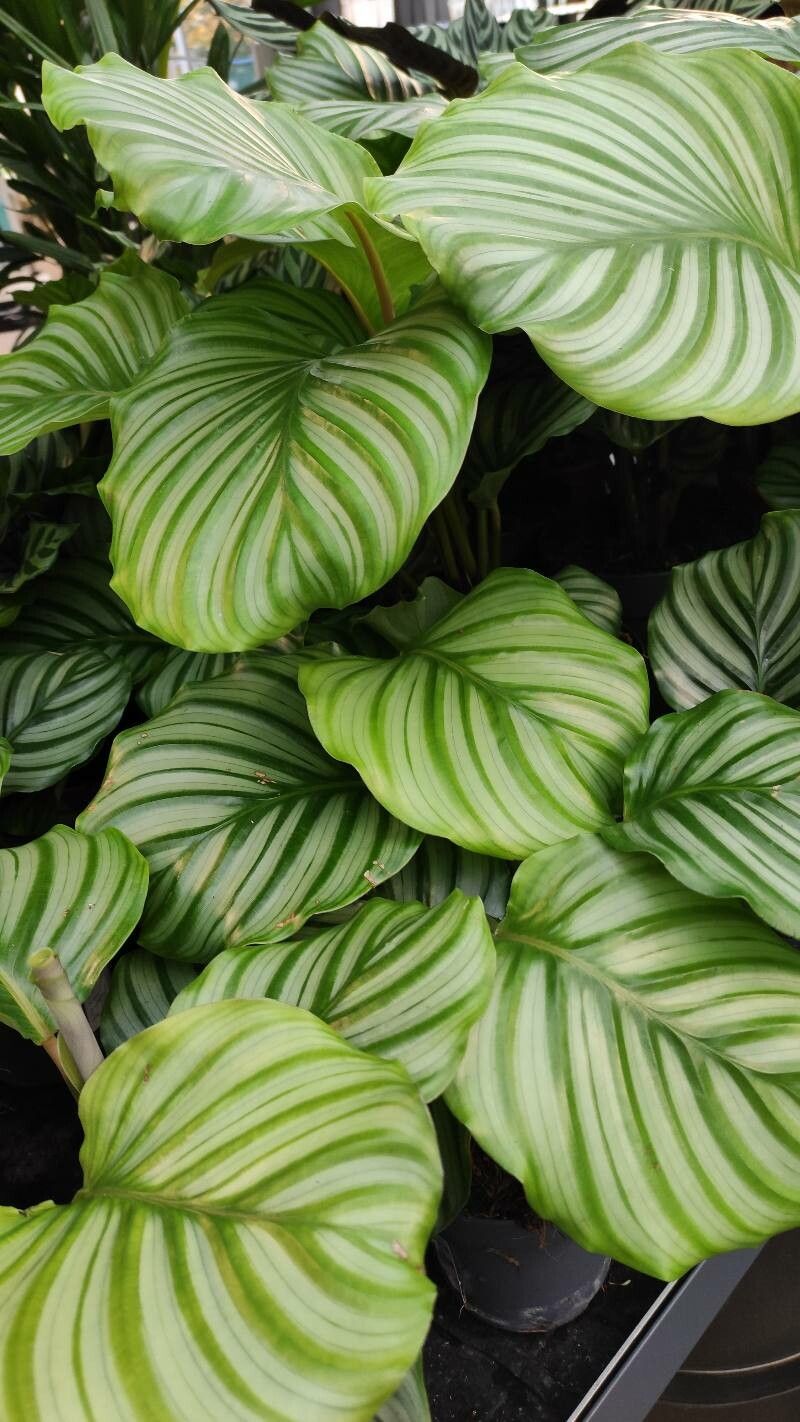
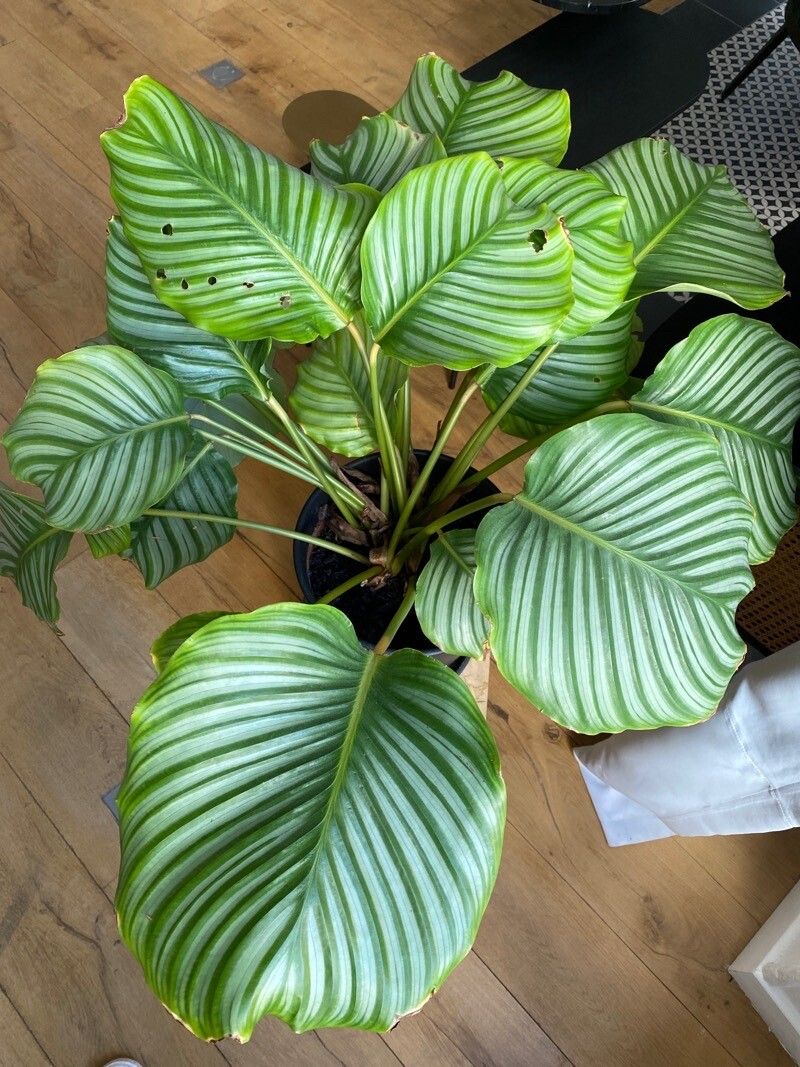
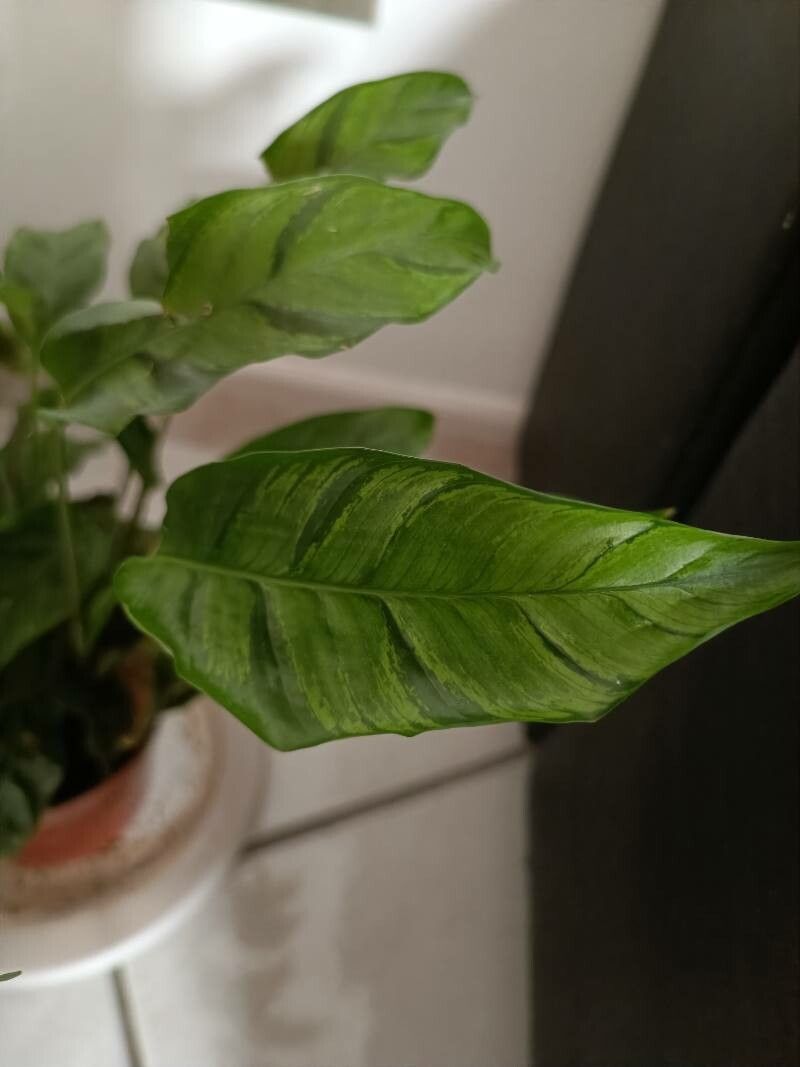
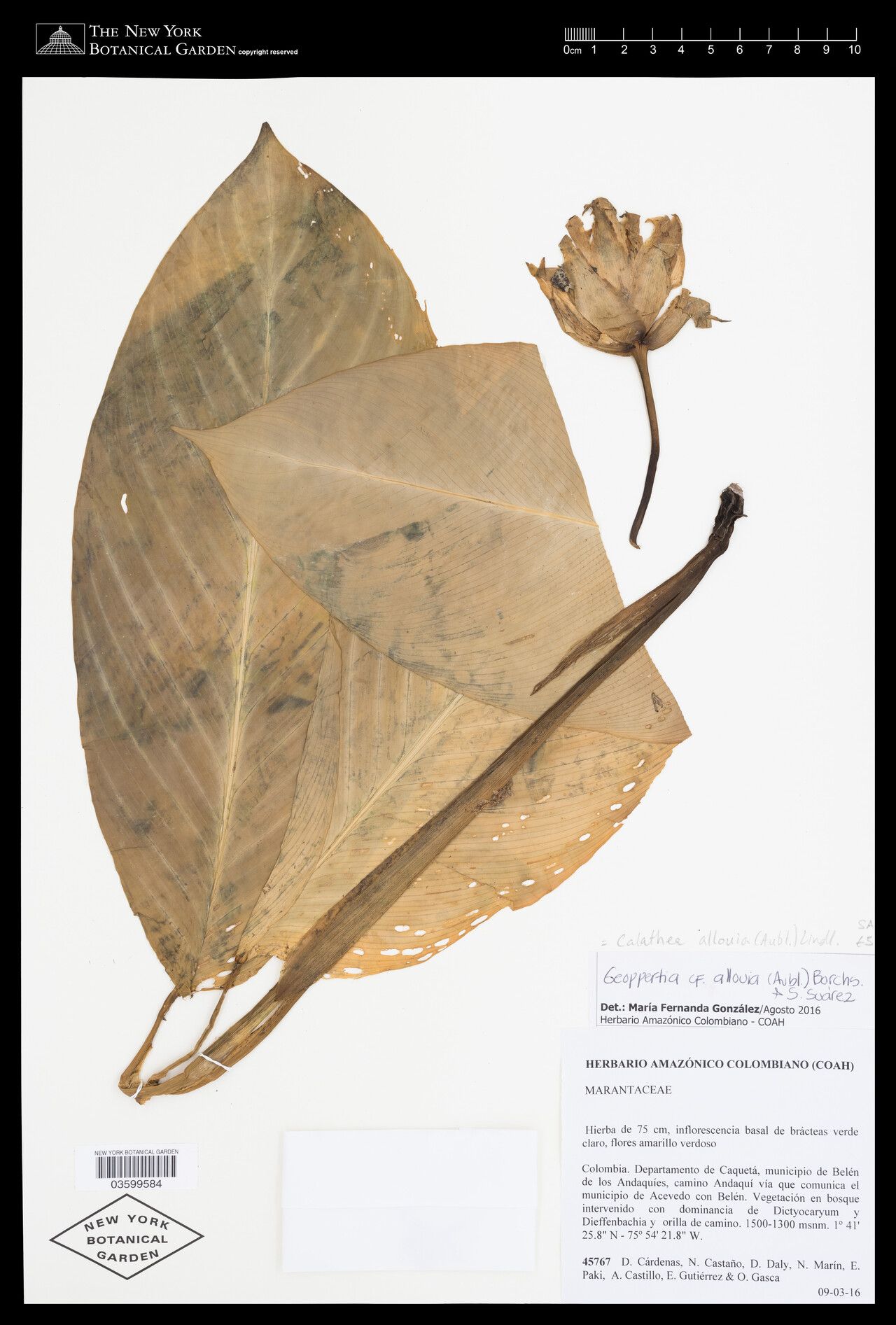
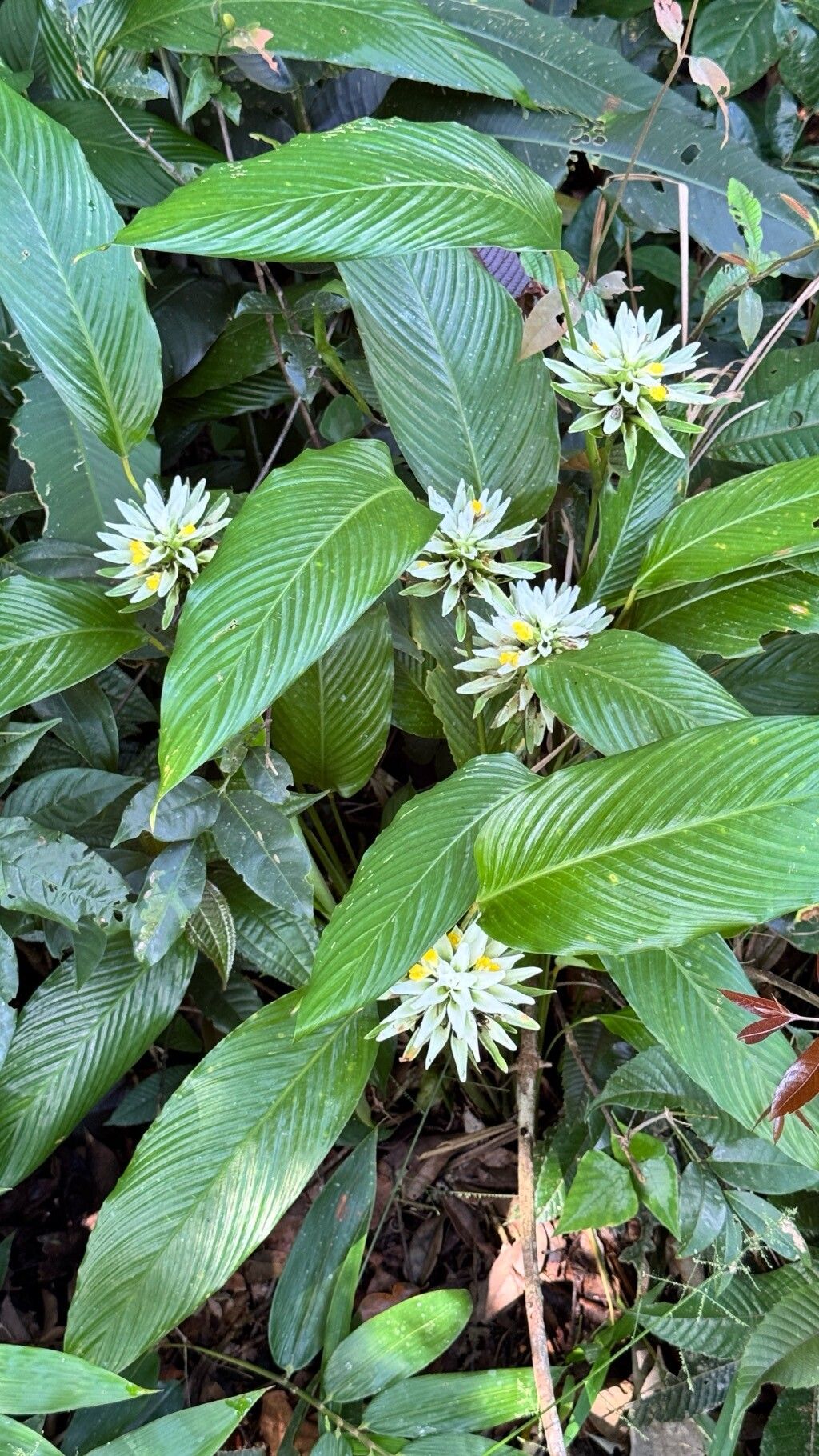
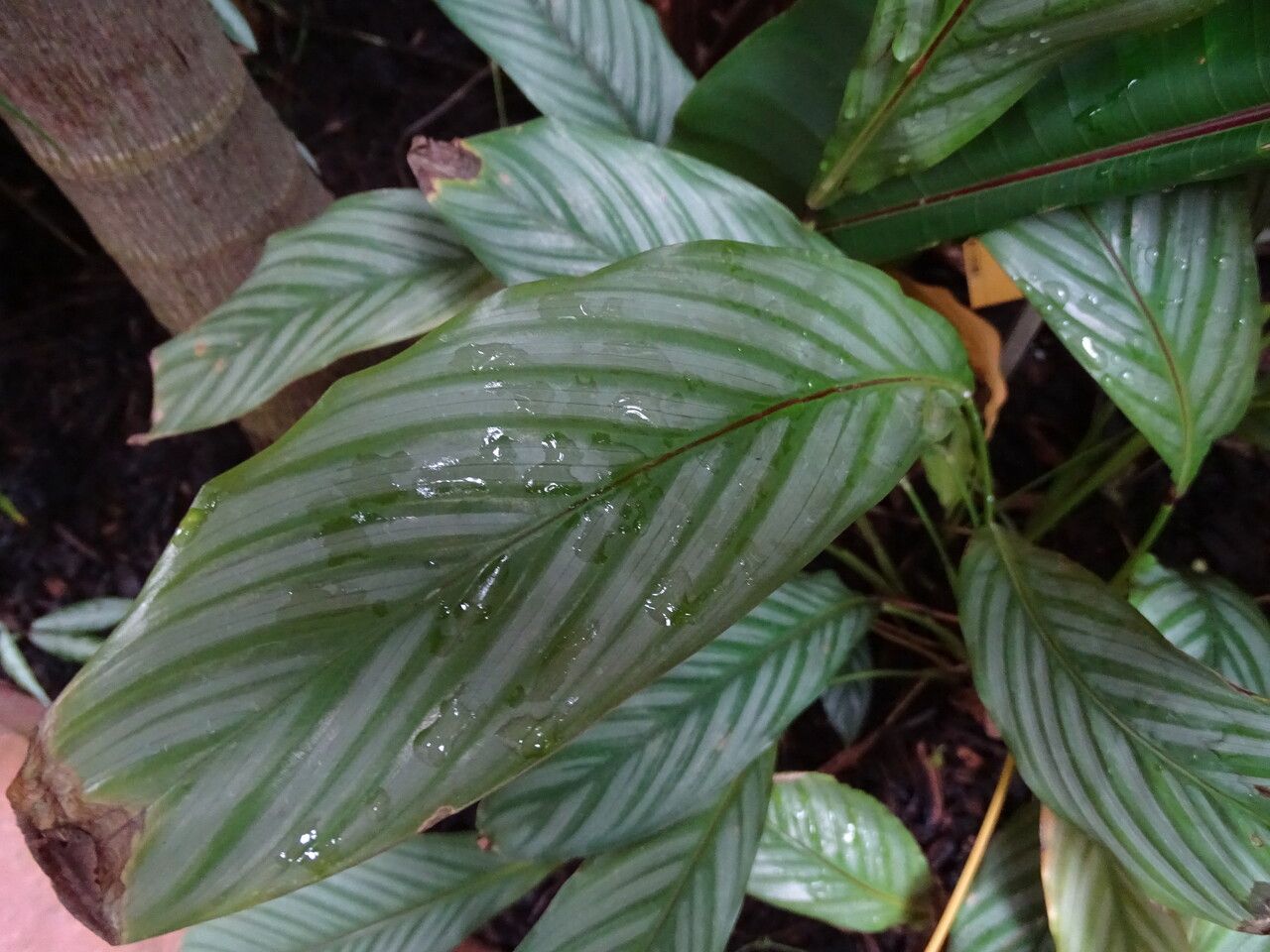
Prayer Plant (Calathea Orbifolia, Goeppertia Orbifo) is one of the most easily recognized tropicals because of its lovely ornamental foliage. Deep green velvety leaves with yellow splotches down the midrib and arching red veins running to the leaf margins characterize the popular tricolor variety. The prayer plant is a slow-growing indoor plant that can grow up to a foot tall. They're pretty common as houseplants, and they can be planted and cared for at any time of year, but they're not always simple to keep growing over time. It receives its common name because its leaves are flat during the day and fold up like praying hands at night.
Prayer plant has moderate resistance to disease but can be vulnerable to leaf spot disease. Its leaves may curl and dry out when humidity is low. The care level for this plant is considered difficult, as it requires high humidity and adequate ventilation to grow properly. These conditions can be challenging to achieve in ordinary indoor environments. Prayer plant is suitable for people who can provide high humidity conditions for it to grow, but even experienced growers may have difficulty getting it to thrive. Novices may be able to keep it alive, but it may not perform well.
How to keep Goeppertia Orbifolia.
Light
The prayer plant prefers locations with gentler light and tolerates spots where illumination is soft or partly shaded. Native to areas where sunlight is mostly filtered, it performs best in these conditions. However, if light is too weak the plant can experience growth problems, while too much light may cause the leaves to burn.
Water
The prayer plant thrives in the humid, moist conditions typical of tropical rainforests. It needs to be watered weekly and benefits from regular misting to maintain adequate humidity levels. This plant is well-suited for indoor cultivation and prefers stable conditions without experiencing drought stress. When cared for properly, it displays its evergreen foliage throughout the year.
Humidity
This plant needs special care because it loves high humidity levels of 60-80% or more. The best way to achieve this is by placing a humidifier near the plant. Daily misting is also essential! Make sure the room has good ventilation.
Temperature
The prayer plant originates from areas where average temperatures range from 68 to 100 ℉ (20 to 38 ℃). In temperate regions, it is best kept indoors in a warm environment with consistent temperatures between 65 and 75 ℉ (18 to 24 ℃). In summer months it can tolerate higher temperatures up to 85 ℉ (29 ℃), while in winter it may benefit from occasional cooler temperatures as low as 60 ℉ (15 ℃).
Fertilizer
The prayer plant needs the most fertilizer during its active growth phase, which occurs mainly in spring, summer, and early fall. Fertilization supplies essential nutrients that the soil may lack, encouraging healthy root and stem development and supporting the attractive foliage that is a key feature of this plant.
Pruning
The Prayer plant has beautifully patterned leaves and benefits from pruning in early spring. To encourage healthy growth and improve air circulation, remove any dead leaves and trim back overgrown stems. Regular light pruning helps maintain the plant's vigor and prevents disease. Be sure to use sterilized tools when caring for the plant, and refer to horticultural resources for more detailed guidance.
Pot & Repot
When repotting a Prayer plant, pick a pot slightly larger than the current one that has good drainage. Repot during spring or fall, using a well-draining potting mix. Place the plant at the same depth as it was previously. Water thoroughly after repotting and put it in a warm spot with bright, indirect light. Avoid overwatering to prevent root rot.
Toxicity
Prayer plants are not dangerous or have no known toxic traits to people or pets.
Further reading →
The toxicity and danger assessments provided are for reference only. We do not assure their accuracy, so it's crucial not to depend on them. Seek professional advice when necessary for accurate guidance.
Botanical profile.
- Plant Type
- Herb
- Life Cycle
- Perennial
- Genus
- Goeppertia
- Family
- Marantaceae
- Hardiness Zone
- 10-12
- Mature Height
- 61 cm to 91 cm
- Mature Spread
- 61 cm to 91 cm
- Leaf Color
- Green, Silver, Gray
- Leaf Type
- Evergreen
- Flower Color
- White
- Flower Size
- 2.03 cm to 3.05 cm
- Bloom Time
- Mid spring, Late spring, Early summer, Mid summer
- Planting Time
- Spring
- Harvest Time
- Late spring, Summer
- Native Area
- Brazil
Other names.